 The E-myth Revisited
Quotes from the Book
I realized that with everything I did from that point onward, I would have to ask myself this question: "How would I feel if what I'm doing right now is written up on the front page of the Wall Street Journal or the New York Times or if it is on television? Would I still do it?" That is a very useful exercise for leaders to engage in, because we shouldn't do anything we might be embarrassed by or ashamed of.
6
Resources are limited; creativity is unlimited.
4
As the saying goes, “The longest journey that people must take is the eighteen inches between their heads and their hearts.
4
Business can be a wonderful vehicle for both personal and organizational learning and growth. I have experienced many more awakenings as Whole Foods has grown and evolved over the past three decades. We will share some of these throughout the book. Most importantly, I have learned that life is short and that we are simply passing through here. We cannot stay. It is therefore essential that we find guides whom we can trust and who can help us discover and realize our higher purposes in life before it is too late. In my early twenties, I made what has proven to have been a wise decision: a lifelong commitment to follow my heart wherever it led me—which has been on a wonderful journey of adventure, purpose, creativity, growth, and love. I have come to understand that it is possible to live in this world with an open, loving heart. I have learned that we can channel our deepest creative impulses in loving ways toward fulfilling our higher purposes, and help evolve the world to a better place.
4
Most people in the twenty-first century (especially those who are well educated and reasonably affluent) want to work for more than just a paycheck. They crave work that is stimulating and enjoyable. They’re looking for meaning; they want their work to make a difference, to make the world a better place. They’re looking for a community of friends. They’re looking for opportunities to learn and to grow and to have fun.
2
The median age of adults is rising rapidly in most countries as birth rates fall and life expectancies increase. For the United States, the year 1989 marked a major turning point: for the first time, there were more adults over the age of forty than below.5 The “psychological center of gravity” for society as a whole shifted into midlife and beyond.6 This silent passage marked a gradual but significant transformation of the zeitgeist toward midlife values such as caring and compassion, a greater desire for meaning and purpose, and concern for one’s community and legacy.
2
Just as happiness is best experienced by not aiming for it directly, profits are best achieved by not making them the primary goal of the business.
2
Businesses must view people not as resources but as sources.16 A resource is like a lump of coal; you use it and it’s gone. A source is like the sun—virtually inexhaustible and continually generating energy, light, and warmth. There is no more powerful source of creative energy in the world than a turned-on, empowered human being. A conscious business energizes and empowers people and engages their best contribution in service of its noble higher purposes. By doing so, a business has a profoundly positive net impact on the world. We
2
The longest journey that people must take is the eighteen inches between their heads and their hearts.
2
This is what we know to be true: business is good because it creates value, it is ethical because it is based on voluntary exchange, it is noble because it can elevate our existence, and it is heroic because it lifts people out of poverty and creates prosperity.
2
Regulations and the size and scope of government have greatly expanded, creating the conditions for the spread of crony capitalism, restricting competition in favor of politically well-connected businesses. Crony capitalism is not capitalism at all, but is seen as such by many because it involves businesspeople.
2
There are now more phone connections in the world than there are people.
2
While building trust is a slow and difficult process, destroying it is quick and easy. It doesn’t take much: blatantly self-serving actions by senior leaders, people consistently getting away with toxic behavior, inconsistent and unfair treatment by managers, and distorting or withholding essential information all rapidly erode trust.
1
Drive: The Surprising Truth About What Motivates Us, Daniel Pink reviews the research on human motivation for the past forty years and concludes that most businesses are ignoring what the scientific evidence clearly suggests they should do.7 They continue to manage by relying heavily on extrinsic motivators, symbolized by the proverbial carrot-and-stick approach—the use of incentives and threats. But extrinsic motivators are only effective when the work lacks inherent meaning and the potential for creativity and satisfaction, such as with assembly lines where simple rote tasks must be repeated without end.
1
This has given a real marketing advantage to companies that have a higher purpose and that are adept at using the tools of marketing not to sell, but rather to add value among people who share their beliefs.
1
Steve McIntosh: En el reino de la consciencia y la cultura, la evolución es una calle de doble sentido. No solo tenemos que mejorarnos y llegar a la mejor versión de nosotros mismos, sino que también debemos intentar que durante nuestra breve estancia en este mundo podamos aportar algo que lo mejore. Esto no solo significa llegar a los niveles más altos de nuestra existencia, sino también compartir lo que hemos aprendido con quienes se encuentran en los niveles más bajos. El mundo está lleno de tribulaciones y sufrimiento, y aquellos que han llegado a elevados estados de consciencia tienen el deber sagrado de utilizar esta luz para cambiar el mundo.
«¿Cómo me sentiré si lo que estoy haciendo ahora sale en la portada del Wall Street Journal, el New York Times o en la televisión? ¿Seguiría haciéndolo?» Es un buen ejercicio para cualquier líder, porque no debemos hacer nada que nos pueda avergonzar o incomodar. Fue la lección más contundente.
The myth that profit maximization is the sole purpose of business has done enormous damage to the reputation of capitalism and the legitimacy of business in society. We need to recapture the narrative and restore it to its true essence: that the purpose of business is to improve our lives and to create value for stakeholders.
Businesses that were not profitable did not survive for long in a competitive marketplace, because profits are essential to the long-term survival and flourishing of all businesses. Without profits, entrepreneurs cannot make the necessary investments to replace their depreciating buildings and equipment or to adapt to the always-evolving and competitive marketplace. The need for profit is universal for all businesses in a healthy market economy.
According to the Institute for Policy Studies, the ratio between CEO pay and average pay was 42:1 in 1980, 107:1 in 1990, and 525:1 in 2000. It has fluctuated in recent years, standing at 325:1 in 2010.
Most importantly, I have learned that life is short and that we are simply passing through here. We cannot stay. It is therefore essential that we find guides whom we can trust and who can help us discover and realize our higher purposes in life before it is too late.
Investors, labor, management, suppliers—they all need to cooperate to create value for customers. If they do, the joint value created is divided fairly among the creators of the value through competitive market processes based approximately on the overall contribution each stakeholder makes.
Just as people cannot live without eating, so a business cannot live without profits. But most people don’t live to eat, and neither must businesses live just to make profits.
It was society that chartered the limited liability corporation and granted companies the right to operate. Violating those rights can result in loss of freedom, either by revoking a company’s charter or restricting it with regulatory actions and laws that limit its freedom to operate.
Conscious Capitalism has four tenets: higher purpose, stakeholder integration, conscious leadership, and conscious culture and management
En los últimos años, muchas empresas han cometido el error de contratar a un líder externo que cobraba mucho pero que no se alineaba con el propósito ni con los valores de la compañía. Un buen ejemplo es The Home Depot, que
It’s up to us to decide what it means to be a successful human being. That’s the philosophical task of the age.
Together we create our future reality, so we should do so consciously, collaboratively, and responsibly.
Any stakeholder can develop a deeply adversarial relationship with a business if conflicts are handled in unconstructive ways.
Watch on YouTube
About Rajendra Sisodia
About the book
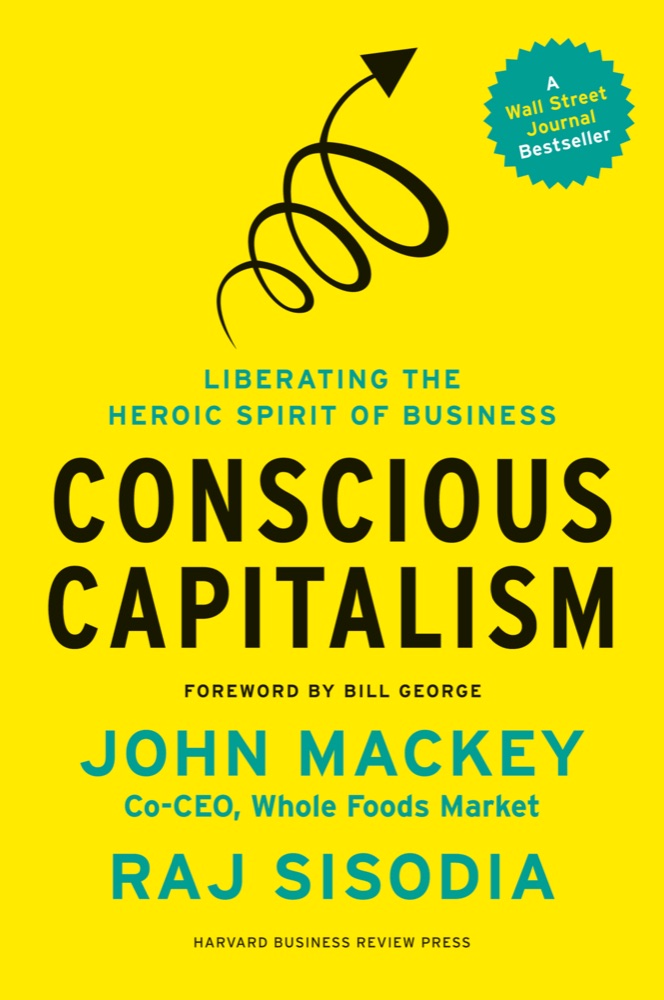
A Wall Street Journal BestsellerIn this book, Whole Foods Market cofounder John Mackey and professor and Conscious Capitalism, Inc. cofounder Raj Sisodia argue for the inherent good of both business and capitalism. Featuring some of today’s best-known companies, they illustrate how these two forces can—and do—work most powerfully to create value for all stakeholders: including customers, employees, suppliers, investors, society, and the environment.These "�Conscious Capitalism" companies include Whole Foods Market, Southwest Airlines, Costco, Google, Patagonia, The Container Store, UPS, and dozens of others. We know them; we buy their products or use their services. Now it’s time to better understand how these organizations use four specific tenets—higher purpose, stakeholder integration, conscious leadership, and conscious culture and management—to build strong businesses and help advan
Book details
- First published
- 2012
- Author
- Rajendra Sisodia
- Genre
- Nonfiction
- Goodreads rating
- 3.78 (4k ratings)
Keep reading
The E-myth Revisited
 The Price of Tomorrow: Why Deflation is the Key to an Abundant Future
 Delivering Happiness: A Path to Profits, Passion, and Purpose
 The Essential Drucker
 Good to Great: Why Some Companies Make the Leap... and Others Don't
 Pour Your Heart Into It: How Starbucks Built a Company One Cup at a Time
 Zero to One: Notes on Startups, or How to Build the Future
 The World Is Flat: A Brief History of the Twenty-first Century
 The Monk and the Riddle: The Education of a Silicon Valley Entrepreneur
 Onward: How Starbucks Fought for Its Life without Losing Its Soul
 Chaos Monkeys: Obscene Fortune and Random Failure in Silicon Valley
 Built to Last: Successful Habits of Visionary Companies
 Hit Refresh: The Quest to Rediscover Microsoft's Soul and Imagine a Better Future for Everyone
 Who Owns the Future?
 The Algebra of Wealth: A Simple Formula for Financial Security
 Invent and Wander: The Collected Writings of Jeff Bezos
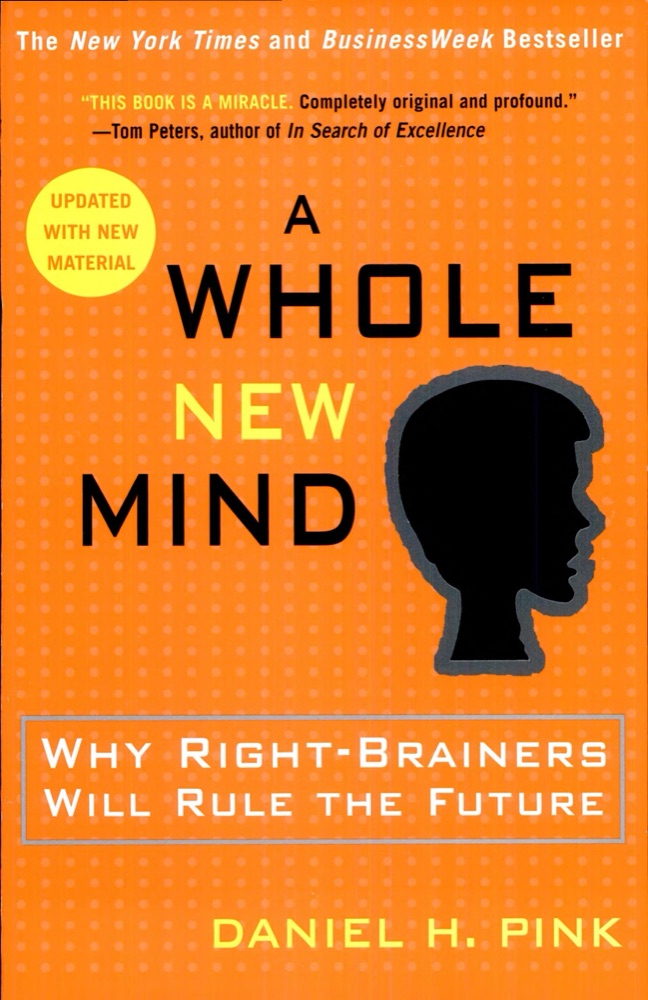 A Whole New Mind: Why Right-Brainers Will Rule the Future
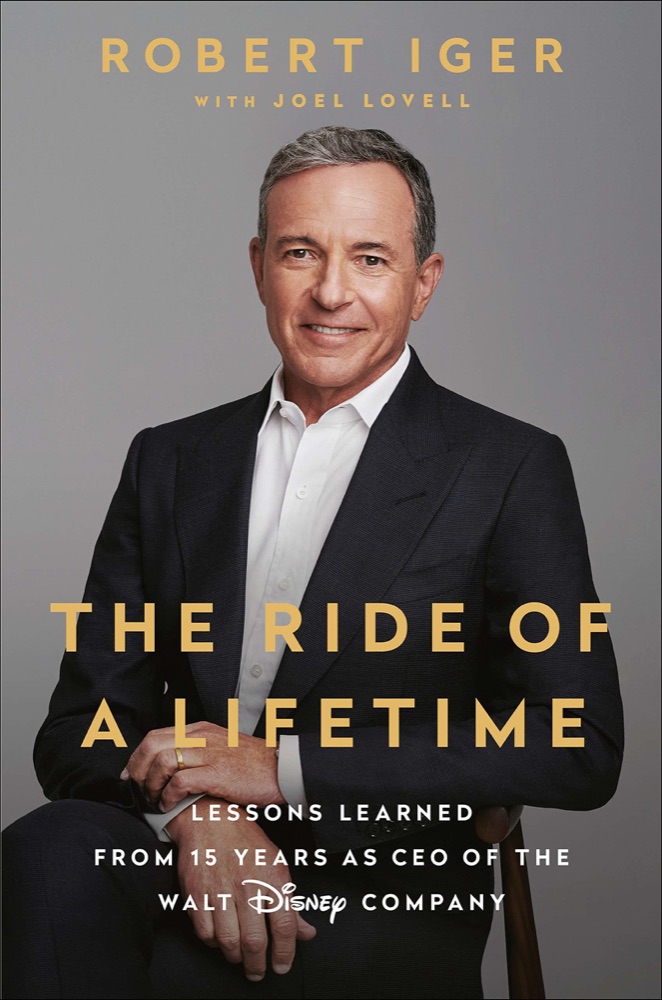 The Ride of a Lifetime: Lessons Learned from 15 Years as CEO of the Walt Disney Company
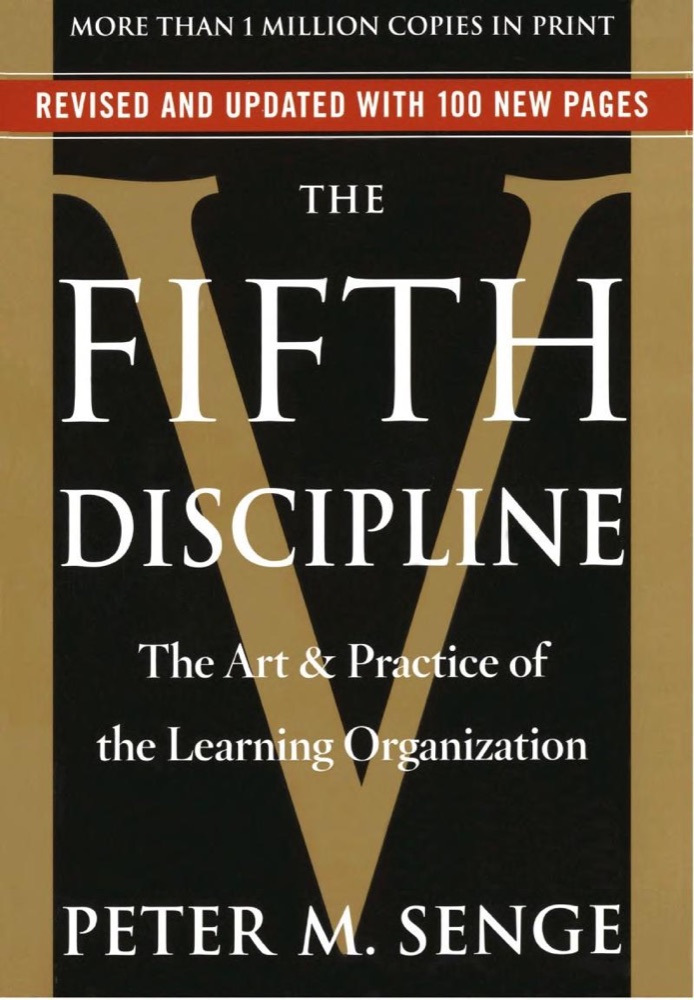 The Fifth Discipline: The Art & Practice of The Learning Organization
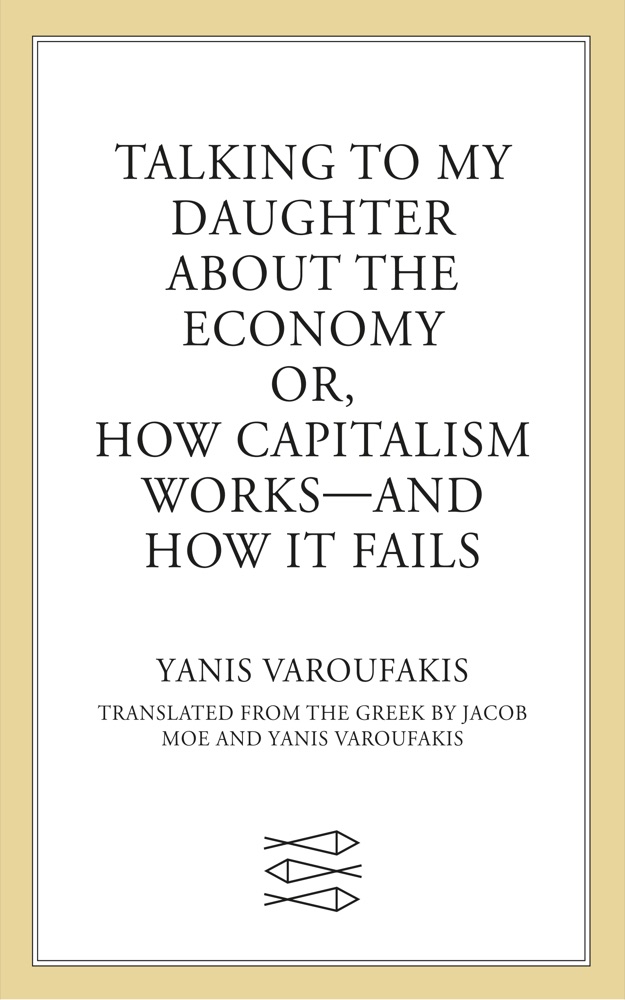 Talking to My Daughter About the Economy: or, How Capitalism Works—and How It Fails
 Amp It Up: Leading for Hypergrowth by Raising Expectations, Increasing Urgency, and Elevating Intensity
 Winning
 Shop Class as Soulcraft: An Inquiry Into the Value of Work
 Drive: The Surprising Truth About What Motivates Us
 The 80/20 Principle: The Secret to Achieving More with Less
 EntreLeadership: 20 Years of Practical Business Wisdom from the Trenches
 The Snowball: Warren Buffett and the Business of Life
 Smartcuts: How Hackers, Innovators, and Icons Accelerate Success
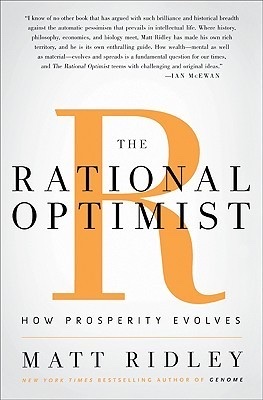 The Rational Optimist: How Prosperity Evolves
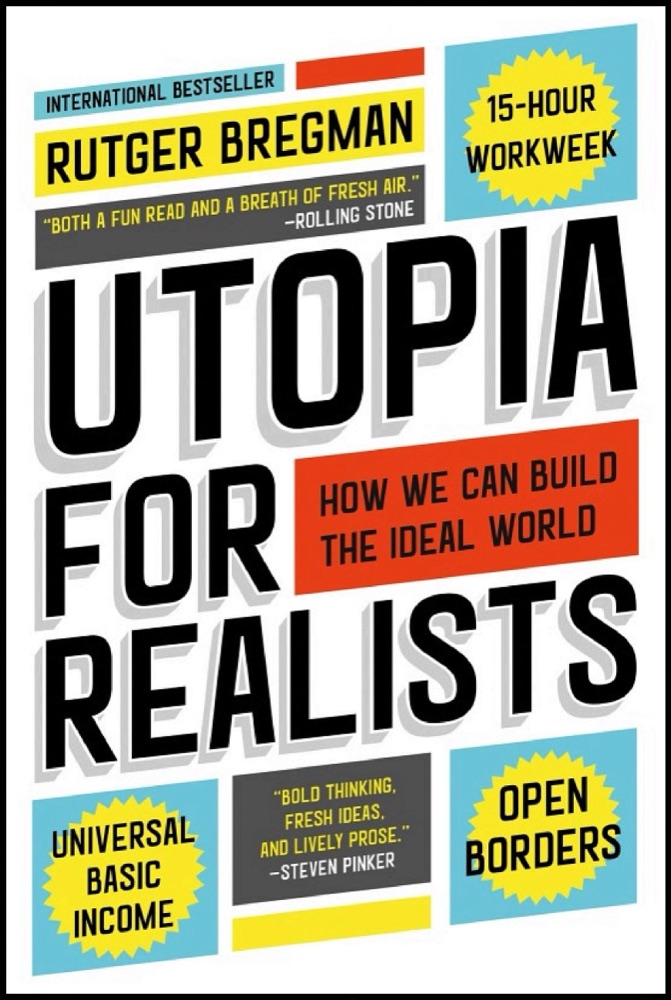 Utopia for Realists: How We Can Build the Ideal World
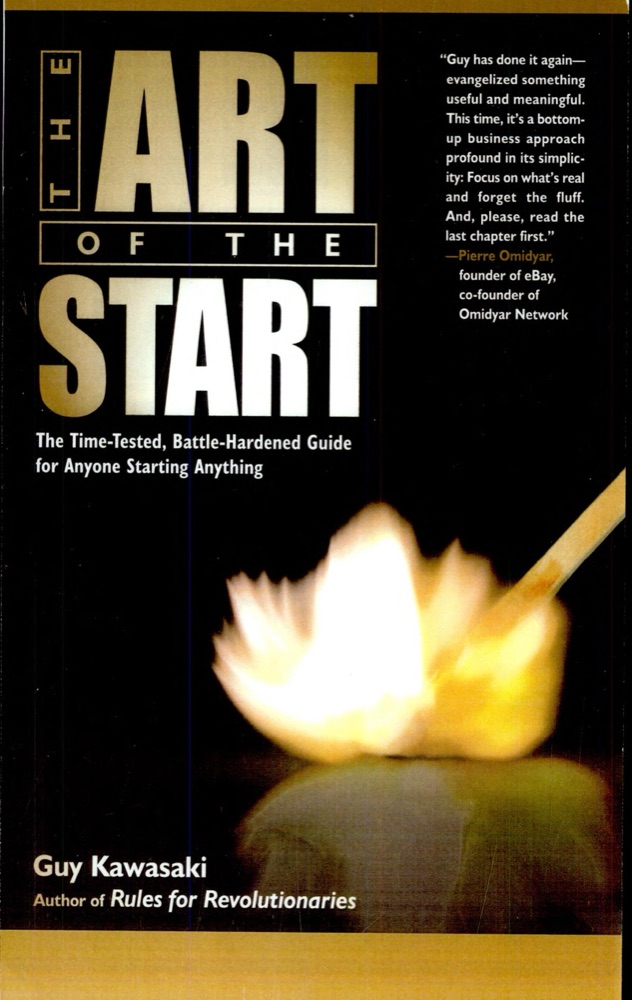 The Art of the Start: The Time-Tested, Battle-Hardened Guide for Anyone Starting Anything
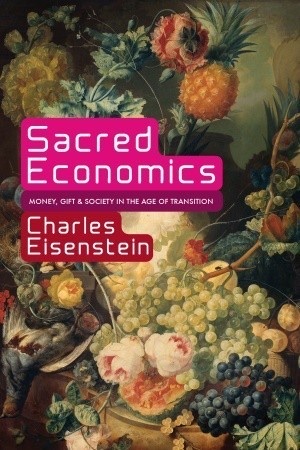 Sacred Economics: Money, Gift, and Society in the Age of Transition
 The $100 Startup: Reinvent the Way You Make a Living, Do What You Love, and Create a New Future
 Let My People Go Surfing: The Education of a Reluctant Businessman
 23 Things They Don't Tell You About Capitalism
 Early Retirement Extreme: A Philosophical and Practical Guide to Financial Independence
 SuperFreakonomics: Global Cooling, Patriotic Prostitutes And Why Suicide Bombers Should Buy Life Insurance
 Predictably Irrational: The Hidden Forces That Shape Our Decisions
 The Everything Store: Jeff Bezos and the Age of Amazon
 Stay Hungry Stay Foolish
 Principles: Life and Work
 Start with Why: How Great Leaders Inspire Everyone to Take Action
 I Survived Capitalism and All I Got Was This Lousy T-Shirt: Everything I Wish I Never Had to Learn About Money
 The Leader Who Had No Title: A Modern Fable on Real Success in Business and in Life
 Barking Up the Wrong Tree: The Surprising Science Behind Why Everything You Know About Success Is (Mostly) Wrong
 Things a Little Bird Told Me: Confessions of the Creative Mind
 Blue Ocean Strategy: How to Create Uncontested Market Space and Make the Competition Irrelevant
 Leaders Eat Last: Why Some Teams Pull Together and Others Don't
 How Adam Smith Can Change Your Life: An Unexpected Guide to Human Nature and Happiness
 Endgame, Vol. 1: The Problem of Civilization
 Getting There: A Book of Mentors
 Managing Humans: Biting and Humorous Tales of a Software Engineering Manager
 The Startup of You: Adapt to the Future, Invest in Yourself, and Transform Your Career
 The World-Ending Fire: The Essential Wendell Berry
 The 1-Page Marketing Plan: Get New Customers, Make More Money, And Stand out From The Crowd
 Never Eat Alone: And Other Secrets to Success, One Relationship at a Time
 Small Is Beautiful: Economics as if People Mattered
 Your Next Five Moves: Master the Art of Business Strategy