
 HBR's 10 Must Reads on Strategy
Quotes from the Book
stop looking to the competition. Value-innovate and let the competition worry about you.
14
Focus on innovating at value, not positioning against competitors
12
Competition is only good up to a point. When supply exceeds demand
10
While good strategy content is based on a compelling value proposition for buyers with a robust profit proposition for the organization, sustainable strategy execution is based largely on a motivating-people proposition.
8
Simply put, there is no substitute for meeting and listening to dissatisfied customers directly.
8
Commitment, trust, and voluntary cooperation are not merely attitudes or behaviors. They are intangible capital. They allow companies to stand apart in the speed, quality, and consistency of their execution and to implement strategic shifts fast at low cost.
6
A company should never outsource its eyes. There is simply no substitute for seeing for yourself. Great artists don’t paint from other people’s descriptions or even from photographs; they like to see the subject for themselves. The same is true for great strategists.
6
Executives are paralyzed by the muddle. Few employees deep down in the company even know what the strategy is. And a closer look reveals that most plans don’t contain a strategy at all but rather a smorgasbord of tactics that individually make sense but collectively don’t add up to a unified, clear direction that sets a company apart—let alone makes the competition irrelevant. Does this sound like the strategic plans in your company?
6
senior managers’ goal here should be to manage their portfolio of businesses to wisely balance between profitable growth and cash flow at a given point in time.
6
Blue ocean strategy is not about being first to market. Rather it’s about being first to get it right by linking innovation to value.
4
An Incoherent Strategy When a company’s value curve looks like a bowl of spaghetti—a zigzag with no rhyme or reason, where the offering can be described as “low-high-low-low-high-low-high”—it signals that the company doesn’t have a coherent strategy. Its strategy is likely based on independent substrategies. These may individually make sense and keep the business running and everyone busy, but collectively they do little to distinguish the company from the best competitor or to provide a clear strategic vision. This is often a reflection of an organization with divisional or functional silos.
4
Value innovation requires companies to orient the whole system toward achieving a leap in value for both buyers and themselves.
4
To tip the cognitive hurdle fast, tipping point leaders such as Bratton zoom in on the act of disproportionate influence: making people see and experience harsh reality firsthand.
3
Experiences that don’t involve touching, seeing, or feeling actual results, such as being presented with an abstract sheet of numbers, are shown to be non-impactful and easily forgotten.
2
innovative ideas will be profitable only if they are linked to what buyers are willing to pay for.
2
To reach your organization’s tipping point and execute blue ocean strategy, you must alert employees to the need for a strategic shift and identify how it can be achieved with limited resources. For a new strategy to become a movement, people must not only recognize what needs to be done, but they must also act on that insight in a sustained and meaningful way. How
2
The creators of blue oceans, surprisingly, didn’t use the competition as their benchmark.17 Instead, they followed a different strategic logic that we call value innovation. Value innovation is the cornerstone of blue ocean strategy. We call it value innovation because instead of focusing on beating the competition, you focus on making the competition irrelevant by creating a leap in value for buyers and your company, thereby opening up new and uncontested market space.
1
Different form, same function. Many companies that create blue oceans attract customers from other industries who use a product or service that performs the same function or bears the same core utility as the new one but takes a very different physical form. In the case of Ford’s Model T, Ford looked to the horse-drawn carriage. The horse-drawn carriage had the same core utility as the car: transportation for individuals and families. But it had a very different form: a live animal versus a machine. Ford effectively converted the majority of noncustomers of the auto industry, namely customers of horse-drawn carriages, into customers of its own blue ocean by pricing its Model T against horse-drawn carriages and not the cars of other automakers. In the case of the school lunch catering industry, raising this question led to an interesting insight. Suddenly those parents who make their children’s lunches came into the equation. For many children, parents had the same function: making their child’s lunch. But they had a very different form: mom or dad versus a lunch line in the cafeteria. Different form and function, same objective. Some companies lure customers from even further away. Cirque du Soleil, for example, has diverted customers from a wide range of evening activities. Its growth came in part through drawing people away from other activities that differed in both form and function. For example, bars and restaurants have few physical features in common with a circus. They also serve a distinct function by providing conversational and gastronomical pleasure, a very different experience from the visual entertainment that a circus offers. Yet despite these differences in form and function, people have the same objective in undertaking these three activities: to enjoy a night out.
1
Technology is not a defining feature. You can create blue oceans with or without it.
1
The hardest battle is simply to make people aware of the need for a strategic shift and to agree on its causes
1
Shift from convergence to divergence
1
Partnering, however, provides a way for companies to secure needed capabilities fast and effectively while dropping their cost structure. It allows a company to leverage other companies’ expertise and economies of scale. Partnering includes closing gaps in capabilities through making small acquisitions when doing so is faster and cheaper, providing access to needed expertise that has already been mastered.
1
brand building increasingly relies heavily on word-of-mouth recommendations spreading rapidly through our networked society.
1
the strategic price you set for your offering must not only attract buyers in large numbers but also help you to retain them.
1
Unless the technology makes buyers’ lives dramatically simpler, more convenient, more productive, less risky, or more fun and fashionable, it will not attract the masses no matter how many awards it wins.
1
strategic planning should be more about collective wisdom building than top-down or bottom-up planning.
1
Drawing a strategy canvas is never easy. Even identifying the key factors of competition is far from straightforward. As you will see, the final list is usually very different from the first draft
1
Watch on YouTube
About W. Chan Kim
We have collected 27 quotes from 1 book by W. Chan Kim on BookQuoters.
More about the author →About the book
A global phenomenon now published in a record 43 languages. Over 3.5 million copies sold. A bestseller across five continents.
Since the dawn of the industrial age, companies have engaged in head-to-head competition in search of sustained, profitable growth. They have fought for competitive advantage, battled over market share, and struggled for differentiation. Yet, as widely practiced as this approach has been, W. Chan Kim and Renée Mauborgne’s research shows that is not the way to create profitable growth in the future.
In their book Blue Ocean Strategy—now expanded and with a new Preface by the authors—Kim and Mauborgne (INSEAD) argue that cutthroat competition increasingly results in nothing but a bloody red ocean of rivals fighting over a shrinking profit pool. Based on a study of 150 strategic moves (spanning more than 100 years across 30 industries), the authors argue that
Book details
- First published
- 2005
- Author
- W. Chan Kim
- Genre
- Nonfiction
- Goodreads rating
- 4.01 (90k ratings)
Keep reading
HBR's 10 Must Reads on Strategy
 The Innovator's Solution: Creating and Sustaining Successful Growth
 Zero to One: Notes on Startups, or How to Build the Future
 Lean Analytics: Use Data to Build a Better Startup Faster
 Amp It Up: Leading for Hypergrowth by Raising Expectations, Increasing Urgency, and Elevating Intensity
 The Win Without Pitching Manifesto
 Running Lean: Iterate from Plan A to a Plan That Works
 Built to Last: Successful Habits of Visionary Companies
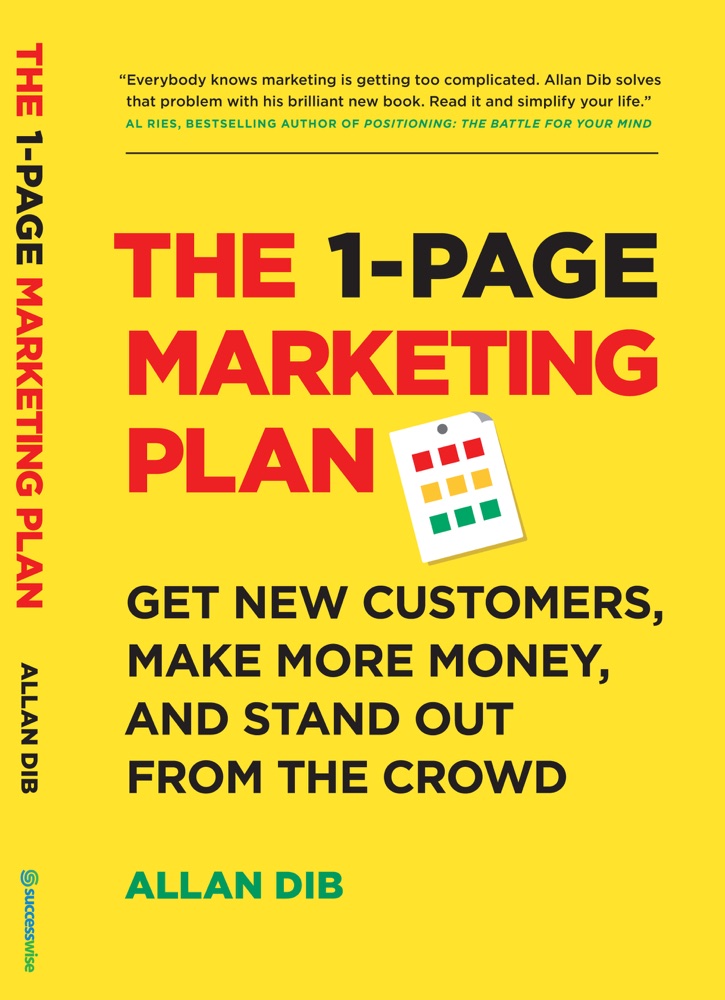 The 1-Page Marketing Plan: Get New Customers, Make More Money, And Stand out From The Crowd
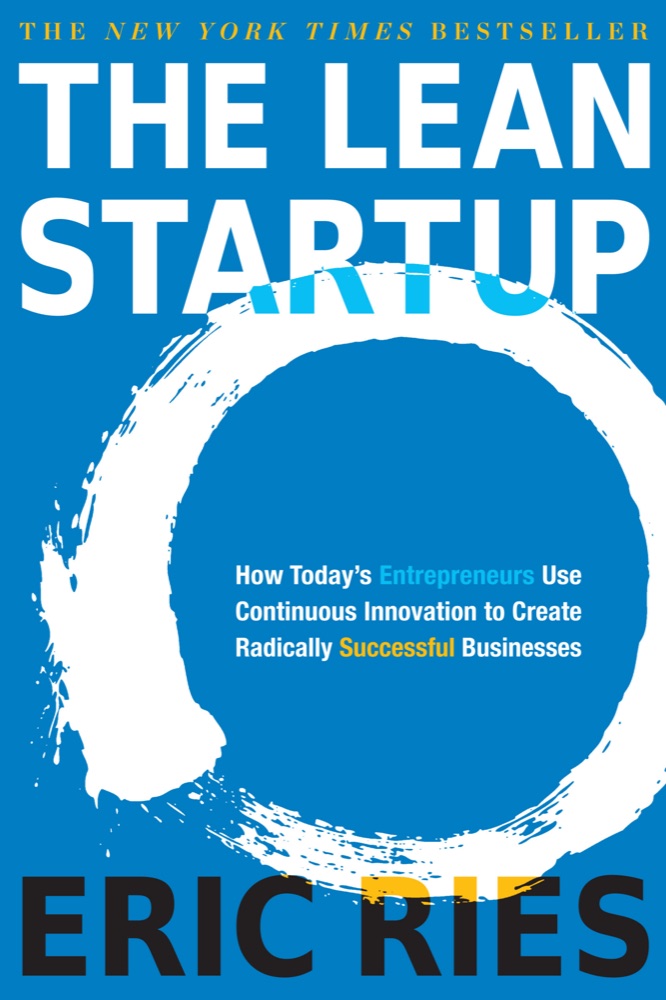 The Lean Startup
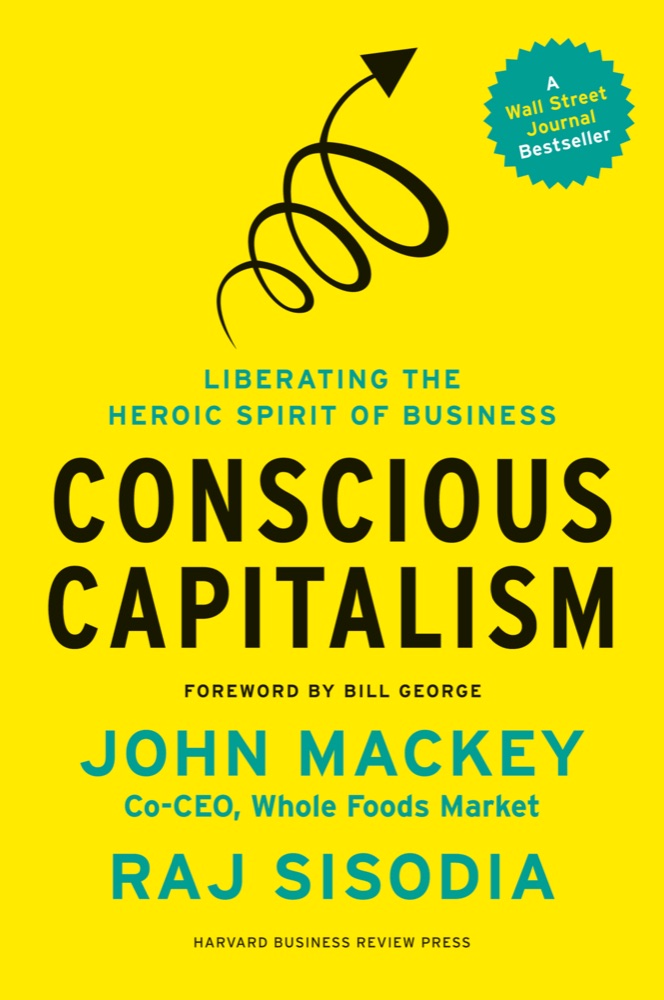 Conscious Capitalism
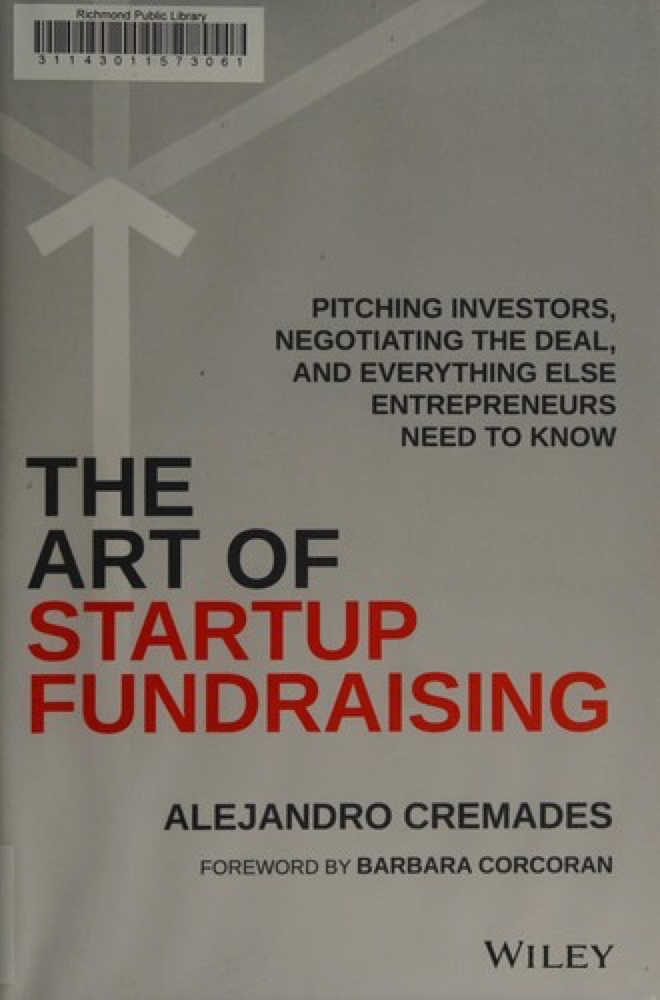 The Art of Startup Fundraising
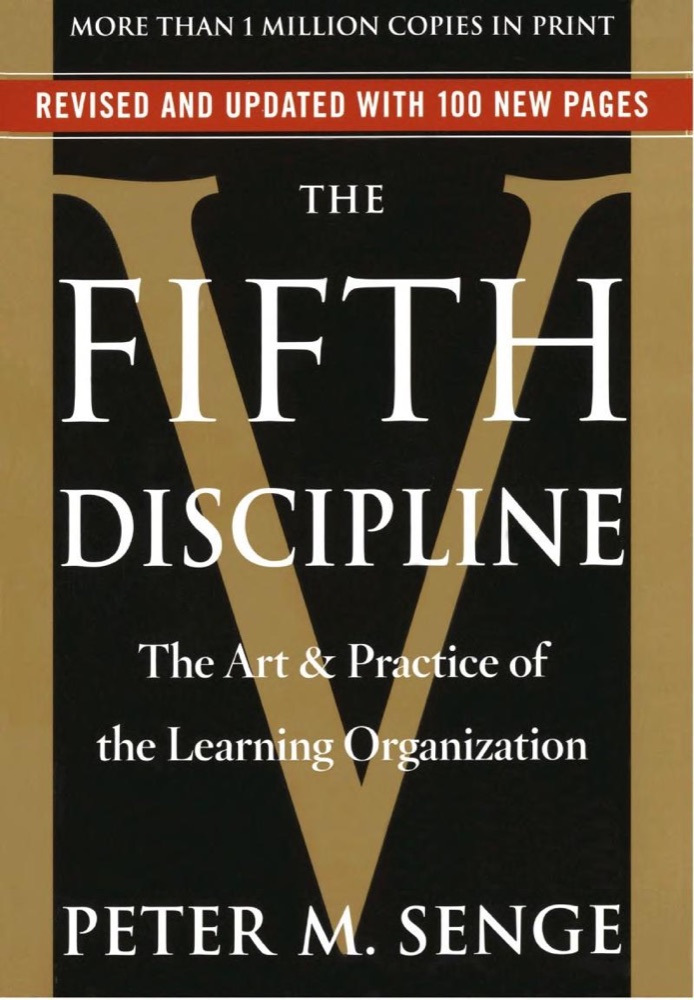 The Fifth Discipline: The Art & Practice of The Learning Organization
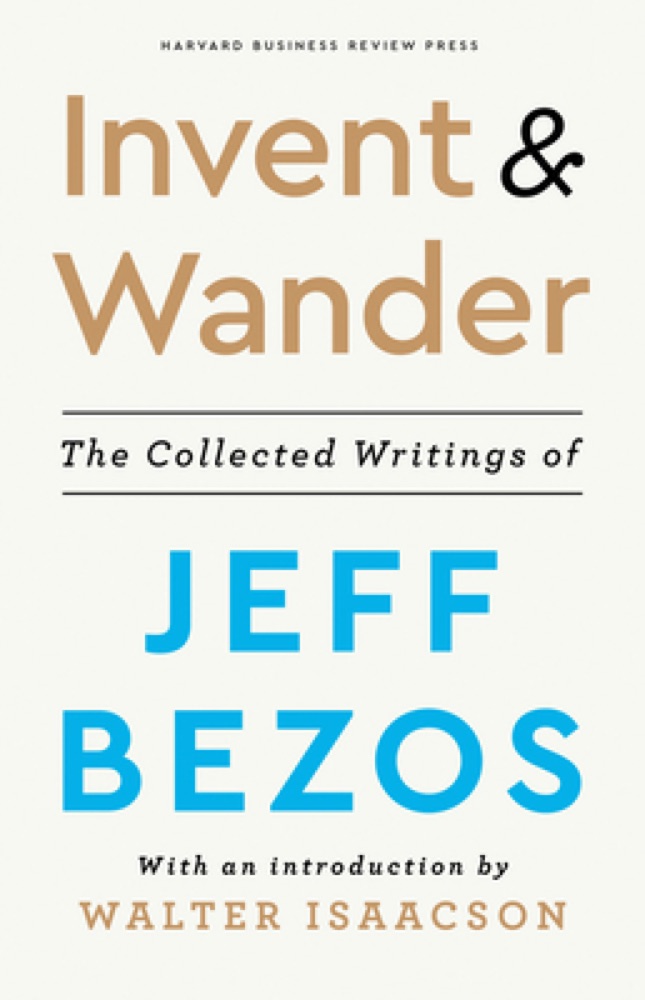 Invent and Wander: The Collected Writings of Jeff Bezos
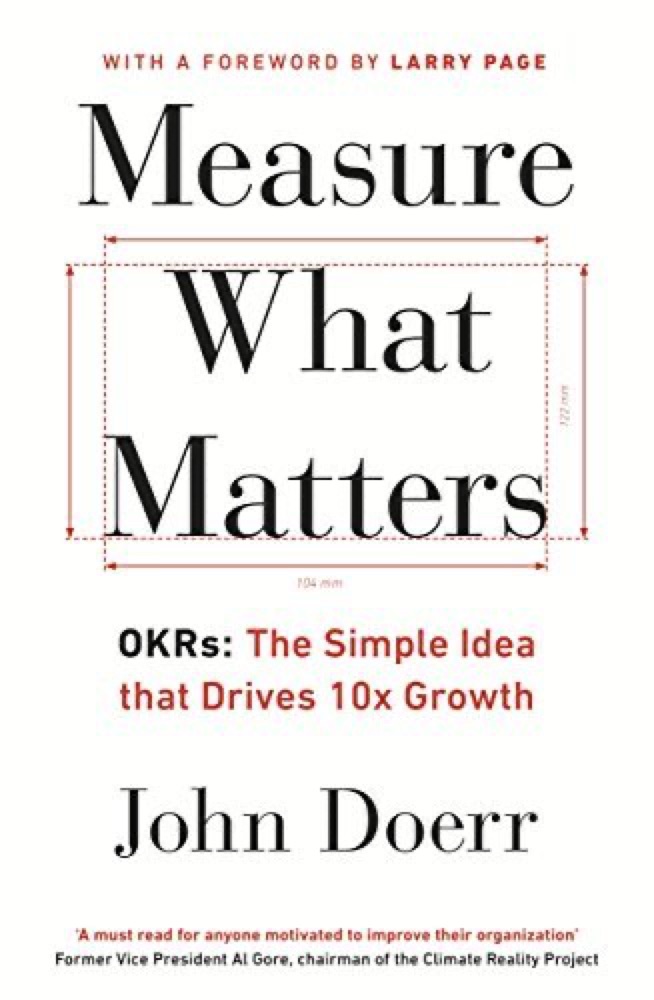 Measure What Matters
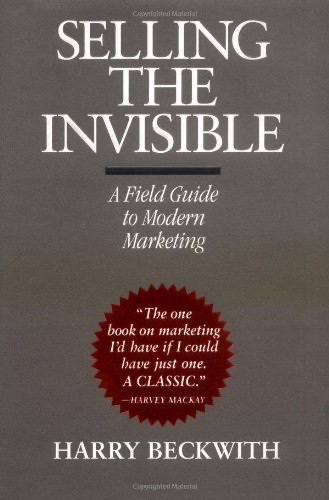 Selling the Invisible: A Field Guide to Modern Marketing
 The Essential Drucker
 Making Ideas Happen: Overcoming the Obstacles Between Vision and Reality
 The Halo Effect: ... and the Eight Other Business Delusions That Deceive Managers
 Founders at Work: Stories of Startups' Early Days
 The 22 Immutable Laws of Marketing: Violate Them at Your Own Risk
 Hit Refresh: The Quest to Rediscover Microsoft's Soul and Imagine a Better Future for Everyone
 Pour Your Heart Into It: How Starbucks Built a Company One Cup at a Time
 Managing Humans: Biting and Humorous Tales of a Software Engineering Manager
 Good to Great: Why Some Companies Make the Leap... and Others Don't
 The Price of Tomorrow: Why Deflation is the Key to an Abundant Future
 The $100 Startup: Reinvent the Way You Make a Living, Do What You Love, and Create a New Future
 Innovation and Entrepreneurship
 Hackers & Painters: Big Ideas from the Computer Age
 Smartcuts: How Hackers, Innovators, and Icons Accelerate Success
 The Hard Thing About Hard Things: Building a Business When There Are No Easy Answers―Straight Talk on the Challenges of Entrepreneurship
 The Goal: A Process of Ongoing Improvement
 Great by Choice: Uncertainty, Chaos, and Luck—Why Some Thrive Despite Them All
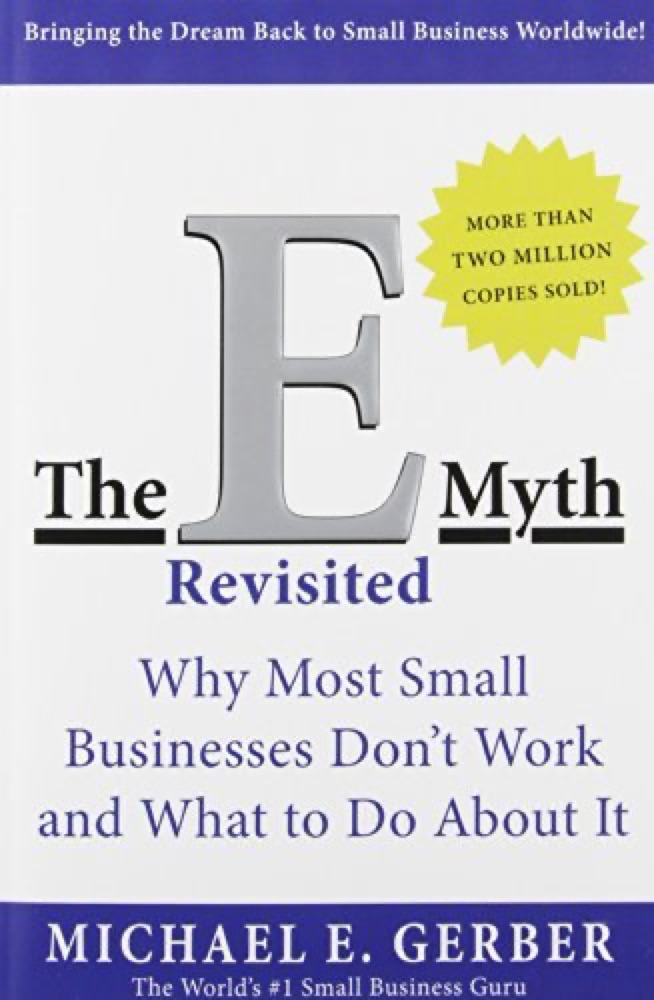 The E-myth Revisited
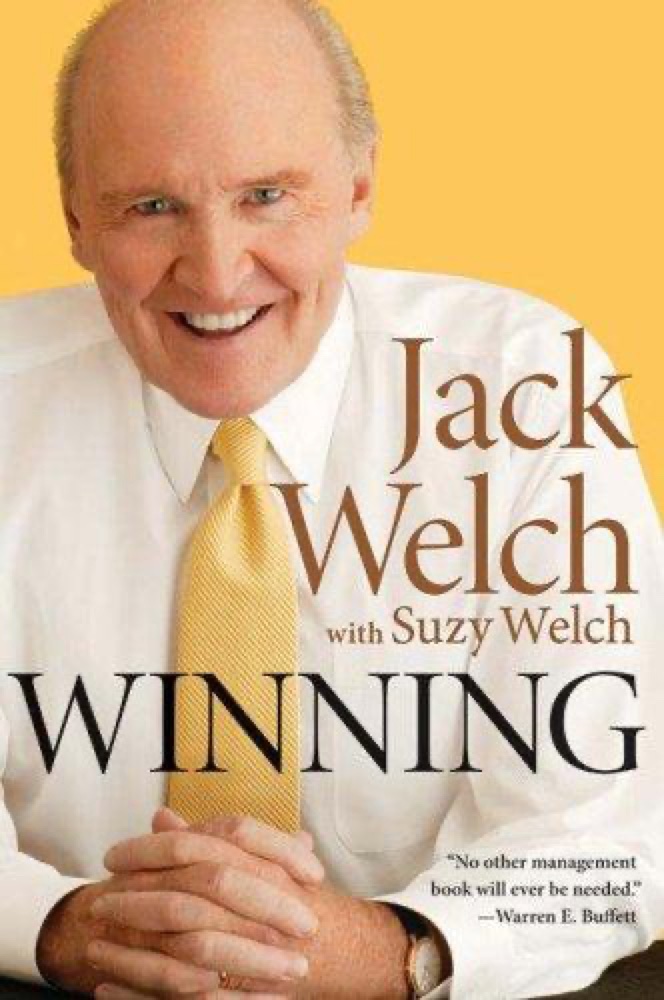 Winning
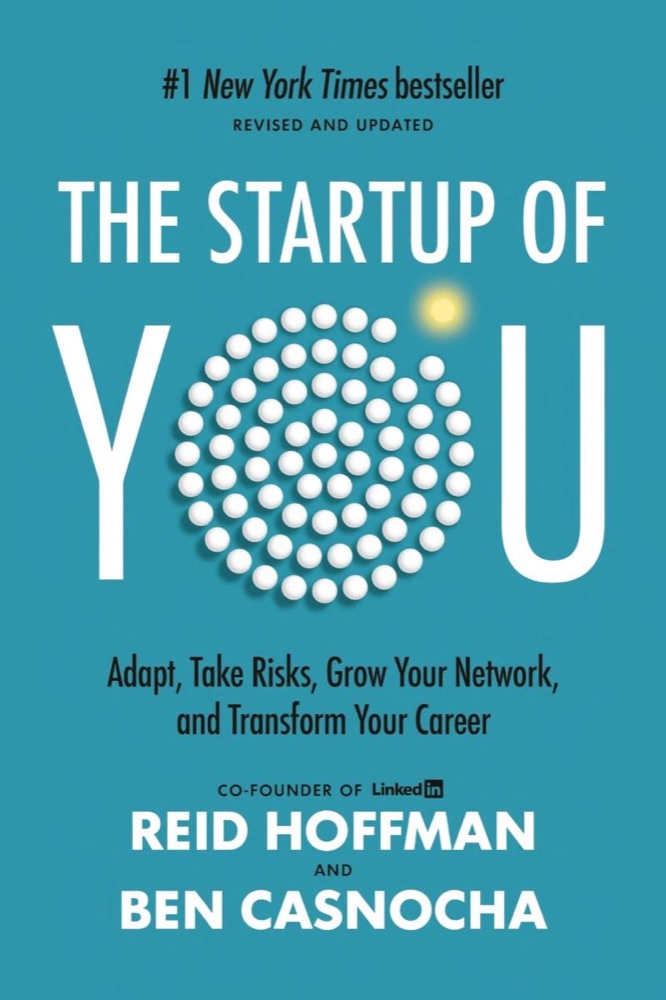 The Startup of You: Adapt to the Future, Invest in Yourself, and Transform Your Career
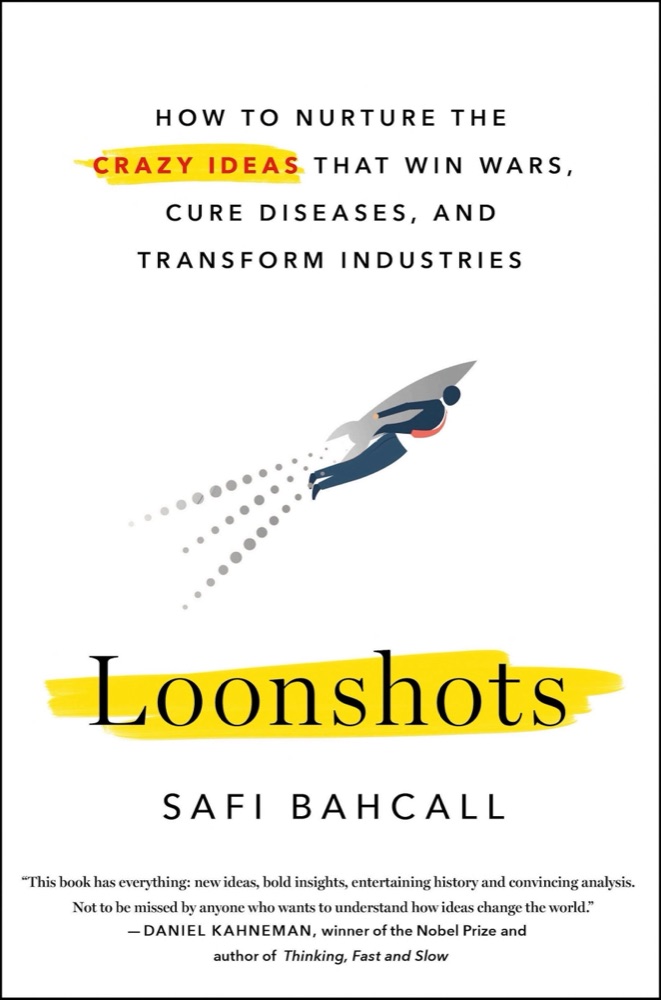 Loonshots: How to Nurture the Crazy Ideas That Win Wars, Cure Diseases, and Transform Industries
 The Everything Store: Jeff Bezos and the Age of Amazon
 Accelerate: Building and Scaling High Performing Technology Organizations
 Positioning: The Battle for Your Mind: How to Be Seen and Heard in the Overcrowded Marketplace
 The Essays of Warren Buffett: Lessons for Corporate America
 Chaos Monkeys: Obscene Fortune and Random Failure in Silicon Valley
 Your Next Five Moves: Master the Art of Business Strategy
 Creativity, Inc.: Overcoming the Unseen Forces That Stand in the Way of True Inspiration
 Who Owns the Future?
 Rework
 The Art of the Start: The Time-Tested, Battle-Hardened Guide for Anyone Starting Anything
 Delivering Happiness: A Path to Profits, Passion, and Purpose
 EntreLeadership: 20 Years of Practical Business Wisdom from the Trenches
 A Whole New Mind: Why Right-Brainers Will Rule the Future
 The 80/20 Principle: The Secret to Achieving More with Less
 Hit Makers: The Science of Popularity in an Age of Distraction
 Vision to Reality: Stop Working, Start Living
 The Monk and the Riddle: The Education of a Silicon Valley Entrepreneur
 The Ride of a Lifetime: Lessons Learned from 15 Years as CEO of the Walt Disney Company
 To Sell is Human: The Surprising Truth About Moving Others
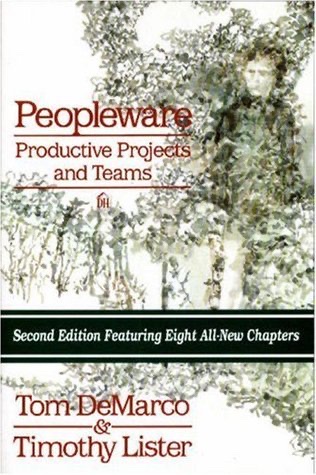 Peopleware: Productive Projects and Teams
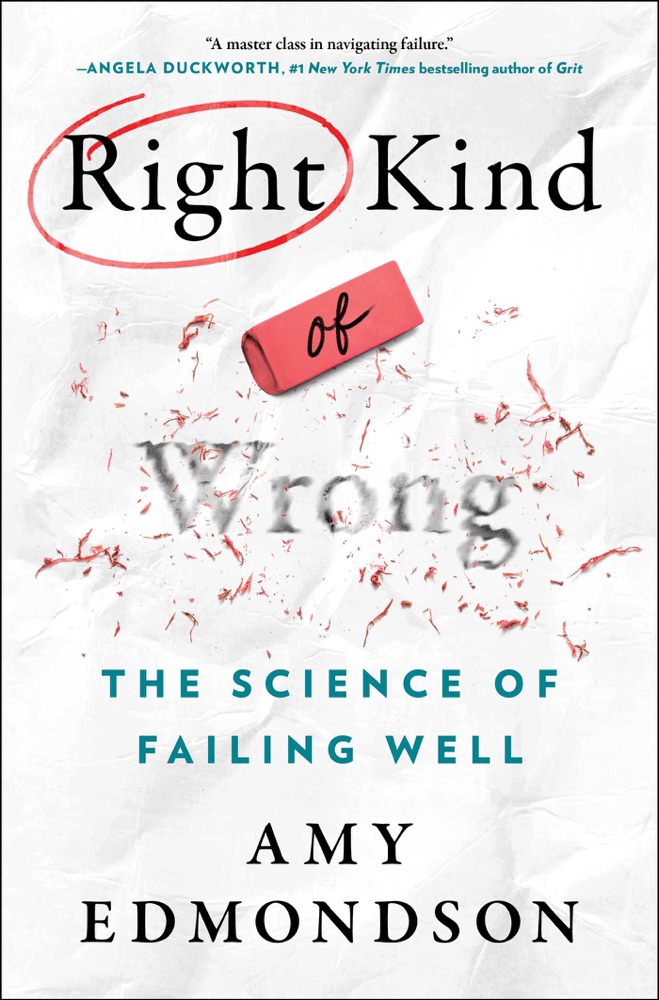 Right Kind of Wrong: The Science of Failing Well
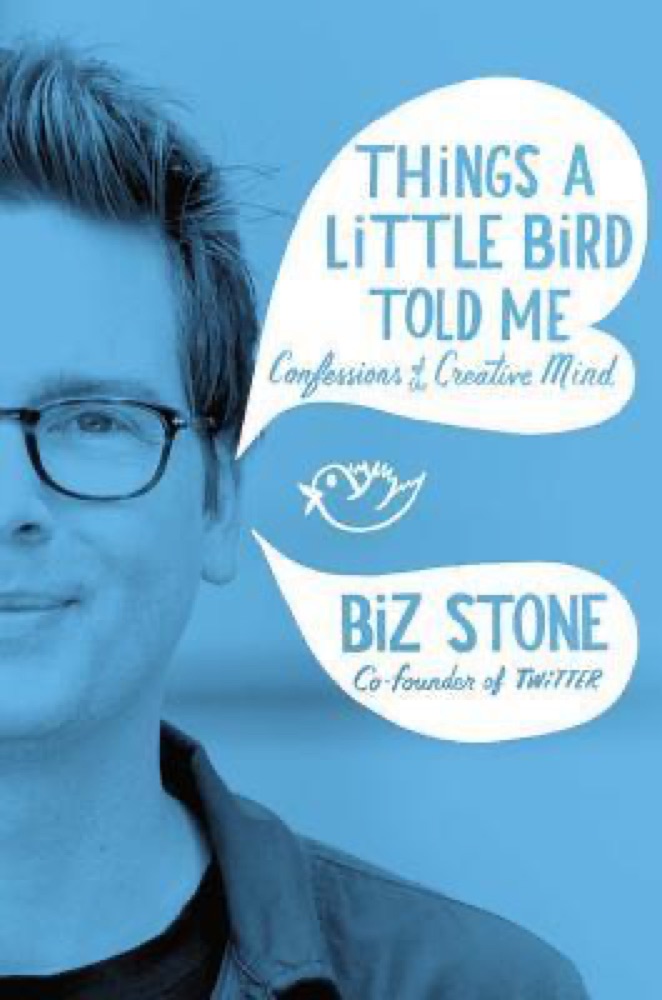 Things a Little Bird Told Me: Confessions of the Creative Mind
 Adapt: Why Success Always Starts with Failure