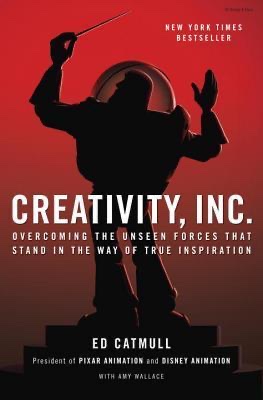

 The Accidental Creative: How to Be Brilliant at a Moment's Notice
Quotes from the Book
If you give a good idea to a mediocre team, they will screw it up. If you give a mediocre idea to a brilliant team, they will either fix it or throw it away and come up with something better.
Failure isn’t a necessary evil. In fact, it isn’t evil at all. It is a necessary consequence of doing something new.
You are not your idea, and if you identify too closely with your ideas, you will take offense when they are challenged.
Don’t wait for things to be perfect before you share them with others. Show early and show often. It’ll be pretty when we get there, but it won’t be pretty along the way.
If you aren’t experiencing failure, then you are making a far worse mistake: You are being driven by the desire to avoid it.
Getting the right people and the right chemistry is more important than getting the right idea.
I believe the best managers acknowledge and make room for what they do not know—not just because humility is a virtue but because until one adopts that mindset, the most striking breakthroughs cannot occur. I believe that managers must loosen the controls, not tighten them. They must accept risk; they must trust the people they work with and strive to clear the path for them; and always, they must pay attention to and engage with anything that creates fear. Moreover, successful leaders embrace the reality that their models may be wrong or incomplete. Only when we admit what we don’t know can we ever hope to learn it.
When it comes to creative inspiration, job titles and hierarchy are meaningless.
When faced with a challenge, get smarter.
Craft is what we are expected to know; art is the unexpected use of our craft.
What is the point of hiring smart people, we asked, if you don’t empower them to fix what’s broken?
For many people, changing course is also a sign of weakness, tantamount to admitting that you don’t know what you are doing. This strikes me as particularly bizarre—personally, I think the person who can’t change his or her mind is dangerous. Steve Jobs was known for changing his mind instantly in the light of new facts, and I don’t know anyone who thought he was weak.
You don’t have to ask permission to take responsibility.
Always take a chance on better, even if it seems threatening.
Making the process better, easier, and cheaper is an important aspiration, something we continually work on—but it is not the goal. Making something great is the goal.
You’ll never stumble upon the unexpected if you stick only to the familiar.
The future is not a destination - it is a direction.
What makes Pixar special is that we acknowledge we will always have problems, many of them hidden from our view; that we work hard to uncover these problems, even if doing so means making ourselves uncomfortable; and that, when we come across a problem, we marshal all of our energies to solve it. This, more than any elaborate party or turreted workstation, is why I love coming to work in the morning. It is what motivates me and gives me a definite sense of mission.
But I should caution that if you seek to plot out all your moves before you make them—if you put your faith in slow, deliberative planning in the hopes it will spare you failure down the line—well, you’re deluding yourself. For one thing, it’s easier to plan derivative work—things that copy or repeat something already out there. So if your primary goal is to have a fully worked out, set-in-stone plan, you are only upping your chances of being unoriginal.
What interests me is the number of people who believe that they have the ability to drive the train and who think that this is the power position—that driving the train is the way to shape their companies’ futures. The truth is, it’s not. Driving the train doesn’t set its course. The real job is laying the track.
Be patient. Be authentic. And be consistent. The trust will come.
it is not the manager’s job to prevent risks. It is the manager’s job to make it safe to take them.
Quality is the best business plan.
We must remember that failure gives us chances to grow, and we ignore those chances at our own peril.
By ignoring my fear, I learned that the fear was groundless. Over the years, I have met people who took what seemed the safer path and were the lesser for it...I had taken a risk, and that risk yielded that greatest reward...Always take a chance on better, even if it seems threatening.
I tend to flood and freeze up if I’m feeling overwhelmed. When this happens, it’s usually because I feel like the world is crashing down and all is lost. One trick I’ve learned is to force myself to make a list of what’s actually wrong. Usually, soon into making the list, I find I can group most of the issues into two or three larger all-encompassing problems. So it’s really not all that bad. Having a finite list of problems is much better than having an illogical feeling that everything is wrong.
We start from the presumption that our people are talented and want to contribute. We accept that, without meaning to, our company is stifling that talent in myriad unseen ways. Finally, we try to identify those impediments and fix them.
We want people to feel like they can take steps to solve problems without asking permission.
THERE IS NOTHING quite like ignorance combined with a driving need to succeed to force rapid learning.
Watch on YouTube
About Ed Catmull
We have collected 29 quotes from 1 book by Ed Catmull on BookQuoters.
More about the author →Book details
- Author
- Ed Catmull
- Genre
- Nonfiction
- Goodreads rating
- 4.20 (105k ratings) →
Keep reading
The Accidental Creative: How to Be Brilliant at a Moment's Notice
 The Ride of a Lifetime: Lessons Learned from 15 Years as CEO of the Walt Disney Company
 Things a Little Bird Told Me: Confessions of the Creative Mind
 It's Not How Good You Are, It's How Good You Want To Be
 Rework
 Originals: How Non-Conformists Move the World
 The Art of Creative Thinking
 The Art of Thinking Clearly
 Principles: Life and Work
 Pour Your Heart Into It: How Starbucks Built a Company One Cup at a Time
 Do Epic Shit
 Getting There: A Book of Mentors
 Making Ideas Happen: Overcoming the Obstacles Between Vision and Reality
 The Hard Thing About Hard Things: Building a Business When There Are No Easy Answers―Straight Talk on the Challenges of Entrepreneurship
 Good to Great: Why Some Companies Make the Leap... and Others Don't
 Magic of Thinking Big
 How to Fail at Almost Everything and Still Win Big: Kind of the Story of My Life
 The Art of the Start: The Time-Tested, Battle-Hardened Guide for Anyone Starting Anything
 Delivering Happiness: A Path to Profits, Passion, and Purpose
 Drive: The Surprising Truth About What Motivates Us
 The Creative Habit: Learn It and Use It for Life
 Grit: The Power of Passion and Perseverance
 Linchpin: Are You Indispensable?
 The Happiness of Pursuit: Finding the Quest That Will Bring Purpose to Your Life
 The Practice: Shipping Creative Work
 Winning
 The Leader Who Had No Title: A Modern Fable on Real Success in Business and in Life
 The Fifth Discipline: The Art & Practice of The Learning Organization
 The Obstacle Is the Way: The Timeless Art of Turning Trials into Triumph
 Tribe Of Mentors: Transformative Wisdom From Icons and Innovators to Help You Navigate Life's Challenges
 Think Like a Freak
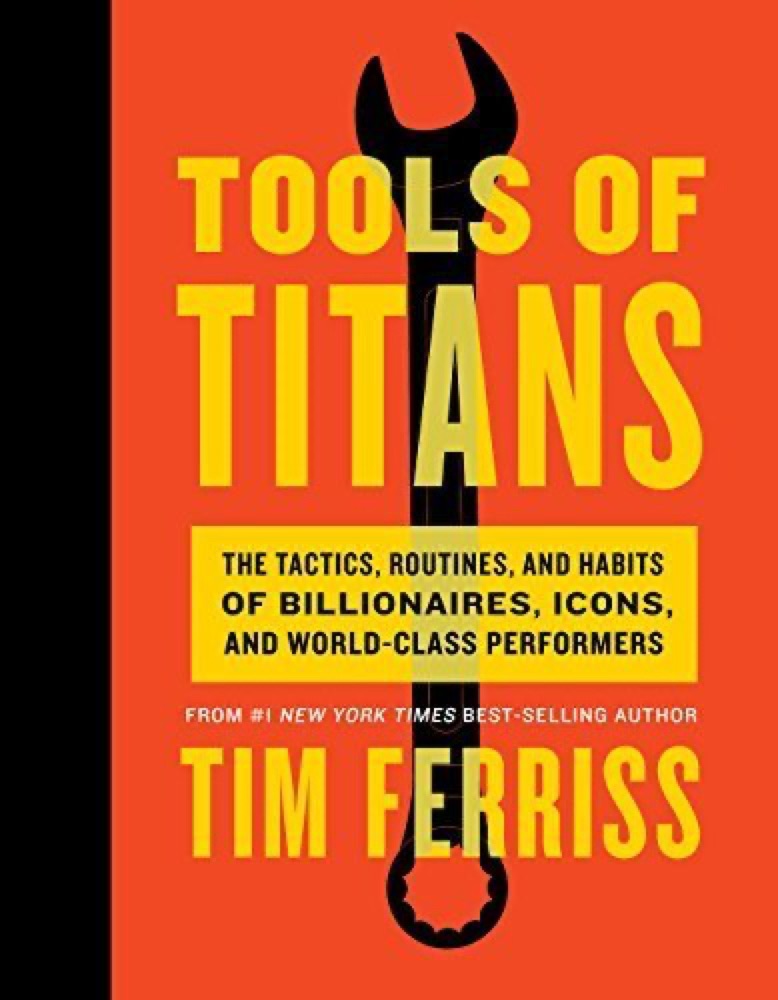 Tools of Titans: The Tactics, Routines, and Habits of Billionaires, Icons, and World-Class Performers
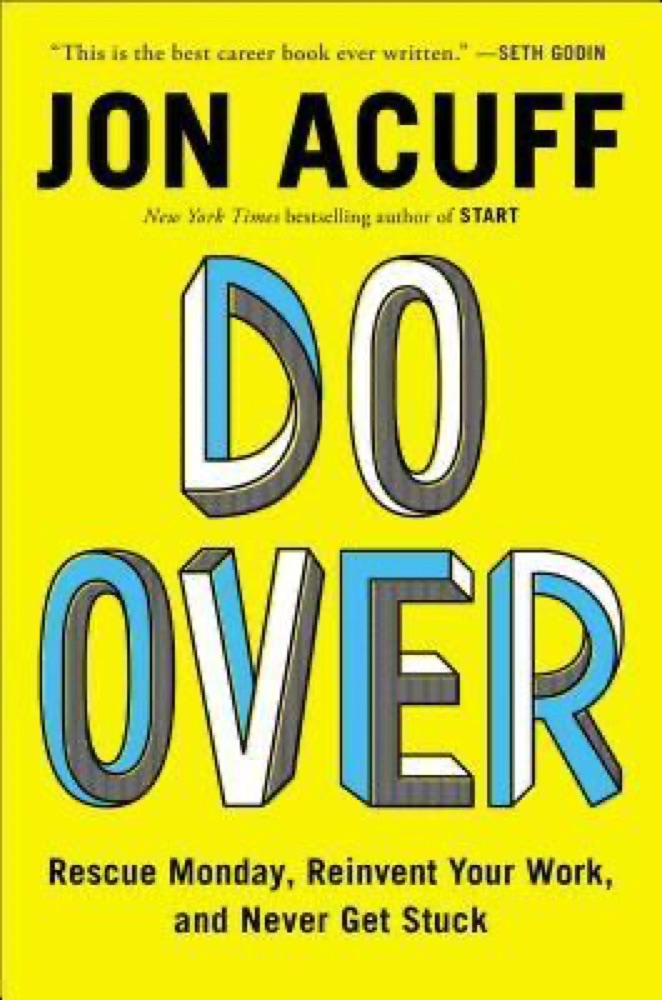 Do Over: Rescue Monday, Reinvent Your Work, and Never Get Stuck
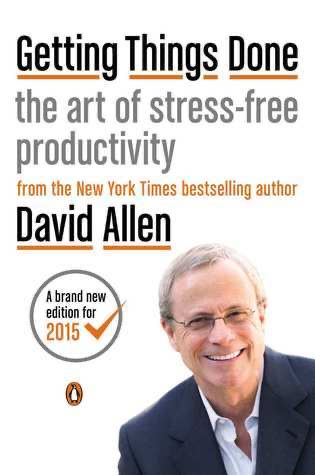 Getting Things Done: The Art of Stress-Free Productivity
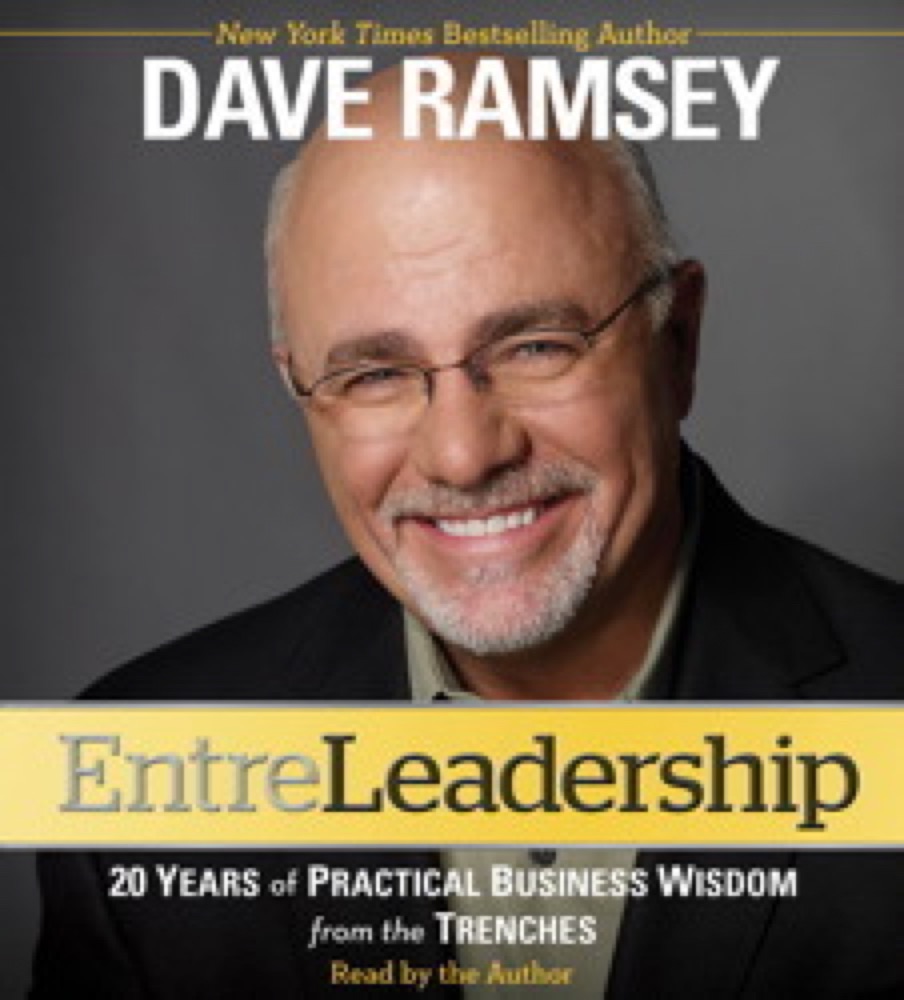 EntreLeadership: 20 Years of Practical Business Wisdom from the Trenches
 The Icarus Deception: How High Will You Fly?
 Smarter Faster Better: The Secrets of Being Productive in Life and Business
 The 360 Degree Leader: Developing Your Influence from Anywhere in the Organization
 Improv Wisdom: Don't Prepare, Just Show Up
 Excellent Advice for Living: Wisdom I Wish I'd Known Earlier
 The Startup of You: Adapt to the Future, Invest in Yourself, and Transform Your Career
 Ego Is the Enemy
 QBQ! The Question Behind the Question: Practicing Personal Accountability in Work and in Life
 The 7 Habits of Highly Effective People: Personal Workbook
 Ready for Anything: 52 Productivity Principles for Getting Things Done
 Be Useful: Seven Tools for Life
 Hit Refresh: The Quest to Rediscover Microsoft's Soul and Imagine a Better Future for Everyone
 Think Like a Rocket Scientist: Simple Strategies You Can Use to Make Giant Leaps in Work and Life
 The Last Lecture
 Awaken The Giant Within
 The Monk and the Riddle: The Education of a Silicon Valley Entrepreneur
 Think and Grow Rich
 Amp It Up: Leading for Hypergrowth by Raising Expectations, Increasing Urgency, and Elevating Intensity
 The Element: How Finding Your Passion Changes Everything
 Made to Stick: Why Some Ideas Survive and Others Die
 Smartcuts: How Hackers, Innovators, and Icons Accelerate Success
 Shoe Dog: A Memoir by the Creator of NIKE
 How to Be a Bawse: A Guide to Conquering Life
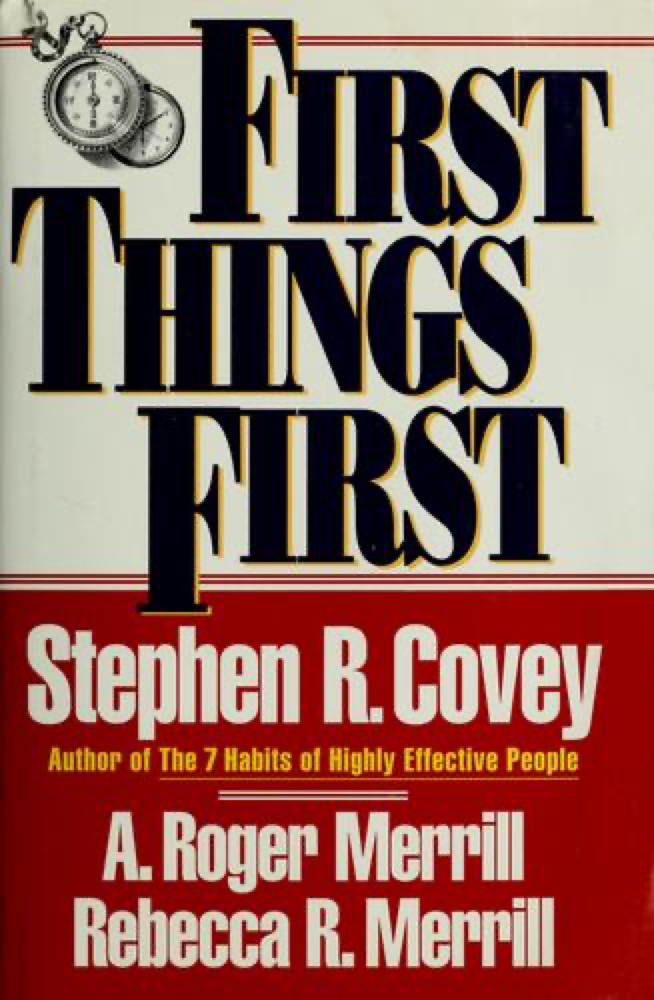 First Things First