
 EntreLeadership: 20 Years of Practical Business Wisdom from the Trenches
Quotes from the Book
Contrary to popular belief, my experience has shown me that the people who are exceptionally good in business aren't so because of what they know but because of their insatiable need to know more.
The difference between great people and everyone else is that great people create their lives actively, while everyone else is created by their lives, passively waiting to see where life takes them next. The difference between the two is living fully and just existing.
If your business depends on you, you don’t own a business—you have a job. And it’s the worst job in the world because you’re working for a lunatic!
With no clear picture of how you wish your life to be, how on earth are you going to live it? What is your Primary Aim? Where is the script to make your dreams come true? what is the first step to take and how do you measure your progress? How far have you gone and how close are you to getting to your goals?
Don Juan in Carlos Castaneda’s A Separate Peace: “The difference between a warrior and an ordinary man is that a warrior sees everything as a challenge, while an ordinary man sees everything as either a blessing or a curse.
What’s also missing is a sense of relationship. People suffer in isolation from one another. In a world without purpose, without meaningful values, what have we to share but our emptiness, the needy fragments of our superficial selves? As a result, most of us scramble about hungrily seeking distraction, in music, in television, in people, in drugs. And most of all we seek things. Things to wear and things to do. Things to fill the emptiness. Things to shore up our eroding sense of self. Things to which we can attach meaning, significance, life. We’ve fast become a world of things. And most people are being buried in the profusion. What most people need, then, is a place of community that has purpose, order, and meaning. A place in which being human is a prerequisite, but acting human is essential. A place where the generally disorganized thinking that pervades our culture becomes organized and clearly focused on a specific worthwhile result. A place where discipline and will become prized for what they are: the backbone of enterprise and action, of being what you are intentionally instead of accidentally. A place that replaces the home most of us have lost. That’s what a business can do; it can create a Game Worth Playing.
You should know now that a man of knowledge lives by acting, not by thinking about acting, not by thinking about what he will think when he has finished acting. A man of knowledge chooses a path with heart and follows it. Carlos Castaneda
Most people today are not getting what they want. Not from their jobs, not from their families, not from their religion, not from their government, and, most important, not from themselves. Something is missing in most of our lives. Part of what’s missing is purpose. Values. Worthwhile standards against which our lives can be measured. Part of what’s missing is a Game Worth Playing.
I believe great people to be those who know how they got where they are, and what they need to do to get where they’re going. Great people have a vision of their lives that they practice emulating each and every day. They go to work on their lives, not just in their lives. Their lives are spent living out the vision they have of their future, in the present. They compare what they’ve done with what they intended to do. And where there’s a disparity between the two, they don’t wait very long to make up the difference.
The work we do is a reflection of who we are. If we’re sloppy at it, it’s because we’re sloppy inside. If we’re late at it, it’s because we’re late inside. If we’re bored by it, it’s because we’re bored inside, with ourselves, not with the work. The most menial work can be a piece of art when done by an artist. So the job here is not outside of ourselves, but inside of ourselves. How we do our work becomes a mirror of how we are inside.
Most salespeople think that selling is “closing.” It isn’t. Selling is opening.
Tolerance for failure is a very specific part of the excellent company culture—and that lesson comes directly from the top. Champions have to make lots of tries and consequently suffer some failures or the organization won’t learn. Thomas J. Peters and Robert H. Waterman Jr. In Search of Excellence
They intoxicate themselves with work so they won’t see how they really are. Aldous Huxley
the Entrepreneurial Model has less to do with what’s done in a business and more to do with how it’s done. The commodity isn’t what’s important—the way it’s delivered is.
And what makes people work is an idea worth working for, along with a clear understanding of what needs to be done.
To The Manager, then, The Technician becomes a problem to be managed. To The Technician, The Manager becomes a meddler to be avoided. To both of them, The Entrepreneur is the one who got them into trouble in the first place!
The basic difference between an ordinary man and a warrior is that a warrior takes everything as a challenge while an ordinary man takes everything either as a blessing or a curse,
There was absolutely no consistency to the experience.
The difference between a warrior and an ordinary man is that a warrior sees everything as a challenge, while an ordinary man sees everything as either a blessing or a curse.
IBM is what it is today for three special reasons. The first reason is that, at the very beginning, I had a very clear picture of what the company would look like when it was finally done. You might say I had a model in my mind of what it would look like when the dream—my vision—was in place. The second reason was that once I had that picture, I then asked myself how a company which looked like that would have to act. I then created a picture of how IBM would act when it was finally done. The third reason IBM has been so successful was that once I had a picture of how IBM would look when the dream was in place and how such a company would have to act, I then realized that, unless we began to act that way from the very beginning, we would never get there. In other words, I realized that for IBM to become a great company it would have to act like a great company long before it ever became one. From the very outset, IBM was fashioned after the template of my vision. And each and every day we attempted to model the company after that template. At the end of each day, we asked ourselves how well we did, discovered the disparity between where we were and where we had committed ourselves to be, and, at the start of the following day, set out to make up for the difference. Every day at IBM was a day devoted to business development, not doing business. We didn’t do business at IBM, we built one
company is started differently than all the rest. A Mature company is founded on a broader perspective, an entrepreneurial perspective, a more intelligent point of view. About building a business that works not because of you but without you. “And because it starts that way, it is more likely to continue that way. And therein resides the true difference between an Adolescent company, where everything is left up to chance, and a Mature company, where there is a vision against which the present is shaped. “But I’m getting ahead of myself,” I said. “The important
The craftsperson develops a knowingness about the work she does that bears its own fruit, the fruit of being present, or attentive. The craftsperson learns that within the work she does there is a jewel hiding below the surface. That the thrill of the craft is to discover the jewel. And that there is only one way to discover it: to practice the craft mindlessly. To become one with the work. To polish and polish, as though with one’s heart. That there is no way to know when the jewel will show itself, but to trust with all one’s heart that one day, when it is least expected, the jewel will be there! It will appear. “And so the craftsperson is one who has reached that stage of her development where she is content with the work, and only the work, knowing that it is only through being there with one’s work that the jewel will reveal itself, and that it is the work, and only the work, raised to the level of near perfection that connects the craftsperson with herself, with her own heart. And so she practices, day in and day out, content to do so, without the thrill of the apprentice to keep her going, but knowing deep inside that there is no place to go but here.
Because, the moment you chose to start a small business, Sarah, you unwittingly chose to play a significantly larger game than any game you had ever played before.
This book, then, is a product of the last fifteen years, as well as a product of the fifteen years that preceded them. It was almost exactly eight years before The E-Myth was published that I founded our company, E-Myth Worldwide, which has provided the fuel and experience for the point of view I have shared with those of you who have read The E-Myth, and with those
no one knew what was going on! It was completely open to interpretation. And his guess was as good as anyone’s. My God, probably even better.
I once heard a story about Tom Watson, the founder of IBM. Asked to what he attributed the phenomenal success of IBM, he is said to have answered: IBM is what it is today for three special reasons. The first reason is that, at the very beginning, I had a very clear picture of what the company would look like when it was finally done. You might say I had a model in my mind of what it would look like when the dream—my vision—was in place. The second reason was that once I had that picture, I then asked myself how a company which looked like that would have to act. I then created a picture of how IBM would act when it was finally done. The third reason IBM has been so successful was that once I had a picture of how IBM would look when the dream was in place and how such a company would have to act, I then realized that, unless we began to act that way from the very beginning, we would never get there. In other words, I realized that for IBM to become a great company it would have to act like a great company long before it ever became one. From the very outset, IBM was fashioned after the template of my vision. And each and every day we attempted to model the company after that template. At the end of each day, we asked ourselves how well we did, discovered the disparity between where we were and where we had committed ourselves to be, and, at the start of the following day, set out to make up for the difference. Every day at IBM was a day devoted to business development, not doing business. We didn’t do business at IBM, we built one Now,
Remember, Sarah, any plan is better than no plan. “Because in the process of defining the future, the plan begins to shape itself to reality, both the reality of the world out there and the reality you are able to create in here. “And as those two realities merge, they form a new reality—call it your reality, call it the unique invention that is uniquely yours, the reality of your mind and your heart uniting with all the elements of your business, and your business with the world, shaping, designing, collaborating, to form something that never existed before in exactly that way.
And as the world becomes more and more complex, and the commodities more varied, the feelings we want become more urgent, less rational, more unconscious.
From the very outset, IBM was fashioned after the template of my vision. And each and every day we attempted to model the company after that template. At the end of each day, we asked ourselves how well we did, discovered the disparity between where we were and where we had committed ourselves to be, and, at the start of the following day, set out to make up for the difference. Every day at IBM was a day devoted to business development, not doing business. We didn’t do business at IBM, we built one
Thus, the Entrepreneurial Model does not start with a picture of the business to be created but of the customer for whom the business is to be created.
8
most businesses are operated according to what the owner wants as opposed to what the business needs.
6
All you need to do is begin living your life as if it were important. All you need to do is take your life seriously. To create it intentionally. To actively make your life into the life you wish it to be.
5
So in the development of your Marketing Strategy, it is absolutely imperative that you forget about your dreams, forget about your visions, forget about your interests, forget about what you want—forget about everything but your customer!
4
Once you recognize that the purpose of your life is not to serve your business, but that the primary purpose of your business is to serve your life, you can then go to work on your business, rather than in it, with a full understanding of why it is absolutely necessary for you to do so.
4
The system isn’t something you bring to the business. It’s something you derive from the process of building the business.
4
A business that looks orderly says to your customer that your people know what they’re doing.
4
Simply put, your job is to prepare yourself and your business for growth.
4
What is standing in the way of my customer getting what he wants from my business?
3
the business that was supposed to free him from the limitations of working for somebody else actually enslaves him. Suddenly the job he knew how to do so well becomes one job he knows how to do plus a dozen others he doesn’t know how to do at all.
3
Quality is just a word, and an empty word at that, if it doesn’t include harmony, balance, passion, intention, attention. “Continuous improvement for its own sake is a waste of time. “Life is what a business is about, and life is what this work is about. Coming to grips with oneself, in the face of an incredibly complex world that can teach us if we’re open to learn.
3
Let me repeat once more that great quote by Don Juan in Carlos Castaneda’s A Separate Peace: “The difference between a warrior and an ordinary man is that a warrior sees everything as a challenge, while an ordinary man sees everything as either a blessing or a curse.” So before you start your business, or before you return to it tomorrow, ask yourself the following questions: • What do I wish my life to look like? • How do I wish my life to be on a day-to-day basis? • What would I like to be able to say I truly know in my life, about my life? • How would I like to be with other people in my life—my family, my friends, my business associates, my customers, my employees, my community? • How would I like people to think about me? • What would I like to be doing two years from now? Ten years from now? Twenty years from now? When my life comes to a close? • What specifically would I like to learn during my life—spiritually, physically, financially, technically, intellectually? About relationships? • How much money will I need to do the things I wish to do? By when will I need it? These are just a few of the questions you might ask yourself in the creation of your Primary Aim.
3
Watch on YouTube
About Michael E. Gerber
We have collected 41 quotes from 1 book by Michael E. Gerber on BookQuoters.
More about the author →About the book
E-Myth \ 'e-,'mith\ n 1: the entrepreneurial myth: the myth that most people who start small businesses are entrepreneurs 2: the fatal assumption that an individual who understands the technical work of a business can successfully run a business that does that technical work Voted #1 business book by Inc. 500 CEOs. An instant classic, this revised and updated edition of the phenomenal bestseller dispels the myths about starting your own business. Small business consultant and author Michael E. Gerber, with sharp insight gained from years of experience, points out how common assumptions, expectations, and even technical expertise can get in the way of running a successful business. Gerber walks you through the steps in the life of a business-from entrepreneurial infancy through adolescent growing pains to the mature entrepreneurial perspective: the guiding light of all businesses that suc
Book details
- First published
- 1985
- Author
- Michael E. Gerber
- Genre
- Nonfiction
- Goodreads rating
- 4.06 (99k ratings)
Keep reading
EntreLeadership: 20 Years of Practical Business Wisdom from the Trenches
 Rework
 The Monk and the Riddle: The Education of a Silicon Valley Entrepreneur
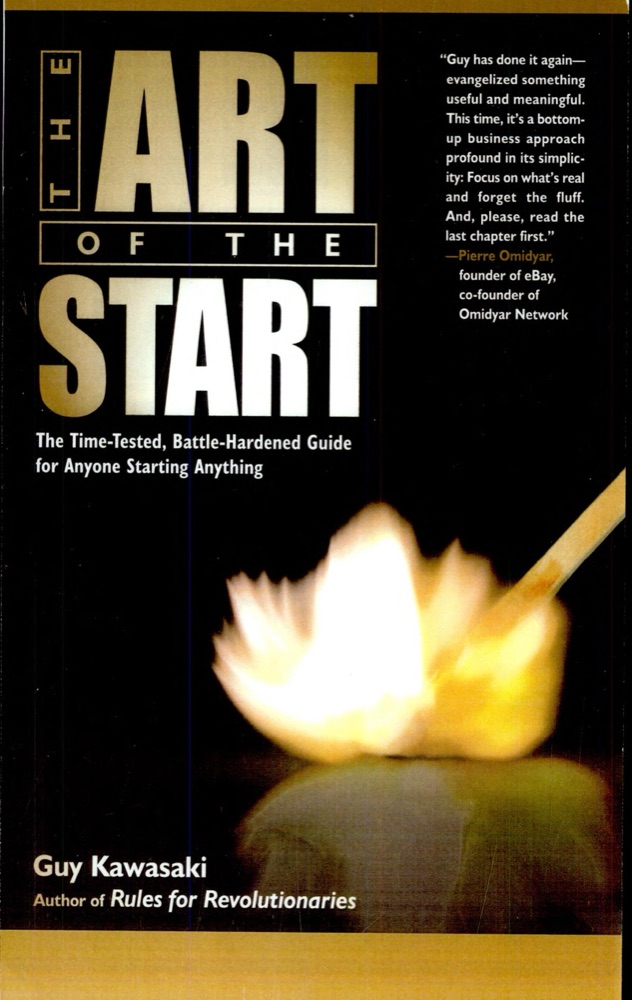 The Art of the Start: The Time-Tested, Battle-Hardened Guide for Anyone Starting Anything
 Delivering Happiness: A Path to Profits, Passion, and Purpose
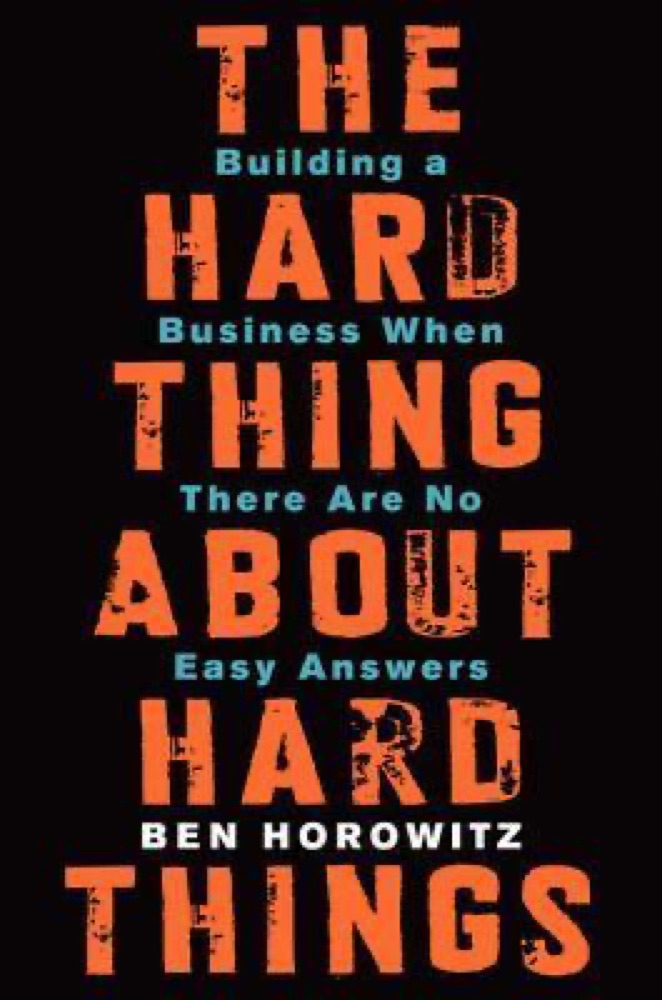 The Hard Thing About Hard Things: Building a Business When There Are No Easy Answers―Straight Talk on the Challenges of Entrepreneurship
 Pour Your Heart Into It: How Starbucks Built a Company One Cup at a Time
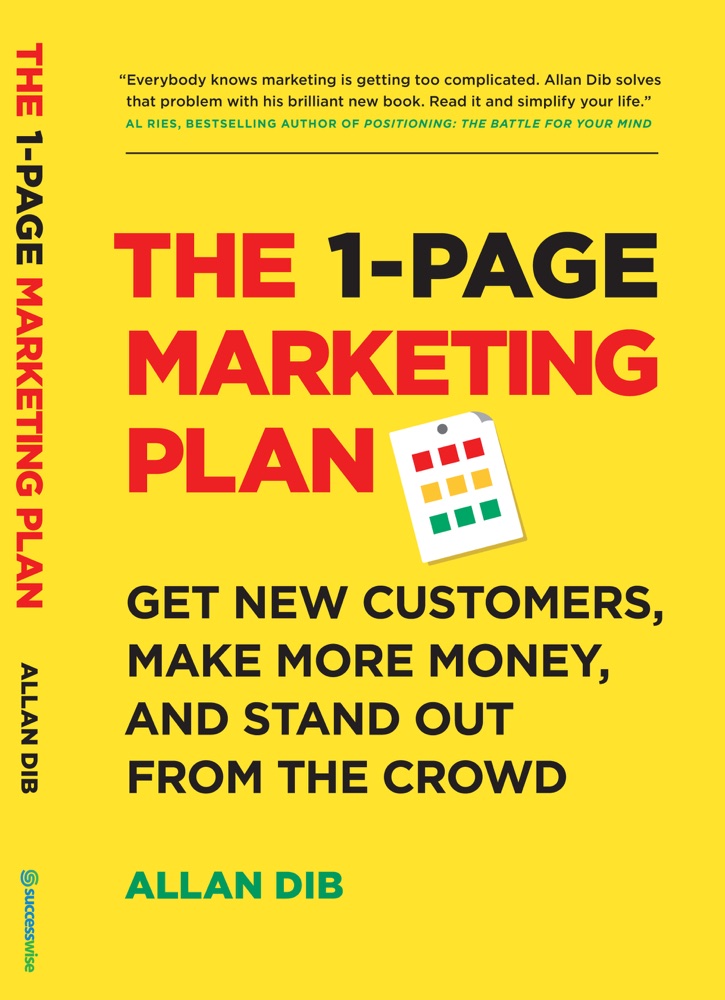 The 1-Page Marketing Plan: Get New Customers, Make More Money, And Stand out From The Crowd
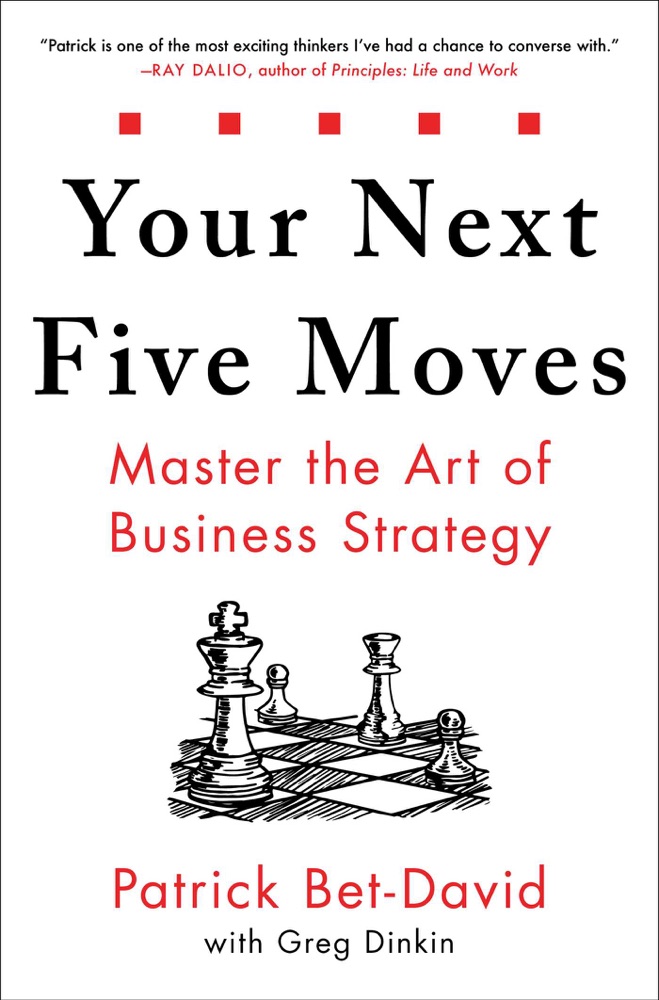 Your Next Five Moves: Master the Art of Business Strategy
 Getting There: A Book of Mentors
 Good to Great: Why Some Companies Make the Leap... and Others Don't
 Zero to One: Notes on Startups, or How to Build the Future
 Chaos Monkeys: Obscene Fortune and Random Failure in Silicon Valley
 Conscious Capitalism
 Things a Little Bird Told Me: Confessions of the Creative Mind
 The $100 Startup: Reinvent the Way You Make a Living, Do What You Love, and Create a New Future
 Linchpin: Are You Indispensable?
 The Startup of You: Adapt to the Future, Invest in Yourself, and Transform Your Career
 The Ride of a Lifetime: Lessons Learned from 15 Years as CEO of the Walt Disney Company
 Built to Last: Successful Habits of Visionary Companies
 Creativity, Inc.: Overcoming the Unseen Forces That Stand in the Way of True Inspiration
 Founders at Work: Stories of Startups' Early Days
 Managing Humans: Biting and Humorous Tales of a Software Engineering Manager
 Shop Class as Soulcraft: An Inquiry Into the Value of Work
 Vision to Reality: Stop Working, Start Living
 Amp It Up: Leading for Hypergrowth by Raising Expectations, Increasing Urgency, and Elevating Intensity
 Principles: Life and Work
 The Leader Who Had No Title: A Modern Fable on Real Success in Business and in Life
 The 7 Habits of Highly Effective People: Personal Workbook
 I, Steve: Steve Jobs In His Own Words
 Be Useful: Seven Tools for Life
 Invent and Wander: The Collected Writings of Jeff Bezos
 Winning
 Smartcuts: How Hackers, Innovators, and Icons Accelerate Success
 Let My People Go Surfing: The Education of a Reluctant Businessman
 The Millionaire Fastlane: Crack the Code to Wealth and Live Rich for a Lifetime!
 Stay Hungry Stay Foolish
 Start with Why: How Great Leaders Inspire Everyone to Take Action
 How To Get Rich
 The Art of Thinking Clearly
 Barking Up the Wrong Tree: The Surprising Science Behind Why Everything You Know About Success Is (Mostly) Wrong
 Lean Analytics: Use Data to Build a Better Startup Faster
 The Success Principles: How to Get from Where You Are to Where You Want to Be
 The Practice: Shipping Creative Work
 7 Strategies for Wealth & Happiness: Power Ideas from America's Foremost Business Philosopher
 Choose Yourself: Be Happy, Make Millions, Live the Dream
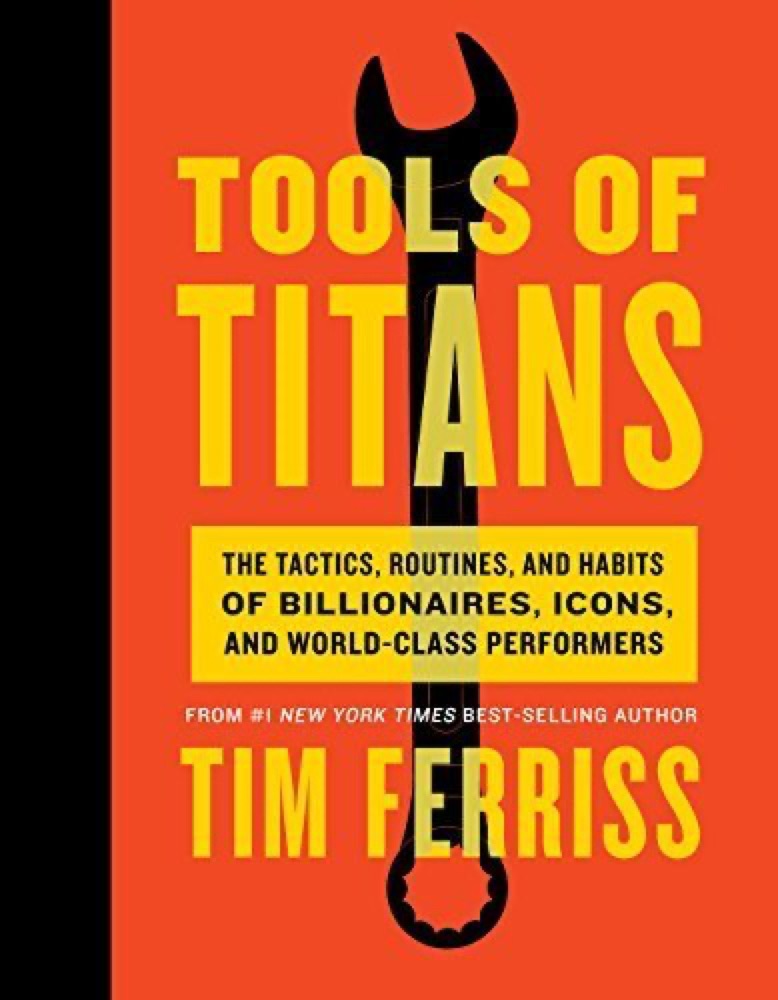 Tools of Titans: The Tactics, Routines, and Habits of Billionaires, Icons, and World-Class Performers
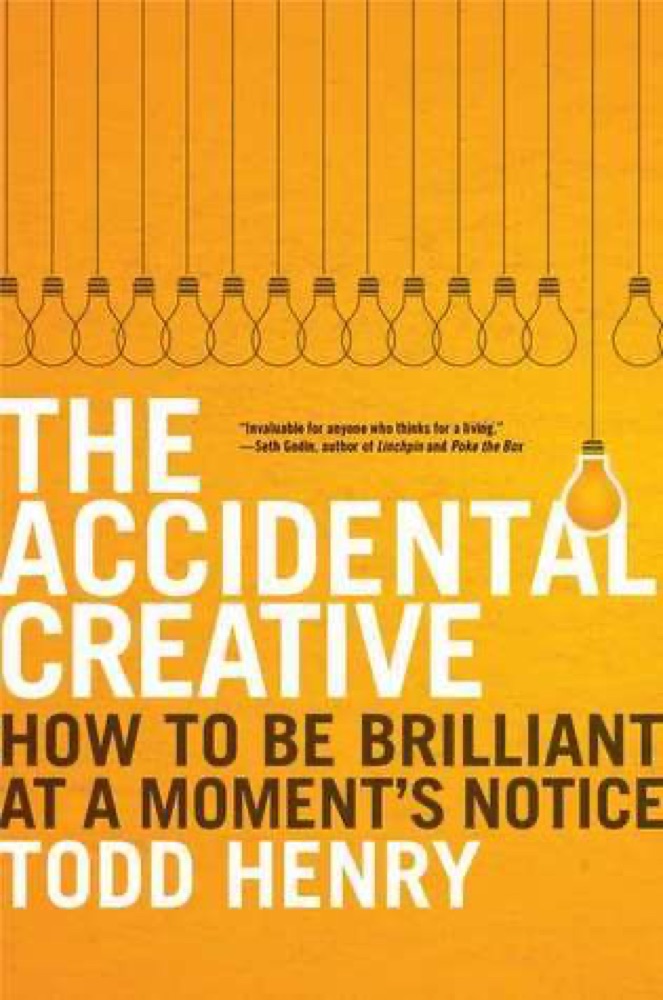 The Accidental Creative: How to Be Brilliant at a Moment's Notice
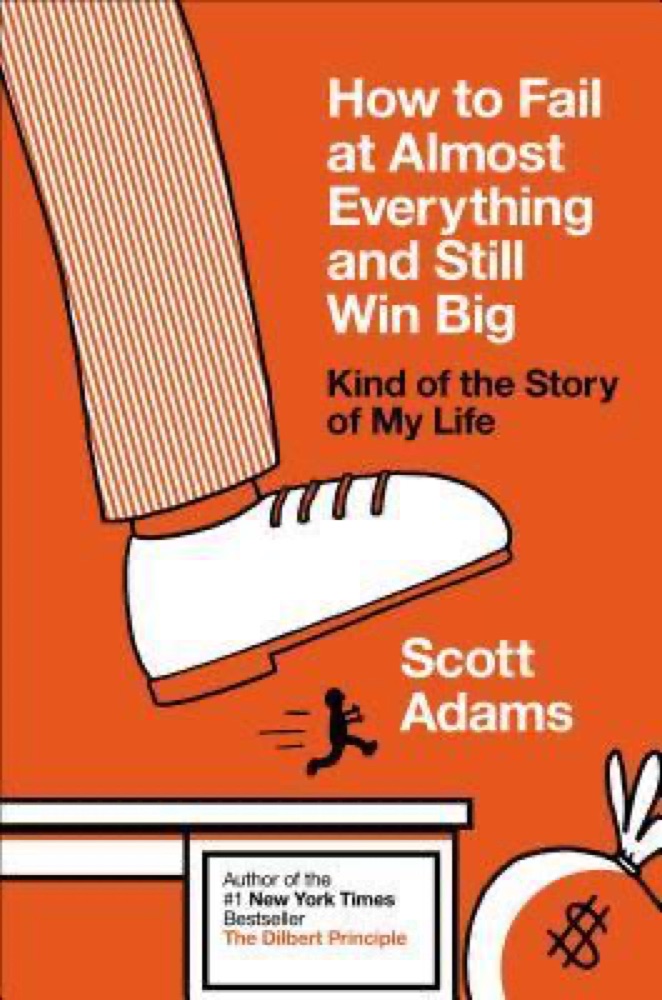 How to Fail at Almost Everything and Still Win Big: Kind of the Story of My Life
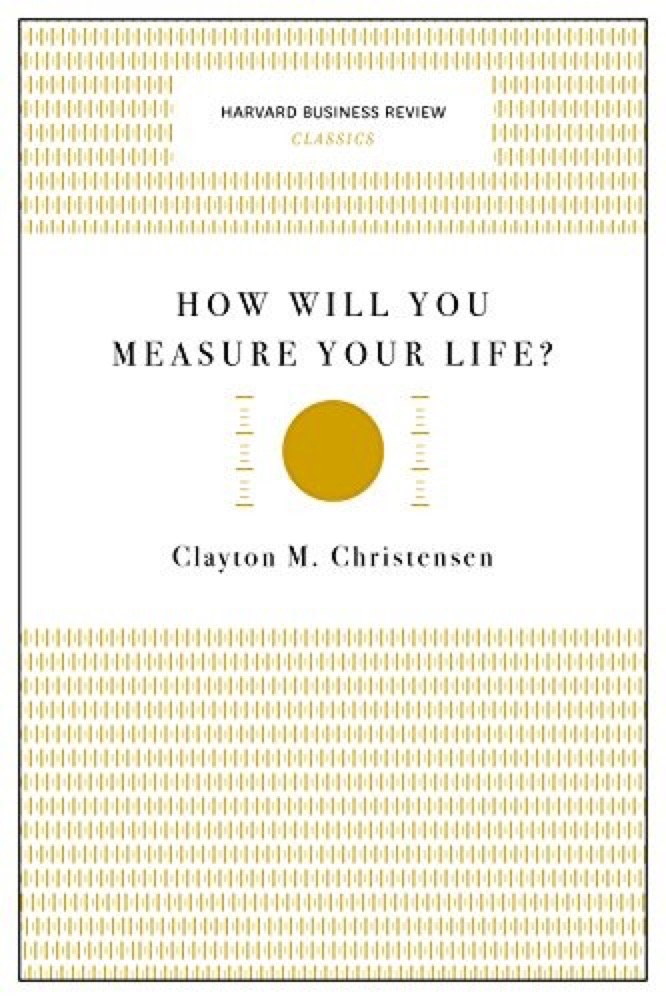 How Will You Measure Your Life?
 Shoe Dog: A Memoir by the Creator of NIKE
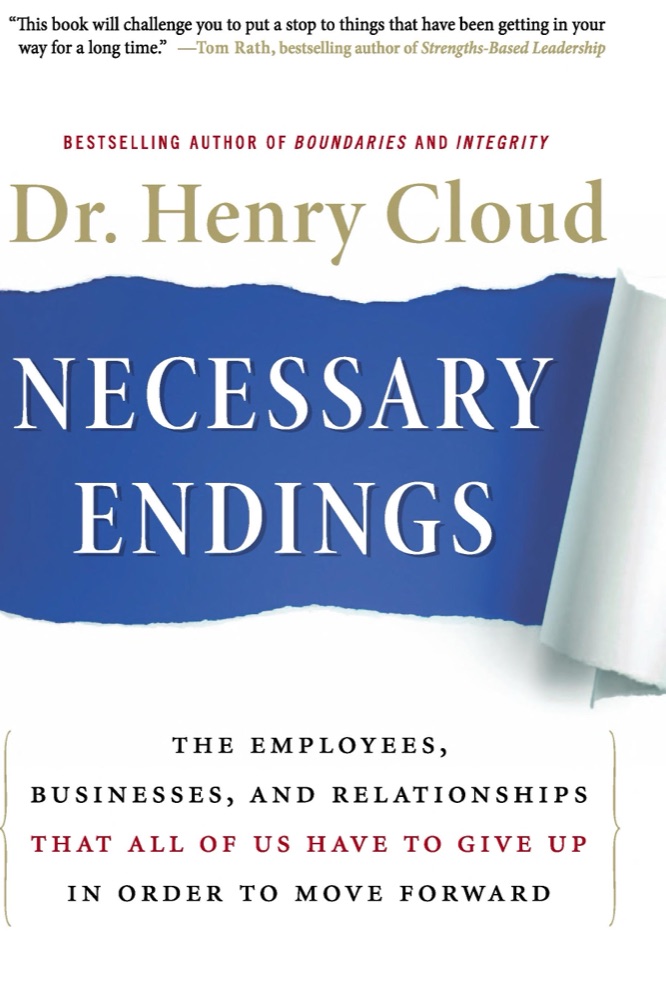 Necessary Endings: The Employees, Businesses, and Relationships That All of Us Have to Give Up in Order to Move Forward
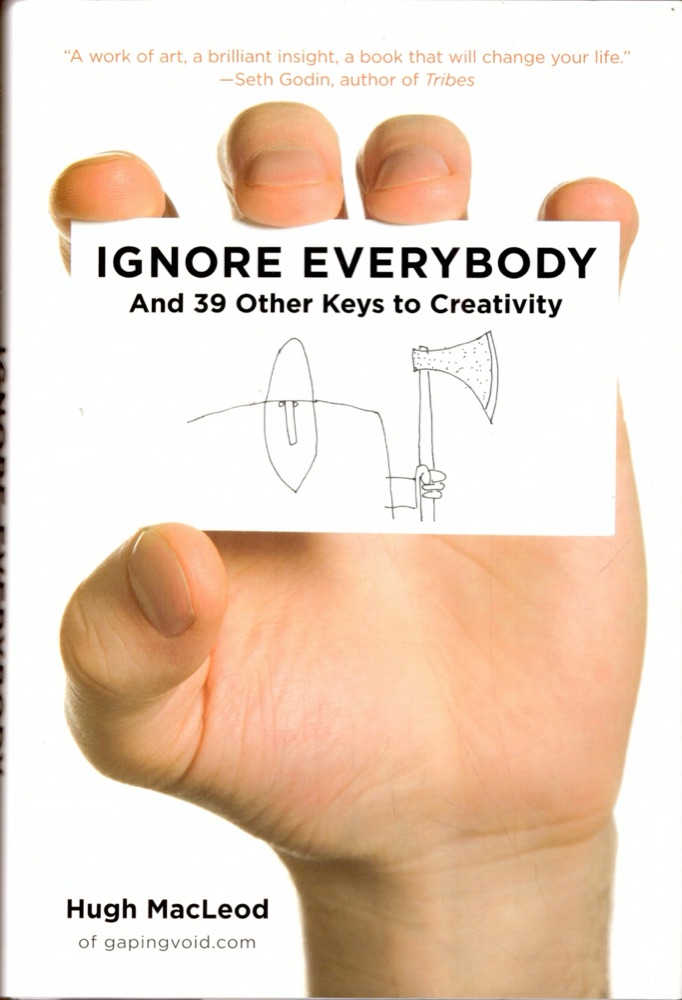 Ignore Everybody: and 39 Other Keys to Creativity
 Be Your Future Self Now: The Science of Intentional Transformation
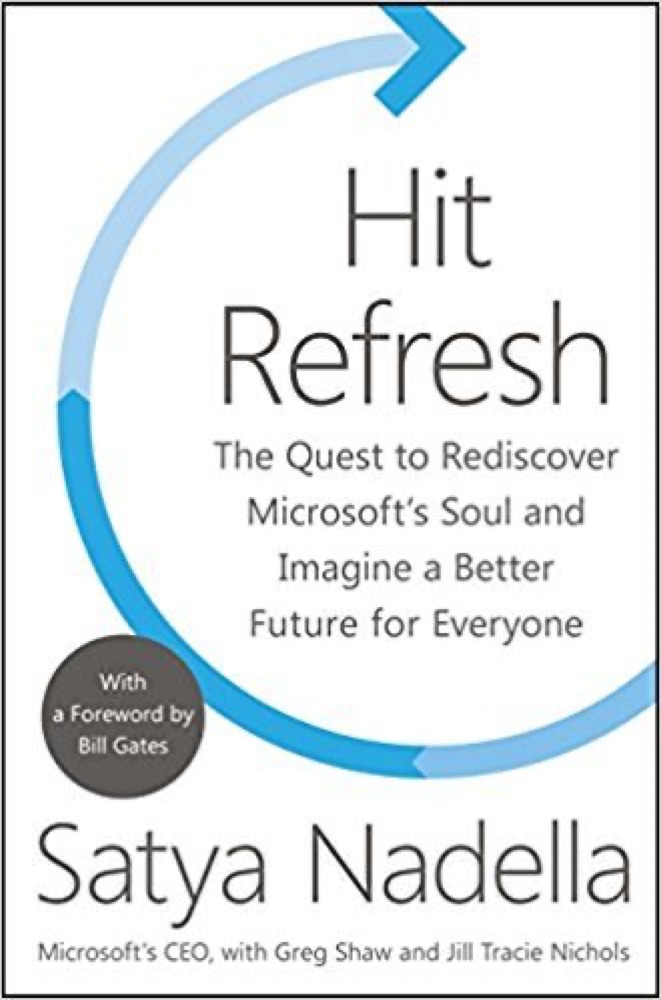 Hit Refresh: The Quest to Rediscover Microsoft's Soul and Imagine a Better Future for Everyone
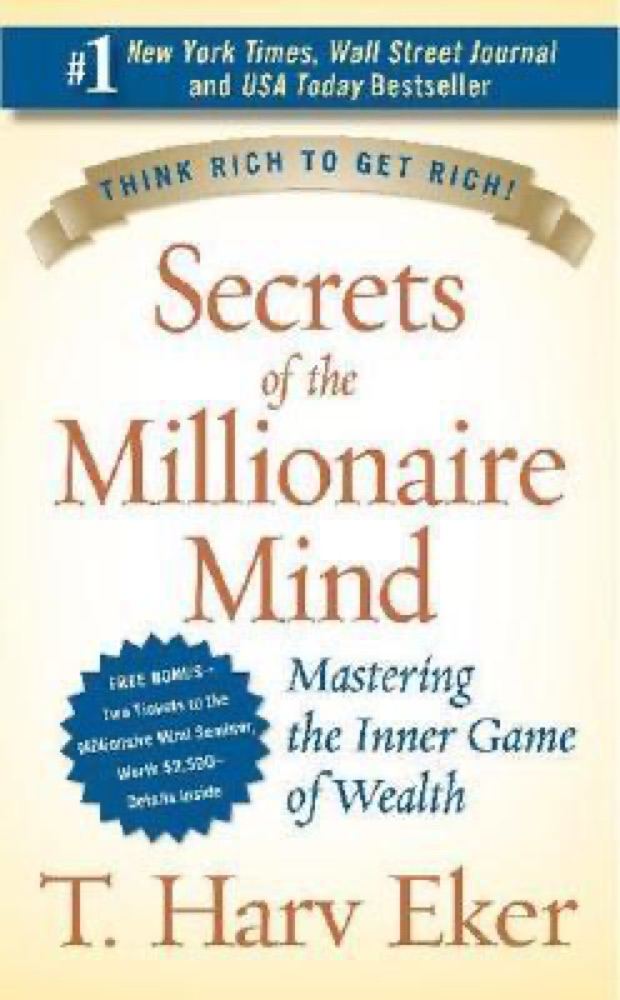 Secrets of the Millionaire Mind: Mastering the Inner Game of Wealth
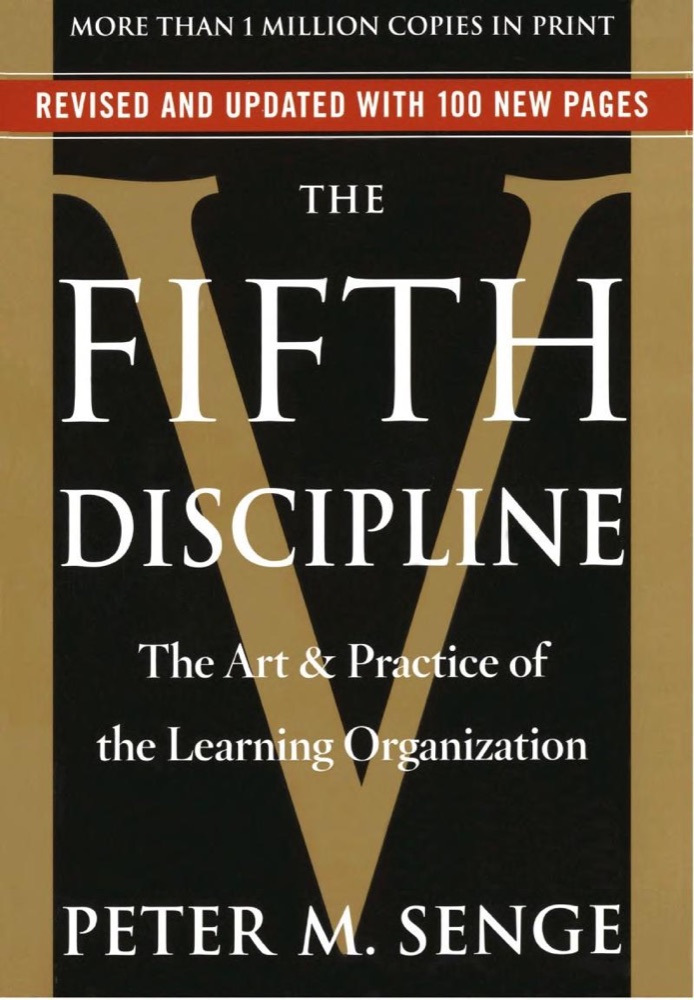 The Fifth Discipline: The Art & Practice of The Learning Organization
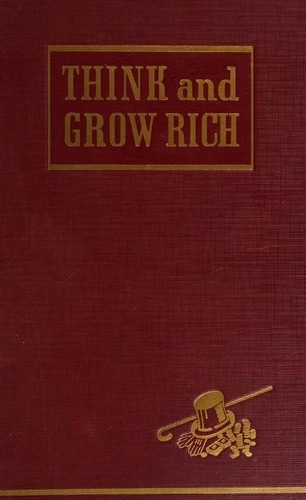 Think and Grow Rich
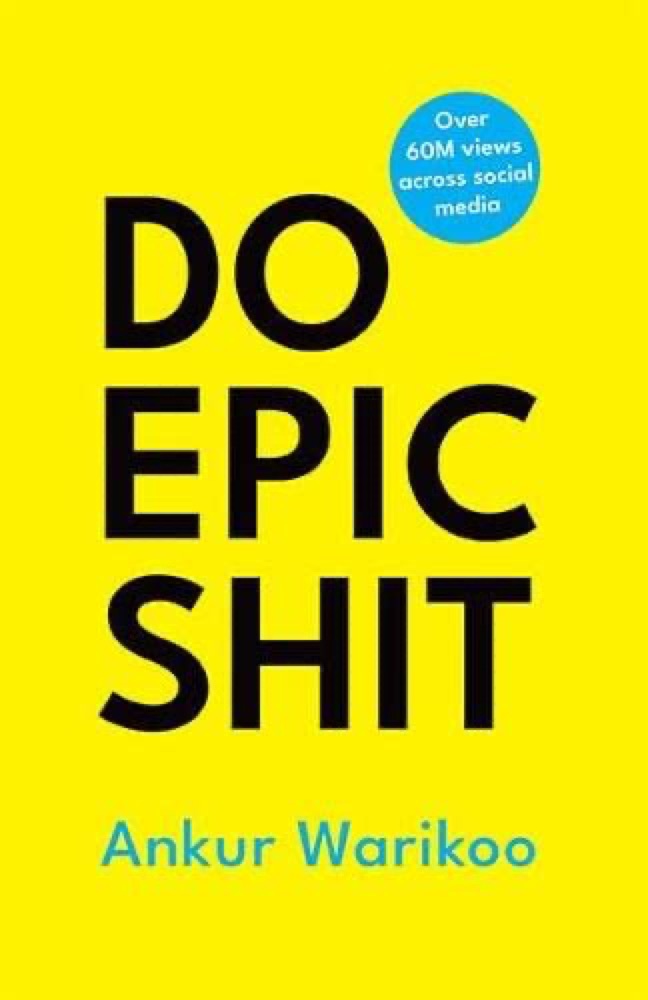 Do Epic Shit