
 How to Fail at Almost Everything and Still Win Big: Kind of the Story of My Life
Quotes from the Book
We spend too much time trying to be “good” when good is often merely average. To be great we must be different. And that doesn’t come from trying to follow society’s vision of what is best, because society doesn’t always know what it needs. More often being the best means just being the best version of you.
28
We crave ease, but stimulation is what really makes us happy.
25
Mentoring a young person is four times more predictive of happiness than your health or how much money you make.
22
Research shows that you don’t actually need to know more to be seen as a leader. Merely by speaking first and speaking often—very extroverted behavior—people come to be seen as El Jefe.
19
Without a plan, we do what’s passive and easy—not what is really fulfilling. Robert Epstein surveyed thirty thousand
15
In the famous commencement speech Steve Jobs gave at Stanford in 2005 he said, “Remembering that I’ll be dead soon is the most important tool I’ve ever encountered to help me make the big choices in life.
14
As Henry David Thoreau said, “The price of anything is the amount of life you exchange for it.
13
But as any mathematician knows, averages can be deceptive. Andrew Robinson, CEO of famed advertising agency BBDO, once said, “When your head is in a refrigerator and your feet on a burner, the average temperature is okay. I am always cautious about averages.” As
12
study of 403 people in the Journal of Happiness Studies showed that managing your free time is associated with higher quality of life.
10
What’s shocking is that when asked to make predictions, depressed people are more accurate than optimists. It’s called “depressive realism.” The world can be a harsh place. Optimists lie to themselves. But if we all stop believing anything can change, nothing ever will. We need a bit of fantasy to keep us going.
10
Here’s the problem: We love having choices. We hate making choices. Having choices means having possibilities. Making choices means losing possibilities. And having so many choices increases the chance of regret.
9
We got to the moon and built the pyramids without email and Facebook.
9
Oh, the irony. Cognitive biases prevent us from understanding cognitive biases.
9
Warren Buffett, “The difference between successful people and very successful people is that very successful people say no to almost everything.
8
The only place where success comes before work is a dictionary.
8
Barry Schwartz says we have to become “choosers” instead of “pickers.” A picker selects from the options available, leading us into false dichotomies created by the options we see in front of us. But a chooser “is thoughtful enough to conclude that perhaps none of the available alternatives are satisfactory, and that if he or she wants the right alternative, he or she may have to create it.
8
This leads us to the strengths of being less than confident. Confidence makes it very hard for us to learn and improve. When we think we know all the answers, we stop looking for them. Marshall Goldsmith says, “Although our self-confident delusions can help us achieve, they can make it difficult for us to change.” When
8
The hard-charging Silicon Valley entrepreneur has become a respected, admired icon in the modern age. Do these descriptors match the stereotype? A ball of energy. Little need for sleep. A risk taker. Doesn’t suffer fools gladly. Confident and charismatic, bordering on hubristic. Boundlessly ambitious. Driven and restless. Absolutely. They’re also the traits associated with a clinical condition called hypomania. Johns Hopkins psychologist John Gartner has done work showing that’s not a coincidence. Full-blown mania renders people unable to function in normal society. But hypomania produces a relentless, euphoric, impulsive machine that explodes toward its goals while staying connected (even if only loosely) with reality. With
8
Fate is that thing we cannot avoid. It comes for us despite how we try to run from it. Destiny, on the other hand, is the thing we must chase, what we must bring to fruition.
7
Anyone who knows baseball knows Ted Williams. He played professionally from 1939 to 1960 and is one of the undisputed greatest hitters of all time, right up there with Babe Ruth. But whether you’re familiar with him or not, I have news for you: Ted Williams never played baseball. Nope, he never did. The problem there is the verb: Williams wasn’t playing. To him, hitting a baseball wasn’t a game. He always took it very, very seriously. In a 1988 interview he said as a child he literally wished on a falling star that he would become the greatest hitter to ever live. But he didn’t sit around and wait for the dream to come true. His obsessive, perfectionist work ethic would bring him more success than any descending celestial body would. Williams said, “I . . . insist that regardless of physical assets, I would never have gained a headline for hitting if I [had not] kept everlastingly at it and thought of nothing else the year round . . . I only lived for my next time at bat.” Ten thousand hours to achieve expertise? Williams probably did that a few times over. He was obsessed. After school, he’d go to a local field and practice hitting until nine P.M., only stopping because that’s when they turned the lights out. Then he’d go home and practice in the backyard until his parents made him go to bed. He’d get to school early so he could fit in more swings before classes started. He’d bring his bat to class. He picked courses that had less homework, not because he was lazy but so he’d have more time for hitting.
7
So keep trying new things. It makes you luckier. If you do what you’ve always done, you’ll get what you’ve always gotten. When there’s no clear path to success, no relevant model for what you’re trying to achieve, trying crazy things may be the only way to solve the issue.
6
A study of over seven hundred American millionaires showed their average college GPA was 2.9.
6
The same traits that make people a nightmare to deal with can also make them the people who change the world.
6
Dan Ariely did a study in which people were given the opportunity to cheat on a test. (They didn’t know the researchers administering the test would be able to tell.) Of course, those who exploited this performed better, but here’s what’s interesting: when surveyed about how they thought they’d do on another test, the cheaters rated themselves higher than non-cheaters. In other words, despite having succeeded due to deception, they attributed their success to being smarter. In deceiving others they ended up deceiving themselves. That’s
6
Success comes in many forms. Some success is incredibly impressive, some simple and quaint, others almost absurd. We get hung up on the heights of success we see in the media and forget that it’s our personal definition of success that matters. And you can achieve that.
5
You need a personal definition of success. Looking around you to see if you’re succeeding is no longer a realistic option.
5
Warren Buffett sums that up: “I always worry about people who say, ‘I’m going to do this for ten years; I really don’t like it very well. And then I’ll do this . . .’ That’s a lot like saving sex up for your old age. Not a very good idea.
5
Author Tony Schwartz says, “Energy, not time, is the fundamental currency of high performance.
5
If you want to do well in school and you’re passionate about math, you need to stop working on it to make sure you get an A in history too. This generalist approach doesn’t lead to expertise. Yet eventually we almost all go on to careers in which one skill is highly rewarded and other skills aren’t that important. Ironically,
5
Watch on YouTube
About Eric Barker
We have collected 29 quotes from 1 book by Eric Barker on BookQuoters.
More about the author →About the book
Much of the advice we've been told about achievement is logical, earnest... and downright wrong. In Barking Up the Wrong Tree, Eric Barker reveals the extraordinary science behind what actually determines success and most importantly, how anyone can achieve it. You'll learn:
• Why valedictorians rarely become millionaires, and how your biggest weakness might actually be your greatest strength
• Whether nice guys finish last and why the best lessons about cooperation come from gang members, pirates, and serial killers
• Why trying to increase confidence fails and how Buddhist philosophy holds a superior solution
• The secret ingredient to "grit" that Navy SEALs and disaster survivors leverage to keep going
• How to find work-life balance using the strategy of Genghis Khan, the errors of Albert Einstein, and a little lesson from Spider-Man.
By looking at what separa
Book details
- First published
- 2017
- Author
- Eric Barker
- Genre
- Nonfiction
- Goodreads rating
- 4.11 (18k ratings)
Keep reading
How to Fail at Almost Everything and Still Win Big: Kind of the Story of My Life
 The Art of Thinking Clearly
 Think Like a Freak
 Smartcuts: How Hackers, Innovators, and Icons Accelerate Success
 Principles: Life and Work
 Tools of Titans: The Tactics, Routines, and Habits of Billionaires, Icons, and World-Class Performers
 Same as Ever: A Guide to What Never Changes
 The Algebra of Wealth: A Simple Formula for Financial Security
 You Can Win: A Step by Step Tool for Top Achievers
 Late Bloomers: The Power of Patience in a World Obsessed with Early Achievement
 Getting There: A Book of Mentors
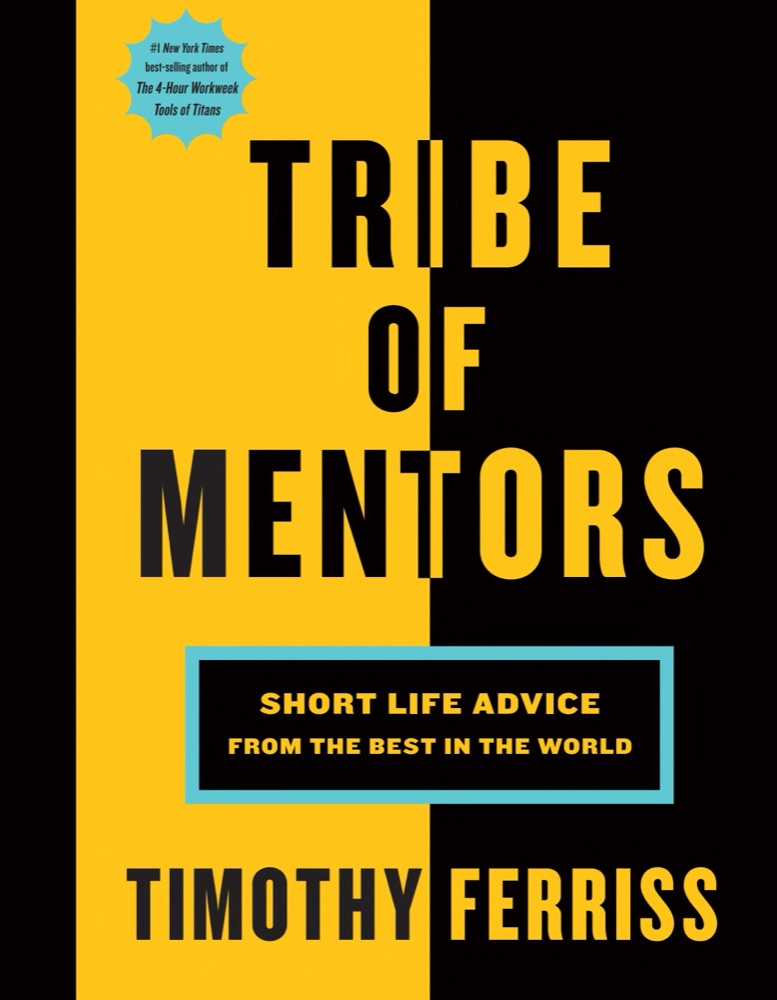 Tribe Of Mentors: Transformative Wisdom From Icons and Innovators to Help You Navigate Life's Challenges
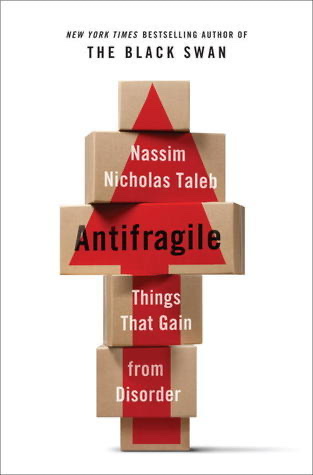 Antifragile: Things That Gain from Disorder
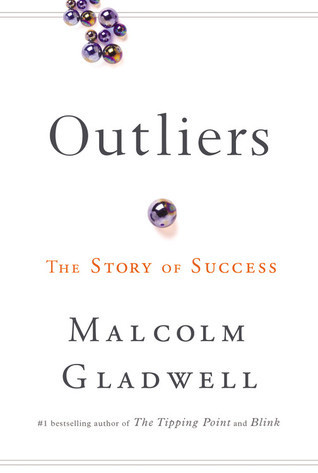 Outliers: The Story of Success
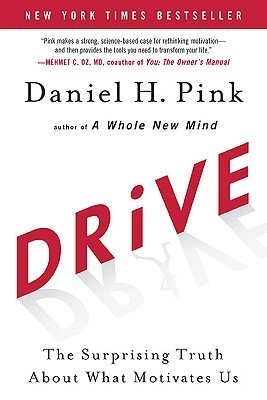 Drive: The Surprising Truth About What Motivates Us
 The Algebra of Happiness: Notes on the Pursuit of Success, Love, and Meaning
 The Black Swan: The Impact of the Highly Improbable
 David and Goliath: Underdogs, Misfits, and the Art of Battling Giants
 7 Strategies for Wealth & Happiness: Power Ideas from America's Foremost Business Philosopher
 Do Epic Shit
 Grit: The Power of Passion and Perseverance
 Think Like a Rocket Scientist: Simple Strategies You Can Use to Make Giant Leaps in Work and Life
 The Social Animal: The Hidden Sources of Love, Character, and Achievement
 The Compound Effect: Jumpstart Your Income, Your Life, Your Success
 Choose Yourself: Be Happy, Make Millions, Live the Dream
 Rich Dad Poor Dad
 Smarter Faster Better: The Secrets of Being Productive in Life and Business
 EntreLeadership: 20 Years of Practical Business Wisdom from the Trenches
 Think and Grow Rich
 Skin in the Game: The Hidden Asymmetries in Daily Life
 Finding Flow: The Psychology of Engagement with Everyday Life
 Do Over: Rescue Monday, Reinvent Your Work, and Never Get Stuck
 The Last Lecture
 The Element: How Finding Your Passion Changes Everything
 Predictably Irrational: The Hidden Forces That Shape Our Decisions
 The Art of Impossible: A Peak Performance Primer
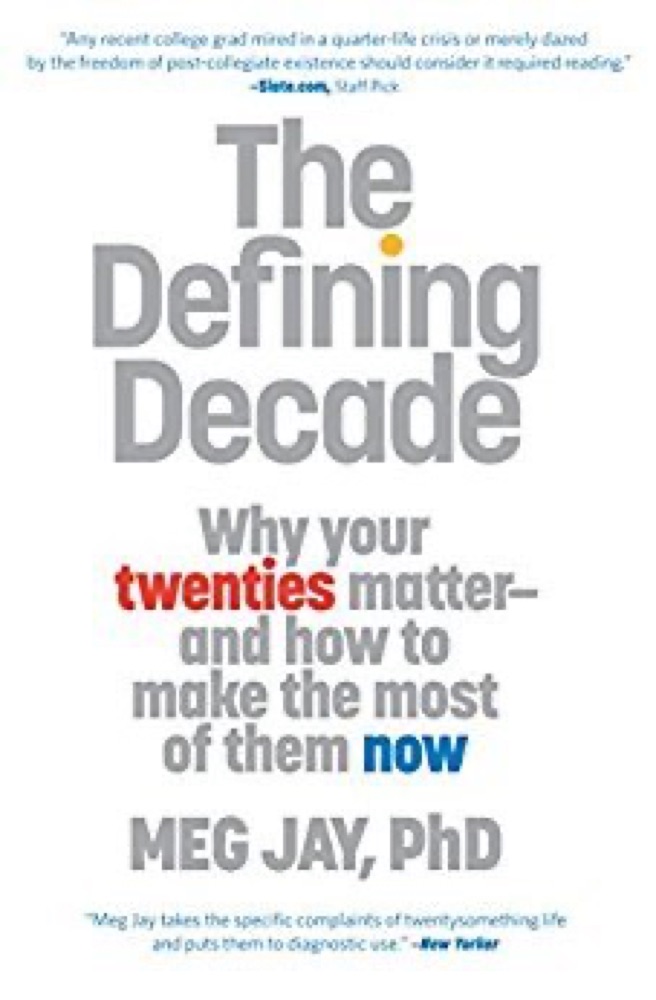 The Defining Decade: Why Your Twenties Matter—And How to Make the Most of Them Now
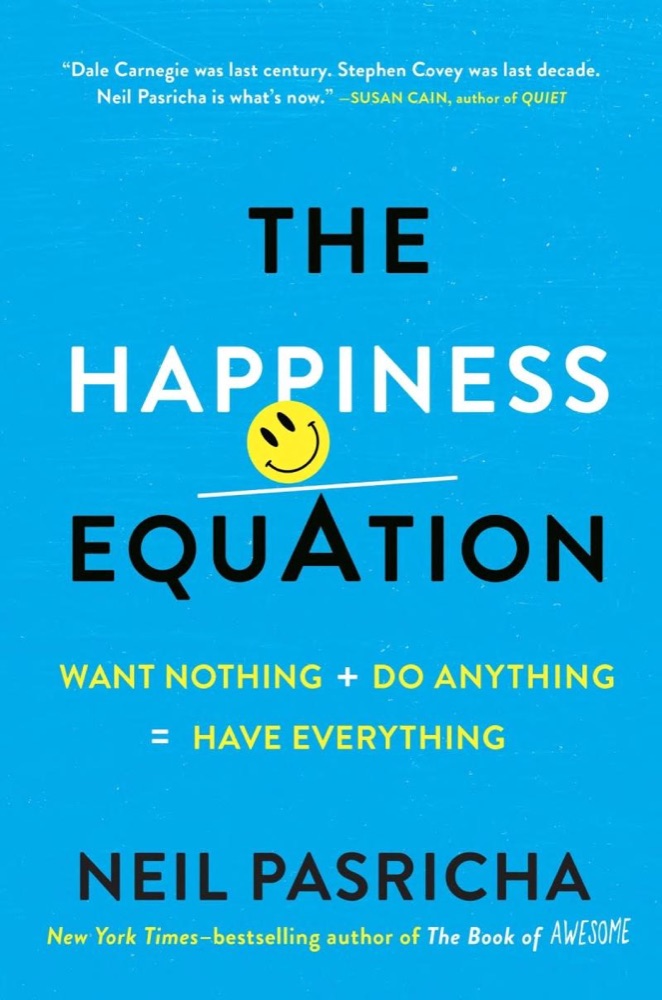 The Happiness Equation: Want Nothing + Do Anything = Have Everything
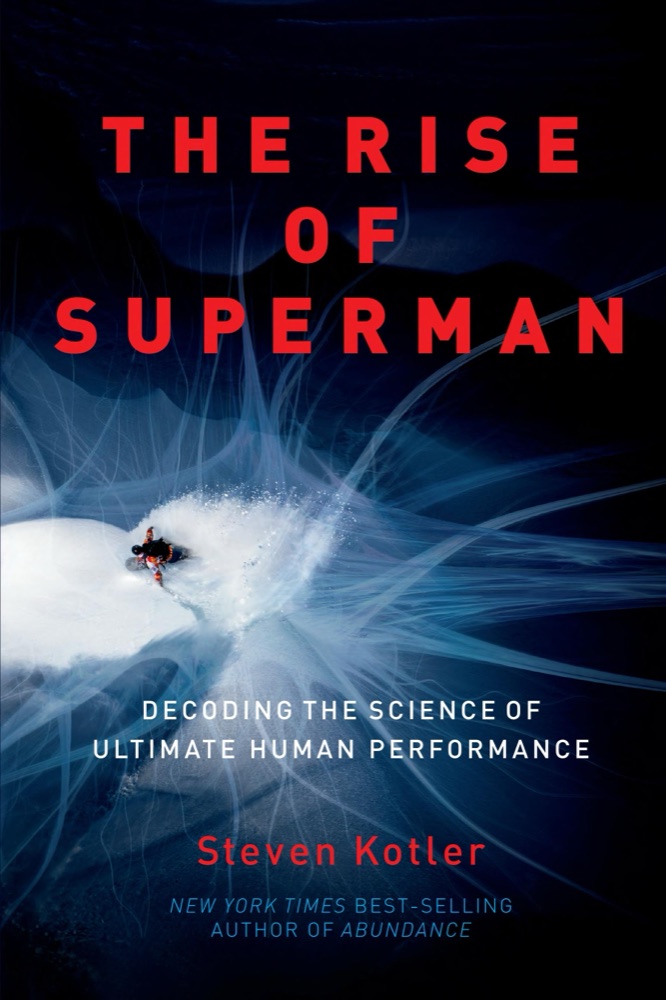 The Rise of Superman: Decoding the Science of Ultimate Human Performance
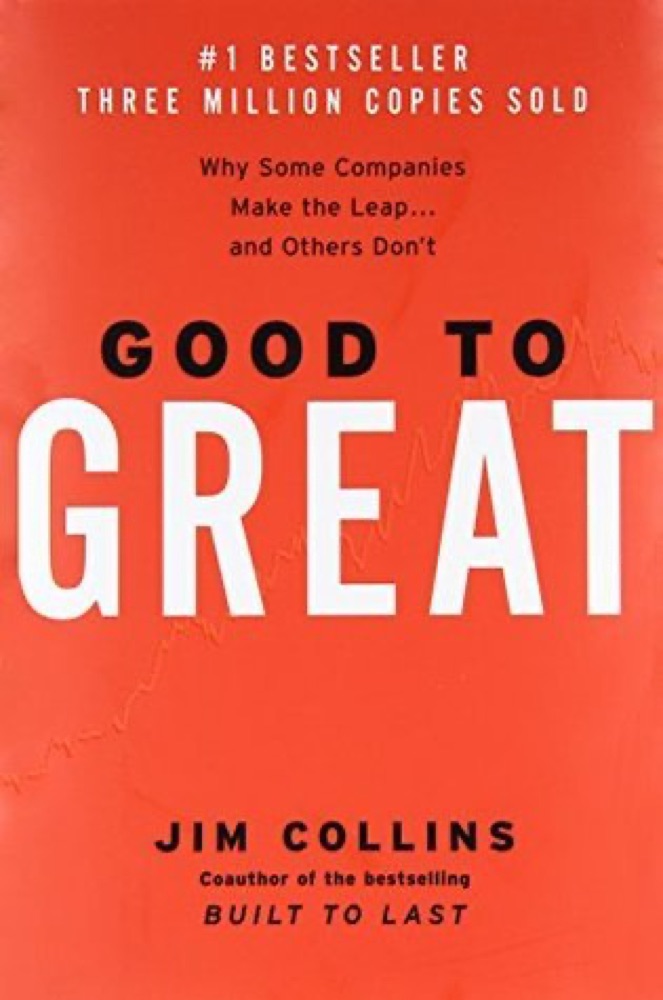 Good to Great: Why Some Companies Make the Leap... and Others Don't
 The Power of Focus
 The Happiness Hypothesis: Finding Modern Truth in Ancient Wisdom
 How To Get Rich
 You Are Not So Smart
 The Happiness Advantage: The Seven Principles of Positive Psychology That Fuel Success and Performance at Work
 Ego Is the Enemy
 The Gap and The Gain: The High Achievers' Guide to Happiness, Confidence, and Success
 The Success Principles: How to Get from Where You Are to Where You Want to Be
 High Performance Habits: How Extraordinary People Become That Way
 Your Next Five Moves: Master the Art of Business Strategy
 The Leader Who Had No Title: A Modern Fable on Real Success in Business and in Life
 Delivering Happiness: A Path to Profits, Passion, and Purpose
 Unscripted: Life, Liberty, and the Pursuit of Entrepreneurship
 The Undoing Project: A Friendship That Changed Our Minds
 The 7 Habits of Highly Effective People: Personal Workbook
 Secrets of the Millionaire Mind: Mastering the Inner Game of Wealth
 Algorithms to Live By: The Computer Science of Human Decisions