 The 1-Page Marketing Plan: Get New Customers, Make More Money, And Stand out From The Crowd
Quotes from the Book
We sometimes remind early-stage founders that, in many ways, they aren’t building a product. They’re building a tool to learn what product to build.
3
Don’t just ask questions. Know how the answers to the questions will change your behavior. In other words, draw a line in the sand before you run the survey.
3
Don’t sell what you can make; make what you can sell.
3
Your job isn’t to build a product; it’s to de-risk a business model.
2
A good metric is a ratio or a rate. Accountants and financial analysts have several ratios they look at to understand, at a glance, the fundamental health of a company. You need some, too. There are several reasons ratios tend to be the best metrics: • Ratios are easier to act on. Think about driving a car. Distance traveled is informational. But speed—distance per hour—is something you can act on, because it tells you about your current state, and whether you need to go faster or slower to get to your destination on time. • Ratios are inherently comparative. If you compare a daily metric to the same metric over a month, you’ll see whether you’re looking at a sudden spike or a long-term trend. In a car, speed is one metric, but speed right now over average speed this hour shows you a lot about whether you’re accelerating or slowing down. • Ratios are also good for comparing factors that are somehow opposed, or for which there’s an inherent tension. In a car, this might be distance covered divided by traffic tickets. The faster you drive, the more distance you cover—but the more tickets you get. This ratio might suggest whether or not you should be breaking the speed limit.
1
You need to know which aspects of your business are too risky and then work to improve the metric that represents that risk.
1
Instincts are experiments. Data is proof.
1
We’re huge believers in doing things quickly, but there’s a difference between focused speed in a smart direction and being ridiculously hasty.
1
Customers are people. They lead lives. They have kids, they eat too much, they don’t sleep well, they phone in sick, they get bored, they watch too much reality TV. If you’re building for some kind of idealized, economically rational buyer, you’ll fail. But if you know your customers, warts and all, and you build things that naturally fit into their lives, they’ll love you.
1
Zach Nies suggests going even further, segmenting customers into three groups. “‘A customers’ are your really big customers who negotiated a big discount and expect the world from you. ‘B customers’ are customers who are fairly low maintenance, didn’t get a big discount, see themselves as partners with you, and provide useful insights. ‘C customers’ cause trouble, are a pain to deal with, and demand things from you that you feel will damage your business,” he explains. “Don’t spend too much time on the A’s—they sound good but aren’t the best for your business. Bring as many Bs on as customers as possible. And try to get your ‘C customers’ to be customers of your competitors.
Once, a leader convinced others to act in the absence of information. Today, there’s simply too much information available. We don’t need to guess—we need to know where to focus. We need a disciplined approach to growth that identifies, quantifies, and overcomes risk every step of the way. Today’s leader doesn’t have all the answers. Instead, today’s leader knows what questions to ask. Go forth and ask good questions.
Don't just think "mobile first". Think "search first", and invest in instrumenting search metrics on your website and within your product to see what users are looking for and what they are not able to find.
A good metric changes the way you behave. This is by far the most important criterion for a metric: what will you do differently based on changes in the metric? Drawing a line in the sand is a great way to enforce a disciplined approach. A good metric changes the way you behave precisely because it’s aligned to your goals of keeping users, encouraging word of mouth, acquiring customers efficiently, or generating revenue. Unfortunately, that’s not always how it happens. At one company, Alistair saw a sales executive tie quarterly compensation to the number of deals in the pipeline, rather than to the number of deals closed, or to margin on those sales. Salespeople are coin-operated, so they did what they always do: they followed the money. In this case, that meant a glut of junk leads that took two quarters to clean out of the pipeline—time that would have been far better spent closing qualified prospects. Of course, customer satisfaction or pipeline flow is vital to a successful business. But if you want to change behavior, your metric must be tied to the behavioral change you want. If you measure something and it’s not attached to a goal, in turn changing your behavior, you’re wasting your time. Worse, you may be lying to yourself and fooling yourself into believing that everything is OK. That’s no way to succeed.
Everything is an experiment you can learn from.
In a startup, your business model — and proof that your assumptions are reasonably accurate — is far more important than your business plan. Business plans are for bankers; business models are for founders.
Advertising pays for the Internet.
There are some players who simply won’t spend money in a game. And there are others (often referred to as “whales”) who will spend literally thousands of dollars to gain the upper hand in a game they love. Knowing the difference between the two — and finding ways to make more users purchase things within the application — is the key to a successfully monetized free mobile application.
correlation is good. Causality is great.
Part I. Stop Lying to Yourself
Don’t sell what you can make; make what you can sell. And that means figuring out what people want to buy.
We call them vanity metrics, the numbers that make you feel good but seriously mislead. Avoiding them requires a whole new accounting discipline, which I call “innovation accounting.
overwhelming preconceptions about how other people think, and these color your decisions in subtle and insidious ways.
product development into a conversation with customers.
customers were so used to that price point that they were skeptical of ClearFit’s value at $99/month. Ben says, “We don’t compete with job boards, we partner with them, but at the time it seemed reasonable to have a lower price point to garner attention.” Customers didn’t understand why they would pay a subscription fee for something that they would most likely use sporadically. “When a company needs to hire, they want to do it fast and they’re willing to invest at that moment in time,” says Ben. “Our customers are too small to have dedicated HR
With the rise of social networks and sites like Facebook and Pinterest, which can refer visitors, e-commerce companies are increasingly interested in a long funnel that begins with a tweet, a video, or a link, and ends with a purchase.
in order for the MVP to be considered successful, parents and kids would have to each use the application four times per week.
Entrepreneurs are particularly good at lying to themselves. Lying may even be a prerequisite for succeeding as an entrepreneur — after all, you need to convince others that something is true in the absence of good, hard evidence. You
You can’t run a product and a services business concurrently. Even IBM had to split itself in two;
Watch on YouTube
About Alistair Croll
About the book
Marc Andreesen once said that "markets that don't exist don't care how smart you are." Whether you're a startup founder trying to disrupt an industry, or an intrapreneur trying to provoke change from within, your biggest risk is building something nobody wants.
Lean Analytics can help. By measuring and analyzing as you grow, you can validate whether a problem is real, find the right customers, and decide what to build, how to monetize it, and how to spread the word. Focusing on the One Metric That Matters to your business right now gives you the focus you need to move ahead--and the discipline to know when to change course.
Written by Alistair Croll (Coradiant, CloudOps, Startupfest) and Ben Yoskovitz (Year One Labs, GoInstant), the book lays out practical, proven steps to take your startup from initial idea to product/market fit and beyond. Packed with over 30 case studies, and based
Book details
- First published
- 2013
- Author
- Alistair Croll
- Genre
- Nonfiction
- Goodreads rating
- 4.11 (8k ratings)
Keep reading
The 1-Page Marketing Plan: Get New Customers, Make More Money, And Stand out From The Crowd
 Running Lean: Iterate from Plan A to a Plan That Works
 The $100 Startup: Reinvent the Way You Make a Living, Do What You Love, and Create a New Future
 Amp It Up: Leading for Hypergrowth by Raising Expectations, Increasing Urgency, and Elevating Intensity
 Rework
 Invent and Wander: The Collected Writings of Jeff Bezos
 The Lean Startup
 The Mom Test: How to talk to customers & learn if your business is a good idea when everyone is lying to you
 The Innovator's Solution: Creating and Sustaining Successful Growth
 The E-myth Revisited
 Founders at Work: Stories of Startups' Early Days
 Getting Real: The Smarter, Faster, Easier Way to Build a Web Application
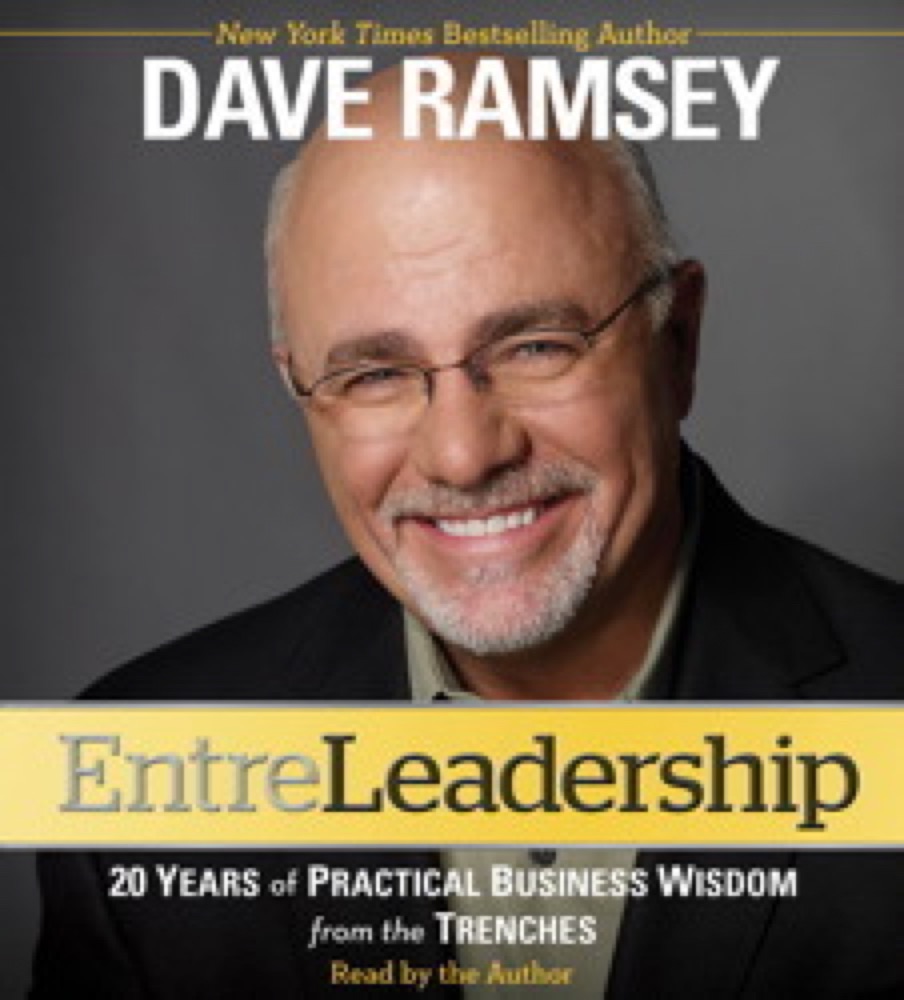 EntreLeadership: 20 Years of Practical Business Wisdom from the Trenches
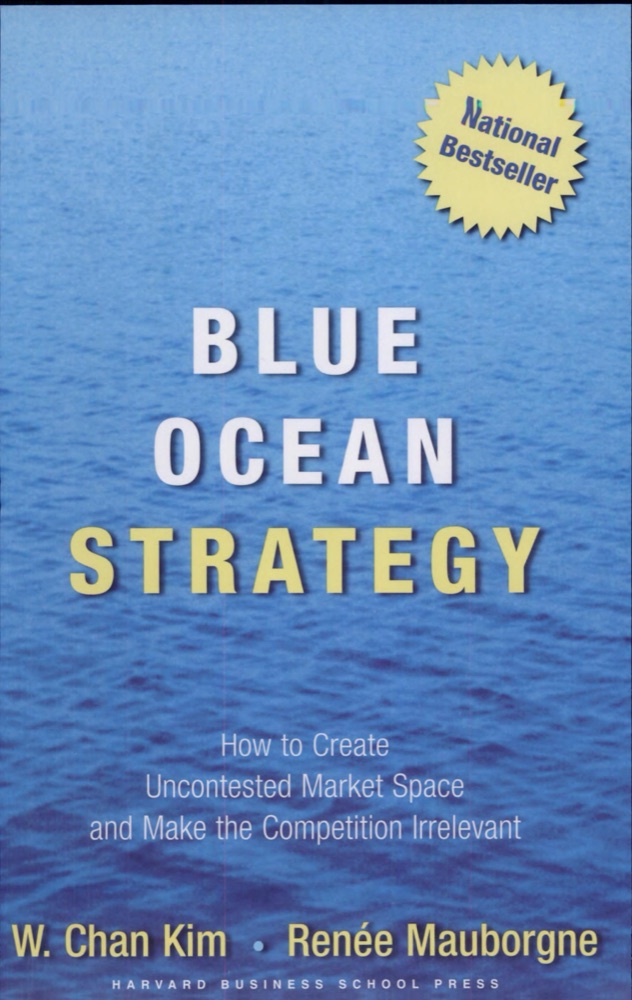 Blue Ocean Strategy: How to Create Uncontested Market Space and Make the Competition Irrelevant
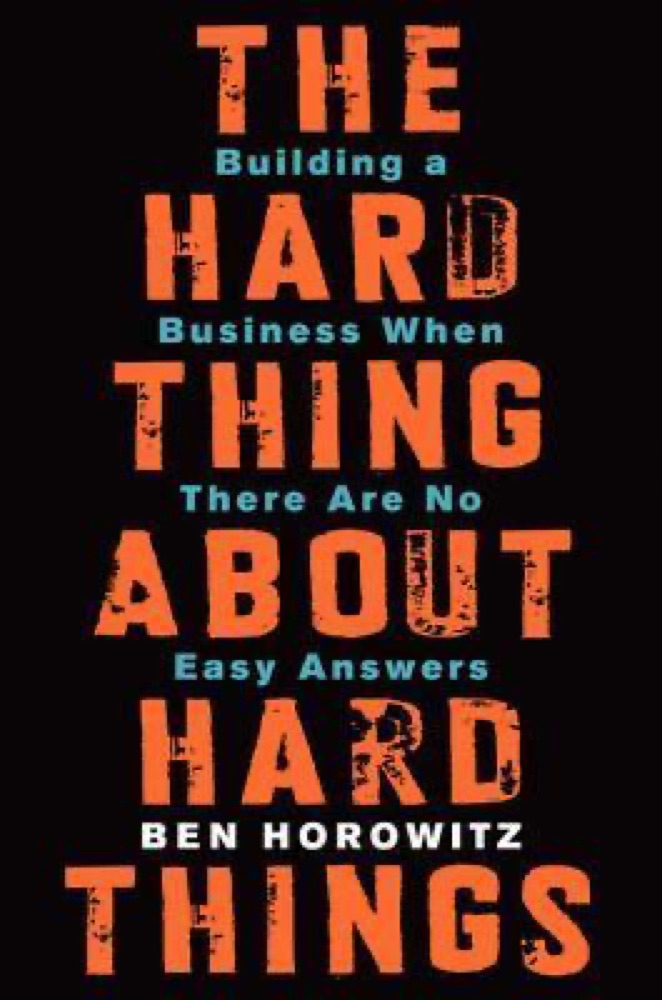 The Hard Thing About Hard Things: Building a Business When There Are No Easy Answers―Straight Talk on the Challenges of Entrepreneurship
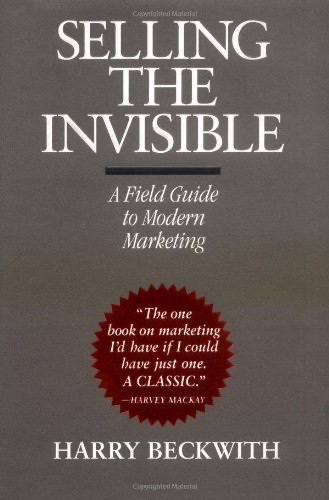 Selling the Invisible: A Field Guide to Modern Marketing
 The Art of the Start: The Time-Tested, Battle-Hardened Guide for Anyone Starting Anything
 The Startup of You: Adapt to the Future, Invest in Yourself, and Transform Your Career
 Zero to One: Notes on Startups, or How to Build the Future
 Hackers & Painters: Big Ideas from the Computer Age
 Managing Humans: Biting and Humorous Tales of a Software Engineering Manager
 Stay Hungry Stay Foolish
 Things a Little Bird Told Me: Confessions of the Creative Mind
 To Sell is Human: The Surprising Truth About Moving Others
 Measure What Matters
 Pour Your Heart Into It: How Starbucks Built a Company One Cup at a Time
 Chaos Monkeys: Obscene Fortune and Random Failure in Silicon Valley
 The Win Without Pitching Manifesto
 The Art of Thinking Clearly
 Creativity, Inc.: Overcoming the Unseen Forces That Stand in the Way of True Inspiration
 Your Next Five Moves: Master the Art of Business Strategy
 Hooked: How to Build Habit-Forming Products
 Delivering Happiness: A Path to Profits, Passion, and Purpose
 Think Like a Freak
 The Monk and the Riddle: The Education of a Silicon Valley Entrepreneur
 Smartcuts: How Hackers, Innovators, and Icons Accelerate Success
 Winning
 The Dip: A Little Book That Teaches You When to Quit (and When to Stick)
 Accelerate: Building and Scaling High Performing Technology Organizations
 Don't Make Me Think, Revisited: A Common Sense Approach to Web Usability
 The Art of Startup Fundraising
 Principles: Life and Work
 The Pragmatic Programmer: From Journeyman to Master
 Making Ideas Happen: Overcoming the Obstacles Between Vision and Reality
 Vision to Reality: Stop Working, Start Living
 Built to Last: Successful Habits of Visionary Companies
 Smarter Faster Better: The Secrets of Being Productive in Life and Business
 The Goal: A Process of Ongoing Improvement
 Getting There: A Book of Mentors
 The Essays of Warren Buffett: Lessons for Corporate America
 Made to Stick: Why Some Ideas Survive and Others Die
 Software Engineering at Google: Lessons Learned from Programming Over Time
 Influencer: The Power to Change Anything
 The Accidental Creative: How to Be Brilliant at a Moment's Notice
 The Halo Effect: ... and the Eight Other Business Delusions That Deceive Managers
 The 80/20 Principle: The Secret to Achieving More with Less
 HBR's 10 Must Reads on Strategy
 How Will You Measure Your Life?
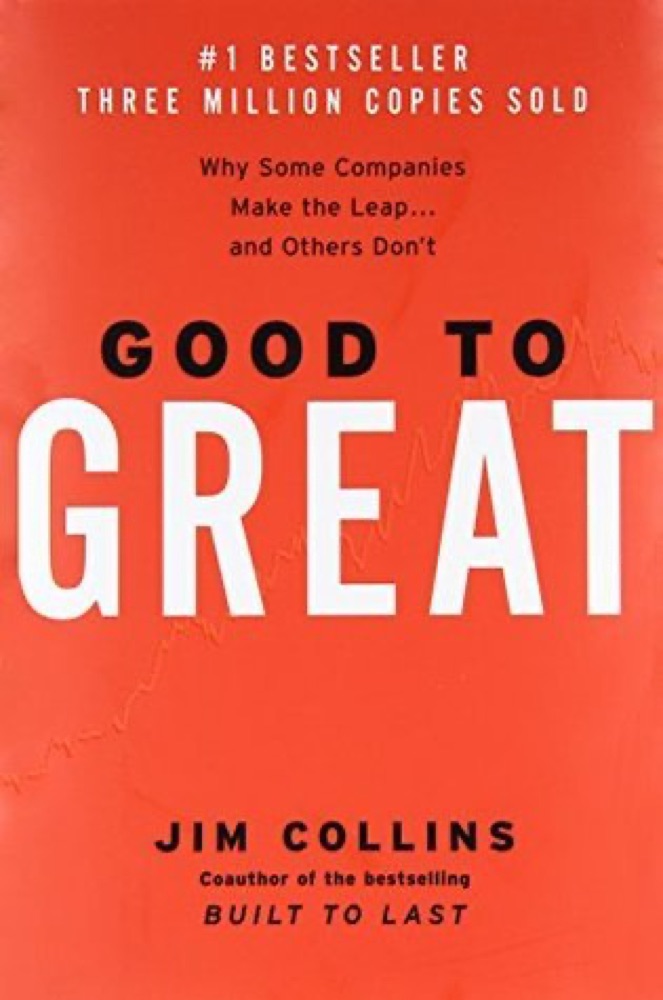 Good to Great: Why Some Companies Make the Leap... and Others Don't
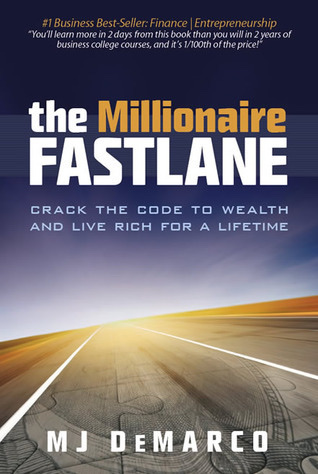 The Millionaire Fastlane: Crack the Code to Wealth and Live Rich for a Lifetime!