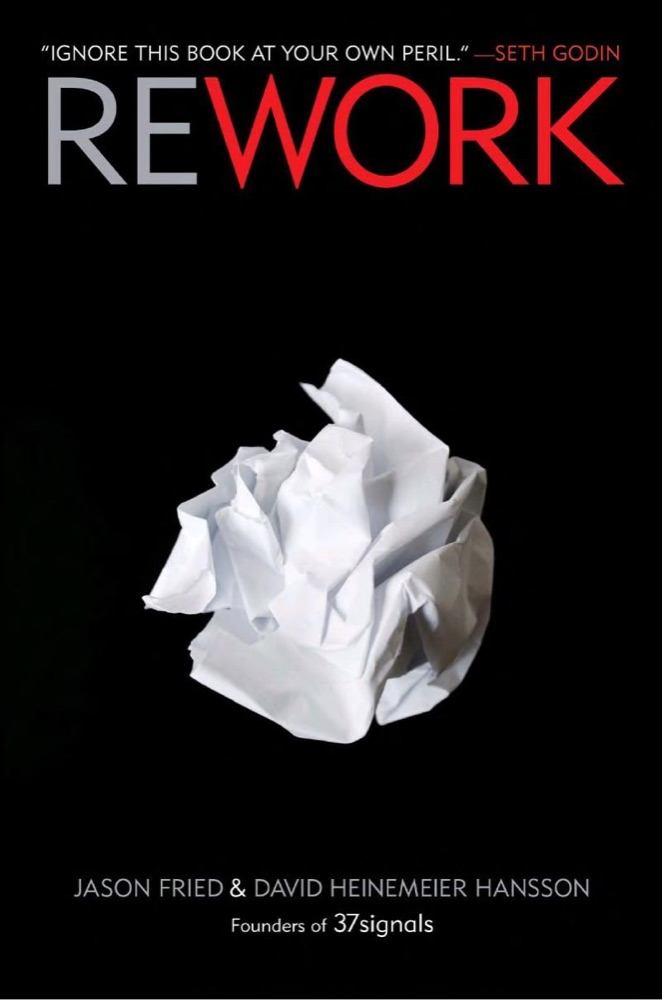

 Getting Real: The Smarter, Faster, Easier Way to Build a Web Application
Quotes from the Book
What you do is what matters, not what you think or say or plan.
279
When you don’t know what you believe, everything becomes an argument. Everything is debatable. But when you stand for something, decisions are obvious.
169
Workaholics aren't heroes. They don't save the day, they just use it up. The real hero is home because she figured out a faster way
95
Plus, if you’re a copycat, you can never keep up. You’re always in a passive position. You never lead; you always follow. You give birth to something that’s already behind the times—just a knockoff, an inferior version of the original. That’s no way to live.
57
If you are trying to decide among a few people to fill a position hire the best writer. it doesn't matter if the person is marketer, salesperson, designer, programmer, or whatever, their writing skills will pay off. That's because being a good writer is about more than writing clear writing. Clear writing is a sign of clear thinking. great writers know how to communicate. they make things easy to understand. they can put themselves in someone else's shoes. they know what to omit. And those are qualities you want in any candidate. Writing is making a comeback all over our society... Writing is today's currency for good ideas.
51
Working without a plan may seem scary. But blindly following a plan that has no relationship with reality is even scarier.
47
Find a judo solution, one that delivers maximum efficiency with minimum effort. When good enough gets the job done, go for it.
47
If circumstances change, your decisions can change. Decisions are temporary.
47
Workaholics don't actually accomplish more than nonworkaholics. They may claim to be perfectionists, but that just mean they're wasting time fixating on inconsequential details instead of moving on to the next task.
36
Until you actually start making something, your brilliant idea is just that, an idea.
35
Unless you are a fortune-teller, long-term business planning is a fantasy
30
If you build software, every error message is marketing
27
Ignore the real world “That would never work in the real world.” You hear it all the time when you tell people about a fresh idea. This real world sounds like an awfully depressing place to live. It’s a place where new ideas, unfamiliar approaches, and foreign concepts always lose. The only things that win are what people already know and do, even if those things are flawed and inefficient. Scratch the surface and you’ll find these “real world” inhabitants are filled with pessimism and despair. They expect fresh concepts to fail. They assume society isn’t ready for or capable of change. Even worse, they want to drag others down into their tomb. If you’re hopeful and ambitious, they’ll try to convince you your ideas are impossible. They’ll say you’re wasting your time.
25
That world may be real for them, but it doesn't mean you have to live in it.
22
If you're opening a hot dog stand, you could worry about the condiments, the cart, the name, the decoration. But the first thing you should worry aout is the hot dog. The hot dogs are the epicenter. Everything else is secondary.
22
Think about it this way: If you had to launch your business in two weeks, what would you cut out?
20
It’s a lot harder to pull your head up and ask why.
20
When you treat people like children, you get children’s work.
17
Don't let yourself off the hook with excuses.
17
There are four-letter words you should never use in business. They're not fuck or shit. They're need, must, can't, easy, just, only and fast. These words gets in the way of healthy communication
17
It’s a beautiful way to put it: Leave the poetry in what you make. When something becomes too polished, it loses its soul. It seems robotic.
16
Small is not just a stepping-stone. Small is a great destination itself
14
Whenever you can, swap “Let’s think about it” for “Let’s decide on it.” Commit to making decisions. Don’t wait for the perfect solution. Decide and move forward.
13
Meetings: "They often include at least one moron who inevitably gets his turn to waste everyone’s time with nonsense".
13
You're better off with a kick-ass half than a half-assed whole.
13
The problem with abstractions (like reports and documents) is that they create illusions of agreement. A hundred people can read the same words, but in their heads, they’re imagining a hundred different things.
13
When everything constantly needs approval, you create a culture of nonthinkers.
11
Standing for something isn’t just about writing it down. It’s about believing it and living it.
11
Marketing is not a department Do you have a marketing department? If not, good. If you do, don’t think these are the only people responsible for marketing. Accounting is a department. Marketing isn’t. Marketing is something everyone in your company is doing 24/7/365. Just as you cannot not communicate, you cannot not market: Every time you answer the phone, it’s marketing. Every time you send an e-mail, it’s marketing. Every time someone uses your product, it’s marketing. Every word you write on your Web site is marketing. If you build software, every error message is marketing. If you’re in the restaurant business, the after-dinner mint is marketing. If you’re in the retail business, the checkout counter is marketing. If you’re in a service business, your invoice is marketing. Recognize that all of these little things are more important than choosing which piece of swag to throw into a conference goodie bag. Marketing isn’t just a few individual events. It’s the sum total of everything you do.
10
People automatically associate quitting with failure, but sometimes that's exactly what you should do. If you already spent too much time on something that wasn't worth it, walk away. You can't get that time back. The worst thing you can do now is waste even more time.
9
Did you know?
- The book was written by Jason Fried and David Heinemeier Hansson, the cofounders of 37signals (now Basecamp).
- It is structured as a series of short essays rather than a continuous narrative.
- David Heinemeier Hansson, one of the co-authors, is also the creator of the Ruby on Rails web framework.
- The book became a New York Times bestseller.
- Many of its ideas grew out of the authors' own experience running a deliberately small, profitable software company.
- The authors later wrote follow-up business books including Remote and It Doesn't Have to Be Crazy at Work.
About Jason Fried
Jason Fried is the cofounder and CEO of the software company 37signals (maker of Basecamp), and David Heinemeier Hansson is its cofounder and CTO, as well as the creator of the Ruby on Rails web framework. The two have co-written several business books, including Rework, Remote, and It Doesn't Have to Be Crazy at Work.
More about the author →More by Jason Fried
Getting Real: The Smarter, Faster, Easier Way to Build a Web Application
About the book
"Rework" is a business book by Jason Fried and David Heinemeier Hansson, the cofounders of the software company 37signals (now Basecamp). Rather than a single narrative, it is a collection of short, punchy essays that challenge conventional wisdom about how to start and run a company. The authors argue that you need far less than you think to succeed: less planning, fewer meetings, less outside funding, and fewer employees. Drawing on their own experience building a profitable, deliberately small software business, they make the case that simplicity, focus, and shipping real work beat elaborate strategy.
The book's themes center on stripping business down to its essentials. Sections with deliberately provocative titles such as "Planning is guessing," "Meetings are toxic," "Underdo your competition," and "Marketing is not a department" argue that long-range plans are really just guesses, that constant growth is not always desirable, and that constraints and a strong point of view are assets rather than liabilities. Throughout, the authors emphasize execution over deliberation, productivity over busywork, and building an audience by teaching and sharing rather than by advertising.
"Rework" became a New York Times bestseller and a widely cited text in startup and entrepreneurship circles, valued for its brevity and contrarian tone. Its accessible, easy-to-digest format made it popular with first-time founders and small-business owners, though some critics found its advice better suited to small, bootstrapped companies than to larger or capital-intensive ventures. It helped cement 37signals' reputation as influential voices in the software and business world and was followed by the authors' later books, including "Remote" and "It Doesn't Have to Be Crazy at Work."
Book details
- First published
- 2010
- Length
- 288 pages
- Reading time
- 4 hours
- Author
- Jason Fried
- Genre
- Nonfiction
- Goodreads rating
- 3.97 (177k ratings)
Critical reception
- The book was a New York Times bestseller.
- It became widely cited in startup and entrepreneurship communities for its concise, contrarian advice.
- Reviewers praised its brevity and readable essay format.
- Some critics noted its lean-business advice is best suited to small, bootstrapped companies rather than large or capital-intensive ones.
Keep reading
 EntreLeadership: 20 Years of Practical Business Wisdom from the Trenches
 Creativity, Inc.: Overcoming the Unseen Forces That Stand in the Way of True Inspiration
 The Art of the Start: The Time-Tested, Battle-Hardened Guide for Anyone Starting Anything
 The 4-Hour Workweek
 Do Over: Rescue Monday, Reinvent Your Work, and Never Get Stuck
 The E-myth Revisited
 The Art of Thinking Clearly
 Ignore Everybody: and 39 Other Keys to Creativity
 How to Fail at Almost Everything and Still Win Big: Kind of the Story of My Life
 Getting There: A Book of Mentors
 Amp It Up: Leading for Hypergrowth by Raising Expectations, Increasing Urgency, and Elevating Intensity
 Think Like a Freak
 The Accidental Creative: How to Be Brilliant at a Moment's Notice
 The Dip: A Little Book That Teaches You When to Quit (and When to Stick)
 #Girlboss
 Getting Things Done: The Art of Stress-Free Productivity
 Hackers & Painters: Big Ideas from the Computer Age
 It's Not How Good You Are, It's How Good You Want To Be
 Choose Yourself: Be Happy, Make Millions, Live the Dream
 How to Be a Bawse: A Guide to Conquering Life
 The Hard Thing About Hard Things: Building a Business When There Are No Easy Answers―Straight Talk on the Challenges of Entrepreneurship
 The Startup of You: Adapt to the Future, Invest in Yourself, and Transform Your Career
 The Last Lecture
 Excellent Advice for Living: Wisdom I Wish I'd Known Earlier
 Be Useful: Seven Tools for Life
 Things a Little Bird Told Me: Confessions of the Creative Mind
 Managing Humans: Biting and Humorous Tales of a Software Engineering Manager
 Pour Your Heart Into It: How Starbucks Built a Company One Cup at a Time
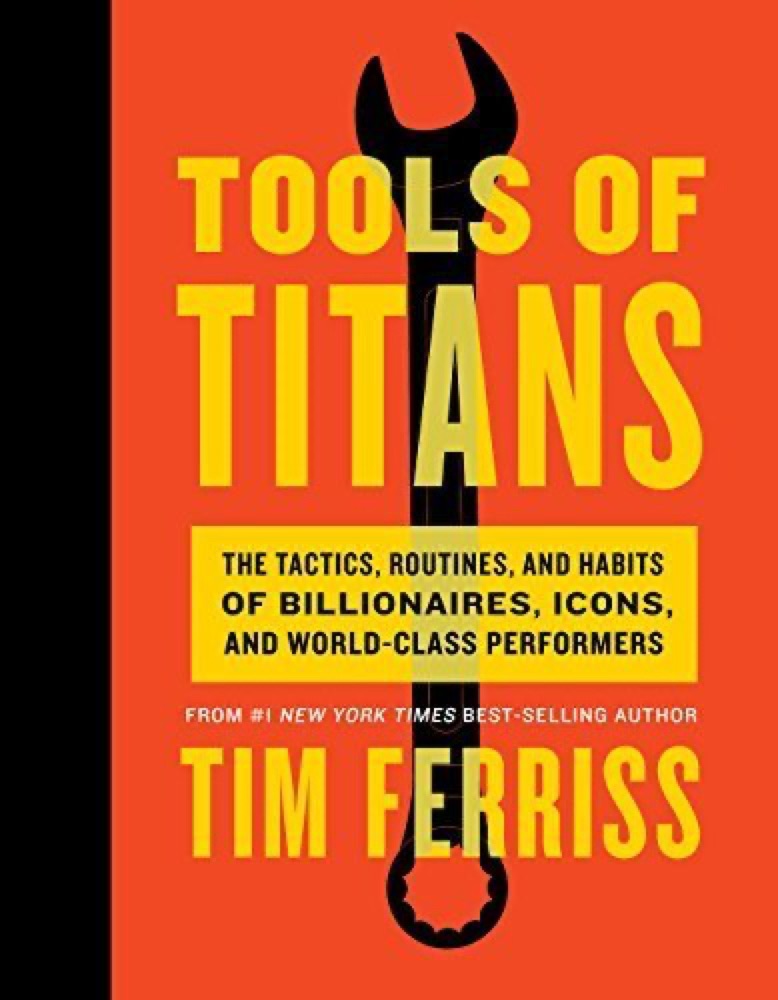 Tools of Titans: The Tactics, Routines, and Habits of Billionaires, Icons, and World-Class Performers
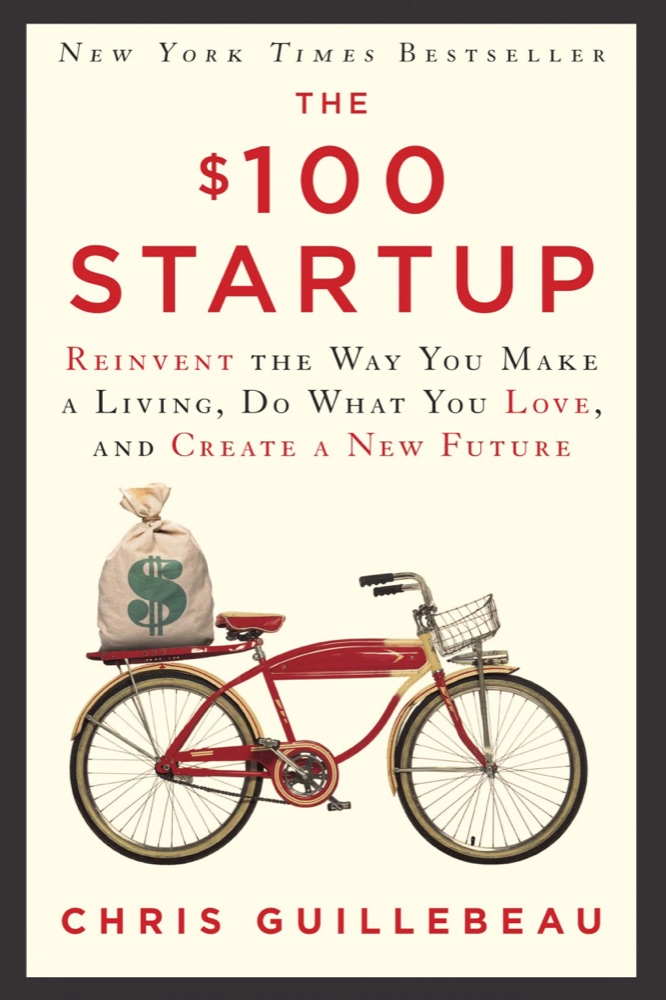 The $100 Startup: Reinvent the Way You Make a Living, Do What You Love, and Create a New Future
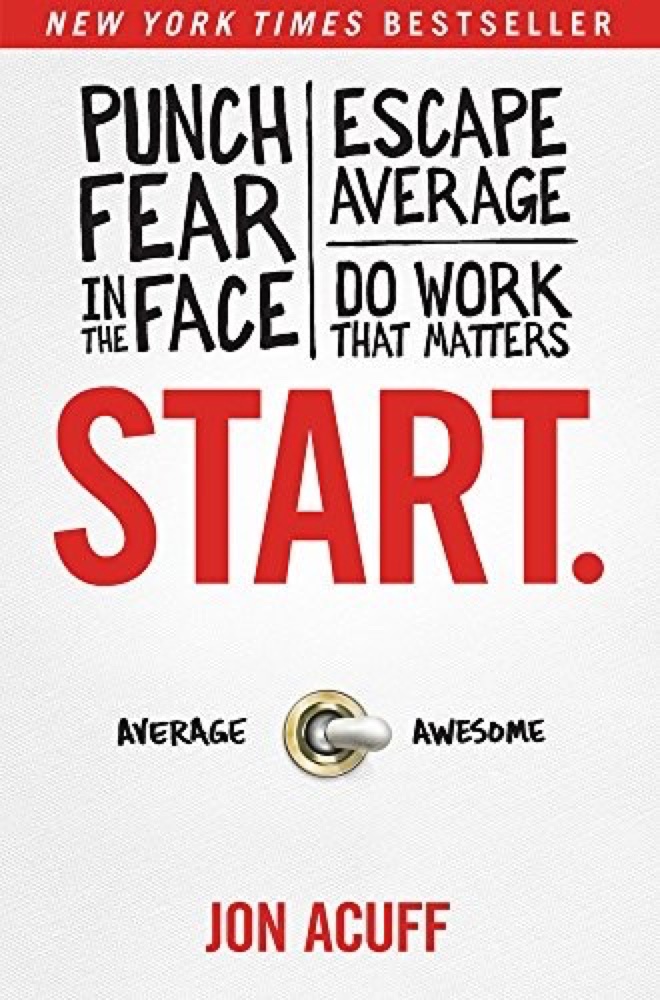 Start: Punch Fear in the Face, Escape Average and Do Work that Matters
 Do Epic Shit
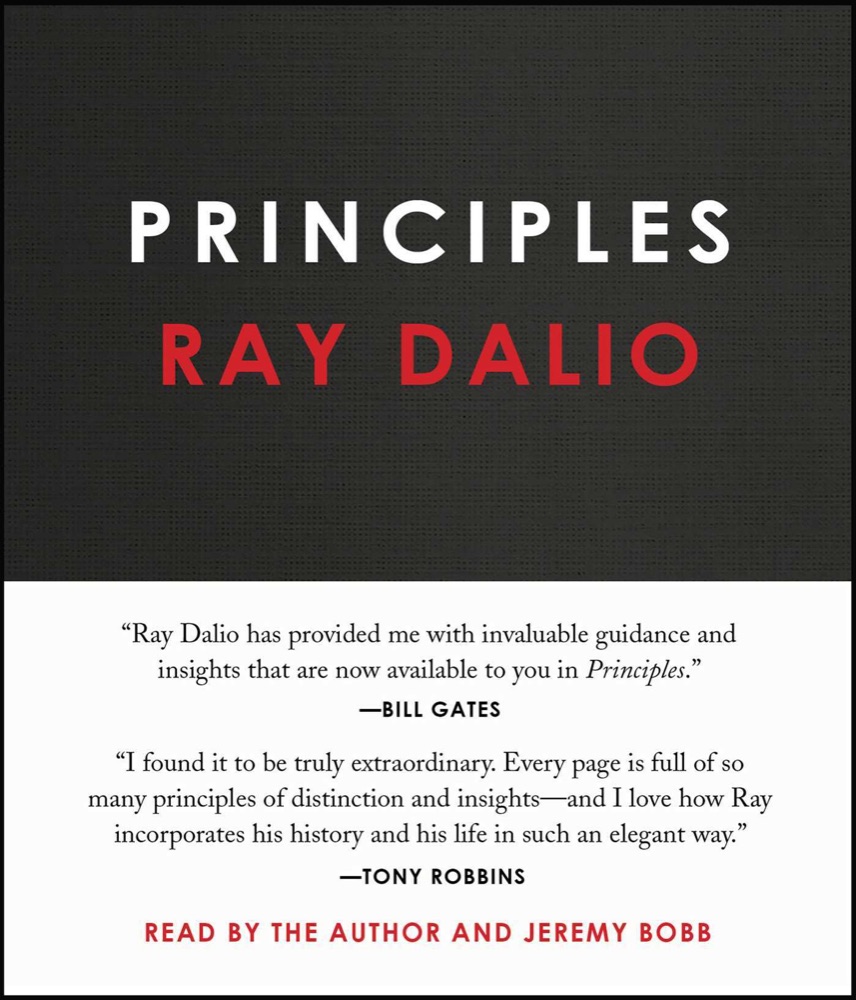 Principles: Life and Work
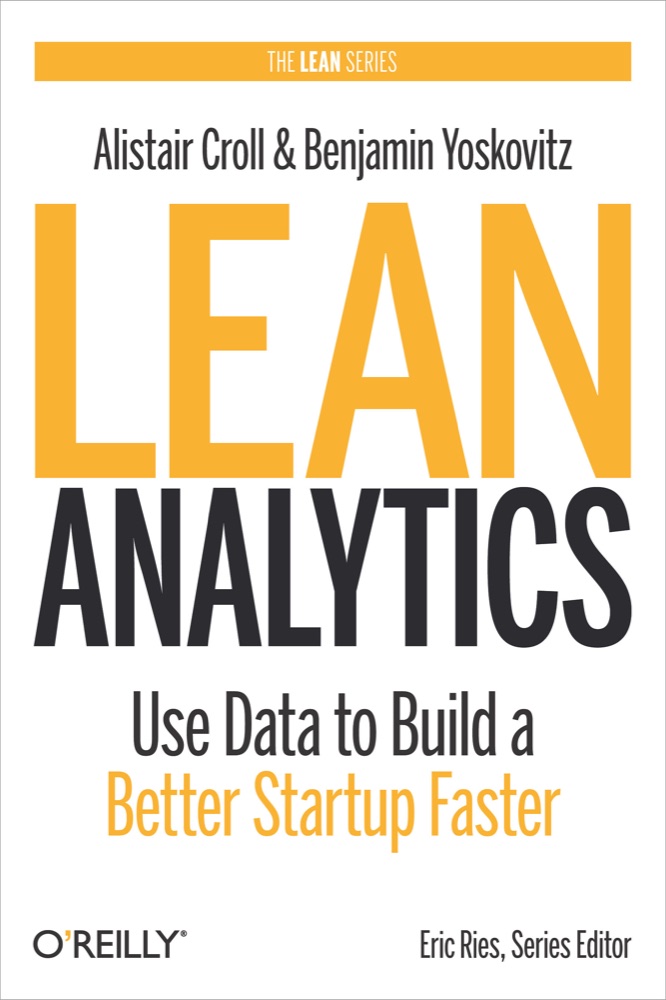 Lean Analytics: Use Data to Build a Better Startup Faster
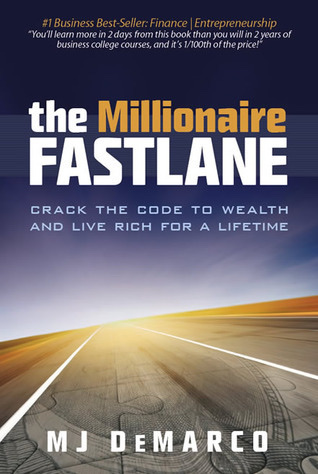 The Millionaire Fastlane: Crack the Code to Wealth and Live Rich for a Lifetime!
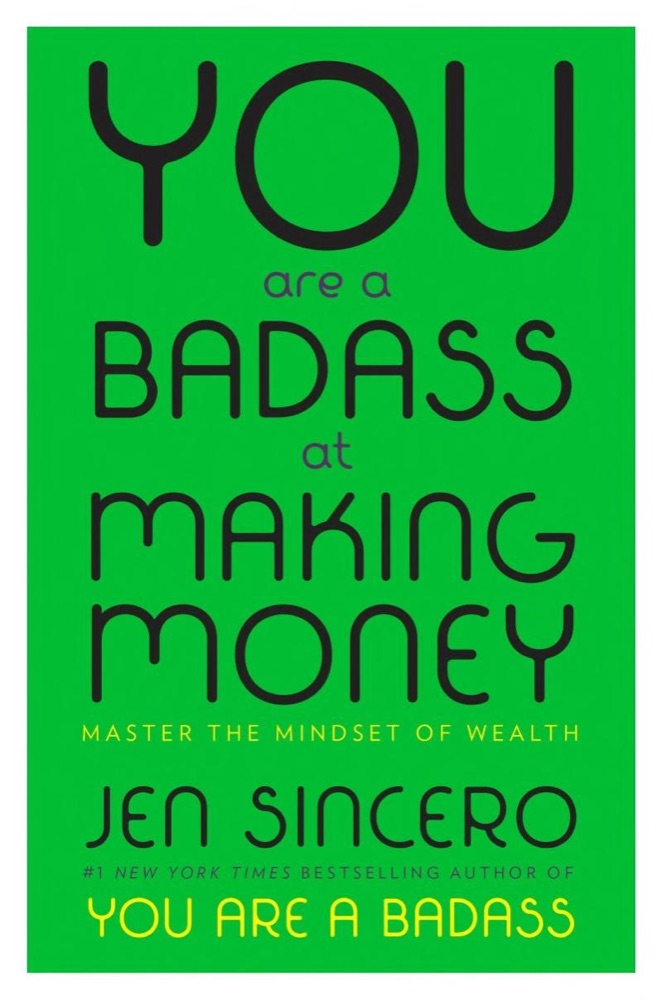 You Are a Badass at Making Money: Master the Mindset of Wealth
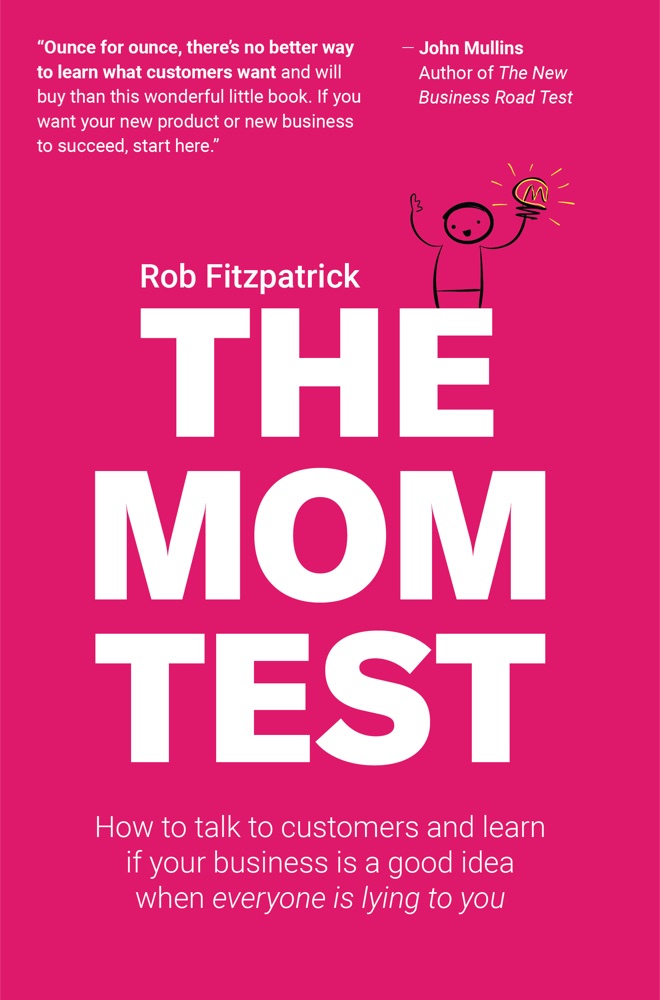 The Mom Test: How to talk to customers & learn if your business is a good idea when everyone is lying to you
 Your Next Five Moves: Master the Art of Business Strategy
 Winning
 Chaos Monkeys: Obscene Fortune and Random Failure in Silicon Valley
 How To Get Rich
 The Success Principles: How to Get from Where You Are to Where You Want to Be
 The 1-Page Marketing Plan: Get New Customers, Make More Money, And Stand out From The Crowd
 Don't Make Me Think, Revisited: A Common Sense Approach to Web Usability
 Show Your Work!: 10 Ways to Share Your Creativity and Get Discovered
 Delivering Happiness: A Path to Profits, Passion, and Purpose
 Tribe Of Mentors: Transformative Wisdom From Icons and Innovators to Help You Navigate Life's Challenges
 Leave Your Mark
 Shoe Dog: A Memoir by the Creator of NIKE
 Essentialism: The Disciplined Pursuit of Less
 Zero to One: Notes on Startups, or How to Build the Future
 Made to Stick: Why Some Ideas Survive and Others Die
 Steal Like an Artist: 10 Things Nobody Told You About Being Creative
 Antifragile: Things That Gain from Disorder
 How to Be Interesting: In 10 Simple Steps
 Linchpin: Are You Indispensable?
 Ready for Anything: 52 Productivity Principles for Getting Things Done
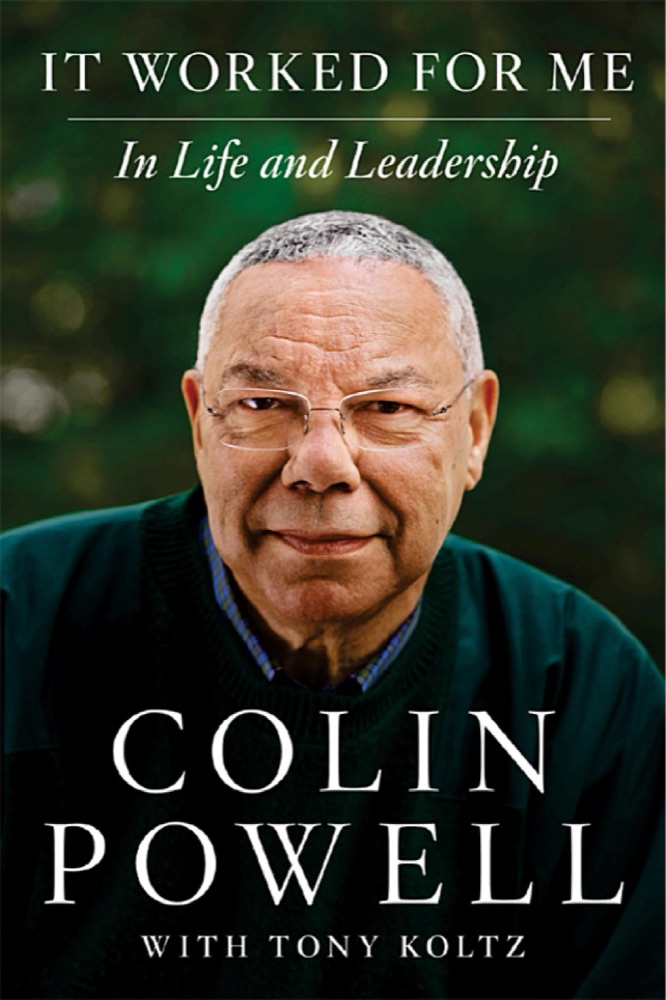 It Worked for Me: In Life and Leadership
 The Algebra of Wealth: A Simple Formula for Financial Security