
 Ficciones
Quotes from the Book
Sometimes, looking at the many books I have at home, I feel I shall die before I come to the end of them, yet I cannot resist the temptation of buying new books. Whenever I walk into a bookstore and find a book on one of my hobbies — for example, Old English or Old Norse poetry — I say to myself, “What a pity I can’t buy that book, for I already have a copy at home.
165
Hay una dignidad en la derrota que a duras penas le corresponde a la victoria.
22
What is a book? A book seems, like a picture, to be a living being; and yet if we ask it something, it does not answer. Then we see that it is dead.In order to make the book into a living thing, he invented—happily for us—the Platonic dialogue, which forestalls the reader’s doubts and questions.
18
It is a fact, indeed, that most of the great teachers of mankind have been not writers but speakers. Think of Pythagoras, Christ, Socrates, the Buddha, and so on. And since I have spoken of Socrates, I would like to say something about Plato. I remember Bernard Shaw said that Plato was the dramatist who invented Socrates
13
how strange it is. For perfect things in poetry do not seem strange; they seem inevitable. And so we hardly thank the writer for his pains.
7
A pesar de que la vida de un hombre se componga de miles y miles de momentos y días, esos muchos instantes y esos muchos días pueden ser reducidos a uno: el momento en que un hombre averigua quién es, cuando se ve cara a cara consigo mismo.
7
I think the first reading of a poem is a true one, and after that we delude ourselves into the belief that the sensation the impression, is repeated. But, as I say, it may be mere loyalty,a mere trick of memory a mere confusion we once felt,thus it may be said that poetry is a new experience every time,every time I read a poem the experience happns to occur and that is poetry
6
And life is, I am sure, made of poetry. Poetry is not alien--poetry is, as we will see, lurking round the corner. It may spring on us at any moment.
4
Si tengo que definir la poesía y no las tengo todas conmigo, si no me siento demasiado seguro, digo algo como: «poesía es la expresión de la belleza por medio de palabras artísticamente entretejidas». Esta definición podría valer para un diccionario o para un libro de texto, pero a nosotros nos parece poco convincente. Hay algo mucho más importante: algo que nos animaría no sólo a seguir ensayando la poesía, sino a disfrutarla y a sentir que lo sabemos todo sobre ella. Esto significa que sabemos qué es la poesía. Lo sabemos tan bien que no podemos definirla con otras palabras, como somos incapaces de definir el sabor del café, el color rojo o amarillo o el significado de la ira, el amor, el odio, el amanecer, el atardecer o el amor por nuestro país. Estas cosas están tan arraigadas en nosotros que sólo pueden ser expresadas por esos símbolos comunes que compartimos. ¿Y por qué habríamos de necesitar más palabras?
4
Czym są w końcu słowa? Słowa to symbole naszych wspólnych wspomnień. Kiedy używam danego słowa, spodziewam się, że czytelnicy posiadają pewne doświadczenia, związane z jego znaczeniem.
3
Todo el mundo sabe dónde encontrar la poesía. Y, cuando aparece, uno siente el roce de la poesía, ese especial estremecimiento.
2
...perhaps the intentions of the poet are not that important. What is important nowadays is that although Homer might have thought he was telling that story, he was actually telling something far finer: the story of a man, a hero, who is attacking a city he knows he will never conquer, who knows he will die before it falls; and the still more stirring tale of men defending a city whose doom is already known to them, a city that is already in flames.
1
Os evangelhos também podem ser lidos de duas maneiras. Pelo fiel, são lidos como a estranha história de um homem, de um deus, que expia os pecados da humanidade. Um deus que se digna ao sofrimento — a morte na "amarga cruz", como diz Shakespeare. Há ainda uma terceira interpretação, que encontrei em Langland: a ideia de que Deus queria saber tudo sobre o sofrimento humano e que não Lhe bastava sabê-lo intelectualmente, como é facultado a um deus; queria sofrer como um homem, e com as limitações de um homem. Contudo, se você for um incrédulo (muitos de nós somos), então poderá ler a história de modo diverso. Pôde pensar num homem de gênio, num homem que pensava ser deus e que no final descobriu ser somente um homem, e que deus — o seu deus — o abandonara.
1
Watch on YouTube
About Jorge Luis Borges
We have collected 245 quotes from 14 books by Jorge Luis Borges on BookQuoters.
More about the author →More by Jorge Luis Borges
Ficciones
 Labyrinths: Selected Stories and Other Writings
 The Aleph and Other Stories
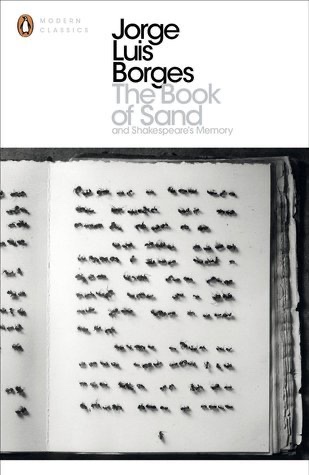 The Book of Sand and Shakespeare's Memory
About the book
The Marvelous Borges Has another writer written to greater effect with fewer words? Whether in the form of the short story, essay, or poem, Jorge Luis Borges routinely performed astonishing turns of imagination in the length of a spare handful of pages. Borges's writings are models of succinct power; by temperament and by artistic ambition, he was a minimalist, given to working his wonders on the smallest scale possible. A master of fiction, Borges never published a novel -- or even, it seems, felt the lure of attempting one. He professed a heartfelt conservative piety for the older literary forms, for the saga and epic, the lyric and tale, but he made radically inventive uses of the traditional forms in his own literary labors. Borges possessed an uncommon complement of gifts. He was capable of launching startling, even unnerving flights of cerebral fantasy or metaphor but owned a fi
Book details
- First published
- 1992
- Author
- Jorge Luis Borges
- Genre
- Literature
- Goodreads rating
- 4.31 (2k ratings)
Keep reading
Ficciones
 Selected Non-Fictions
The Book of Sand and Shakespeare's Memory
Selected Non-Fictions
The Book of Sand and Shakespeare's Memory
 Memoirs
 A Poetry Handbook
 The Labyrinth of Solitude and Other Writings
 The Little Virtues
 Youth
Youth
 Writing
 Manifestoes of Surrealism
 Gargantua and Pantagruel
 De Profundis and Other Writings
 Madness, Rack, and Honey: Collected Lectures
 Elizabeth Costello
 Incidental Inventions
 Brodeck
 Sudden Death
 Phaedrus
 Summertime
 Dead Poets Society
 Paris Spleen
 Distant Star
 A Heart So White
 The Complete Poems and Plays, 1909-1950
 Socrates In Love
 And Our Faces, My Heart, Brief as Photos
 Greek Lessons
 My Last Sigh
 The Truth About the Harry Quebert Affair
 The Triggering Town: Lectures and Essays on Poetry and Writing
 Tragic Sense of Life
 An Experiment in Criticism
 Firmin: Adventures of a Metropolitan Lowlife
 Flaubert's Parrot
 Old Masters: A Comedy
 The Art of the Novel
 The Genius and the Goddess: a Novel
 The Narrow Road Between Desires
 The British Museum Is Falling Down
 The Notebooks of Malte Laurids Brigge
 Soul Mountain
 Reality Hunger: A Manifesto
 Dæmon Voices
 Toward Eternity
 The Anthologist
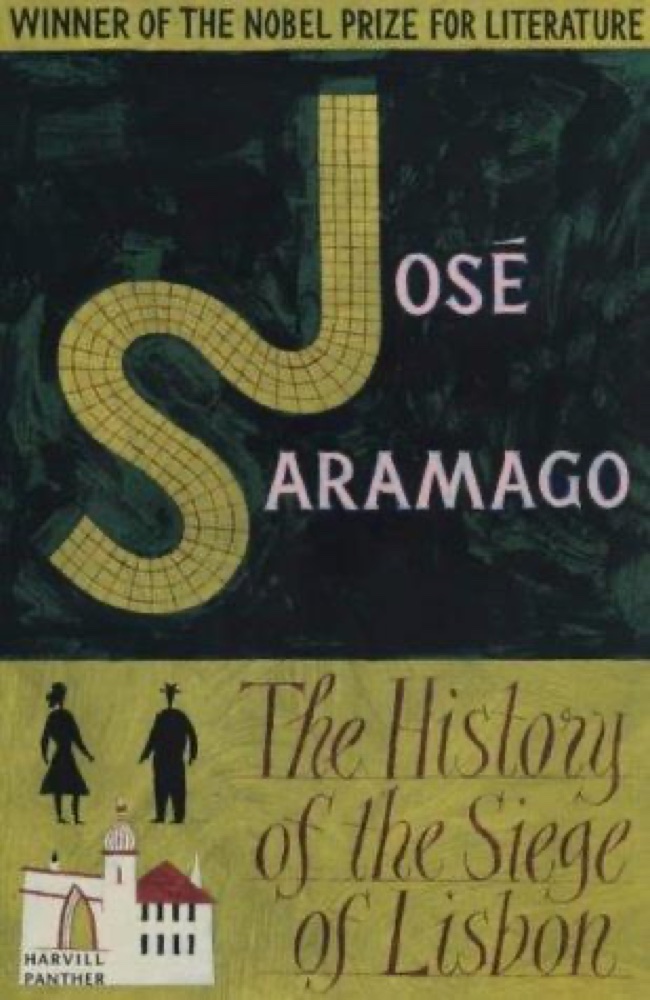 The History of the Siege of Lisbon
 Sculpting in Time
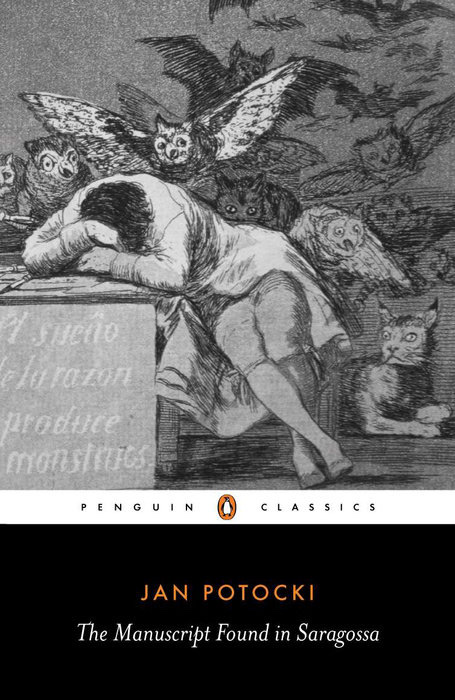 The Manuscript Found in Saragossa
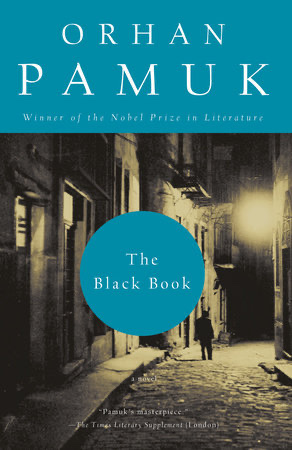 The Black Book
 Basic Writings of Nietzsche
 Amulet
 Days of Reading
 The Elements of Eloquence: How to Turn the Perfect English Phrase
 On Being Ill
 Travels with Herodotus
 The Book of Chameleons
 The Collected Poems of Alberto Caeiro
 The Temptation to Exist
 The Blue Flower
 Phaedo