
 Pilgrim at Tinker Creek
Quotes from the Book
This is how you spend this afternoon, and tomorrow morning, and tomorrow afternoon. Spend the afternoon. You can't take it with you.
11
Similarly, the impulse to keep to yourself what you have learned is not only shameful; it is destructive. Anything you do not give freely and abundantly becomes lost to you.
5
Divinity is not playful. The universe was not made in jest but in solemn, incomprehensible earnest. By a power that is unfathomably secret, and holy, and fleet. There is nothing to be done about it, but ignore it, or see. And then you walk fearlessly, eating what you must, growing wherever you can, like the monk on the road who knows precisely how vulnerable he is, who takes no comfort among death-forgetting men, and who carries his vision of vastness and might around in his tunic like a live coal which neither burns nor warms him, but with which he will not part.
3
Why do you never find anything written about that idiosyncratic thought you advert to, about your fascination with something no one else understands? Because it is up to you. There is something you find interesting, for a reason hard to explain because you have never read it on any page; there you begin. You were made and set here to give voice to this, your own astonishment.
3
The discovery in art is often gradual, a process of minor discoveries riddled with uncertainties and the potential for making that which is discovered vanish before your eyes, like a mirage.
2
Since everyone around you agrees ever since there were people on earth that land is value, or labor is value, or learning is value, or title, degree, necklaces, murex shells, the ownership of slaves. Everyone knows bees sting and ghosts haunt and giving your robes away humiliates your rivals. That the enemies are barbarians. That wise men swim through the rock of the earth; that houses breed filth, airstrips attract airplanes, tornadoes punish, ancestors watch, and you can buy a shorter stay in purgatory. The black rock is holy, or the scroll; or the pangolin is holy, the quetzal is holy, this tree, water, rock, stone, cow, cross, or mountain--and it's all true. The Red Sox. Or nothing at all is holy, as everyone intelligent knows.
2
You do not have to sit outside in the dark. If, however, you want to look at the stars, you will find that darkness is necessary. But the stars themselves neither require nor demand it.
1
The mind wants to live forever, or to learn a very good reason why not. The mind wants the world to return its love, or its awareness; the mind wants to know all the world, and all eternity, even God. The mind’s sidekick, however, will settle for two eggs over easy. The dear, stupid body is as easily satisfied as a spaniel. And, incredibly, the simple spaniel can lure the brawling mind to its dish. It is everlastingly funny that the proud, metaphysically ambitious, clamoring mind will hush if you give it an egg.
1
You adapt yourself, Paul Klee said, to the contents of the paintbox. Adapting yourself to the contents of the paintbox, he said, is more important than nature and its study. The painter, in other words, does not fit the paints to the world. He most certainly does not fit the world to himself. He fits himself to the paint. The self is the servant who bears the paintbox and its inherited contents.
1
...in Dillard it's the comedy of rapture. Or at least it's a comedy that permits prose and thought to soar while inoculating the rapturous against the three ills of which nature writers should live in permanent dread: preciousness, reverence, and earnestness...
1
but I might learn something of mindlessness, something of the purity of living in the physical senses and the dignity of living without bias or motive. The weasel lives in necessity and we live in choice, hating necessity and dying at the last ignobly in its talons. I would like to live as I should, as the weasel lives as he should: open to time and death painlessly, noticing everything, remembering nothing, choosing the given with a fierce and pointed will.
Most humans who were ever alive lived inside a single culture that had not changed for hundreds of thousands of years.
But if you cultivate a healthy poverty and simplicity, so that finding a penny will literally make your day, then, since the world is in fact planted in pennies, you have with your poverty bought a lifetime of days.
Skin was earth; it was soil. I could see, even on my own skin, the joined trapezoids of dust specks God had wetted and stuck with his spit in the morning he made Adam from dirt. Now, all these generations later, we people could still see on our skin the inherited prints of the dust specks of Eden.
The physicality of storytelling must remain strong.
WE TEACH OUR CHILDREN one thing only, as we were taught: to wake up. We teach our children to look alive there, to join by words and activities the life of human culture on the planet’s crust. As adults we are almost all adept at waking up. We have so mastered the transition we forgot we ever learned it. Yet it is a transition we make a hundred times a day, as, like so many will-less dolphins, we plunge and surface, lapse and emerge. We live half our waking lives and all of our sleeping lives in some private, useless, and insensible waters we never mention or recall. Useless, I say. Valueless, I might add—until someone hauls their wealth up to the surface and into the wide-awake city, in a form that people can use.
Our lives and our deaths surely count equally, or we must abandon one-man-one-vote, dismantle democracy, and assign seven billion people an importance-of-life ranking from one to seven billion.
I never saw a tree,” Dillard declares, in a valuable piece of advice to writers of any and every stripe, “that was no tree in particular.
Friendship is no doubt the highest form of love and also very difficult.
Our life is a faint tracing on the surface of mystery, like the idle, curved tunnels of leaf miners on the face of a leaf.
Why are we reading, if not in hope of beauty laid bare, life heightened, and its deepest mystery probed?
He is careful of what he reads, for that is what he will write. He is careful of what he learns, because that is what he will know.
In New Orleans—if you could get to New Orleans—would the music be loud enough?
All those things for which we have no words are lost.
Usually it is a bit of a trick to keep your knowledge from blinding you.
What limpid lakes and cool date palms may our caravans have passed untried? Until, one by one, by the blindest of leaps, we light on the road to these places, we must stumble in darkness and hunger.
Hemingway studied, as models, the novels of Knut Hamsun and Ivan Turgenev. Isaac Bashevis Singer, as it happened, also chose Hamsun and Turgenev as models. Ralph Ellison studied Hemingway and Gertrude Stein. Thoreau loved Homer; Eudora Welty loved Chekhov. Faulkner described his debt to Sherwood Anderson and Joyce; E. M. Forster, his debt to Jane Austen and Proust. By contrast, if you ask a twenty-one-year-old poet whose poetry he likes, he might say, unblushing, “Nobody’s.” In his youth, he has not yet understood that poets like poetry, and novelists like novels; he himself likes only the role, the thought of himself in a hat. Rembrandt and Shakespeare, Tolstoy and Gauguin, possessed, I believe, powerful hearts, not powerful wills. They loved the range of material they used, the work’s possibilities excited them; the field’s complexities fired their imaginations. The caring suggested the tasks; the tasks suggested the schedules. They learned their fields and then loved them. They worked, respectfully, out of their love and knowledge, and they produced complex bodies of work that endure. Then, and only then, the world maybe flapped at them some sort of hat, which, if they were still living, they ignored as well as they could, to keep at their tasks.
All those things for which we have no words are lost. The mind—the culture—has two little tools, grammar and lexicon: a decorated sand bucket and a matching shovel. With these we bluster about the continents and do all the world’s work. With these we try to save our very lives.
The universe has continued to deal in extravagances, flinging intricacies and colossi down eons of emptiness, heaping profusions on profligacies with ever-fresh vigor. The whole show has been on fire from the word go. I come down to the water to cool my eyes. But everywhere I look I see fire; that which isn’t flint is tinder and the whole world sparks and flames.
Watch on YouTube
About Annie Dillard
We have collected 150 quotes from 7 books by Annie Dillard on BookQuoters.
More about the author →More by Annie Dillard
Pilgrim at Tinker Creek
 The Living
 Teaching a Stone to Talk: Expeditions and Encounters
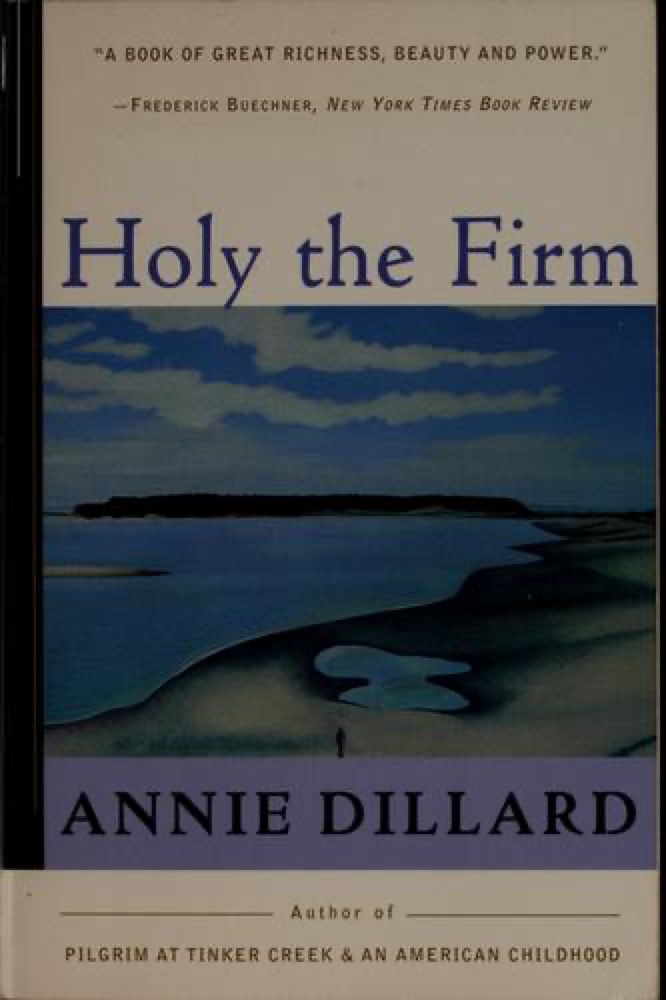 Holy the Firm
About the book
in recognition of this pulitzer prize–winning author’s lauded career as a master essayist, a landmark collection, including her most beloved pieces and some rarely seen work the abundance includes the best of Annie Dillard’s essays, delivered in her fierce and muscular prose, filled with absorbing detail and metaphysical fact. Intense, vivid, and fearless, her work endows the true and seemingly ordinary aspects of life—a commuter chases snowball-throwing children through backyards, a bookish teenager memorizes the poetry of Rimbaud—with beauty and irony. These essays invite readers into sweeping landscapes, to join Dillard in exploring the complexities of time and death, often with wry humor. On one page, an eagle falls from the sky with a weasel attached to its throat; on another, a man walks into a bar.
Marking the vigor of this powerful writer, The Abundance highlights Annie Dillar
Book details
- First published
- 2016
- Author
- Annie Dillard
- Genre
- Nonfiction
- Goodreads rating
- 4.01 (2k ratings)
Keep reading
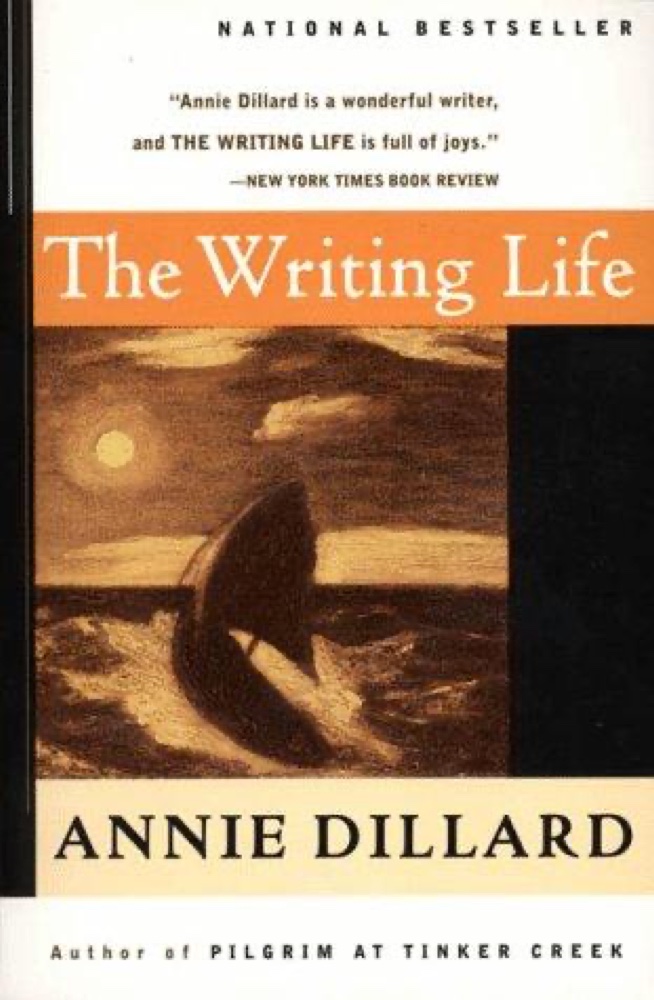 The Writing Life
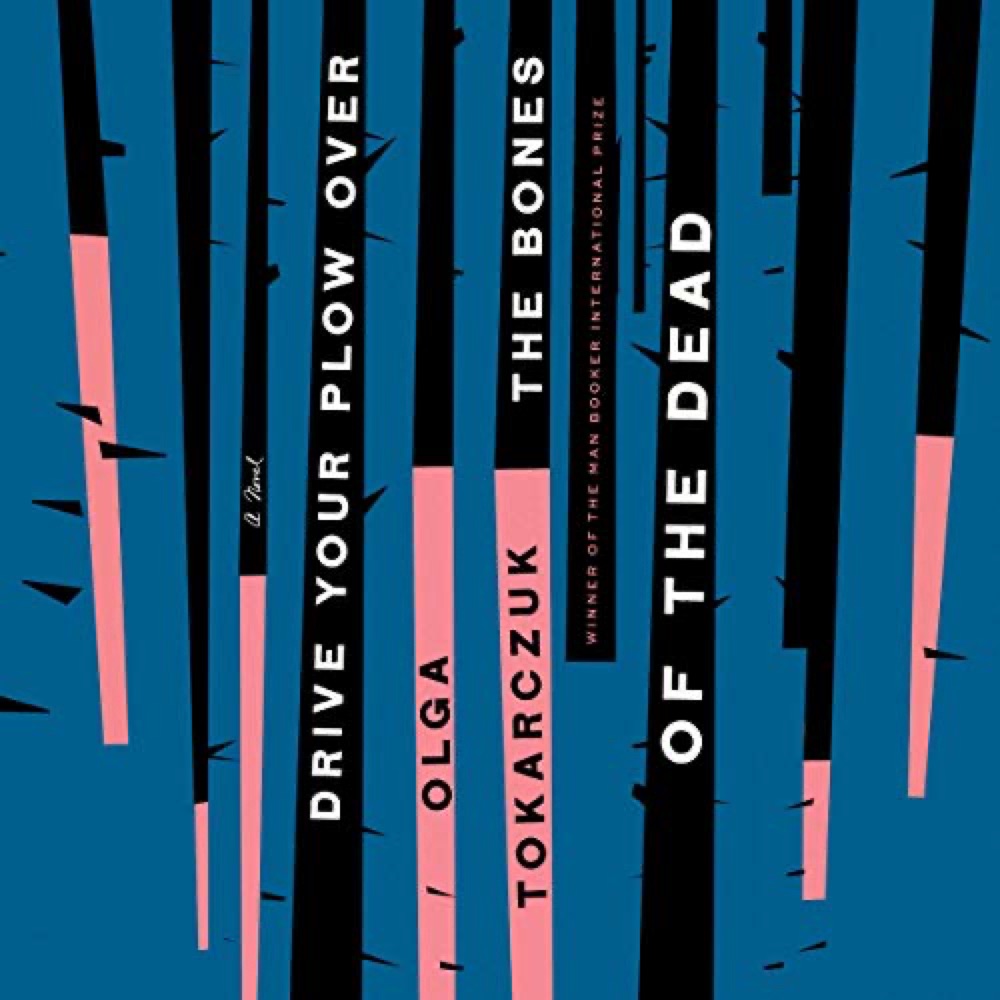 Drive Your Plow Over the Bones of the Dead
 The Common Reader
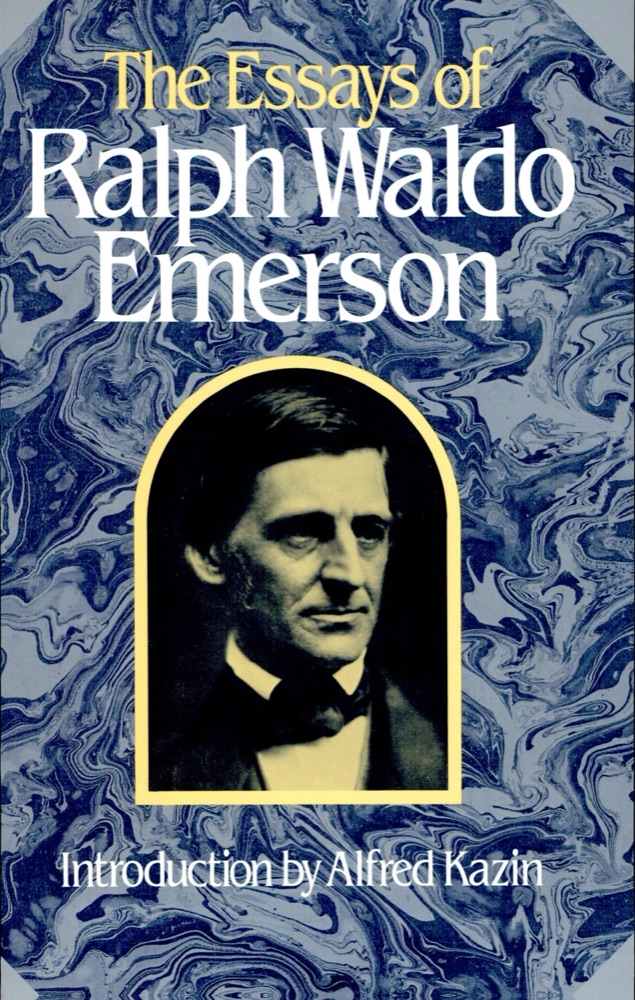 The Essays of Ralph Waldo Emerson
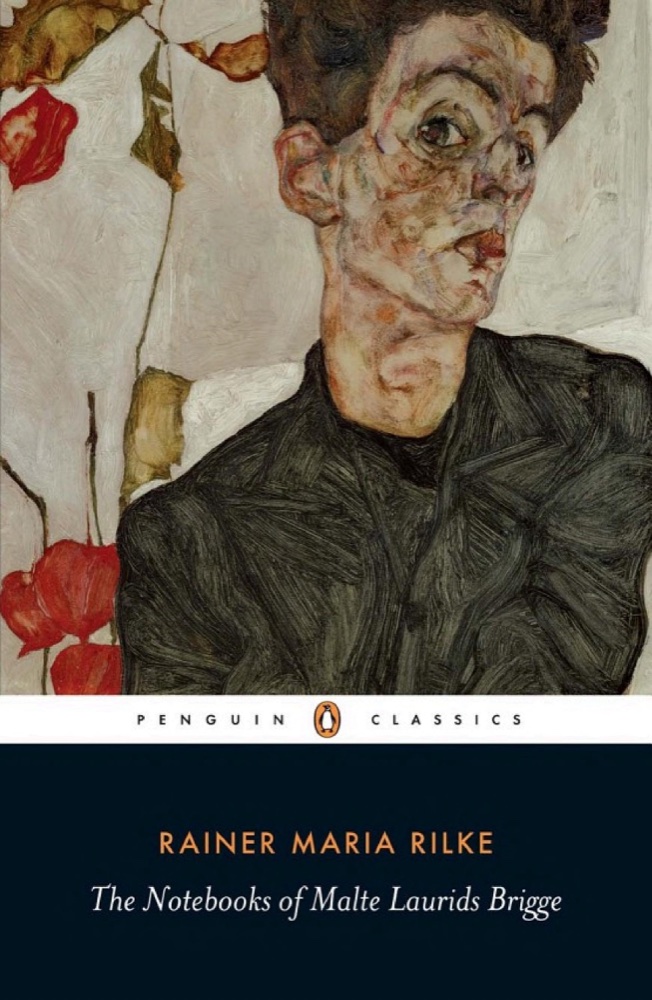 The Notebooks of Malte Laurids Brigge
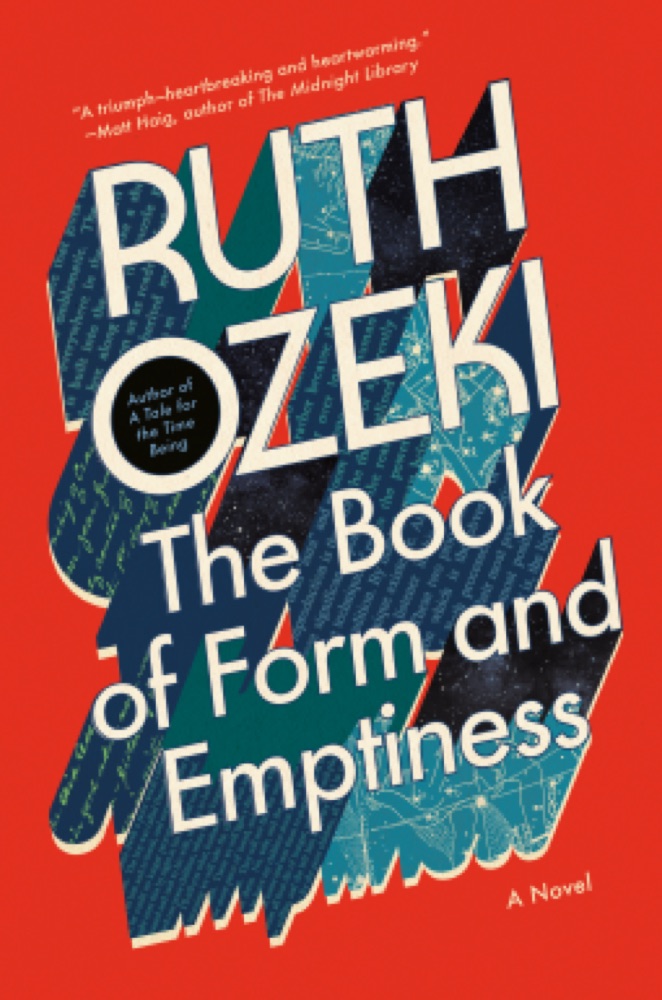 The Book of Form and Emptiness
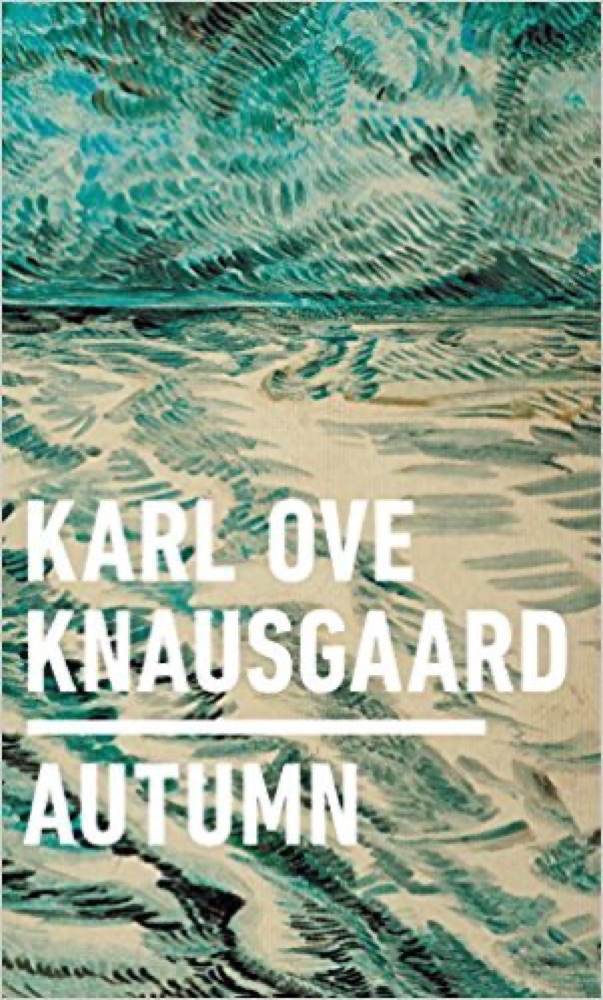 Autumn
 Flights
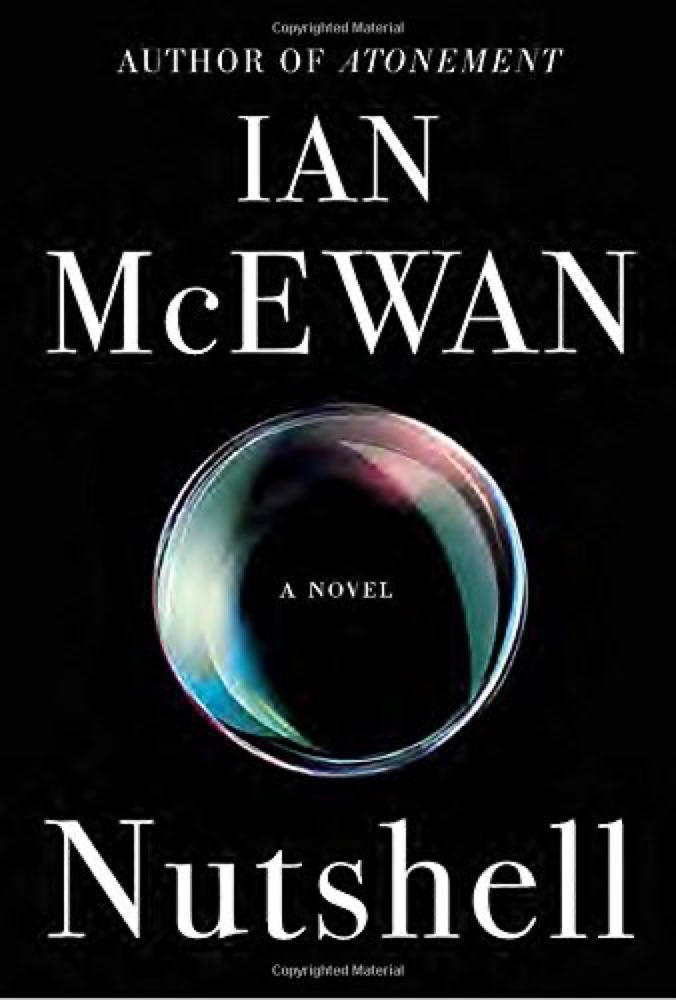 Nutshell
 The Gay Science
 Always Coming Home
 Monday or Tuesday
 Asymmetry
 Winter Hours: Prose, Prose Poems, and Poems
 These Precious Days: Essays
 The Angel Esmeralda
 Daniel Deronda
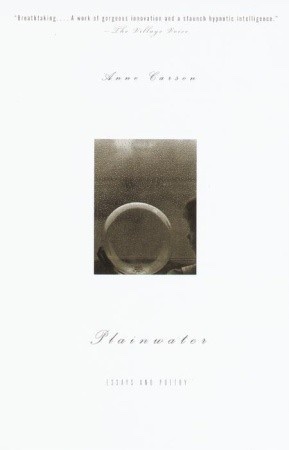 Plainwater: Essays and Poetry
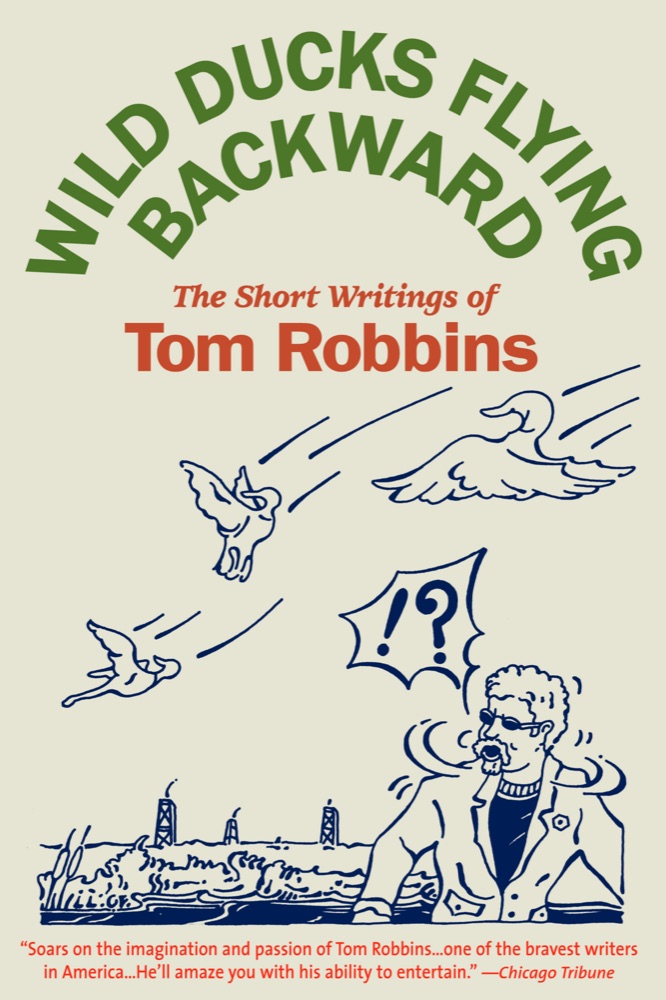 Wild Ducks Flying Backward
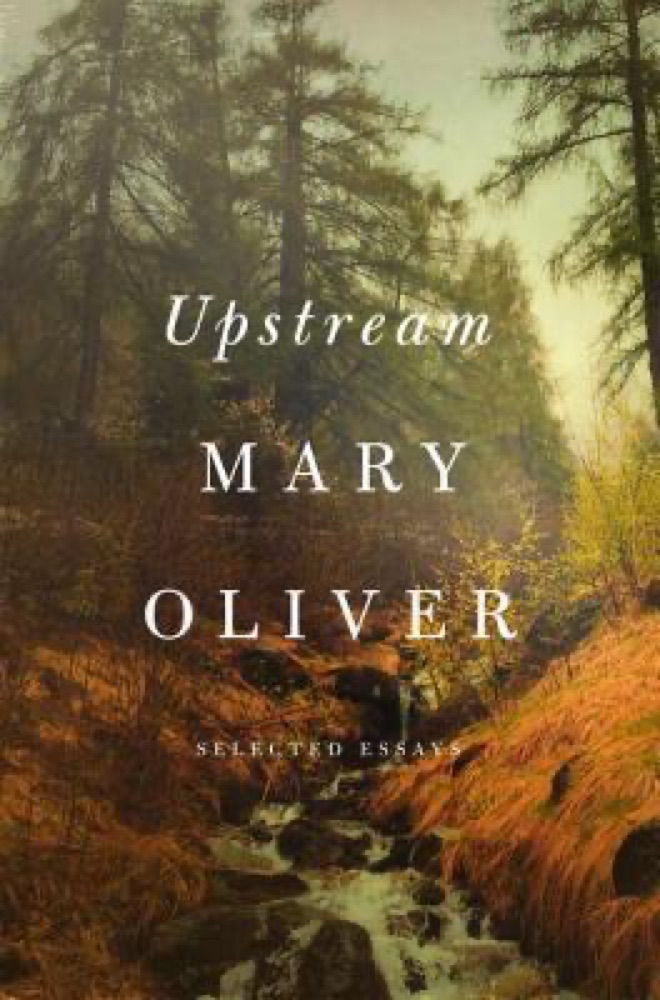 Upstream: Selected Essays
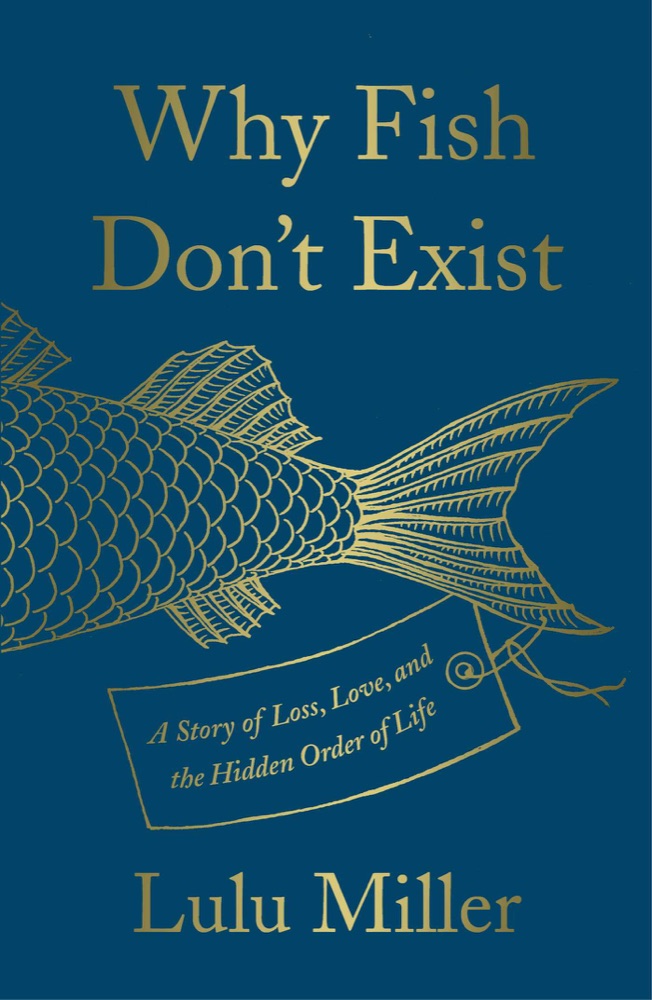 Why Fish Don’t Exist: A Story of Loss, Love, and the Hidden Order of Life
 Winter
 Light Years
 The Fifth Science
 The Book of Laughter and Forgetting
 The Magic Mountain
 Skinny Legs and All
 The Name of the Rose
 Small Wonder
 The Intellectual Life: Its Spirit, Conditions, Methods
 Stories of Your Life and Others
 A Sudden Light
 The Stone Gods
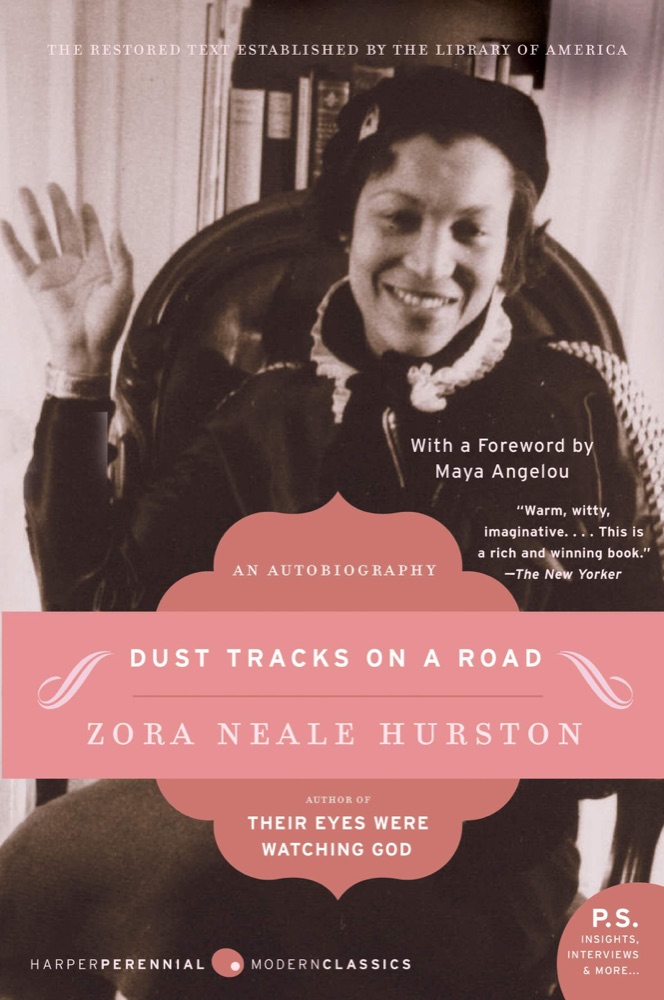 Dust Tracks on a Road
 Mao II
 Selected Non-Fictions
 Only Dull People Are Brilliant at Breakfast
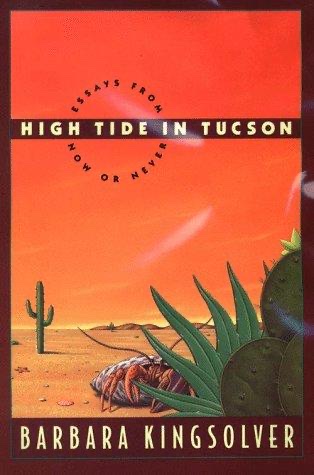 High Tide in Tucson
 Sexing the Cherry
 The Recognitions
 West with the Night
 Hard-Boiled Wonderland and the End of the World
 The Book That Broke the World
 Villa Incognito
 The Wisdom of Life
 The Signature of All Things
 The World as Will and Representation, Vol 1
 Big Sur and the Oranges of Hieronymus Bosch
 The Empusium
 Nothing to Be Frightened Of
 The Names
 Nature and Selected Essays
 Eyeless in Gaza
 The Letters of Vincent van Gogh
 The Paper Menagerie and Other Stories
Teaching a Stone to Talk: Expeditions and Encounters
The Paper Menagerie and Other Stories
Teaching a Stone to Talk: Expeditions and Encounters
 The Humans
 In Search of Lost Time
 Complete Works of Oscar Wilde
 Hyperion