
 Ficciones
Quotes from the Book
Personally, I am a hedonistic reader; I have never read a book merely because it was ancient. I read books for the aesthetic emotions they offer me, and I ignore the commentaries and criticism.
472
I...have always known that my destiny was, above all, a literary destiny — that bad things and some good things would happen to me, but that, in the long run, all of it would be converted into words. Particularly the bad things, since happiness does not need to be transformed: happiness is its own end.
100
The gods weave misfortunes for men, so that the generations to come will have something to sing about.” Mallarmé repeats, less beautifully, what Homer said; “tout aboutit en un livre,” everything ends up in a book. The Greeks speak of generations that will sing; Mallarmé speaks of an object, of a thing among things, a book. But the idea is the same; the idea that we are made for art, we are made for memory, we are made for poetry, or perhaps we are made for oblivion. But something remains, and that something is history or poetry, which are not essentially different.
26
A writer, or any man, must believe that whatever happens to him is an instrument; everything has been given for an end. This is even stronger in the case of the artist. Everything that happens, including humiliations, embarrassments, misfortunes, all has been given like clay, like material for one's art. One must accept it.
17
Emerson said that a library is a magic chamber in which there are many enchanted spirits. They wake when we call them. When the book lies unopened, it is literally, geometrically, a volume, a thing among things. When we open it, when the book surrenders itself to its reader, the aesthetic event occurs. And even for the same reader the same book changes, for the change; we are the river of Heraclitus, who said that the man of yesterday is not the man of today, who will not be the man of tomorrow. We change incessantly, and each reading of a book, each rereading, each memory of that rereading, reinvents the text. The text too is the changing river of Heraclitus.
6
Neden doğrudan metinleri incelemiyorsunuz? Eğer metinler hoşunuza giderlerse ne âlâ; eğer hoşunuza gitmezlerse onları hemen bırakın, zira zoraki okuma kadar saçma bir eylem olamaz, onun yerine zoraki mutluluktan bahsetmeyi yeğlerim. Bence şiir hissedilen bir şey ve eğer siz şiiri hissetmiyorsanız, eğer güzellik hissiniz yoksa, eğer bir öykü sizde daha sonra ne olacağını bilme arzusu uyandırmıyorsa, yazar onu sizin için yazmamıştır. Onu bir kenara bırakın, edebiyat dikkatinize layık olan ya da olmayan, yarın okuyacağınız başka bir yazarı size sunacak kadar zengindir.
1
Ajatus pakollisesta lukemisesta on absurdi: Yhtä hyvin voisi puhua pakollisesta onnellisuudesta. Uskon, että runous on jotain jonka tuntee, ja joillei runous herätä teissä tunnetta, jollette tunne sitä kauniiksi, joillei kertomus herätä teissä halua tietää mitä sitten tapahtui, tekijä ei ole kirjoittanut teille. Pankaa hänen kirjansa syrjään, sillä kirjallisuus on kyllin rikas tarjotakseen teille kirjailijan, joka on teidän huomionne arvoinen, tai ei huomionne arvoinen tänään, mutta te luette sen huomenna. s. 82
1
It only takes two facing mirrors to construct a labyrinth. from “Nightmares
1
A writer lives. The task of being a poet is not completed at a fixed schedule. No one is a poet from eight to twelve and from two to six. Whoever is a poet is one always, and continually assaulted by poetry.
1
Watch on YouTube
About Jorge Luis Borges
We have collected 245 quotes from 14 books by Jorge Luis Borges on BookQuoters.
More about the author →More by Jorge Luis Borges
Ficciones
 Labyrinths: Selected Stories and Other Writings
 The Aleph and Other Stories
 The Book of Sand and Shakespeare's Memory
About the book
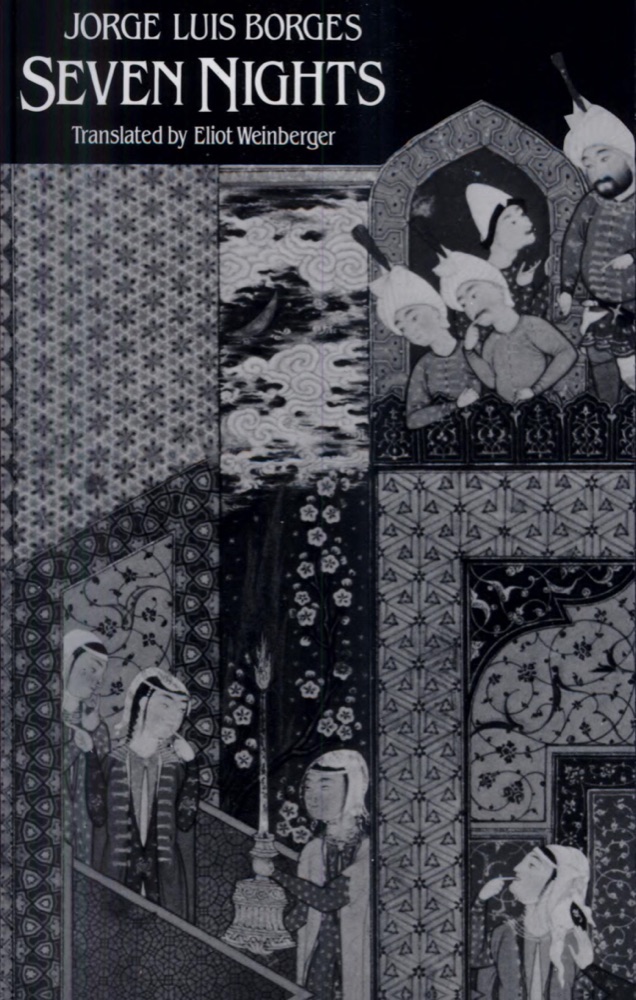
Lectures discuss The Divine Comedy, nightmares, The Thousand and One Nights, Buddhism, poetry, the Kabbalah, and blindness
Book details
- First published
- 1977
- Author
- Jorge Luis Borges
- Genre
- Nonfiction
- Goodreads rating
- 4.30 (3k ratings)
Keep reading
 Selected Non-Fictions
Labyrinths: Selected Stories and Other Writings
Selected Non-Fictions
Labyrinths: Selected Stories and Other Writings
 An Experiment in Criticism
The Aleph and Other Stories
An Experiment in Criticism
The Aleph and Other Stories
 The Wave in the Mind: Talks and Essays on the Writer, the Reader and the Imagination
 Lectures on Literature
 Basic Writings of Nietzsche
 The Book of Form and Emptiness
 Either/Or: A Fragment of Life
 Flaubert's Parrot
 Phaedrus
 Negotiating with the Dead: A Writer on Writing
 Madness, Rack, and Honey: Collected Lectures
 De Profundis and Other Writings
 Dæmon Voices
 The Notebooks of Malte Laurids Brigge
 The Birth of Tragedy
 Elizabeth Costello
 How to Read Literature
 Toward Eternity
 Old Masters: A Comedy
 Illuminations: Essays and Reflections
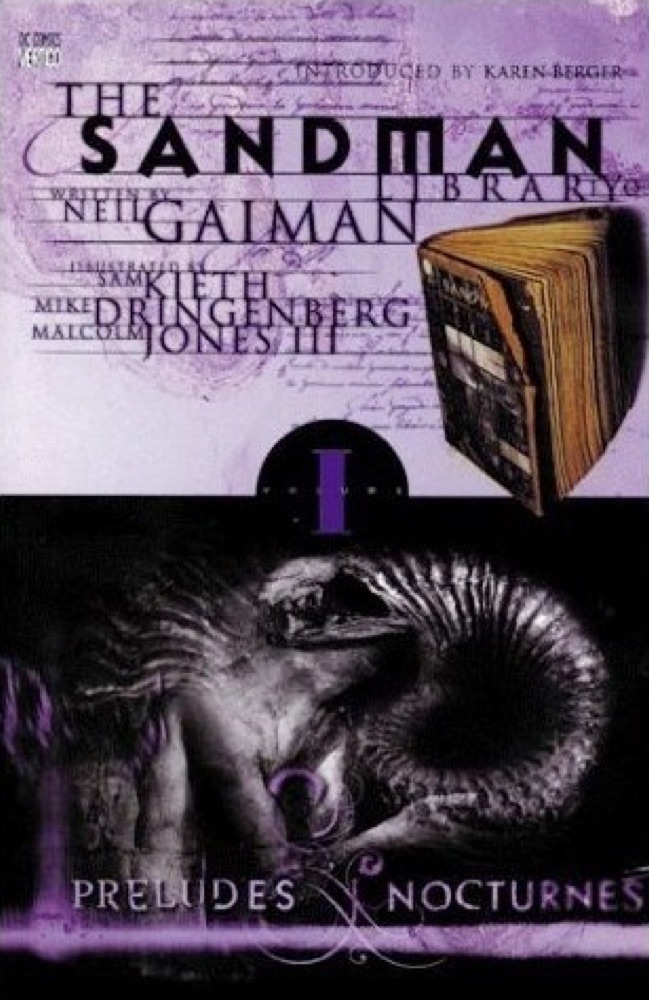 The Sandman: Endless Nights
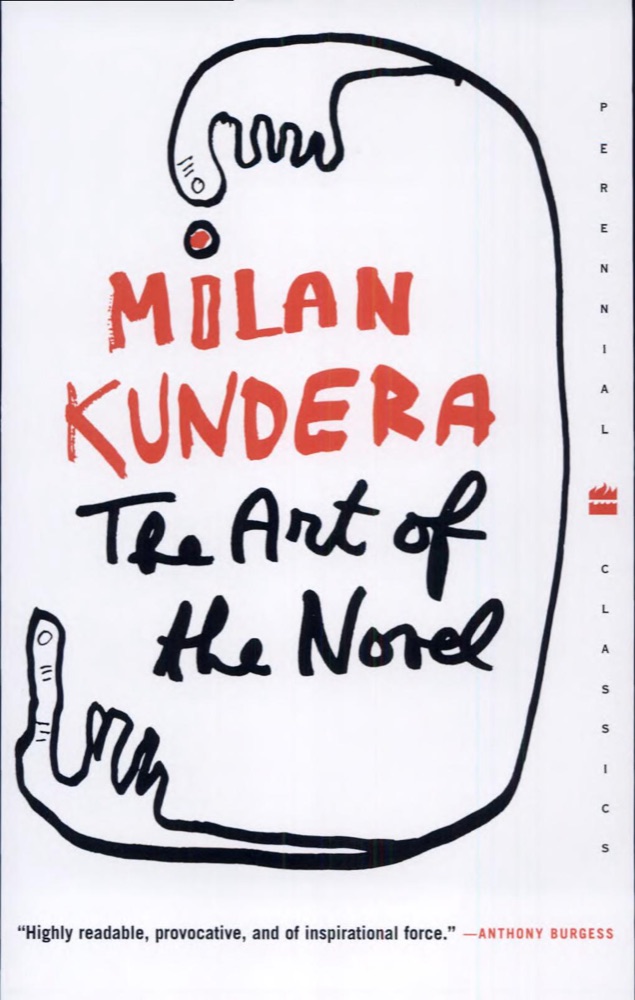 The Art of the Novel
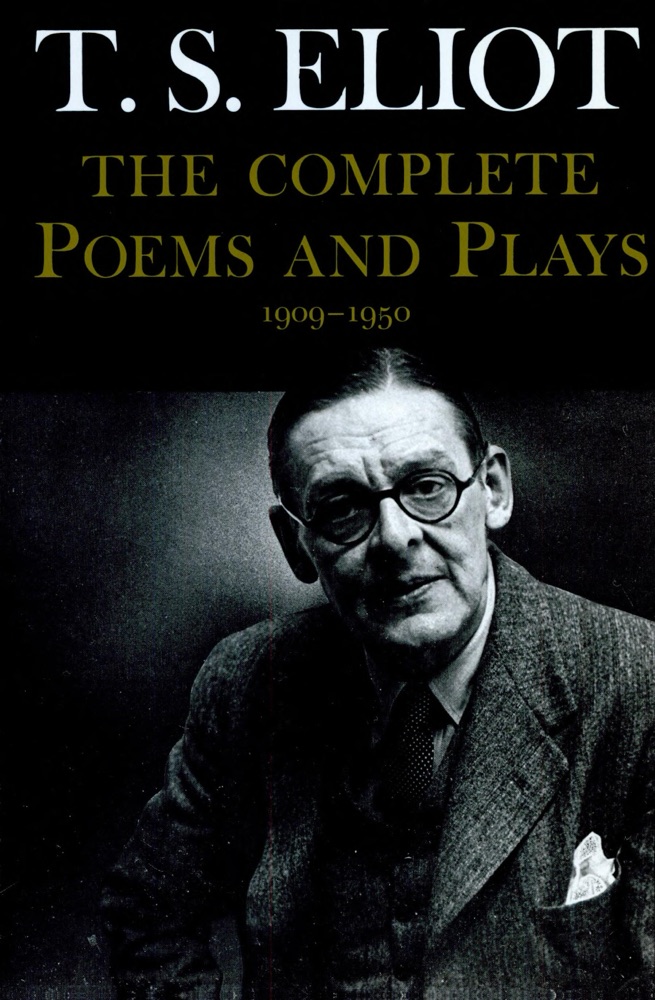 The Complete Poems and Plays, 1909-1950
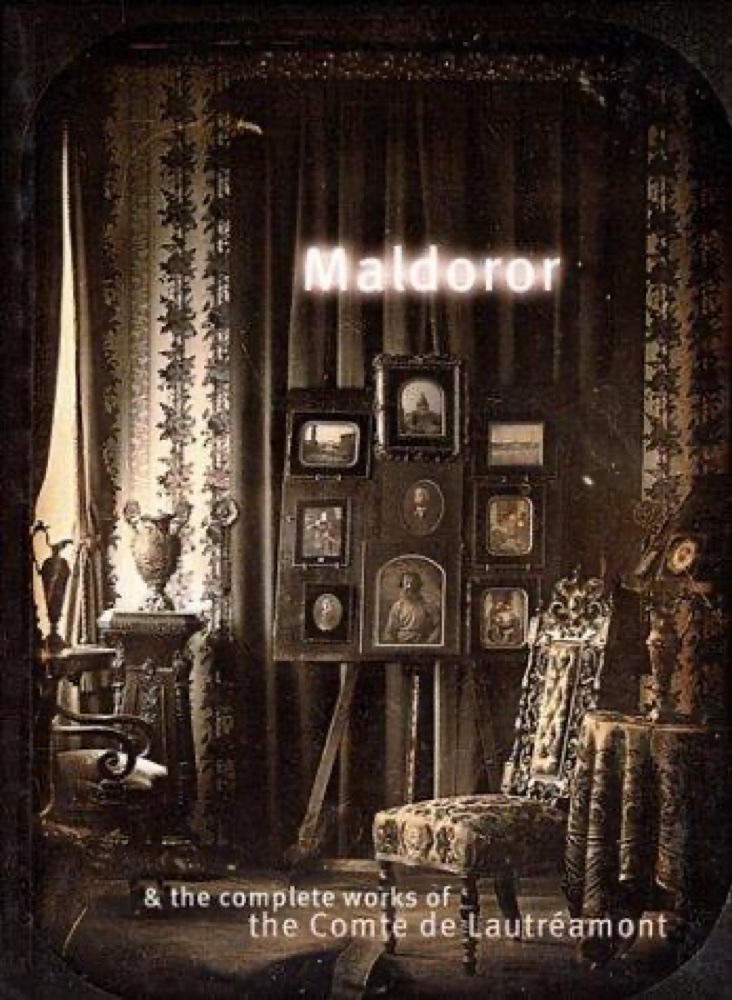 Maldoror and the Complete Works
 The Triggering Town: Lectures and Essays on Poetry and Writing
 Gargantua and Pantagruel
 The Name of the Rose
 The Rabbit Back Literature Society
 The Hero's Journey: Joseph Campbell on His Life & Work
 The View from the Cheap Seats: Selected Nonfiction
 The Temptation to Exist
 Tell Them of Battles, Kings, and Elephants
 Nutshell
 The Book of Laughter and Forgetting
 Plainwater: Essays and Poetry
 In Other Worlds: SF and the Human Imagination
 The Big Green Tent
 The Age of Absurdity: Why Modern Life makes it Hard to be Happy
 The Essays of Ralph Waldo Emerson
 Notes From The Tilt-A-Whirl: Wide-Eyed Wonder in God's Spoken World
 The Language of the Night: Essays on Writing, Science Fiction, and Fantasy
 Stories of Your Life and Others
 The Club Dumas
 And Our Faces, My Heart, Brief as Photos
 Complete Works of Oscar Wilde
 The Gift of Asher Lev
 A Poetry Handbook
 Monday or Tuesday
 Arm of the Sphinx
 The Summer Without Men
 The Abundance
 Winter Hours: Prose, Prose Poems, and Poems
 The Three-Cornered World
 Travels with Herodotus
 Art and Lies
 Arcadia
 The Book That Wouldn’t Burn
 Twilight of the Idols/The Anti-Christ