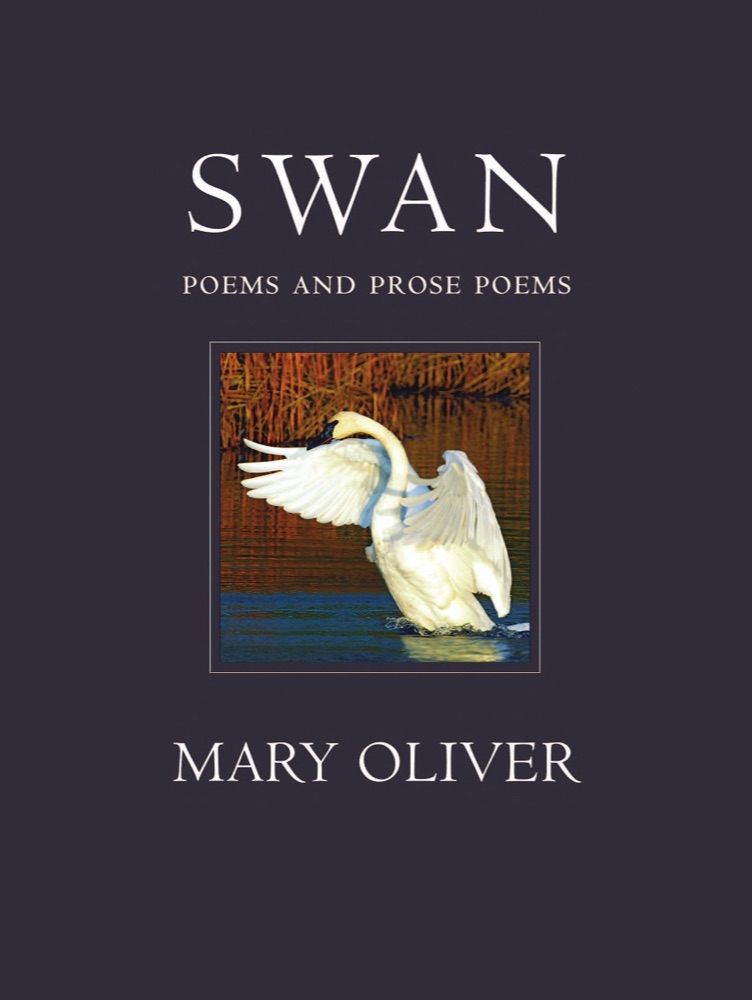
 Swan: Poems and Prose Poems
Quotes from the Book
All things are meltable, and replaceable. Not at this moment, but soon enough, we are lambs and we are leaves, and we are stars, and the shining, mysterious pond water itself.
24
I am one of those who has no trouble imagining the sentient lives of trees, of their leaves in some fashion communicating or of the massy trunks and heavy branches knowing it is I who have come, as I always come, each morning, to walk beneath them, glad to be alive and glad to be there.
16
Sometimes I think, were I just a little rougher made, I would go altogether to the woods—to my work entirely, and solitude, a few friends, books, my dogs, all things peaceful, ready for meditation and industry—if for no other reason than to escape the heart-jamming damages and discouragements of the worlds mean spirits. But, no use. Even the most solitudinous of us is communal by habit, and indeed by commitment to the bravest of our dreams, which is to make a moral world. The whirlwind of human behavior is not to be set aside.
15
The poem in which the reader does not feel himself or herself a participant is a lecture, listened to from an uncomfortable chair, in a stuffy room, inside a building.
15
In the mystery and the energy of loving, we all view time's shadow upon the beloved as wretchedly as any of Poe's narrators. We do not think of it every day, but we never forget it: the beloved shall grow old, or ill, and be taken away finally. No matter how ferociously we fight, how tenderly we love, how bitterly we argue, how pervasively we berate the universe, how cunningly we hide, this is what shall happen. In the wide circles of timelessness, everything material and temporal will fail, including the manifestation of the beloved. In this universe we are given two gifts: the ability to love, and the ability to ask questions. Which are, at the same time, the fires that warm us and the fires that scorch us. This is Poe's real story. As it is ours. And this is why we honor him, why we are fascinated far past the simple narratives. He writes about our own inescapable destiny.
8
And I thought: I shall remember this all my life. The peril, the running, the howling of the dogs, the smothering. Then the happiness—of action, of leaping. Then the green sweetness of distance. And the trees: their thickness and their compassion, all around.
8
And as with prayer, which is a dipping of oneself toward the light, there is a consequence of attentiveness to the grass itself, and the sky itself, and to the floating bird. I too leave the fret and enclosure of my own life. I too dip myself toward the immeasurable.
7
YEARS AGO I set three "rules" for myself. Every poem I write, I said, must have a genuine body, it must have sincere energy, and it must have a spiritual purpose. If a poem to my mind failed any one of these categories it was rebuked and redone, or discarded. Over the forty or so years during which writing poems has been my primary activity, I have added other admonitions and consents. I want every poem to "rest" in intensity. I want it to be rich with "pictures of the world." I want it to carry threads from the perceptually felt world to the intellectual world. I want each poem to indicate a life lived with intelligence, patience, passion, and whimsy (not my life—not necessarily!—but the life of my formal self, the writer). I want the poem to ask something and, at its best moments, I want the question to remain unanswered. I want it to be clear that answering the question is the reader's part in an implicit author-reader pact. Last but not least, I want the poem to have a pulse, a breathiness, some moment of earthly delight. (While one is luring the reader into the enclosure of serious subjects, pleasure is by no means an unimportant ingredient.)
7
Maybe the idea of the world as flat isn't a tribal memory or an archetypal memory, but something far older -- a fox memory, a worm memory, a moss memory. Memory of leaping or crawling or shrugging rootlet by rootlet forward, across the flatness of everything. To perceive of the earth as round needed something else -- standing up! -- that hadn't yet happened. What a wild family! Fox and giraffe and wart hog, of course. But these also: bodies like tiny strings, bodies like blades and blossoms! Cord grass, Christmas fern, soldier moss! And here comes grasshopper, all toes and knees and eyes, over the little mountains of the dust. When I see the black cricket in the woodpile, in autumn, I don't frighten her. And when I see the moss grazing upon the rock, I touch her tenderly, sweet cousin.
7
I am a performing artist; I perfomr admiration. 'Come with me', I want my poems to say. 'And do the same
5
But the palace of knowledge is different from the palace of discovery, in which I am, truly, a Copernicus.
5
Let me always be who I am, and then some.
4
I want the poem to ask something and, at its best moments, I want the question to remain unanswered.
3
Knowledge has entertained me and it has shaped me and it has failed me.
3
To believe in the soul—to believe in it exactly as much and as hardily as one believes in a mountain, say, or a fingernail, which is ever in view— imagine the consequences! How far-reaching, and thoroughly wonderful! For everything, by such a belief, would be charged, and changed. You wake in the morning, the soul exists, your mouth sings it, your mind accepts it. And the perceived, tactile world is, upon the instant, only half the world!
3
Put yourself in the way of grace,' says a friend of ours, who is a monk, and a bishop; and he smiles his floating and shining smile. And truly, can there be a subject of more interest to each of us than whether or not grace exists, and the soul? And, consequent upon the existence of the soul, a whole landscape of incorruptible forces, perhaps even a source, an almost palpably suggested second universe? A world that is incomprehensible through reason? To believe in the soul---to believe in it exactly as much and as hardily as one believes in a mountain, say, or a fingernail, which is ever in view---imagine the consequences! How far-reaching, and thoroughly wonderful! For everything, by such a belief, would be charged, and changed. You wake in the morning, the soul exists, your mouth sings it, your mind accepts it. And the perceived, tactile world is, upon the instant, only half the world! How easily I travel, about halfway, through such a scenario. I believe in the soul---in mine, and yours, and the blue-jay's, and the pilot whale's. I believe each goldfinch flying away over the coarse ragweed has a soul, and the ragweed too, plant by plant, and the tiny stones in the earth below, and the grains of earth as well. Not romantically do I believe this, nor poetically, nor emotionally, nor metaphorically except as all reality is metaphor, but steadily, lumpishly, and absolutely. The wild waste spaces of the sea, and the pale dunes with one hawk hanging in the wind, they are for me the formal spaces that, in a liturgy, are taken up by prayer, song, sermon, silence, homily, scripture, the architecture of the church itself. And as with prayer, which is a dipping of oneself toward the light, there is a consequence of attentiveness to the grass itself, and the sky itself, and to the floating bird. I too leave the fret and enclosure of my own life. I too dip myself toward the immeasurable. Now winter, the winter I am writing about, begins to ease. And what, if anything, has been determined, selected, nailed down? This is the lesson of age---events pass, things change, trauma fades, good fortune rises, fades, rises again but different. Whereas what happens when one is twenty, as I remember it, happens forever. I have not been twenty for a long time! The sun rolls toward the north and I feel, gratefully, its brightness flaming up once more. Somewhere in the world the misery we can do nothing about yet goes on. Somewhere the words I will write down next year, and the next, are drifting into the wind, out of the ornate pods of the weeds of the Provincelands. Once I went into the woods to find an almost unfindable bird, a blue grosbeak. And I found it: a rough, deep blue, almost black, with heavy beak; it was plucking one by one the humped, pale green caterpillars from the leaves of a thick green tree. Then it vanished into the shadows of the leaves and, in the same moment, from the crown of the tree flew a western bluebird---little aqua thrush of the mountains, hundreds of miles from its home. It is a moment hard to top---but, I can. Once I came upon two angels, they were standing quietly, keeping guard beside a car. Light streamed from them, and a splash of flames lay quietly under their feet. What is one to do with such moments, such memories, but cherish them? Who knows what is beyond the known? And if you think that any day the secret of light might come, would you not keep the house of your mind ready? Would you not cleanse your study of all that is cheap, or trivial? Would you not live in continual hope, and pleasure, and excitement?
2
I was a poet, but I was away for a while from the loom of thought and formal language; I was playing. I was whimsical, absorbed, happy. Let me always be who I am, and then some.
2
This is the lesson of age—events pass, things change, trauma fades, good fortune rises, fades, rises again but different.
2
I suppose they, those lives soaked in evil, are miserable and so they ever despise happiness. I suppose they feel powerless and therefore must exert power wherever they can, which is so often upon those unable to comprehend what is happening, much less defend themselves.
2
I would write praise poems that might serve as comforts, reminders, or even cautions if needed, to wayward minds and unawakened hearts.
2
It is the news that no one is singular, that no argument will change the course, that one’s time is more gone than not, and what is left waits to be spent gracefully and attentively, if not quite so actively.
2
Education as I knew it was made up of such a preestablished collection of certainties. Knowledge has entertained me and it has shaped me and it has failed me. Something in me still starves.
2
I simply was not able to risk wrecking her world, and I could see no possible way I could move the whole kingdom. So I left her with the only thing I could—the certainty of a little more time.
2
You can have the other words—chance, luck, coincidence, serendipity. I’ll take grace. I don’t know what it is exactly, but I’ll take it.
1
The labor of writing poems, of working with thought and emotion in the encasement (or is it the wings?) of language, is strange to nature, for we are first of all creatures of motion.
1
Nature there will always be, but it will not be what we have now, much less the deeper fields and woodlands many of us remember from our childhood. The worlds of van Gogh and Turner and Winslow Homer, and Wordsworth too, and Frost and Jeffers and Whitman, are gone, and will not return. We can come to our senses yet, and rescue the world, but we will never return it to anything like its original form.
1
Just where does self-awareness begin and end? With the June bug? With the shining, task-ridden ant? With the little cloud of gnats that drifts over the pond?
1
As a carpenter can make a gibbet as well as an altar, a writer can describe the world as trivial or exquisite, as material or as idea, as senseless or as purposeful. Words are wood.
1
When men sell their souls, where do the souls go?
1
Watch on YouTube
About Mary Oliver
More by Mary Oliver
All books by Mary Oliver →
About the book
From the winner of the Pulitzer Prize and the National Book Award, her most personal book yet
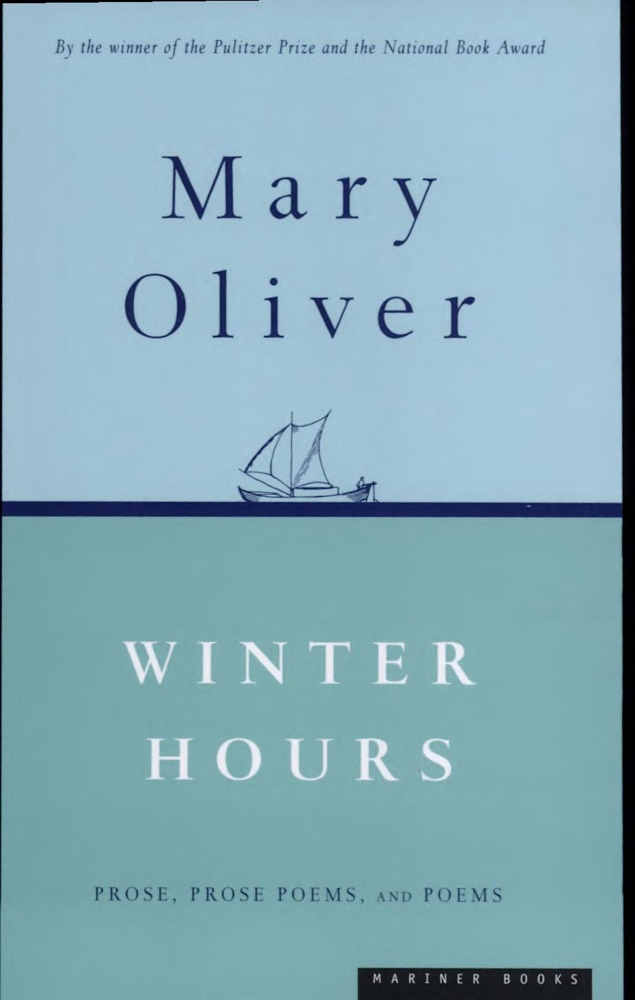
"What good company Mary Oliver is!" the Los Angeles Times has remarked. And never more so than in this extraordinary and engaging gathering of nine essays, accompanied by a brief selection of new prose poems and poems. (One of the essays has been chosen as among the best of the year by THE BEST AMERICAN ESSAYS 1998, another by The Anchor Essay Annual.) With the grace and precision that have won her legions of admirers, Oliver talks here of turtle eggs and housebuilding, of her surprise at an unexpected whistling she hears, of the "thousand unbreakable links between each of us and everything else." She talks of her own poems and of some of her favorite poets: Poe, writing of "our inescapable destiny," Frost and his ability to convey at once that "everything is all right, and everything is not
Book details
- First published
- 1999
- Author
- Mary Oliver
- Genre
- Literature
- Goodreads rating
- 4.11 (3k ratings)
Keep reading
 Upstream: Selected Essays
 Evidence: Poems
 New and Selected Poems, Vol. 2
 The Story of My Life
 The World and Other Places: Stories
 The Complete Poems of Emily Dickinson
 Madness, Rack, and Honey: Collected Lectures
 Speak, Memory
 In the Heart of the Heart of the Country and Other Stories
 Selected Stories
 The Notebooks of Malte Laurids Brigge
 Swann's Way
 Deep Creek: Finding Hope in the High Country
 Hard-Boiled Wonderland and the End of the World
 Sexing the Cherry
 A Circle of Quiet
 View with a Grain of Sand: Selected Poems
 My Friends
 Monday or Tuesday
 Dust Tracks on a Road
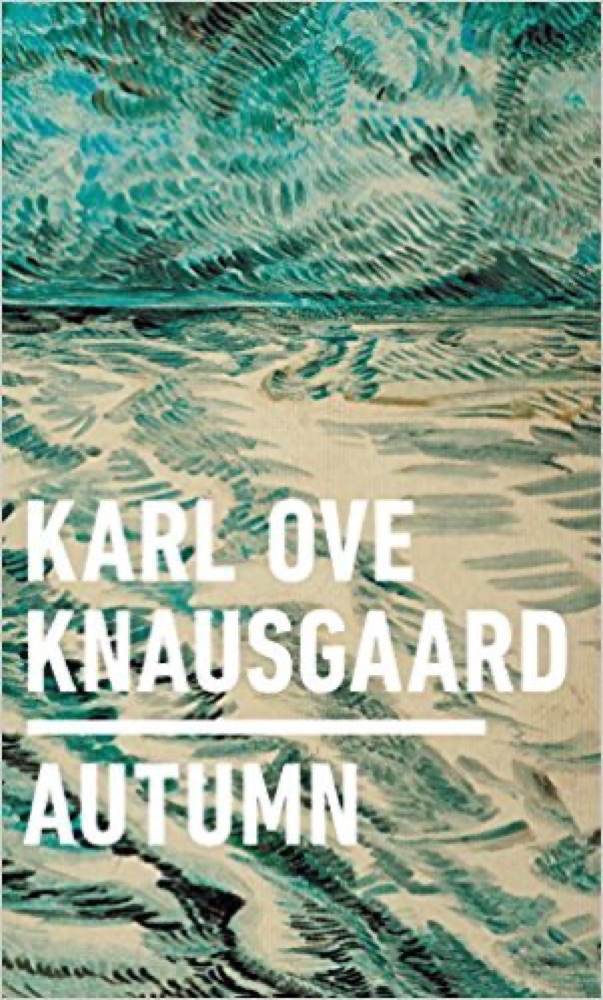 Autumn
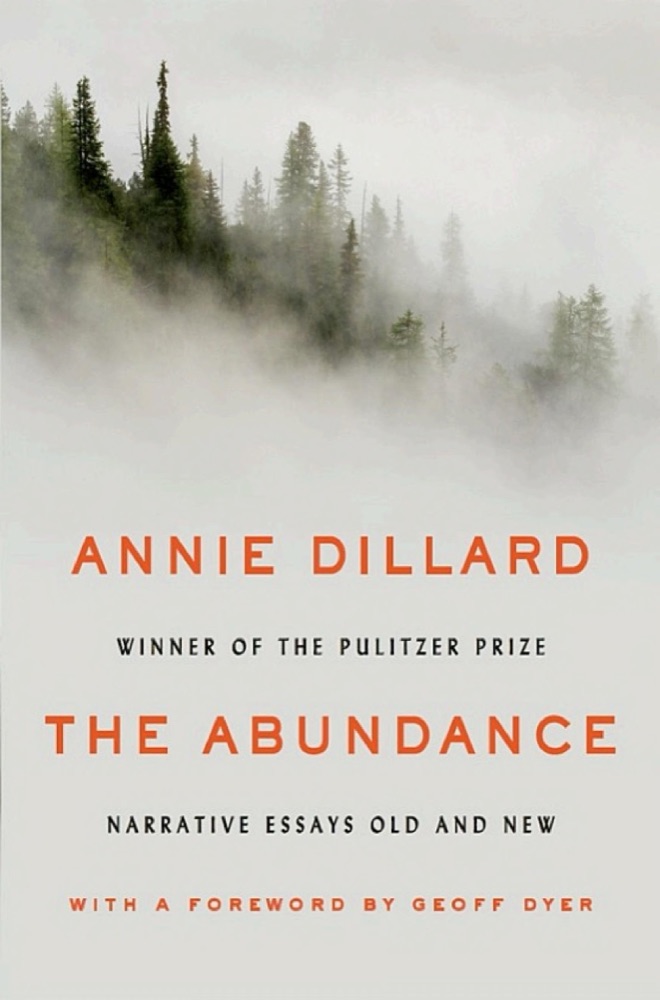 The Abundance
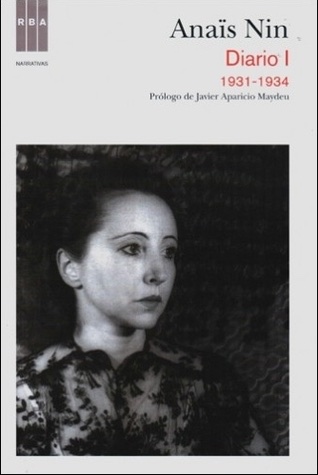 The Diary of Anaïs Nin, Vol. 1: 1931-1934
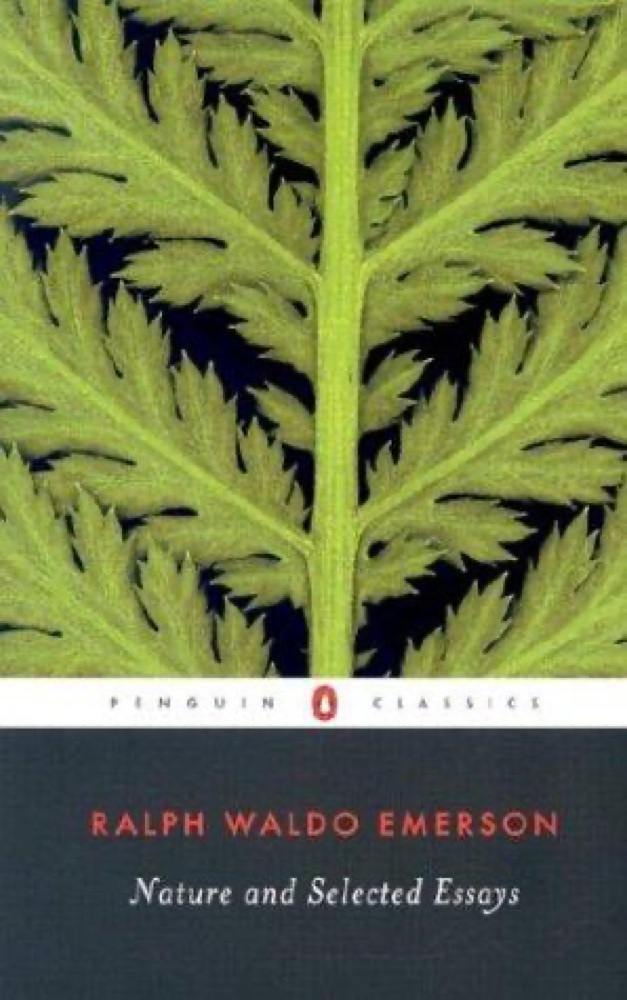 Nature and Selected Essays
 Hourglass: Time, Memory, Marriage
 The Anthropocene Reviewed: Essays on a Human-Centered Planet
 A Writer's Diary
 Lost in Translation: A Life in a New Language
 Dearly
 Possession
 M Train
 West with the Night
 Spring and All
 Like Streams to the Ocean: Notes on Ego, Love, and the Things That Make Us Who We Are
 Opened Ground
 Poems, 1962-2012
 Plainwater: Essays and Poetry
 The Elegance of the Hedgehog
 Rilke's Book of Hours: Love Poems to God
 Either/Or: A Fragment of Life
 Lighthousekeeping
 Year of the Monkey
 Flights
 Daniel Deronda
 In Search of Lost Time
 The Dream of Perpetual Motion
 Notes From The Tilt-A-Whirl: Wide-Eyed Wonder in God's Spoken World
 The Journals of Sylvia Plath
 Trigger Warning: Short Fictions and Disturbances
 All of Us: The Collected Poems
 Selected Poems
 In the Wild Light
 Knife: Meditations After an Attempted Murder
 The Letters of Vincent van Gogh
 Betting on the Muse: Poems & Stories
 The Collected Poems of Emily Dickinson
 The Waves
 Journal of a Solitude
 Blueberries: Essays Concerning Understanding
 The Three-Cornered World