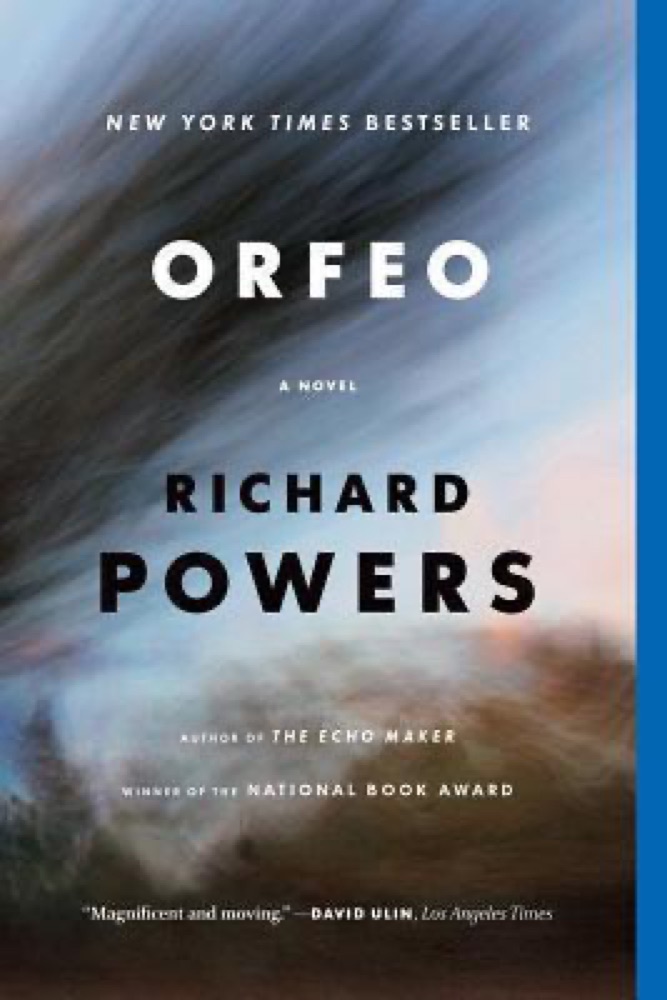
 Orfeo
Orfeo
Quotes from the Book
There is no such thing as an empty space or an empty time. There is always something to see, something to hear. In fact, try as we may to make a silence, we cannot.
64
As far as consistency of thought goes, I prefer inconsistency.
47
Artists talk a lot about freedom. So, recalling the expression "free as a bird," Morton Feldman went to a park one day and spent some time watching our feathered friends. When he came back, he said, "You know? They're not free: they're fighting over bits of food.
45
The emotions - love, mirth, the heroic, wonder, tranquility, fear, anger, sorrow, disgust - are in the audience.
41
The highest purpose is to have no purpose at all. This puts one in accordance with nature, in her manner of operation.
33
The world is teeming; anything can happen.
33
What is the purpose of writing music? One is, of course, not dealing with purposes but dealing with sounds. Or the answer must take the form of a paradox: a purposeful purposeless or a purposeless play. This play, however, is an affirmation of life--not an attempt to bring order out of chaos nor to suggest improvements in creation, but simply a way of waking up to the very life we’re living, which is so excellent once one gets one’s mind and one’s desires out of its way and lets it act of its own accord.
31
Which is more musical, a truck passing by a factory or a truck passing by a music school? Are the people inside the school musical and the ones outside unmusical? What if the ones inside can't hear very well, would that change my question?
21
So somebody has talent? So what? Dime a dozen. And we're overpopulated. Actually we have more food than we have people and more art. We've gotten to the point of burning food. When will we begin to burn our art?
16
Nothing more then nothing can be said. We make our lives by what we love. Being American, having been trained to be sentimental, I fought for noises … when the war came along, I decided to use only quiet sounds. There seemed to me to be no truth, no good, in anything big. Somebody asked Debussy how he wrote music. He said: “I take all the tones there are, leave out he one’s I don’t want, and use all the others”. Satie said: “When I was young, people told me; you’ll see when you’re fifty years old. Now I’m fifty. I’ve seen nothing”. Slowly as the talk goes on, we are getting nowhere – and that is a pleasure. It is not irritating to be where one is, it is only irritating to think one would like to be somewhere else. If anybody is sleepy, let him go to sleep. All I know about method is that when I’m not working I sometimes think I know something, but when I’m working, it is quit clear I know nothing.
14
If my work is accepted, I must move on to the point where it is not.
13
nothing is accomplished by writing a piece of music nothing is accomplished by hearing a piece of music nothing is accomplished by playing a piece of music our ears are now in excellent condition.
9
Whereas what we need is to fumble around in the darkness, because that's where our lives (not necessarily all of the time, but at least some of the time, and particularly when life gets problematical for us) takes place.
8
Now we have come to the end of the part about structure. However, it occurs to me to say more about structure.
3
Composing's one thing, performing's another, listening's a third. What can they have to do with one another?
2
...for we have found that by excluding we grow thin inside even though we may have an enormous bank account outside.
2
Dorothy Norman invited me to dinner in New York. There was a lady there from Philadelphia who was an authority on Buddhist art. When she found out I was interested in mushrooms, she said, “Have you an explanation of the symbolism involved in the death of the Buddha by his eating a mushroom?” I explained that I’d never been interested in symbolism; that I preferred just taking things as themselves, not as standing for other things. But then a few days later while rambling in the woods I got to thinking. I recalled the Indian concept of the relation of life and the seasons. Spring is Creation. Summer is Preservation. Fall is Destruction. Winter is Quiescence. Mushrooms grow most vigorously in the fall, the period of destruction, and the function of many of them is to bring about the final decay of rotting material. In fact, as I read somewhere, the world would be an impassible heap of old rubbish were it not for mushrooms and their capacity to get rid of it. So I wrote to the lady in Philadelphia. I said, “The function of mushrooms is to rid the world of old rubbish. The Buddha died a natural death.
1
As I see it, poetry is not prose simply because poetry is in one way or another formalized. It is not poetry by reason of its content or ambiguity but by reason of its allowing musical elements (time, sound) to be introduced into the world of words. Thus, traditionally, information no matter how stuffy (e. g. the sutras and shastras of India) was transmitted in poetry. It was easier to grasp that way. Karl Shapiro may have been thinking along these lines when he wrote his Essay on Rime in poetry.
1
Watch on YouTube
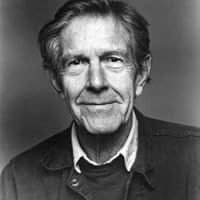
About John Cage
We have collected 18 quotes from 1 book by John Cage on BookQuoters.
More about the author →About the book
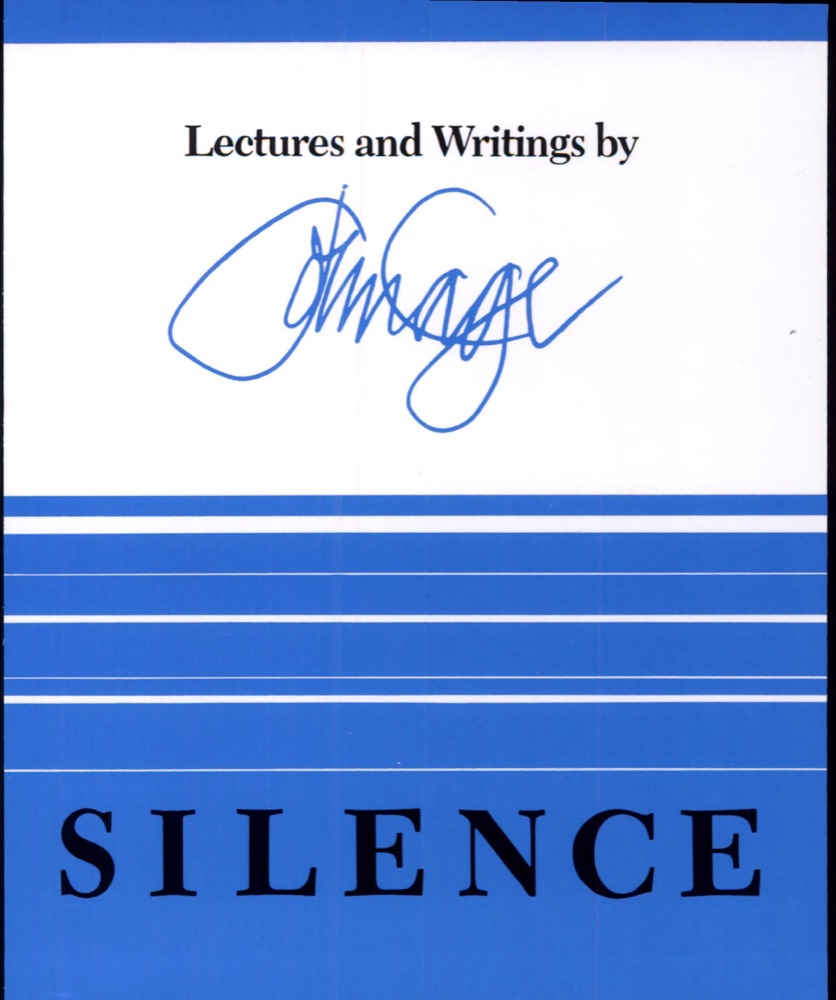
John Cage is the outstanding composer of avant-garde music today. The Saturday Review said of "Cage possesses one of the rarest qualities of the true creator- that of an original mind- and whether that originality pleases, irritates, amuses or outrages is irrelevant." "He refuses to sermonize or pontificate. What John Cage offers is more refreshing, more spirited, much more fun-a kind of carefree skinny-dipping in the infinite. It's what's happening now." -The American Record Guide
"There is no such thing as an empty space or an empty time. There is always something to see, something to hear. In fact, try as we may to make a silence, we cannot. Sounds occur whether intended or not; the psychological turning in direction of those not intended seems at first to be a giving up of everything that belongs to humanity. But one must see that humanity and nature, not separate, are in this world
Book details
- First published
- 1961
- Author
- John Cage
- Genre
- Nonfiction
- Goodreads rating
- 4.22 (4k ratings)
Keep reading
Orfeo
 Every Good Boy Does Fine: A Love Story, in Music Lessons
 Silence: In the Age of Noise
 Madness, Rack, and Honey: Collected Lectures
 Creativity: Unleashing the Forces Within
 The Triggering Town: Lectures and Essays on Poetry and Writing
 On Writing
 The Abundance
 Creativity: Flow and the Psychology of Discovery and Invention
 The Glass Bead Game
 Either/Or: A Fragment of Life
 A Circle of Quiet
 The Book of Form and Emptiness
 Winter Hours: Prose, Prose Poems, and Poems
 Selected Non-Fictions
 The Artist's Way
 No Time To Spare: Thinking About What Matters
 Utopia Avenue
 Hard-Boiled Wonderland and the End of the World
 The Recognitions
 The Noise of Time
 Flights
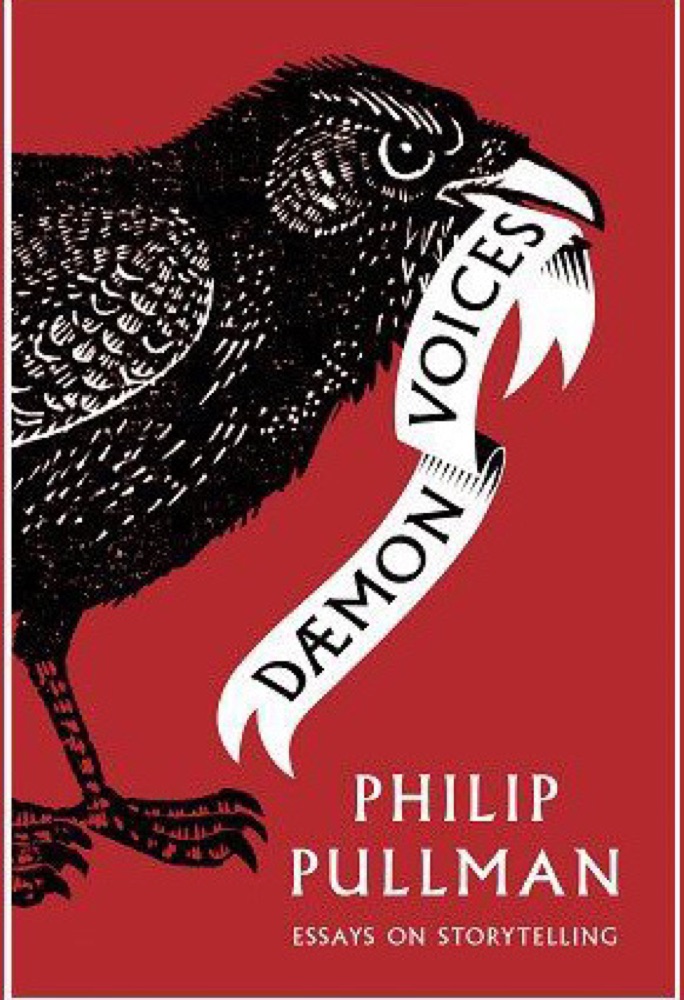 Dæmon Voices
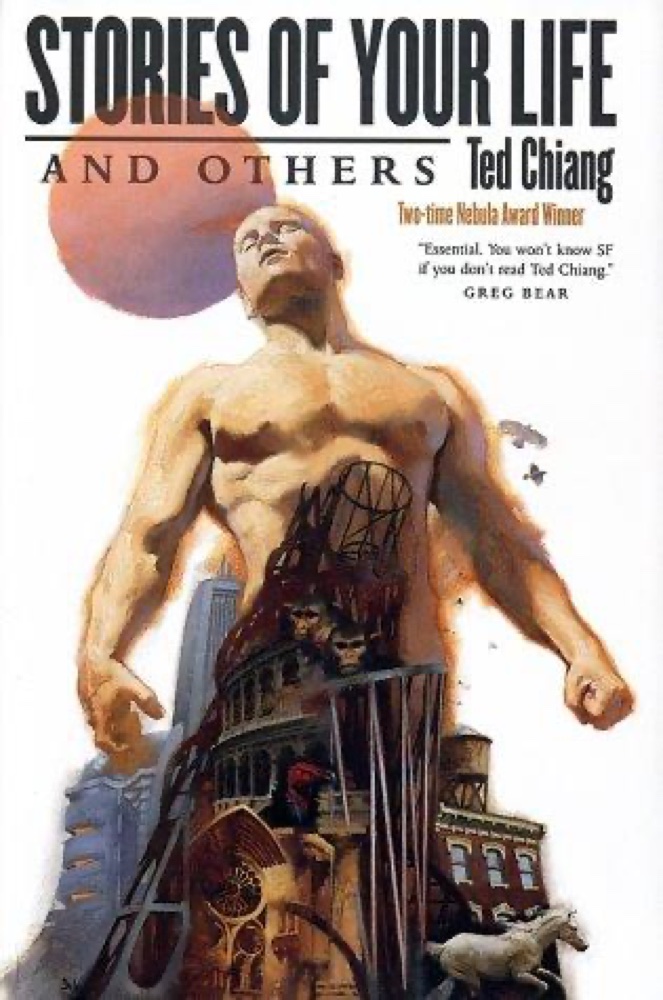 Stories of Your Life and Others
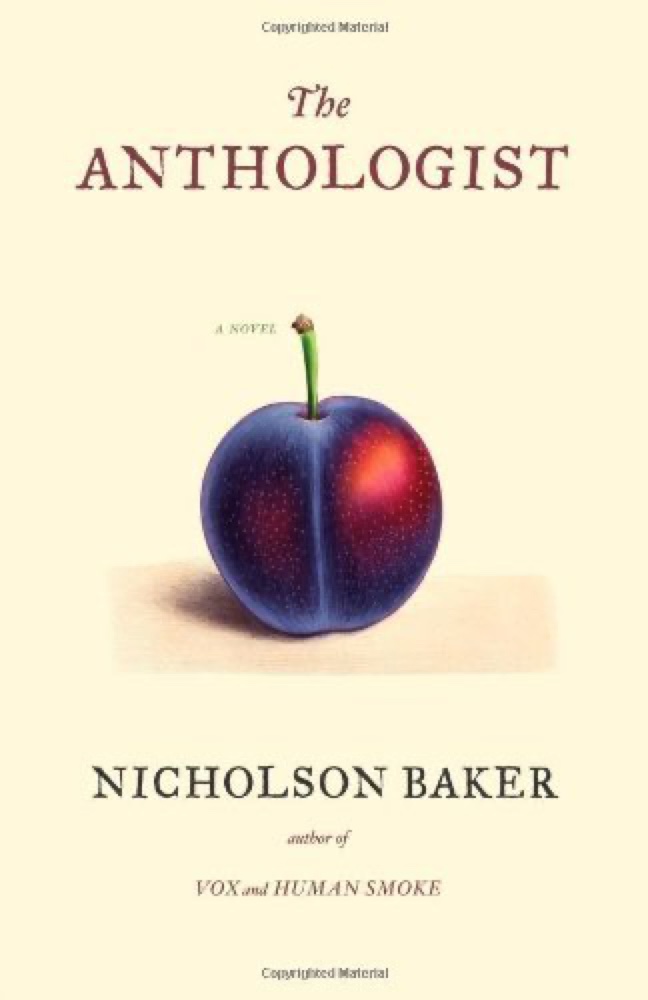 The Anthologist
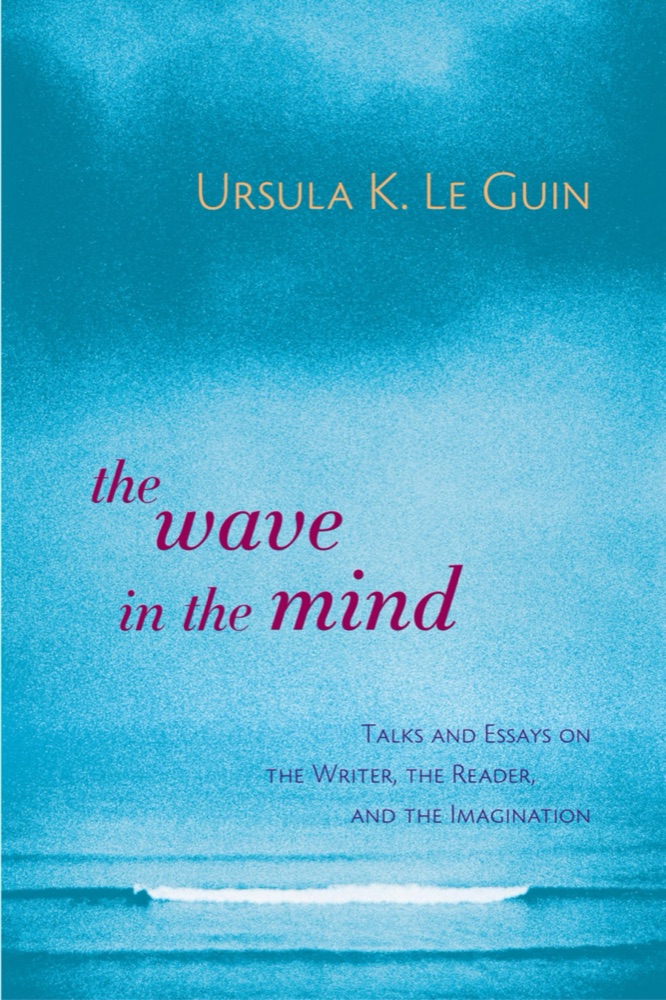 The Wave in the Mind: Talks and Essays on the Writer, the Reader and the Imagination
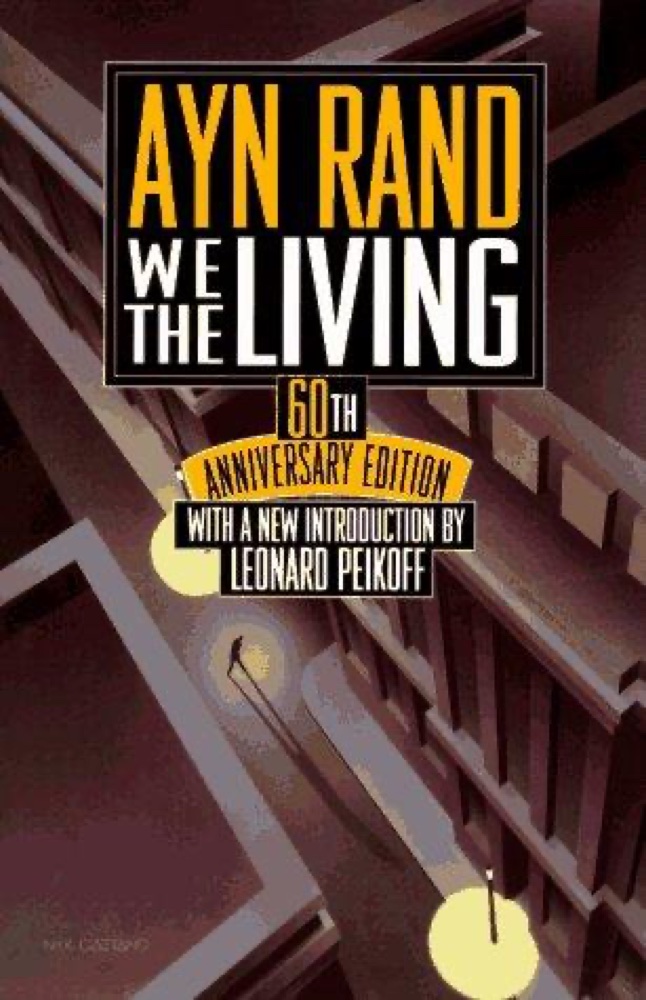 We the Living
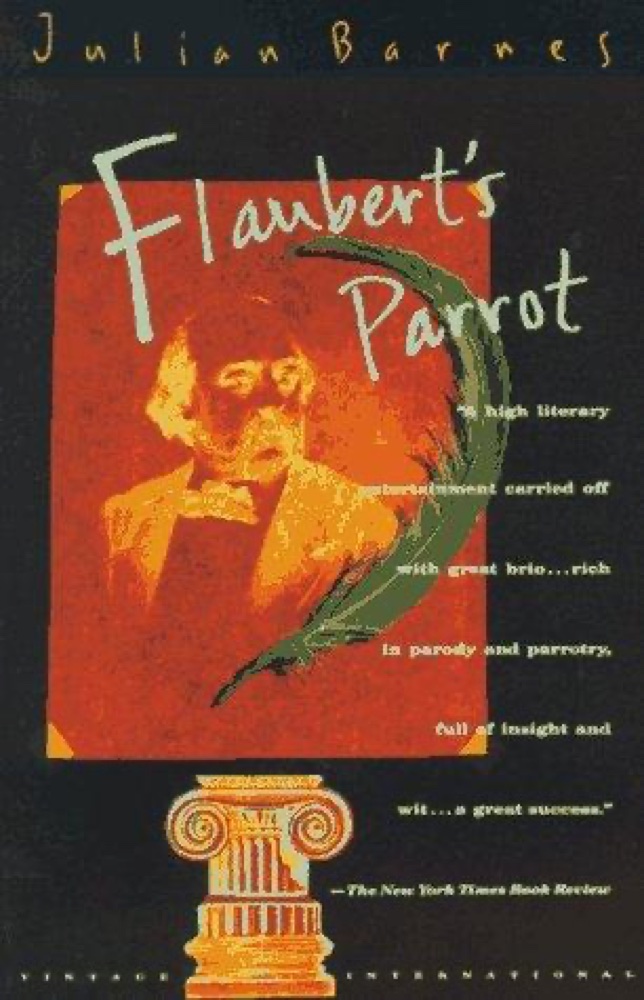 Flaubert's Parrot
 Teaching a Stone to Talk: Expeditions and Encounters
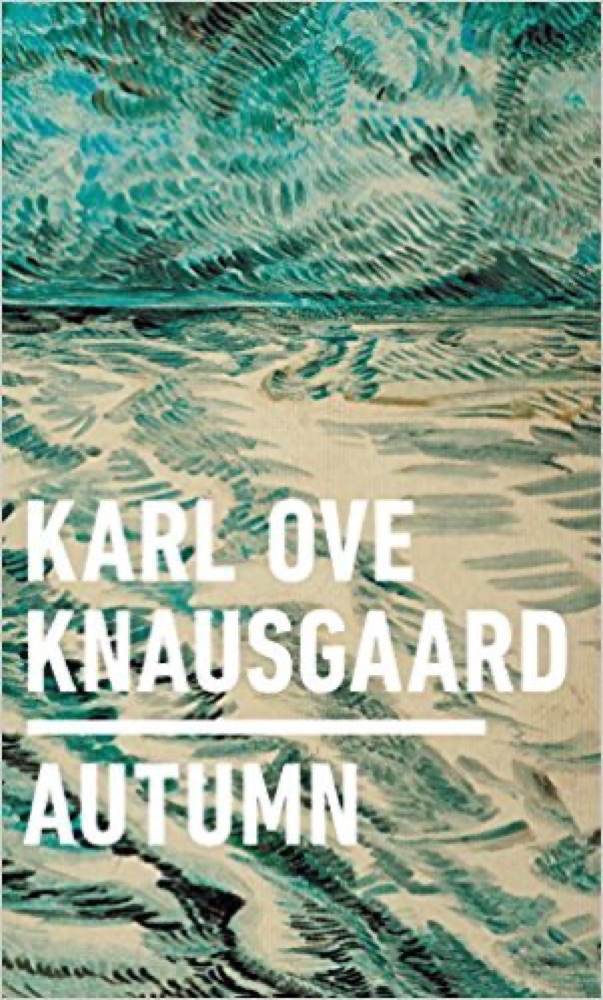 Autumn
 How to Write One Song: Loving the Things We Create and How They Love Us Back
 Night Train to Lisbon
 Postcards from No Man's Land
 The Elegance of the Hedgehog
 The Magic Mountain
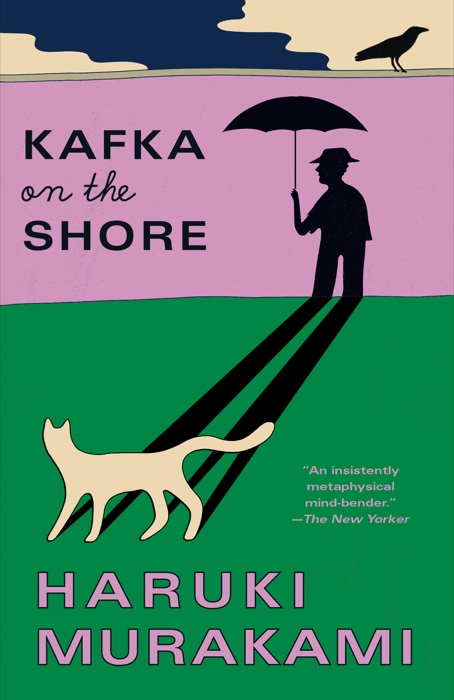 Kafka on the Shore
 Min kamp 2
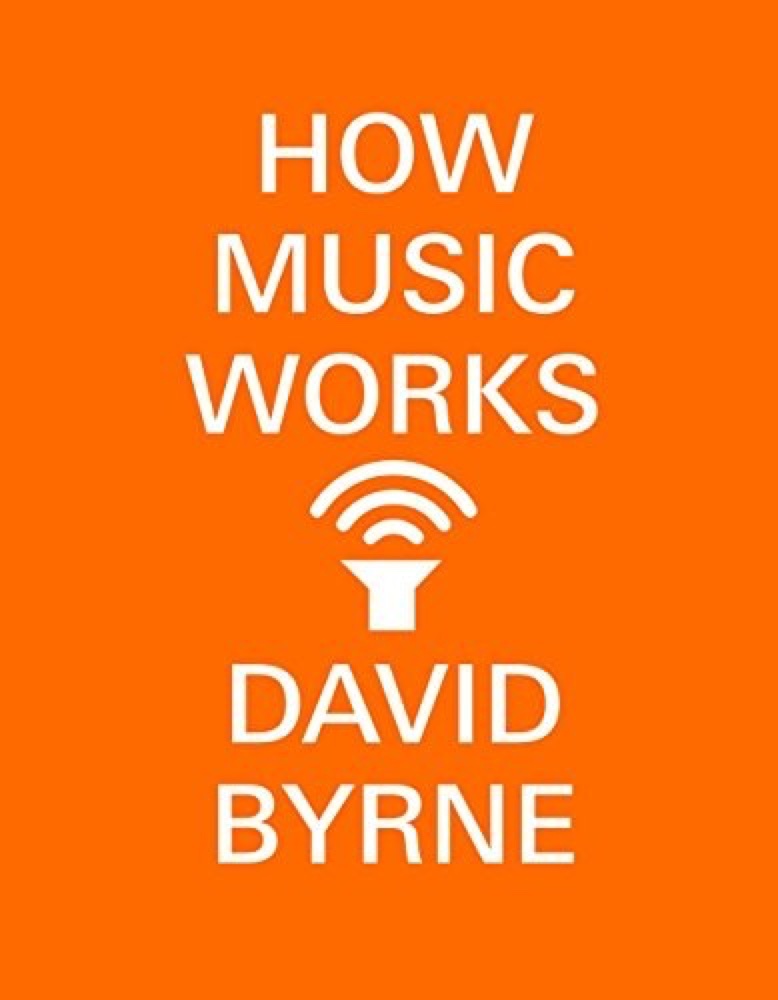 How Music Works
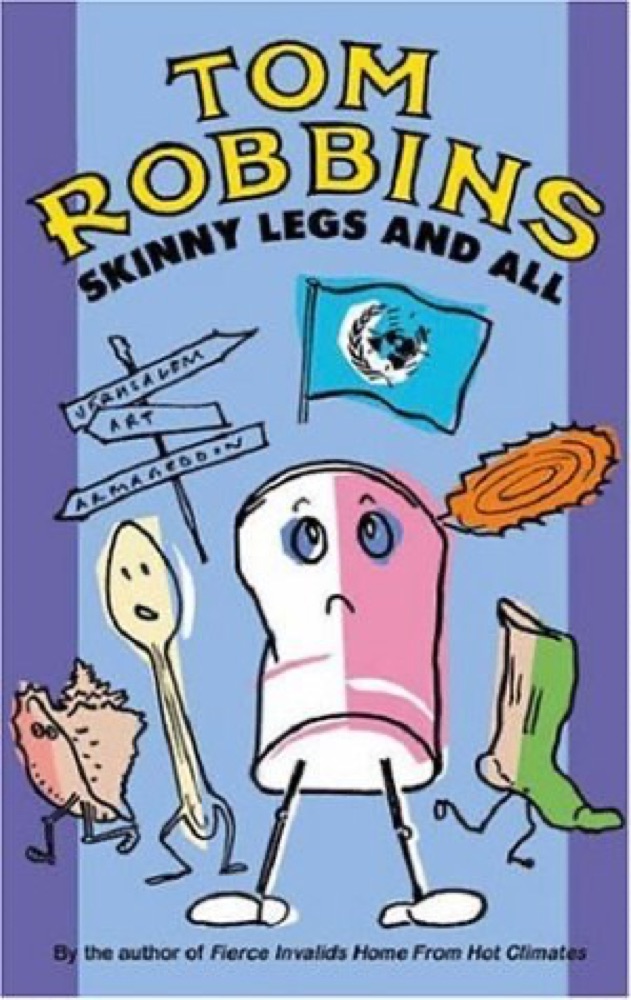 Skinny Legs and All
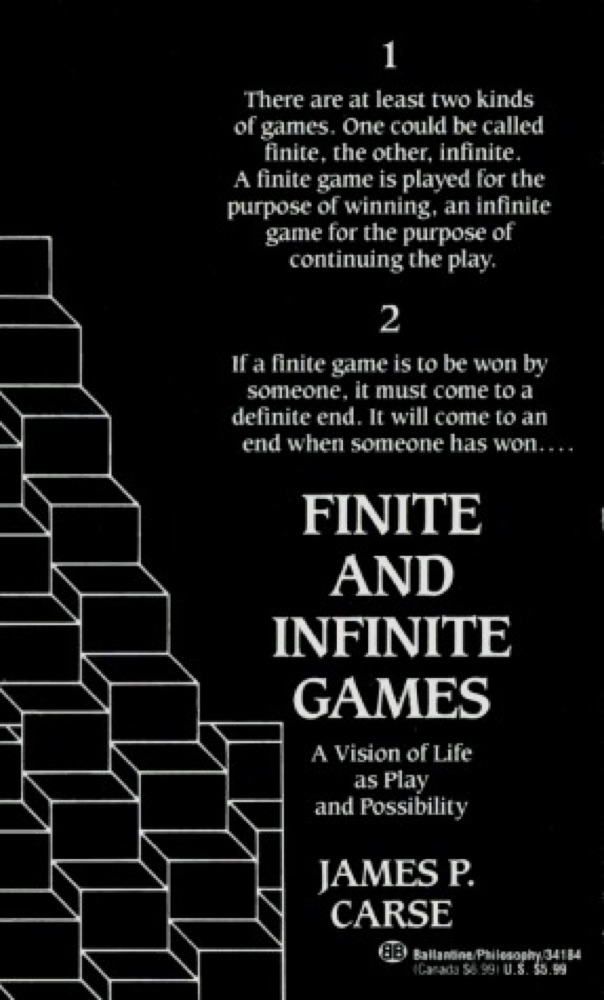 Finite and Infinite Games: A Vision of Life as Play and Possibility
 Mao II
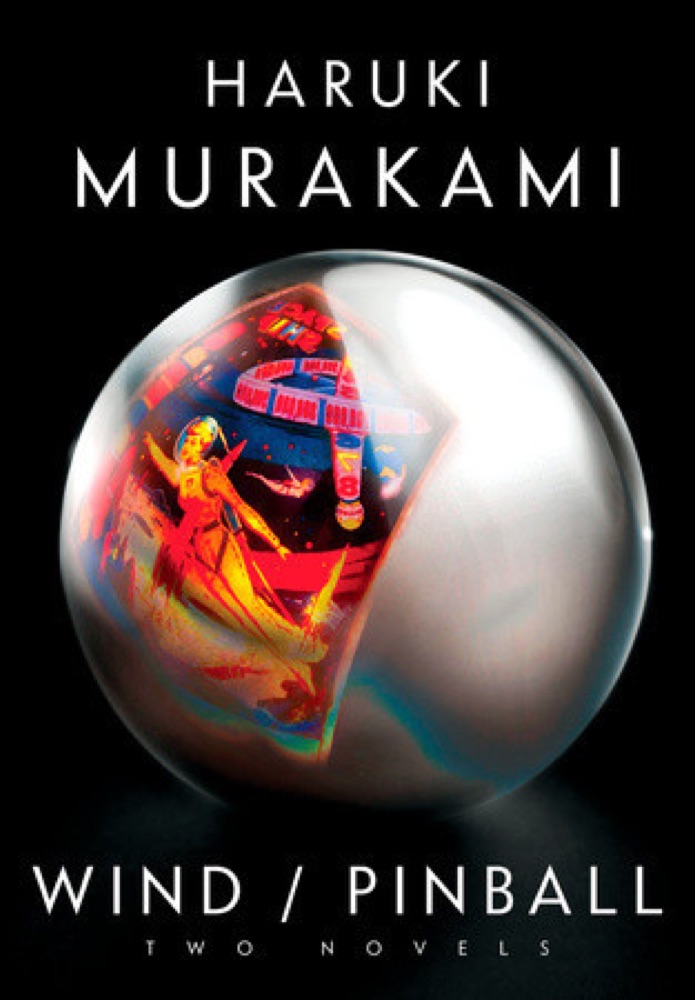 Wind/Pinball: Two Novels
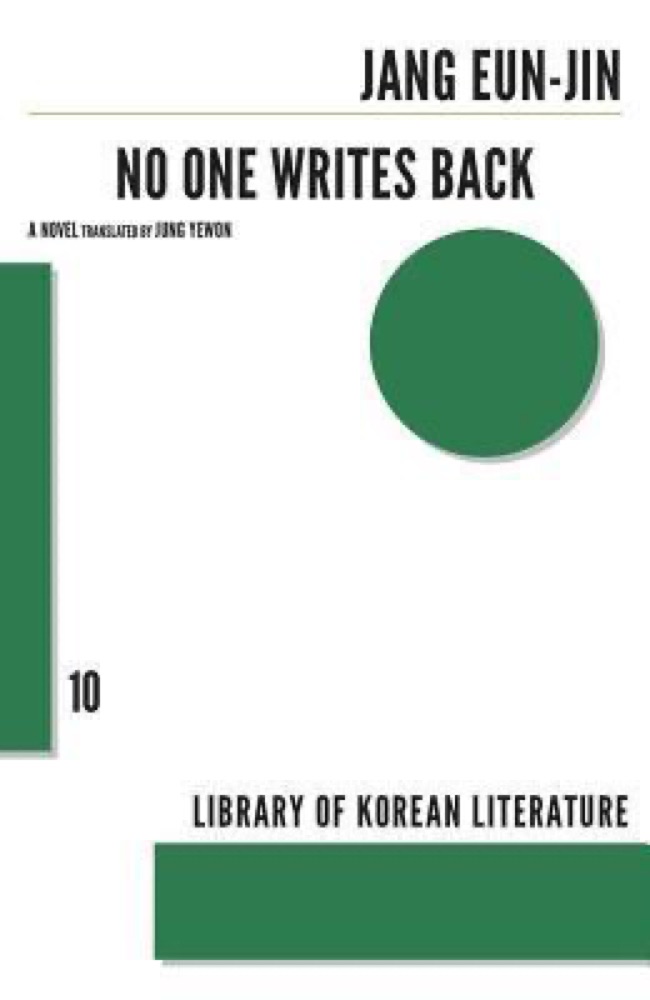 No One Writes Back
 The Blue Flower
 Asymmetry
 The Notebooks of Malte Laurids Brigge
 Another Roadside Attraction
 Life Itself
 Winter
 Walk Through Walls: A Memoir
 Plainwater: Essays and Poetry
 Dead Poets Society
 Toward Eternity
 Drive Your Plow Over the Bones of the Dead
 One Man's Meat
 Dhalgren
 Nutshell
 A Fisherman of the Inland Sea
 Even Cowgirls Get the Blues
 The Essays of Ralph Waldo Emerson