
 Ficciones
Quotes from the Book
A writer, or any man, must believe that whatever happens to him is an instrument; everything has been given for an end. This is even stronger in the case of the artist. Everything that happens, including humiliations, embarrassments, misfortunes, all has been given like clay, like material for one’s art. One must accept it. For this reason I speak in a poem of the ancient food of heroes: humiliation, unhappiness, discord. Those things are given to us to transform, so that we may make from the miserable circumstances of our lives things that are eternal, or aspire to be so.
88
The thought came over me that never would one full and absolute moment, containing all the others, justify my life, that all of my instants would be provisional phases, annihilators of the past turned to face the future, and that beyond the episodic, the present, the circumstantial, we were nobody.
32
I think—the hero observes that nothing is so frightening as a labyrinth with no center.
16
His life, measured in space and time, will take up a mere few lines, which my ignorance will abbreviate further.
14
We must not be too prodigal with our angels; they are the last divinities we harbor, and they might fly away.
11
He [Omar Khayyam] is an atheist, but knows how to interpret in orthodox style the most difficult passages of the Koran; for every educated man is a theologian and faith is not a requisite.
9
The European and the North American consider that a book that has been awarded any kind of prize must be good; the Argentine allows for the possibility that the book might not be bad, despite the prize.
9
In art nothing is more secondary than the author's intentions.
8
Science is a finite sphere that grows in infinite space; each new expansion makes it include a larger zone of the unknown, but the unknown is inexhaustable.
4
Night is pleasing to us because, like memory, it erases idle details. A New Refutation of Time
4
One of the habits of the mind is the invention of horrible imaginings. - The Total Library
4
Distance and antiquity (the emphases of space and time) pull on our hearts. If we are already sobered by the thought that men lived two thousand five hundred years ago, how could we not be moved to know that they made verses, were spectators of the world, that they sheltered in light, lasting words something of their ponderous, fleeting life, words that fulfill a long destiny?
3
I had always imagined Paradise as a kind of library. - Blindness
3
Word for word, Galland’s version [of the One Thousand and One Nights] is the worst written, the most fraudulent and the weakest, but it was the most widely read. Readers who grew intimate with it experienced happiness and amazement. Its orientalism, which we now find tame, dazzled the sort of person who inhaled snuff and plotted tragedies in five acts. Twelve exquisite volumes appeared from 1707 to 1717, twelve volumes innumerably read, which passed into many languages, including Hindustani and Arabic. We, mere anachronistic readers of the twentieth century, perceive in these volumes the cloyingly sweet taste of the eighteenth century and not the evanescent oriental aroma that two hundred years ago was their innovation and their glory. No one is to blame for this missed encounter, least of all Galland.
2
I reread these negative remarks and realize that I do not know whether music can despair of music or marble of marble. I do know that literature is an art that can foresee the time when it will be silenced, an art that can become inflamed with its own virtue, fall in love with its own decline, and court its own demise.
2
There is no poet who is the total voice of love, hate, despair. That is, the great verses of humanity have still not been written. This imperfections should raise our hopes.
1
We touch a sphere, see a heap of dawn colored light, our mouths enjoy a tingling sensation, and we lie to ourselves that those three disparate things are only one thing called an orange.
1
There is nothing more characteristic of a country than its imaginations. - Prologue to The Tiger Guest, P'u Sung-ling
1
All things go off, leaving us. Old age is probably the supreme solitude - except that the supreme solitude is death. - Blindness
1
A book of genius is a book that can be read in a slightly or very different way by each generation. - The Enigma of Shakespeare
1
When a country has a strong spirit, foreign and exotic influences do not debilitated that spirit, they strengthen it. - German Literature in the Age of Bach
1
Destiny prefers to repeat forms, and what happened once happens often. - A History of the Tango
1
Burning books and erecting fortifications are the usual occupations of princes. - The Wall and the Books
1
Each moment we live exists, not the imaginary combination of these moments. A New Refutation of Time
1
I swear never to involve myself again [in conversation with Nazi sympathisers], for the time granted to mortals is not infinite and the fruits of these discussions is vain. - Definition of a Germanophile
1
If only some eternal book existed, primed for our enjoyment and whims, no less inventive in the populous morning than the secluded night, oriented toward all hours of the world. Your favourite books, reader, are like rough drafts of that book without a final reading. - Literary Pleasure
1
Nouns are abbreviations. Instead of saying cold, sharp, burning, unbreakable, shining, pointy, we utter "dagger"; - Verbiage for Poems
1
Language is an efficient ordering of the world's enigmatic abundance. Verbiage for Poems
1
Many futile hours cluster in remembrance around one hour in which there was love. - The Nothingness of Personality
1
Memory is no more than the noun by which we imply that among the innumerable possible states of consciousness, many occur again in an imprecise way. - The Nothingness of Personality
1
Watch on YouTube
About Jorge Luis Borges
We have collected 245 quotes from 14 books by Jorge Luis Borges on BookQuoters.
More about the author →More by Jorge Luis Borges
Ficciones
 Labyrinths: Selected Stories and Other Writings
 The Aleph and Other Stories
 The Book of Sand and Shakespeare's Memory
About the book
Winner of the National Book Critics Circle Award in Criticism
The first comprehensive selection in any language of the non-fiction--much of it appearing here in English for the first time--of “one of literature’s most fertile and original minds” (San Francisco Chronicle)
A Penguin Classics Deluxe Edition with flaps and deckle-edged paper
It will come as a surprise to many readers that the greater part of Jorge Luis Borges’s extraordinary writing was not in the genres of fiction or poetry, but in various forms of non-fiction prose. His thousands of pages of essays, reviews, prologues, lectures, and notes on politics and culture—though revered in Latin America and Europe as among his finest work—have scarcely been translated into English.
Selected Non-Fictions presents a Borges almost entirely unknown to American readers. Here is the dazzling metaphysician speculating on the na
Book details
- First published
- 1999
- Author
- Jorge Luis Borges
- Genre
- Nonfiction
- Goodreads rating
- 4.44 (2k ratings)
Keep reading
Labyrinths: Selected Stories and Other Writings
 Illuminations: Essays and Reflections
 Collected Fictions
 The Common Reader
 The Stories of Vladimir Nabokov
Ficciones
The Stories of Vladimir Nabokov
Ficciones
 The Paper Menagerie and Other Stories
 Complete Works of Oscar Wilde
 The Essays of Ralph Waldo Emerson
 The Name of the Rose
 Time Regained
 The Abundance
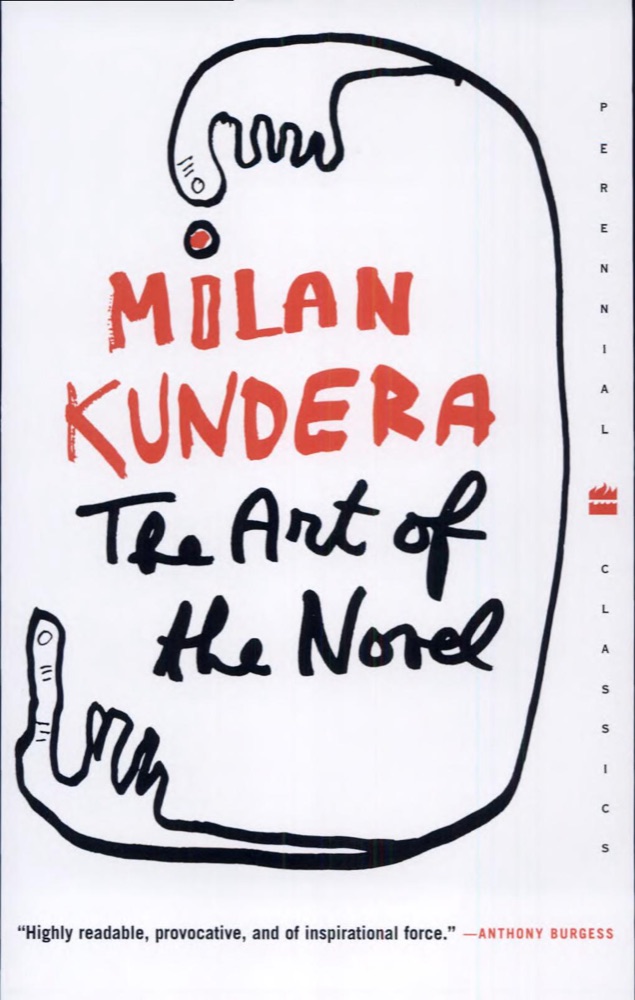 The Art of the Novel
 Flights
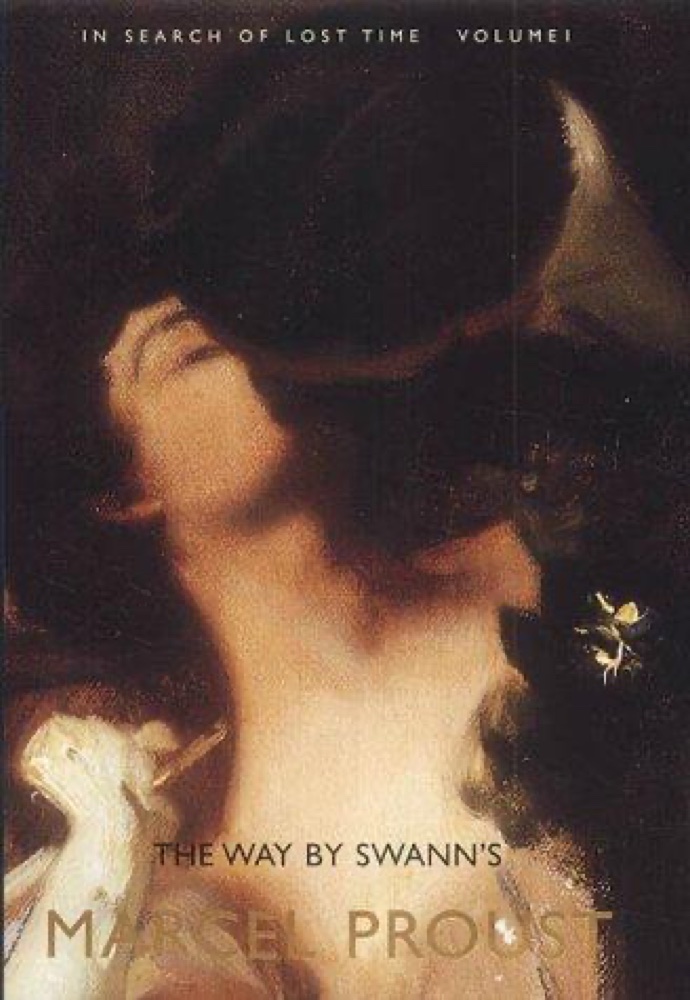 In Search of Lost Time
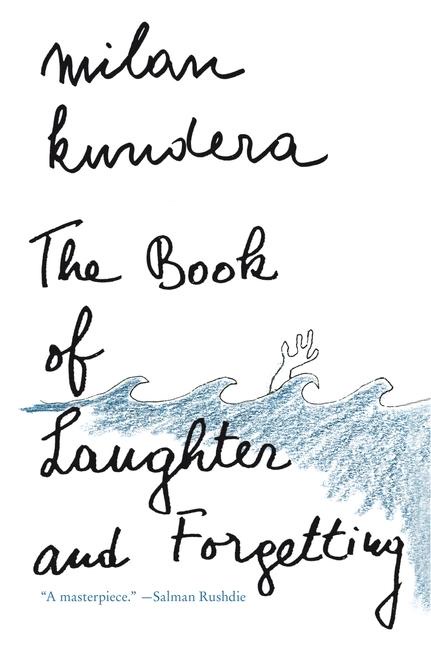 The Book of Laughter and Forgetting
 The World as Will and Representation, Vol 1
 Daniel Deronda
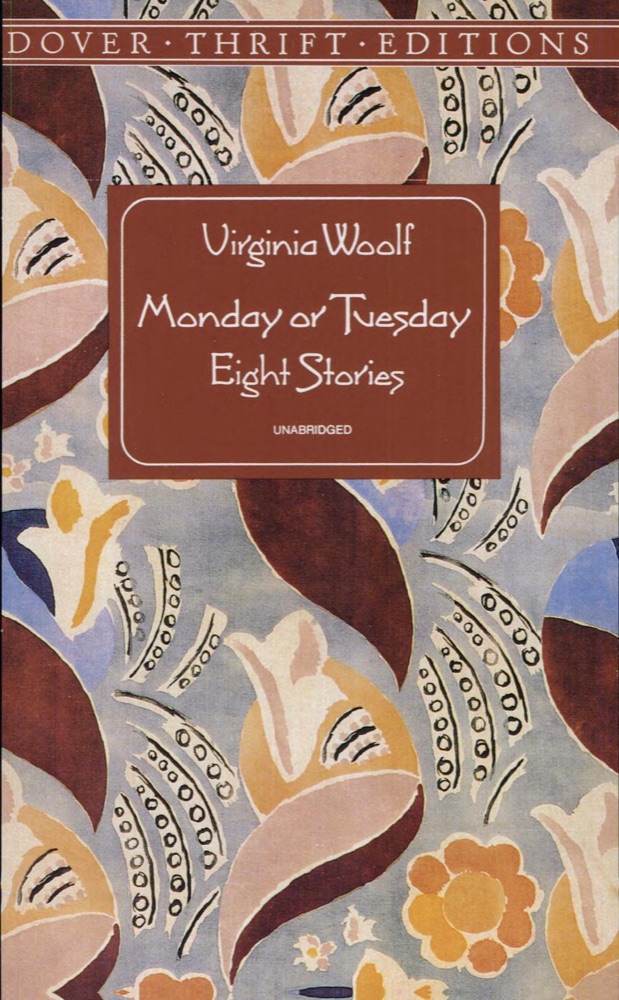 Monday or Tuesday
 The Magic Mountain
 How to Read Literature
 Death in Venice and Other Tales
 Eyeless in Gaza
 Speak, Memory
 Basic Writings of Nietzsche
 Winter Hours: Prose, Prose Poems, and Poems
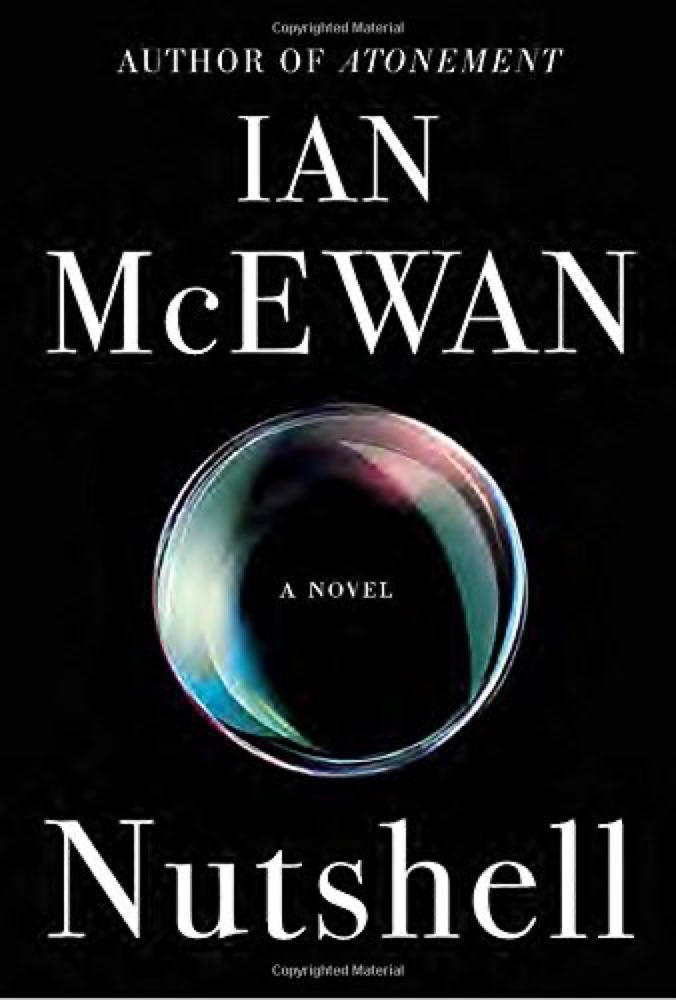 Nutshell
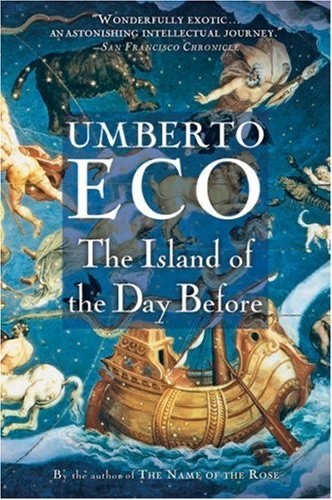 The Island of the Day Before
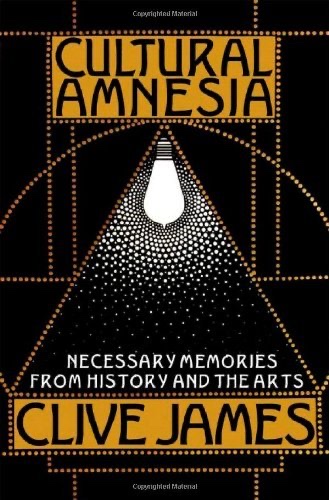 Cultural Amnesia: Necessary Memories from History and the Arts
 Spring and All
 The Summer Without Men
 Madness, Rack, and Honey: Collected Lectures
 Empire of Silence
 Lectures on Literature
 The Book of Form and Emptiness
 Aspects of the Novel
 The Invention of Solitude
 The Wave in the Mind: Talks and Essays on the Writer, the Reader and the Imagination
 The Blue Flower
 Selected Poems
 Autumn
 Flaubert's Parrot
 Only Dull People Are Brilliant at Breakfast
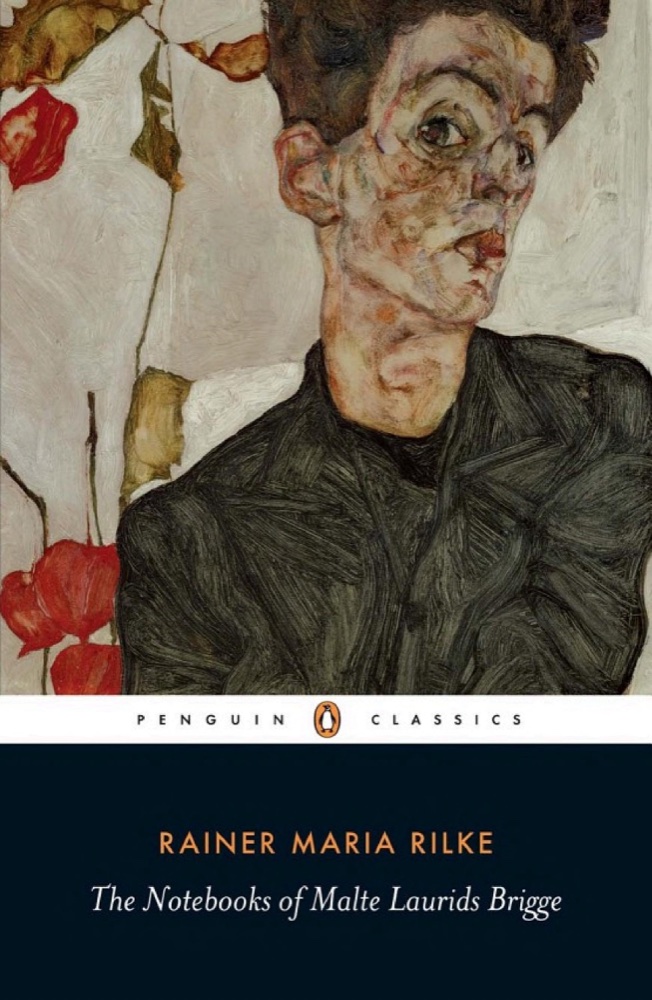 The Notebooks of Malte Laurids Brigge
 Orlando
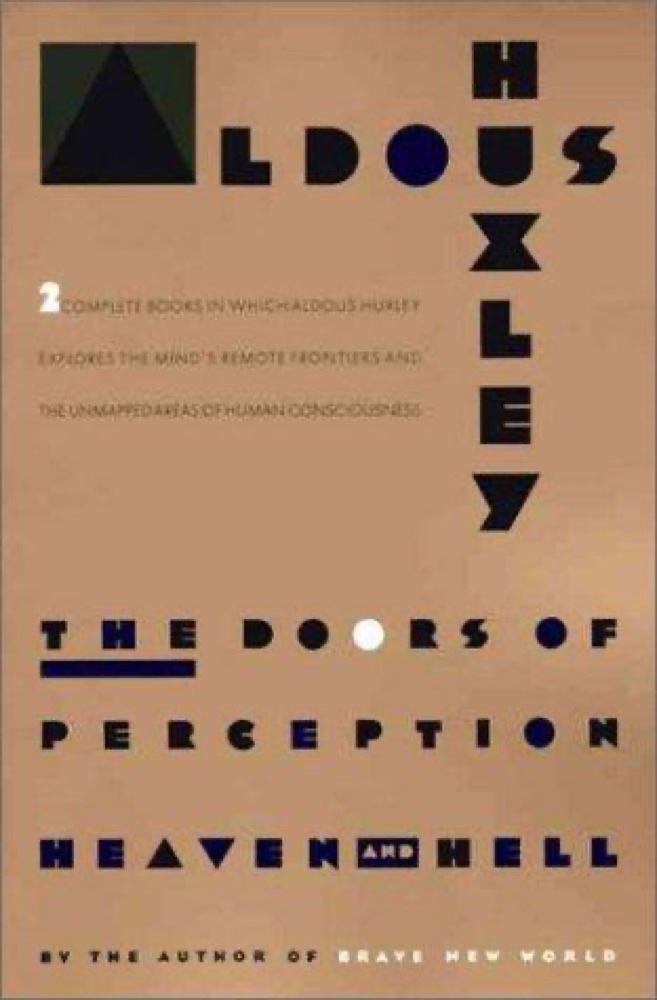 The Doors of Perception & Heaven and Hell
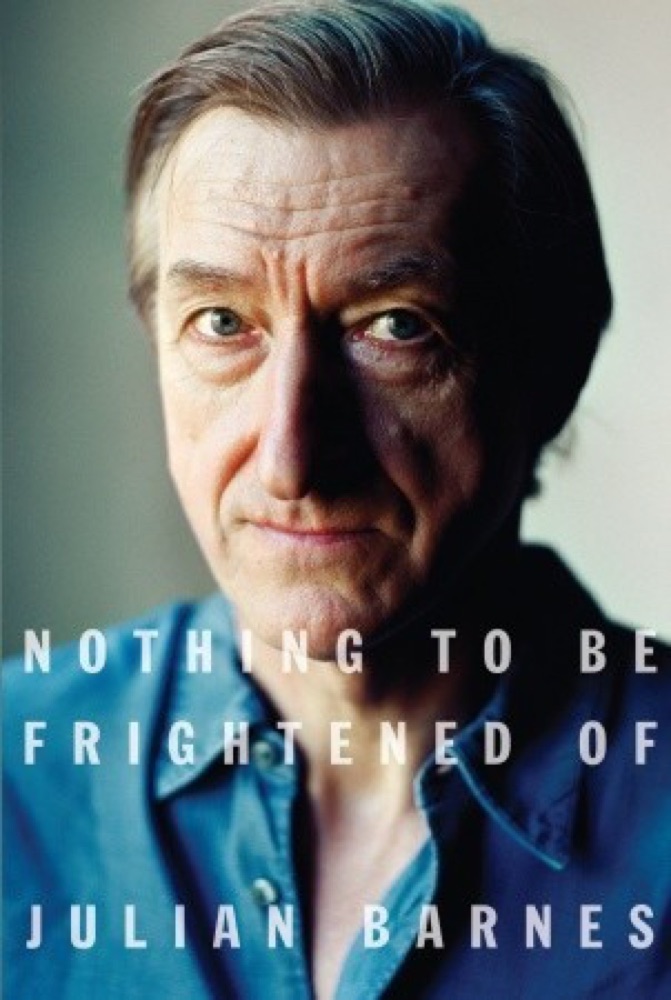 Nothing to Be Frightened Of
 Moravagine
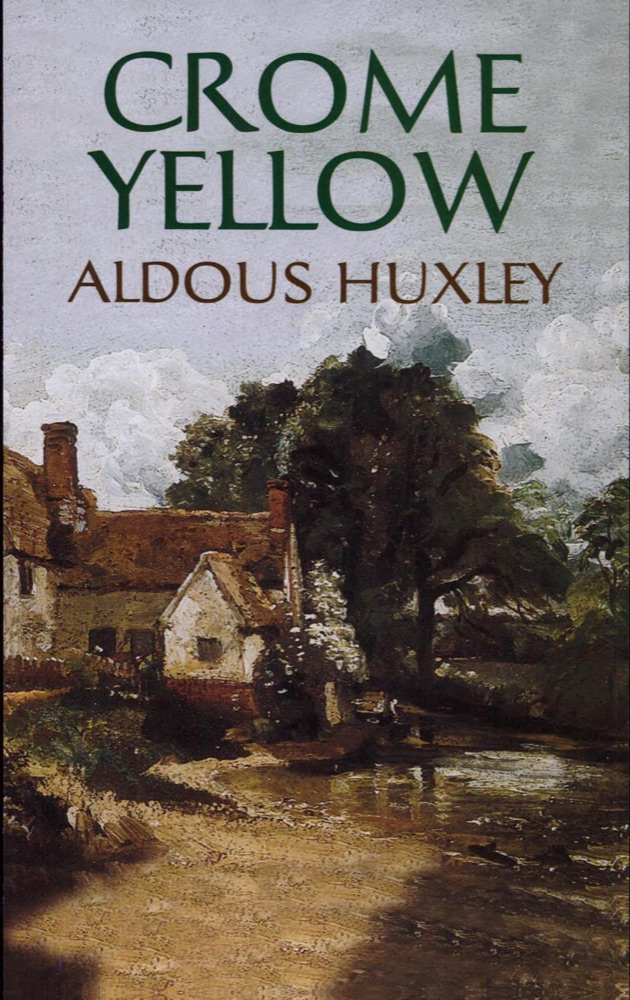 Crome Yellow
 The Names
 One Way Street And Other Writings
 The Black Book
 The Recognitions
 Dæmon Voices
 Maldoror and the Complete Works
 The Language of the Night: Essays on Writing, Science Fiction, and Fantasy
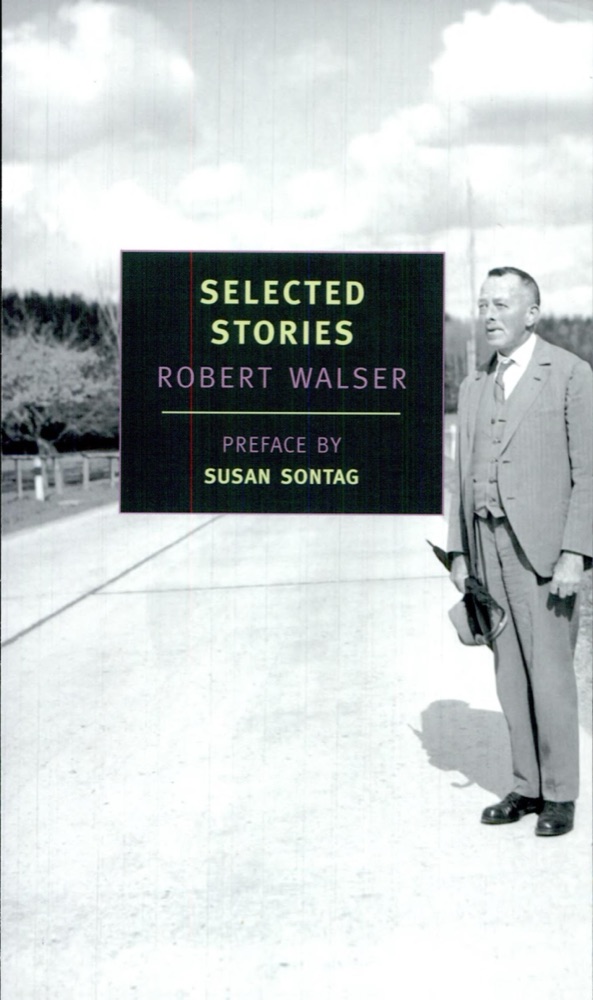 Selected Stories
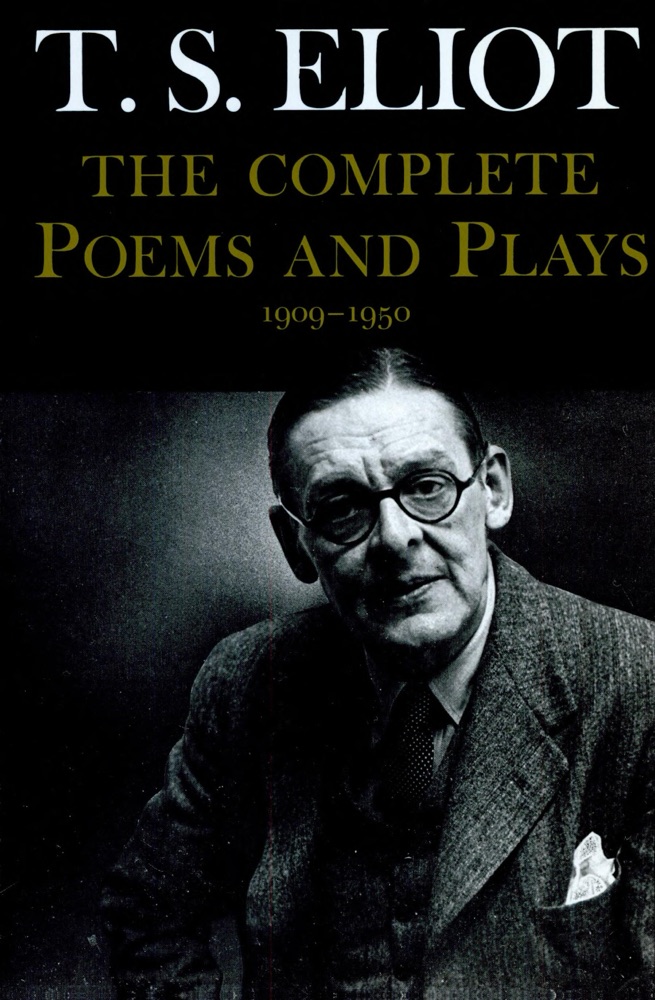 The Complete Poems and Plays, 1909-1950
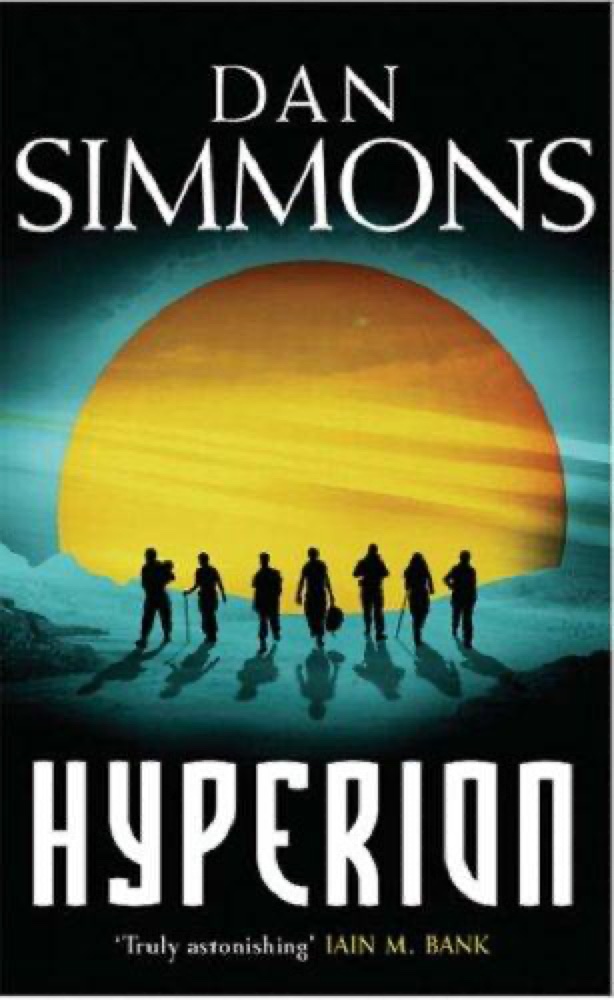 Hyperion
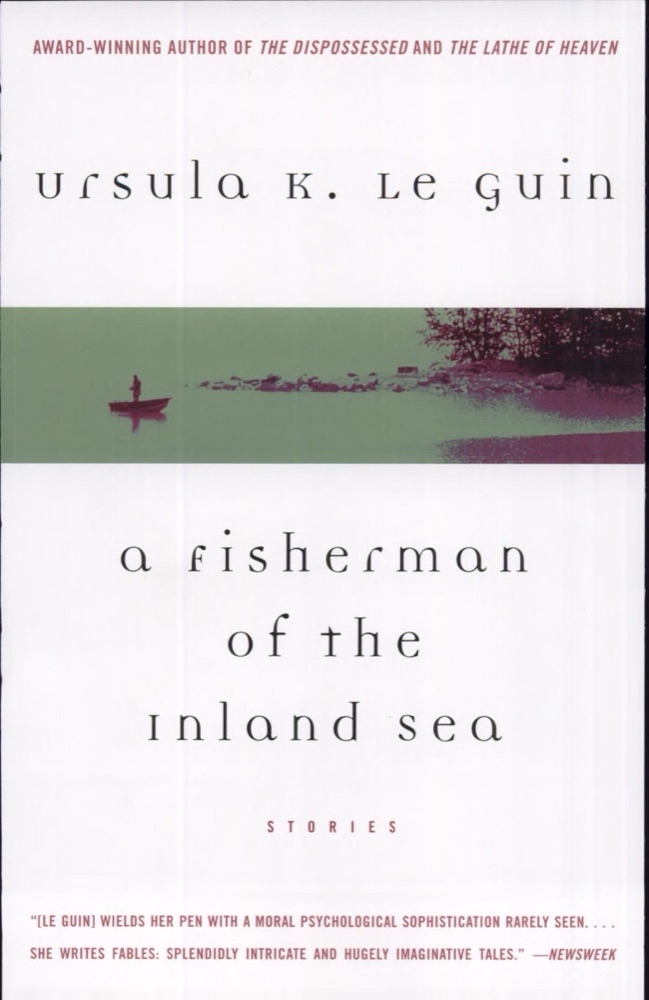 A Fisherman of the Inland Sea