 The Burial at Thebes: A Version of Sophocles' Antigone
Quotes from the Book
Between my finger and my thumb The squat pen rests; snug as a gun.
72
How perilous is it to choose not to love the life we’re shown?
15
We were small and thought we knew nothing Worth knowing. We thought words travelled the wires In the shiny pouches of raindrops, Each one seeded full with the light Of the sky, the gleam of the lines, and ourselves So infinitesimally scaled We could stream through the eye of a needle.
10
You carried your own burden and very soon your symptoms of creeping privilege disappeared.
8
Late August, given heavy rain and sun For a full week, the blackberries would ripen. At first, just one, a glossy purple clot Among others, red, green, hard as a knot. You ate that first one and its flesh was sweet Like thickened wine: summer's blood was in it Leaving stains upon the tongue and lust for Picking. Then red ones inked up and that hunger Sent us out with milk cans, pea tins, jam-pots Where briars scratched and wet grass bleached our boots. Round hayfields, cornfields and potato-drills We trekked and picked until the cans were full, Until the tinkling bottom had been covered With green ones, and on top big dark blobs burned Like a plate of eyes. Our hands were peppered With thorn pricks, our palms sticky as Bluebeard's. We hoarded the fresh berries in the byre. But when the bath was filled we found a fur, A rat-grey fungus, glutting on our cache. The juice was stinking too. Once off the bush The fruit fermented, the sweet flesh would turn sour. I always felt like crying. It wasn't fair That all the lovely canfuls smelt of rot. Each year I hoped they'd keep, knew they would not.
7
The form of the poem, in other words, is crucial to poetry’s power to do the thing which always is and always will be to poetry’s credit: the power to persuade that vulnerable part of our consciousness of its rightness in spite of the evidence of wrongness all around it, the power to remind us that we are hunters and gatherers of values, that our very solitudes and distresses are creditable, in so far as they, too, are an earnest of our veritable human being.
6
Only the very stupid or the very deprived can any longer help knowing that the documents of civilization have been written in blood and tears, blood and tears no less real for being very remote.
5
As writers and readers, as sinners and citizens, our realism and our aesthetic sense make us wary of crediting the positive note. The very gunfire braces us and the atrocious confers a worth upon the effort which it calls forth to confront it.
5
peace is merely the desolation left behind after the decisive operations of merciless power.
5
Archibald MacLeish affirmed that ‘A poem should be equal to / not true’. As a defiant statement of poetry’s gift for telling truth but telling it slant, this is both cogent and corrective. Yet there are times when a deeper need enters, when we want the poem to be not only pleasurably right but compellingly wise, not only a surprising variation played upon the world, but a retuning of the world itself. We want the surprise to be transitive, like the impatient thump which unexpectedly restores the picture to the television set, or the electric shock which sets the fibrillating heart back to its proper rhythm. We want what the woman wanted in the prison queue in Leningrad, standing there blue with cold and whispering for fear, enduring the terror of Stalin’s regime and asking the poet Anna Akhmatova if she could describe it all, if her art could be equal to it.
5
The main thing is to write for the joy of it. Cultivate a work-lust that imagines its haven like your hands at night dreaming the sun in the sunspot of a breast.
5
Was music once a proof of God’s existence? As long as it admits things beyond measure, That supposition stands.
3
Which would be better, what sticks or what falls through? Or does the choice itself create the value?
3
I composed habits for those acres so that my last look would be neither gluttonous nor starved. I was ready to go anywhere.
2
So whether he calls it spirit music or not, I don't care. He took it out of wind off mid-Atlantic.
2
What do we say any more to conjure the salt of our earth? So much comes and is gone that should be crystal and kept, and amicable weathers that bring up the grain of things, their tang of season and store, are all the packing we’ll get.
1
It said, ‘Lie down in the word-hoard, burrow the coil and gleam of your furrowed brain. Compose in darkness. Expect aurora borealis in the long foray but no cascade of light.
It was a fortunate wind That blew me here. I leave Half-ready to believe That a crippled trust might walk And the half-true rhyme is love. - From "Voices from Lemnos
Watch on YouTube
About Seamus Heaney
We have collected 58 quotes from 4 books by Seamus Heaney on BookQuoters.
More about the author →More by Seamus Heaney
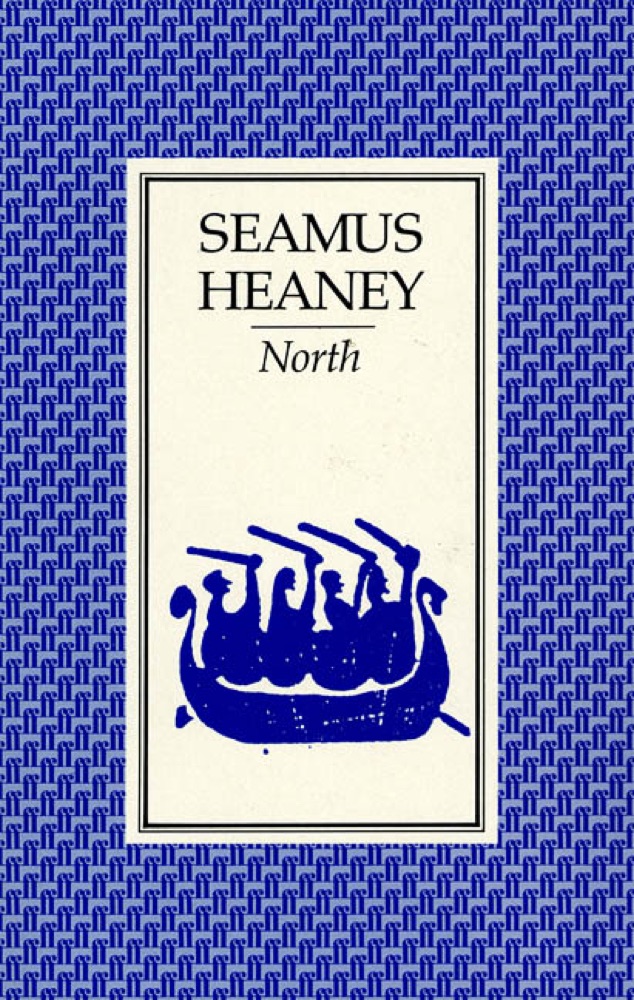
About the book
In "Digging", the first poem in Opened Ground, Heaney likens his pen to both spade and gun. With these metaphors in place, he makes clear his difficult poetic task: to delve into the past, both personal and historic, while remaining ever mindful of the potentially fatal power of language.
Born and raised in Northern Ireland, where any hint of Gaelic tradition in one's speech was considered a political act, Heaney is all too aware of the dire consequences of speaking one's mind. Indeed, during times of crisis, he has been expected to appear on television and dispense political wisdom.
Most often, however, he stays out of the fray and opts for a supreme sense of empathy to guide his words. As excavator--of earth, of his beloved Gaelic, of his own life--Heaney is unmatched. In "Bone Dreams", the archaeologist's task is synonymous with reaching for a cultural past: I push back through
Book details
- First published
- 1996
- Author
- Seamus Heaney
- Genre
- Literature
- Goodreads rating
- 4.27 (6k ratings)
Keep reading
 Winter Hours: Prose, Prose Poems, and Poems
 The Complete Poems of Emily Dickinson
 The Abundance
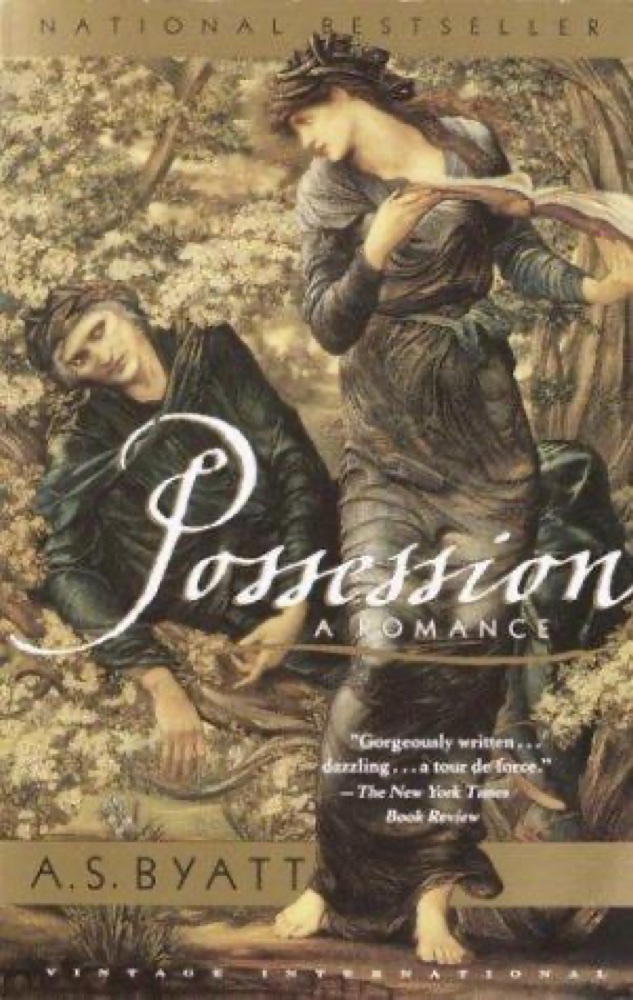 Possession
 In the Heart of the Heart of the Country and Other Stories
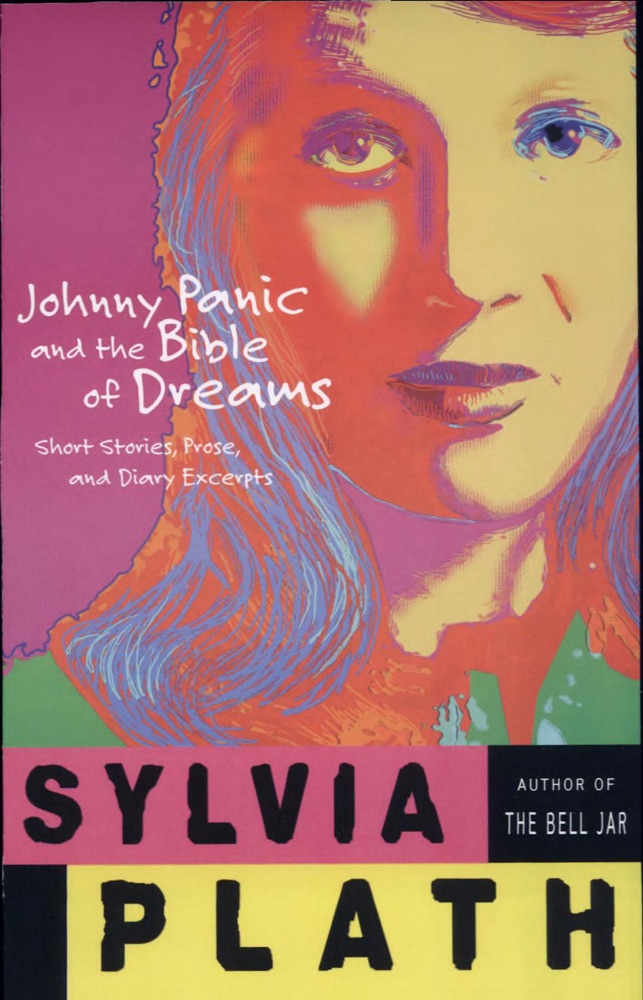 Johnny Panic and the Bible of Dreams: Short Stories, Prose and Diary Excerpts
 The Mill on the Floss
 Plainwater: Essays and Poetry
 My Friends
 Selected Poems
 Humboldt's Gift
 The Tunnel
 Hyperion
 March
March
 Complete Poems
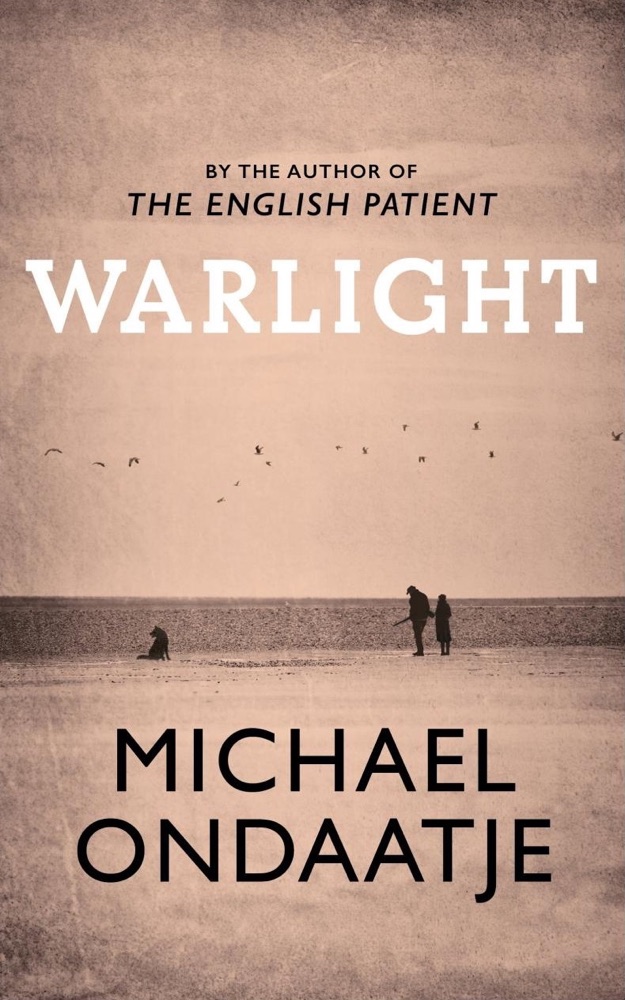 Warlight
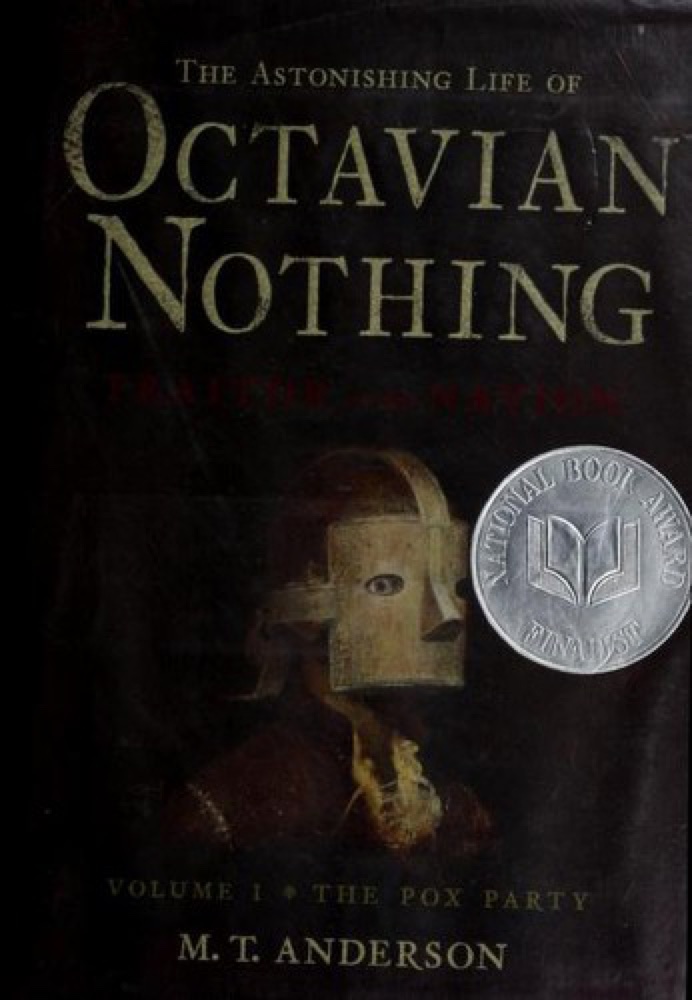 The Pox Party
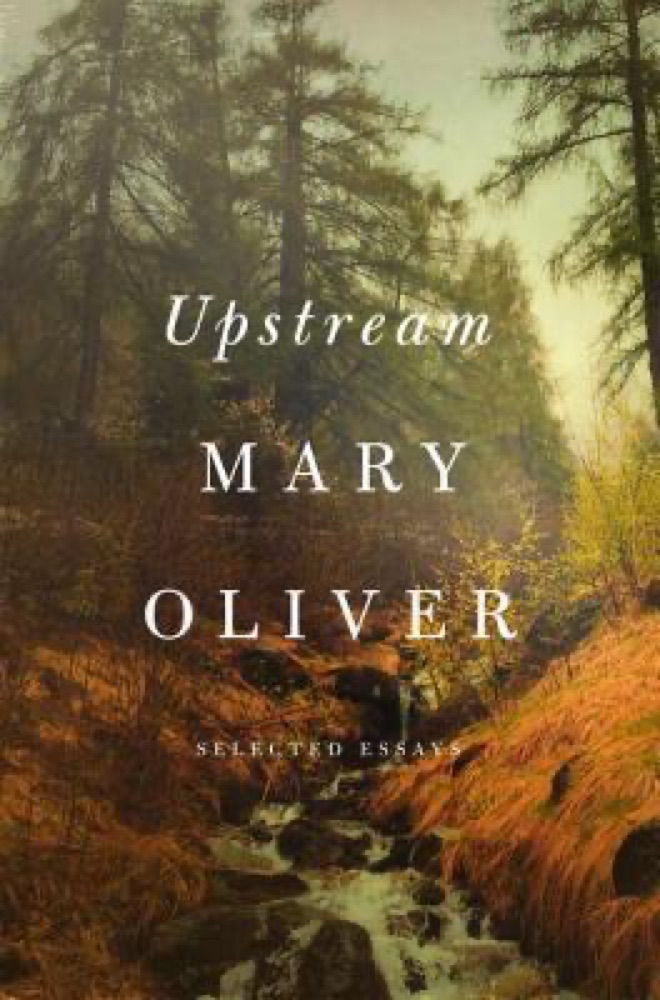 Upstream: Selected Essays
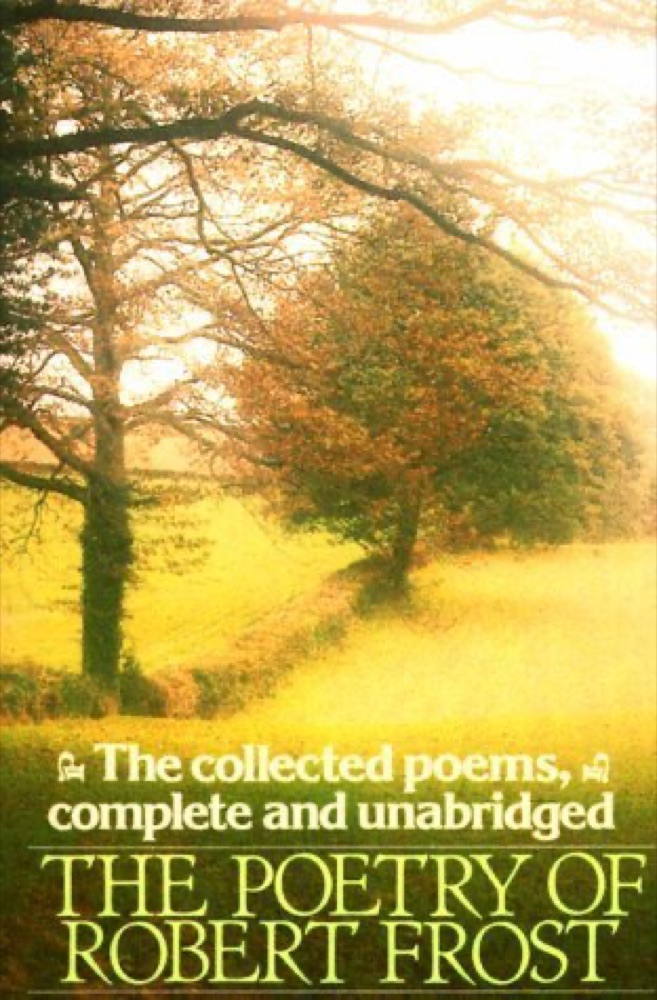 The Poetry of Robert Frost
 Dhalgren
 Peace Like a River
 The Collected Poems of Audre Lorde
 The Untouchable
 The Moor's Last Sigh
 Daniel Deronda
 Weaveworld
 Betting on the Muse: Poems & Stories
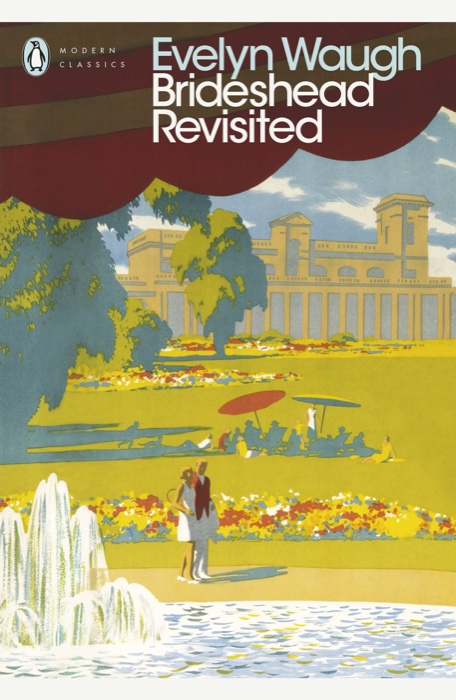 Brideshead Revisited: The Sacred and Profane Memories of Captain Charles Ryder
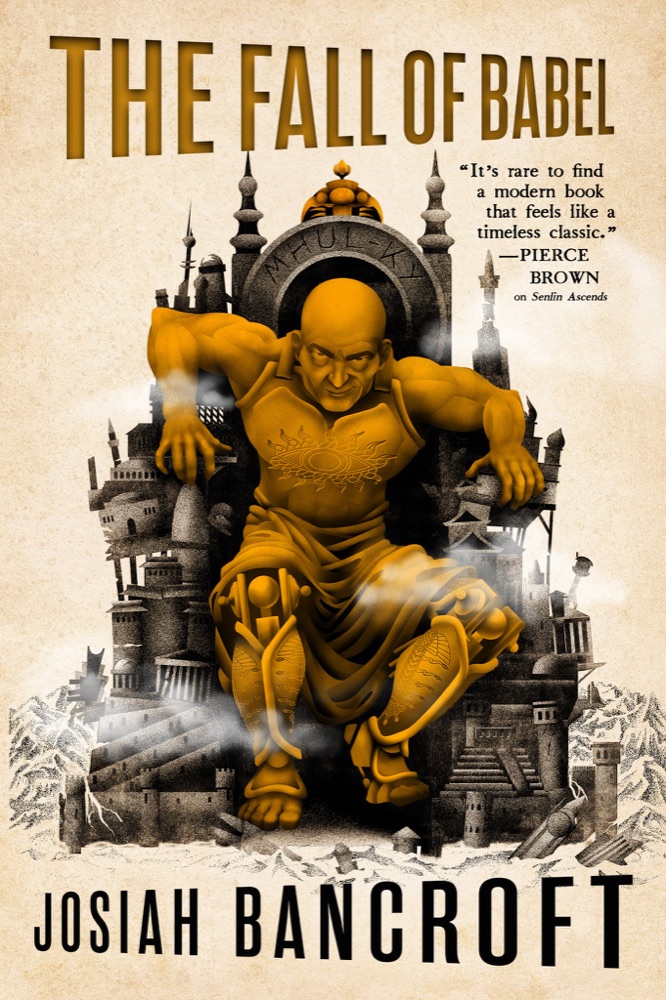 The Fall of Babel
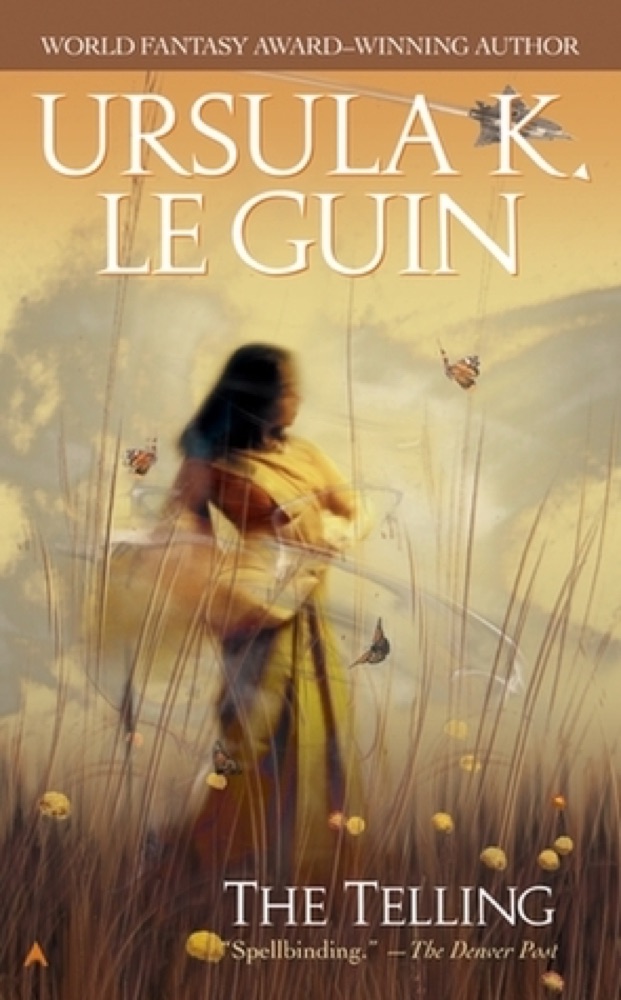 The Telling
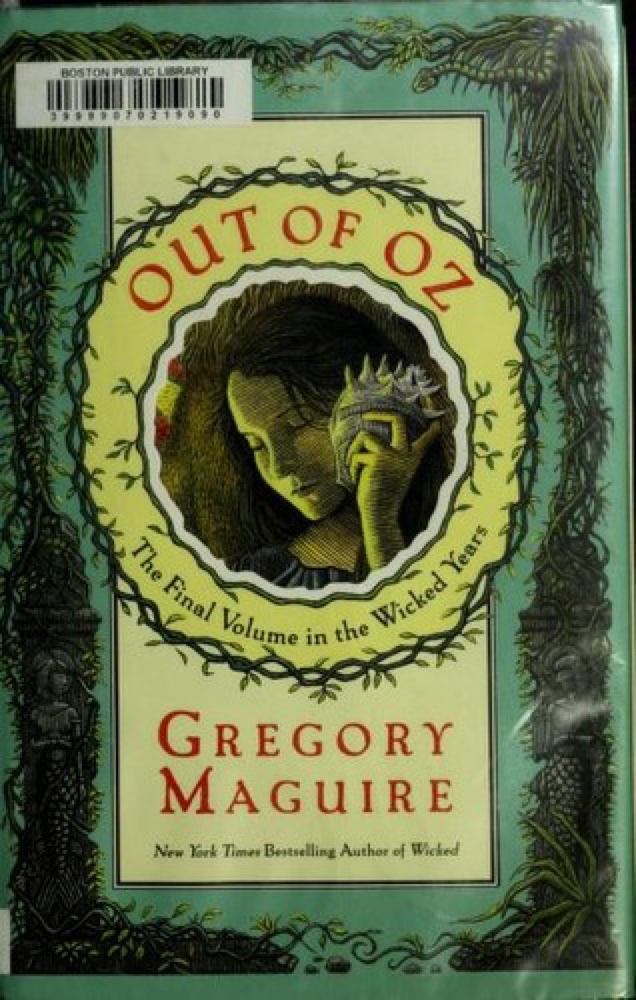 Out of Oz
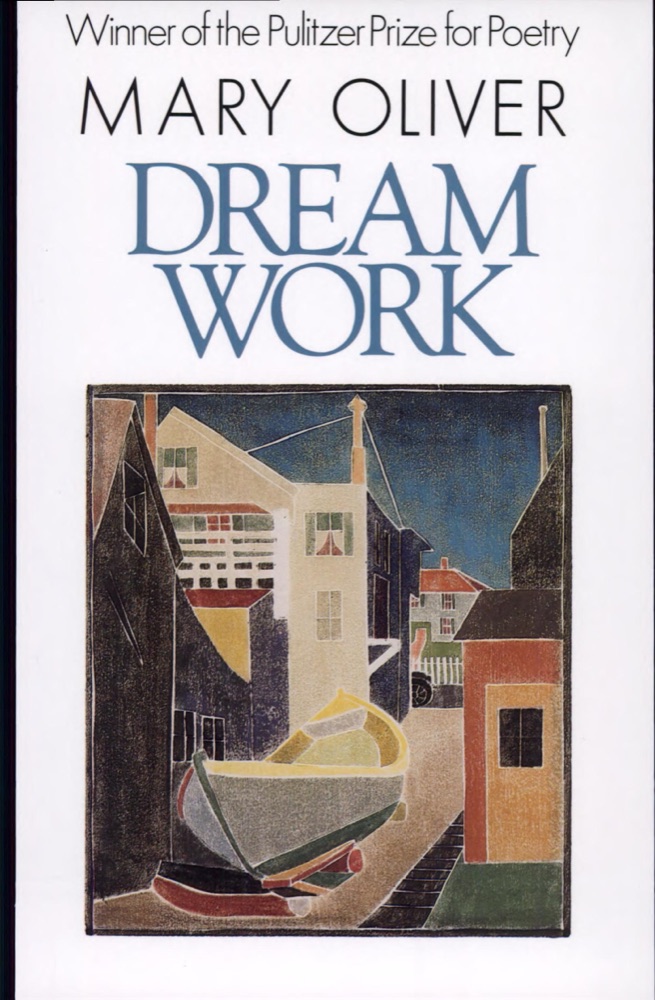 Dream Work
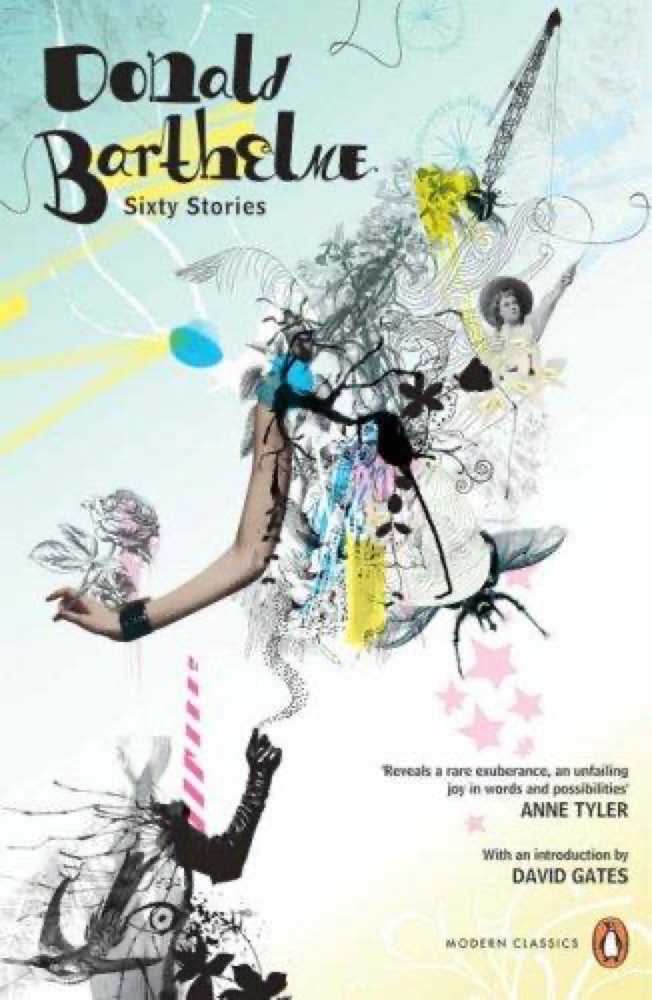 Sixty Stories
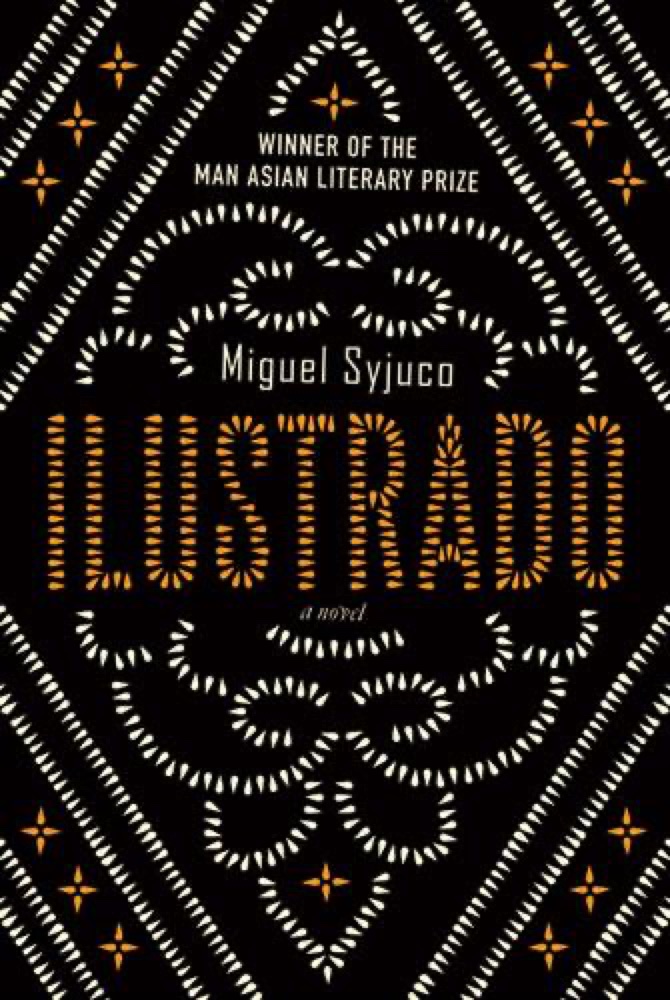 Ilustrado
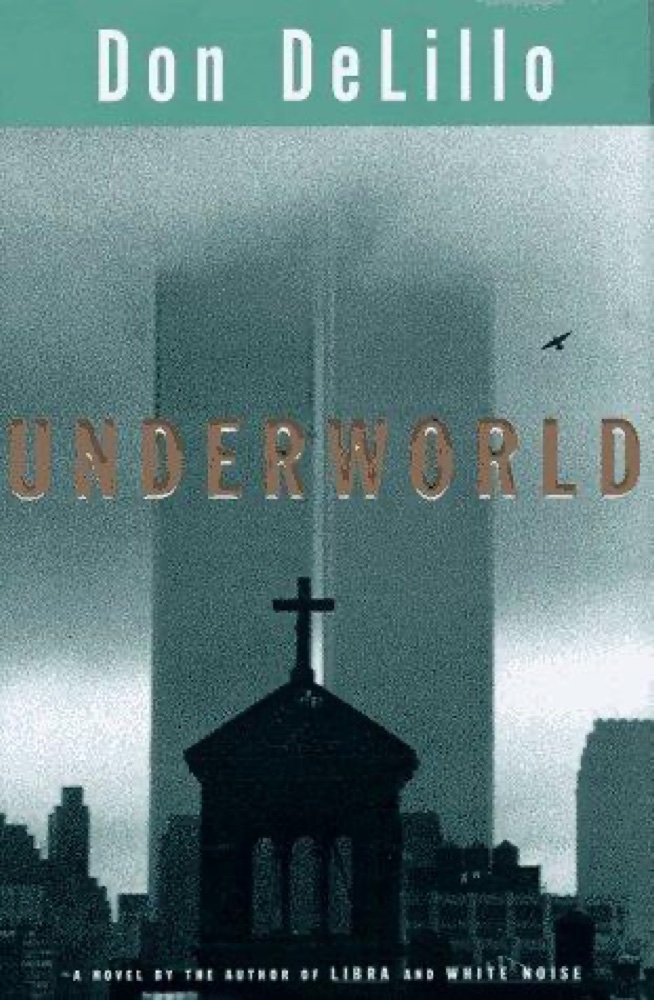 Underworld
 The Quick and the Dead
 The Angel Esmeralda
 Lord Jim
 Fugitive Pieces
 And the Mountains Echoed
 Spring and All
 Spoon River Anthology
 The Offing
 West with the Night
 This Is Happiness
 The Kingdom on the Waves
 Swann's Way
 Embers
 The Ground Beneath Her Feet
 The Recognitions
 Small Wonder
 Angle of Repose
 Speak, Memory
 Absalom, Absalom!
 Birdsong
 Sexing the Cherry
 I Cheerfully Refuse
 The Collected Poems of Emily Dickinson
 Ulysses
 View with a Grain of Sand: Selected Poems