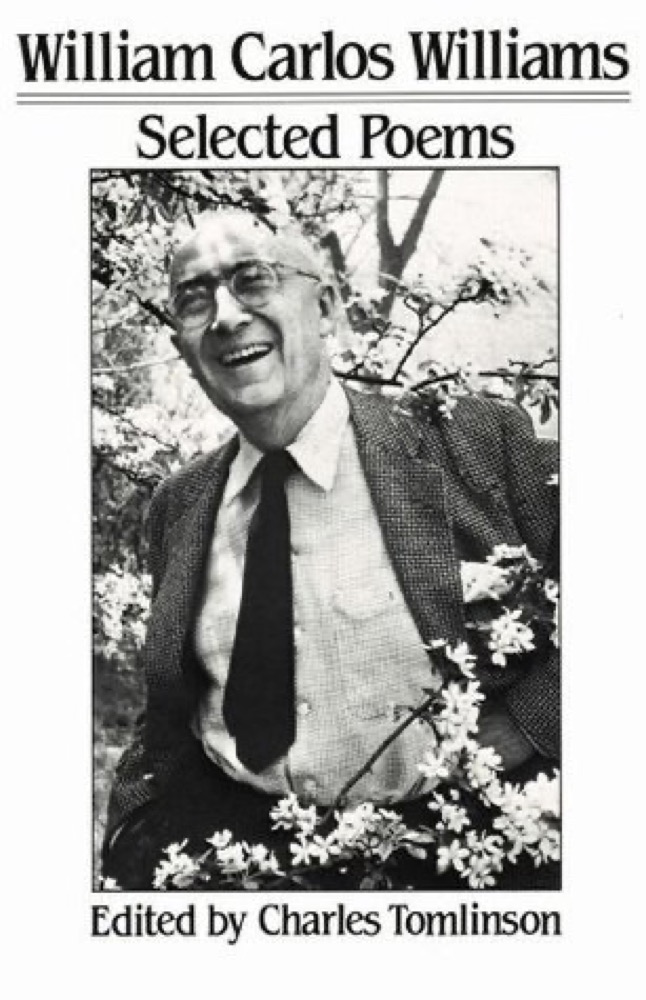
 Selected Poems
Quotes from the Book
It is at the edge of the petal that love waits
86
so much depends upon a red wheel barrow glazed with rain water beside the white chickens.
38
Writing is not a searching about in the daily experience for apt similes and pretty thoughts and images… It is not a conscious recording of the day’s experiences ‘freshly and with the appearance of reality’… The writer of imagination would find himself released from observing things for the purpose of writing them down later. He would be there to enjoy, to taste, to engage the free world, not a world which he carries like a bag of food, always fearful lest he drop something or someone get more than he.
29
As birds' wings beat the solid air without which none could fly so words freed by the imagination affirm reality by their flight.
24
If anything of the moment results — so much the better. And so much the more likely will it be that no one will want to see it.
2
stockings, shoes, hairpins your bed, I wrapped myself round you –
1
It lives as pictures only can : by their power TO ESCAPE ILLUSION and stand between man and nature as saints once stood between man and the sky...
1
To hell with you and your poetry — You will rot and be blown through the next solar system with the rest of the gases —
1
Time does not move. Only ignorance and stupidity move. Intelligence (force, power) stands still with time and forces change about itself - sifting the world for permanence, in the drift of nonentity.
1
In my life the furniture eats me the chairs, the floor the walls which heard your sobs drank up my emotion- they which alone know everything and snitched on us in the morning-
1
Black wind, I have poured my heart out to you until I am sick of it- Now I run my hand over you feeling the play of your body - the quiver of it's strength-
1
The man of imagination who turns to art for release and fulfilment of his baby promises contends with the sky through the layers of demoded words and shapes.
1
First must come the transposition of the faculties to the only world of reality that men know : the world of the imagination, wholly our own. From this world alone does the work gain power, its soil the only one whose chemistry is perfect to the purpose. The exaltation men feel before a work of art is the feeling of reality they draw from it. It sets them up, places a value upon experience – (said that half a dozen times already).
...and that beauty is related not to loveliness but to a state in which reality plays a part
The reader knows himself as he was twenty years ago and he has also in mind a vision of what he would be, some day. Oh, some day! But the thing he never knows and never dares to know is what he is at the exact moment that he is. And this moment is the only thing in which I am at all interested. Ergo, who cares for anything I do? And what do I care?
a crown for her head with castles upon it, skyscrapers filled with nut-chocolates
But though I have felt "free" only in the presence of works of the imagination, knowing the quickening of the sense which came of it, and though this experience has held me firm at such times, yet being of a slow but accurate understanding, I have not always been able to complete the intellectual steps which would make me firm in the position. So most of my life has been lived in hell -- a hell of repression lit by flashes of inspiration, when a poem such as this or that would appear
Imagination is not to avoid reality, nor is it description nor an evocation of objects or situations, it is to say that poetry does not tamper with the world but moves it - It affirms reality most powerfully and therefore, since reality needs no personal support but exists free from human action, as proven by science in the indestructibility of matter and of force, it creates a new object, a play, a dance which is not a mirror up to nature but - As birds' wings beat the solid air without which none could fly so words freed by the imagination affirm reality by their flight.
Prose, relieved of extraneous, unrelated values must return to its only purpose : to clarity to enlighten the understanding. There is no form to prose but that which depends on clarity. If prose is not acurately adjusted to the exposition of facts it does not exist - Its form is that alone. To penetrate everywhere with enlightenment - Poetry is something quite different. Poetry has to do with the crystalization of the imagination - the perfection of new forms as addition to nature - Prose may follow to enlighten but poetry - Is what I have written prose ? The only answer is that form in prose ends with the end of that which is being communicated - If that power to go on falters in the middle of a sentence - that is the end of the sentence - Or if a new phase enters at that point it is only stupidity to go on.
The sea that encloses her young. body ula lu la lu is the sea of many arms - The blazing secrecy of noon is undone and and and the broken sand is the sound of love -
prose has to do with the fact of an emotion ; poetry has to do with the dynamisation of emotion into a separate form. This is the force of imagination. prose : statement of facts concerning emotions, intellectua states, data of all sorts - technical expositions, jargon of all sorts - fictional and other - poetry : new form dealt with as a reality in itself.
Watch on YouTube
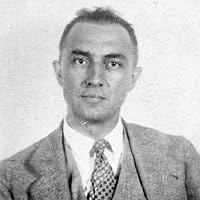
About William Carlos Williams
We have collected 30 quotes from 2 books by William Carlos Williams on BookQuoters.
More about the author →More by William Carlos Williams
Selected Poems
About the book
Valérie Rouzeau, translator.
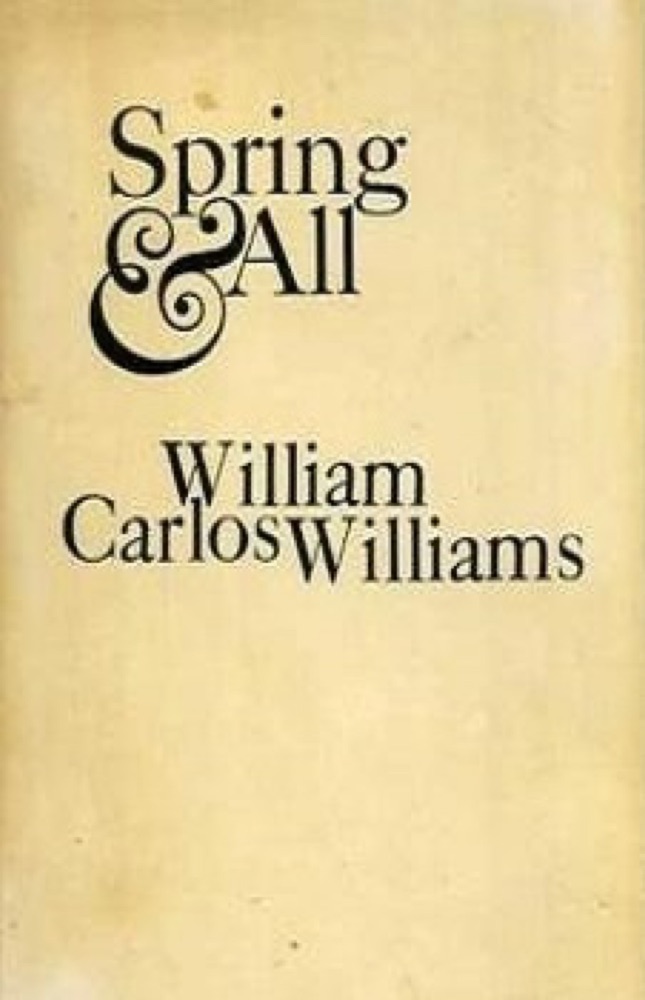
Spring and All is a manifesto of the imagination — a hybrid of alternating sections of prose and free verse that coalesce in dramatic, energetic, and beautifully cryptic statements of how language re-creates the world. Spring and All contains some of Williams’s best-known poetry, including Section I, which opens, “By the road to the contagious hospital,” and Section XXII, where Williams wrote his most famous poem, “The Red Wheelbarrow.”
Book details
- First published
- 1923
- Author
- William Carlos Williams
- Genre
- Literature
- Goodreads rating
- 4.12 (2k ratings)
Keep reading
 The Complete Poems of Emily Dickinson
 Winter Hours: Prose, Prose Poems, and Poems
 The Collected Poems
 Johnny Panic and the Bible of Dreams: Short Stories, Prose and Diary Excerpts
 Autumn
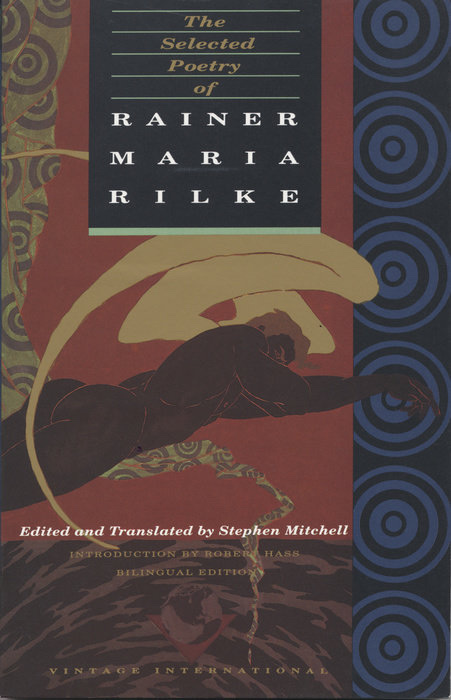 The Selected Poetry of Rainer Maria Rilke
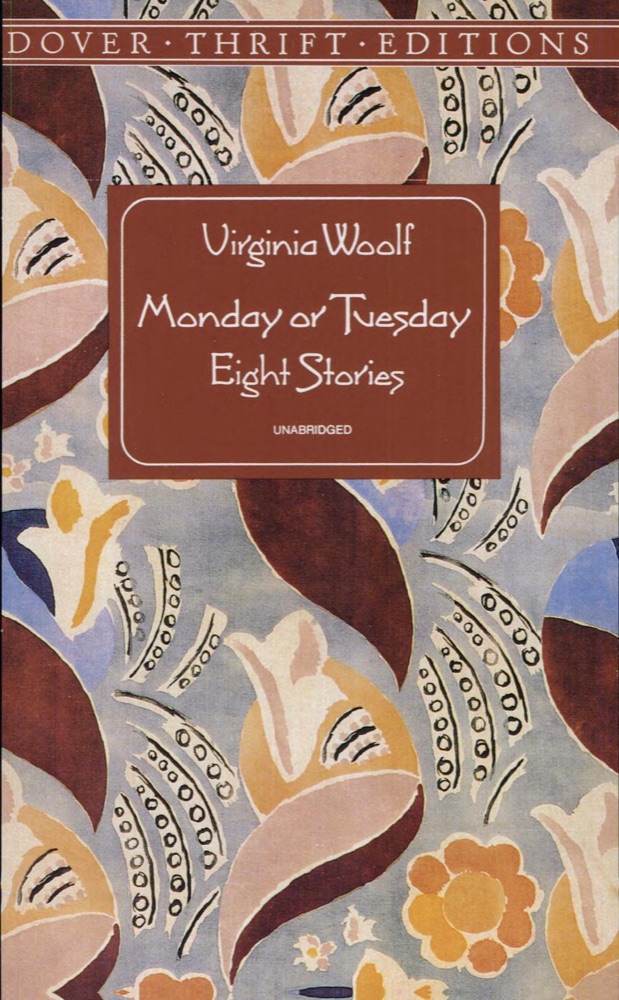 Monday or Tuesday
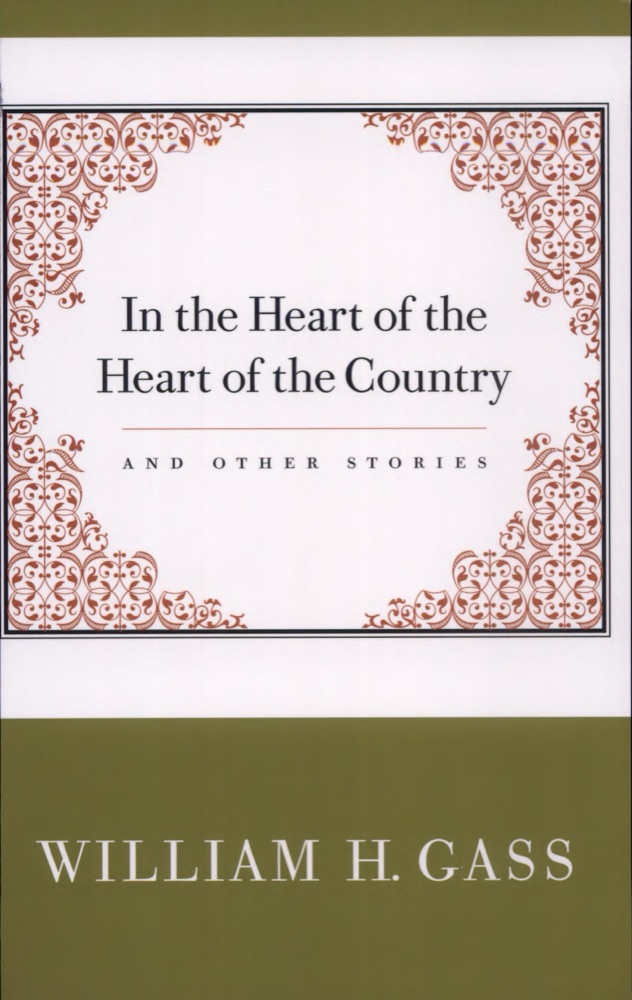 In the Heart of the Heart of the Country and Other Stories
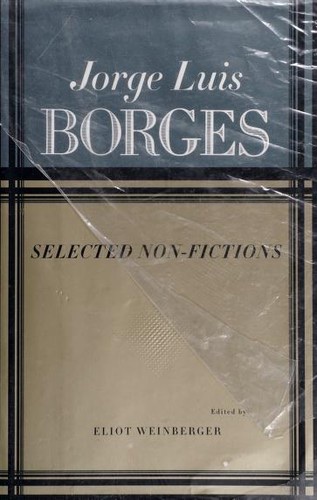 Selected Non-Fictions
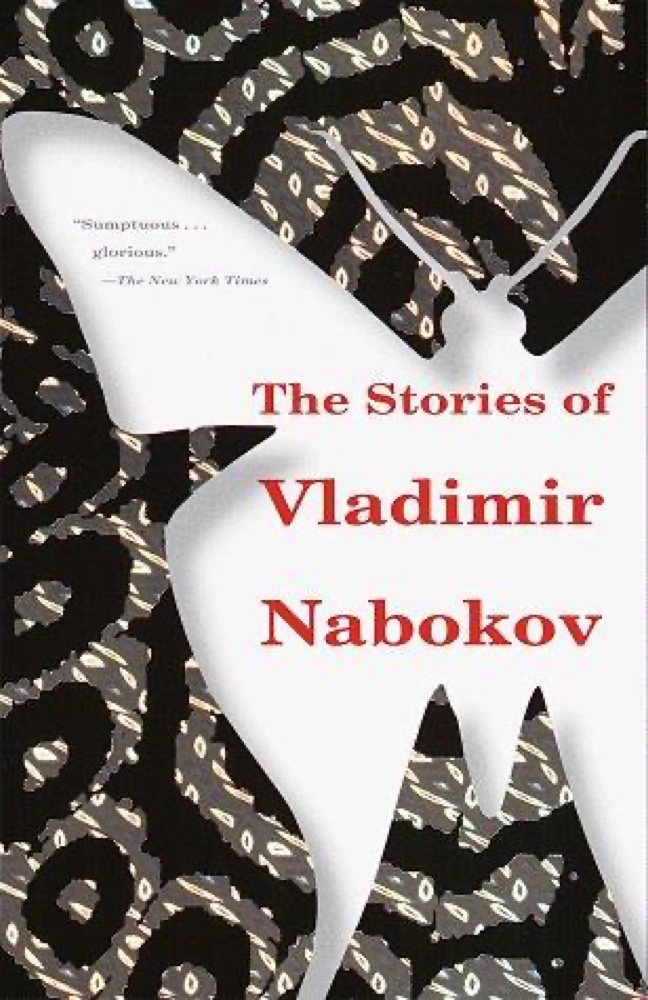 The Stories of Vladimir Nabokov
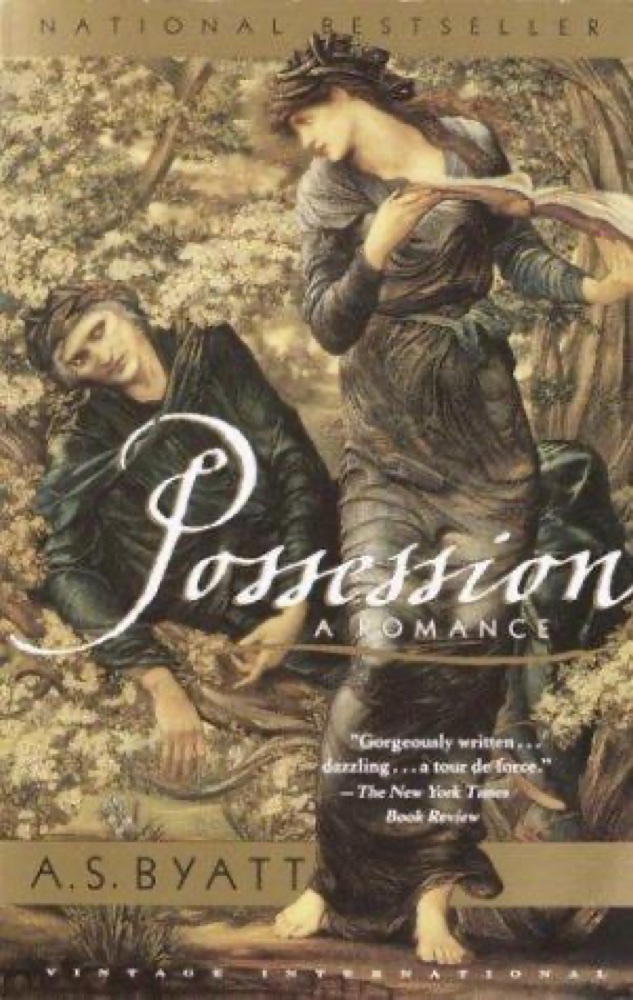 Possession
 The Complete Stories and Poems
 Opened Ground
 Selected Poems
 Orlando
 Wind, Sand and Stars
 Upstream: Selected Essays
 Poems, 1962-2012
 Dearly
 Swann's Way
 In Search of Lost Time
 Collected Poems, 1909-1962
 The Abundance
 Flights
 The Three-Cornered World
 A Portrait of the Artist as a Young Man
 The Collected Poems of Emily Dickinson
 Time Regained
 Speak, Memory
 The Poetics of Space
 New and Selected Poems, Vol. 2
 Sexing the Cherry
 Les Fleurs du Mal
 Madness, Rack, and Honey: Collected Lectures
 The Common Reader
 Sonnets to Orpheus
 The World as Will and Representation, Vol 1
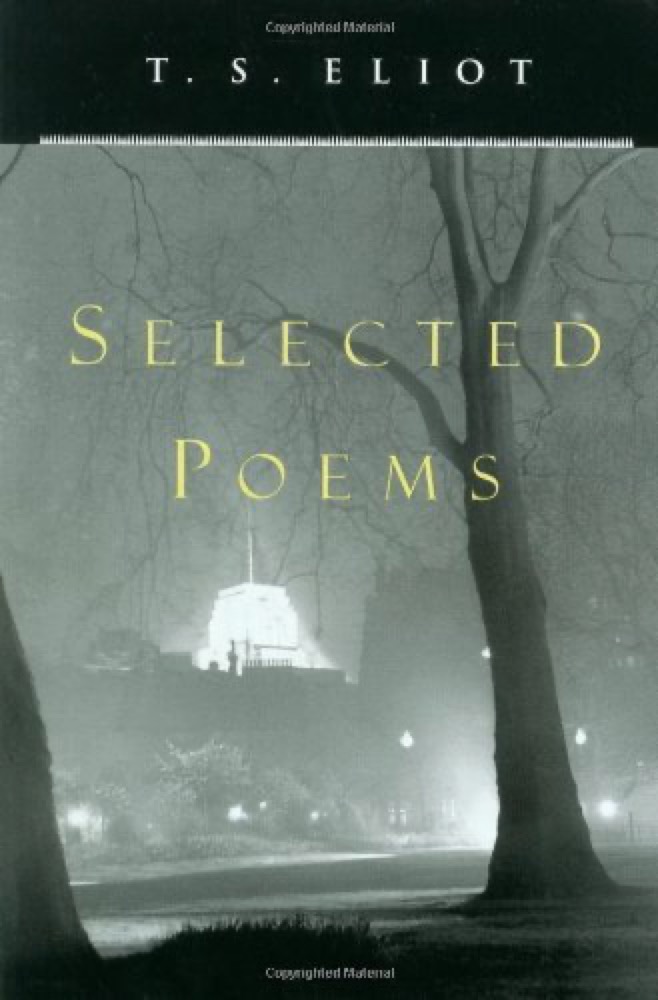 Selected Poems
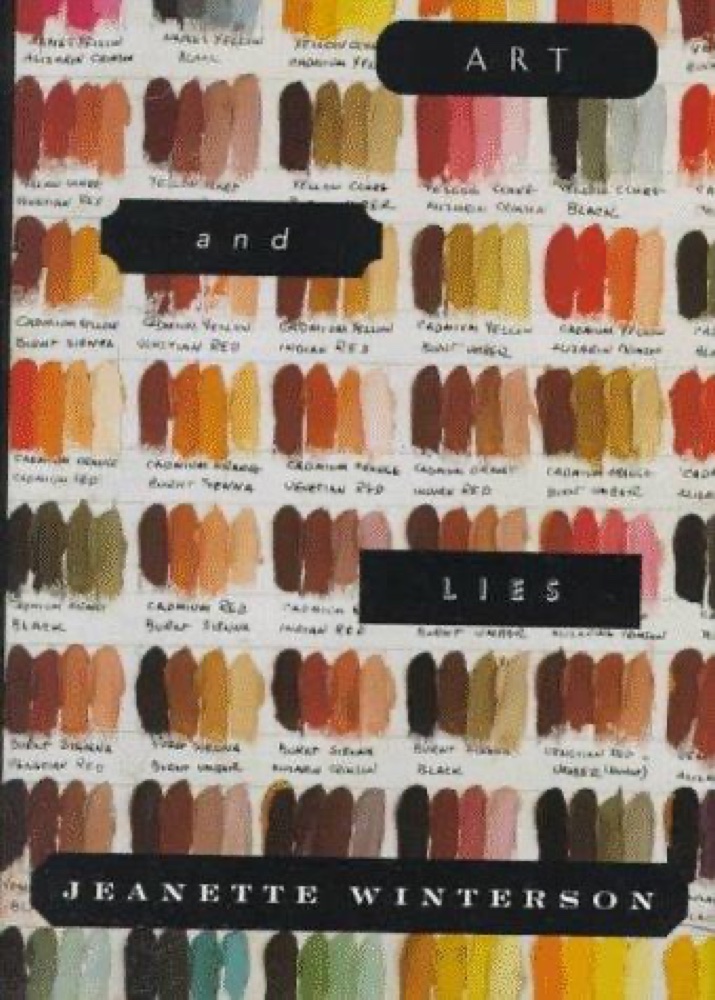 Art and Lies
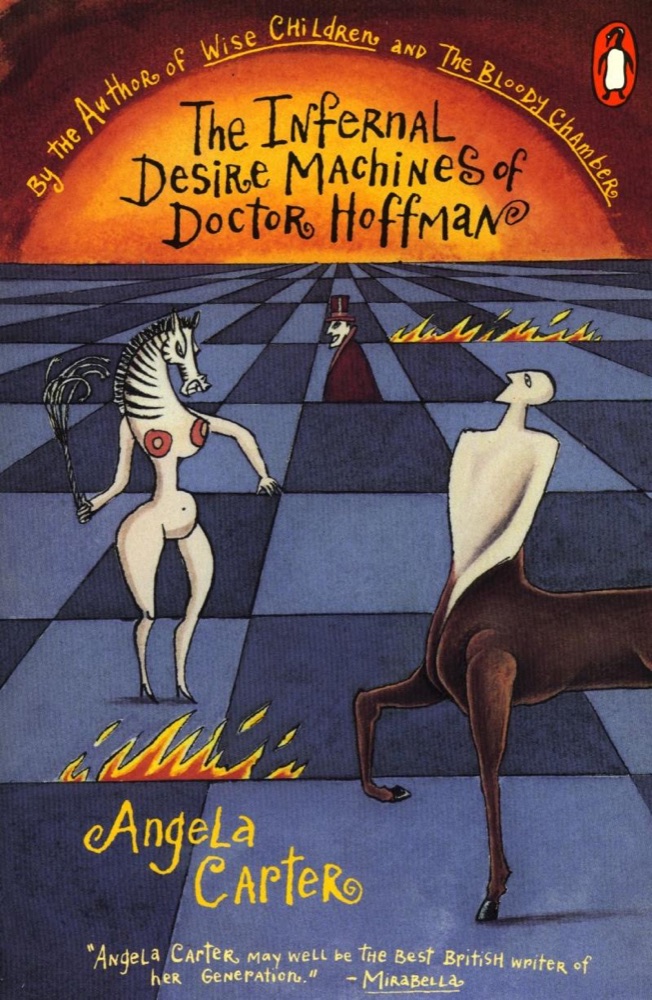 The Infernal Desire Machines of Doctor Hoffman
 Plainwater: Essays and Poetry
 Selected Stories
 The Complete Poems
 Selected Poems
 Poems New and Collected
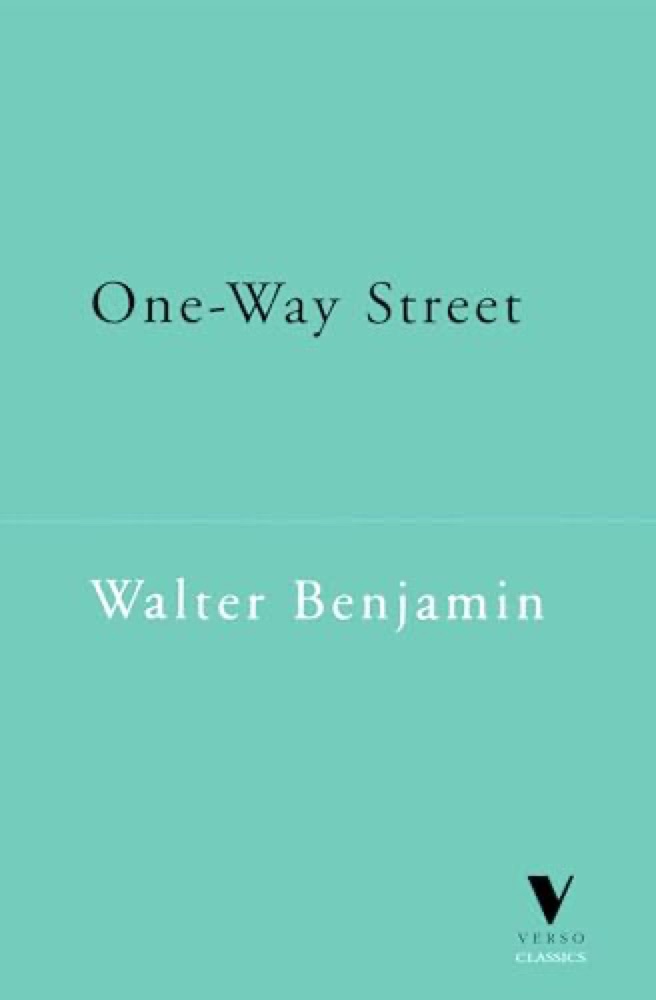 One Way Street And Other Writings
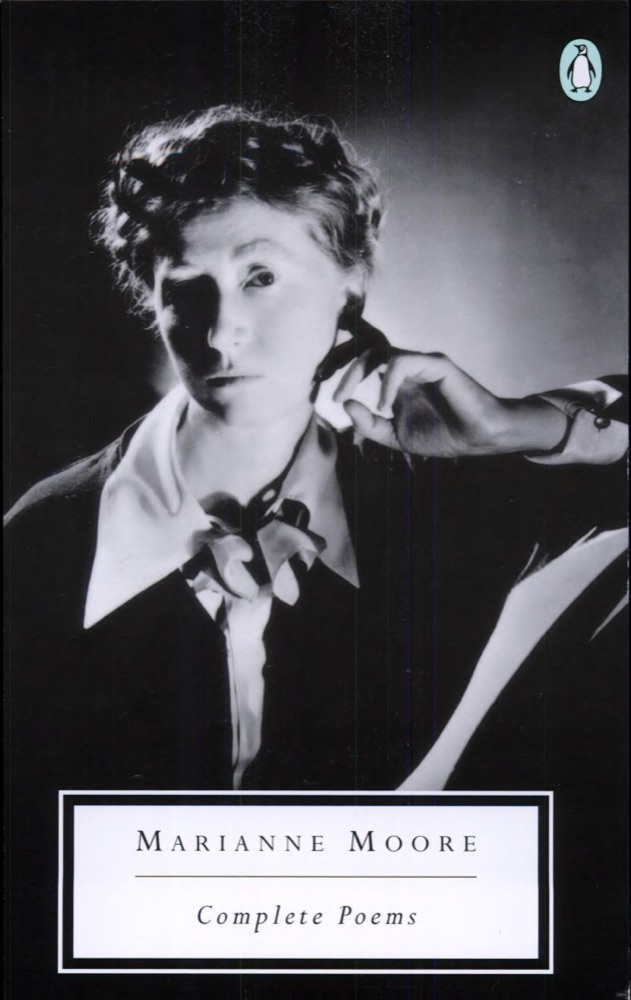 Complete Poems
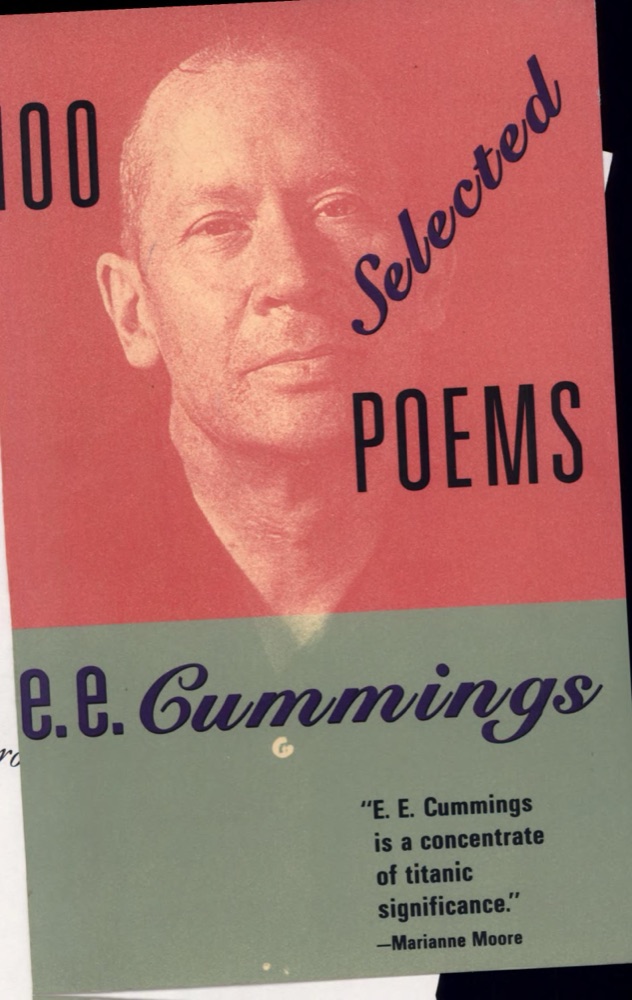 100 Selected Poems
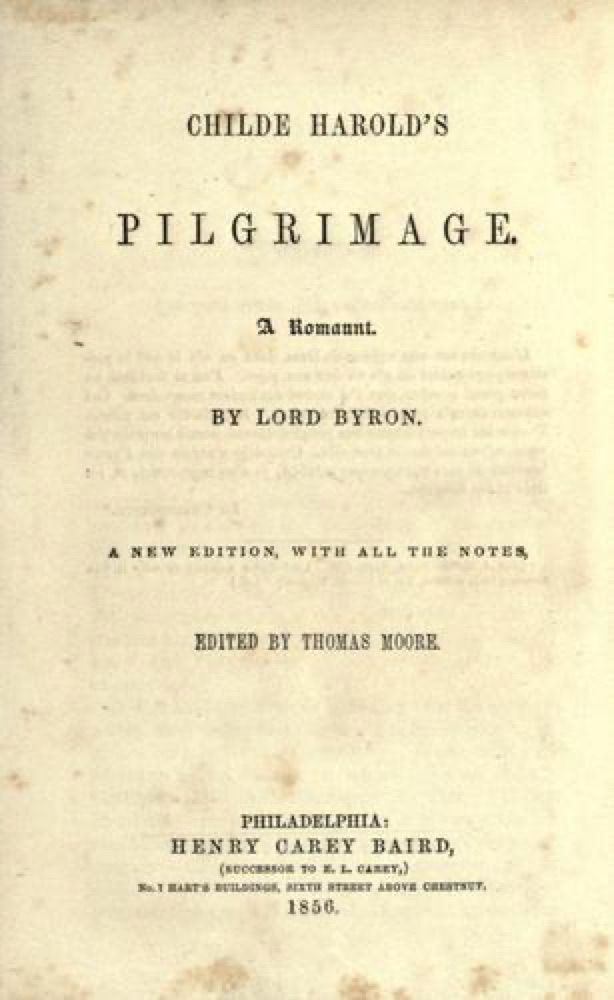 Childe Harold's Pilgrimage
 The Collected Poems of W.B. Yeats
 Autobiography of Red
 Daniel Deronda
 Weaveworld
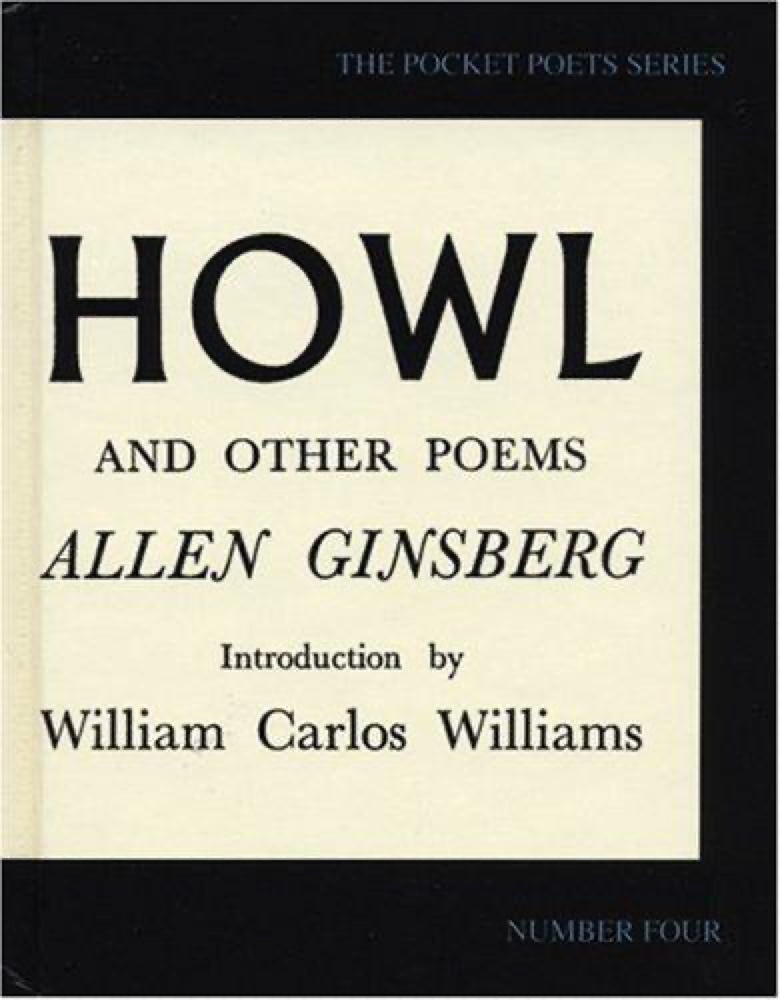 Howl and Other Poems
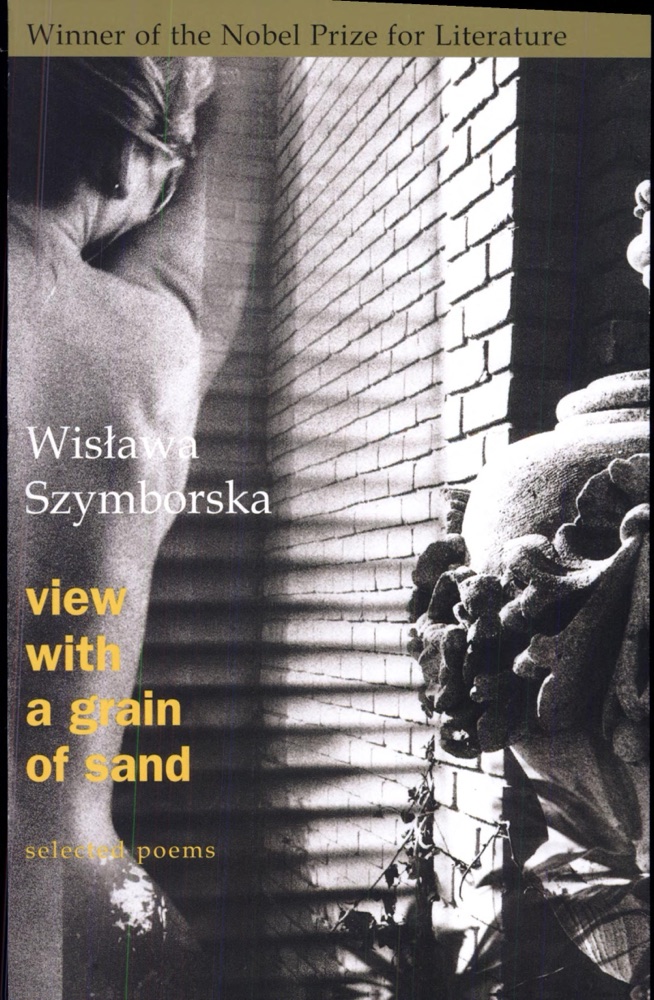 View with a Grain of Sand: Selected Poems
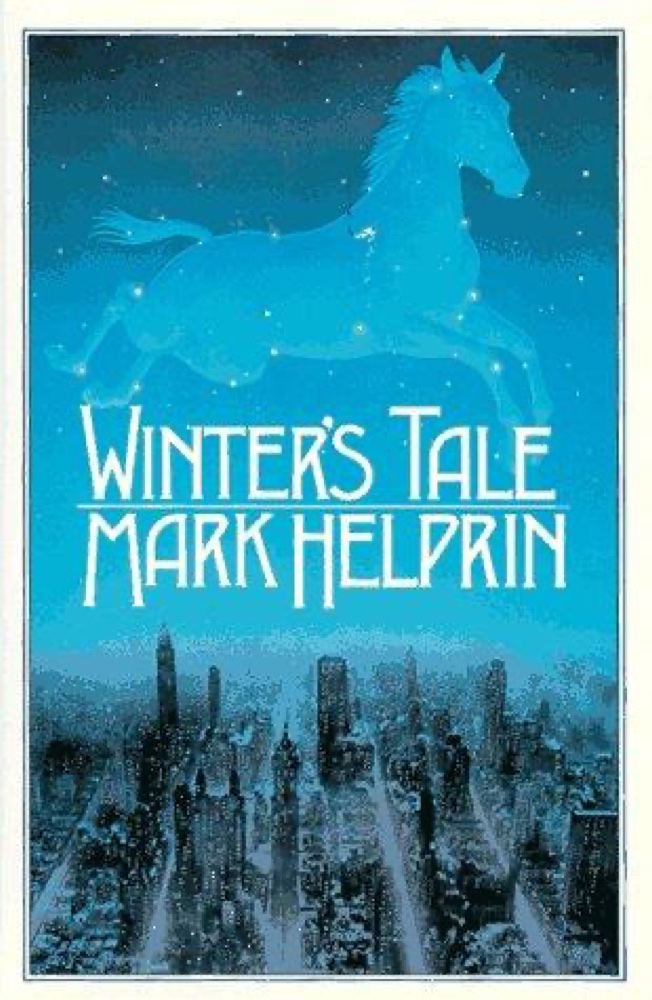 Winter's Tale
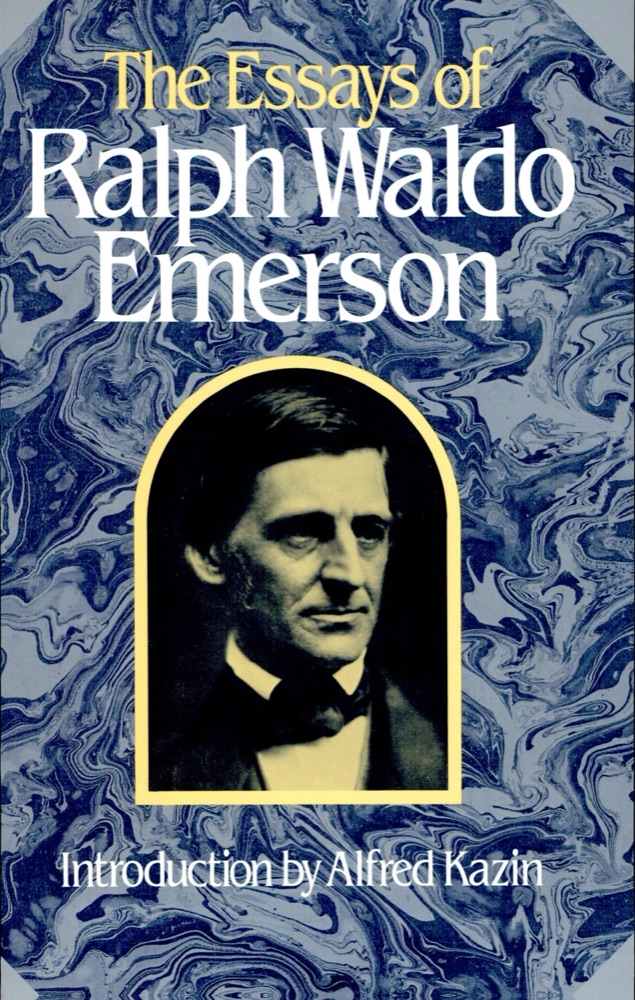 The Essays of Ralph Waldo Emerson
 Narcissus and Goldmund
 The Enchanted
 Complete Works of Oscar Wilde