
 The Night in Question
Quotes from the Book
a true piece of writing is a dangerous thing. It can change your life.
The beauty of a fragment is that it still supports the hope of brilliant completeness.
We even talked like Hemingway characters, though in travesty, as if to deny our discipleship: That is your bed, and it is a good bed, and you must make it and you must make it well. Or: Today is the day of the meatloaf. The meatloaf is swell. It is swell but when it is gone the not-having meatloaf will be tragic and the meatloaf man will not come anymore.
You boys know what tropism is, it's what makes a plant grow toward the light. Everything aspires to the light. You don't have to chase down a fly to get rid of it - you just darken the room, leave a crack of light in a window, and out he goes. Works every time. We all have that instinct, that aspiration. Science can't dim that. All science can do is turn out the false lights so the true light can get us home.
Rhyme is bullshit. Rhyme says that everything works out in the end. All harmony and order. When I see a rhyme in a poem, I know I'm being lied to. Go ahead, laugh! It's true—rhyme's a completely bankrupt device. It's just wishful thinking. Nostalgia.
When your power comes from others, on approval, you are their slave. Never sacrifice yourselves - never! Whoever urges you to self-sacrifice is worse than a common murderer, who at least cuts your throat himself, without persuading YOU to do it.
You felt it as a depth of ease in certain boys, their innate, affable assurance that they would not have to struggle for a place in the world; that is already reserved for them.
Without pandering to your presumed desire to identify with the hero of a story, they made you feel that what mattered to the writer had consequence for you, too.
Say you've just read Faulkner's 'Barn Burning'. Like the son in the story, you've sensed the faults in your father's character. Thinking about them makes you uncomfortable, left alone you'd probably close the book and move on to other thoughts. But instead you are taken in hand by a tall, brooding man with a distinguished limp who involves you and a roomful of other boys in the consideration of what it means to be a son. The loyalty that is your duty and your worth and your problem. The goodness of loyalty and its difficulties and snares, how loyalty might also become betrayal - of the self and the world outside the circle of blood. You've never had this conversation before, not with anyone. And even as its happening you understand that just as your father's troubles with the world - emotional frailty, self-doubt, incomplete honesty - will not lead him to set it on fire, your own loyalty will never be the stuff of tragedy. You will not turn bravely and painfully from your father, as the boy in the story does, but foresake him, without regret. And as you accept that separation, it seems to happen; your father's sad, fleshy face grows vague, and you blink it away and look up to where your teachers leans against his desk, one hand in a coat pocket, the other rubbing his bum knee as he listens desolately to the clever bore behind you saying something about bird imagery.
They’ll die, and then they’ll be dead.
I am thinking of Achilles’ grief, he said. That famous, terrible, grief. Let me tell you boys something. Such grief can only be told in form. Form is everything. Without it you’ve got nothing but a stubbed-toe cry—sincere, maybe, for what that’s worth, but with no depth or carry. No echo. You may have a grievance but you do not have grief, and grievances are for petitions, not poetry.
Memory is a dream to begin with.
The Outlaws generally write as well as the bankers, though more briefly. Some writers flourish like opportunistic weeds by hiding among the citizens, others by toughing it out in some sort of desert or another.
She'd laugh at odd times as we talked and this flustered me pleasantly and made me laugh too, as if we both understood something we couldn't say.
Watch on YouTube
About Tobias Wolff
We have collected 44 quotes from 3 books by Tobias Wolff on BookQuoters.
More about the author →More by Tobias Wolff
The Night in Question
 This Boy's Life
Book details
- Author
- Tobias Wolff
- Genre
- Fiction
- Goodreads rating
- 3.85 (14k ratings) →
Keep reading
 Sometimes a Great Notion
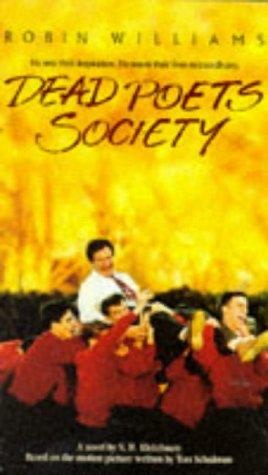 Dead Poets Society
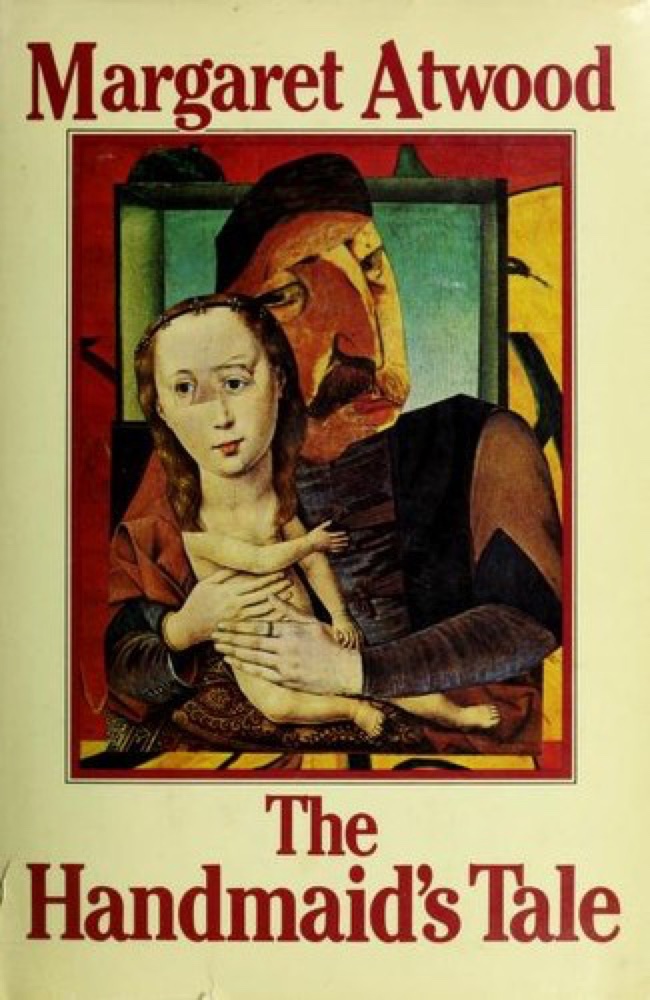 The Handmaid's Tale
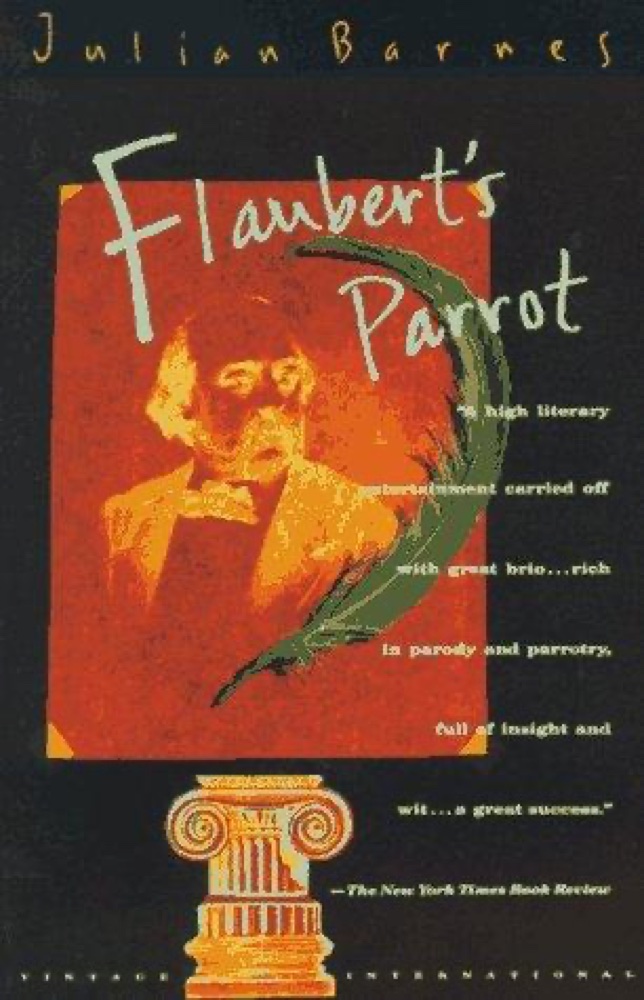 Flaubert's Parrot
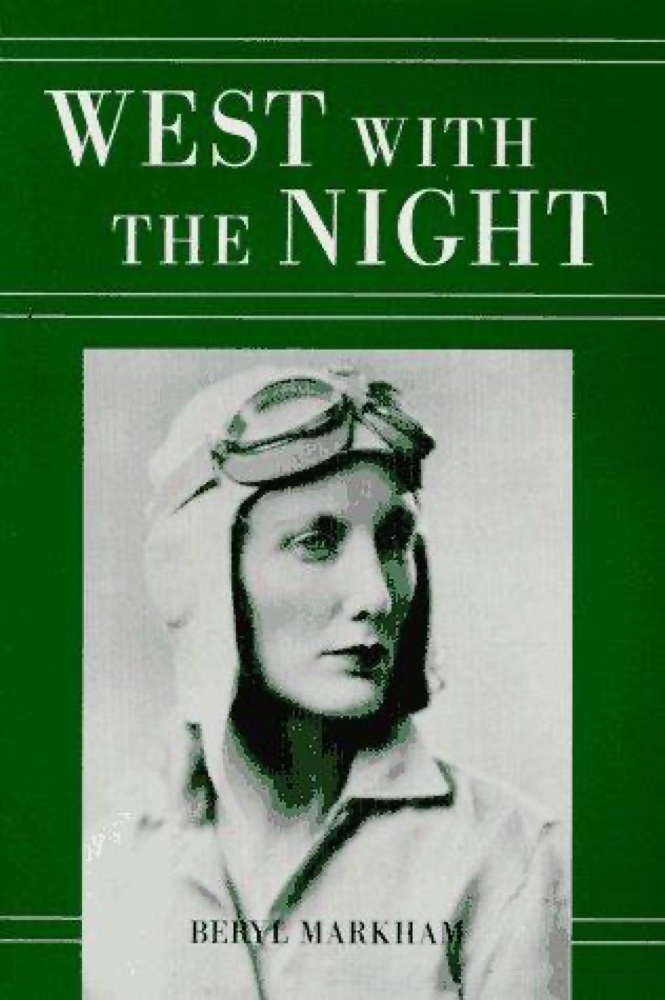 West with the Night
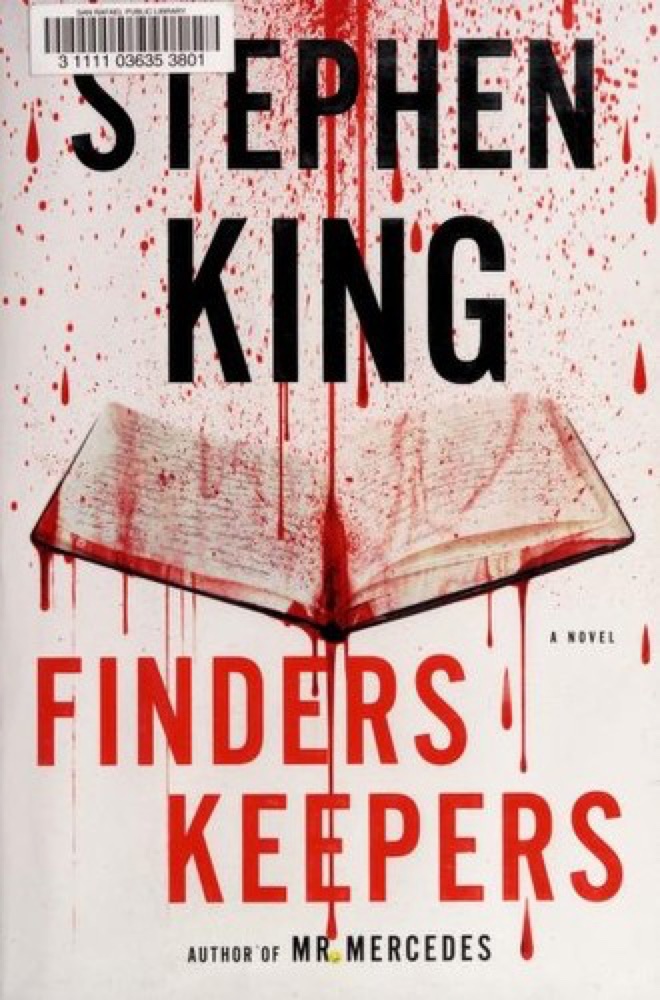 Finders Keepers
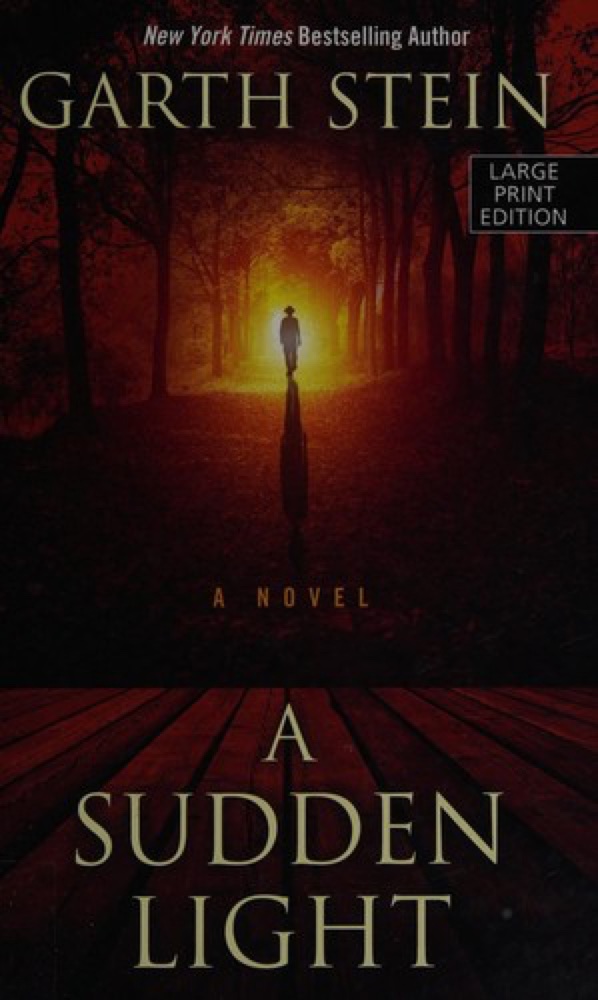 A Sudden Light
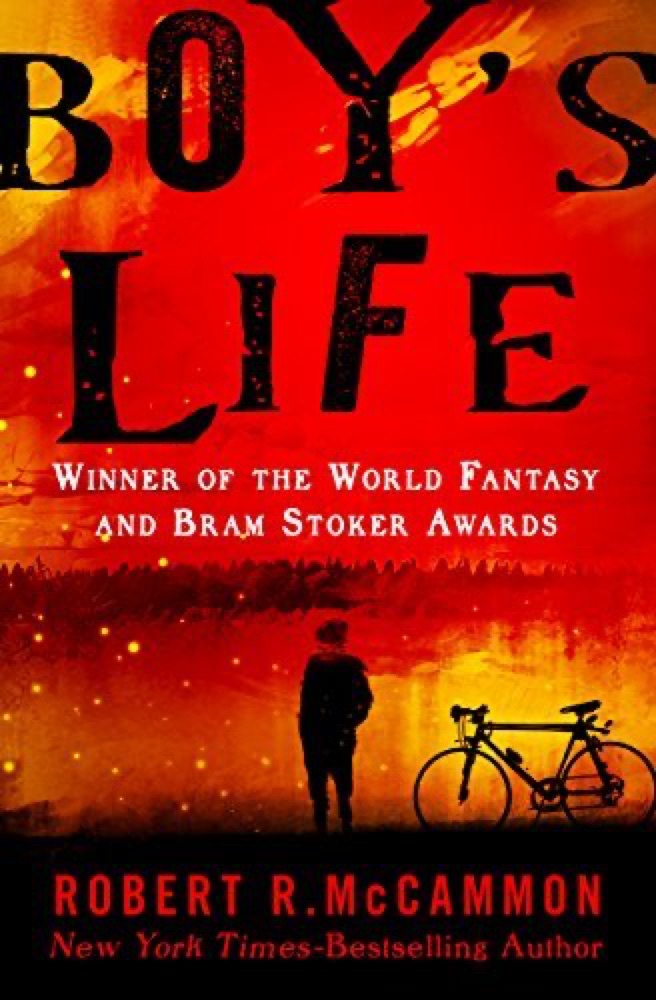 Boy's Life
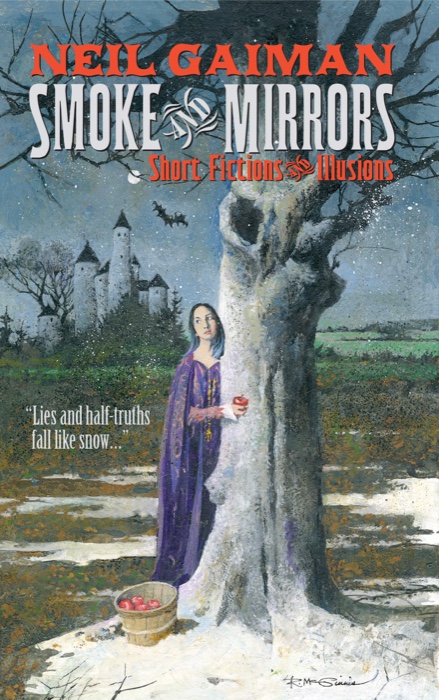 Smoke and Mirrors: Short Fiction and Illusions
 Mao II
 Hard-Boiled Wonderland and the End of the World
 The Mime Order
 The Angel's Game
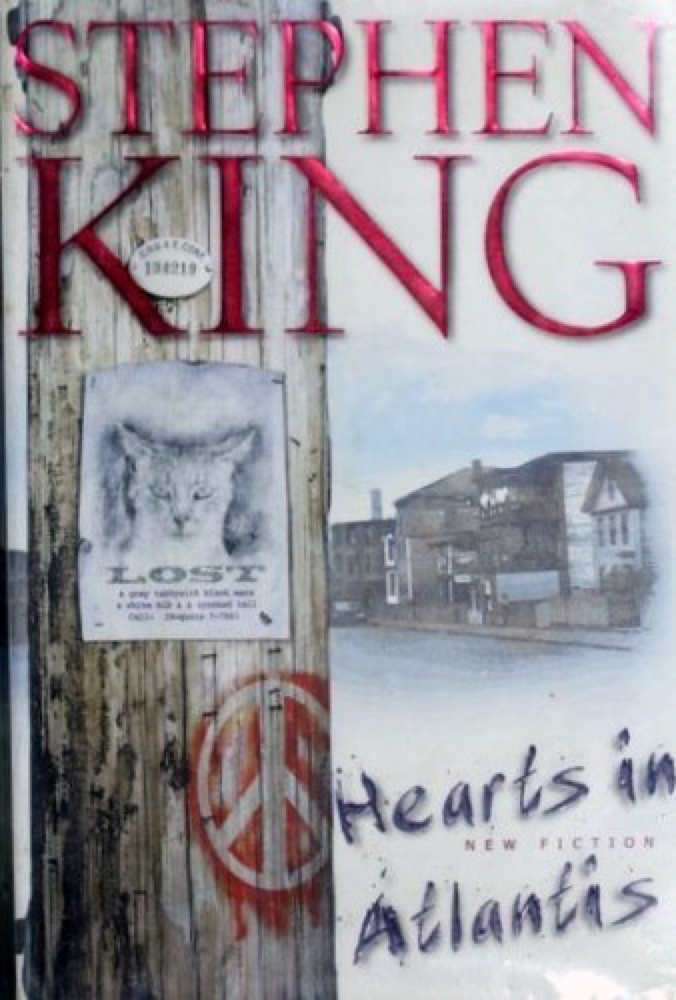 Hearts in Atlantis
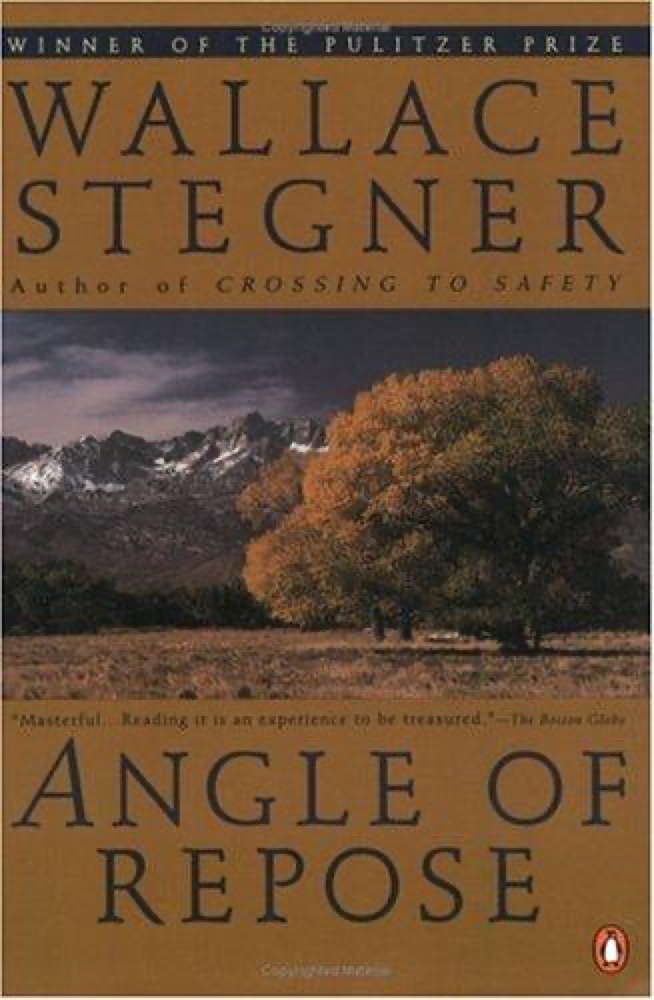 Angle of Repose
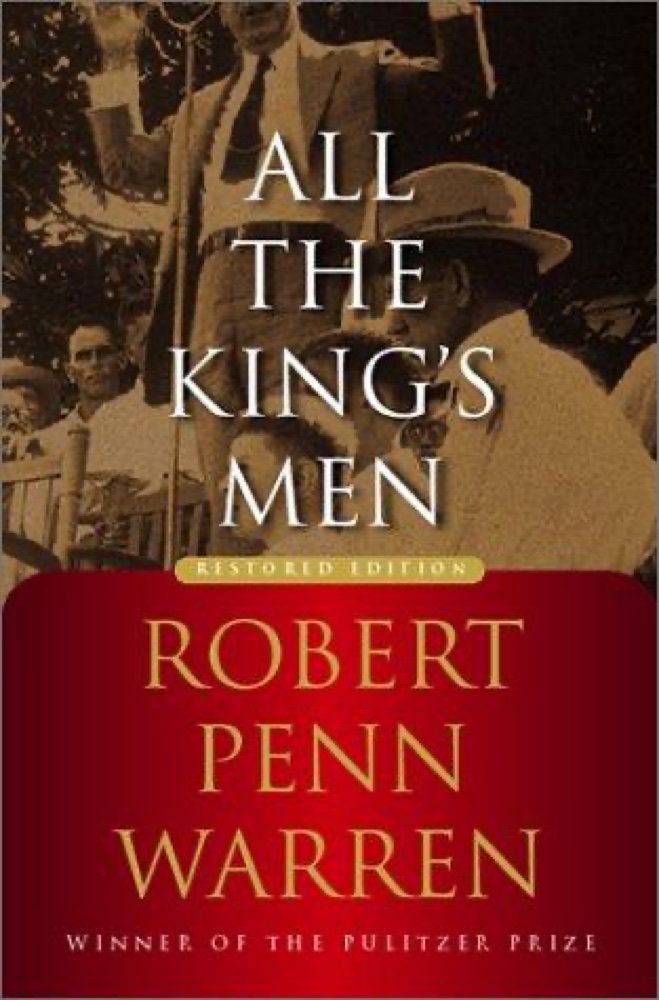 All the King's Men
 The Savage Detectives
 Arm of the Sphinx
 One Man's Meat
 Infinite Jest
 The Hour I First Believed
 First Among Sequels
 Crossing to Safety
 Underworld
 The Fall of Babel
 Out of Oz
 By Nightfall
 Duma Key
 The Bone Clocks
 Nutshell
 Libra
Libra
 Children of the Mind
 Kafka on the Shore
 Odd Hours
 Ilustrado
 The Wednesday Wars
 The Name of the Wind
 Devil House
 The Dream of Perpetual Motion
 The Sportswriter
 The Way of Kings
 The Rent Collector
 The Anthologist
 Chasing Fireflies: A Novel of Discovery
 The Kite Runner
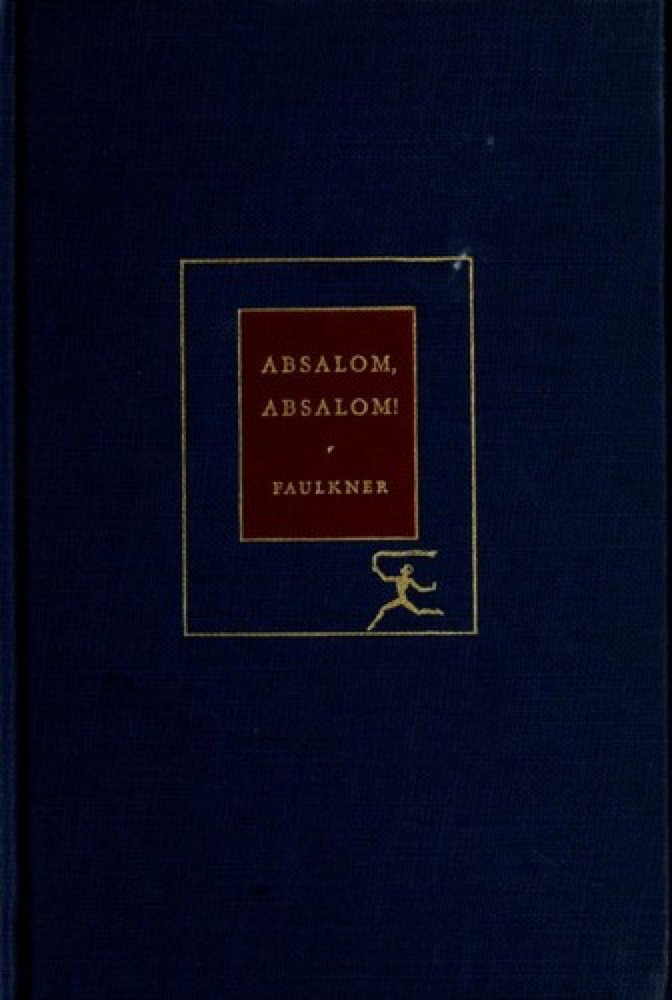 Absalom, Absalom!
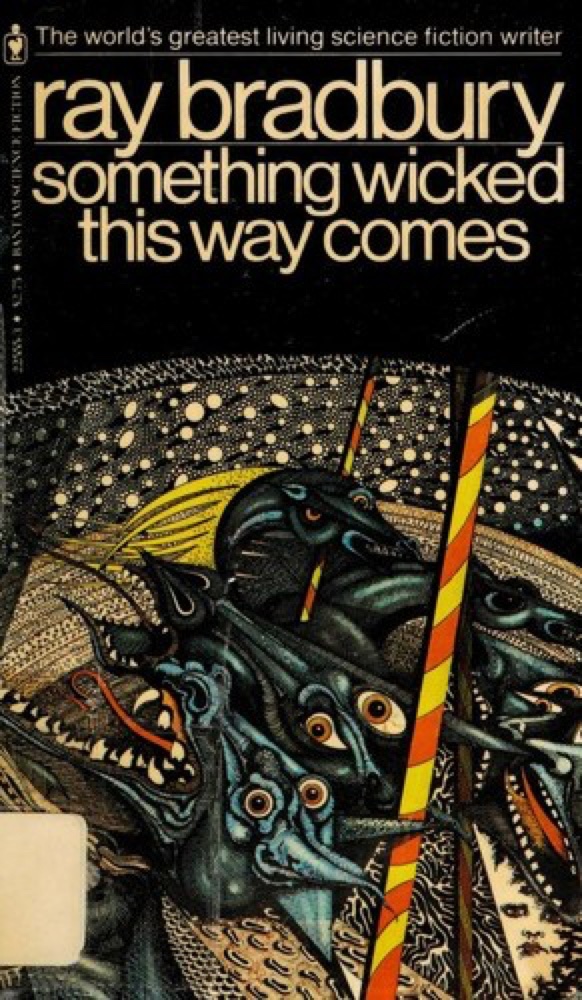 Something Wicked This Way Comes
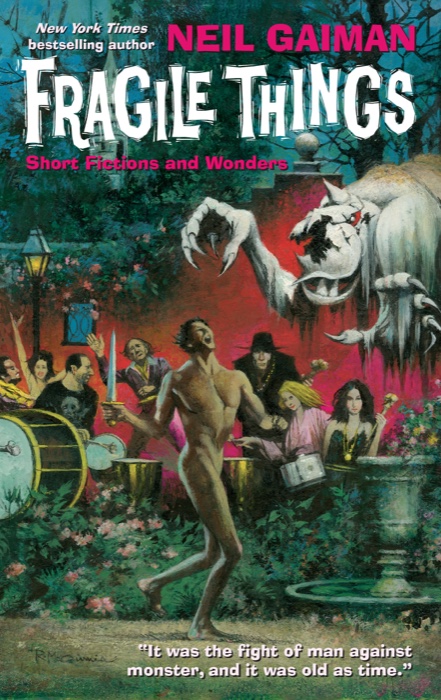 Fragile Things: Short Fictions and Wonders
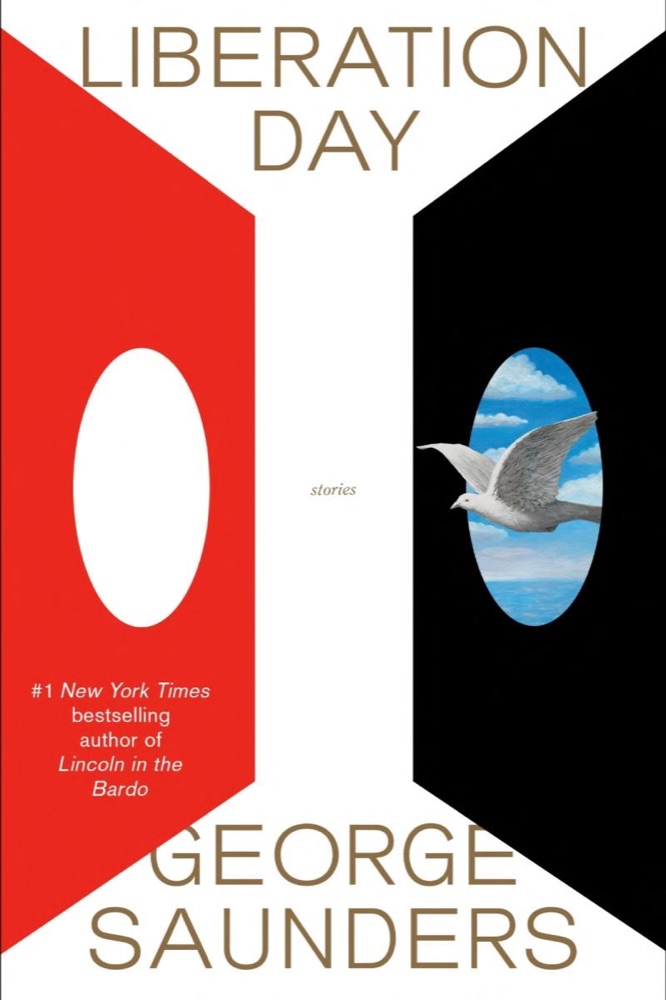 Liberation Day
 The Recognitions
 Golden Fool
 The Poisonwood Bible
 House of Leaves
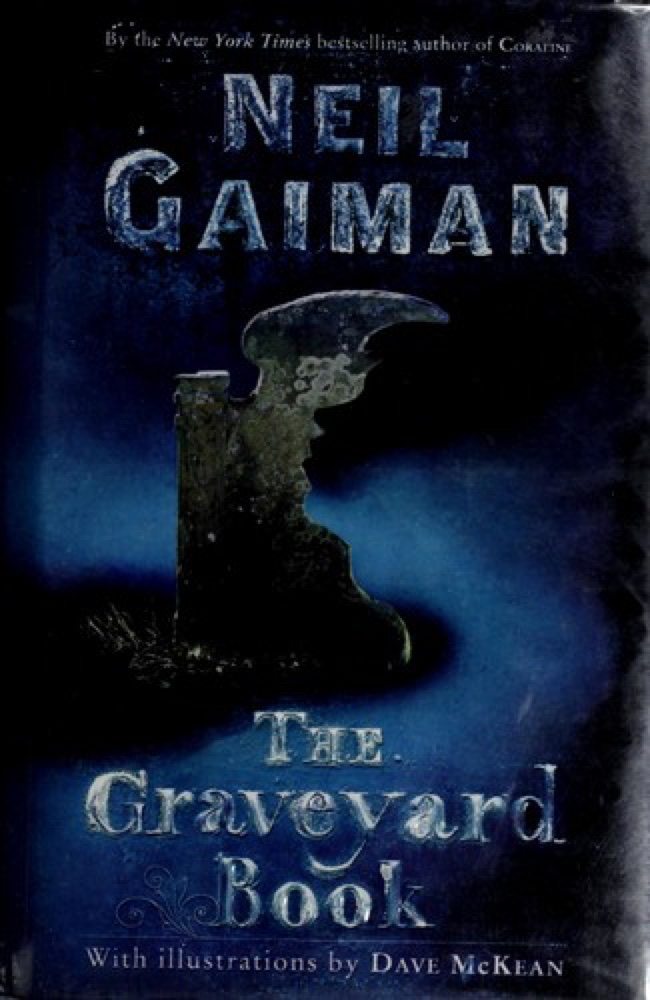 The Graveyard Book
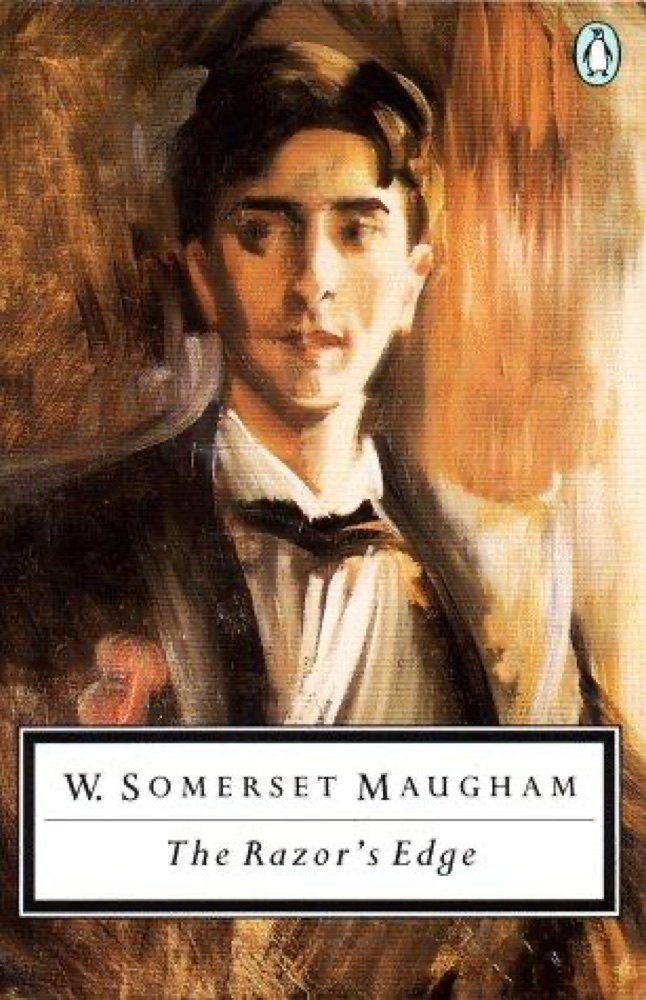 The Razor's Edge
 Defending Jacob
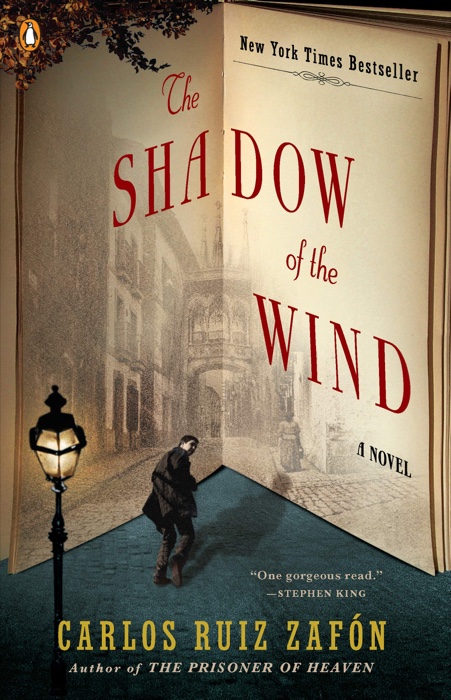 The Shadow of the Wind
 Speaking from Among the Bones
 The Hod King
 The Pale King