 The Complete Works
Quotes from the Book
...the poet, he nothing affirmeth, and therefore never lieth.
19
...music, I say, the most divine striker of the senses...
15
If you have so earth-creeping a mind that it cannot lift itself up to look to the sky of poetry...thus much curse I must send you, in the behalf of all poets, that while you live, you live in love, and never get favour for lacking skill of a sonnet; and, when you die, your memory die from the earth for want of an epitaph.
13
With a sword thou mayest kill thy father, and with a sword thou mayest defend thy prince and country.
8
[Poetry] strips the veil of familiarity from the world, and lays bear the naked and sleeping beauty which is the spirit of its forms.
7
Anger, the Stoics said, was a short madness.
7
So, then, the best of the historian is subject to the poet; for whatsoever action or faction, whatsoever counsel, policy, or war-stratagem the historian is bound to recite, that may the poet, if he list, with his imitation make his own, beautifying it both for further teaching and more delighting, as it pleaseth him; having all, from Dante’s Heaven to his Hell, under the authority of his pen.
6
Who will be taught, if he be not moved with desire to be taught?
4
For grammar it [poetry] might have, but it needs it not; being so easy in itself, and so void of those cumbersome differences of cases, genders, moods, and tenses, which, I think, was a piece of the Tower of Babylon's curse, that a man shoult be put to school to learn his mother-tongue.
4
The cultivation of those sciences which have enlarged the limits of the empire of man over the external world, has, for want of poetical faculty, proportionally circumscribed those of the internal world; and man, having enslaved the elements, remains himself a slave.
3
But hereto is replied that the poets give names to men they write of, which argueth a conceit of an actual truth, and so, not being true, proveth a falsehood. And doth the lawyer lie then, when, under the names of John of the Stile, and John of the Nokes, he putteth his case? But that is easily answered: their naming of men is but to make their picture the more lively, and not to build any history. Painting men, they cannot leave men nameless. We see we cannot play at chess but that we must give names to our chess-men; and yet, me thinks, he were a very partial champion of truth that would say we lied for giving a piece of wood the reverend title of a bishop.
3
It belongs to a philosophical critic to distinguish rather than confound
2
Poetry thus makes immortal all that is best and most beautiful in the world
2
Over-mastered by some thoughts, I yeelded an inckie tribute unto them.
2
What the imagination seizes as beauty must be the truth.
1
the great instrument of moral good is the the imagination.
1
This purifying of wit, this enriching of memory, enabling of judgment, and enlarging of conceit, which commonly we call learning, under what name soever it come forth or to what immediate end soever it be directed, the final end is to lead and draw us to as high a perfection as our degenerate souls, made worse by their clay lodgings, can be capable of.
1
Watch on YouTube
About Philip Sidney
We have collected 17 quotes from 1 book by Philip Sidney on BookQuoters.
More about the author →About the book
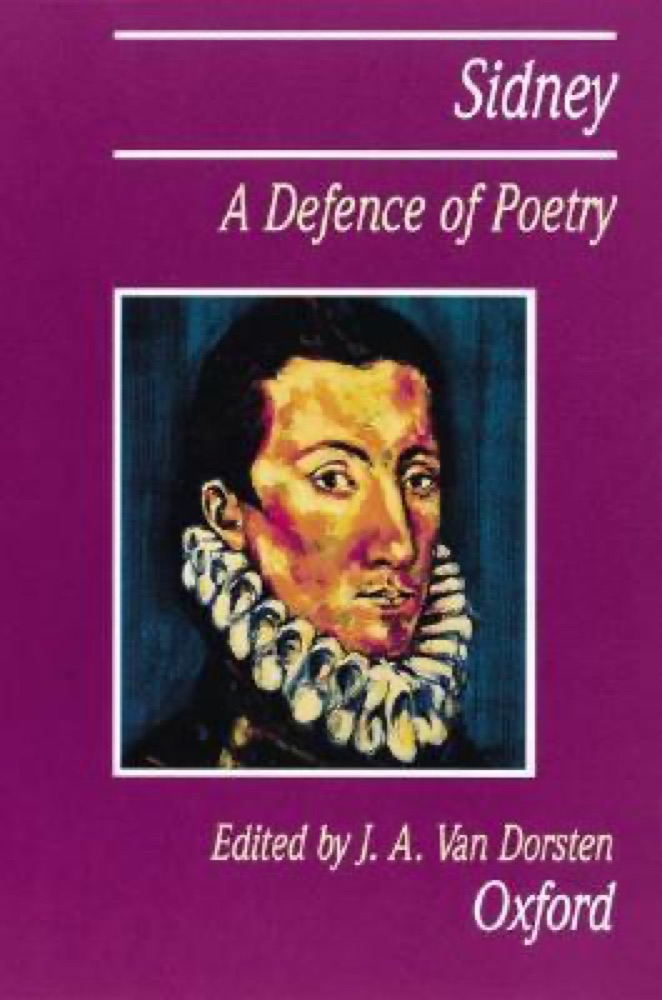
Often seen as a key to understanding Elizabethan poetry, Sidney's persuasive treatise follows the rules of rhetoric in presenting evidence of the virtues of poetry. Sidney argues with wit and irony that poetry is the art which best teaches what is good and true. This seems a fitting argument for this prominent experimental poet who himself is said to have represented 'life and action good and great'.
Book details
- First published
- 1595
- Author
- Philip Sidney
- Genre
- Literature
- Goodreads rating
- 3.62 (2k ratings)
Keep reading
The Complete Works
 Phaedrus
 Basic Writings of Nietzsche
 The Essays of Ralph Waldo Emerson
 Love's Labour's Lost
 Complete Poems
 Spring and All
 Selected Non-Fictions
 The Name of the Rose
 Maldoror and the Complete Works
 Complete Works of Oscar Wilde
 The World as Will and Representation, Vol 1
 Don Juan
 The Complete Poetry and Prose
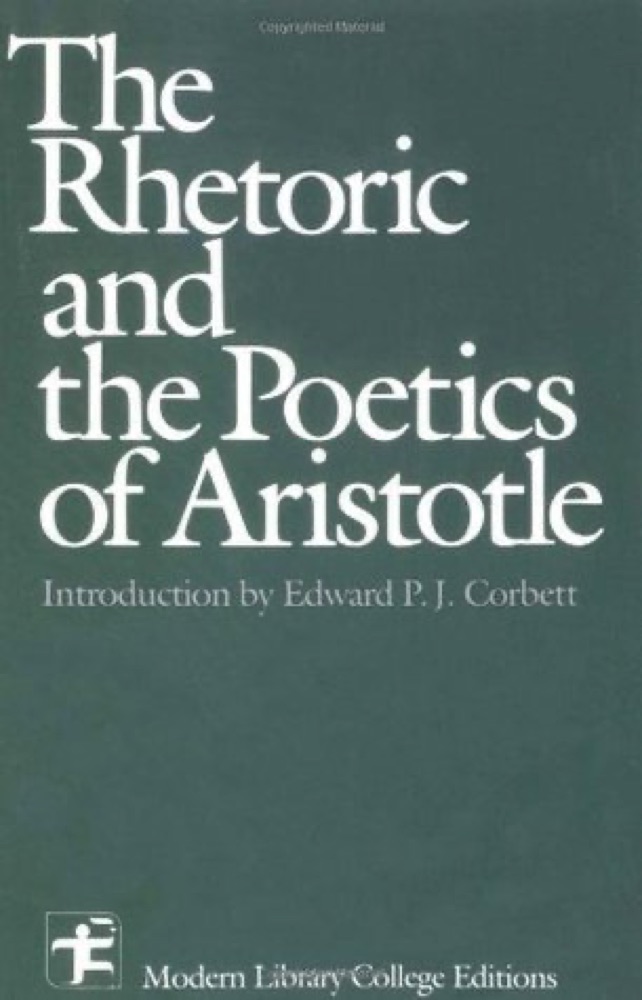 The Rhetoric & The Poetics of Aristotle
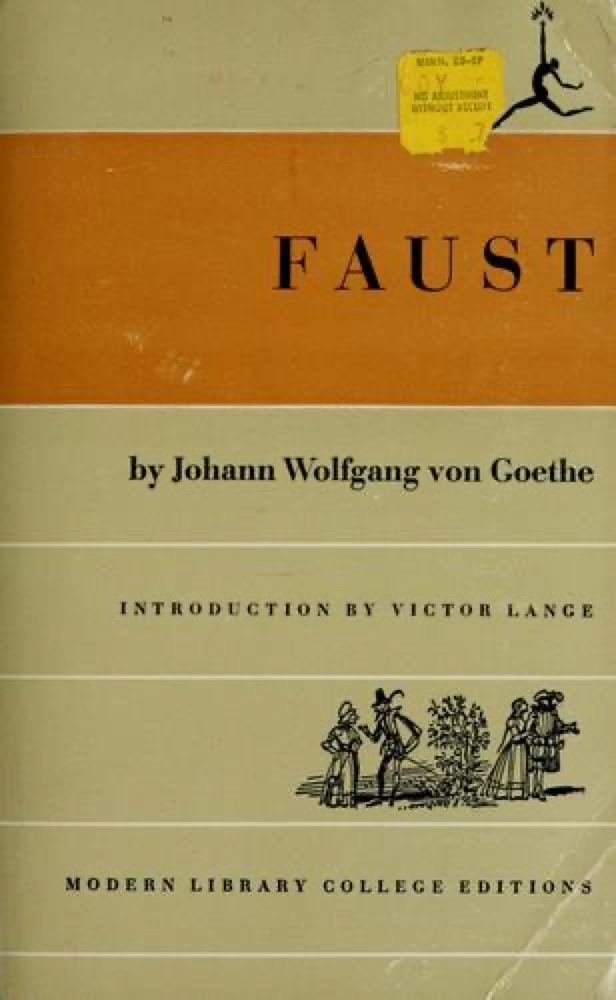 Faust
Faust
 Troilus and Cressida
 Daniel Deronda
 Fragments
 Death in Venice and Other Tales
 Essays and Poems
 Lyrical Ballads
 The Swerve: How the World Became Modern
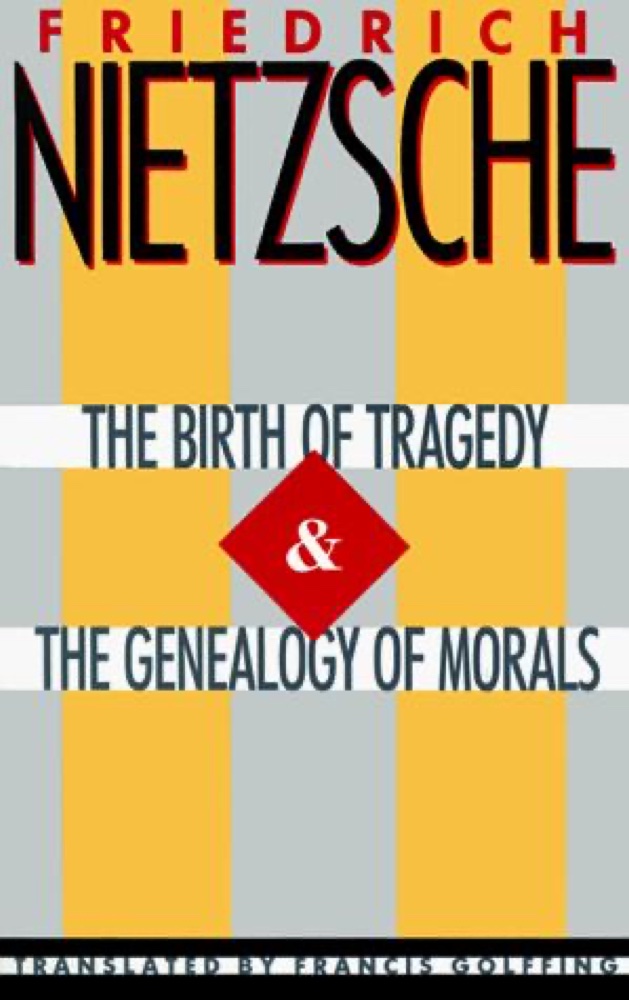 The Birth of Tragedy
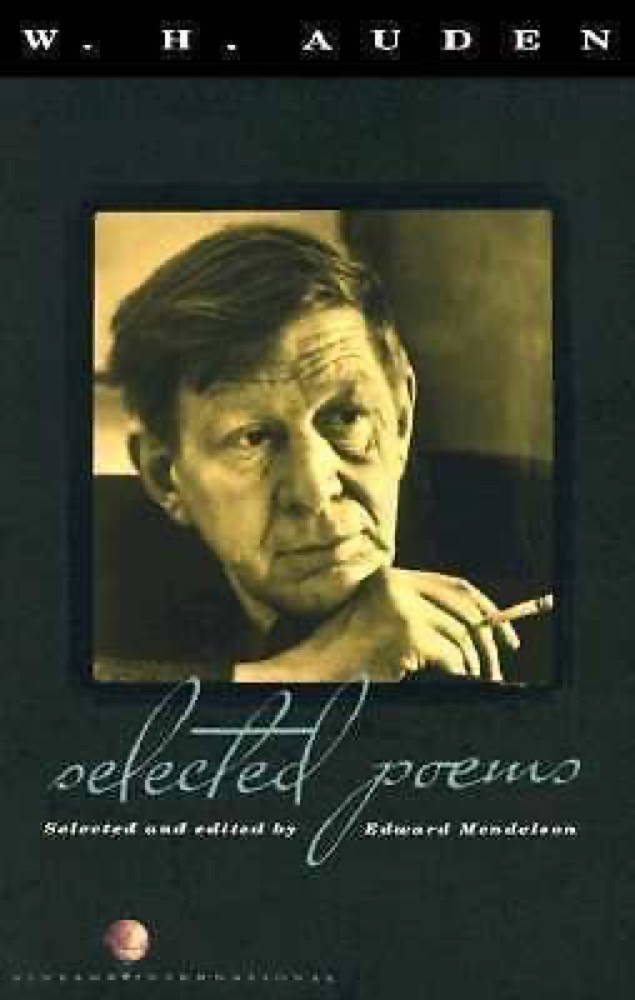 Selected Poems
 The Complete Stories and Poems
 The Agony and the Ecstasy
 A Poetry Handbook
 Winter Hours: Prose, Prose Poems, and Poems
 Leonardo's Notebooks
 Philosophical Dictionary
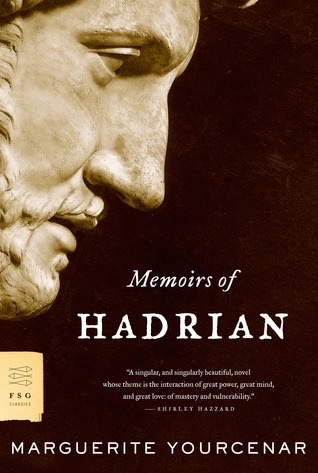 Memoirs of Hadrian
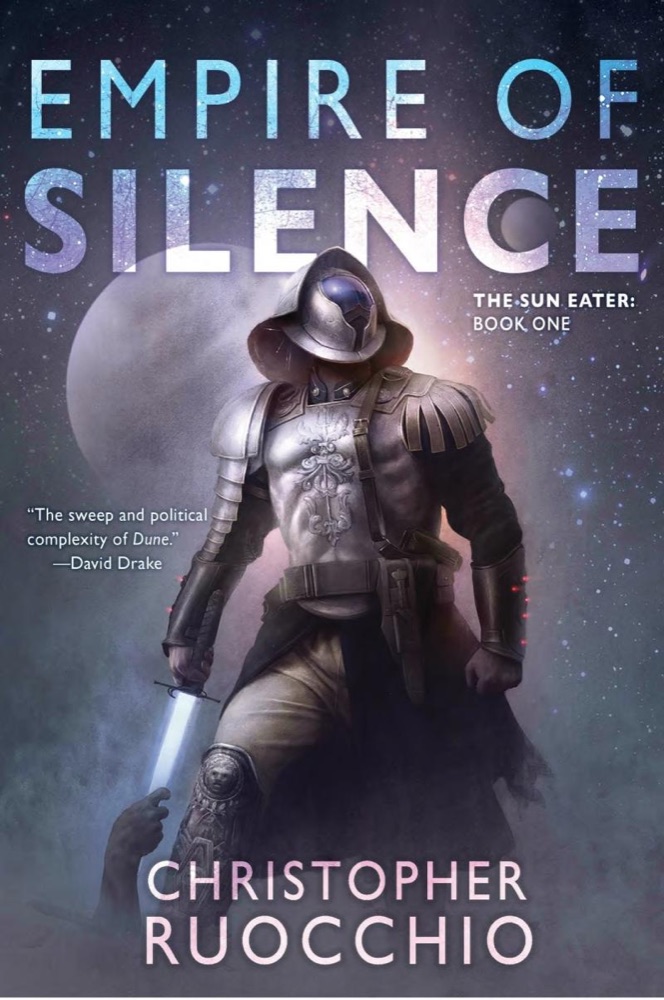 Empire of Silence
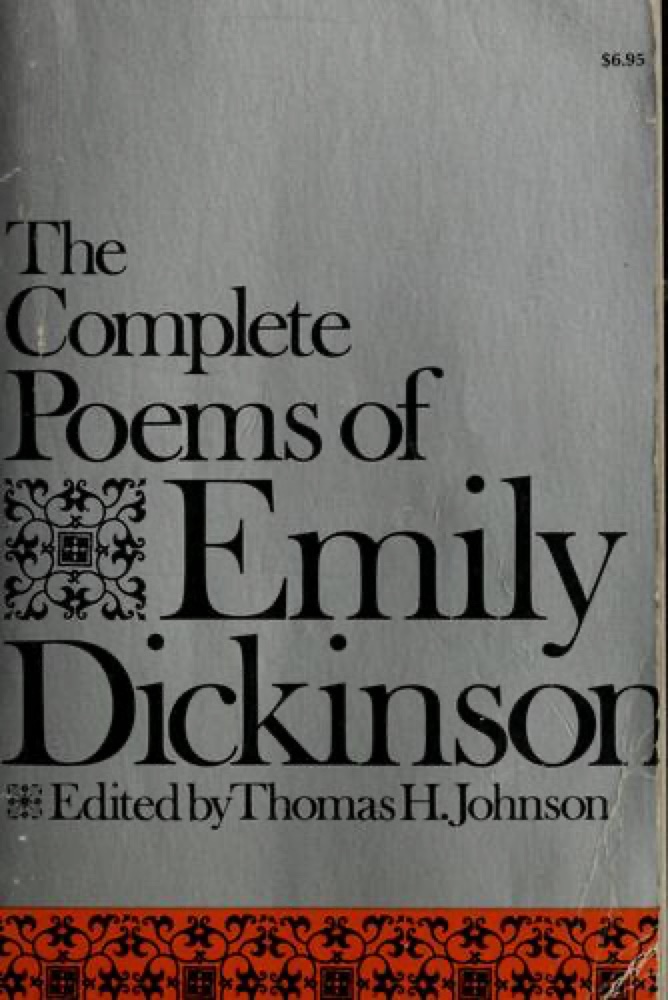 The Complete Poems of Emily Dickinson
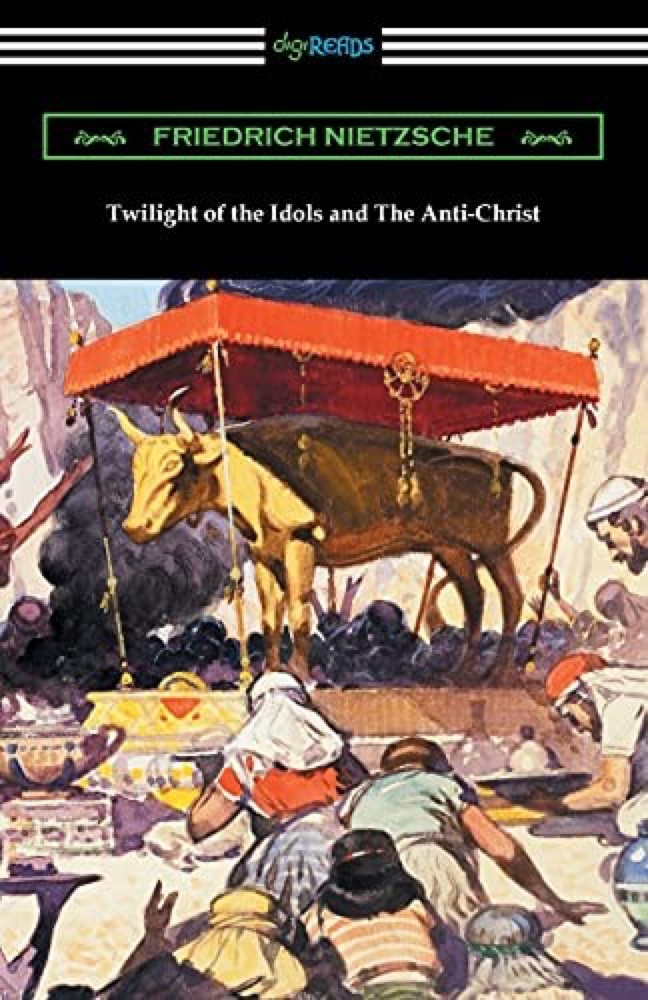 Twilight of the Idols/The Anti-Christ
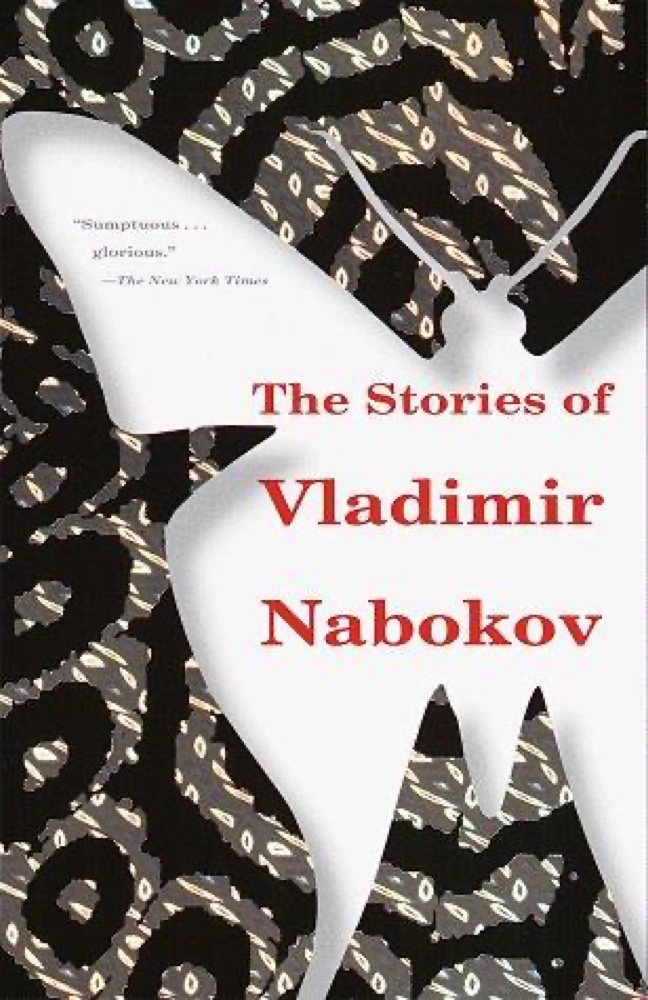 The Stories of Vladimir Nabokov
 Ulysses
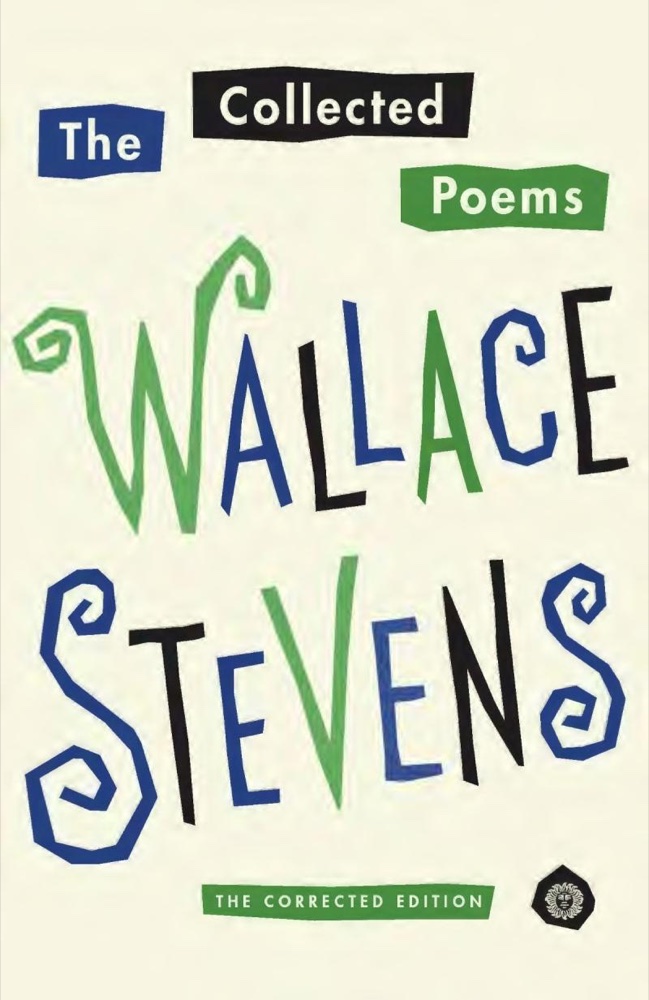 The Collected Poems
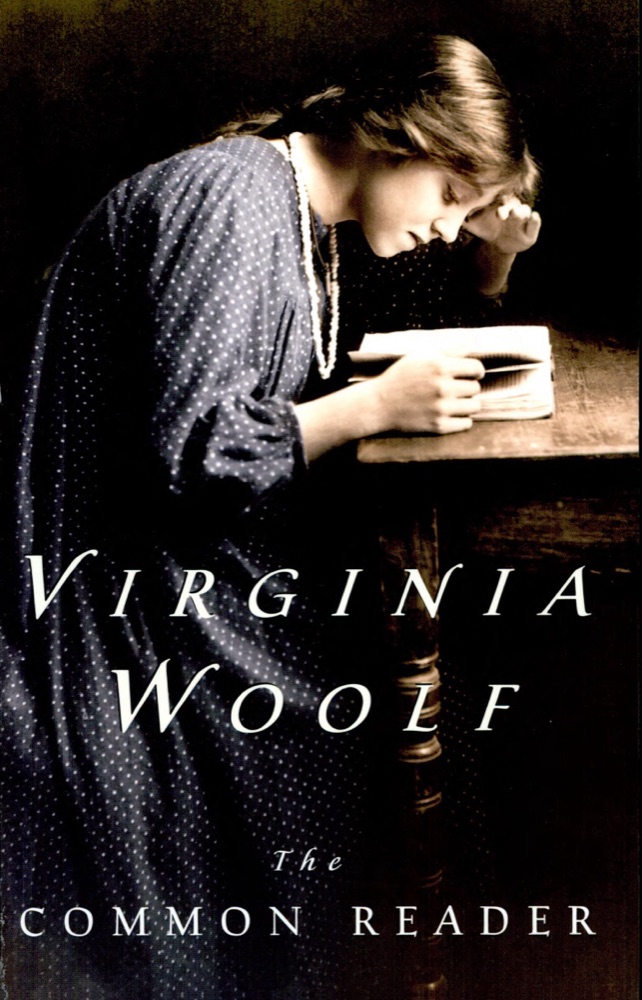 The Common Reader
 Phantastes
 She
She
 Crome Yellow
 A Portrait of the Artist as a Young Man
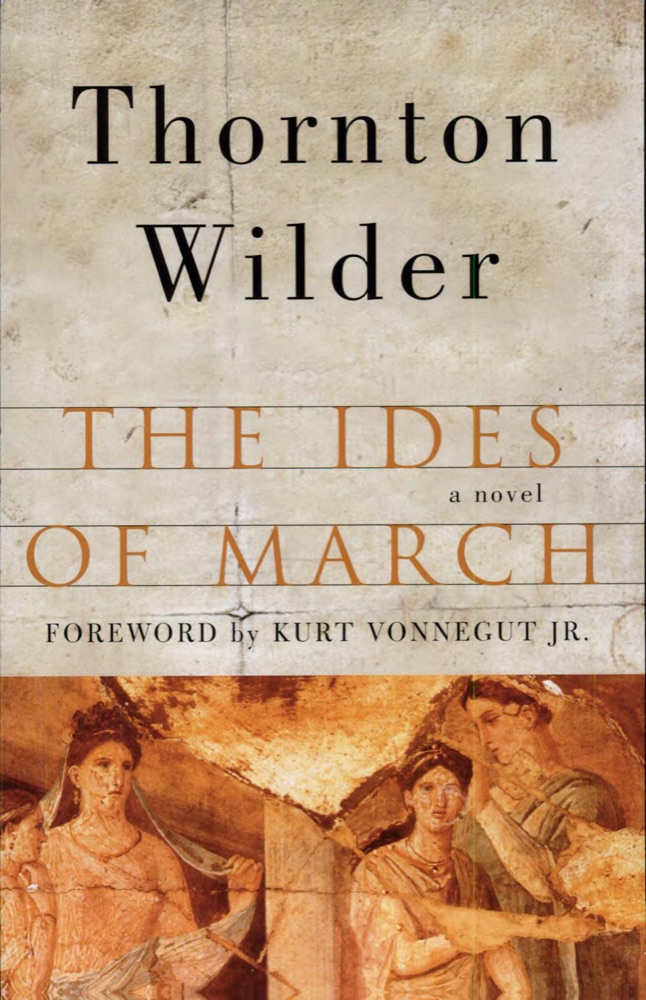 The Ides of March
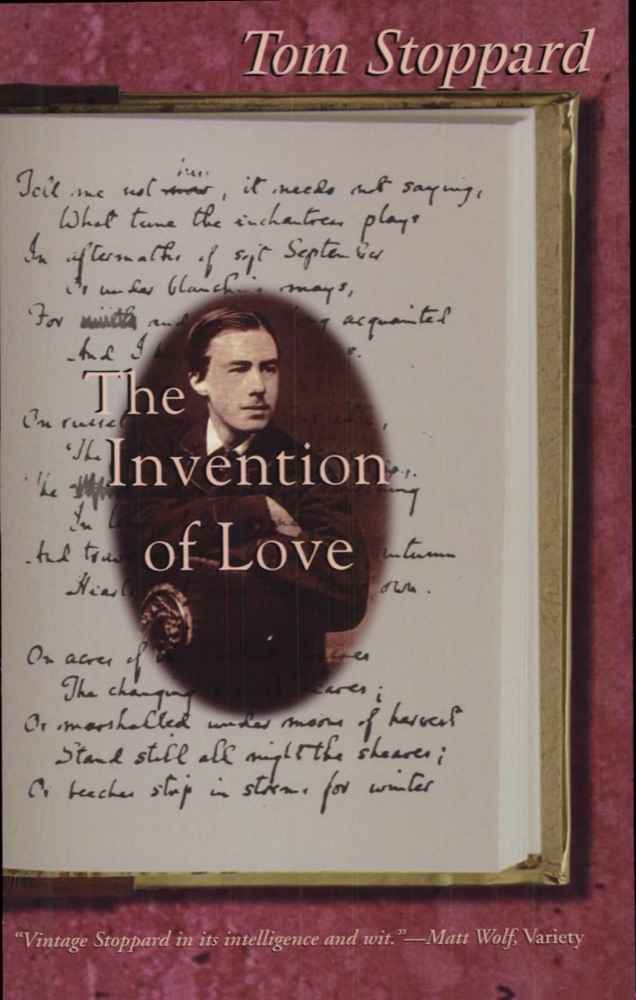 The Invention of Love
 Prometheus Unbound
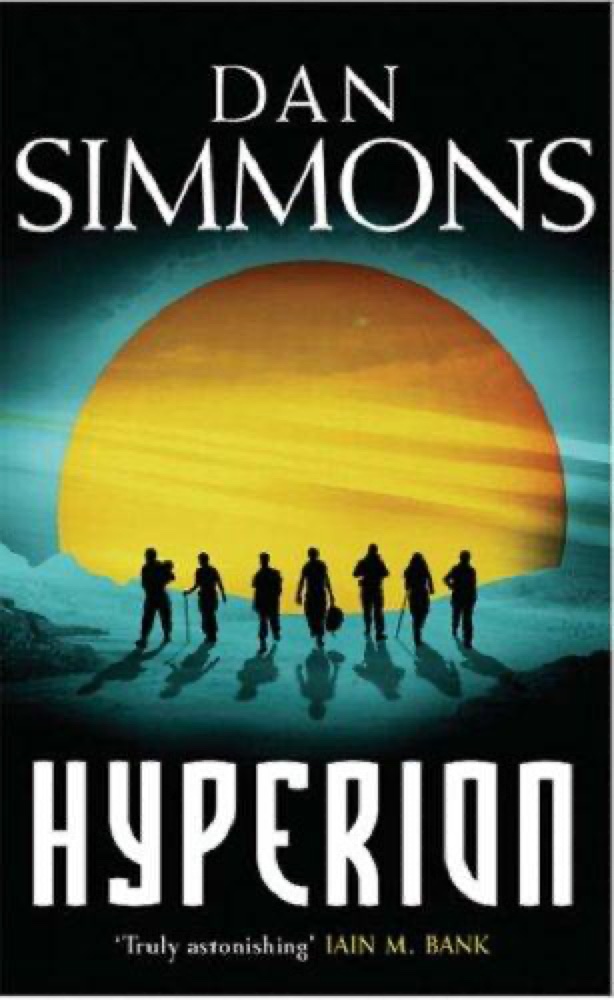 Hyperion
 The Last Man
 The Republic
 Wilhelm Meister's Apprenticeship
 Narcissus and Goldmund
 Opened Ground
 Ben-Hur: A Tale of the Christ
 The Complete Poetry and Selected Prose
 Monday or Tuesday
 The Story of Philosophy: The Lives and Opinions of the World's Greatest Philosophers
 Doctor Faustus
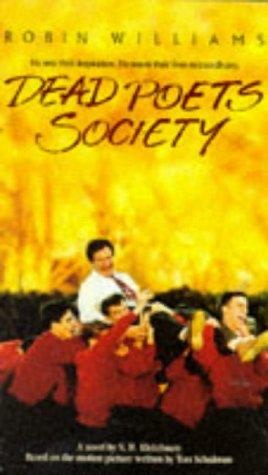 Dead Poets Society
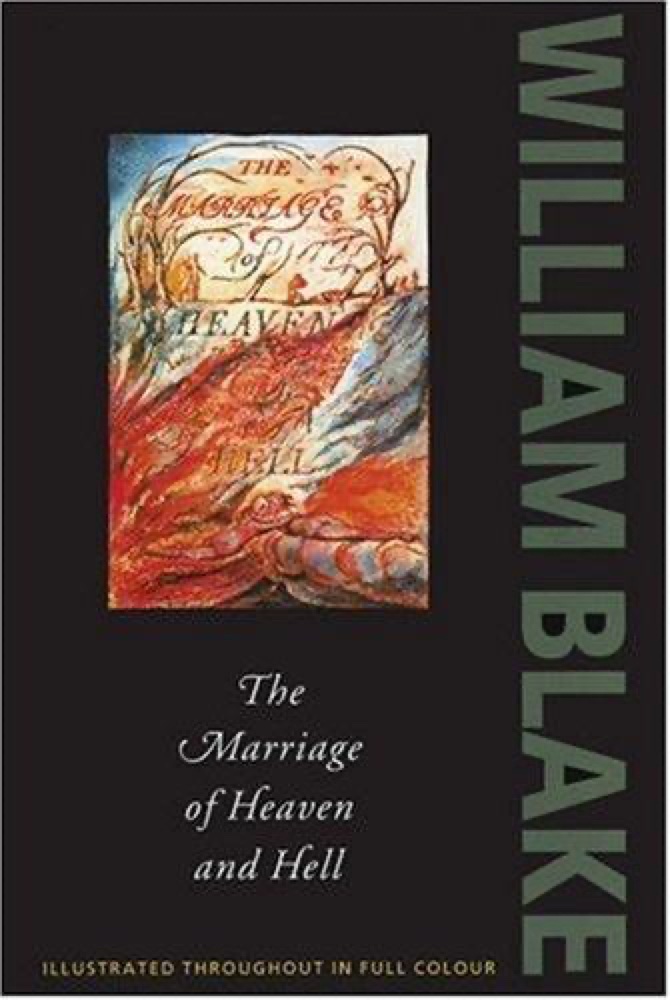 The Marriage of Heaven and Hell
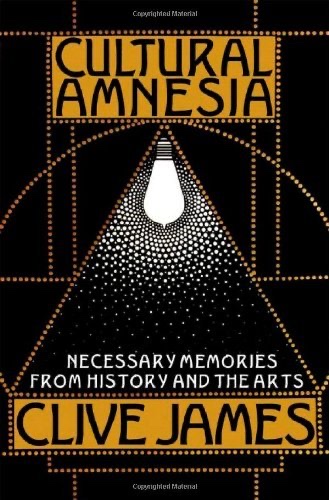 Cultural Amnesia: Necessary Memories from History and the Arts