
 Selections from the Prison Notebooks
Quotes from the Book
Let every man be his own methodologist, let every man be his own theorist
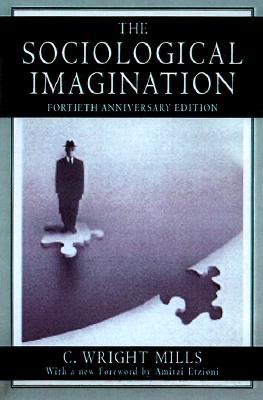
Neither the life of an individual nor the history of a society can be understood without understanding both.
p5-what they need..is a quality of mind that will help them to use information and to develop reason in order to achieve lucid summations of what is going on in the world and of what may be happening within themselves. It this this quality..what may be called the sociological imagination.
Xiii- men must...find their way from false to true consciousness, from their immediate to their real interest. They can do so only if they live in need of changing their way of life, of denying the positive, of refusing, it is precisely this need which the established society manages to repress using the scientific conquest of nature for the scientific conquest of man. Xvi-the technological society is a system of domination.
P3- neither the life of an individual nor the history off a society can be understood without understanding both
The very shaping of history now outpaces the ability of men to orient themselves in accordance with cherished values. Even when they do not panic men often sense that older ways off feeling and thinking have collapsed and that newer beginnings are ambiguous to the point of stasis.
P6-the sociological imagination enables us to grasp history and biography and the relations between the two within sociey.
the more aware they become,however vaugely,of ambitions & of threats which transcend their immediate locales, the more trapped they seem to feel.
p4- the history that now effects everyman is world history
In so far as he [sic] is concerned with liberal, that is to say liberating, education, his public role has two goals: What he ought to do for the individual is to turn personal troubles and concerns into social issues and problems open to reason – his aim is to help the individual become a self-educating man, who only then would be reasonable and free. What he ought to do for the society is to combat all those forces which are destroying genuine publics ... his aim is to help build and to strengthen self-cultivating publics.
Those in the grip of the methodological inhibition often refuse to say anything about modern society unless it has been through the fine little mill of The Statistical Ritual. It is usual to say that what they produce is true even if unimportant. I do not agree with this; more and more I wonder how true it is. I wonder how much exactitude, or even pseudo-precision, is here confused with 'truth'; and how much abstracted empiricism is taken as the only 'empirical' manner of work.
One great lesson that we can learn from its systematic absence in the work of the grand theorists is that every self-conscious thinker must at all times be aware of — and hence be able to control — the levels of abstraction on which he is working. The capacity to shuttle between levels of abstraction, with ease and with clarity, is a signal mark of the imaginative and systematic thinker.
Wiele ważnych problemów publicznych, podobnie jak wiele prywatnych kłopotów, opisuje się w kategoriach „psychiatrycznych” – często, jak się wydaje, w żałosnej próbie ucieczki przed wielkimi problemami i pytaniami nowoczesnego społeczeństwa.
Watch on YouTube
About C. Wright Mills
We have collected 13 quotes from 1 book by C. Wright Mills on BookQuoters.
More about the author →Book details
- Author
- C. Wright Mills
- Genre
- Philosophy
- Goodreads rating
- 4.15 (3k ratings) →
Keep reading
Selections from the Prison Notebooks
 The Undiscovered Self
 The Sane Society
 Anti-Oedipus: Capitalism and Schizophrenia
 Brave New World Revisited
 From Dawn to Decadence: 500 Years of Western Cultural Life, 1500 to the Present
 The Fatal Conceit: The Errors of Socialism
 How Should We Then Live? The Rise and Decline of Western Thought and Culture
 Maps of Meaning: The Architecture of Belief
 Walden Two
 Truth and Method
 The Closing of the American Mind
 Pedagogy of the Oppressed
 Daybreak: Thoughts on the Prejudices of Morality
 The Occult
 The Master and His Emissary: The Divided Brain and the Making of the Western World
 After Virtue
 Irrational Man: A Study in Existential Philosophy
 A History of Western Philosophy
 Untimely Meditations
 Man and His Symbols
 Human Action: A Treatise on Economics
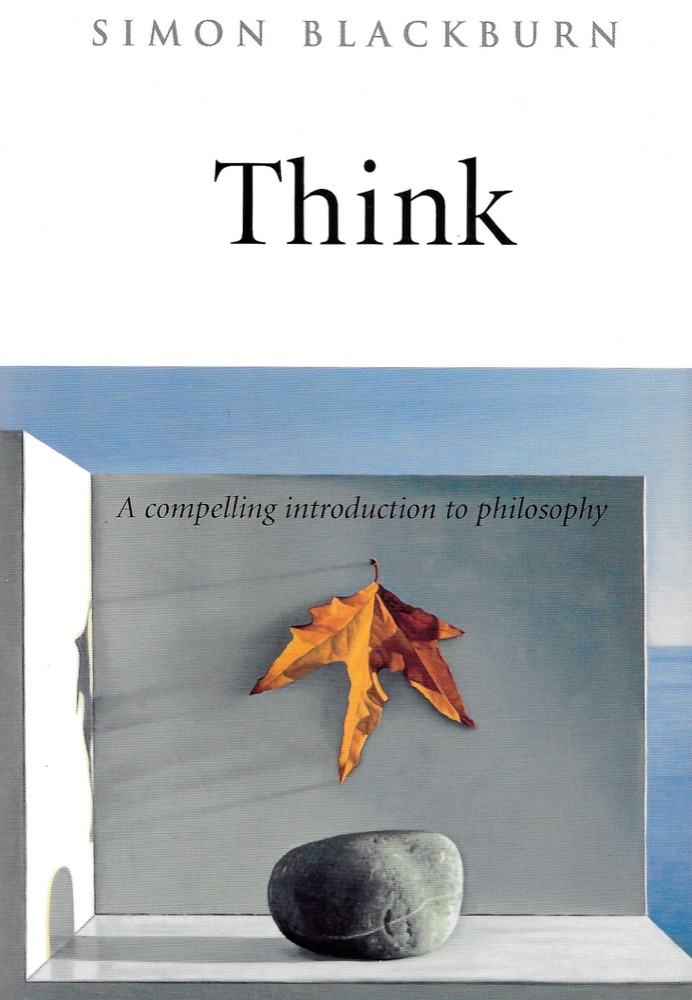 Think: A Compelling Introduction to Philosophy
 The Lessons of History
 Emile or On Education
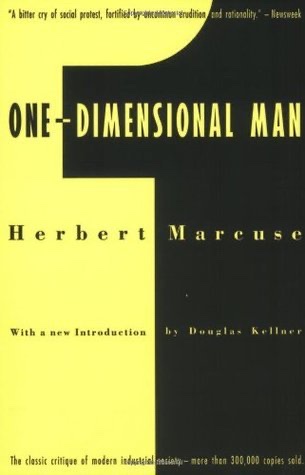 One-Dimensional Man: Studies in the Ideology of Advanced Industrial Society
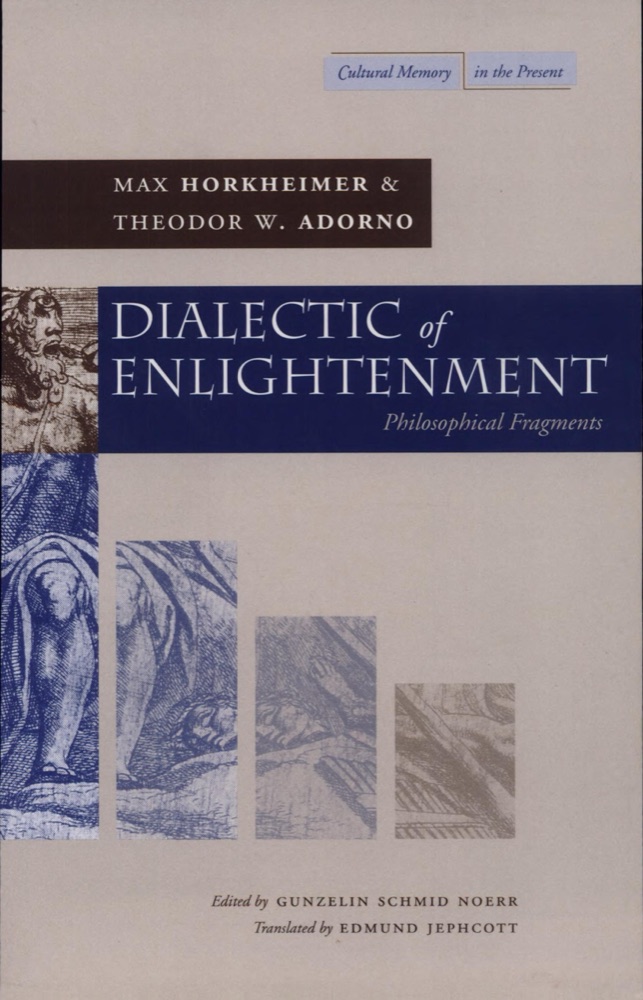 Dialectic of Enlightenment: Philosophical Fragments
 Literary Theory: An Introduction
 Genesis
 The Crisis of the Modern World
 Understanding Media: The Extensions of Man
 Lila: An Inquiry Into Morals
 Homo Deus: A History of Tomorrow
 The Social Animal: The Hidden Sources of Love, Character, and Achievement
 The Discovery of India
 What's Wrong with the World
 The Story of Philosophy: The Lives and Opinions of the World's Greatest Philosophers
 The Will to Power
 The Historian's Craft: Reflections on the Nature and Uses of History and the Techniques and Methods of Those Who Write It.
 An Essay Concerning Human Understanding
 An Enquiry Concerning Human Understanding
 The Age of Absurdity: Why Modern Life makes it Hard to be Happy
 The Source of Self-Regard: Selected Essays, Speeches, and Meditations
 Philosophy: Who Needs It
 The Blank Slate: The Modern Denial of Human Nature
 Discourse on the Origin of Inequality
 The Revolt of the Masses
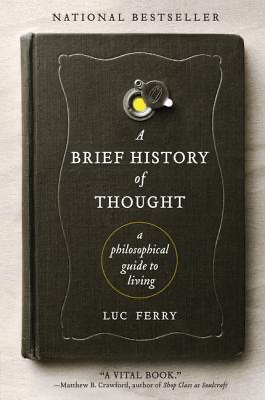 A Brief History of Thought: A Philosophical Guide to Living
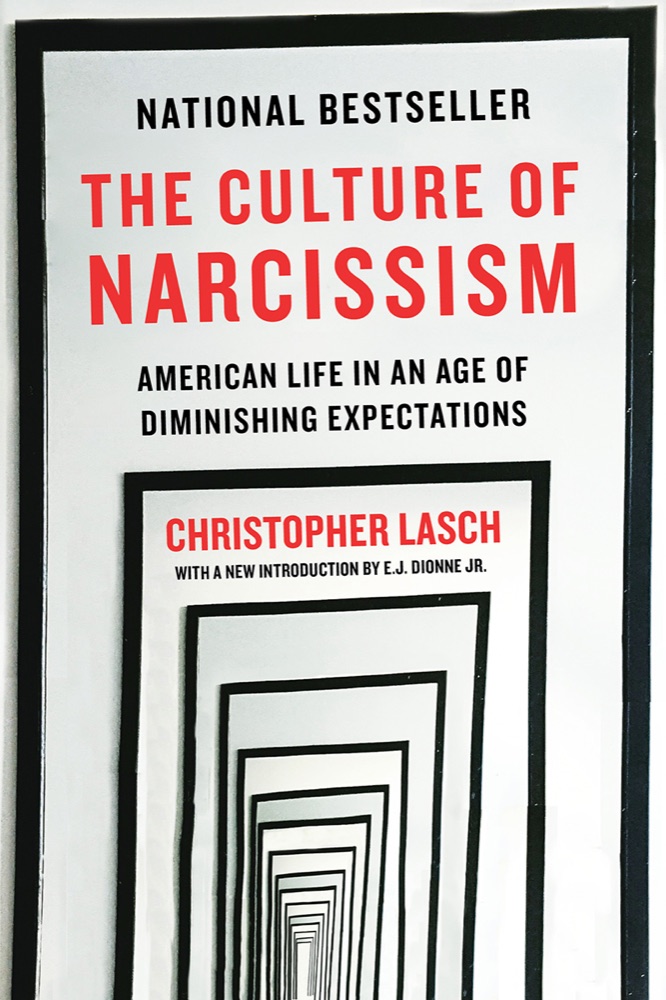 The Culture of Narcissism: American Life in An Age of Diminishing Expectations
 The Spinoza Problem
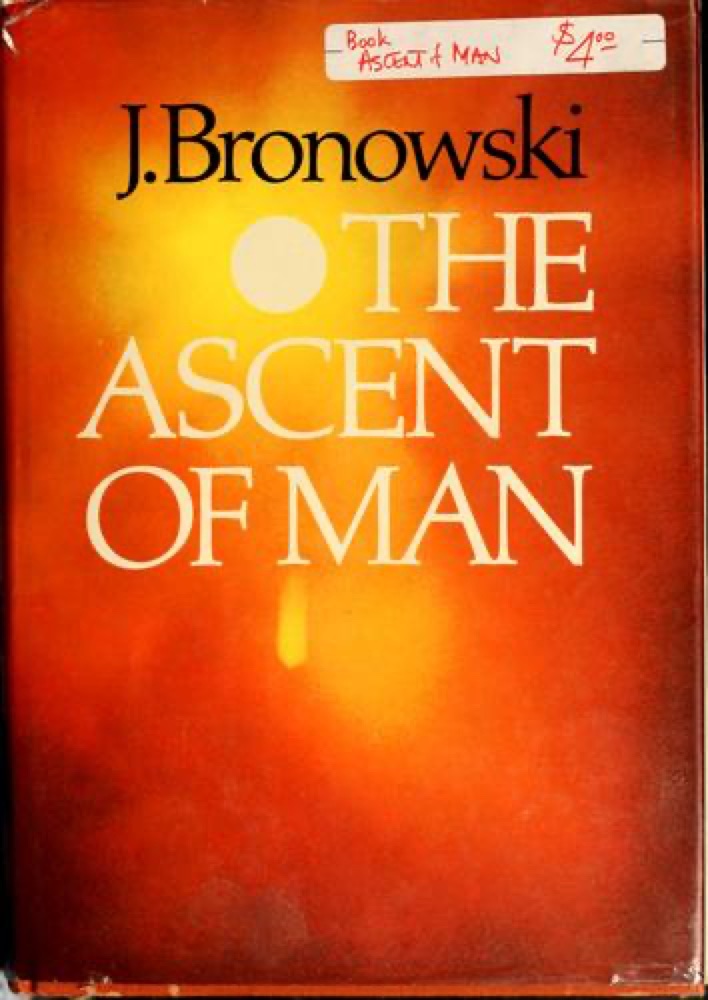 The Ascent of Man
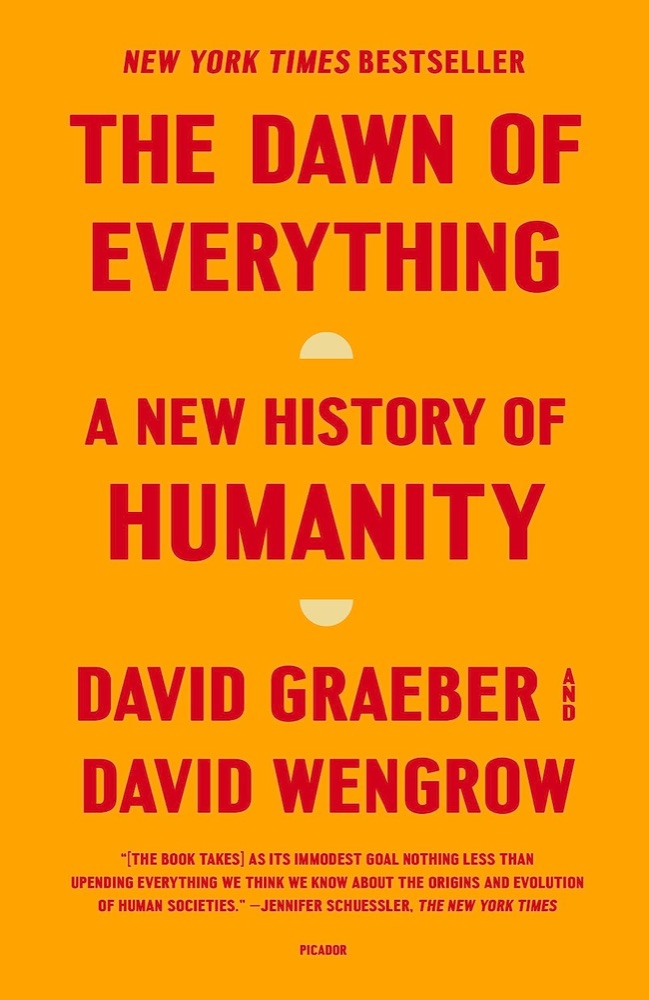 The Dawn of Everything: A New History of Humanity
 Escape from Freedom
 The Medium is the Massage
 The Road to Serfdom
 House Corrino
 21 Lessons for the 21st Century
 The Meaning of It All: Thoughts of a Citizen-Scientist
 The Human Condition
 Last and First Men