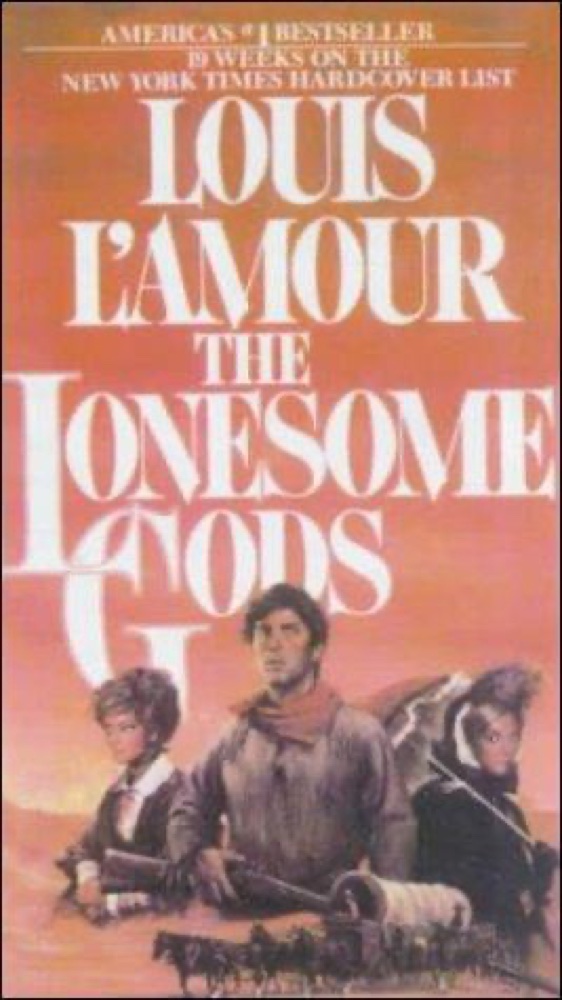
 The Lonesome Gods
Quotes from the Book
A book is less important for what it says than for what it makes you think.
151
I have read my books by many lights, hoarding their beauty, their wit or wisdom against the dark days when I would have no book, nor a place to read. I have known hunger of the belly kind many times over, but I have known a worse hunger: the need to know and to learn.
85
A mistake constantly made by those who should know better is to judge people of the past by our standards rather than their own. The only way men or women can be judged is against the canvas of their own time.
79
It is often said that one has but one life to live, but that is nonsense. For one who reads, there is no limit to the number of lives that may be lived, for fiction, biography and history offer an inexhaustible number of lives in many parts of the world, in all periods of time.
46
Historical novels are, without question, the best way of teaching history, for they offer the human stories behind the events and leave the reader with a desire to know more.
41
We are, finally, all wanderers in search of knowledge. Most of us hold the dream of becoming something better than we are, something larger, richer, in some way more important to the world and ourselves. Too often, the way taken is the wrong way, with too much emphasis on what we want to have, rather than what we wish to become.
40
Indeed, I find that distance lends perspective and I often write better of a place when I am some distance from it. One can be so overwhelmed by the forest as to miss seeing the trees.
31
Knowledge is like money: To be of value it must circulate, and in circulating it can increase in quantity and, hopefully, in value.
30
The key to understanding any people is in its art: its writing, painting, sculpture.
29
Often I hear people say they do not have time to read. That's absolute nonsense. In the one year during which I kept that kind of record, I read twenty-five books while waiting for people. In offices, applying for jobs, waiting to see a dentist, waiting in a restaurant for friends, many such places. I read on buses, trains, and plains. If one really wants to learn, one has to decide what is important. Spending an evening on the town? Attending a ball game? Or learning something that can be with you your life long?
27
Books are precious things, but more than that, they are the strong backbone of civilization. They are the thread upon which it all hangs, and they can save us when all else is lost.
26
Only one who has learned much can fully appreciate his ignorance.
21
No matter how much I admire our schools, I know that no university exists that can provide an education; what a university can provide is an outline, to give the learner a direction and guidance. The rest one has to do for oneself.
21
Today you can buy the Dialogues of Plato for less than you would spend on a fifth of whiskey, or Gibbon's Decline and Fall of the Roman Empire for the price of a cheap shirt. You can buy a fair beginning of an education in any bookstore with a good stock of paperback books for less than you would spend on a week's supply of gasoline.
20
Personally, I do not believe the human mind has any limits but those we impose ourselves.
17
In the United States we have concentrated tremendous sums of money on the educational plant, seemingly with the idea that the right number of buildings will turn out the right number of graduates. Yet the teachers who actually instruct the future citizens of our country are more often than not miserably paid. If in the future we find ourselves with a lot of fourth-rate citizens, we have only ourselves to blame.
17
Without books we should very likely be a still-primitive people living in the shadow of traditions that faded with years until only a blur remained, and different memories would remember the past in different ways. A parent or a teacher has only his lifetime; a good book can teach forever.
15
One thing has always been true: That book or that person who can give me an idea or a new slant on an old idea is my friend.
15
I have told many, yet when I go down that last trail, I know there will be a thousand stories hammering at my skull, demanding to be told.
15
When at the typewriter I am no longer where I site but am away across the mountains, in ancient cities or on the Great Plains among the buffalo. Often I think of what pitiful fools are those who use mind-altering drugs to seek feelings they do not have, each drug taking a little more from what they have of mind, leaving them a little less. Give the brain encouragement from study, from thinking, from visualizing, and no drugs are needed.
13
Much of the study of history is a matter of comparison, of relating what was happening in one area to what was happening elsewhere, and what had happened in the past. To view a period in isolation is to miss whatever message it has to offer.
12
Browsing through the shelves in bookstores or libraries, I was completely happy.
11
A journey is time suspended.
11
Education is everywhere, prompting one to think, to consider, to remember.
10
I came into the world with two priceless advantages: good health and a love of learning. When I left school at the age of fifteen I was halfway through the tenth grade. I left for two reasons, economic necessity being the first of them. More important was that school was interfering with my education.
8
Our world is made up of a myriad of microcosms, of tiny worlds, each with its own habitues, every one known to the others.
8
Nobody should ever try to second-guess history; the facts are fantastic enough.
8
Someone has said that culture is what remains with you after you have forgotten all you have read, and I believe there is much truth in that.
7
Ours was a family in which everybody was constantly reading, and where literature, politics, history, and the events of the prize ring were discussed at breakfast, lunch, and dinner.
6
No one can “get” an education, for of necessity education is a continuing process. If it does nothing else, it should provide students with the tools for learning, acquaint them with methods of study and research, methods of pursuing an idea. We can only hope they come upon an idea they wish to pursue.
4
Watch on YouTube
About Louis L'Amour
We have collected 167 quotes from 11 books by Louis L'Amour on BookQuoters.
More about the author →More by Louis L'Amour
All books by Louis L'Amour →
About the book
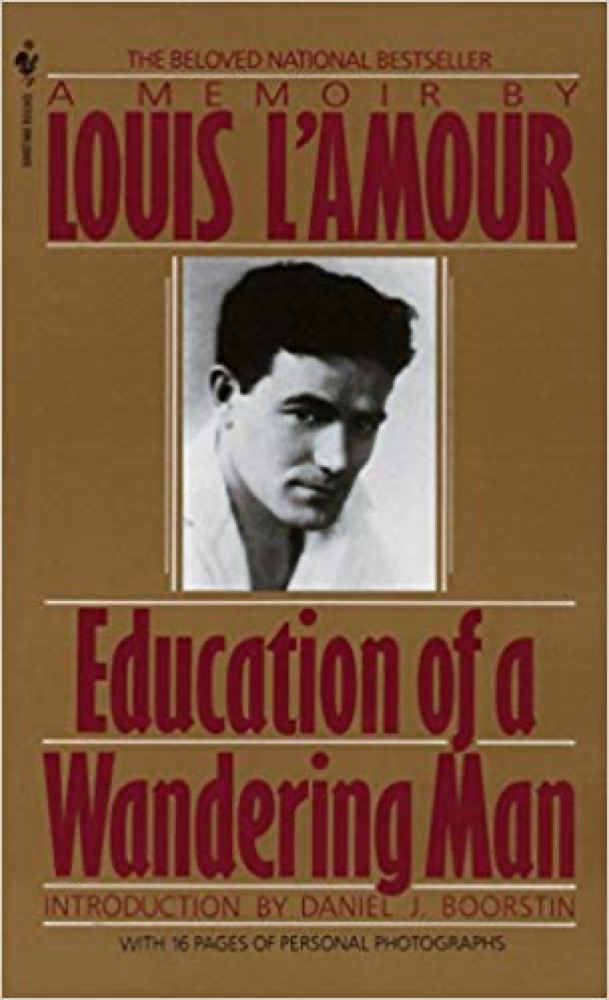
From his decision to leave school at fifteen to roam the world, to his recollections of life as a hobo on the Southern Pacific Railroad, as a cattle skinner in Texas, as a merchant seaman in Singapore and the West Indies, and as an itinerant bare-knuckled prizefighter across small-town America, here is Louis L'Amour's memoir of his lifelong love affair with learning—from books, from yondering, and from some remarkable men and women—that shaped him as a storyteller and as a man. Like classic L'Amour fiction, Education of a Wandering Man mixes authentic frontier drama--such as the author's desperate efforts to survive a sudden two-day trek across the blazing Mojave desert--with true-life characters like Shanghai waterfront toughs, desert prospectors, and cowboys whom Louis L'Amour met while traveling the globe. At last, in his own words, this is a story of a one-of-a-kind life lived to the
Book details
- First published
- 1989
- Author
- Louis L'Amour
- Genre
- Biography
- Goodreads rating
- 4.06 (6k ratings)
Keep reading
 The View from the Cheap Seats: Selected Nonfiction
 How to Read a Book: The Classic Guide to Intelligent Reading
 Books for Living
 The Storied Life of A.J. Fikry
 The Abundance
 How to Read Literature Like a Professor
 The Story of My Life
 The Year of Reading Dangerously
 The Thirteenth Tale
 Illuminations: Essays and Reflections
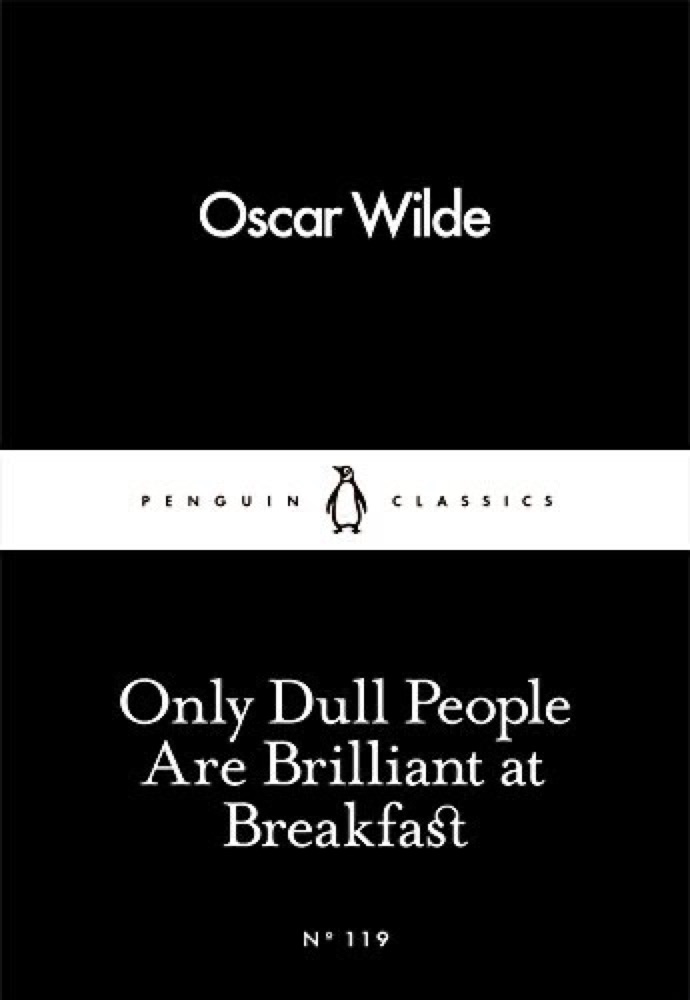 Only Dull People Are Brilliant at Breakfast
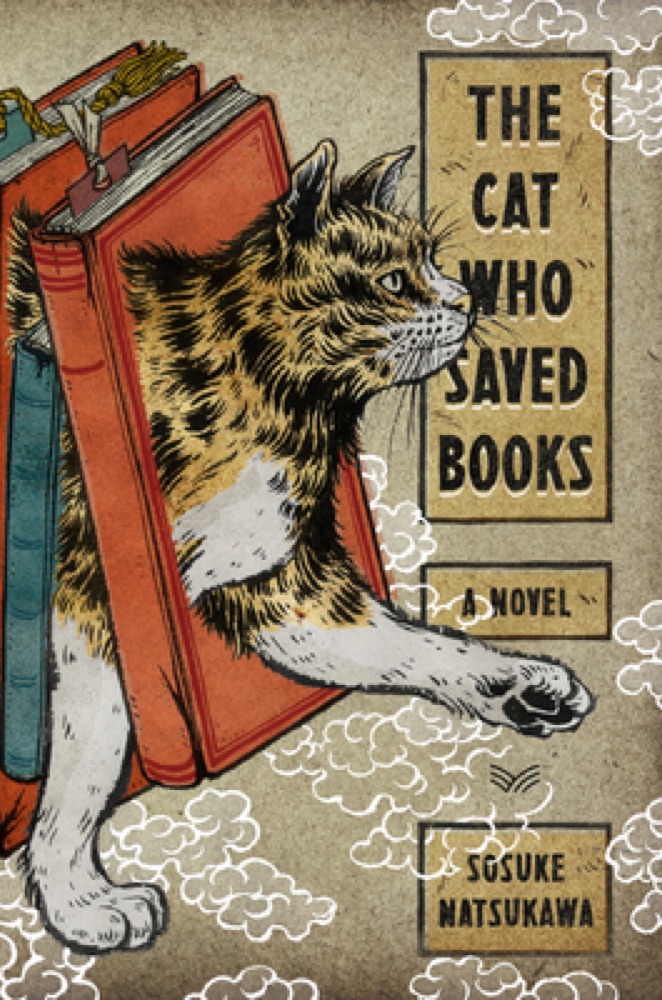 The Cat Who Saved Books
 The American Spirit: Who We Are and What We Stand For
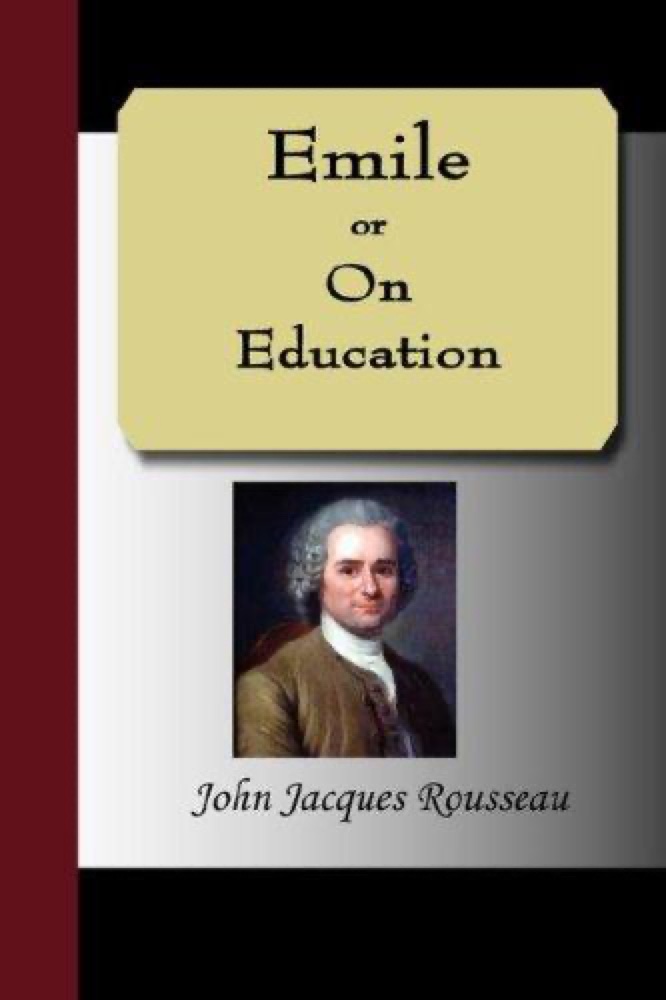 Emile or On Education
 How Reading Changed My Life
 The Common Reader
 Poison for Breakfast
 The Wave in the Mind: Talks and Essays on the Writer, the Reader and the Imagination
 Among Others
 The Book That Wouldn’t Burn
 Dæmon Voices
 Miss Morgan's Book Brigade
 A Circle of Quiet
 History Matters
 How to Read Literature
 The Last Librarian
 Flaubert's Parrot
 The Republic
 The Rent Collector
 Parnassus on Wheels
 The Vanishing American Adult: Our Coming-of-Age Crisis—and How to Rebuild a Culture of Self-Reliance
 Reader, Come Home: The Reading Brain in a Digital World
 In the Light of What We Know
 The Book That Broke the World
 The Door-to-Door Bookstore
 The Spinoza Problem
 I. Asimov: A Memoir
 West with the Night
 Rite of Passage
 The Sea Keeper's Daughters
 Four Ways to Forgiveness
 The Writing Life
 One Man's Meat
 Aspects of the Novel
 The Book That Held Her Heart
 Where the Bluebird Sings to the Lemonade Springs: Living and Writing in the West
 Asymmetry
 Why We Read: On Bookworms, Libraries, and Just One More Page Before Lights Out
 Leave Me Alone, I'm Reading: Finding and Losing Myself in Books
 The World's Strongest Librarian: A Memoir of Tourette's, Faith, Strength, and the Power of Family
 The Haunted Bookshop
 The Eternal Wonder
 When I Was a Child I Read Books
 Flights
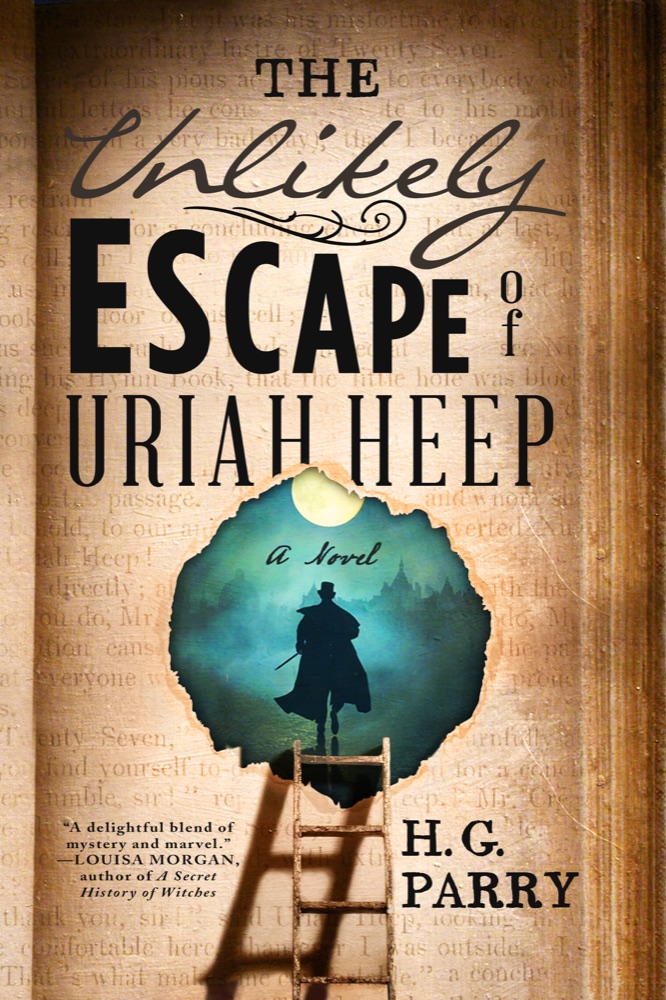 The Unlikely Escape of Uriah Heep
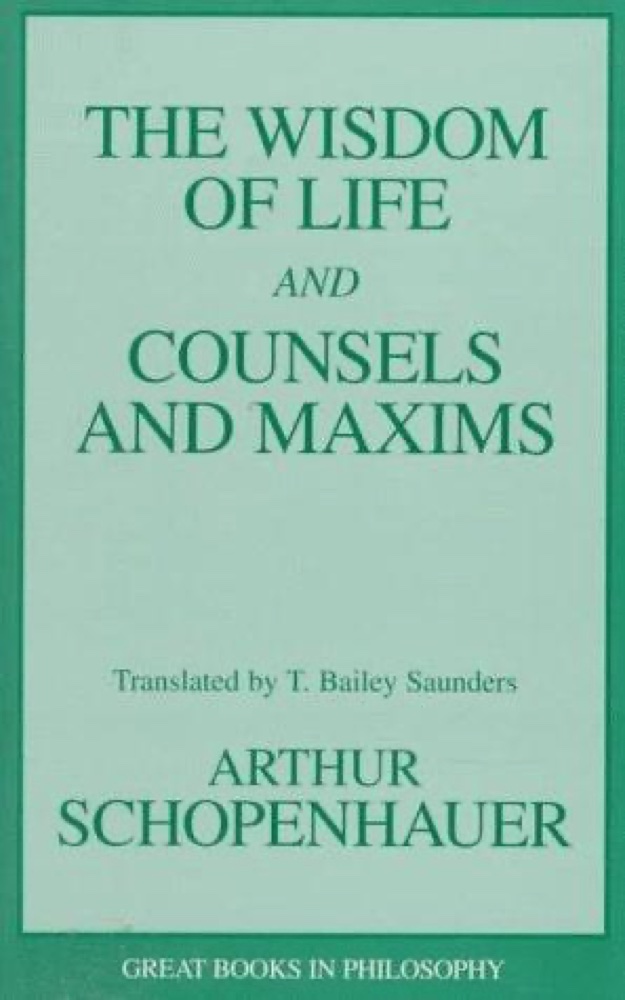 The Wisdom of Life
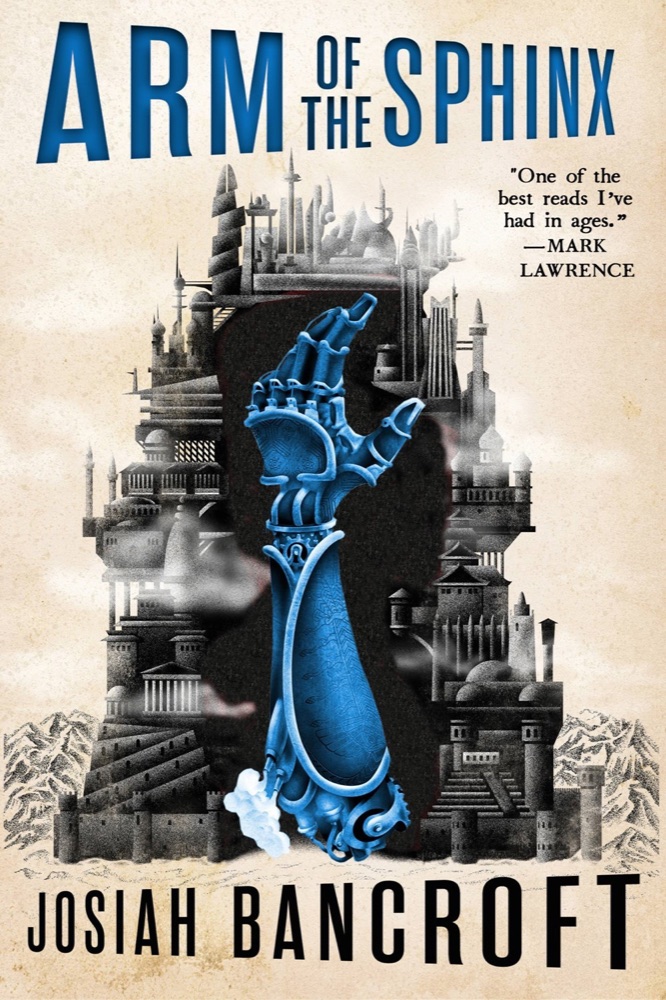 Arm of the Sphinx
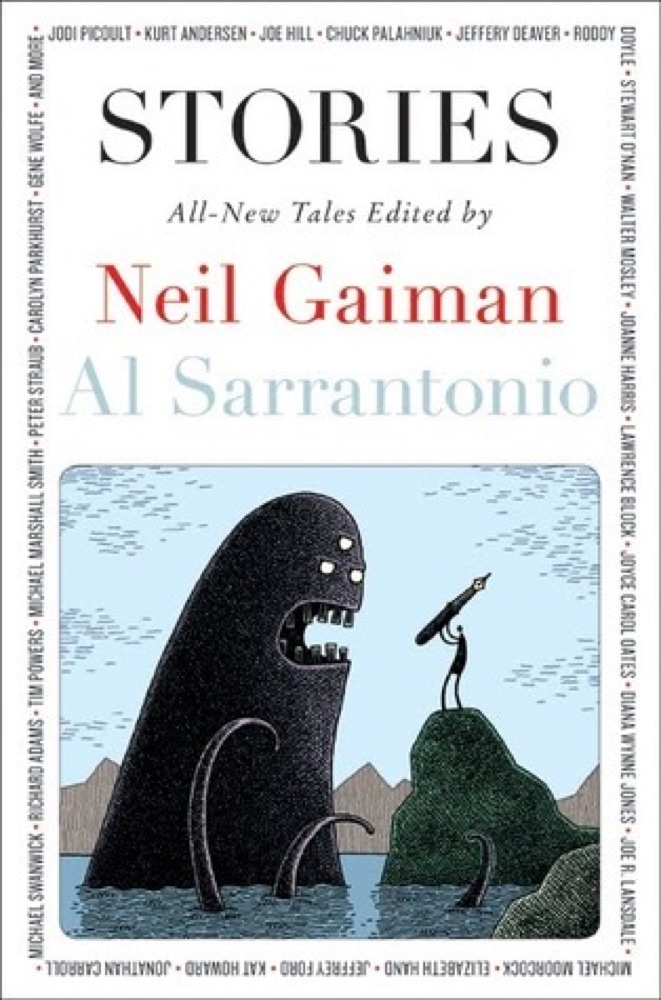 Stories: All-New Tales
 Suggested Reading
 My Reading Life