
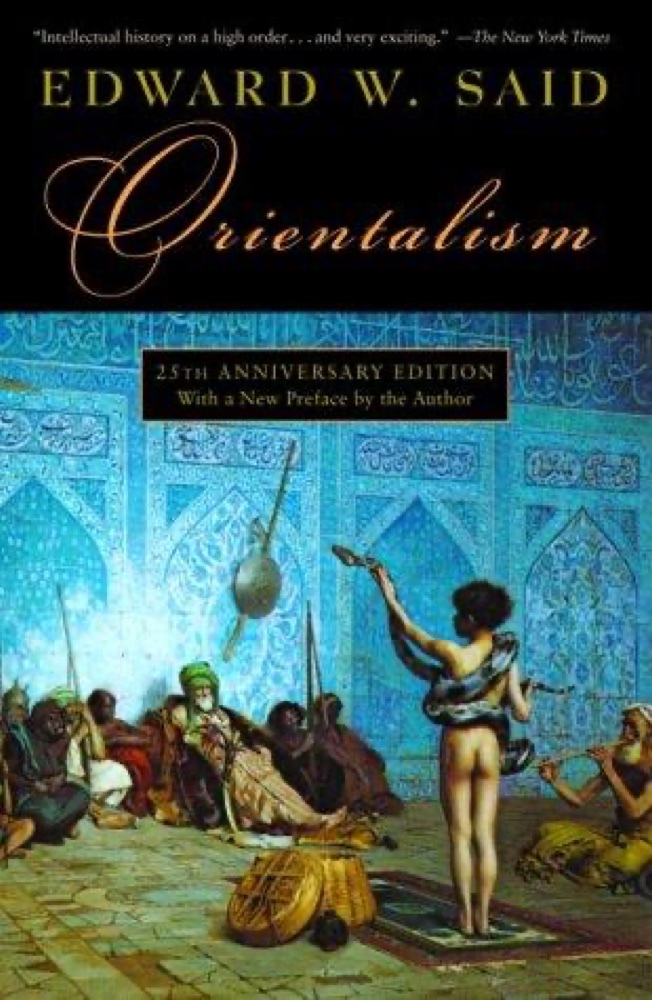
 Orientalism
Quotes from the Book
No one today is purely one thing. Labels like Indian, or woman, or Muslim, or American are not more than starting-points, which if followed into actual experience for only a moment are quickly left behind. Imperialism consolidated the mixture of cultures and identities on a global scale. But its worst and most paradoxical gift was to allow people to believe that they were only, mainly, exclusively, white, or Black, or Western, or Oriental. Yet just as human beings make their own history, they also make their cultures and ethnic identities. No one can deny the persisting continuities of long traditions, sustained habitations, national languages, and cultural geographies, but there seems no reason except fear and prejudice to keep insisting on their separation and distinctiveness, as if that was all human life was about. Survival in fact is about the connections between things; in Eliot’s phrase, reality cannot be deprived of the “other echoes [that] inhabit the garden.” It is more rewarding - and more difficult - to think concretely and sympathetically, contrapuntally, about others than only about “us.” But this also means not trying to rule others, not trying to classify them or put them in hierarchies, above all, not constantly reiterating how “our” culture or country is number one (or not number one, for that matter).
148
Just as none of us is outside or beyond geography, none of us is completely free from the struggle over geography. That struggle is complex and interesting because it is not only about soldiers and cannons but also about ideas, about forms, about images and imaginings.
90
We are at a point in our work when we can no longer ignore empires and the imperial context in our studies. (p. 5)
33
Liberation as an intellectual mission, born in the resistance and opposition to the confinements and ravages of imperialism, has now shifted from the settled, established, and domesticated dynamics of culture to its unhoused, decentred, and exilic energies, energies whose incarnation today is the migrant, and whose conciousness is that of the intellectual and artist in exile, the political figure between domains, between forms, between homes, and between languages. From this perspective then all things are indeed counter, original, spare, strange. From this perspective also, one can see 'the complete consort dancing together' contrapuntally.
27
Texts are not finished objects.
25
They weren't like us and for that reason deserved to be ruled.
20
The power to narrate, or to block other narratives from forming and emerging, is very important to culture and imperialism, and constitutes one of the main connections between them. Most important, the grand narratives of emancipation and enlightenment mobilized people in the colonial world to rise up and throw off imperial subjection; in the process, many Europeans and Americans were also stirred by these stories and their protagonists, and they too fought for new narratives of equality and human community.
16
The appropriation of history, the historicization of the past, the narrativization of society, all of which give the novel its force, include the accumulation and differentiation of social space, space to be used for social purposes.
16
my basic point being that stories are at the heart of what explorers and novelists say about strange regions of the world; they also become the method colonized people use to assert their own identity and the existence of their own history.
10
The main battle in imperialism is over land, of course; but when it came to who owned the land, who had the right to settle and work on it, who kept it going, who won it back, and now plans its future--these issues were reflected, contested, and even for a time decided in narrative. As one critic has suggested, nations themselves are narrations.
7
..culture is not monolithic either and is not the exclusive property of the East or West nor of the small groups of men and women.
7
We are all taught to venerate our nations and admire our traditions: we are taught to pursue their interests with toughness and in disregard for other societies. A new and in my opinion appalling tribalism is fracturing societies, separating peoples, promoting greed, bloody conflict, and uninteresting assertions of minor ethnic or group particularity.
7
Most professional humanists as a result are unable to make the connection between the prolonged and sordid cruelty of practices such as slavery, colonialist and racial oppression, and imperial subjection on the one hand, and the poetry, fiction, philosophy of the society that engages in these practices on the other.
6
No poet, no artist of any art, has his complete meaning alone.1 The force of these comments is directed equally, I think, at poets who think critically and at critics whose work aims at a close appreciation of the poetic process. The main idea is that even as we must fully comprehend the pastness of the past, there is no just way in which the past can be quarantined from the present. Past and present inform each other, each implies the other and, in the totally ideal sense intended by Eliot, each co-exists with the other.
5
Of all the modern social sciences, anthropology is the one historically most closely tied to colonialism, since it was often the case that anthropologists and ethnologists advised colonial rulers on the manners and mores of the native people.
2
it is a useful preparation to look at what still remains of imperialism in recent cultural discussion.
I shall try to formulate an alternative both to a politics of blame and to the even more destructive politics of confrontation and hostility.
according to Bernal, whereas Greek civilization was known originally to have roots in Egyptian, Semitic, and various other southern and eastern cultures, it was redesigned as “Aryan” during the course of the nineteenth century,
That is the question that concerns me here: given the initial, perhaps obscurely derived and motivated move toward empire from Europe to the rest of the world, how did the idea and the practice of it gain the consistency and density of continuous enterprise,
Both are supported and perhaps even impelled by impressive ideological formations that include notions that certain territories and people require and beseech domination,
Graham Greene’s character Pyle, in The Quiet American, embodies this cultural formation with merciless accuracy.
how we formulate or represent the past shapes our understanding and views of the present.
What animates such appeals is not only disagreement about what happened in the past and what the past was, but uncertainty about whether the past really is past, over and concluded, or whether it continues, albeit in different forms, perhaps.
Much of the passionate controversy about ‘cultural literacy’ in the United States and Europe was about what should be read—the twenty or thirty essential books—not about how they should be read. In many American universities, the frequent right-thinking response to the demands of newly empowered marginal groups was to say ‘show me the African (or Asian, or feminine) Proust’ or ‘if you tamper with the canon of Western literature you are likely to be promoting the return of polygamy and slavery’.
The River Between, by James Ngugi (later Ngugi wa Thiongo), redoes Heart of Darkness by inducing life into Conrad’s river on the very first page. ‘The river was called Honia, which meant cure, or bring-back-to-life. Honia river never dried: it seemed to possess a strong will to live, scorning droughts and weather changes. And it went on in the very same way, never hurrying, never hesitating. People saw this and were happy.’51 Conrad’s images of river, exploration, and mysterious setting are never far from our awareness as we read, yet they are quite differently weighted, differently—even jarringly—experienced in a deliberately understated, self-consciously unidiomatic and austere language. In Ngugi the white man recedes in importance—he is compressed into a single missionary figure emblematically called Livingstone—although his influence is felt in the divisions that separate the villages, the riverbanks, and the people from one another. In the internal conflict ravaging Waiyaki’s life, Ngugi powerfully conveys the unresolved tensions that will continue well after the novel ends and that the novel makes no effort to contain. A new pattern, suppressed in Heart of Darkness, appears, out of which Ngugi generates a new mythos, whose tenuous course and final obscurity suggest a return to an African Africa. And in Tayb Salih’s Season of Migration to the North, Conrad’s river is now the Nile, whose waters rejuvenate its peoples, and Conrad’s first-person British narrative style and European protagonists are in a sense reversed, first through the use of Arabic; second in that Salih’s novel concerns the northward voyage of a Sudanese to Europe; and third, because the narrator speaks from a Sudanese village.
Everything about human history is rooted in the earth, which has meant that we must think about habitation, but it has also meant that people have planned to have more territory and therefore must do something about its indigenous residents.
Watch on YouTube
About Edward W. Said
We have collected 69 quotes from 3 books by Edward W. Said on BookQuoters.
More about the author →More by Edward W. Said
Orientalism
 The Question of Palestine
About the book
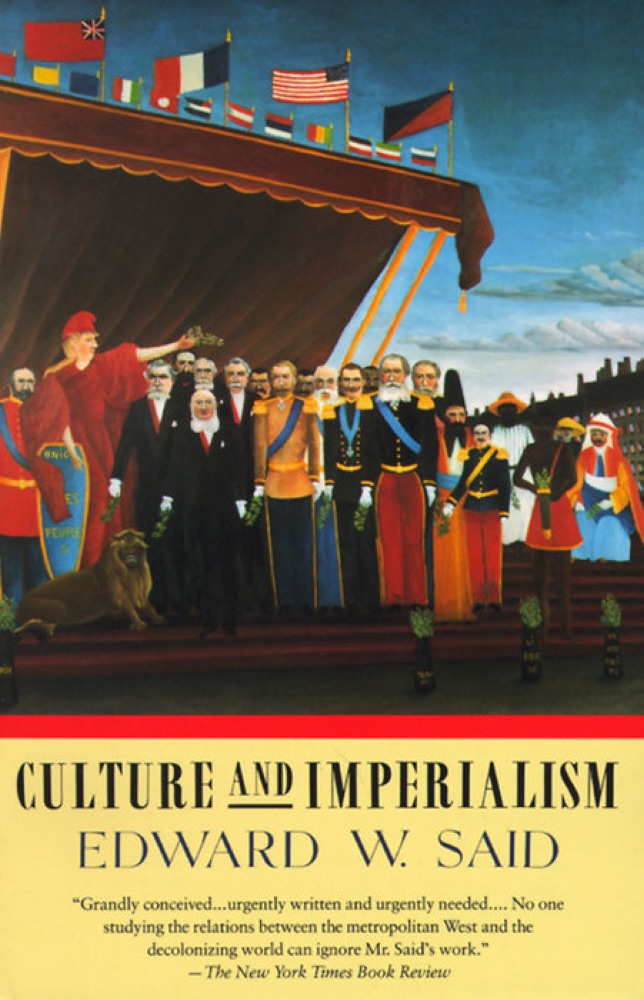
A landmark work from the intellectually auspicious author of Orientalism that explores the long-overlooked connections between the Western imperial endeavor and the culture that both reflected and reinforced it. Culture and Imperialism, by Edward Said, is a collection of thematically related essays that trace the connection between imperialism and culture throughout the 18th, 19th, and 20th centuries.
Book details
- First published
- 1993
- Author
- Edward W. Said
- Genre
- Nonfiction
- Goodreads rating
- 4.19 (6k ratings)
Keep reading
Orientalism
 The Message
 A History of the World in 100 Objects
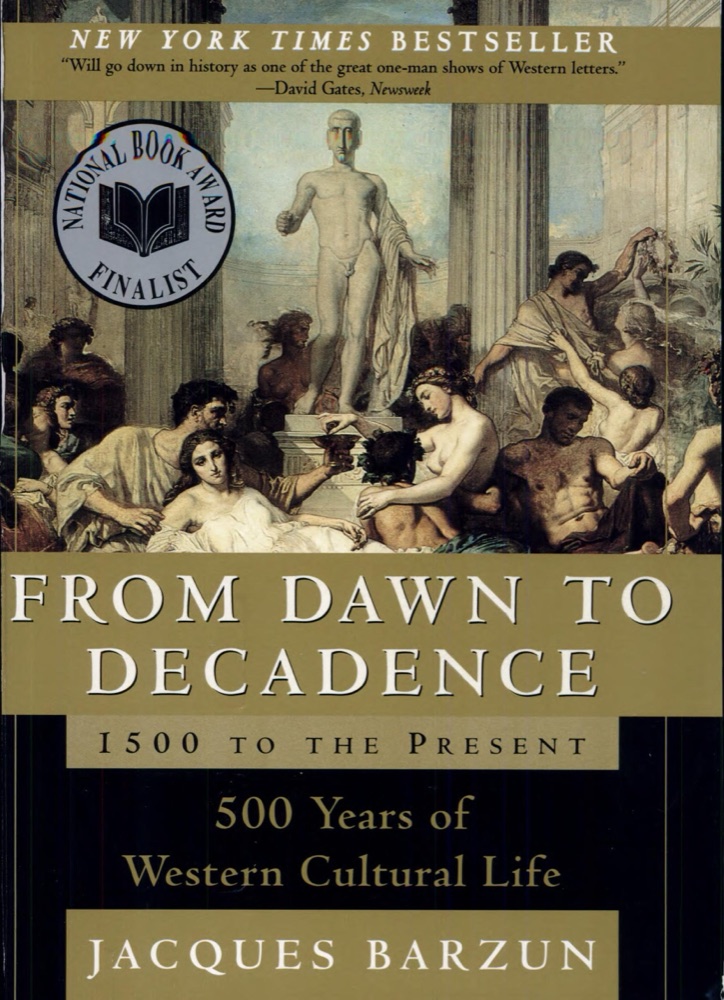 From Dawn to Decadence: 500 Years of Western Cultural Life, 1500 to the Present
 Recognizing the Stranger: On Palestine and Narrative
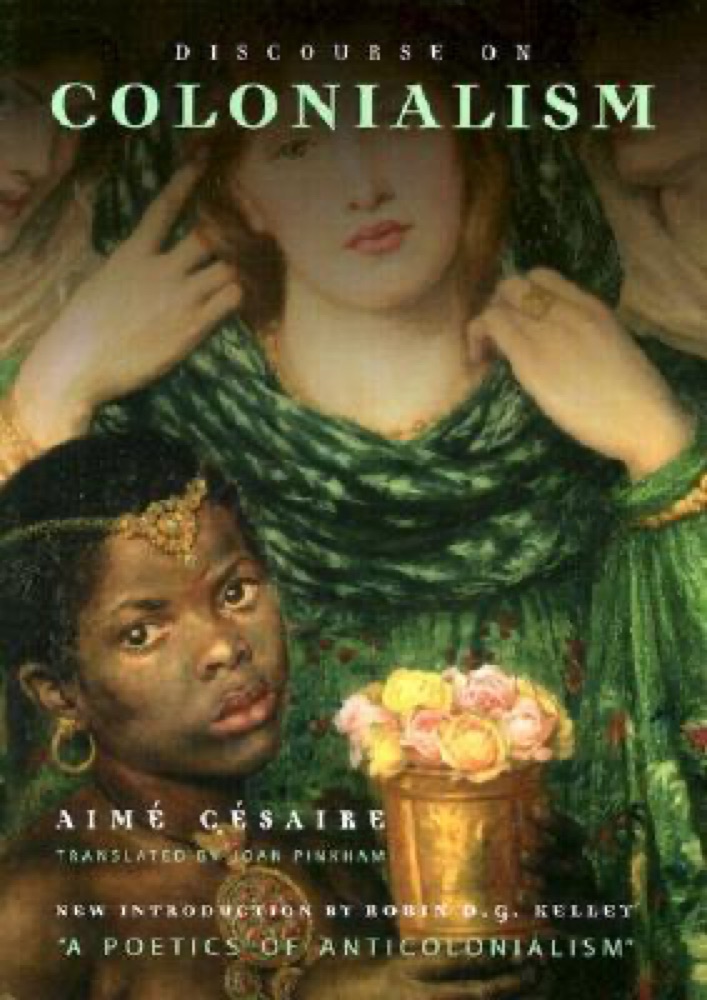 Discourse on Colonialism
 Civilization: The West and the Rest
 The Dawn of Everything: A New History of Humanity
 The Wretched of the Earth
 The War on the West: An Instant NYT Bestselling History of the Modern World
 How to Read Now
 The Nutmeg's Curse: Parables for a Planet in Crisis
 The Argumentative Indian: Writings on Indian History, Culture and Identity
 The Strange Death of Europe: Immigration, Identity, Islam
 Becoming Kin: An Indigenous Call to Unforgetting the Past and Reimagining Our Future
 Literary Theory: An Introduction
 The Lessons of History
 The Colonizer and the Colonized
 When I Was a Child I Read Books
 The Discovery of India
 A People's History of the United States
 Our Oriental Heritage
 The Inconvenient Indian: A Curious Account of Native People in North America
The Question of Palestine
The Inconvenient Indian: A Curious Account of Native People in North America
The Question of Palestine
 Illuminations: Essays and Reflections
 The Archaeology of Knowledge and The Discourse on Language
 Orwell's Roses
 World Order
 Where the Bluebird Sings to the Lemonade Springs: Living and Writing in the West
 Modern Times: The World from the Twenties to the Nineties
 The Wayfinders: Why Ancient Wisdom Matters in the Modern World
 What White People Can Do Next: From Allyship to Coalition – An Empowering Guide to Interrogating Whiteness and Creating Justice
 1491: New Revelations of the Americas Before Columbus
 What Is History?
 The Source of Self-Regard: Selected Essays, Speeches, and Meditations
 The Committed
 Black Rednecks and White Liberals
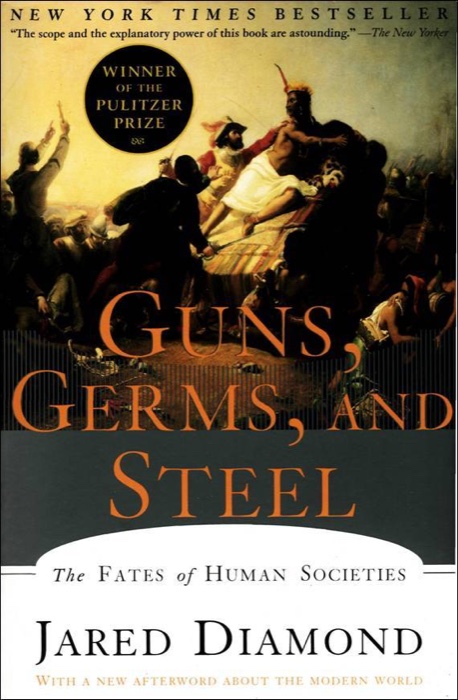 Guns, Germs, and Steel: The Fates of Human Societies
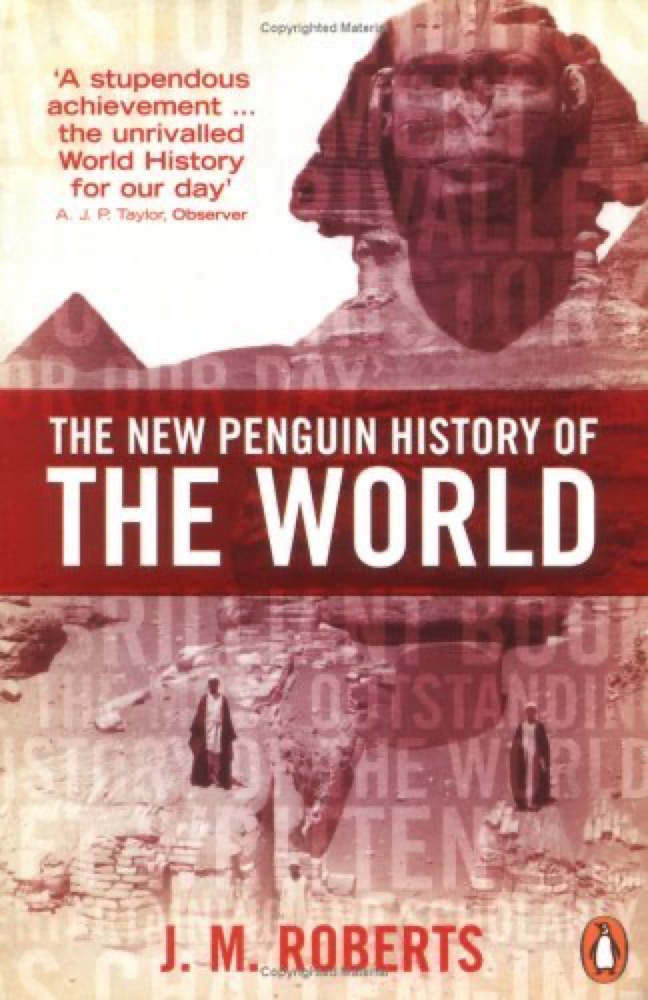 The New Penguin History of The World
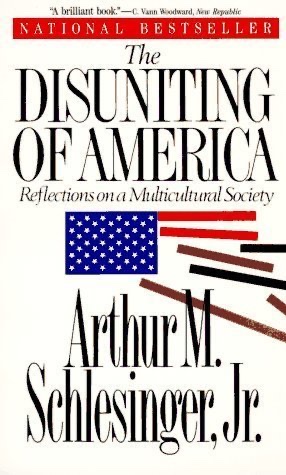 The Disuniting of America: Reflections on a Multicultural Society
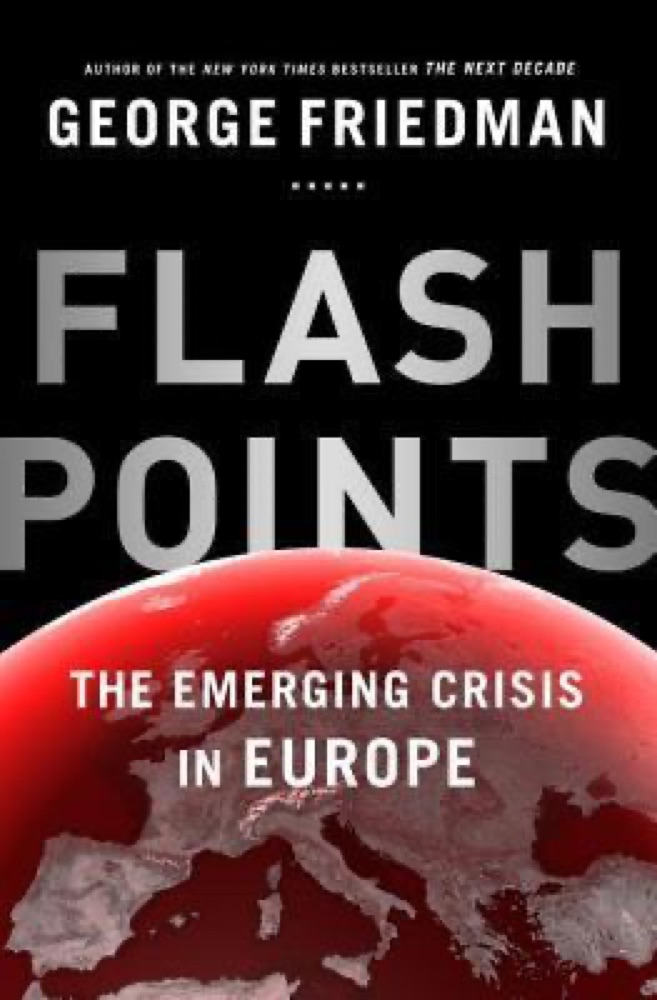 Flashpoints: The Emerging Crisis in Europe
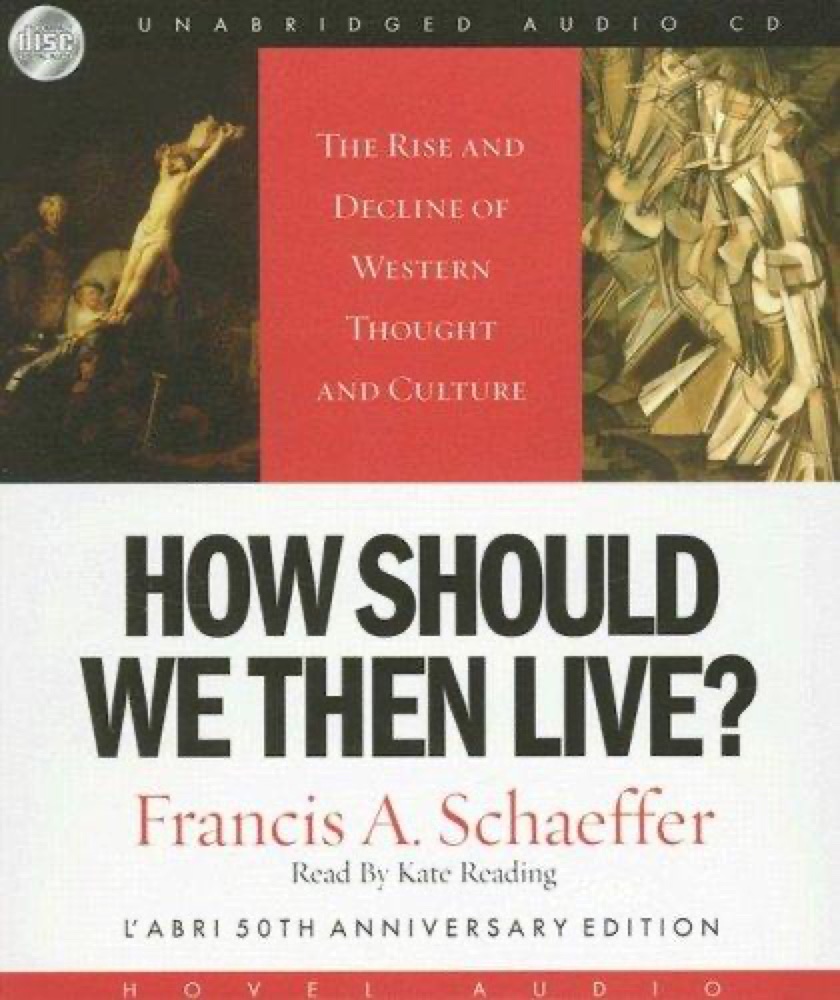 How Should We Then Live? The Rise and Decline of Western Thought and Culture
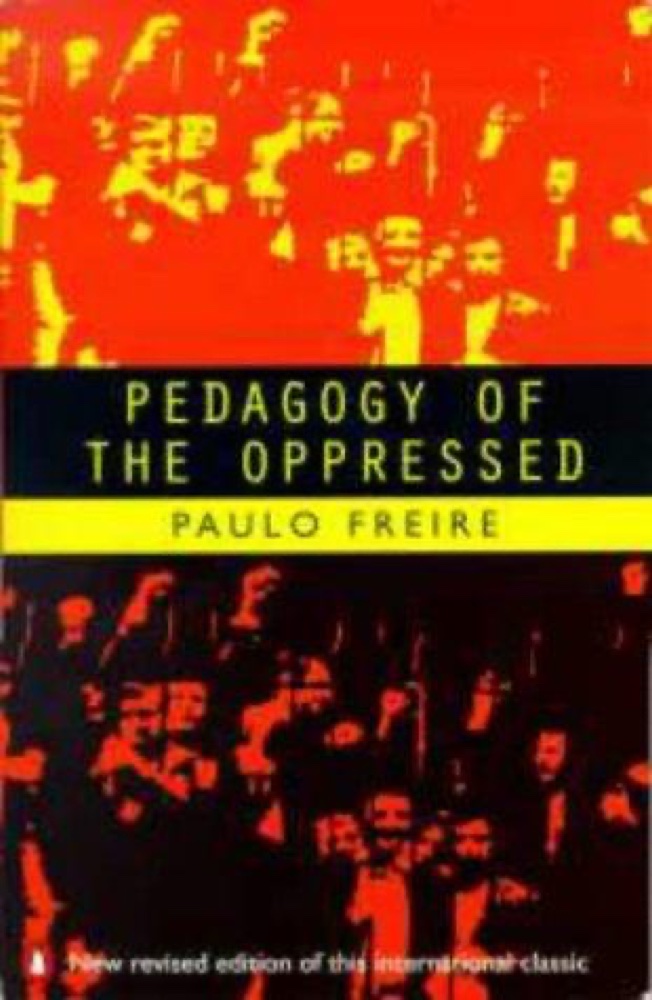 Pedagogy of the Oppressed
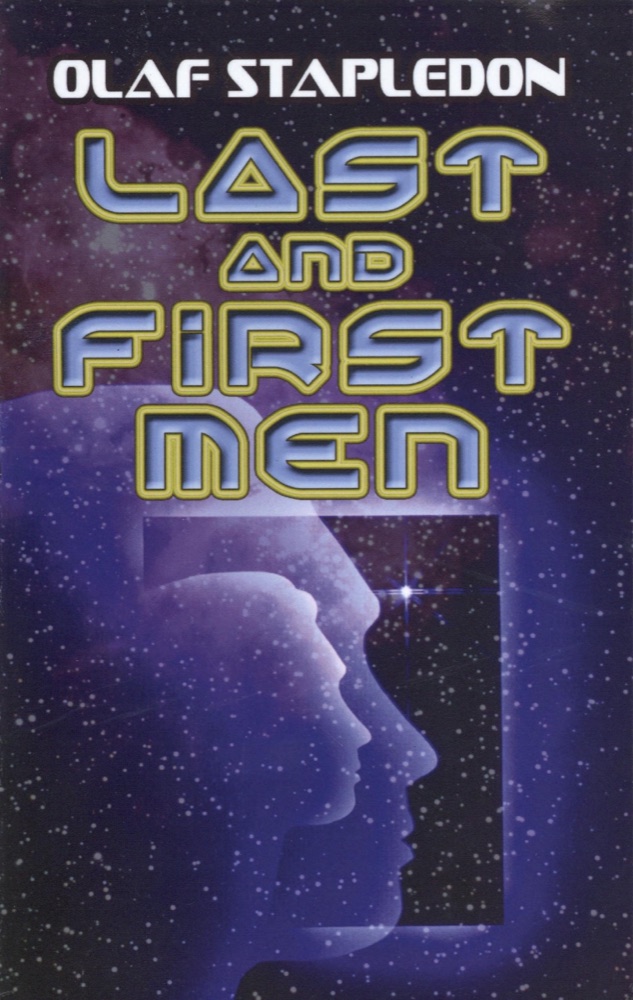 Last and First Men
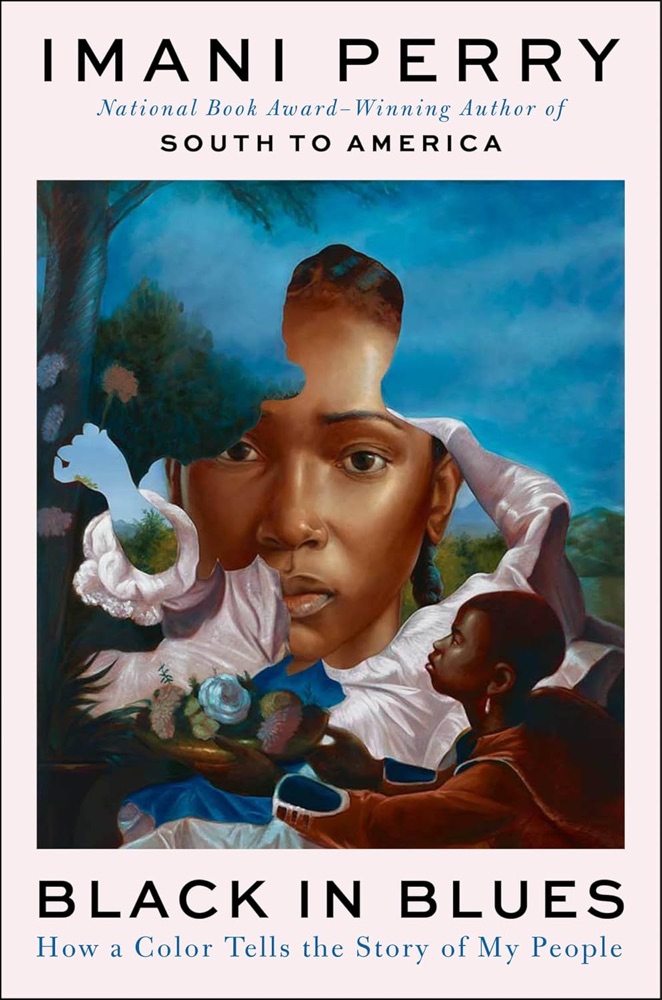 Black in Blues: How a Color Tells the Story of My People
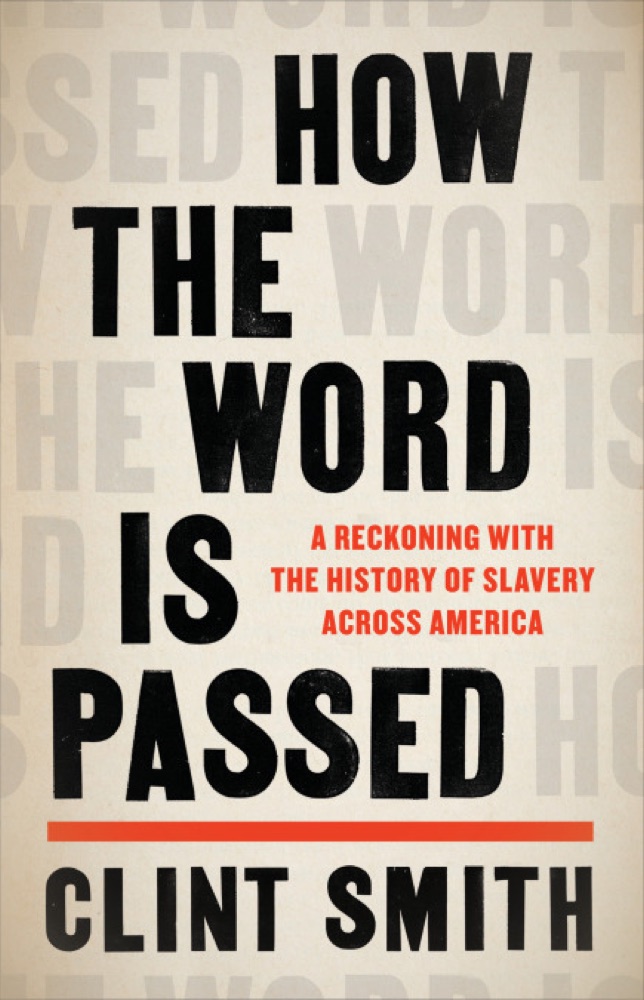 How the Word Is Passed: A Reckoning with the History of Slavery Across America
 The Sociological Imagination
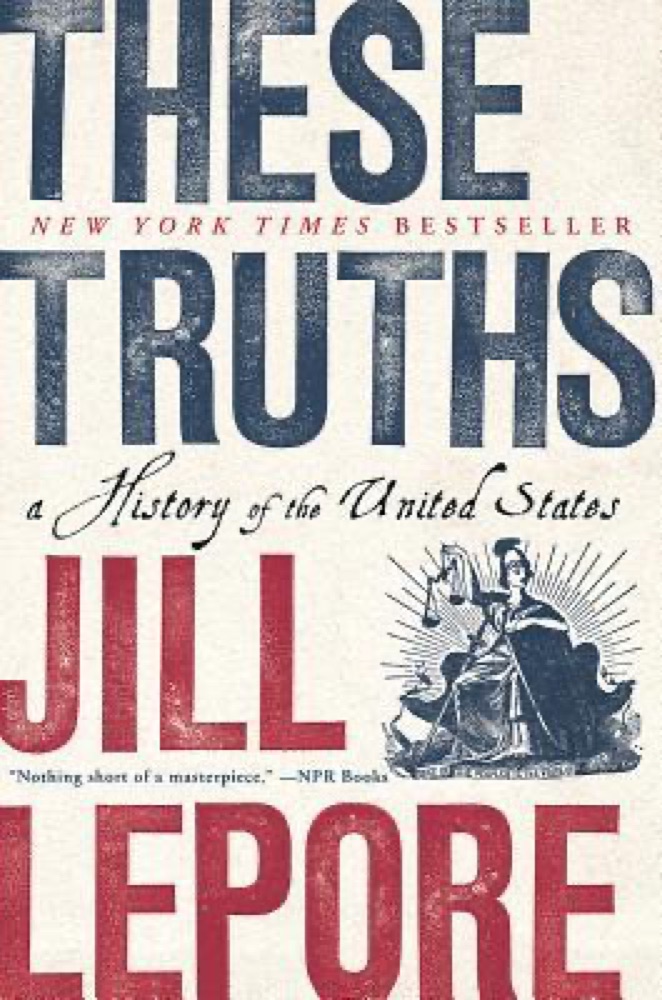 These Truths: A History of the United States
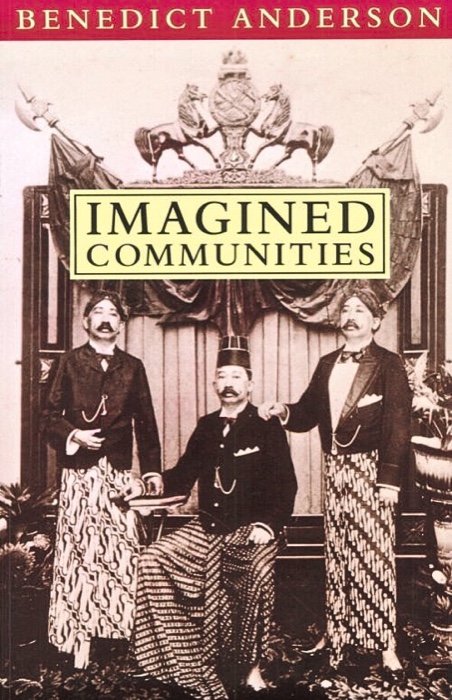 Imagined Communities: Reflections on the Origin and Spread of Nationalism
 After Virtue
 Collapse: How Societies Choose to Fail or Succeed
 Notes of a Native Son
 Elite Capture: How the Powerful Took Over Identity Politics
 Dialectic of Enlightenment: Philosophical Fragments
 Children of Ash and Elm: A History of the Vikings
 The Revenge Of Geography: What the Map Tells Us About Coming Conflicts and the Battle Against Fate
 Arguably: Selected Essays
 Truth and Method
 Selections from the Prison Notebooks
 Mimesis: The Representation of Reality in Western Literature