
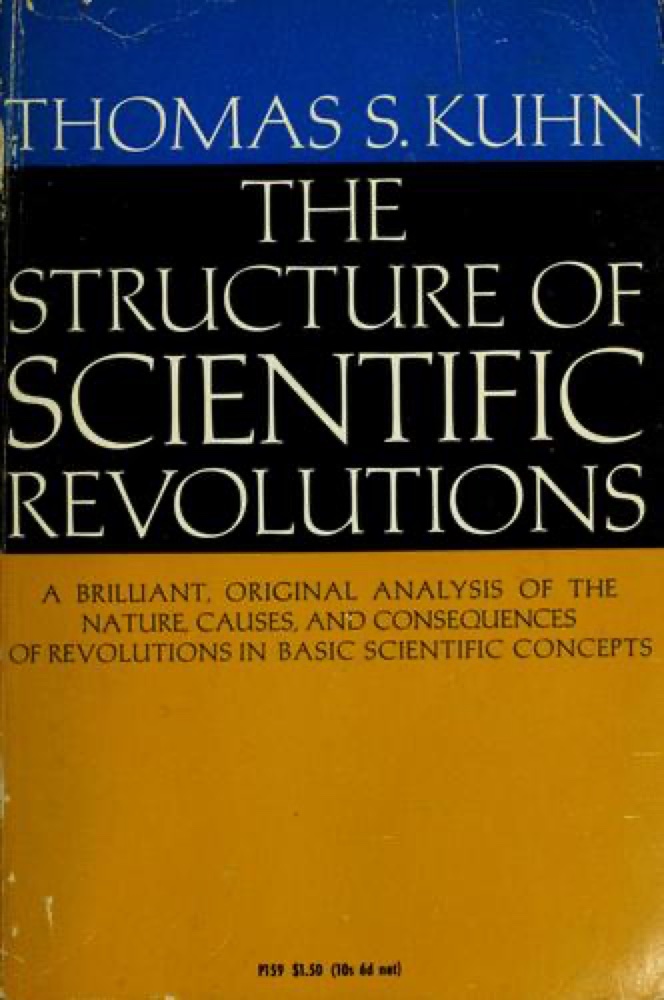
 The Structure of Scientific Revolutions
Quotes from the Book
Teachers' using grades and the fear of failure mould the brains of the young until they have lost every ounce of imagination they might once have possessed.
47
Without a constant misuse of language there cannot be any discovery, any progress
45
We need a dream-world in order to discover the features of the real world we think we inhabit.
31
Science is essentially an anarchic enterprise: theoretical anarchism is more humanitarian and more likely to encourage progress than its law-and-order alternatives.
20
My intention is not to replace one set of general rules by another such set: my intention is, rather, to convince the reader that all methodologies, even the most obvious ones, have their limits. The best way to show this is to demonstrate the limits and even the irrationality of some rules which she, or he, is likely to regard as basic. In the case that induction (including induction by falsification) this means demonstrating how well the counterinductive procedure can be supported by argument.
19
An anarchist is like an undercover agent who plays the game of Reason in order to undercut the authority of Reason (Truth, Honesty, Justice and so on).
18
In a democracy scientific institutions, research programmes, and suggestions must therefore be subjected to public control, there must be a separation of state and science just as there is a separation between state and religious institutions, and science should be taught as one view among many and not as the one and only road to truth and reality.
8
In the first case it emerges that the evidence that might refute a theory can often be unearthed only with the help of an incompatible alternative: the advice (which goes back to Newton and which is still popular today) to use alternatives only when refutations have already discredited the orthodox theory puts the cart before the horse. Also, some of the most important formal properties of a theory are found by contrast, and not by analysis. A scientist who wishes to maximize the empirical content of the views he holds and who wants to understand them as clearly as he possibly can must therefore introduce other views; that is, he must adopt a pluralistic methodology. He must compare ideas with other ideas rather than with 'experience' and he must try to improve rather than discard the views that have failed in the competition. Proceeding in this way he will retain the theories of man and cosmos that are found in Genesis, or in the Pimander, he will elaborate them and use them to measure the success of evolution and other 'modern' views. He may then discover that the theory of evolution is not as good as is generally assumed and that it must be supplemented, or entirely replaced, by an improved version of Genesis. Knowledge so conceived is not a series of self-consistent theories that converges towards an ideal view; it is not a gradual approach to truth. It is rather an ever increasing ocean of mutually incompatible alternatives, each single theory, each fairy-tale, each myth that is part of the collection forcing the others in greater articulation and all of them contributing, via this process of competition, to the development of our consciousness. Nothing is ever settled, no view can ever be omitted from a comprehensive account. Plutarch or Diogenes Laertius, and not Dirac or von Neumann, are the models for presenting a knowledge of this kind in which the history of a science becomes an inseparable part of the science itself - it is essential for its further development as well as for giving content to the theories it contains at any particular moment. Experts and laymen, professionals and dilettani, truth-freaks and liars - they all are invited to participate in the contest and to make their contribution to the enrichment of our culture. The task of the scientist, however, is no longer 'to search for the truth', or 'to praise god', or 'to synthesize observations', or 'to improve predictions'. These are but side effects of an activity to which his attention is now mainly directed and which is 'to make the weaker case the stronger' as the sophists said, and thereby to sustain the motion of the whole.
6
The idea of a method that contains firm, unchanging, and absolutely binding principles for conducting the business of science meets considerable difficulty when confronted with the results of historical research. We find, then, that there is not a single rule, however plausible, and however firmly grounded in epistemology, that is not violated at some time or other. It becomes evident that such violations are not accidental events, they are not results of insufficient knowledge or of inattention which might have been avoided. On the contrary, we see that they are necessary for progress. Indeed, one of the most striking features of recent discussions in the history and philosophy of science is the realization that events and developments, such as the invention of atomism in antiquity, the Copernican Revolution, the rise of modern atomism (kinetic theory; dispersion theory; stereochemistry; quantum theory), the gradual emergence of the wave theory of light, occurred only because some thinkers either decided not to be bound be certain 'obvious' methodological rules, or because they unwittingly broke them.
6
My interpretation of scientific knowledge, for example, was a triviality for physicists like Mach, Boltzmann, Einstein and Bohr. But the ideas of these great thinkers were distorted beyond recognition by the rodents of neopositivism and the competing rodents of the church of 'critical' rationalism.
3
What I want to do is to change your attitude. I want you to sense chaos where at first you noticed an orderly arrangement of well behaved things and processes.
3
The way towards this aim is clear. A science that insists on possessing the only correct method and the only acceptable results is ideology and must be separated from the state, and especially from the process of education. One may teach it, but only to those who have decided to make this particular superstition their own. On the other hand, a science that has dropped such totalitarian pretensions is no longer independent and self-contained, and it can be taught in many different combinations (myth and modern cosmology might be one such combination). Of course, every business has the right to demand that its practitioners be prepared in a special way, and it may even demand acceptance of a certain ideology (I for one am against the thinning out of subjects so that they become more and more similar to each other; whoever does not like present-day Catholicism should leave it and become a Protestant, or an Atheist, instead of ruining it by such inane changes as mass in the vernacular). That is true of physics, just as it is true of religion, or of prostitution.
2
The objection that science is self-correcting and thus needs no outside interference overlooks, first, that every enterprise is self-correcting (look at what happened to the Catholic Church after Vatican II) and, secondly, that in a democracy the self-correction of the whole which tries to achieve more humane ways of living overrules the self-correction of the parts which has a more narrow aim -- unless the parts are given temporary independence. Hence in a democracy local populations not only will, but also should, use the sciences in ways most suitable to them. The objection that citizens do not have the expertise to judge scientific matters overlooks that important problems often lie across the boundaries of various sciences so that scientists within these sciences don't have the needed expertise either. Moreover, doubtful cases always produce experts for the one side, experts for the other side, and experts in between. But the competence of the general public could be vastly improved by an education that exposes expert fallibility instead of acting as if it did not exist. (Chapter 19)
1
Unfortunately, this increase in importance is not accompanied by better understanding; the very opposite is the case. Problematic aspects which were originally introduced with the help of carefully constructed arguments now become basic principles; doubtful points turn into slogans; debates with opponents become standardized and also quite unrealistic, for the opponents, having to express themselves in terms which presuppose what they contest, seem to raise quibbles, or to misuse words. Alternatives are still employed but they no longer contain realistic counter-proposals; they only serve as a background for the splendour of the new theory.
Here is the transcription of the provided text: There comes then a moment when the theory, far from being an esoteric discussion topic for advanced seminars and conferences, but enters the public domain. There are introductory texts, popularizations; examination questions start dealing with problems to be solved in its terms. Scientists from distant fields and philosophers, trying to show off, drop a hint here and there, and this often quite uninformed Unfortunately, this increase in importance is not accompanied by better understanding; the very opposite is the case. Problematic aspects which were originally introduced with the help of carefully constructed arguments now become basic principles; doubtful points turn into slogans; debates with opponents become standardized and also quite unrealistic, for the opponents, having to express themselves in terms which presuppose what they contest, seem to raise quibbles, or to misuse words. Alternatives are still employed but they no longer contain realistic counter-proposals; they only serve as a background for the splendour of the new theory.
Knowledge so conceived is not a series of selfconsistent theories that converges towards an ideal view; it is not a gradual approach to the truth.
At any rate - science and the schools will be just as carefully separated as religion and the schools are separated today. Scientists will of course participate in governmental decisions, for everyone participates in such decisions. But they will not be given overriding authority. It is the vote of everyone concerned that decides fundamental issues such as the teaching methods used, or the truth of basic beliefs such as the theory of evolution, or the quantum theory, and not the authority of big-shots hiding behind a non-existing methodology. There is no need to fear that such a way of arranging society will lead to undesirable results. Science itself uses the method of ballot, discussion, vote, though without a clear grasp of its mechanism, and in a heavily biased way. But the rationality of our beliefs will certainly be considerably increased.
Watch on YouTube
About Paul Karl Feyerabend
We have collected 17 quotes from 1 book by Paul Karl Feyerabend on BookQuoters.
More about the author →About the book
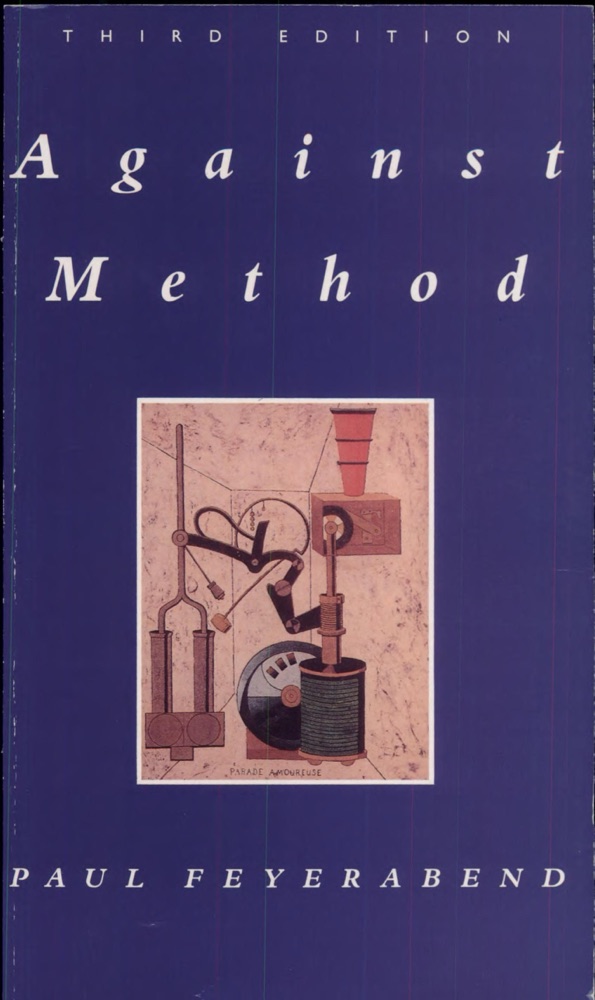
Modern philosophy of science has paid great attention to the understanding of scientific ‘practice’, in contrast to concentration on scientific ‘method’. Paul Feyerabend’s acclaimed work, which has contributed greatly to this new emphasis, shows the deficiencies of some widespread ideas about the nature of knowledge. He argues that the only feasible explanations of scientific successes are historical explanations, and that anarchism must now replace rationalism in the theory of knowledge.
The third edition of this classic text contains a new preface and additional reflections at various points in which the author takes account both of recent debates on science and on the impact of scientific products and practices on the human community. While disavowing populism or relativism, Feyerabend continues to insist that the voice of the inexpert must be heard. Thus many environmental perils we
Book details
- First published
- 1975
- Author
- Paul Karl Feyerabend
- Genre
- Philosophy
- Goodreads rating
- 4.02 (4k ratings)
Keep reading
The Structure of Scientific Revolutions
 Consilience: The Unity of Knowledge
 The Meaning of It All: Thoughts of a Citizen-Scientist
 The Crisis of the Modern World
 The Fatal Conceit: The Errors of Socialism
 What Is Real?: The Unfinished Quest for the Meaning of Quantum Physics
 Helgoland: Making Sense of the Quantum Revolution
 Darwin's Dangerous Idea: Evolution and the Meanings of Life
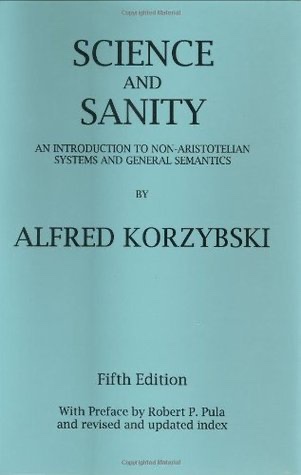 Science and Sanity: An Introduction to Non-Aristotelian Systems and General Semantics
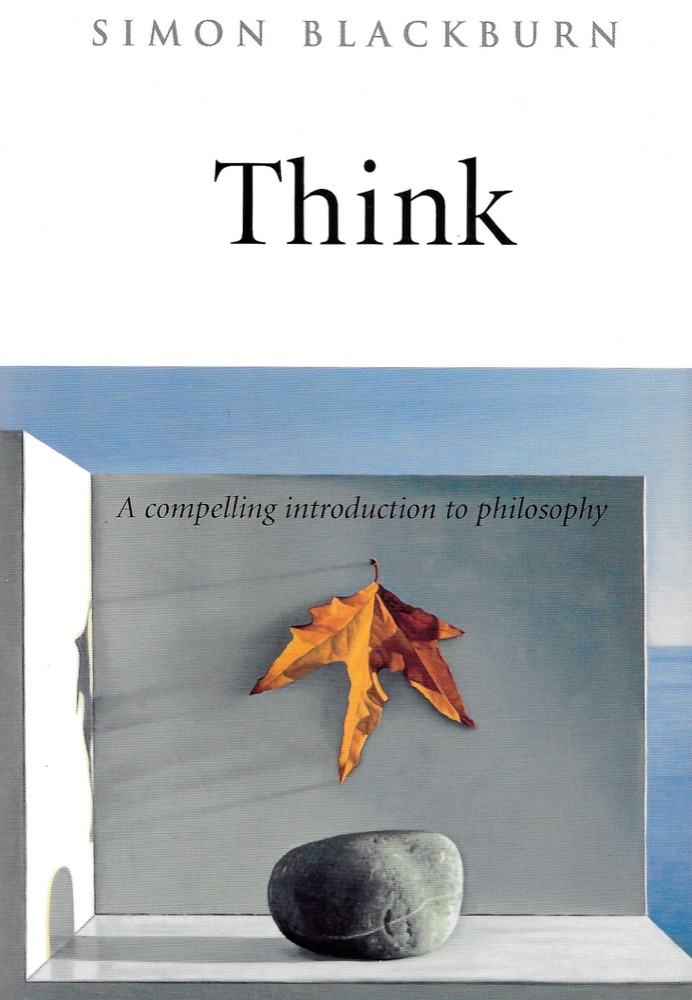 Think: A Compelling Introduction to Philosophy
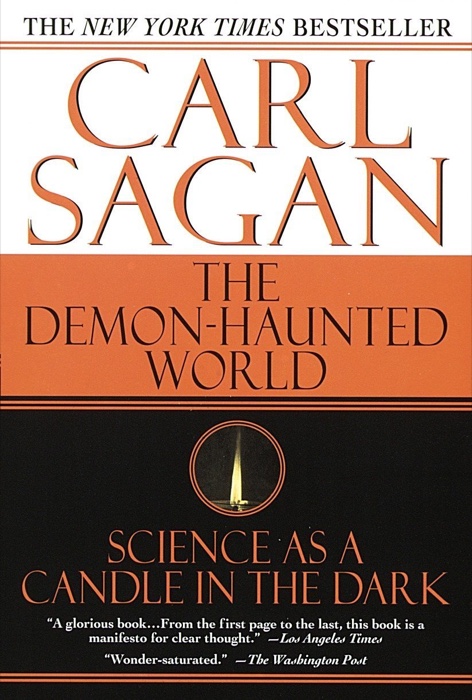 The Demon-Haunted World: Science as a Candle in the Dark
 Truth and Method
 An Enquiry Concerning Human Understanding
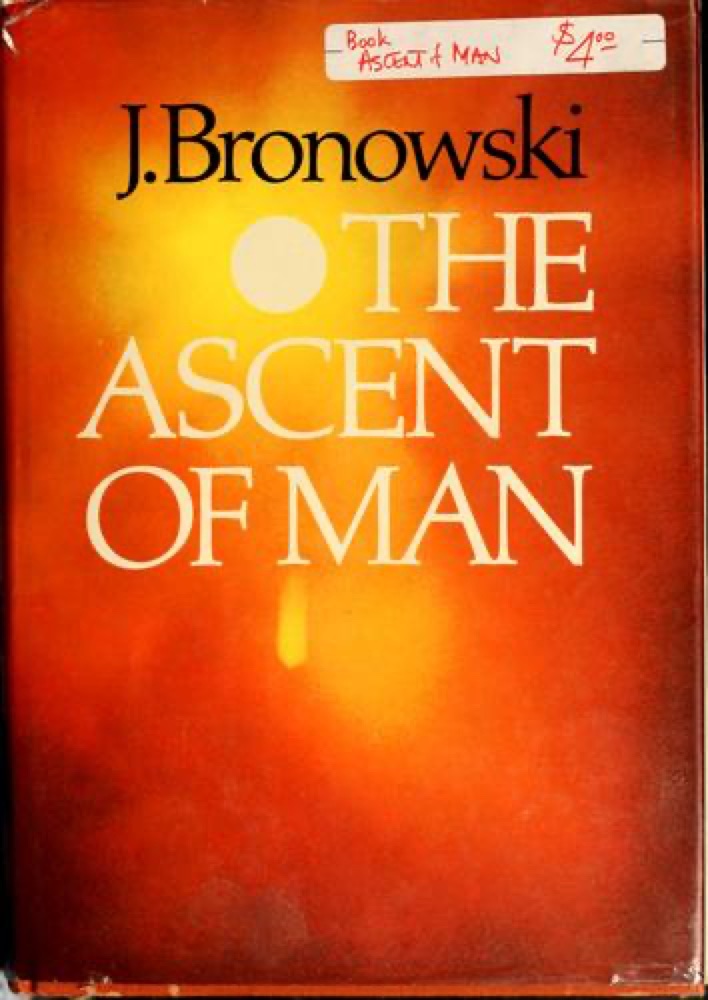 The Ascent of Man
 A History of Western Philosophy
 A Devil's Chaplain: Reflections on Hope, Lies, Science, and Love
 Critique of Pure Reason
 An Essay Concerning Human Understanding
 The Problems of Philosophy
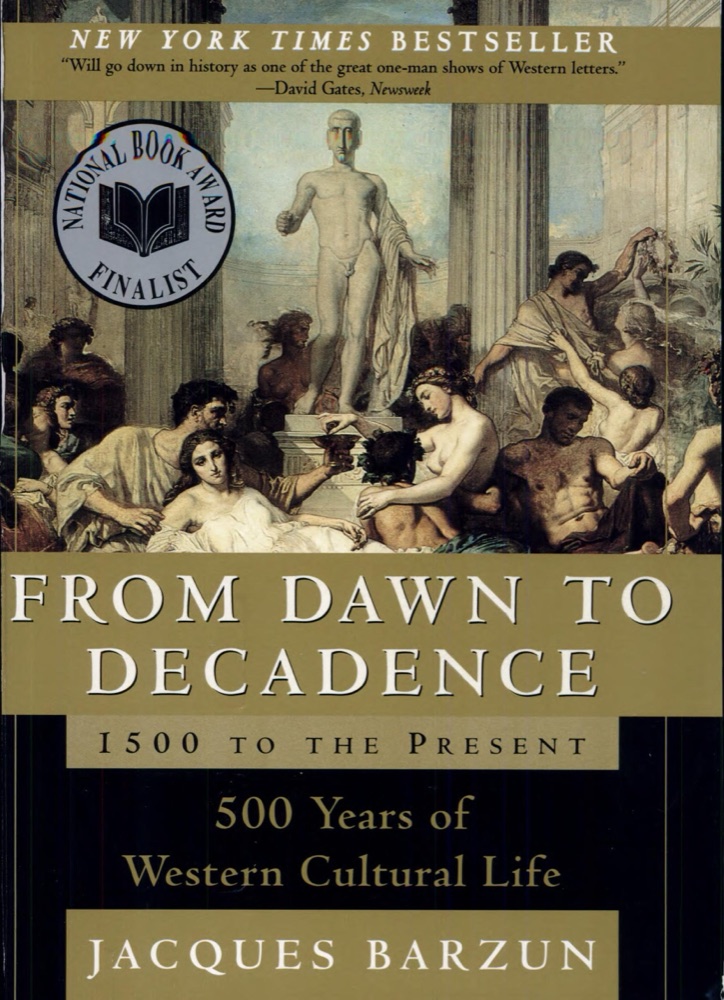 From Dawn to Decadence: 500 Years of Western Cultural Life, 1500 to the Present
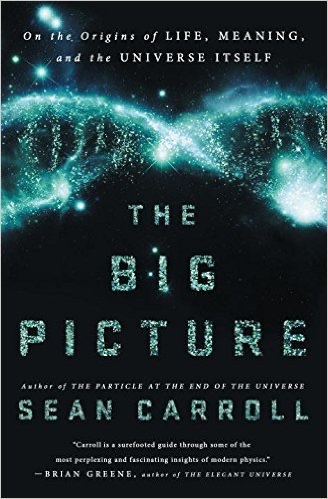 The Big Picture: On the Origins of Life, Meaning, and the Universe Itself
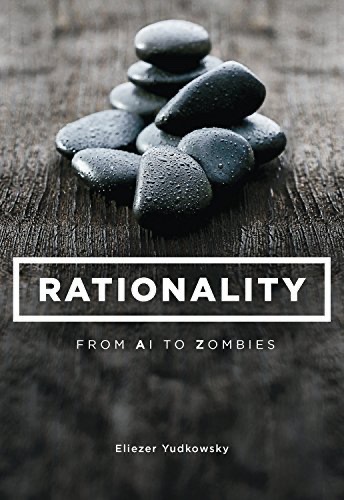 Rationality: From AI to Zombies
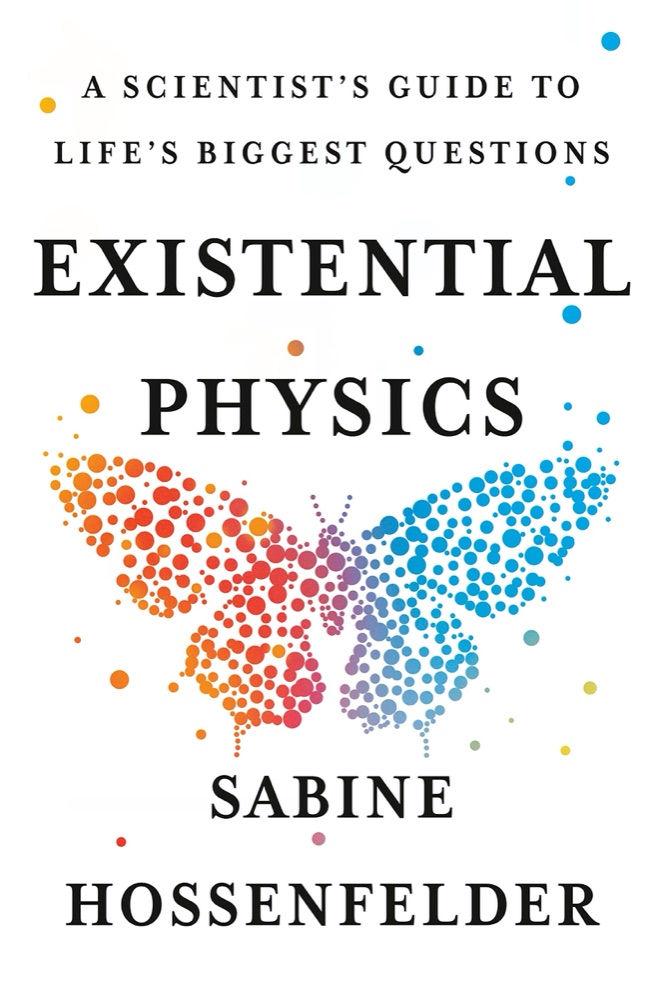 Existential Physics: A Scientist's Guide to Life's Biggest Questions
 Chaos: Making a New Science
 The Closing of the American Mind
 Walden Two
 The Cosmic Serpent: DNA and the Origins of Knowledge
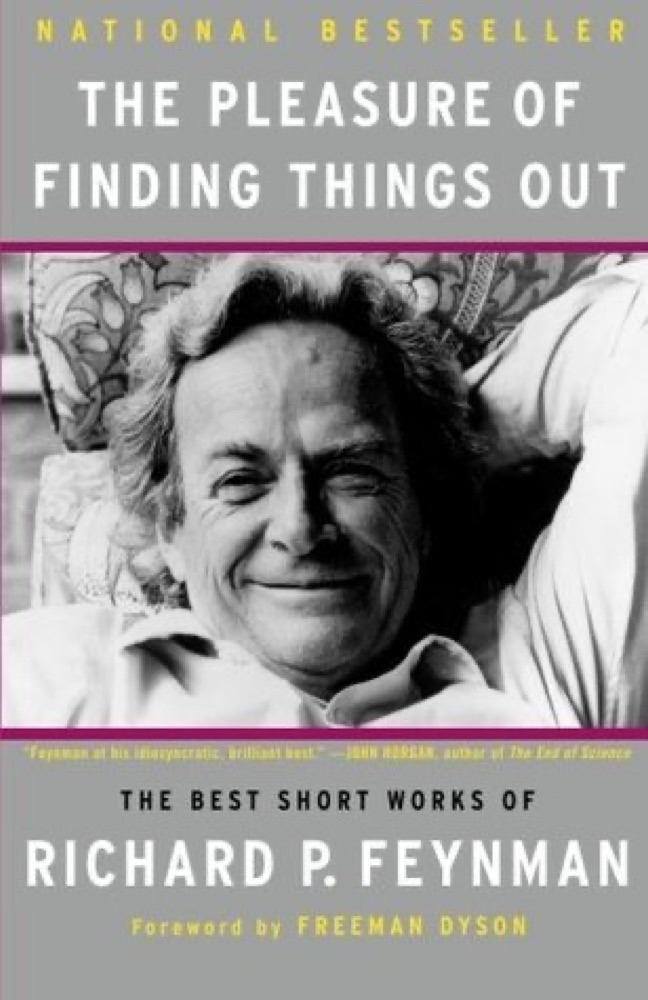 The Pleasure of Finding Things Out: The Best Short Works of Richard P. Feynman
 Technopoly: The Surrender of Culture to Technology
 The Occult
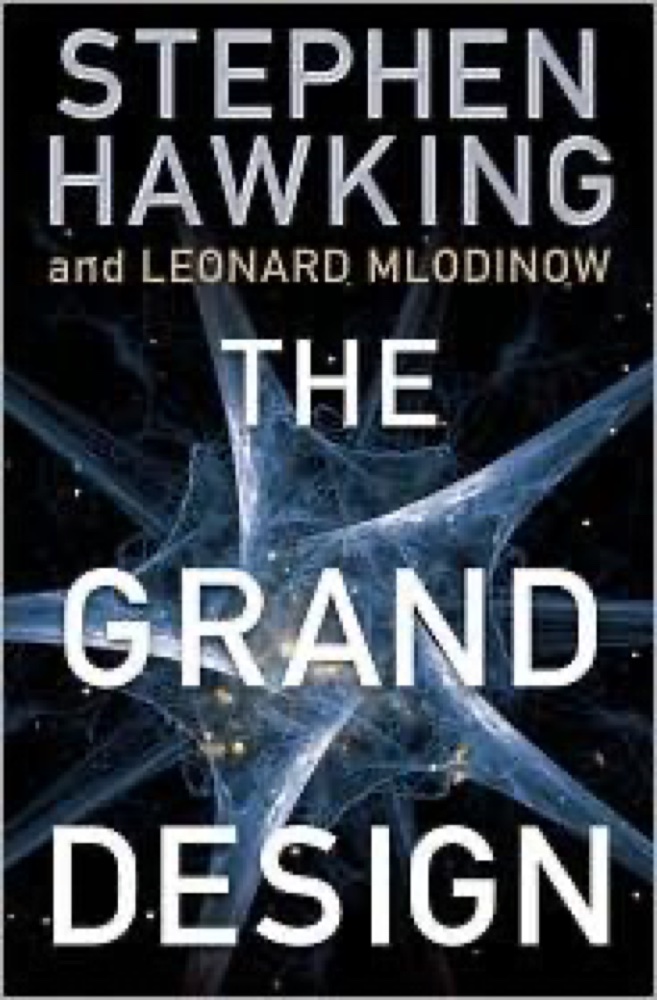 The Grand Design
 The Abolition of Man
 But What If We're Wrong? Thinking About the Present As If It Were the Past
 Beyond Freedom and Dignity
 The Master and His Emissary: The Divided Brain and the Making of the Western World
 Metaphysics
 The Varieties of Scientific Experience: A Personal View of the Search for God
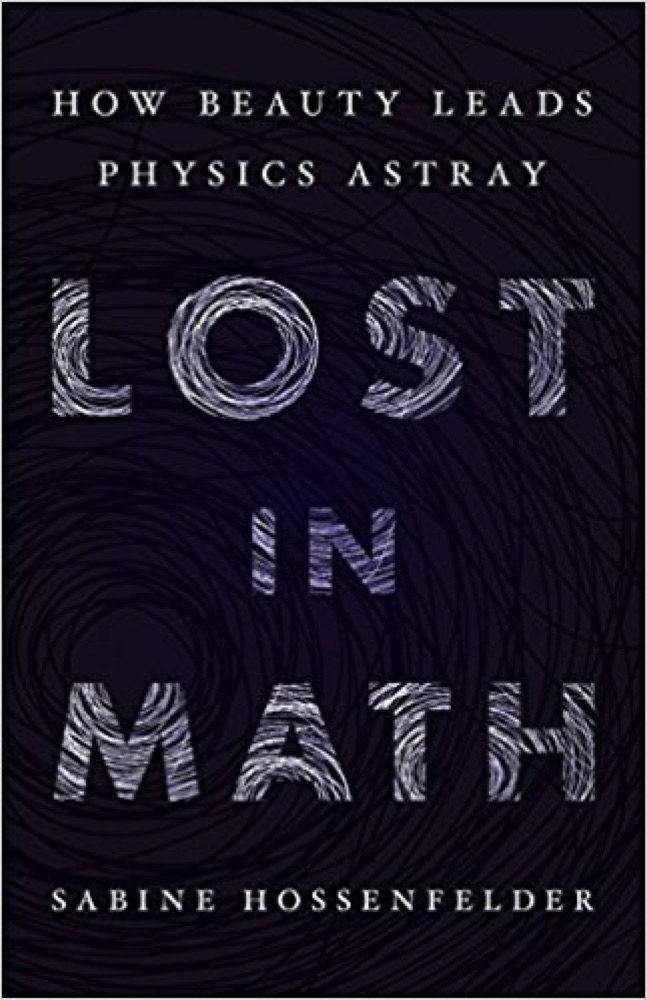 Lost in Math: How Beauty Leads Physics Astray
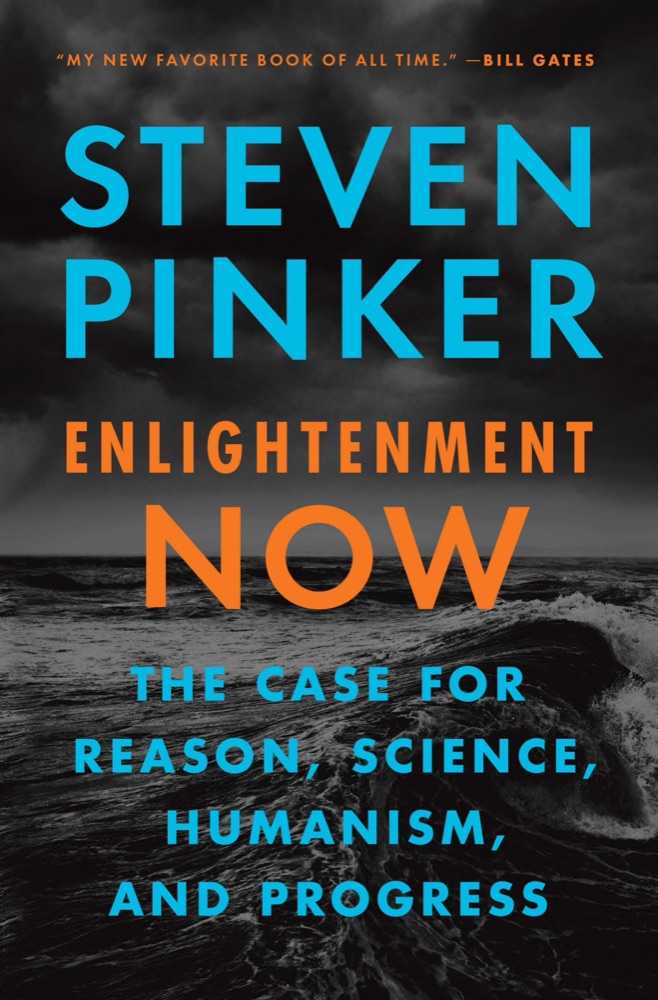 Enlightenment Now: The Case for Reason, Science, Humanism, and Progress
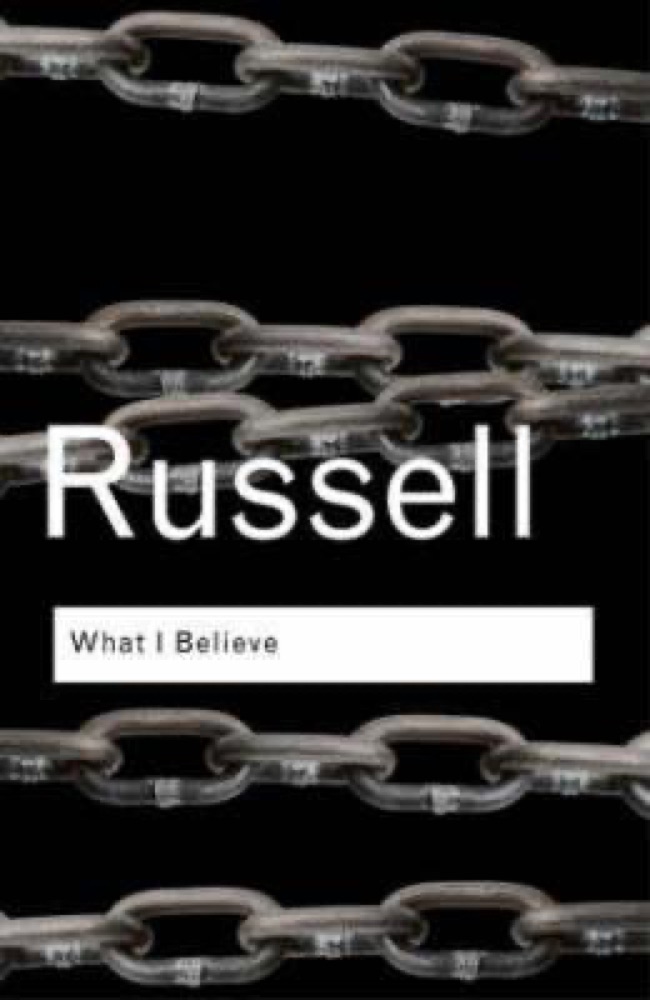 What I Believe
 Selections from the Prison Notebooks
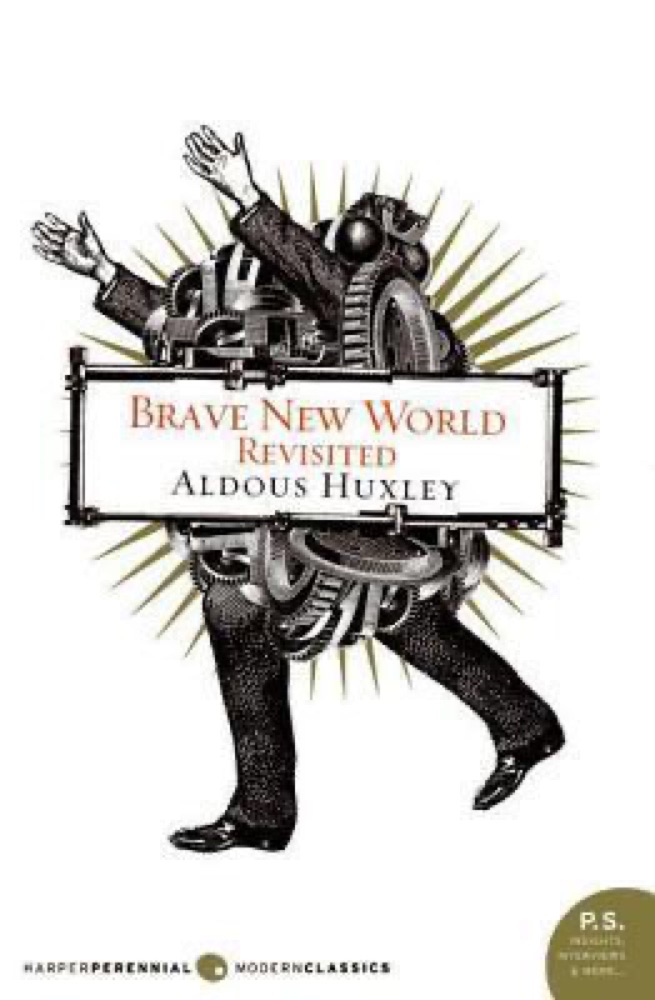 Brave New World Revisited
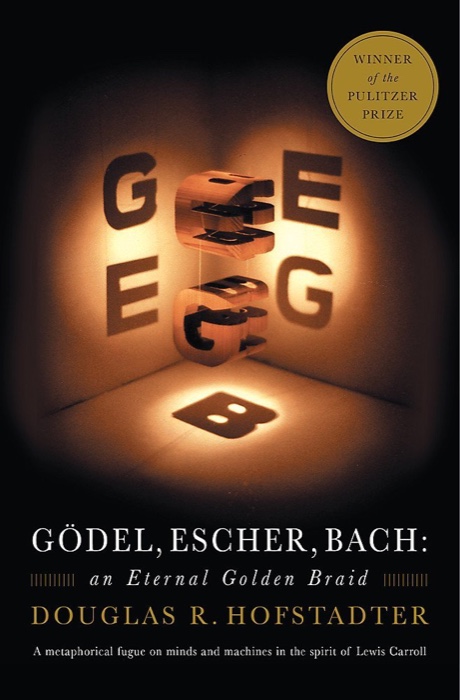 Gödel, Escher, Bach: An Eternal Golden Braid
 Galileo
 Genesis
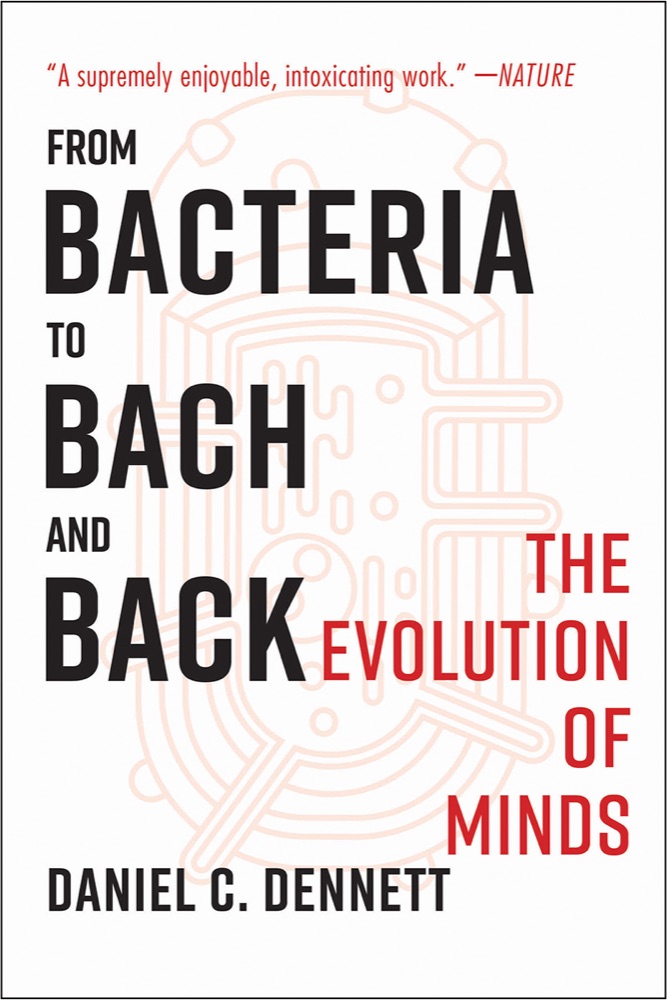 From Bacteria to Bach and Back: The Evolution of Minds
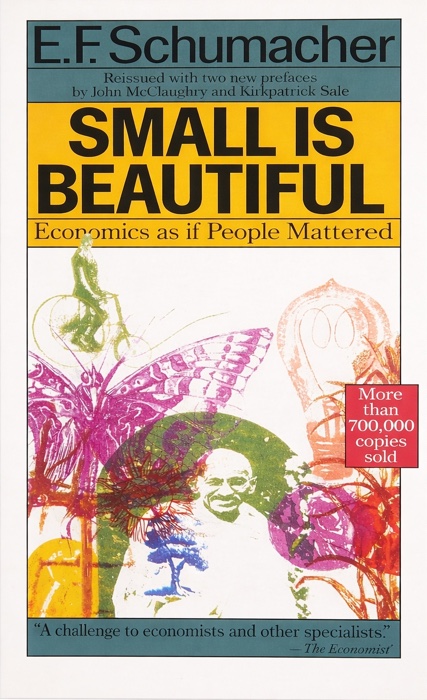 Small Is Beautiful: Economics as if People Mattered
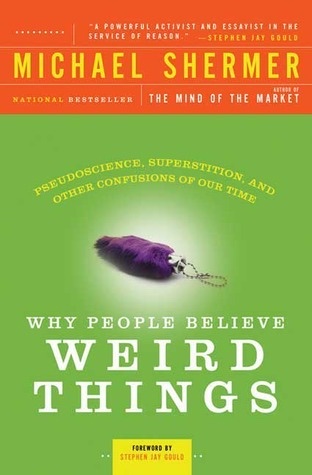 Why People Believe Weird Things: Pseudoscience, Superstition, and Other Confusions of Our Time
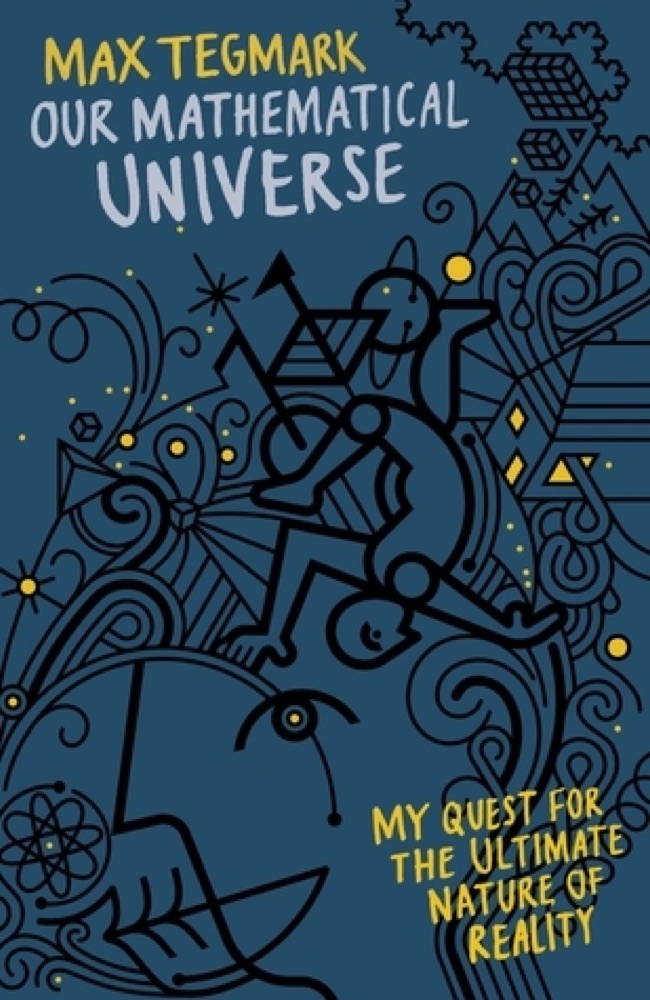 Our Mathematical Universe: My Quest for the Ultimate Nature of Reality
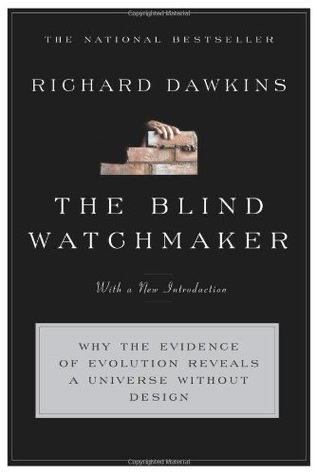 The Blind Watchmaker: Why the Evidence of Evolution Reveals a Universe Without Design
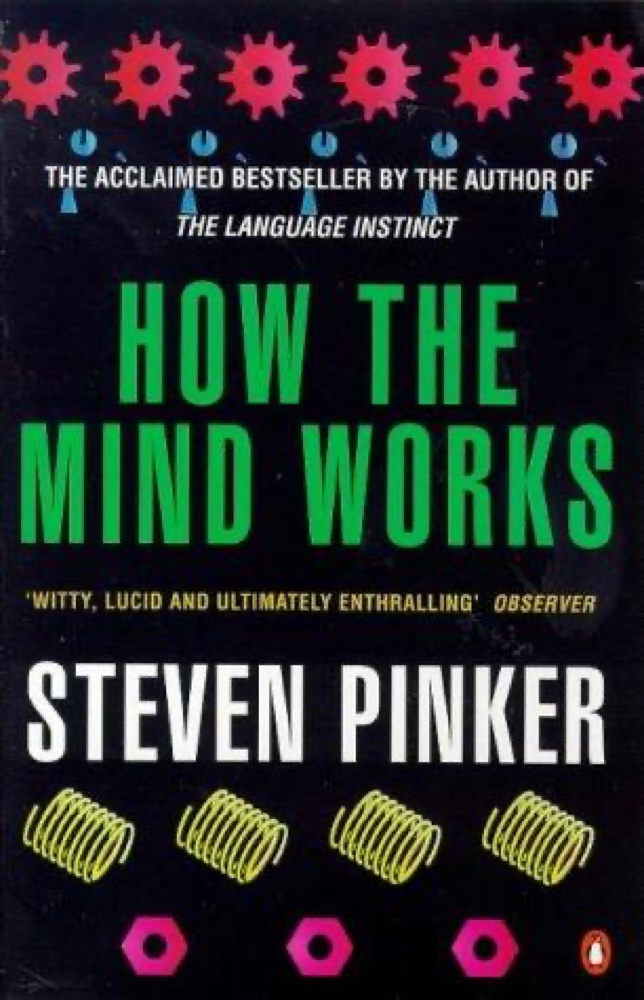 How the Mind Works
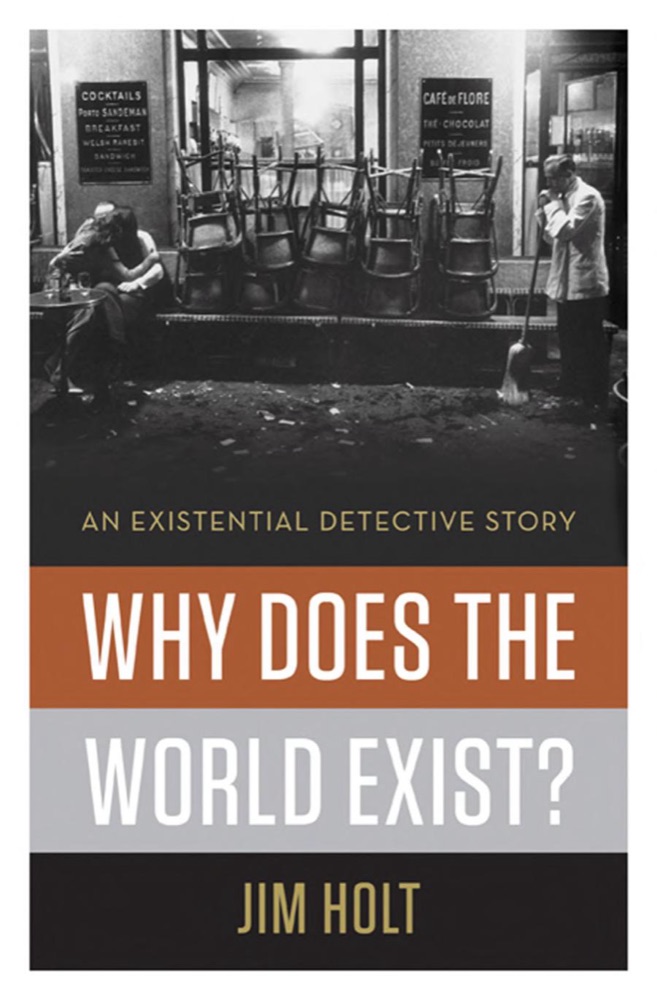 Why Does the World Exist?: An Existential Detective Story
 On Truth and Lies in a Nonmoral Sense
 21 Lessons for the 21st Century
 Logicomix: An Epic Search for Truth
 The Wizard and the Prophet: Two Remarkable Scientists and Their Dueling Visions to Shape Tomorrow's World
 Dragons of Eden: Speculations on the Evolution of Human Intelligence
 Parasitic Mind: How Infectious Ideas Are Killing Common Sense
 An Appetite for Wonder: The Making of a Scientist