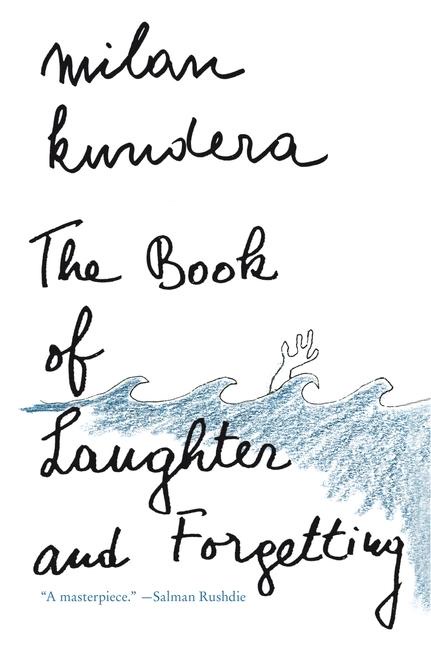
 The Book of Laughter and Forgetting
Quotes from the Book
What? We feel aesthetic pleasure at a sonata by Beethoven and not at one with the same style and charm if it comes from one of our own contemporaries? Isn't that the height of hypocrisy? So then the sensation of beauty is not spontaneous, spurred by our sensibility, but instead is cerebral, conditioned by our knowing a date? No way around it: historical consciousness is so thoroughly inherent in our perception of art that this anachronism (a Beethoven piece written today) would be spontaneously (that is, without the least hypocrisy) felt to be ridiculous, false, incongruous, even monstrous. Our feeling for continuity is so strong that it enters into the perception of any work of art.
20
What does it mean to demonstrate in the streets, what is the significance of that collective activity so symptomatic of the twentieth century? In stupefaction Ulrich watches the demonstrators from the window; as they reach the foot of the palace, their faces turn up, turn furious, the men brandish their walking sticks, but “a few steps farther, at a bend where the demonstration seemed to scatter into the wings, most of them were already dropping their greasepaint: it would be absurd to keep up the menacing looks where there were no more spectators.” In the light of that metaphor, the demonstrators are not men in a rage; they are actors performing rage! As soon as the performance is over they are quick to drop their greasepaint! Later, in the 1960s, philosophers would talk about the modern world in which everything had turned into spectacle: demonstrations, wars, and even love; through this “quick and sagacious penetration” (Fielding), Musil had already long ago discerned the “society of spectacle.
9
In Ferdydurke, Gombrowicz got at the fundamental shift that occurred during the twentieth century: until then mankind was divided in two--those who defended the status quo and those who sought to change it. Then the acceleration of History took effect: whereas in the past man had lived continuously in the same setting, in a society that changed only very slowly, now the moment arrived when he suddenly began to feel History moving beneath his feet, like a rolling sidewalk: the status quo was in motion! All at once, being comfortable with the status quo was the same thing as being comfortable with History on the move! Which meant that a person could be both progressive and conformist, conservative and rebel, at the same time!
7
Epic art is founded on action, and the model of a society in which action could play out in greatest freedom was that of the heroic Greek period; so said Hegel, and he demonstrated it with The Iliad: even though Agamemnon was the prime king, other kings and princes chose freely to join him and, like Achilles, they were free to withdraw from the battle. Similarly the people joined with their princes of their own free will; there was no law that could force them; behavior was determined only by personal motives, the sense of honor, respect, humility before a more powerful figure, fascination with a hero's courage, and so on. The freedom to participate in the struggle and the freedom to desert it guaranteed every man his independence. In this way did action retain a personal quality and thus its poetic form. Against this archaic world, the cradle of the epic, Hegel contrasts the society of his own period: organized into the state, equipped with a constitution, laws, a justice system, an omnipotent administration, ministries, a police force, and so on. The society imposes its moral principles on the individual, whose behavior is thus determined by far more anonymous wishes coming from the outside than by his own personality. And it is in such a world that the novel was born.
6
Homer never wondered whether, after their many hand-to-hand struggles, Achilles or Ajax still had all their teeth.
4
If I imagine the genesis of a novelist in the form of an exemplary tale, a "myth," that genesis looks to me like a conversion story: Saul becoming Paul; the novelist being born from the ruins of his lyrical world.
4
The sense of modernism is often seen in the determination of each of the arts to come as close as possible to its own particular nature, its essence. For instance, lyric poetry rejected anything rhetorical, didactic, embellishing, so as to set flowing the pure fount of poetic fantasy. Painting renounced its documentary, mimetic function, whatever might be expressed by some other medium (for instance, photography). And the novel? It too refuses to exist as illustration of a historical era, as description of society, as defense of an ideology, and instead puts itself exclusively at the service of “what only the novel can say.
3
When Picasso painted his first cubist picture, he was twenty-six: all over the world several other painters of his generation joined up and followed him. If a sixty-year-old had rushed to imitate him by doing cubism at the time, he would have seemed (and rightly so) grotesque. For a young person's freedom and an old person's freedom are separate continents. "Young, you are strong in company; old, in solitude," wrote Goethe (the old Goethe) in an epigram. Indeed, when young people set about attacking acknowledged ideas, established forms, they like to do it in bands; when Derain and Matisse, at the start of the past century, spent long weeks together on the beaches of Collioure, they were painting pictures that looked alike, were marked by the same Fauve aesthetic; yet neither thought of himself as the epigone of the other—and indeed, neither was. In cheerful solidarity the surrealists saluted the 1924 death of Anatole France with a memorably foolish obituary pamphlet: "Cadaver, we do not like your brethren!" wrote poet Paul Eluard, age twenty-nine. "With Anatole France, a bit of human servility departs the world. Let there be rejoicing the day we bury guile, traditionalism, patriotism, opportunism, skepticism, realism and heartlessness!" wrote André Breton, age twenty-eight. "May he who has just croaked… take his turn going up in smoke! Little is left of any man: it is still revolting to imagine about this one that he ever even existed!" wrote Louis Aragon, age twenty-seven. I think again of Cioran's words about the young and their need for "blood, shouting, turbulence"; but I hasten to add that those young poets pissing on the corpse of a great novelist were nonetheless real poets, admirable poets; their genius and their foolishness sprang from the same source. They were violently (lyrically) aggressive toward the past and with the same (lyrical) violence were devoted to the future, of which they considered themselves the legal executors and which they knew would bless their joyous collective urine. Then comes the moment when Picasso is old. He is alone, abandoned by his crowd, and abandoned as well by the history of painting, which in the meantime had gone in a different direction. With no regrets, with a hedonistic delight (his painting had never brimmed with such good humor), he settles into the house of his art, knowing that the New is to be found not only up ahead on the great highway, but also to the left, the right, above, below, behind, in every possible direction from the inimitable world that is his alone (for no one will imitate him: the young imitate the young; the old do not imitate the old).
1
Having had occasion in the past to observe Communist statesmen, I saw with surprise that they were often extremely critical of the reality ensuing from actions of theirs that they saw turn before their eyes into an uncontrollable chain of consequences. If they were really so clear-sighted, you will say, why did they not just quit? Was it out of opportunism? Love of power? Out of fear? Perhaps. But it cannot be ruled out that at least some of them were guided by a sense of responsibility for an act they had helped to set loose in the world and for which they did not want to deny paternity, still cherishing the hope that they would manage to correct it, modify it, give it back meaning. The clearer it became that the hope was illusory, the more clearly emerged the tragedy of their lives.
1
For it is clear immediately: human life as such is a defeat. All we can do in the face of that ineluctable defeat called life is to try to understand it. That - that is the raison d'être of the art of the novel.
1
There are times when History, its great causes, its heroes, can seem derisory and even comical, but it is difficult, inhuman, even superhuman, to see it that way permanently. Maybe deserters manage to do that. Schweik is a deserter. Not in the juridical sense of the term (a person who leaves the army illegally) but in the sense of his total indifference toward the great collective conflict. From every viewpoint—political, juridical, moral—the deserter looks unpleasant, blameworthy, akin to cowards and traitors. The novelist's eye sees him otherwise: the deserter is one who refuses to grant meaning to the battles of his contemporaries. Who refuses to see a tragic grandeur in massacres. Who is loath to participate as a clown in History's comedy. His vision of things is often lucid, very lucid, but it makes his position difficult to maintain: it loosens his solidarity with his people; it distances him from mankind.
Watch on YouTube
About Milan Kundera
We have collected 272 quotes from 13 books by Milan Kundera on BookQuoters.
More about the author →More by Milan Kundera
All books by Milan Kundera →
About the book
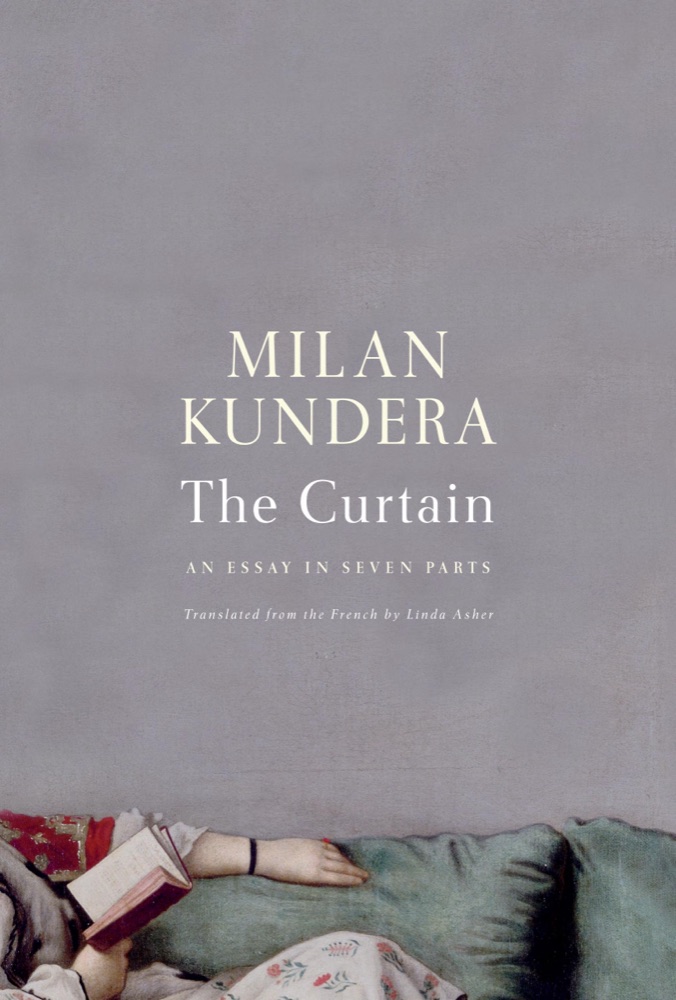
"Un rideau magique, tissé de légendes, était suspendu devant le monde. Cervantes envoya don Quichotte en voyage et déchira le rideau. Le monde s'ouvrit devant le chevalier errant dans toute la nudité comique de sa prose...... c'est en déchirant le rideau de la préinterprétation que Cervantes a mis en route cet art nouveau ; son geste destructeur se reflète et se prolonge dans chaque roman digne de ce nom ; c'est le signe d'identité de l'art du roman."
Book details
- First published
- 2005
- Author
- Milan Kundera
- Genre
- Nonfiction
- Goodreads rating
- 3.98 (3k ratings)
Keep reading
 The Art of the Novel
 The Shock of the New
 From Dawn to Decadence: 500 Years of Western Cultural Life, 1500 to the Present
 The Birth of Tragedy
 The Discarded Image: An Introduction to Medieval and Renaissance Literature
 Cultural Amnesia: Necessary Memories from History and the Arts
 Testaments Betrayed: An Essay in Nine Parts
 Aspects of the Novel
 Basic Writings of Nietzsche
 Illuminations: Essays and Reflections
 The Birth of Tragedy/The Case of Wagner
 How Fiction Works
 Mimesis: The Representation of Reality in Western Literature
 Doctor Faustus
 The Captive Mind
 Lectures on Literature
 Irrational Man: A Study in Existential Philosophy
 Literary Theory: An Introduction
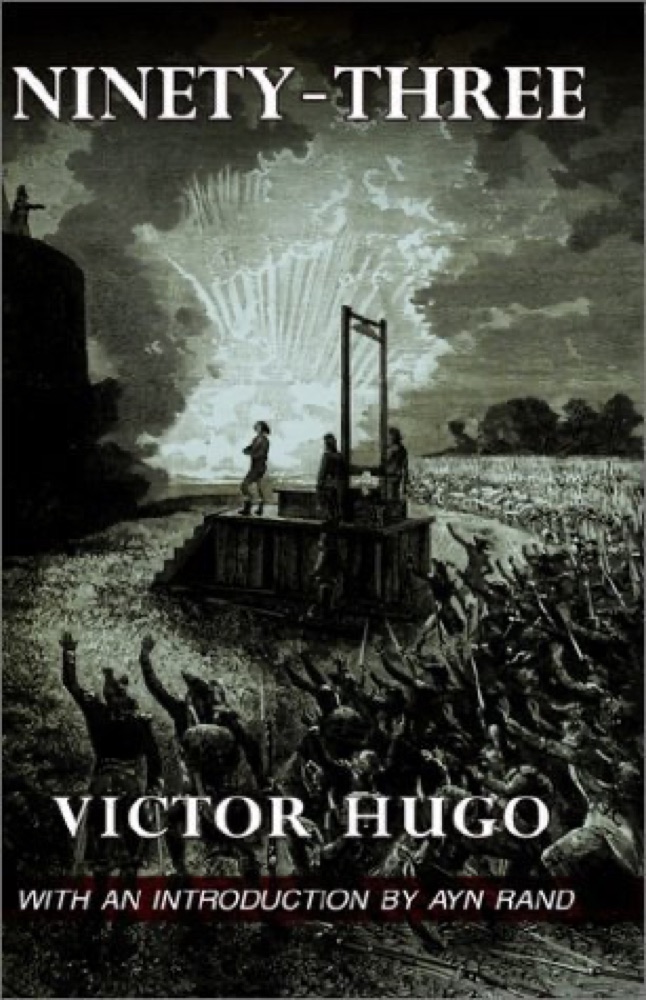 Ninety-Three
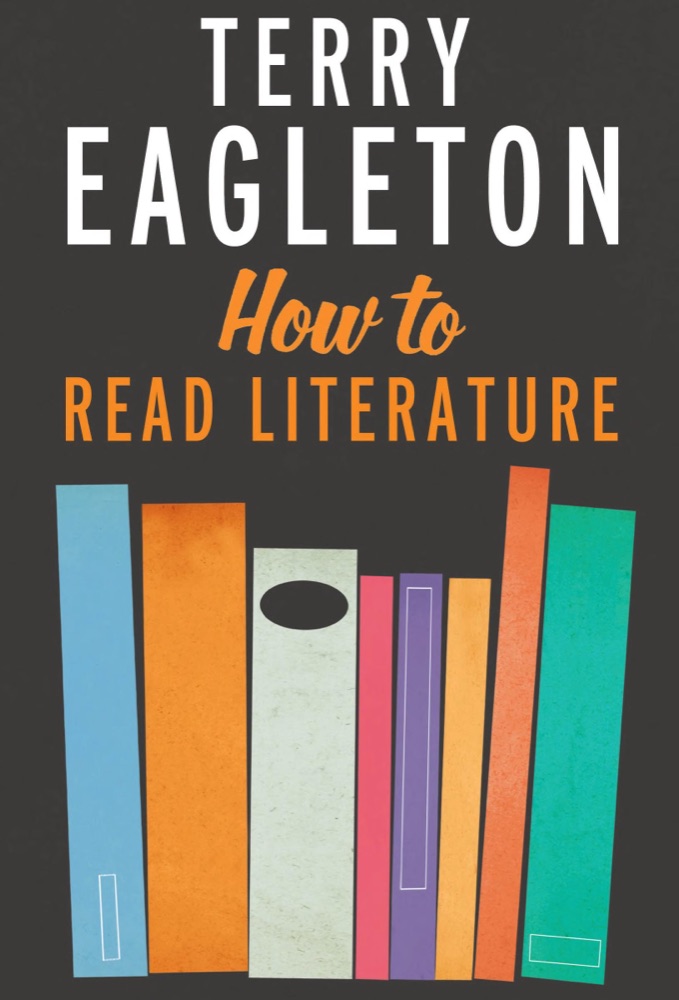 How to Read Literature
 The Big Green Tent
 The Everlasting Man
 Selected Non-Fictions
 Anti-Oedipus: Capitalism and Schizophrenia
 Death in Venice and Other Tales
 Sudden Death
 Last and First Men
 When I Was a Child I Read Books
 The Noise of Time
 Black Lamb and Grey Falcon
 Create Dangerously
 Experience
 Sculpting in Time
 Mystery and Manners: Occasional Prose
 Eyeless in Gaza
 Reading Lolita in Tehran: A Memoir in Books
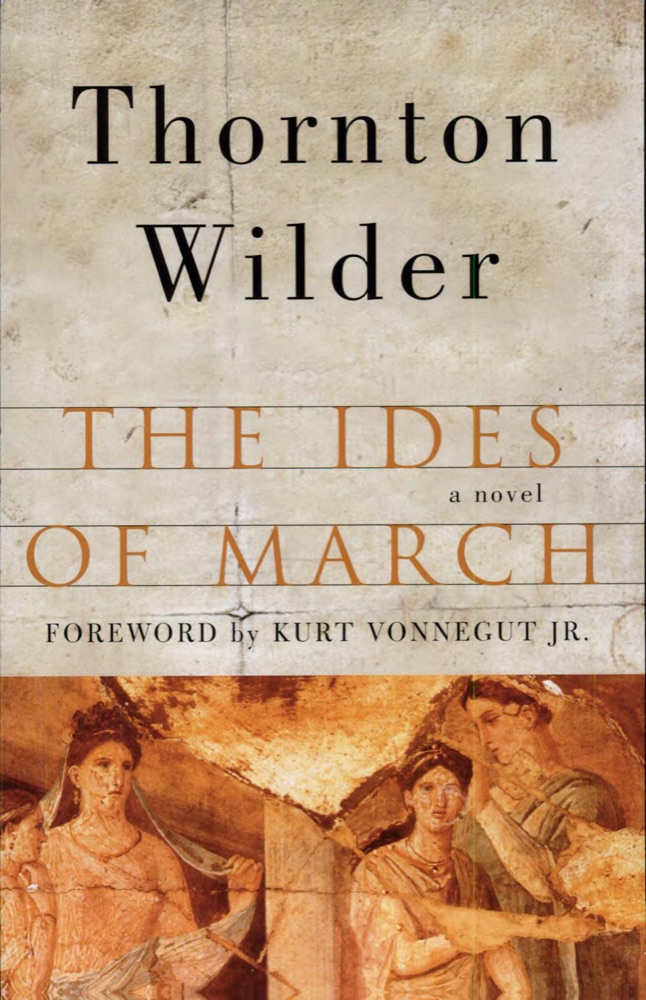 The Ides of March
 The Occult
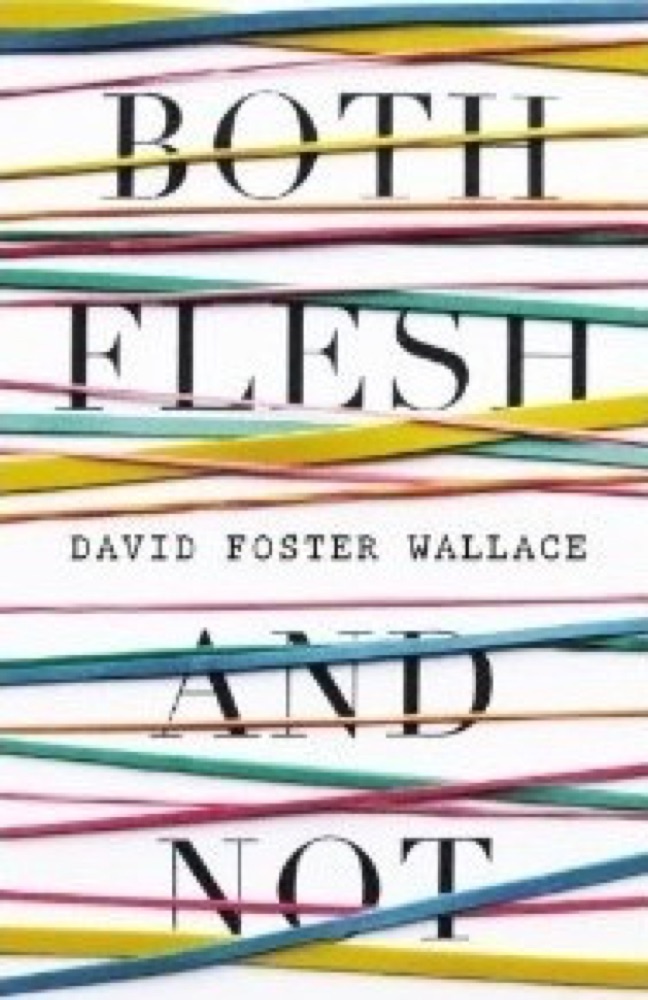 Both Flesh and Not: Essays
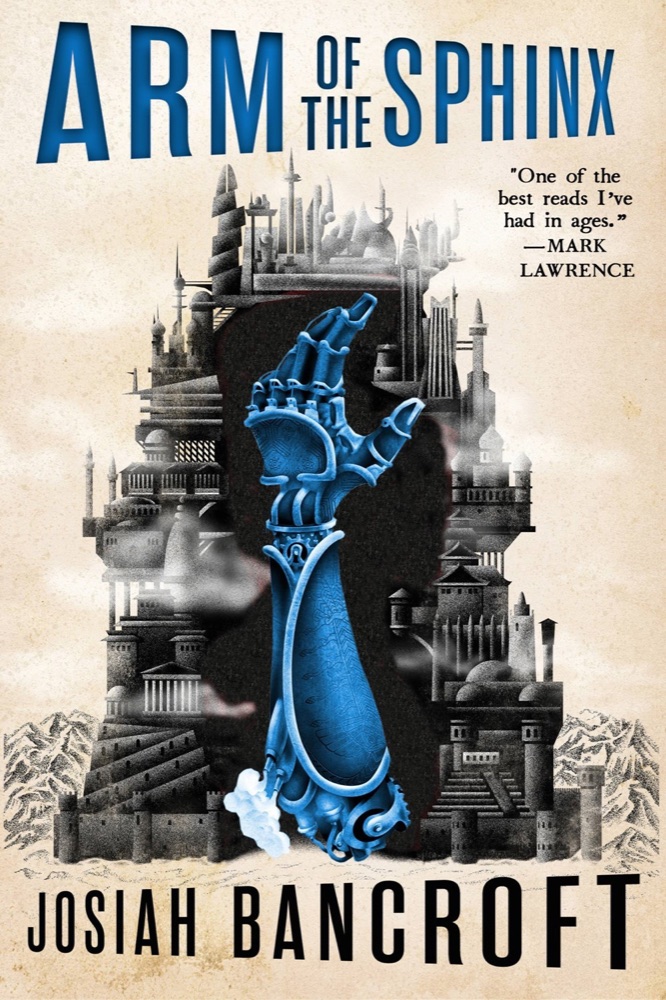 Arm of the Sphinx
The Book of Laughter and Forgetting
Arm of the Sphinx
The Book of Laughter and Forgetting
 Death in the Afternoon
 Heretics
 The Essays of Ralph Waldo Emerson
 The Discovery of India
 The Stories of Vladimir Nabokov
 The Collected Tales of Nikolai Gogol
 Careless People: Murder, Mayhem, and the Invention of The Great Gatsby
 Dæmon Voices
 Labyrinths: Selected Stories and Other Writings
 The Greek Way
 Maldoror and the Complete Works
 Dialectic of Enlightenment: Philosophical Fragments
 The Romantic Manifesto
 V.
V.
 The Devil Finds Work: Essays
 Too Like the Lightning
 G.
G.
 The Wave in the Mind: Talks and Essays on the Writer, the Reader and the Imagination
 The Revolt of the Masses