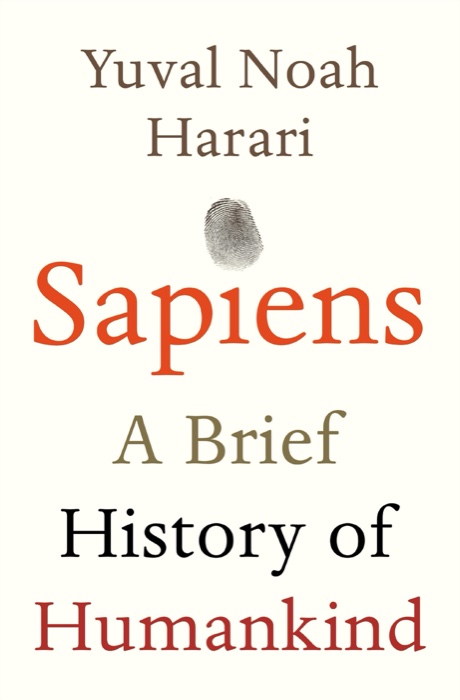
 Sapiens: A Brief History of Humankind
Quotes from the Book
John Steinbeck once said that socialism never took root in America because the poor see themselves not as an exploited proletariat but as temporarily embarrassed millionaires.
1.3k
If civilization is to survive, it must live on the interest, not the capital, of nature.
50
the most compelling reason for reforming our system is that the system is in no one's interest. It is a suicide machine.
25
Civilization is an experiment, a very recent way of life in the human career, and it has a habit of walking into what I am calling progress traps. A small village on good land beside a river is a good idea; but when the village grows into a city and paves over the good land, it becomes a bad idea. While prevention might have been easy, a cure may be impossible: a city isn't easily moved. This human inability to foresee -- or to watch out for -- long-range consequences may be inherent to our kind, shaped by the millions of years when we lived from hand to mouth by hunting and gathering. It may also be little more than a mix of inertia, greed, and foolishness encouraged by the shape of the social pyramid. The concentration of power at the top of large-scale societies gives the elite a vested interest in the status quo; they continue to prosper in darkening times long after the environment and general populace begin to suffer. (109)
17
Capitalism lures us onward like the mechanical hare before the greyhounds, insisting that the economy is infinite and sharing therefore irrelevant. Just enough greyhounds catch a real hare now and then to keep the others running till they drop. In the past it was only the poor who lost this game; now it is the planet.
10
In times of war or crisis, power is easily stolen from the many by the few on a promise of security. The more elusive the or imaginary the foe, the better for manufacturing consent.
9
Even today, some opt for the comforts of mystification, preferring to believe that the wonders of the ancient world were built by Atlanteans, gods, or space travelers, instead of by thousands toiling in the sun. Such thinking robs our forerunners of their due, and us of their experience. Because then one can believe whatever one likes about the past - without having to confront the bones, potsherds, and inscriptions which tell us that people all over the world, time and again, have made similar advances and mistakes.
8
To use a computer analogy, we are running twenty-first-century software on hardware last upgraded 50,000 years ago or more. This may explain quite a lot of what we see in the news.
7
Our practical faith in progress has ramified and hardened into an ideology -- a secular religion which, like the religions that progress has challenged, is blind to certain flaws in its credentials. Progress, therefore, has become 'myth' in the anthropological sense. By this I do not mean a belief that is flimsy or untrue. Successful myths are powerful and often partly true. […] The myth of progress has sometimes served us well -- those of us seated at the best tables, anyway -- and may continue to do so. […] Progress has an internal logic that can lead beyond reason to catastrophe. (4-5)
7
Soon after man shows up in new lands, the big game starts to go missing. […] A bad smell of extinction follows Home sapiens around the world. (37)
6
Though we became experimental creatures of our own devising, it’s important to bear in mind that we had no inkling of this process, let alone its consequences, until only the last six or seven of our 100,000 generations. We have done it all sleepwalking. Nature let a few apes into the lab of evolution, switched on the lights, and left us there to mess about with an ever-growing supply of ingredients and processes. The effect on us and the world has accumulated ever since. Let’s list a few steps between the earliest times and this: sharp stones, animal skins, useful bits of bone and wood, wild fire, tame fire, seeds for eating, seeds for planting, houses, villages, pottery, cities, metals, wheels, explosives. What strikes one most forcefully is the acceleration, the runaway progression of change - or to put it another way, the collapsing of time. From the first chipped stone to the first smelted iron took nearly 3 million years; from the first iron to the hydrogen bomb took only 3,000.
5
Our main difference from chimps and gorillas is that over the last 3 million years or so, we have been shaped less and less by nature, and more and more by culture. We have become experimental creatures of our own making. This experiment has never been tried before. And we, its unwitting authors, have never controlled it. The experiment is now moving very quickly and on a colossal scale. Since the early 1900s, the world’s population has multiplied by four and its economy — a rough measure of the human load on nature — by more than forty. We have reached a stage where we must bring the experiment under rational control, and guard against present and potential dangers. It’s entirely up to us. If we fail — if we blow up or degrade the biosphere so it can no longer sustain us — nature will merely shrug and conclude that letting apes run the laboratory was fun for a while but in the end a bad idea.
4
Our word “lord” comes from the Old English hlaford, or “loafward,” he who guarded the bread supply — and was expected to share it.
3
The islanders, they write: carried out for us the experiment of permitting unrestricted population growth, profligate use of resources, destruction of the environment and boundless confidence in their religion to take care of the future. The result was an ecological disaster leading to a population crash…. Do we have to repeat the experiment on [a] grand scale?… Is the human personality always the same as that of the person who felled the last tree?
3
The perfection of hunting spelled the end of hunting as a way of life. Easy meat meant more babies. More babies meant more hunters. More hunters, sooner or later, meant less game. Most of the great human migrations across the world at this time must have been driven by want, as we bankrupted the land with our moveable feasts.
2
Uzun zaman önce... Hiç kimse tarlaları sabanla deşmezdi Toprağı sınırlara bölmezdi hiç kimse Ve suları kürekle yarmazdı Kıyı dünyanın sonuydu. Ah doğuştan zeki insan, buluşlarının kurbanı Öyle korkunç ki yaratıcılığın, Ne işe yarar şehirleri çevreleyen şu yüksek duvarlar Ve niye savaşmak için silahlar?
2
The uproar of mankind is intolerable and sleep is no longer possible ….” So the gods agreed to exterminate mankind.
2
kin, not ancestors. Our main difference from
1
Benjamin Disraeli had anticipated Erewhon's fears in his novel Coningsby: "The mystery of mysteries," he wrote, "is to view machines making machines, a spectacle that fills the mind with curious and even awful speculation.
1
The reform that is needed is not anti-capitalist, anti-American, or even deep environmentalist; it is simply the transition from short-term to long-term thinking.
in a report unsuccessfully hushed up by the Bush administration, the Pentagon predicts worldwide famine, anarchy, and warfare "within a generation" should climate change fulfill the more severe projections.
studies show that the world's climate has been unusually stable for the past 10,000 years- exactly the lifetime of agriculture and civilization....Steady warming will be bad enough, but the worst outcome would be a sudden overturning of the Earth's climactic balance - back to it's old regime of sweats and chills. If that happens, crops will fail everywhere and the great experiment of civilization will come to a catastrophic end.
When the prey of the sabre-toothed cat died out, so did the cat.
Hope, like greed, fuels the engine of capitalism.
People afraid of outsiders are easily manipulated. The warrior caste, supposedly society's protectors, often become protection racketeers. In times of war or crisis, power is easily stolen from the many by the few on a promise of security. The more elusive or imaginary the foe, the better for manufacturing consent. The Inquisition did a roaring trade against the Devil.
Watch on YouTube
About Ronald Wright
We have collected 25 quotes from 1 book by Ronald Wright on BookQuoters.
More about the author →About the book
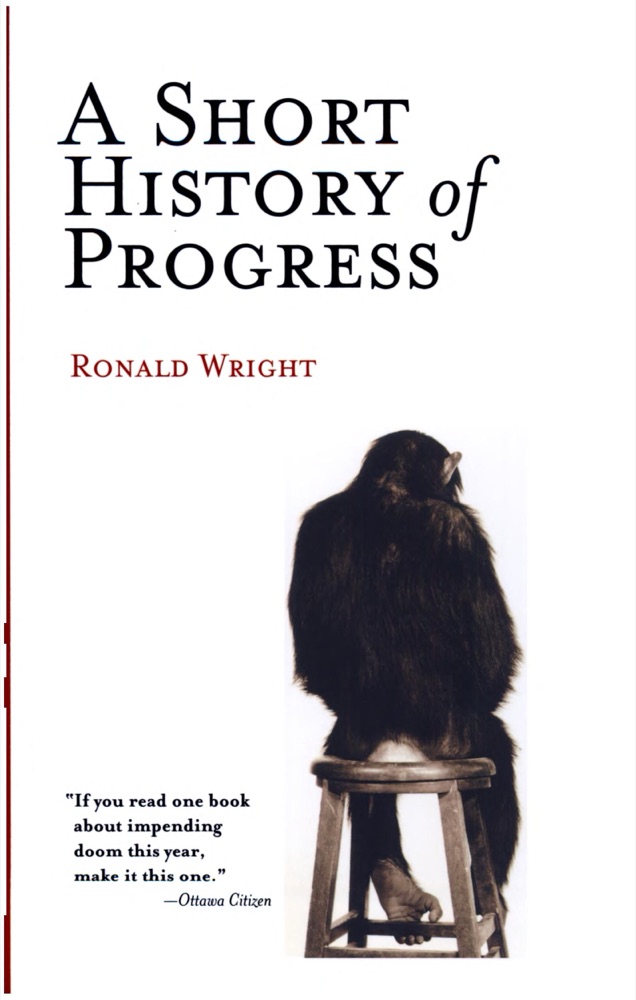
Each time history repeats itself, the cost goes up. The twentieth century—a time of unprecedented progress—has produced a tremendous strain on the very elements that comprise life itself: This raises the key question of the twenty-first century: How much longer can this go on? With wit and erudition, Ronald Wright lays out a-convincing case that history has always provided an answer, whether we care to notice or not. From Neanderthal man to the Sumerians to the Roman Empire, A Short History of Progress dissects the cyclical nature of humanity's development and demise, the 10,000-year old experiment that we've unleashed but have yet to control. It is Wright's contention that only by understanding and ultimately breaking from the patterns of progress and disaster that humanity has repeated around the world since the Stone Age can we avoid the onset of a new Dark Age. Wright illustrates how
Book details
- First published
- 2004
- Author
- Ronald Wright
- Genre
- History
- Goodreads rating
- 4.10 (6k ratings)
Keep reading
Sapiens: A Brief History of Humankind
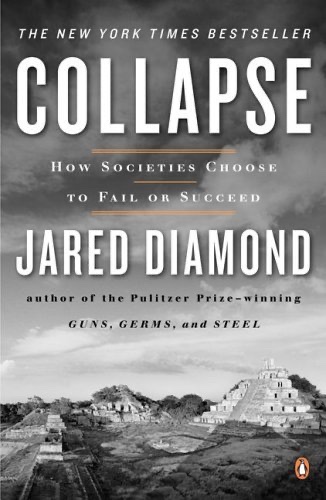 Collapse: How Societies Choose to Fail or Succeed
 The Ministry for the Future
 The Wizard and the Prophet: Two Remarkable Scientists and Their Dueling Visions to Shape Tomorrow's World
 The Rational Optimist: How Prosperity Evolves
 Civilized to Death: What Was Lost on the Way to Modernity
 Endgame, Vol. 1: The Problem of Civilization
 Homo Deus: A History of Tomorrow
 Falter: Has the Human Game Begun to Play Itself Out?
 The Social Conquest of Earth
 Guns, Germs, and Steel: The Fates of Human Societies
 The Dawn of Everything: A New History of Humanity
 The Lost World
 Billions & Billions: Thoughts on Life and Death at the Brink of the Millennium
 Humankind: A Hopeful History
 Beyond Civilization: Humanity's Next Great Adventure
 The Evolution of Everything: How New Ideas Emerge
 The Third Chimpanzee: The Evolution and Future of the Human Animal
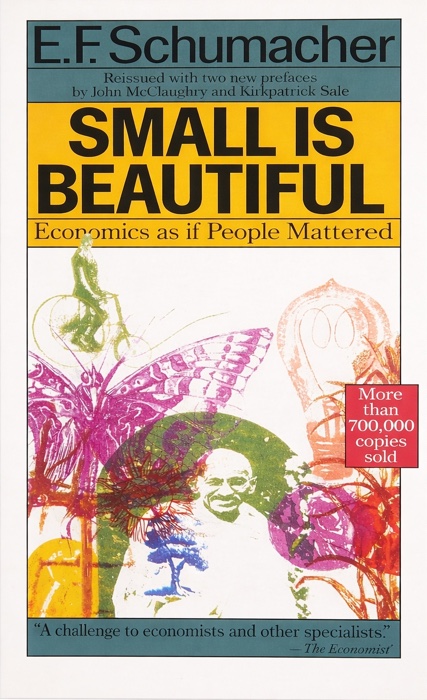 Small Is Beautiful: Economics as if People Mattered
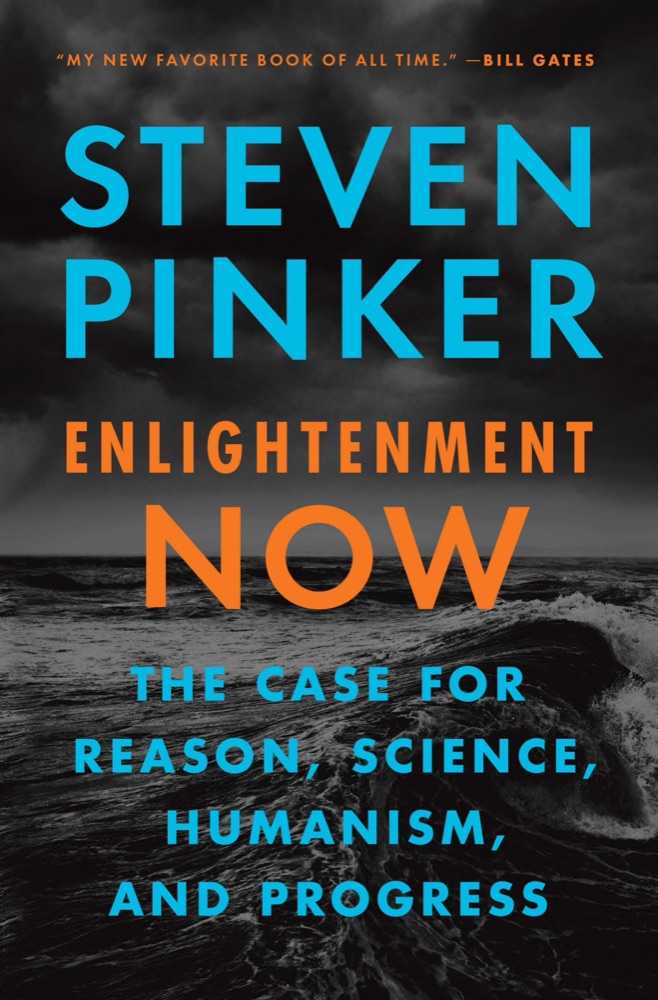 Enlightenment Now: The Case for Reason, Science, Humanism, and Progress
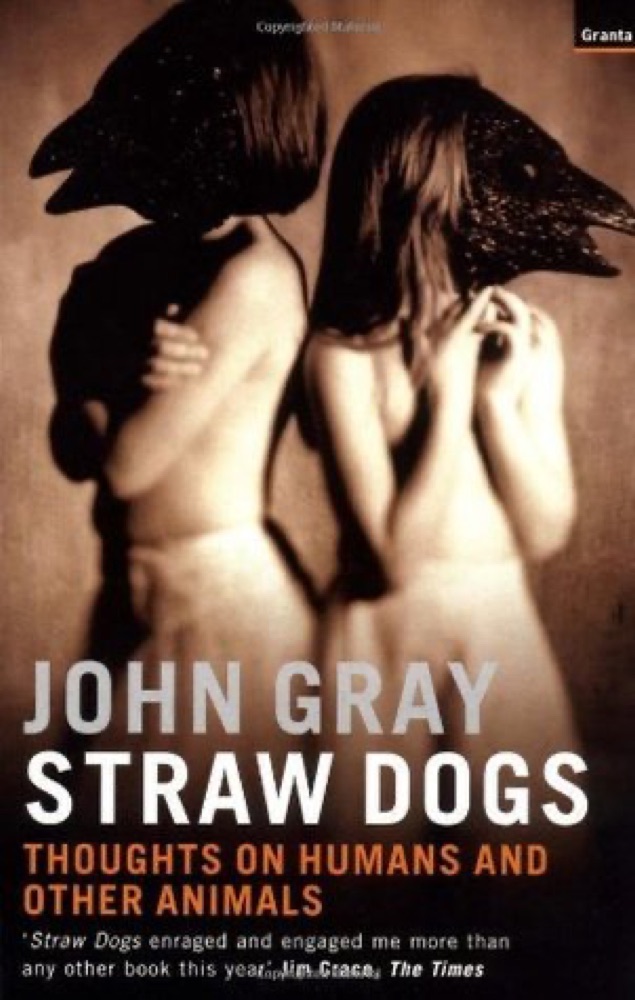 Straw Dogs: Thoughts on Humans and Other Animals
 Earth
Earth
 America Alone: The End of the World As We Know It
 The Story of B: An Adventure of the Mind and Spirit
 Dragons of Eden: Speculations on the Evolution of Human Intelligence
 Civilization: The West and the Rest
 A History of the World in 100 Objects
 The Coming Insurrection
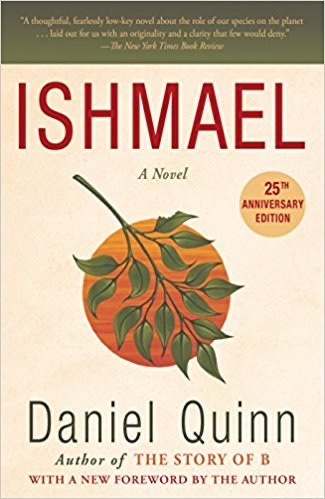 Ishmael: An Adventure of the Mind and Spirit
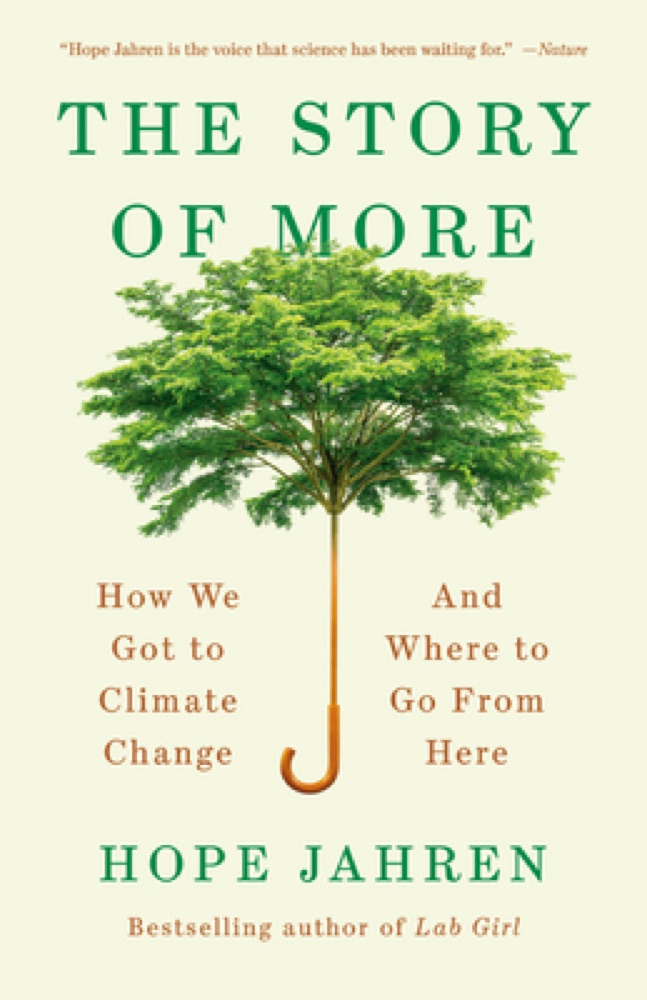 The Story of More: How We Got to Climate Change and Where to Go from Here
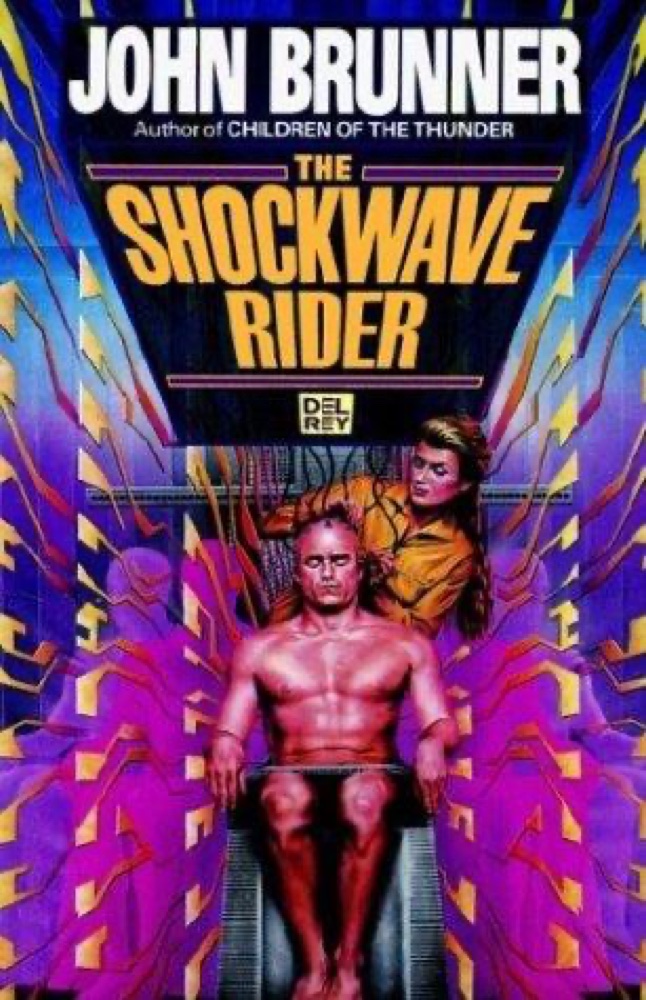 The Shockwave Rider
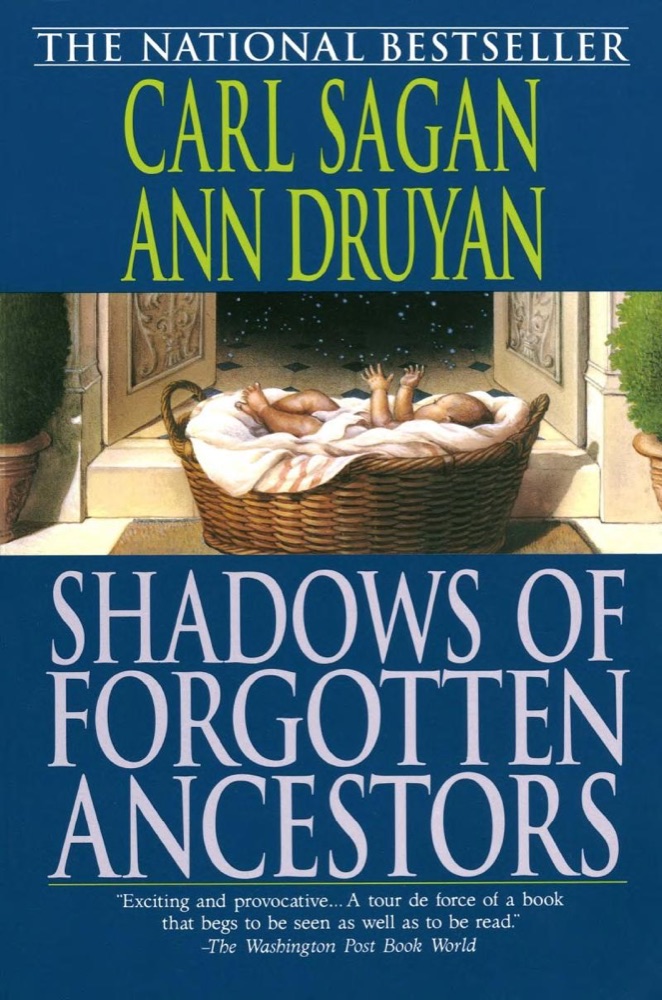 Shadows of Forgotten Ancestors
 The Nutmeg's Curse: Parables for a Planet in Crisis
 Walden Two
 New York 2140
 Blue Mars
 The Lessons of History
 Ill Fares the Land
 Human Action: A Treatise on Economics
 A Language Older Than Words
 The Futurological Congress: From the Memoirs of Ijon Tichy
 The Price of Tomorrow: Why Deflation is the Key to an Abundant Future
 Seven Surrenders
 What's Our Problem?: A Self-Help Book for Societies
 Genome
 On Fire: The Case for the Green New Deal
 Under a White Sky: The Nature of the Future
 The Log from the Sea of Cortez
 Devolution: A Firsthand Account of the Rainier Sasquatch Massacre
 The World-Ending Fire: The Essential Wendell Berry
 The State of the Art
 The World Without Us
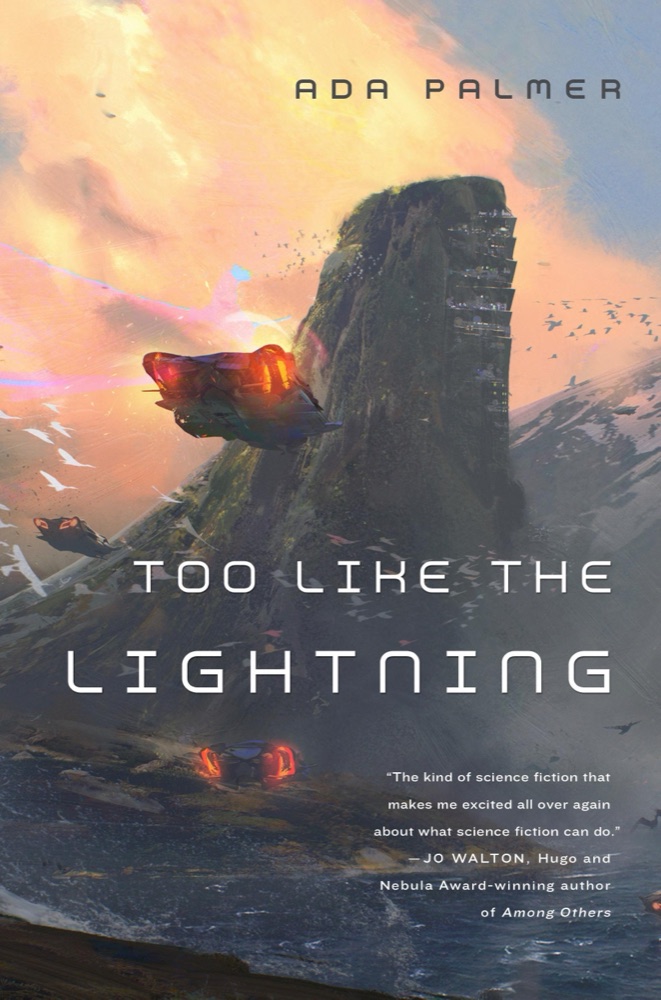 Too Like the Lightning
 The Ghost Map: The Story of London's Most Terrifying Epidemic - and How It Changed Science, Cities, and the Modern World
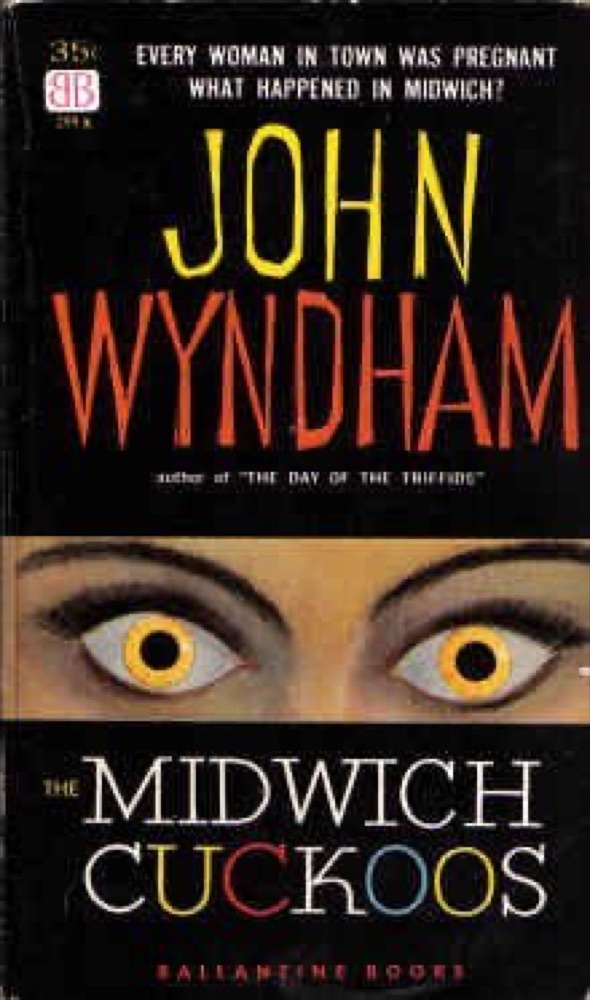 The Midwich Cuckoos
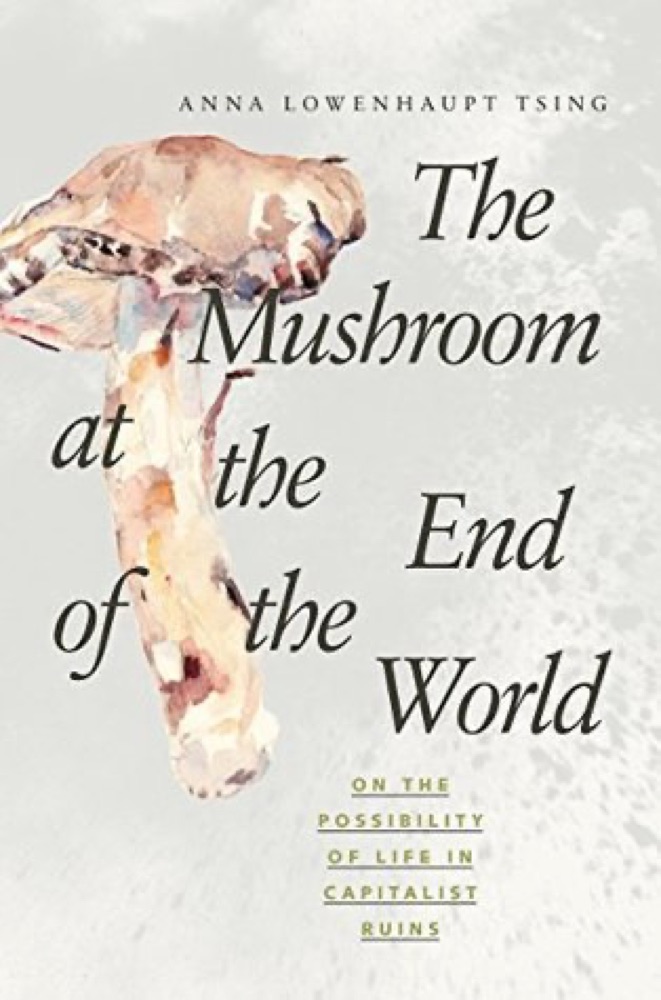 The Mushroom at the End of the World: On the Possibility of Life in Capitalist Ruins
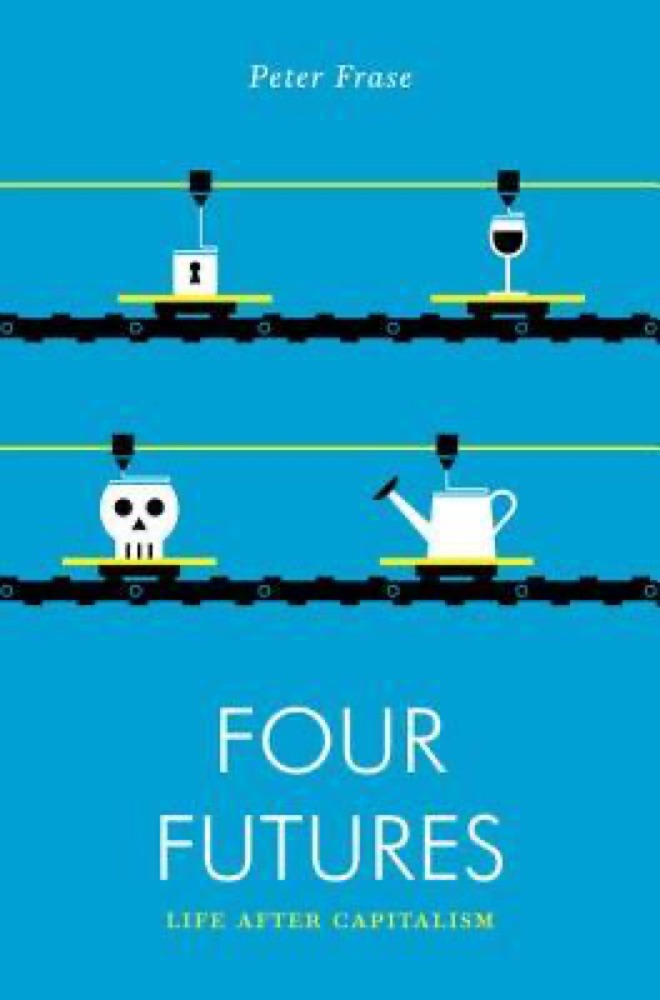 Four Futures: Life After Capitalism
 The Atlantis Gene
 God Emperor of Dune
 Jurassic Park