
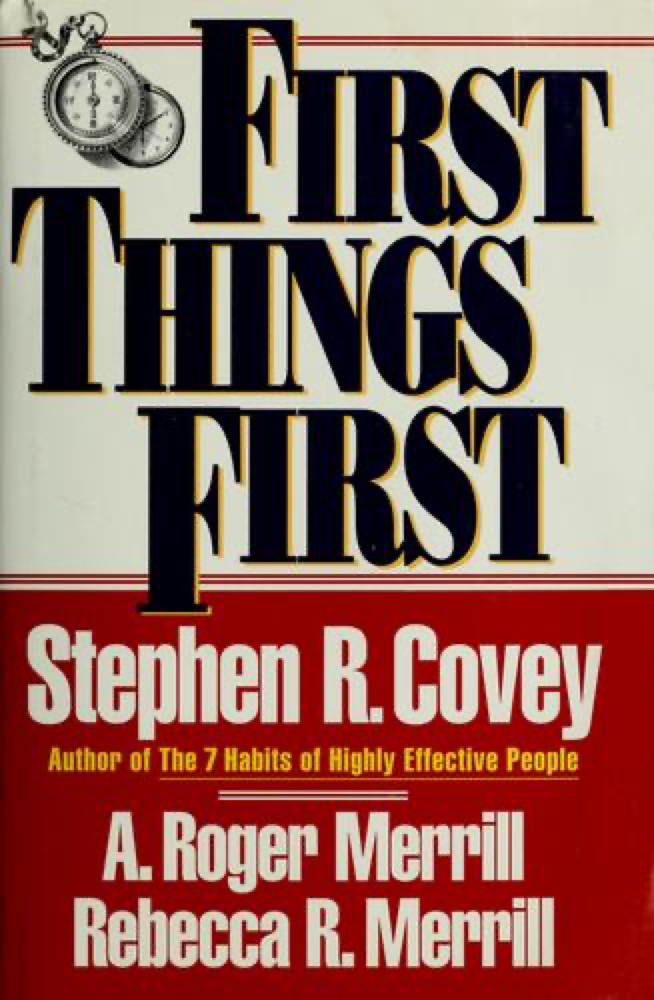
 First Things First
Quotes from the Book
But until a person can say deeply and honestly, "I am what I am today because of the choices I made yesterday," that person cannot say, "I choose otherwise.
Most people do not listen with the intent to understand; they listen with the intent to reply.
Treat a man as he is and he will remain as he is. Treat a man as he can and should be and he will become as he can and should be.
Start with the end in mind.
To change ourselves effectively, we first had to change our perceptions.
Habit 1: Be Proactive Habit 2: Begin with the End in Mind Habit 3: Put First Things First Habit 4: Think Win/Win Habit 5: Seek First to Understand, Then to Be Understood Habit 6: Synergize Habit 7: Sharpen the Saw
When the trust account is high, communication is easy, instant, and effective.
Two people can see the same thing, disagree, and yet both be right. It's not logical; it's psychological.
We see the world, not as it is, but as we are──or, as we are conditioned to see it.
Sow a thought, reap an action; sow an action, reap a habit; sow a habit, reap a character; sow a character, reap a destiny.
It's not what happens to us, but our response to what happens to us that hurts us.
My wife and I just don't have the same feelings for each other we used to have. I guess I just don't love her anymore and she doesn't love me. What can i do?" "The feeling isn't there anymore?" I asked. "That's right," he reaffirmed. "And we have three children we're really concerned about. What do you suggest?" "love her," I replied. "I told you, the feeling just isn't there anymore." "Love her." "You don't understand. the feeling of love just isn't there." "Then love her. If the feeling isn't there, that's a good reason to love her." "But how do you love when you don't love?" "My friend , love is a verb. Love - the feeling - is a fruit of love, the verb. So love her. Serve her. Sacrifice. Listen to her. Empathize. Appreciate. Affirm her. Are you willing to do that?
If I really want to improve my situation, I can work on the one thing over which I have control - myself.
It is one thing to make a mistake, and quite another thing not to admit it. People will forgive mistakes, because mistakes are usually of the mind, mistakes of judgment. But people will not easily forgive the mistakes of the heart, the ill intention, the bad motives, the prideful justifying cover-up of the first mistake.
to learn and not to do is really not to learn. To know and not to do is really not to know.
Happiness, like unhappiness, is a proactive choice.
Habit is the intersection of knowledge (what to do), skill (how to do), and desire (want to do).
At some time in your life, you probably had someone believe in you when you didn't believe in yourself.
Love is a verb. Love – the feeling – is the fruit of love the verb or our loving actions. So love her. Sacrifice. Listen to her. Empathize. Appreciate. Affirm her.
The ability to subordinate an impulse to a value is the essence of the proactive person.
Courage isn't absenct of fear, it is the awareness that something else is important
Our behavior is a function of our decisions, not our conditions.
Admission of ignorance is often the first step in our education.
As you care less about what people think of you, you will care more about what others think of themselves.
People can't live with change if there's not a changeless core inside them.
There's no better way to inform and expand you mind on a regular basis than to get into the habit of reading good literature.
How you treat the one reveals how you regard the many, because everyone is ultimately a one.
If you don’t make a conscious effort to visualize who you are and what you want in life, then you empower other people and circumstances to shape you and your life by default.
2
Highly effective people do not really manage time—they manage themselves.
1
We are limited, but we can push back the borders of our limitations.
1
You have control over three things: what you think, what you say, and how you behave. To make a change in your life, you must recognize these gifts are the most powerful tools you possess in shaping the form of your life. —SONYA FRIEDMAN
1
YOUR LIFE DOESN’T JUST “HAPPEN.” Whether you know it or not, it is carefully designed by you—or carelessly designed by you.
Habit 2: Begin with the End in Mind®. Another Quadrant II activity is to take the time and initiative to develop a mission statement based on principles. A good mission statement is the key that effective people use to discern which things are important—
the present moment. What can you get done today, tomorrow, or next week that will bring you that much closer to your final destination? See if you can project a bit and schedule just the first three steps on your list into your planning system. The rest will come later. Then go for it! Move ahead each day with the vision of that goal in mind and keep pressing forward.
Now it’s time to bring it all together. On the opposite page you’ll see a goal-planning tool. In the section marked Long-Term Goal (What), write the name of the goal you selected for the “how” game. In the space marked Deadline (When), write the deadline you selected. In the section Importance to Mission/Roles (Why), summarize your “why” responses. In the section Steps (How), list the goal steps in the order you prioritized them. And finally, in the Deadlines (When) column to the right, try to give each step a potential deadline.
You live your life in terms of roles—not in the sense of role-playing, but in the sense of authentic relationships and responsibilities you’ve committed to. You may have important roles in your family, in the community, at work, or in other areas of your life. Roles represent responsibilities, relationships, and areas of contribution.
How many times have you made assumptions similar to the store manager’s? It’s easy to do, because we all see things in different ways. We all have different paradigms or frames of reference—like eyeglasses through which we see the world. We see the world not as it is, but as we are—or sometimes as we are conditioned to see it.
To change the situation, you must first change yourself. To change yourself, you must first change your perceptions.
That person values the differences because those differences add to his knowledge, to his understanding of reality. When we're left to our own experiences, we constantly suffer from a shortage of data. Is it logical that two people can disagree and both can be right? It's not logical: it's psychological. And it's very real. You see the young lady; I see the old woman. We're both looking at the same picture, and both of us are right. We see the same black lines, the same white spaces. But we interpret them differently because we've been conditioned to interpret them differently. And unless we value the differences in our perceptions, unless we value each other and give credence to the possibility that we're both right. . .we will never be able to transcend the limits of that conditioning. . .I value you. I value your perception. I want to understand.
If two people have the same opinion, one is unnecessary.
For some reason, our methods weren't working. . .so we had to change our methods.
It's the nature of reactive people to absolve themselves of responsibility. It's so much safer to say, "I am not responsible." If I say "I am responsible," I might have to say, "I am irresponsible." It would be very hard for me to say that I have the power to choose my response and that the response I have chosen has resulted in my involvement in a negative, collusive environment, especially if for years I have absolved myself of responsibility for results in the name of someone else's weaknesses.
many so-called mental and emotional illnesses are really symptoms of an underlying sense of meaninglessness or emptiness.
SO, WHAT DO YOU WANT to be when you grow up? That question may appear a little trite at first, but just think about it for a moment. Are you— right now—who you want to be, what you dreamed you’d be, doing what you always wanted to do? Now, be honest. Well, are you?
Most of us learn to base our self-worth on comparisons and competition. We think about succeeding in terms of someone else failing—that is, if I win, you lose; or if you win, I lose. Life is a zero-sum game. There is only so much pie, and if you get a big piece, there is less for me.
True effectiveness is a function of two things: that which is produced (the golden eggs), and the producing asset or capacity to produce (the goose).
ONCE EINSTEIN SAW the needle of a compass at the age of four, he always understood that there had to be “something behind things, something deeply hidden.
Watch on YouTube
About Stephen R. Covey
We have collected 82 quotes from 3 books by Stephen R. Covey on BookQuoters.
More about the author →More by Stephen R. Covey
First Things First
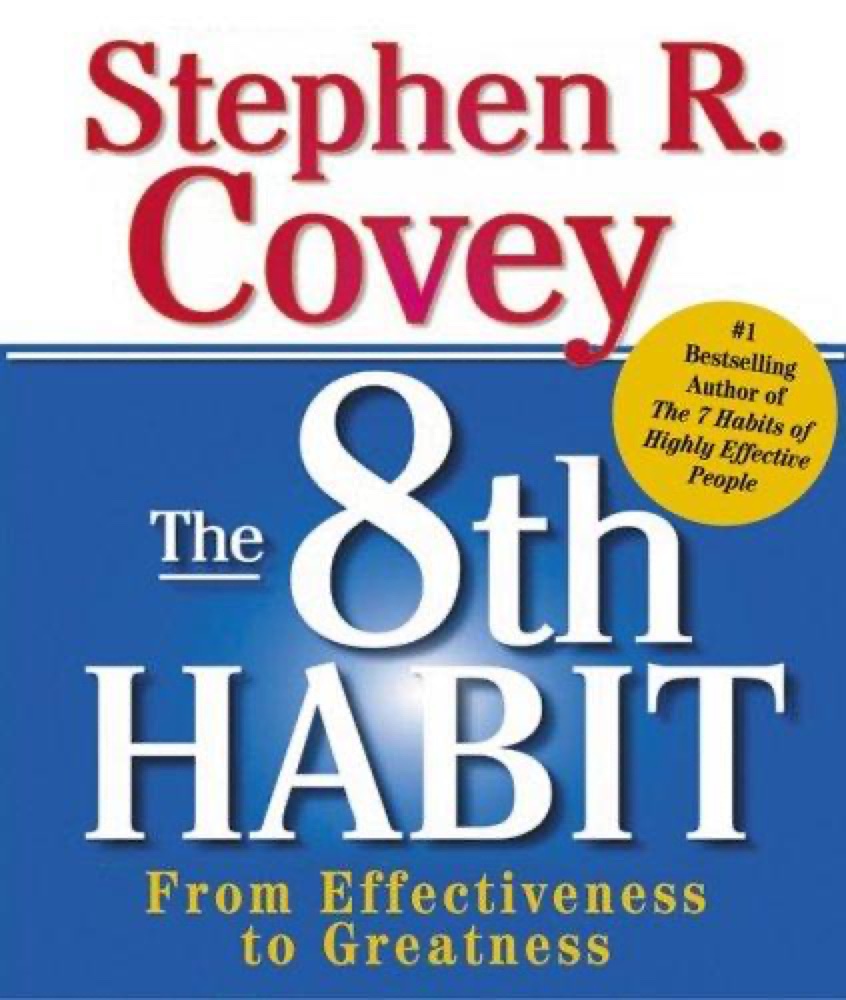 The 8th Habit: From Effectiveness to Greatness
About the book
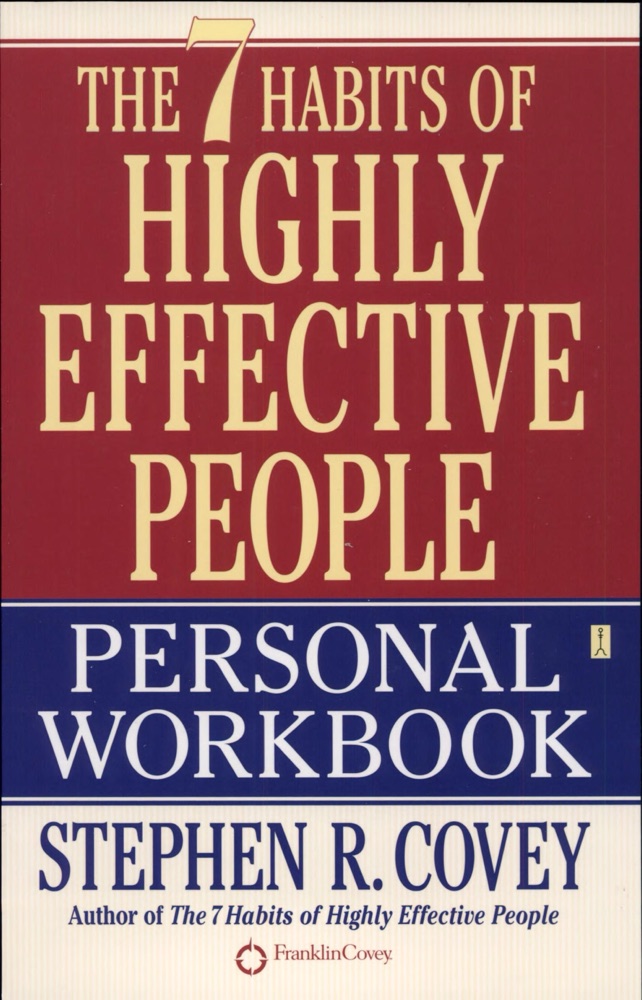
Internationally renowned leadership authority and bestselling author Stephen R. Covey presents a personal hands-on companion to the landmark The 7 Habits of Highly Effective People , which has become a touchstone for individuals, families, and businesses around the world. The overwhelming success of Stephen R. Covey's principle-centered philosophy is a testament to the millions who have benefited from his lessons, and now, with The 7 Habits of Highly Effective People Personal Workbook , they can further explore and understand this tried-and-true approach. With the same clarity and assurance Covey's fans have come to appreciate, this individualized workbook teaches readers to fully internalize the 7 Habits through private and thought-provoking exercises, whether they are already familiar with the principles or not.
Book details
- First published
- 2003
- Author
- Stephen R. Covey
- Genre
- Nonfiction
- Goodreads rating
- 4.24 (4k ratings)
Keep reading
First Things First
 Awaken The Giant Within
 Be a People Person
 High Performance Habits: How Extraordinary People Become That Way
 The 7 Habits Of Highly Effective Teens
 Principles: Life and Work
 Psycho-Cybernetics
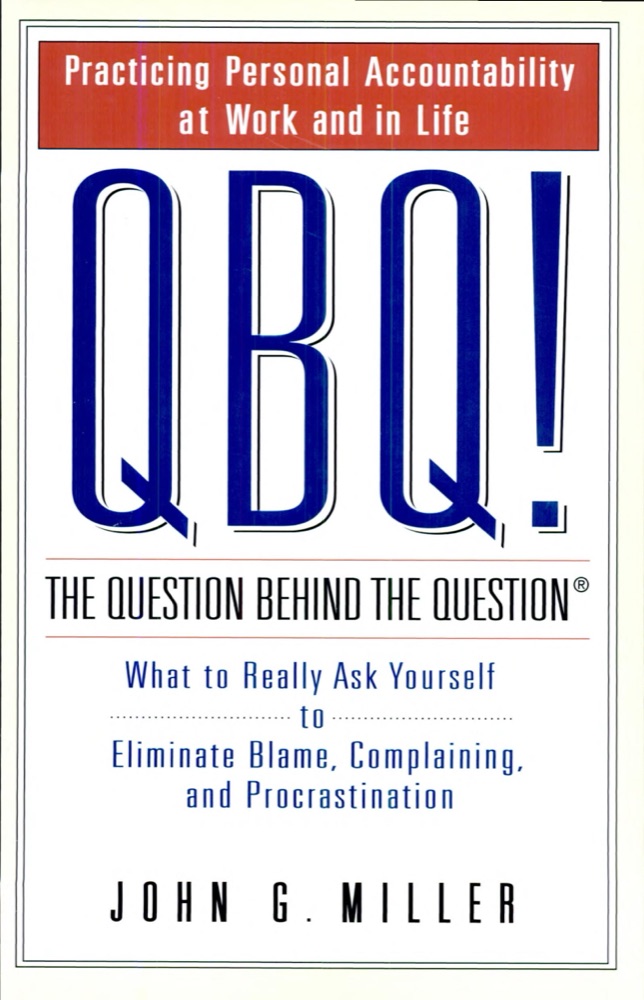 QBQ! The Question Behind the Question: Practicing Personal Accountability in Work and in Life
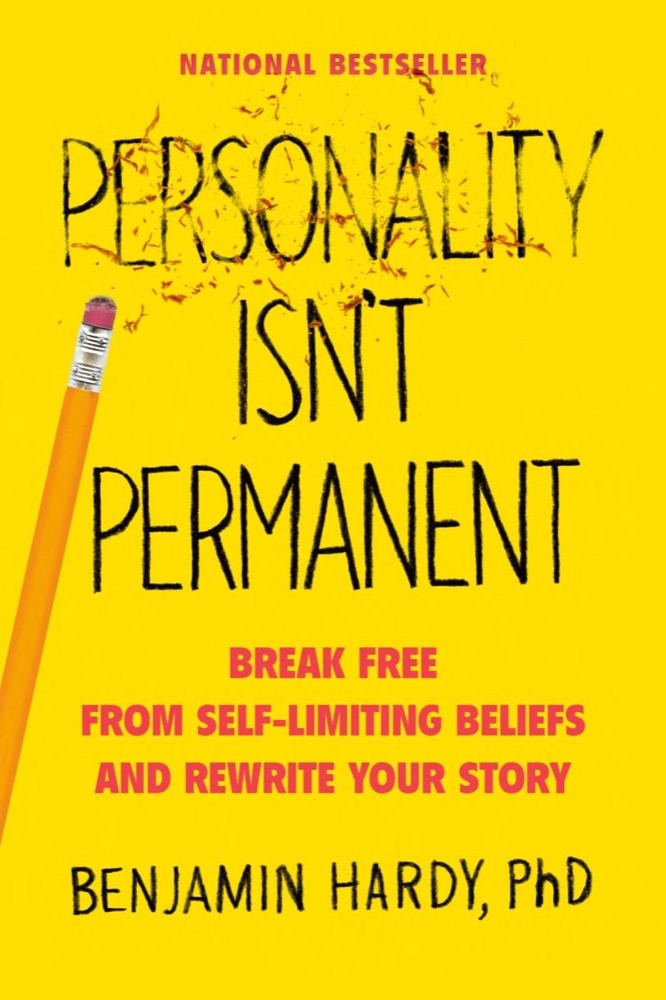 Personality Isn't Permanent: Break Free from Self-Limiting Beliefs and Rewrite Your Story
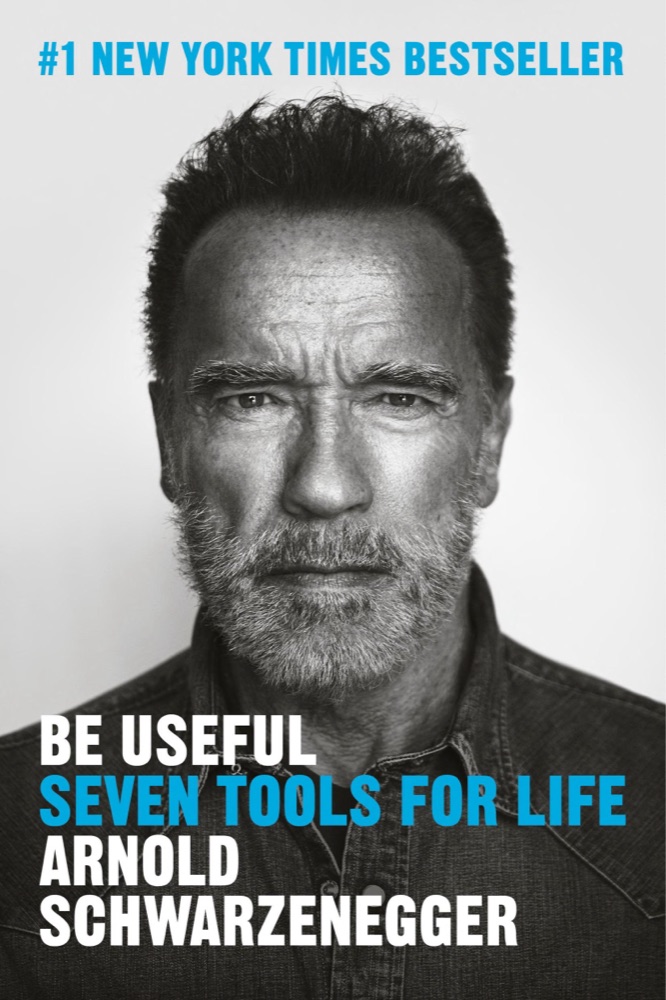 Be Useful: Seven Tools for Life
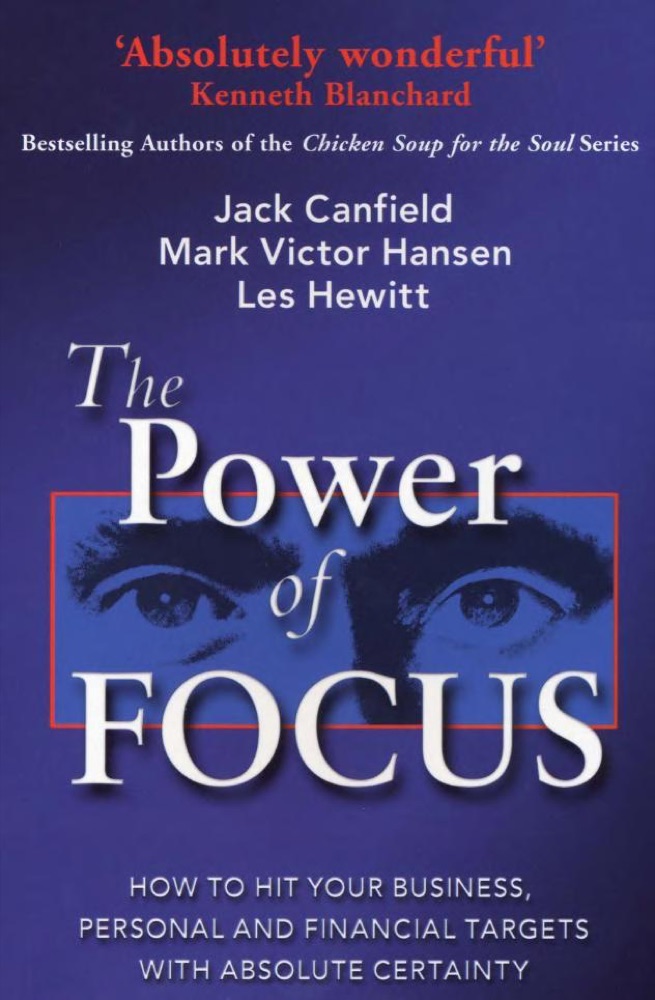 The Power of Focus
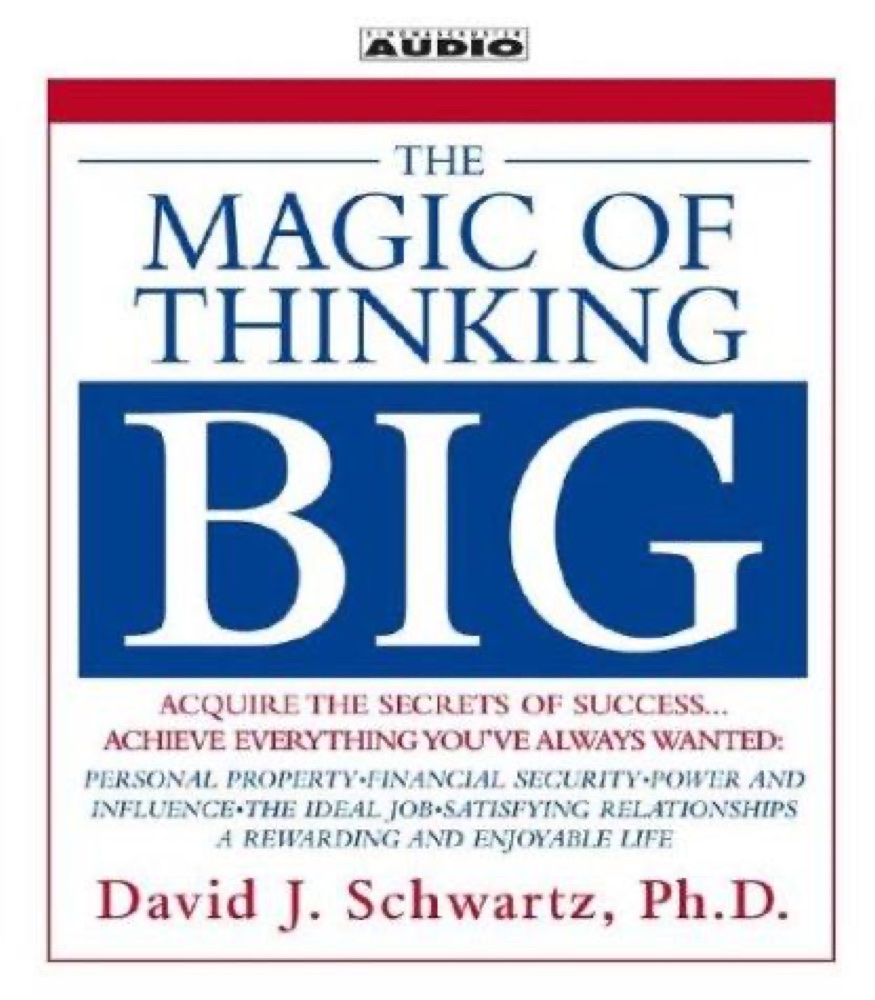 Magic of Thinking Big
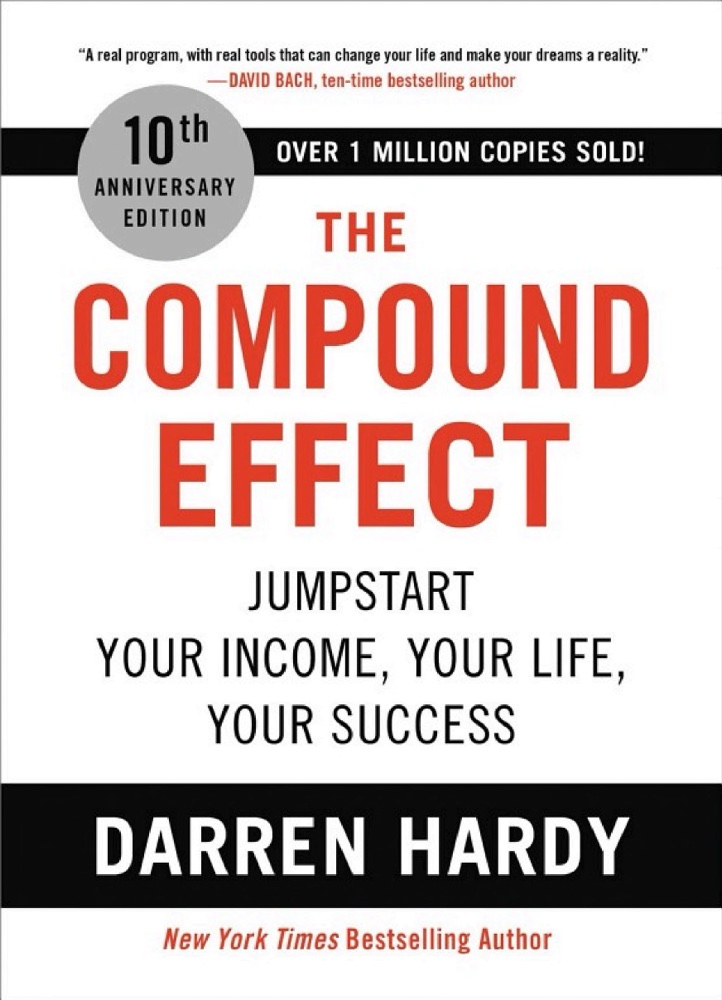 The Compound Effect: Jumpstart Your Income, Your Life, Your Success
 Do Epic Shit
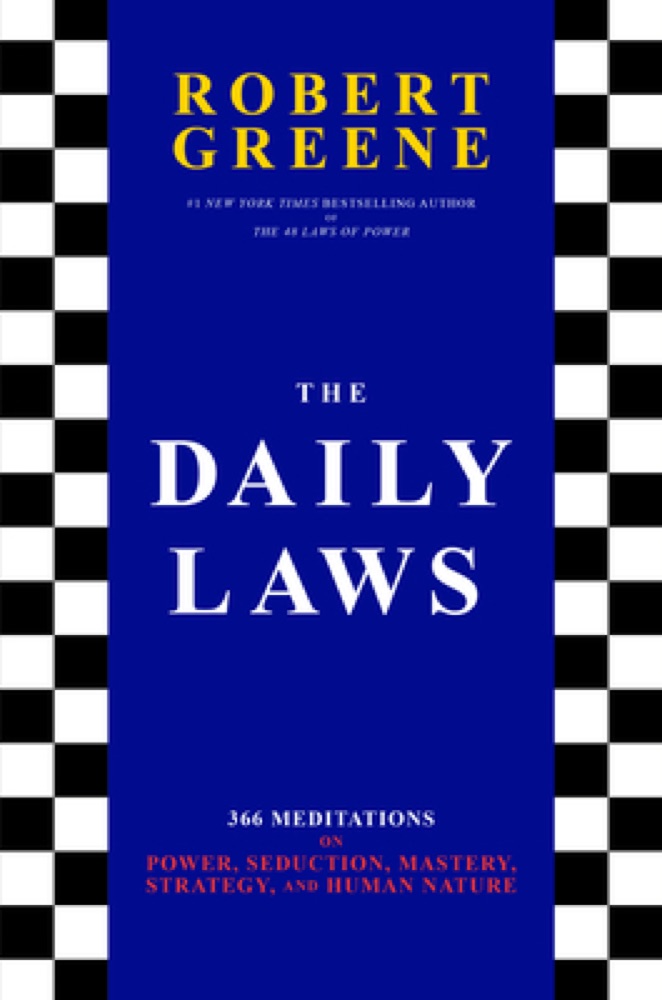 The Daily Laws: 366 Meditations
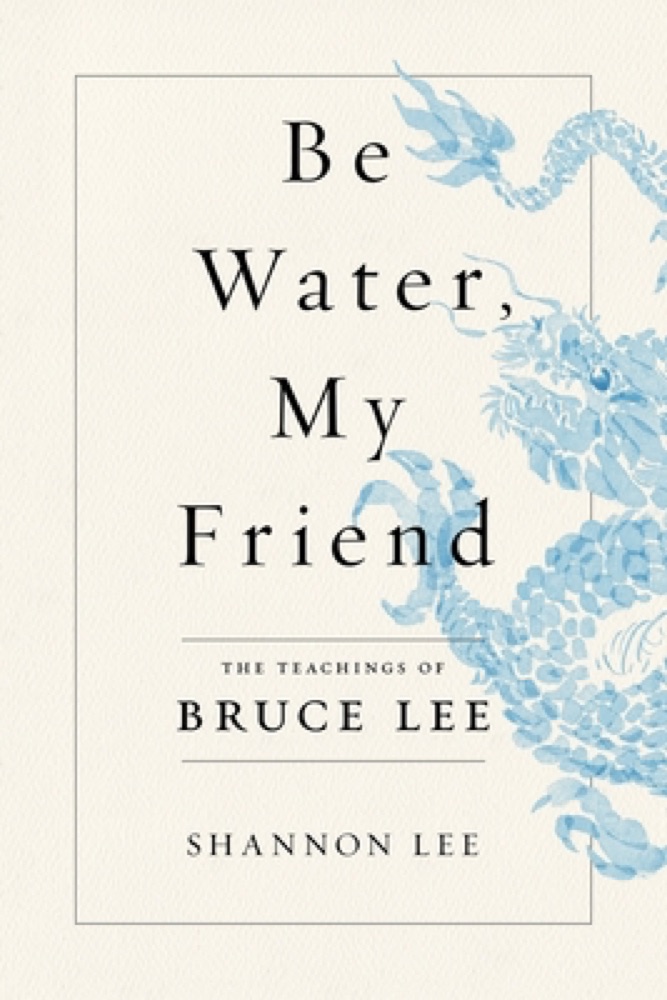 Be Water, My Friend: The Teachings of Bruce Lee
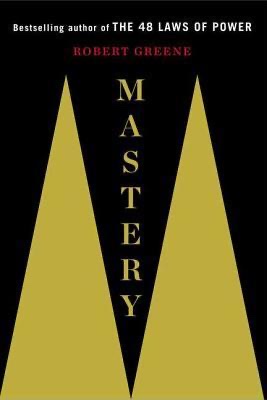 Mastery
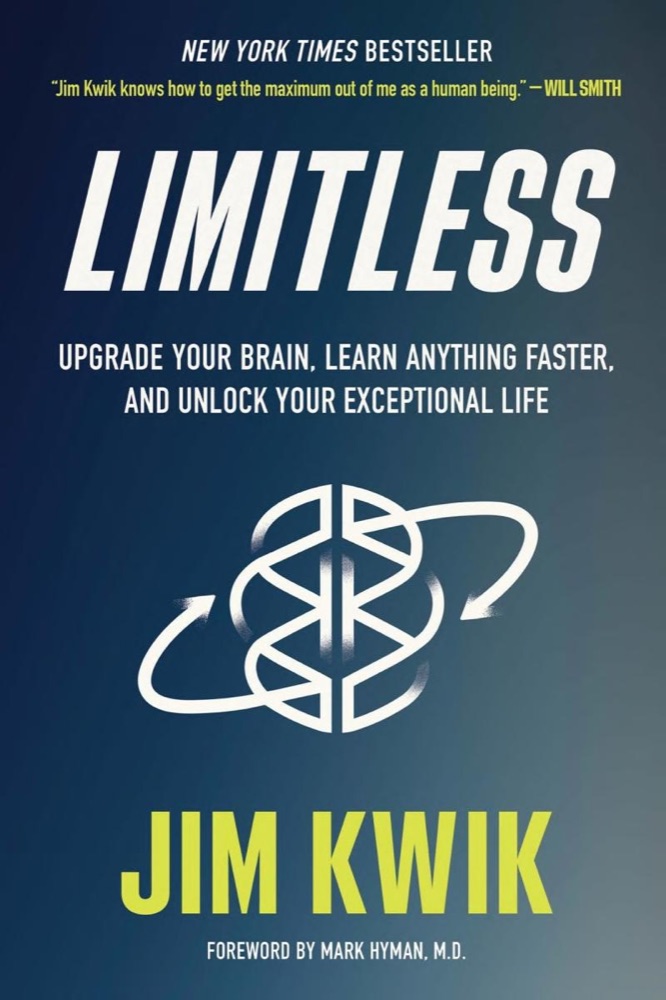 Limitless: Upgrade Your Brain, Learn Anything Faster, and Unlock Your Exceptional Life
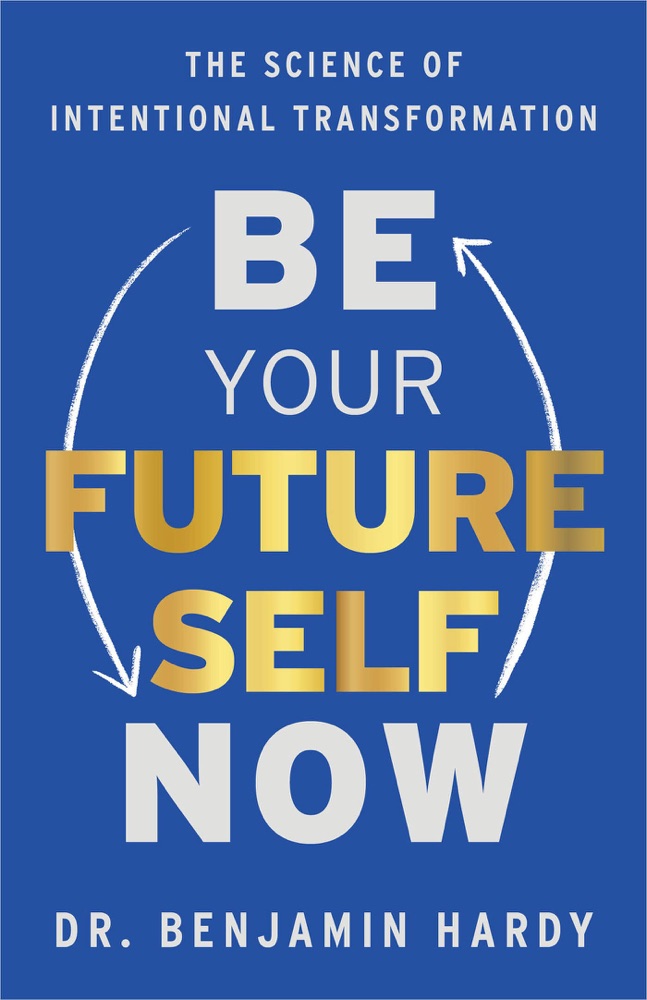 Be Your Future Self Now: The Science of Intentional Transformation
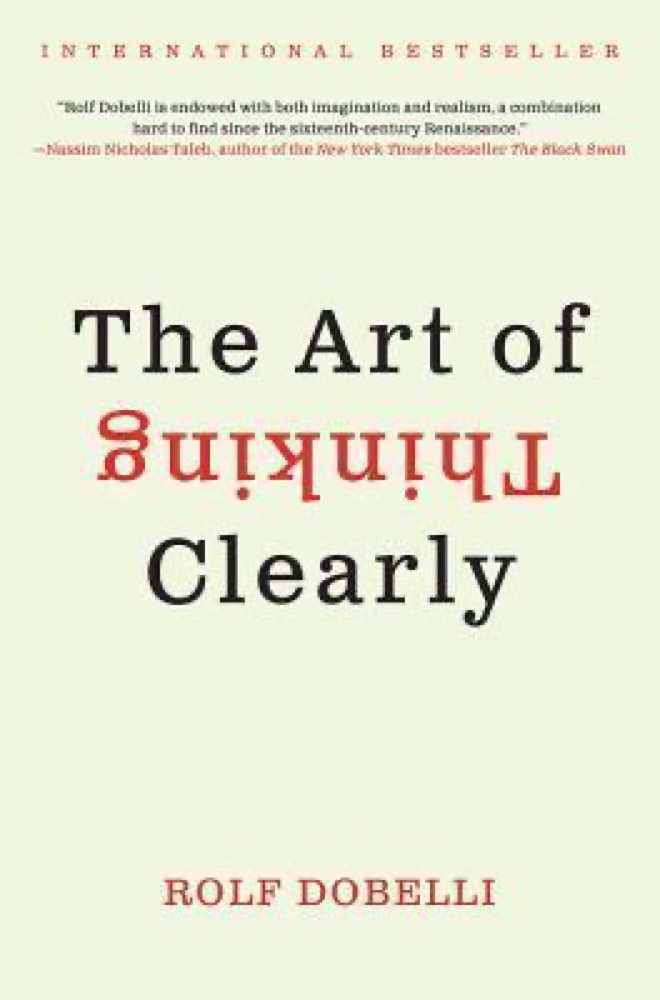 The Art of Thinking Clearly
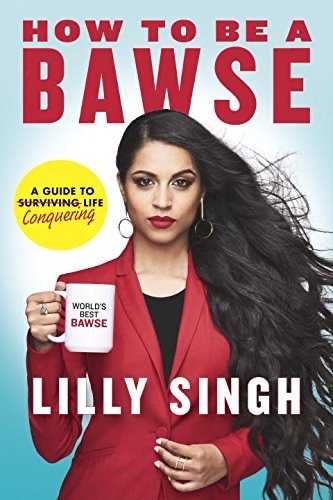 How to Be a Bawse: A Guide to Conquering Life
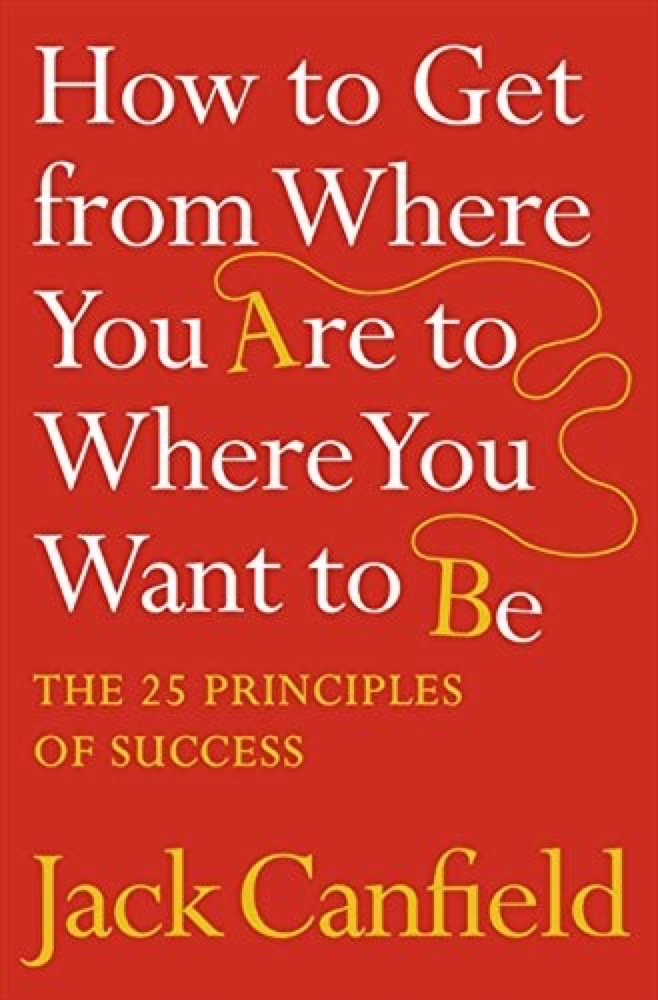 The Success Principles: How to Get from Where You Are to Where You Want to Be
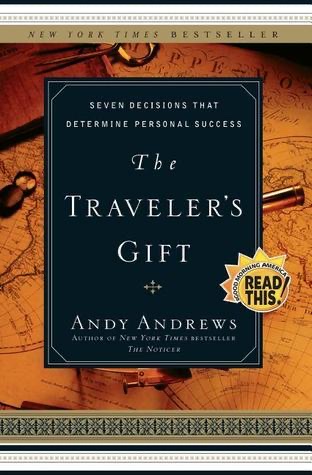 The Traveler's Gift: Seven Decisions that Determine Personal Success
 Will
Will
 Essentialism: The Disciplined Pursuit of Less
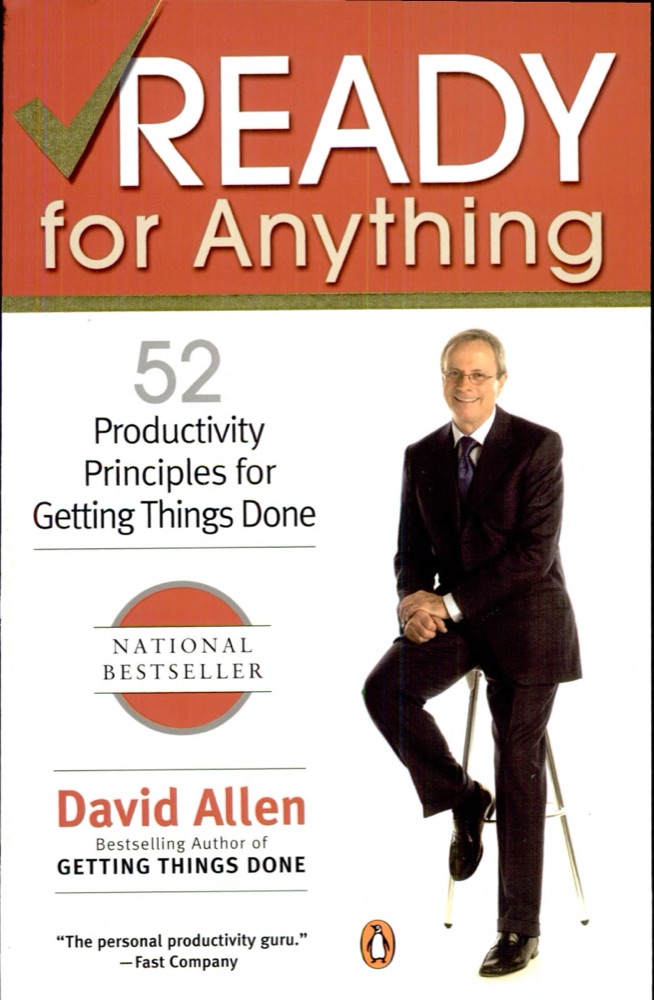 Ready for Anything: 52 Productivity Principles for Getting Things Done
 7 Strategies for Wealth & Happiness: Power Ideas from America's Foremost Business Philosopher
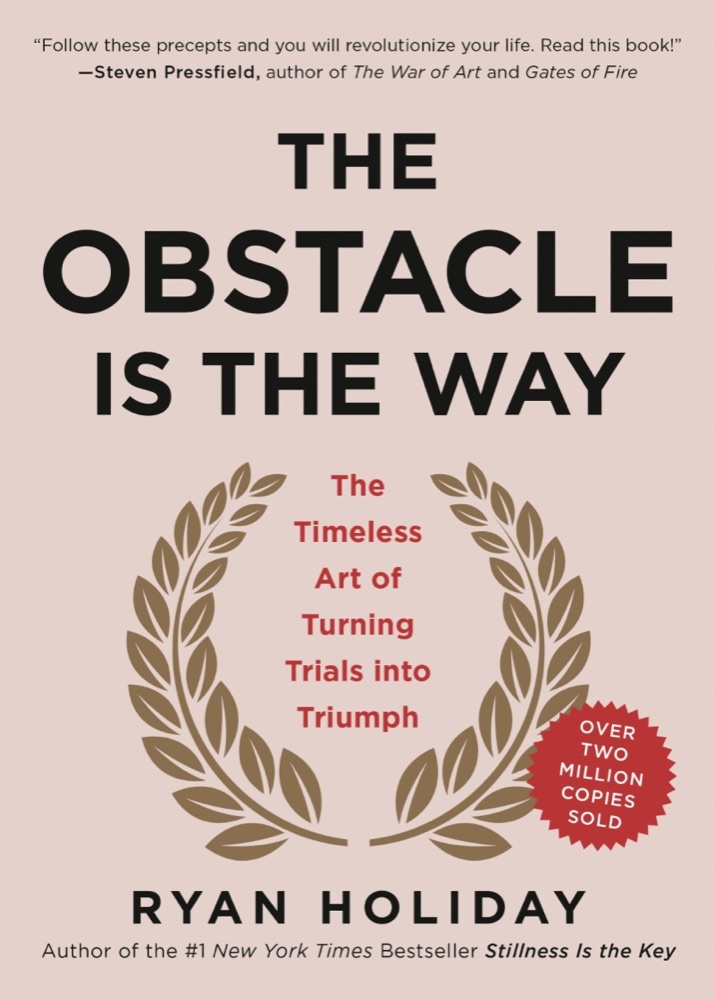 The Obstacle Is the Way: The Timeless Art of Turning Trials into Triumph
 Lead the Field
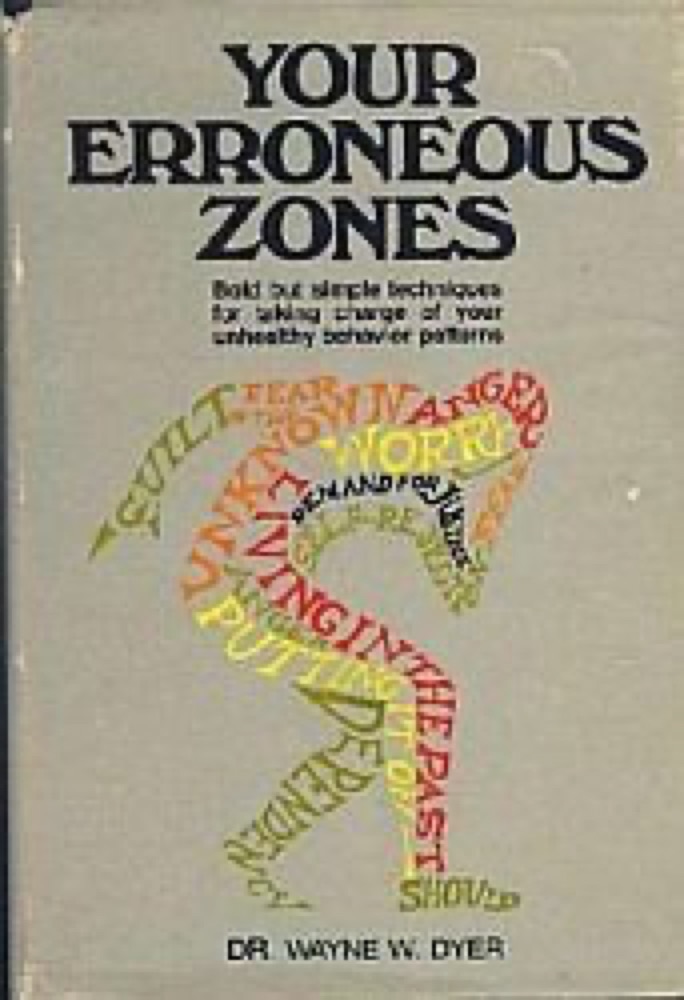 Your Erroneous Zones: Step-By-Step Advice for Escaping the Trap of Negative Thinking and Taking Control of Your Life
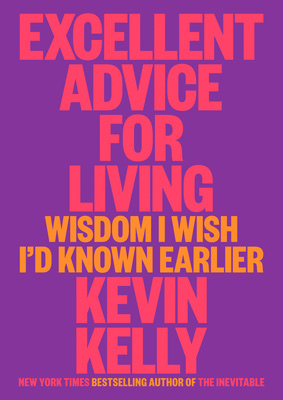 Excellent Advice for Living: Wisdom I Wish I'd Known Earlier
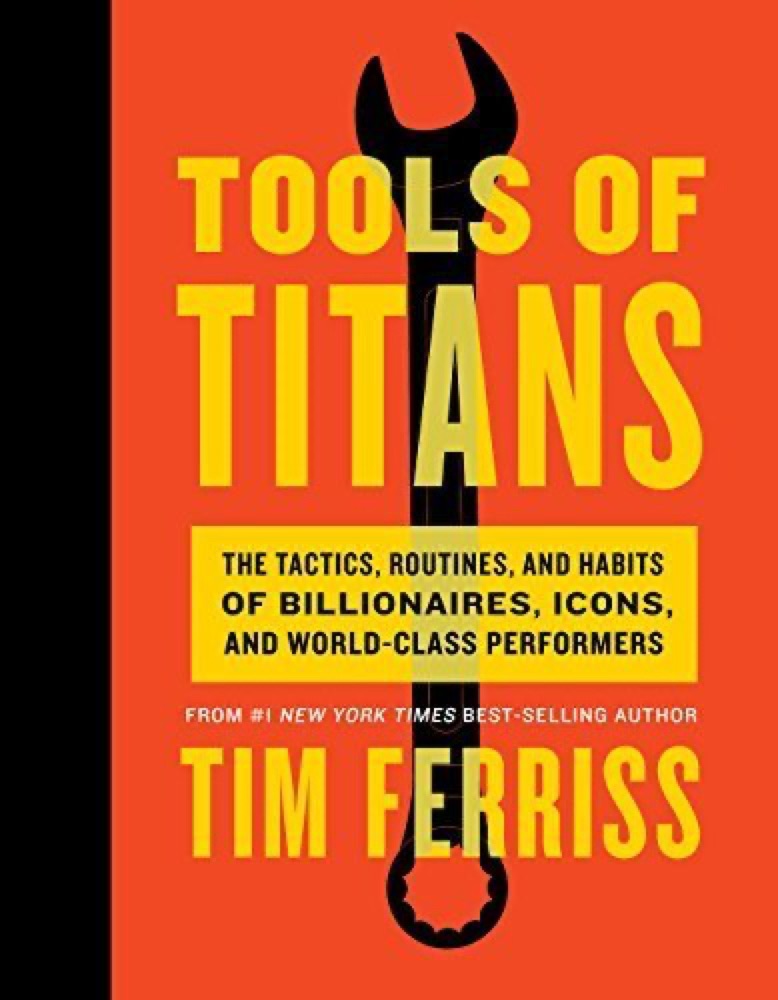 Tools of Titans: The Tactics, Routines, and Habits of Billionaires, Icons, and World-Class Performers
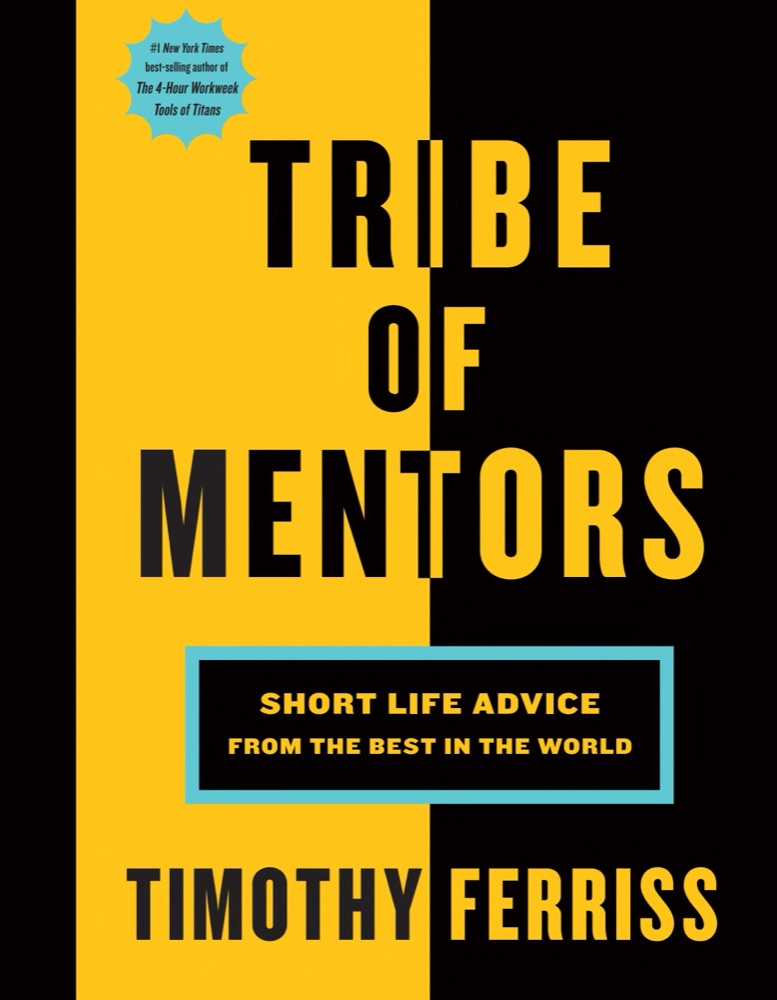 Tribe Of Mentors: Transformative Wisdom From Icons and Innovators to Help You Navigate Life's Challenges
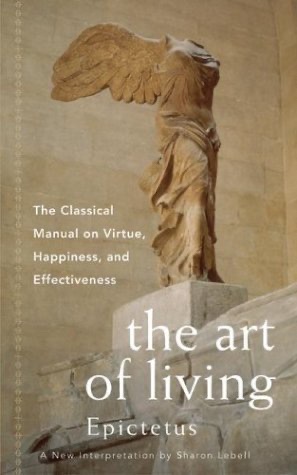 The Art of Living: The Classical Manual on Virtue, Happiness and Effectiveness
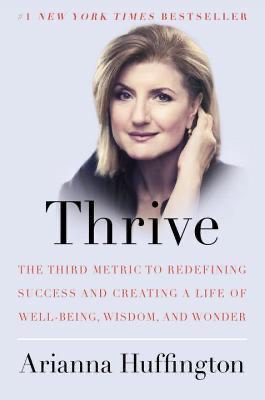 Thrive: The Third Metric to Redefining Success and Creating a Life of Well-Being, Wisdom, and Wonder
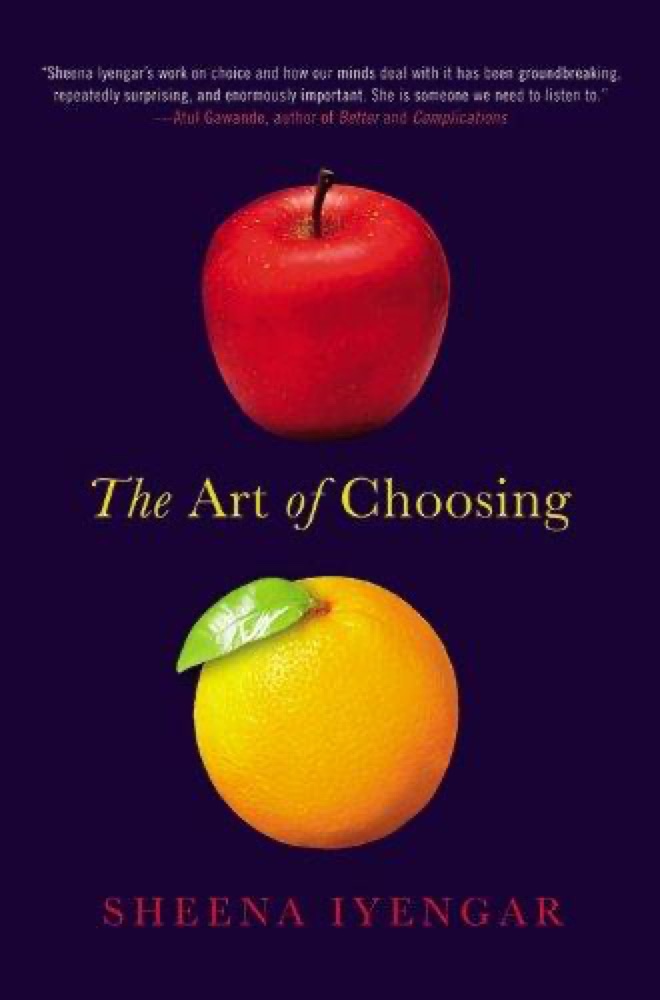 The Art of Choosing
 Discourses and Selected Writings
 It Takes What It Takes: How to Think Neutrally and Gain Control of Your Life
 The Tao of Pooh
 The Four Agreements: A Practical Guide to Personal Freedom
 Think and Grow Rich
 Maximum Achievement: Strategies and Skills That Will Unlock Your Hidden Powers to Succeed
 How to Stay Sane
 Illusions: The Adventures of a Reluctant Messiah
 The Leader Who Had No Title: A Modern Fable on Real Success in Business and in Life
 The Social Animal: The Hidden Sources of Love, Character, and Achievement
 Crucial Conversations: Tools for Talking When Stakes are High
 The Person You Mean to Be: How Good People Fight Bias
 Delivering Happiness: A Path to Profits, Passion, and Purpose
 The Bullet Journal Method: Track Your Past, Order Your Present, Plan Your Future
 The Daily Stoic: 366 Meditations on Wisdom, Perseverance, and the Art of Living
 The Noticer: Sometimes, All a Person Needs Is a Little Perspective
 Surrounded by Idiots
 How to Know a Person: The Art of Seeing Others Deeply and Being Deeply Seen
 Power Thoughts: 12 Strategies to Win the Battle of the Mind
 Better Than Before: Mastering the Habits of Our Everyday Lives
 Flow: The Psychology of Optimal Experience