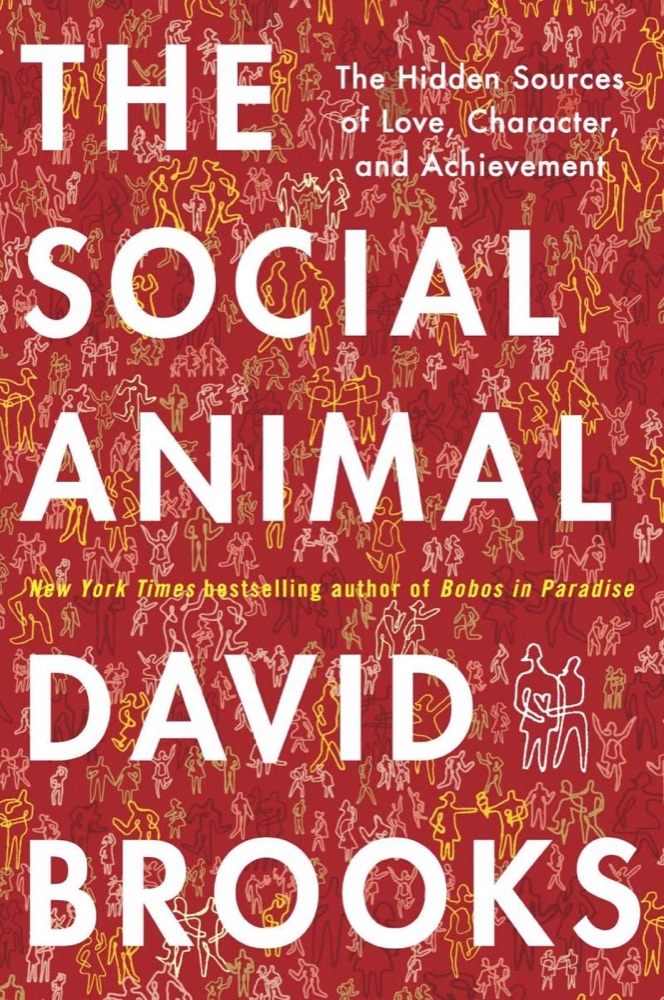
 The Social Animal: The Hidden Sources of Love, Character, and Achievement
Quotes from the Book
What makes us so adaptable? In one word, culture – our ability learn from others, to copy, imitate, share and improve.
9
The truly curious will be increasingly in demand. Employers are looking for people who can do more than follow procedures competently or respond to requests; who have a strong intrinsic desire to learn, solve problems and ask penetrating questions. They may be difficult to manage at times, these individuals, for their interests and enthusiasms can take them along unpredictable paths, and they don’t respond well to being told what to think. But for the most part, they will be worth the difficulty.
8
ignorant but happy’ effect – when people are confident that they have the answers they become blithely incurious about alternatives.
8
Ignorance as a deliberate choice, can be used to reinforce prejudice and discrimination.
8
We know that new ideas often come from the cross-fertilisation of different fields, occurring in the mind of a widely knowledgeable person.
6
Only fiction has the power to cross the mental barricades, to make strangers intelligible to each other, because it moves people's hearts as well as engaging their minds.
6
It's only people, as far as we know, who look up at the stars and wonder what they are.
5
Whoever you are and whatever start you get in life, knowing stuff makes the world more abundant with possibilities and gleams of light more likely to illuminate the darkness. It opens the universe a little.
5
I possess a device, in my pocket, that is capable of accessing the entirety of information known to man. I use it to look at pictures of cats and get into arguments with strangers.
4
The only reason people do not know much is because they do not care much. They are incurious. Incuriosity is the oddest and most foolish failing there is.
4
There’s a reason for this. Curiosity is unruly. It doesn’t like rules, or at least, it assumes that all rules are provisional, subject to the laceration of a smart question nobody has yet thought to ask. It disdains the approved pathways, preferring diversions, unplanned excursions, impulsive left turns. In short, curiosity is deviant. Pursuing it is liable to bring you into conflict with authority at some point, as everyone from Galileo to Charles Darwin to Steve Jobs could have attested.
4
A society that values order above all else will seek to suppress curiosity. But a society that believes in progress, innovation and creativity will cultivate it, recognising that the enquiring minds of its people constitute its most valuable asset. In medieval Europe, the enquiring mind – especially if it enquired too closely into the edicts of Church or state – was stigmatised. During the Renaissance and Reformation, received wisdoms began to be interrogated, and by the time of the Enlightenment, European societies started to see that their future lay with the curious, and encouraged probing questions rather than stamping on them. The result was the biggest explosion of new ideas and scientific advances in history. The great unlocking of curiosity translated into a cascade of prosperity for the nations that precipitated it. Today, we cannot know for sure if we are in the middle of this golden period or at the end of it. But we are, at the very least, in a lull. With the important exception of the internet, the innovations that catapulted Western societies ahead of the global pack are thin on the ground, while the rapid growth of Asian and South American economies has not yet been accompanied by a comparable run of indigenous innovation. Tyler Cowen, a professor of economics at George Mason University in Virginia, has termed the current period ‘the great stagnation’.
4
... knowing what not to know was itself indispensable knowledge.
4
A policy of deliberate ignorance is often adopted by those who wish to protect their own power.
3
Society is held together by communication and information. Samuel Johnson
2
social loafing’ – the widespread tendency of individuals to decrease their own effort when they start working collaboratively.
2
The most fundamental reason to choose curiosity isn’t so that we can do better at school or at work. The true beauty of learning stuff, including apparently useless stuff, is that it takes us out of ourselves, reminds us that we are part of a far greater project, one that has been underway for at least as long as human beings have been talking to each other. Other animals don’t share or store their knowledge like we do.
1
Companies, and rulers, who learn to cultivate their conscious ignorance—to be fascinated, even obsessed, by what they don’t know—are the ones least likely to be caught unaware by change.
1
The only person or thing that can make you stupid, or incurious, is you.
1
It reminds us that knowledge is inherently unreliable.
1
A society or an organization that thinks only in terms of puzzles is one that is too focused on the goals it has set, rather than on the possibilities it can’t yet see.
1
Humans became the only species to acquire guidance on how to live from the accumulated knowledge of their ancestors, rather than just from their DNA.
1
What made him exceptional were a ferocious will to succeed and a burning sense of epistemic curiosity. Jobs was interested in everything: the Bauhaus movement, the
1
The fox knows many things, but the hedgehog knows one big thing.
1
The most successful students aren't necessarily the cleverest... they are the ones who don't give up
Just what did Bill Murray whisper to Scarlett Johansson in Lost in Translation?
Berlyne had put his finger on a paradoxical attribute of curiosity—it is stimulated by understanding and by the absence of understanding. This tells us something important about the motivation to learn. Loewenstein built his information-gap theory out of Berlyne’s insight. Information, he proposed, fuels curiosity by creating awareness of ignorance, which gives rise to a desire to know more. As soon as we know something about a subject, we start to become uncomfortably aware of what we don’t know, and that makes us want to close the gap. William
Life would be more straightforward if we knew what we needed to find out, if we were told at birth exactly what we need to know to be happy. But in a complex world, it’s impossible to know what might be useful in the future. It’s important, therefore, to spread our cognitive bets. Curious people take risks, try things out, allow themselves to become productively distracted. They know that something they learn by chance today may well come in useful tomorrow or spark a new way of thinking about an entirely different problem. The more unpredictable the environment, the more important a seemingly unnecessary breadth and depth of knowledge become. Humans have always had to deal with complexity; felling a woolly mammoth is not simple. But now that we live in larger, more varied, faster-changing societies than ever before, curiosity is more important—and more rewarding—than it has ever been. This applies to who we need to know, as well as what. Another striking thing about Leonardo’s list is how many house visits he will have to make. His curiosity makes him highly sociable. Montaigne wrote of how travel to different regions and countries allows us to “rub and polish our brains” against others, and Leonardo seems keen to polish his brain against as many others as possible. Out of the fifteen tasks in the complete list, at least eight involve consultations with other people, and two involve other people’s books. It is easy to imagine Leonardo eagerly approaching each expert, intent on drawing out their knowledge, beginning each conversation with “Dimmi. . . .” People who are deeply curious are more likely to be good at collaboration. They seek out new acquaintances and allies in the process of building their stock of cultural knowledge. In the next chapter we’ll look more closely at the curiosity of babies and children and at why some of them are more likely than others to grow into adults who share Leonardo’s passionate curiosity. * Perceptual curiosity, which diversive curiosity encompasses, refers specifically to the seeking out of physical experience—it is what drives people up mountains and down rivers, just to see what’s there. * Of course, one obvious way to reduce the danger of firearms is to restrict their availability, but that debate is beyond the scope of this book. I use guns here simply as an extreme example of the power of diversive curiosity.
Google tend to have a ratchet effect, making popular articles even more popular, thus quickly establishing and reinforcing a consensus about what’s important and what isn’t.
Watch on YouTube
About Ian Leslie
About the book
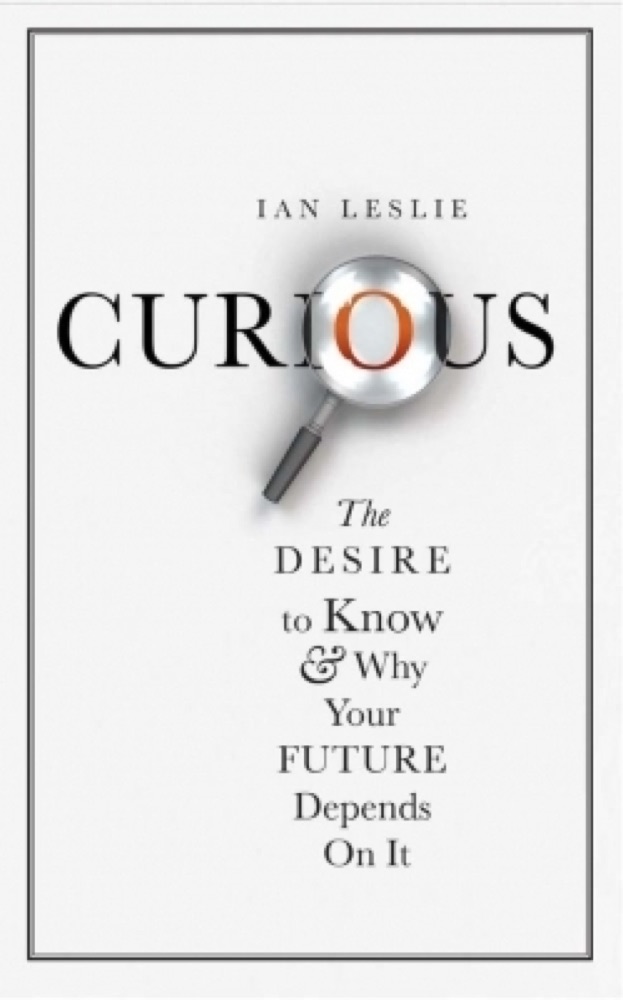
Everyone is born curious. But only some retain the habits of exploring, learning and discovering as they grow older. Which side of the ’curiosity divide’ are you on?
In Curious Ian Leslie makes a passionate case for the cultivation of our desire to know. Curious people tend to be smarter, more creative and more successful. But at the very moment when the rewards of curiosity have never been higher, it is misunderstood and undervalued, and increasingly practised only by a cognitive elite.
Filled with inspiring stories, case studies and practical advice, Curious will change the way you think about your own mental life, and that of those around you.
Book details
- First published
- 2014
- Author
- Ian Leslie
- Genre
- Nonfiction
- Goodreads rating
- 4.03 (3k ratings)
Keep reading
The Social Animal: The Hidden Sources of Love, Character, and Achievement
 The Meaning of It All: Thoughts of a Citizen-Scientist
 The Undoing Project: A Friendship That Changed Our Minds
 Thinking, Fast and Slow
 Stumbling on Happiness
 The Pleasure of Finding Things Out: The Best Short Works of Richard P. Feynman
 The Black Swan: The Impact of the Highly Improbable
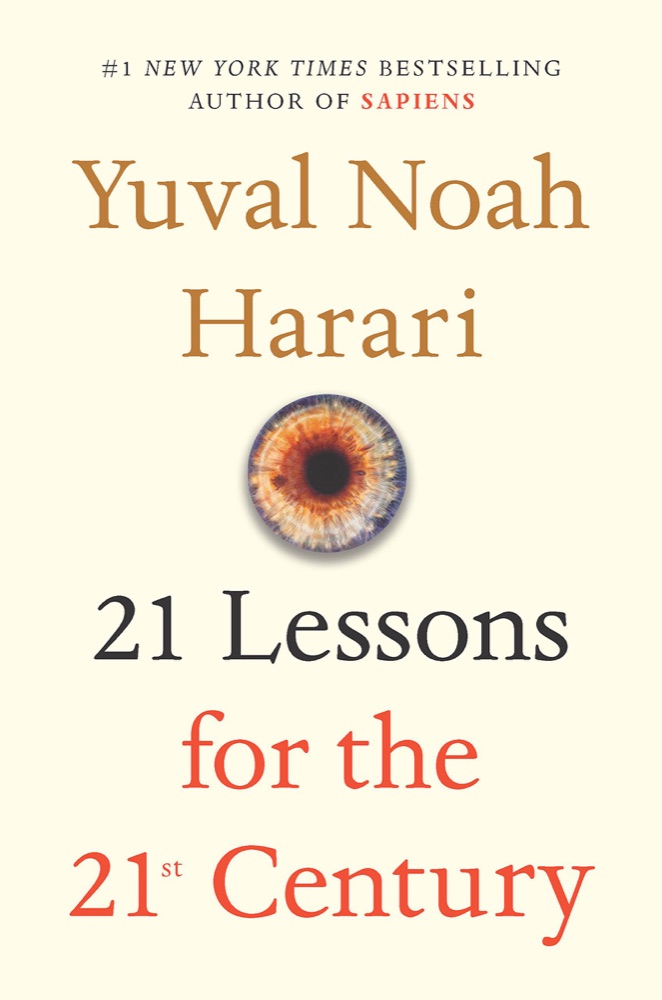 21 Lessons for the 21st Century
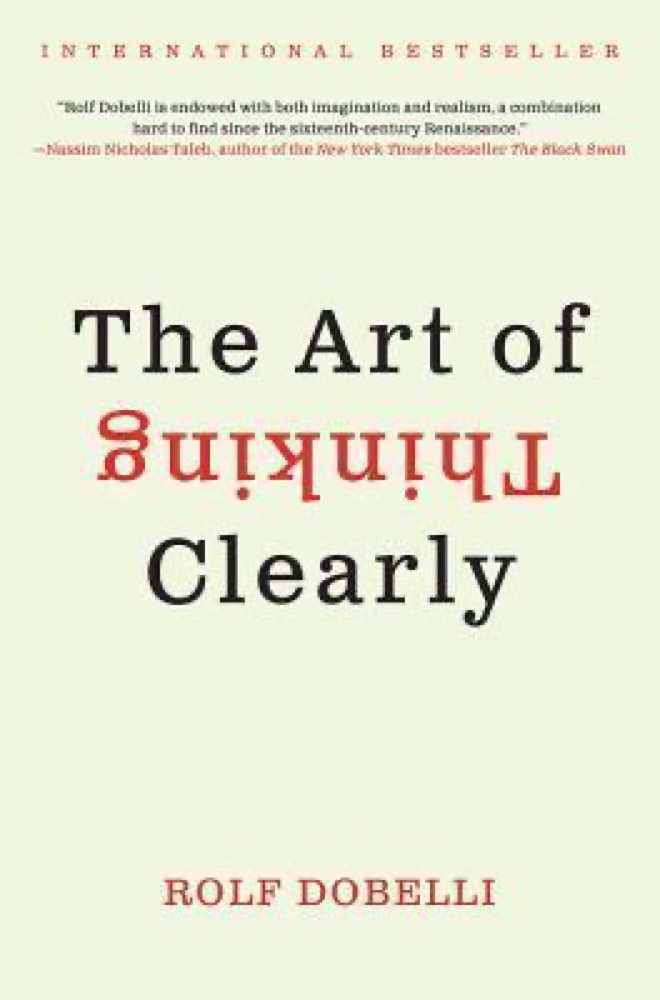 The Art of Thinking Clearly
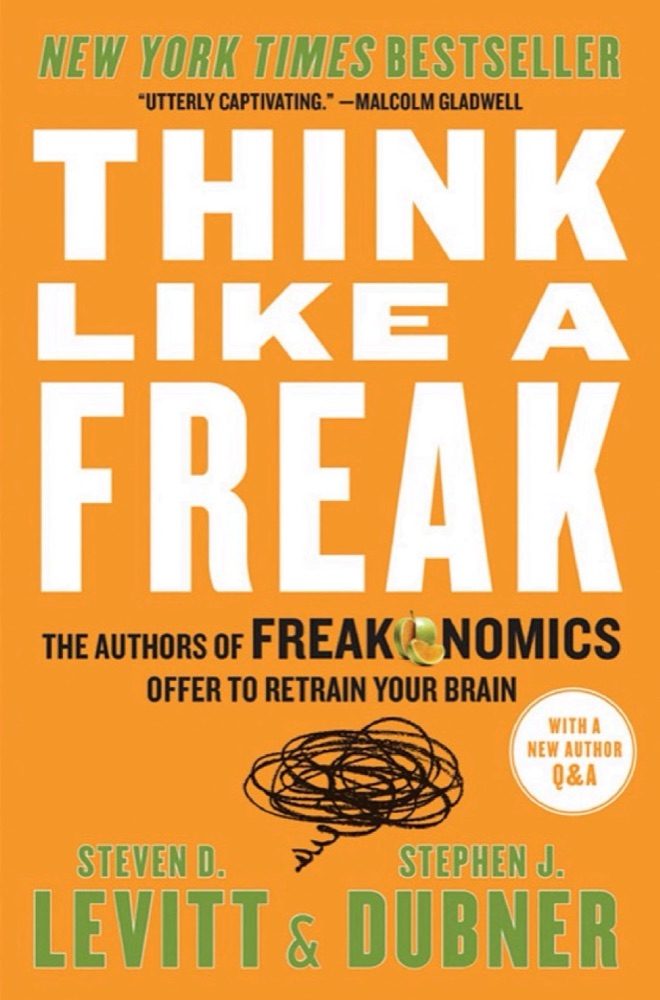 Think Like a Freak
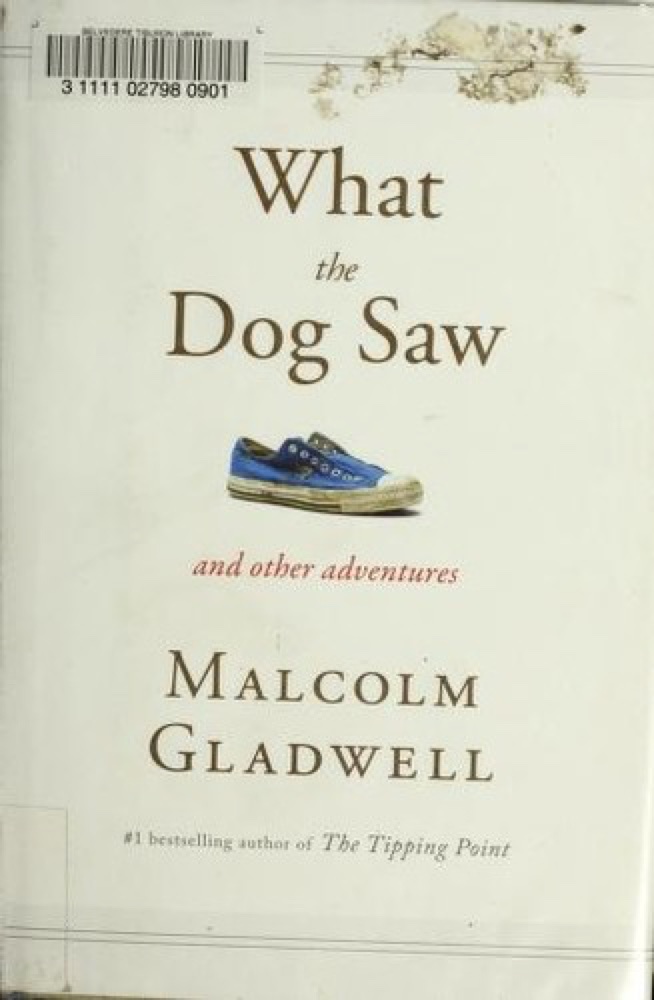 What the Dog Saw and Other Adventures
 What Do You Care What Other People Think?
 Range: Why Generalists Triumph in a Specialized World
 The Element: How Finding Your Passion Changes Everything
 Sophie's World
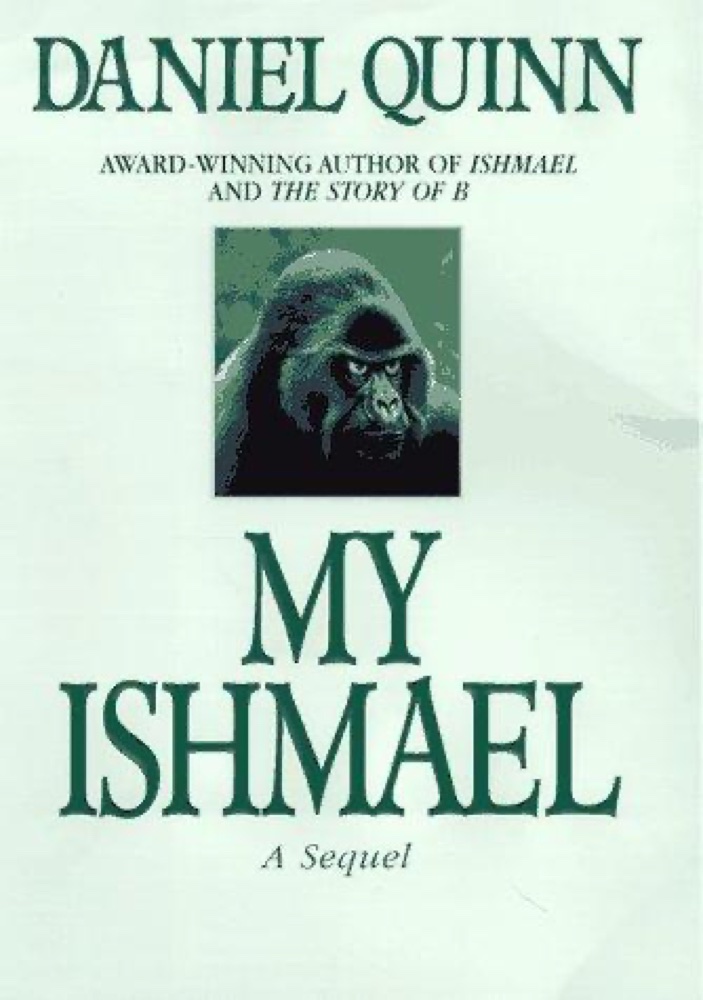 My Ishmael
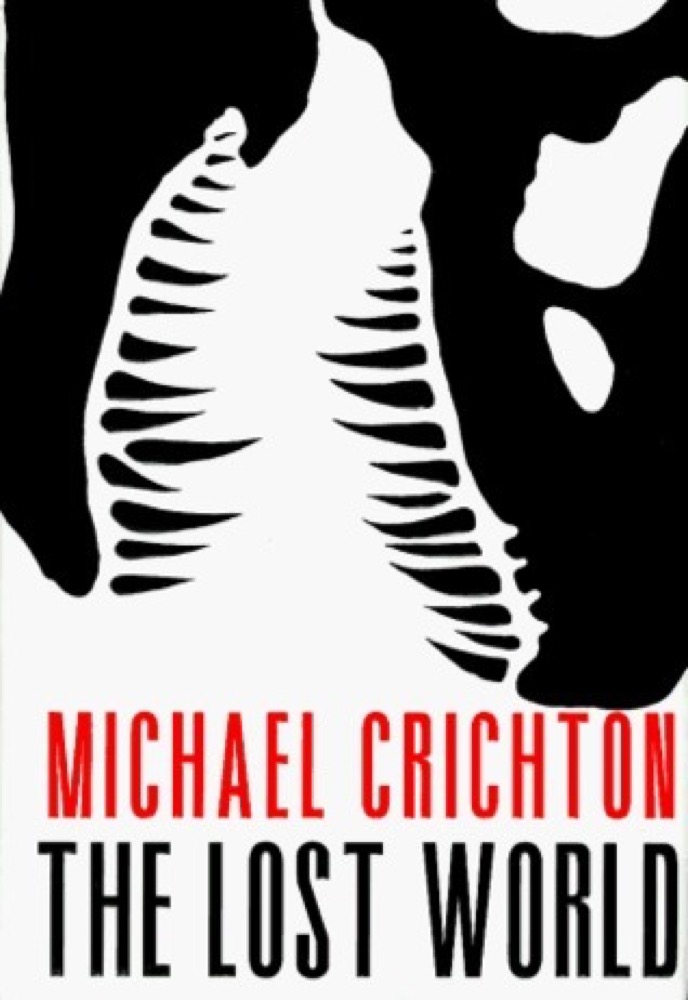 The Lost World
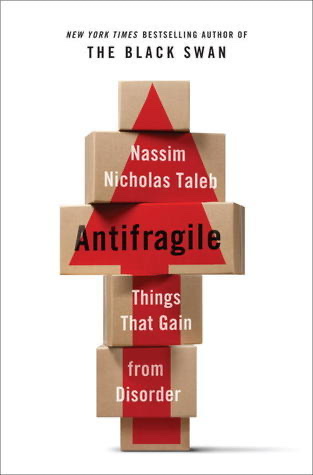 Antifragile: Things That Gain from Disorder
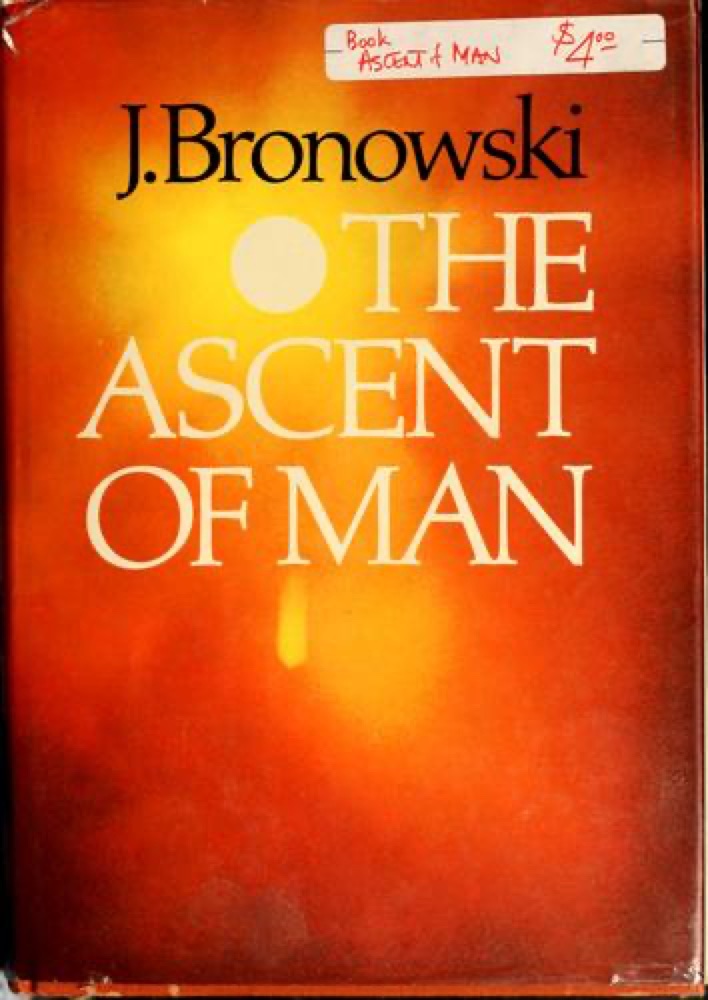 The Ascent of Man
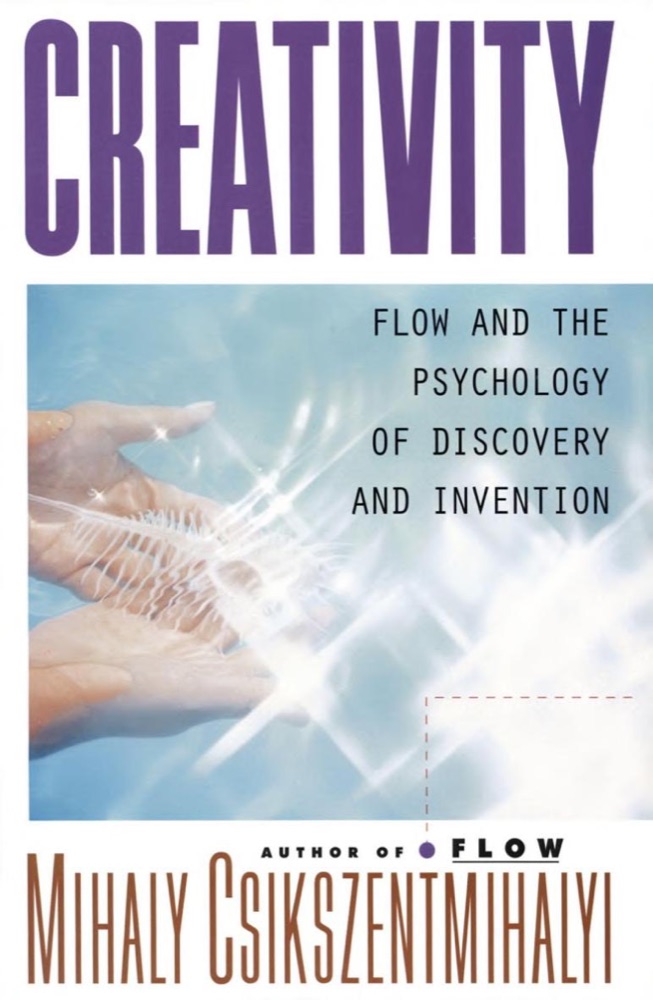 Creativity: Flow and the Psychology of Discovery and Invention
 Mastery
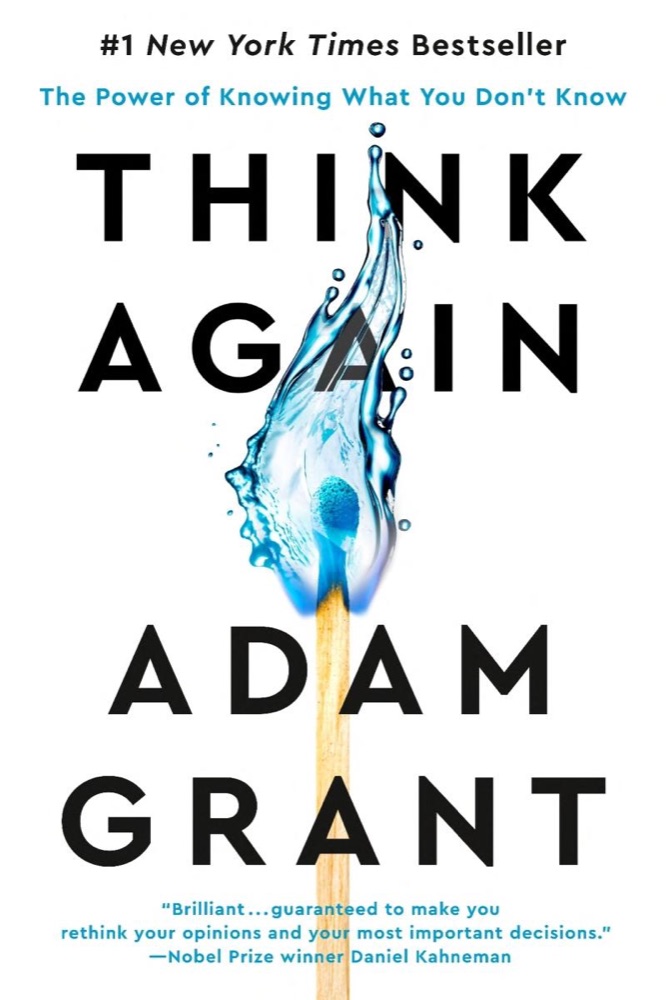 Think Again: The Power of Knowing What You Don't Know
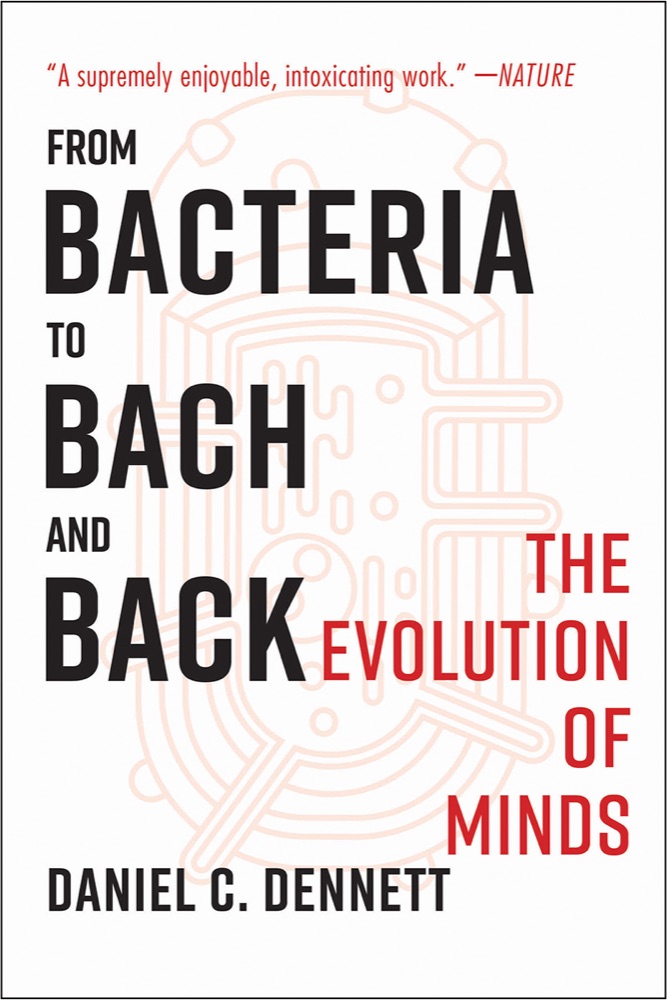 From Bacteria to Bach and Back: The Evolution of Minds
 Made to Stick: Why Some Ideas Survive and Others Die
 The Art of Creative Thinking
 The Lost Symbol
 A Devil's Chaplain: Reflections on Hope, Lies, Science, and Love
 Rationality: From AI to Zombies
 Superforecasting: The Art and Science of Prediction
 You Are Now Less Dumb: How to Conquer Mob Mentality, How to Buy Happiness, and All the Other Ways to Outsmart Yourself
 Blink: The Power of Thinking Without Thinking
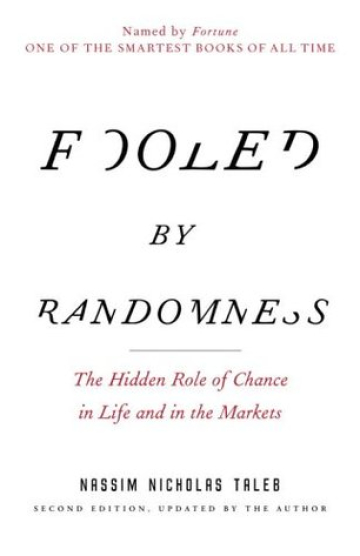 Fooled by Randomness: The Hidden Role of Chance in Life and in the Markets
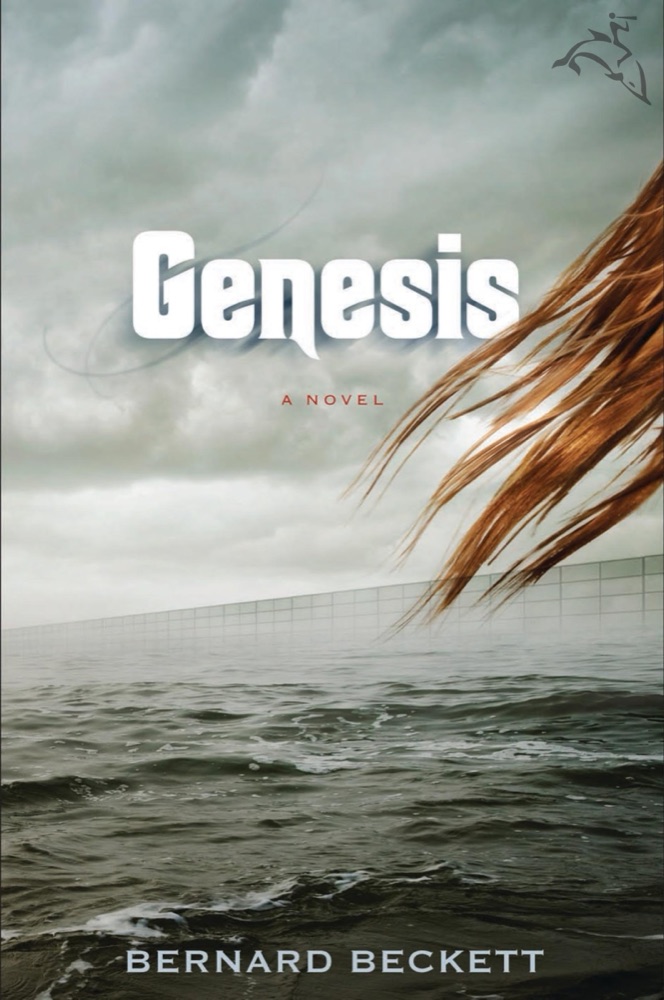 Genesis
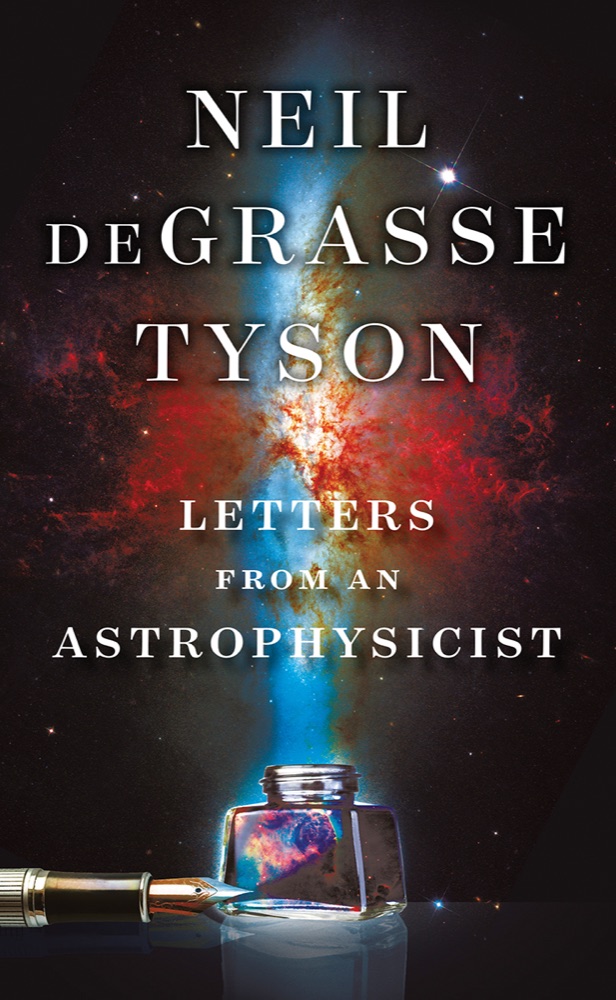 Letters from an Astrophysicist
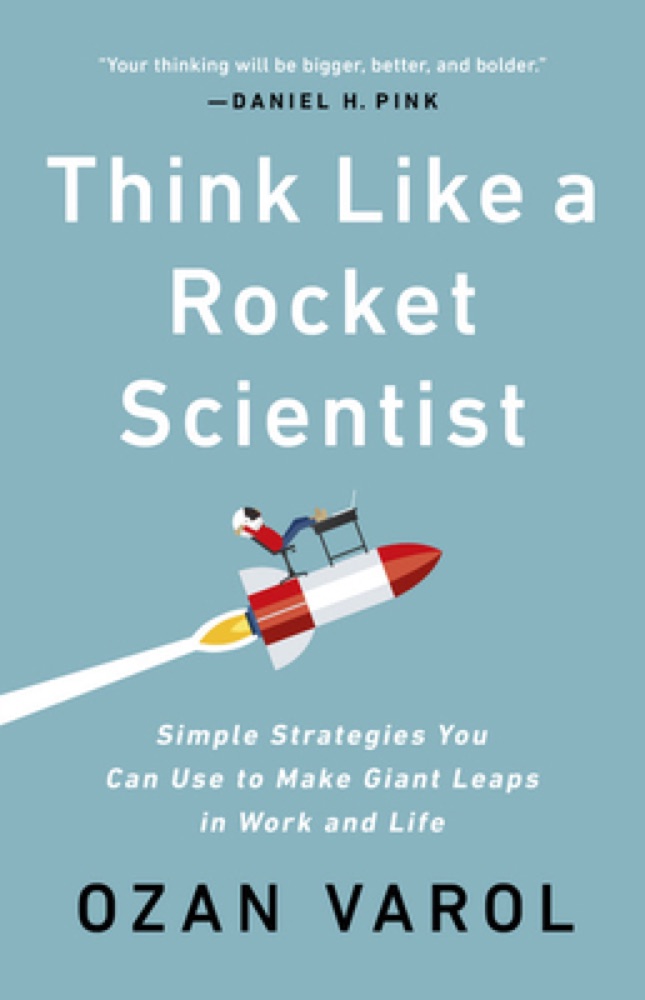 Think Like a Rocket Scientist: Simple Strategies You Can Use to Make Giant Leaps in Work and Life
 The Age of Magical Overthinking: Notes on Modern Irrationality
 Dragons of Eden: Speculations on the Evolution of Human Intelligence
 Finding Flow: The Psychology of Engagement with Everyday Life
 The Tell-Tale Brain: A Neuroscientist's Quest for What Makes Us Human
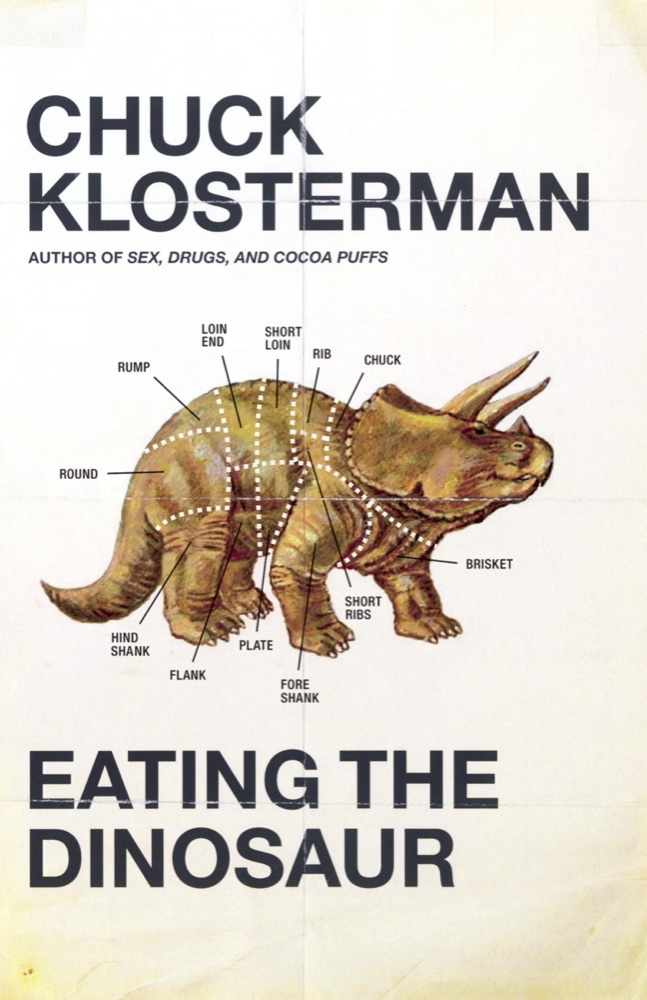 Eating the Dinosaur
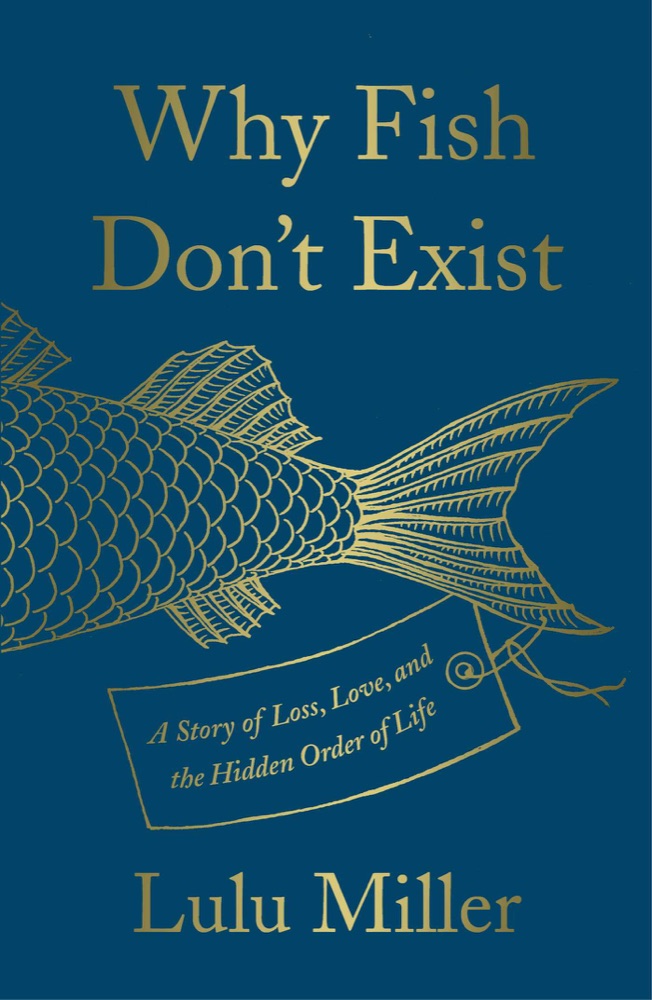 Why Fish Don’t Exist: A Story of Loss, Love, and the Hidden Order of Life
 Children of Dune
 The Spinoza Problem
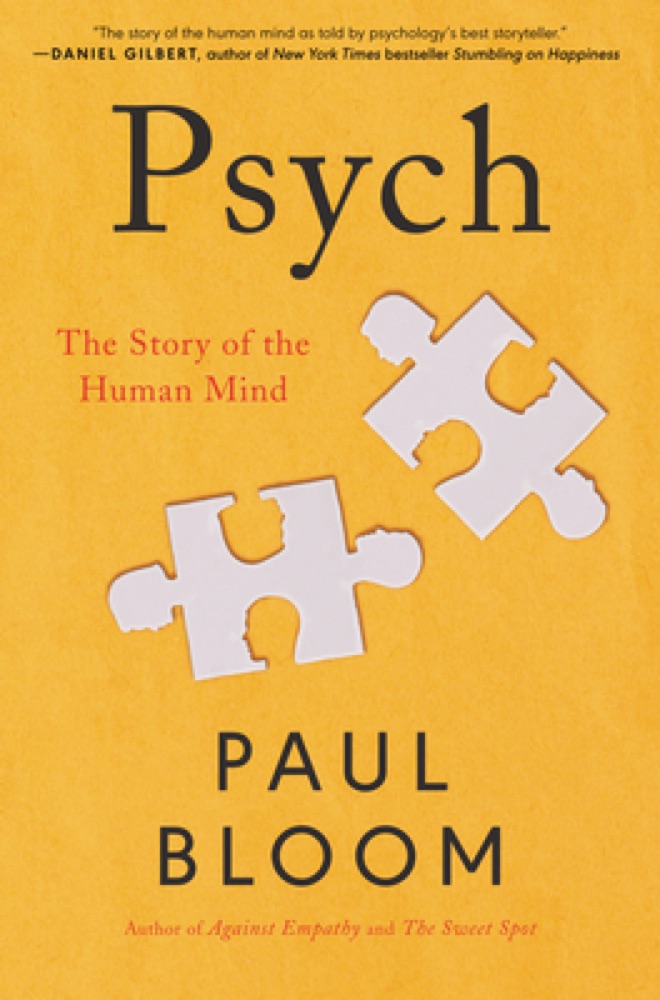 Psych: The Story of the Human Mind
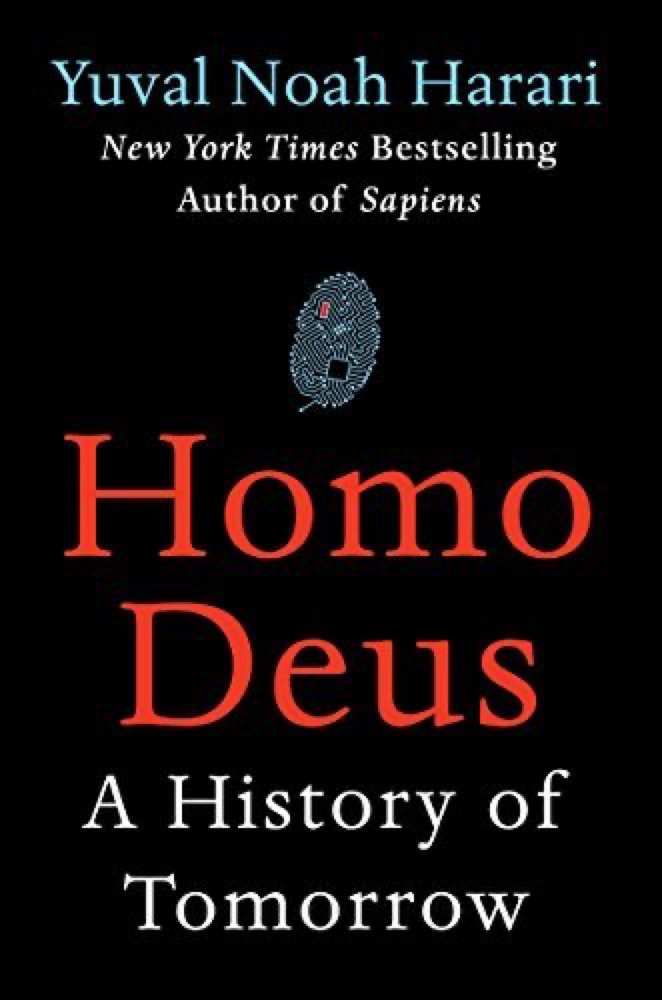 Homo Deus: A History of Tomorrow
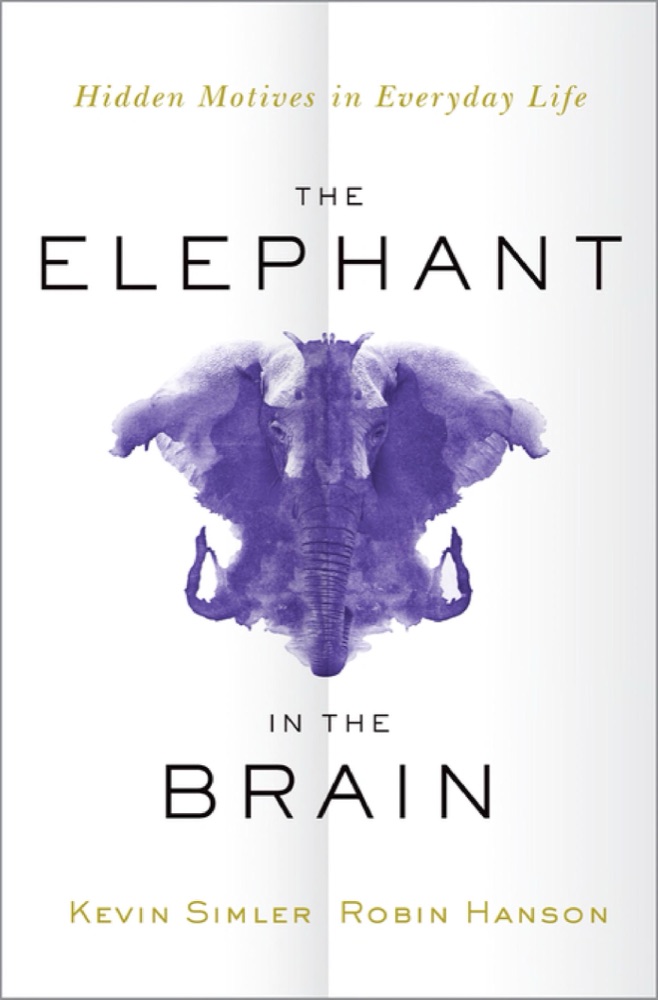 The Elephant in the Brain: Hidden Motives in Everyday Life
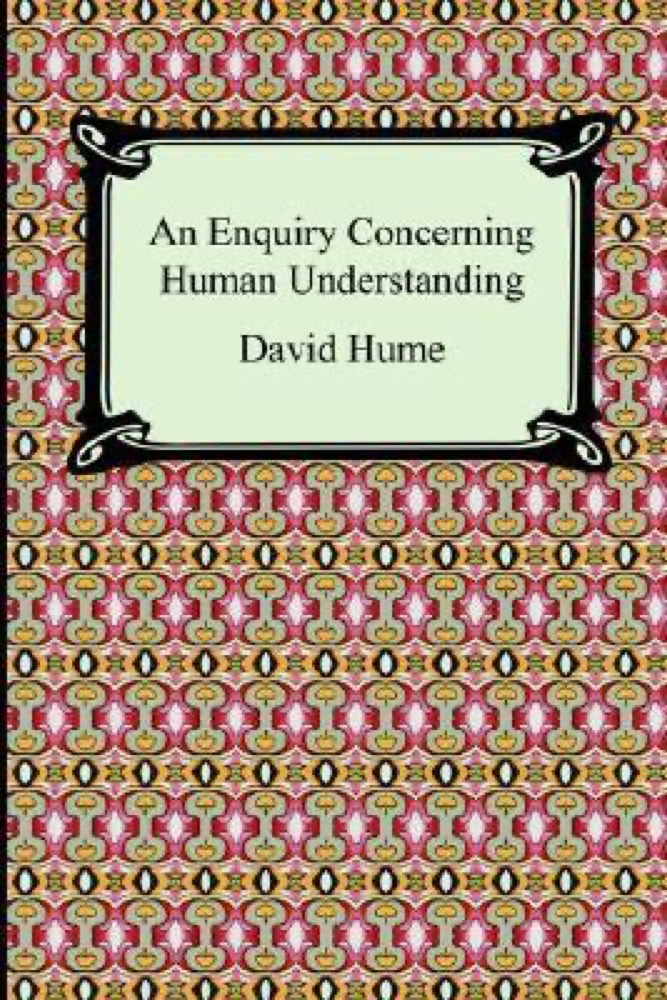 An Enquiry Concerning Human Understanding
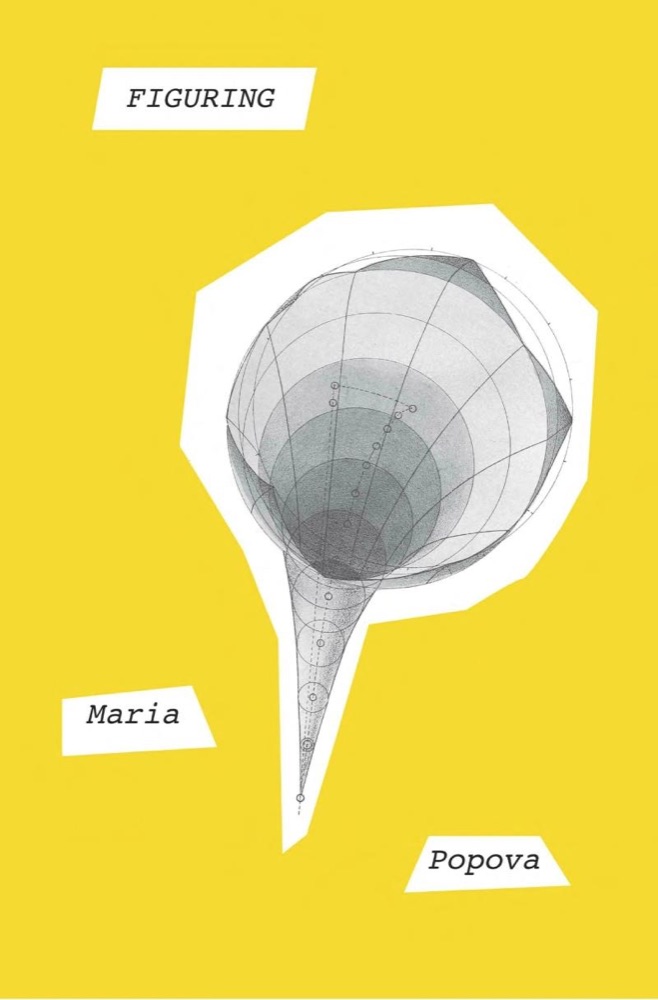 Figuring
 Genome
 The Republic
 Shop Class as Soulcraft: An Inquiry Into the Value of Work
 Influence: The Psychology of Persuasion
 The Geography of Genius: A Search for the World's Most Creative Places from Ancient Athens to Silicon Valley
 The Master and His Emissary: The Divided Brain and the Making of the Western World
 My Inventions
 In the Light of What We Know
 Barking Up the Wrong Tree: The Surprising Science Behind Why Everything You Know About Success Is (Mostly) Wrong
 God's Debris: A Thought Experiment
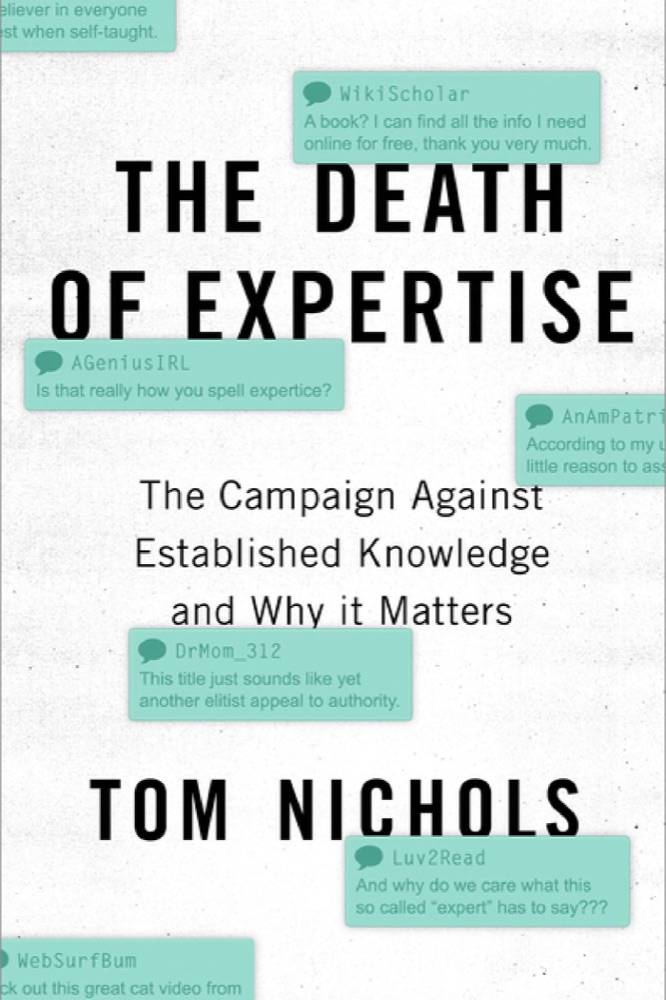 The Death of Expertise: The Campaign Against Established Knowledge and Why It Matters