
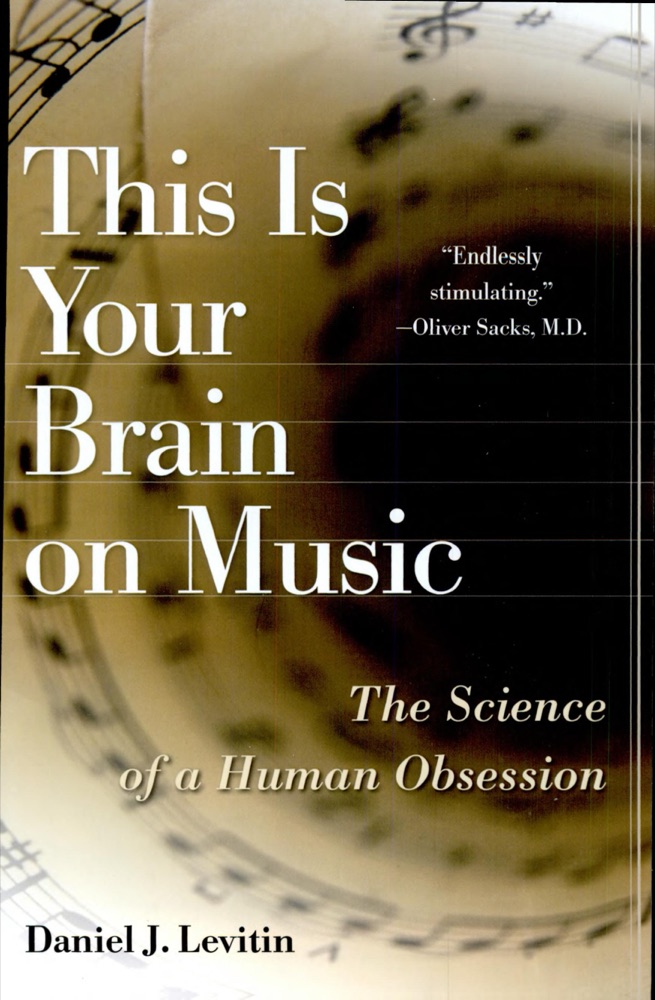
 This Is Your Brain on Music
Quotes from the Book
Multitasking has been found to increase the production of the stress hormone cortisol as well as the fight-or-flight hormone adrenaline, which can overstimulate your brain and cause mental fog or scrambled thinking. Multitasking creates a dopamine-addiction feedback loop, effectively rewarding the brain for losing focus and for constantly searching for external stimulation. To make matters worse, the prefrontal cortex has a novelty bias, meaning that its attention can be easily hijacked by something new—the proverbial shiny objects
30
The neurologist and writer Oliver Sacks goes one further: If you’re working on two completely separate projects, dedicate one desk or table or section of the house for each. Just stepping into a different space hits the reset
24
As the old saying goes, a man with one watch always knows what time it is; a man with two watches is never sure.
15
No other species lives with regret over past events, or makes deliberate plans for future ones.
14
The most fundamental principle of the organized mind, the one most critical to keeping us from forgetting or losing things, is to shift the burden of organizing from our brains to the external world.
14
people who read literary fiction (as opposed to popular fiction or nonfiction) were better able to detect another person’s emotions, and the theory proposed was that literary fiction engages the reader in a process of decoding the characters’ thoughts and motives in a way that popular fiction and nonfiction, being less complex, do not.
13
Make no mistake: E-mail, Facebook, and Twitter checking constitute a neural addiction.
12
The Roman philosopher Seneca the Younger (tutor to Nero) complained that his peers were wasting time and money accumulating too many books, admonishing that “the abundance of books is a distraction.” Instead, Seneca recommended focusing on a limited number of good books, to be read thoroughly and repeatedly.
12
It’s as though our brains are configured to make a certain number of decisions per day and once we reach that limit, we can’t make any more, regardless of how important they are.
11
In 1976, the average supermarket stocked 9,000 unique products; today that number has ballooned to 40,000 of them, yet the average person gets 80%–85% of their needs in only 150 different supermarket items. That means that we need to ignore 39,850 items in the store.
9
a close friend is someone with whom we can allow ourselves to enter the daydreaming attentional mode, with whom we can switch in and out of different modes of attention without feeling awkward.)
7
Neuroscientists have discovered that unproductivity and loss of drive can result from decision overload.
6
[Texting] discourages thoughtful discussion or any level of detail. And the addictive problems are compounded by texting's hyperimmediacy. E-mails take some time to work their way through the Internet, through switches and routers and servers, and they require that you take the step of explicitly opening them. Text messages magically appear on the screen of your phone and demand immediate attention from you. Add to that the social expectation that an unanswered text feels insulting to the sender, and you've got a recipe for addiction: You receive a text, and that activates your novelty centers. You respond and feel rewarded for having completed a task (even though that task was entirely unknown to you fifteen seconds earlier). Each of those delivers a shot of dopamine as your limbic system cries out "More! More! Give me more!
6
After you have prioritized and you start working, knowing that what you are doing is the most important thing for you to be doing at that moment is surprisingly powerful.
6
the constant nagging in your mind of undone things pulls you out of the present—tethers you to a mind-set of the future so that you’re never fully in the moment and enjoying what’s now.
6
knowing that what you are doing is the most important thing for you to be doing at that moment is surprisingly powerful.
6
Wilson showed that the cognitive losses from multitasking are even greater than the cognitive losses from pot smoking.
5
Recent research in social psychology has shown that happy people are not people who have more; rather, they are people who are happy with what they already have. Happy people engage in satisficing all of the time, even if they don’t know it.
5
You’d think people would realize they’re bad at multitasking and would quit. But a cognitive illusion sets in, fueled in part by a dopamine-adrenaline feedback loop, in which multitaskers think they are doing great.
5
efficiently means providing slots in our schedules where we can maintain an attentional set for an extended period. This allows us to get more done and finish up with more energy. Related to the manager/worker distinction is that the prefrontal cortex contains circuits responsible for telling us whether we’re controlling something or someone else is. When we set up a system, this part of the brain marks it as self-generated. When we step into someone else’s system, the brain marks it that way. This may help explain why it’s easier to stick with an exercise program or diet that someone else sets up: We typically trust them as “experts” more than we trust ourselves. “My trainer told me to do three sets of ten reps at forty pounds—he’s a trainer, he must know what he’s talking about. I can’t design my own workout—what do I know?” It takes Herculean amounts of discipline to overcome the brain’s bias against self-generated motivational systems. Why? Because as with the fundamental attribution error we saw in Chapter 4, we don’t have access to others’ minds, only our own. We are painfully aware of all the fretting and indecision, all the nuances of our internal decision-making process that led us to reach a particular conclusion. (I really need to get serious about exercise.) We don’t have access to that (largely internal) process in others, so we tend to take their certainty as more compelling, in many cases, than our own. (Here’s your program. Do it every day.)
5
It turns out that having a best friend during adolescence is an important part of becoming a well-adjusted adult. Those without one are more likely to be bullied and marginalized and to carry these experiences into becoming disagreeable adults.
4
The amount of scientific information we’ve discovered in the last twenty years is more than all the discoveries up to that point, from the beginning of language.
4
But there is a critical point about differences between individuals that exerts arguably more influence on worker productivity than any other. The factor is locus of control, a fancy name for how people view their autonomy and agency in the world. People with an internal locus of control believe that they are responsible for (or at least can influence) their own fates and life outcomes. They may or may not feel they are leaders, but they feel that they are essentially in charge of their lives. Those with an external locus of control see themselves as relatively powerless pawns in some game played by others; they believe that other people, environmental forces, the weather, malevolent gods, the alignment of celestial bodies-- basically any and all external events-- exert the most influence on their lives.
3
We live in a world of illusions. We think we’re aware of everything going on around us. We look out and see an uninterrupted, complete picture of the visual world, composed of thousands of little detailed images. We may know that each of us has a blind spot, but we go on day to day blissfully unaware of where it actually is because our occipital cortex does such a good job of filling in the missing information and hence hiding it from us. Laboratory demonstrations of inattentional blindness (like the gorilla video of the last chapter) underscore how little of the world we actually perceive, in spite of the overwhelming feeling that we’re getting it all.
3
most fundamental principle of the organized mind, the one most critical to keeping us from forgetting or losing things, is to shift the burden of organizing from our brains to the external world.
3
Many families amass more objects than their houses can hold. The result is garages given over to old furniture and unused sports equipment, home offices cluttered with boxes of stuff that haven’t yet been taken to the garage. Three out of four Americans report their garages are too full to put a car into them. Women’s cortisol levels (the stress hormone) spike when confronted with such clutter (men’s, not so much). Elevated cortisol levels can lead to chronic cognitive impairment, fatigue, and suppression of the body’s immune system.
2
Thirty years ago, travel agents made our airline and rail reservations, salesclerks helped us find what we were looking for in stores, and professional typists or secretaries helped busy people with their correspondence. Now we do most of those things ourselves. The information age has off-loaded a great deal of the work previously done by people we could call information specialists onto all of the rest of us. We are doing the jobs of ten different people while still trying to keep up with our lives, our children and parents, our friends, our careers, our hobbies, and our favorite TV shows. It’s no wonder that sometimes one memory gets confounded with another, leading us to show up in the right place but on the wrong day, or to forget something as simple as where we last put our glasses or the remote.
2
In order to understand one person speaking to us, we need to process 60 bits of information per second.
2
Earl Miller, a neuroscientist at MIT and one of the world experts on divided attention, says that our brains are “not wired to multi-task well. . . . When people think they’re multi-tasking, they’re actually just switching from one task to another very rapidly. And every time they do, there’s a cognitive cost in doing so.
1
Every status update you read on Facebook, every tweet or text message you get from a friend, is competing for resources in your brain with important things like whether to put your savings in stocks or bonds, where you left your passport, or how best to reconcile with a close friend you just had an argument with.
1
Watch on YouTube
About Daniel J. Levitin
We have collected 89 quotes from 3 books by Daniel J. Levitin on BookQuoters.
More about the author →More by Daniel J. Levitin
This Is Your Brain on Music
 Successful Aging: A Neuroscientist Explores the Power and Potential of Our Lives
About the book
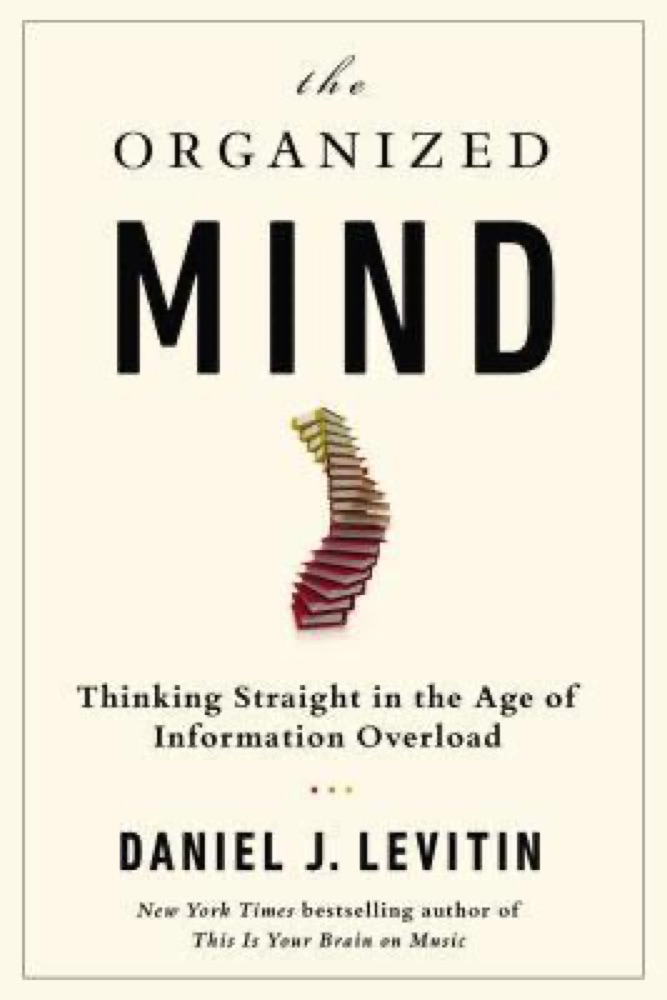
New York Times bestselling author and neuroscientist Daniel J. Levitin shifts his keen insights from your brain on music to your brain in a sea of details.
The information age is drowning us with an unprecedented deluge of data. At the same time, we’re expected to make more—and faster—decisions about our lives than ever before. No wonder, then, that the average American reports frequently losing car keys or reading glasses, missing appointments, and feeling worn out by the effort required just to keep up.
But somehow some people become quite accomplished at managing information flow. In The Organized Mind , Daniel J. Levitin, PhD, uses the latest brain science to demonstrate how those people excel—and how readers can use their methods to regain a sense of mastery over the way they organize their homes, workplaces, and time.
With lively, entertaining chapters on everything from the k
Book details
- First published
- 2014
- Author
- Daniel J. Levitin
- Genre
- Nonfiction
- Goodreads rating
- 3.65 (15k ratings)
Keep reading
 Stolen Focus: Why You Can't Pay Attention— and How to Think Deeply Again
 Hyperfocus: How to Be More Productive in a World of Distraction
 The Future of the Mind: The Scientific Quest to Understand, Enhance, and Empower the Mind
 The Productivity Project: Accomplishing More by Managing Your Time, Attention, and Energy
 Getting Things Done: The Art of Stress-Free Productivity
 Incognito: The Secret Lives of the Brain
 Overwhelmed: Work, Love, and Play When No One Has the Time
 Make Time: How to Focus on What Matters Every Day
 Antifragile: Things That Gain from Disorder
 The Willpower Instinct: How Self-Control Works, Why It Matters, and What You Can Do to Get More of It
 The Bullet Journal Method: Track Your Past, Order Your Present, Plan Your Future
 Scarcity Brain: Fix Your Craving Mindset and Rewire Your Habits to Thrive with Enough
 Thinking, Fast and Slow
 A Mind for Numbers: How to Excel at Math and Science
 Smarter Faster Better: The Secrets of Being Productive in Life and Business
 Moonwalking with Einstein: The Art and Science of Remembering Everything
 The Brain That Changes Itself: Stories of Personal Triumph from the Frontiers of Brain Science
 The Undoing Project: A Friendship That Changed Our Minds
 The Social Animal: The Hidden Sources of Love, Character, and Achievement
 Emotional Design: Why We Love (or Hate) Everyday Things
 Delivered from Distraction: Getting the Most out of Life with Attention Deficit Disorder
 Blink: The Power of Thinking Without Thinking
 Ready for Anything: 52 Productivity Principles for Getting Things Done
 Deep Work: Rules for Focused Success in a Distracted World
 Mastery
 The Attention Merchants: The Epic Scramble to Get Inside Our Heads
 No Self, No Problem: How Neuropsychology Is Catching Up to Buddhism
 The Art of Thinking Clearly
 Social Intelligence: The New Science of Human Relationships
 How to ADHD: An Insider's Guide to Working with Your Brain
 Algorithms to Live By: The Computer Science of Human Decisions
 How the Mind Works
 Irresistible: The Rise of Addictive Technology and the Business of Keeping Us Hooked
 How We Decide
 The 7 Habits of Highly Effective People: Personal Workbook
 Stumbling on Happiness
 Procrastination: Why You Do It, What To Do About It
 Drive: The Surprising Truth About What Motivates Us
 How to Break Up with Your Phone: The 30-Day Plan to Take Back Your Life
 You Are Now Less Dumb: How to Conquer Mob Mentality, How to Buy Happiness, and All the Other Ways to Outsmart Yourself
 Finding Flow: The Psychology of Engagement with Everyday Life
 Flow: The Psychology of Optimal Experience
 The Happiness Advantage: The Seven Principles of Positive Psychology That Fuel Success and Performance at Work
 Free to Focus: A Total Productivity System to Achieve More by Doing Less
 Descartes' Error: Emotion, Reason and the Human Brain
 Why Has Nobody Told Me This Before?
 Livewired: The Inside Story of the Ever-Changing Brain
 The Art of Impossible: A Peak Performance Primer
 Limitless: Upgrade Your Brain, Learn Anything Faster, and Unlock Your Exceptional Life
 The Most Human Human: What Talking with Computers Teaches Us About What It Means to Be Alive
 Range: Why Generalists Triumph in a Specialized World
 Social: Why Our Brains Are Wired to Connect
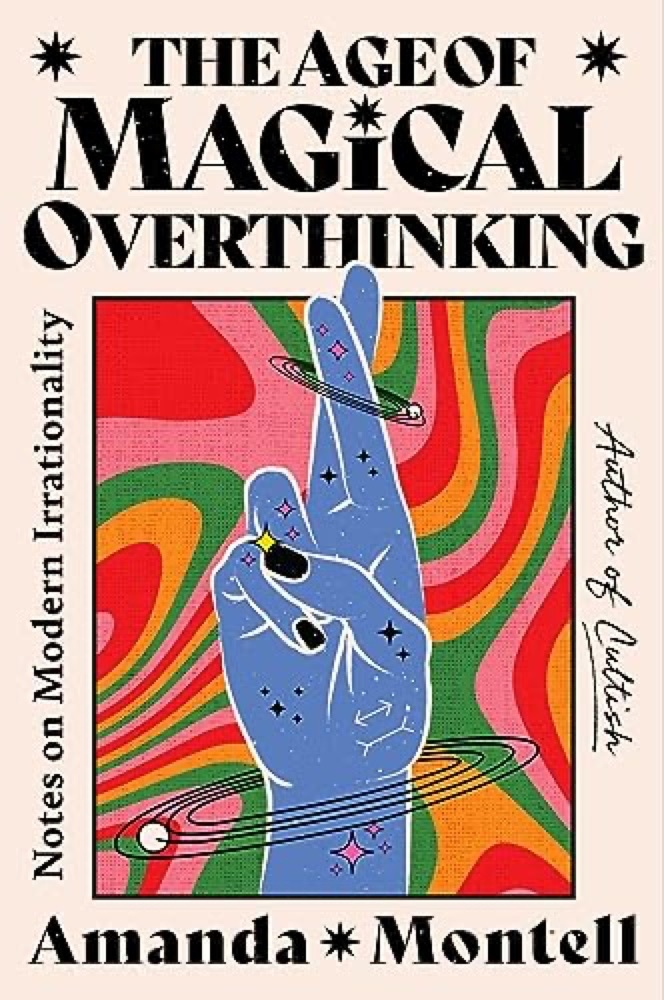 The Age of Magical Overthinking: Notes on Modern Irrationality
 The Tipping Point: How Little Things Can Make a Big Difference
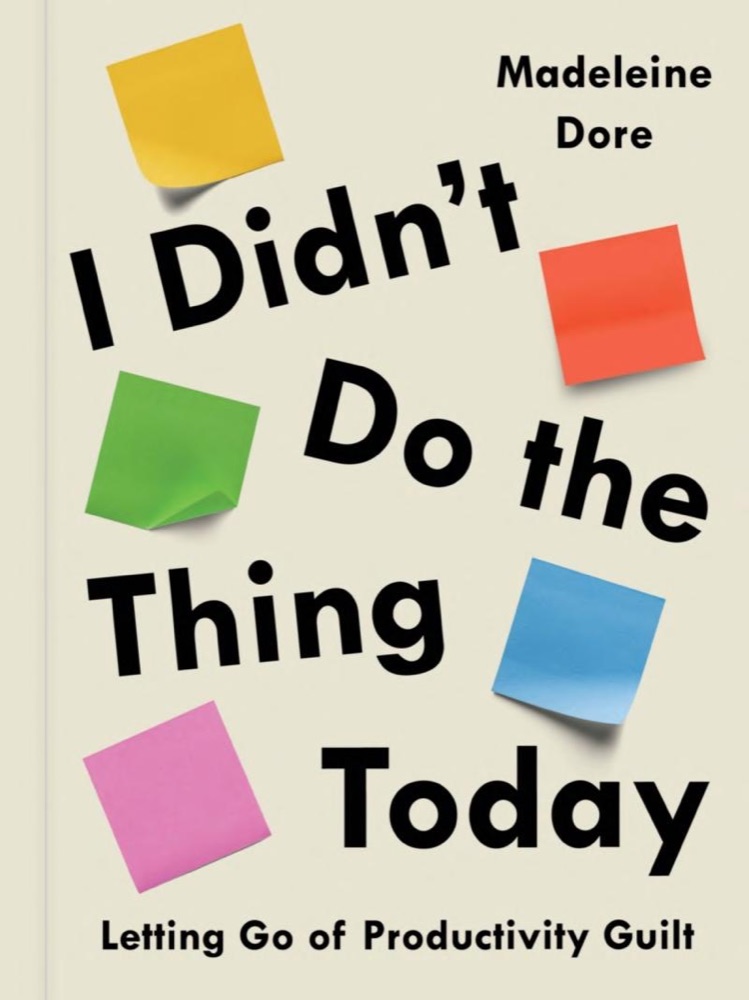 I Didn't Do the Thing Today: Letting Go of Productivity Guilt
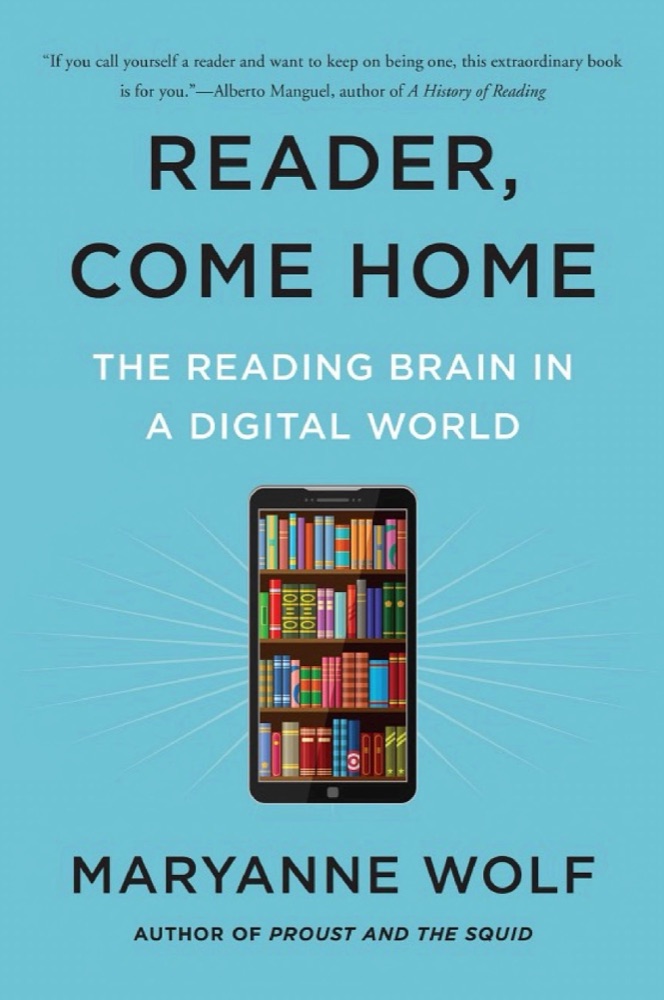 Reader, Come Home: The Reading Brain in a Digital World
 My Stroke of Insight: A Brain Scientist's Personal Journey
 The Practicing Mind: Bringing Discipline and Focus into Your Life
Successful Aging: A Neuroscientist Explores the Power and Potential of Our Lives
The Practicing Mind: Bringing Discipline and Focus into Your Life
Successful Aging: A Neuroscientist Explores the Power and Potential of Our Lives
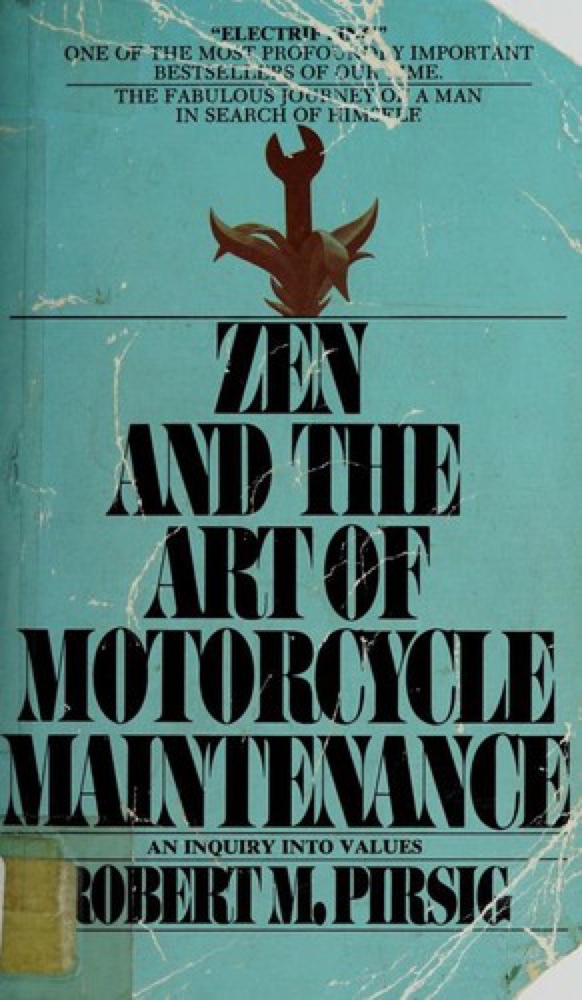 Zen and the Art of Motorcycle Maintenance