
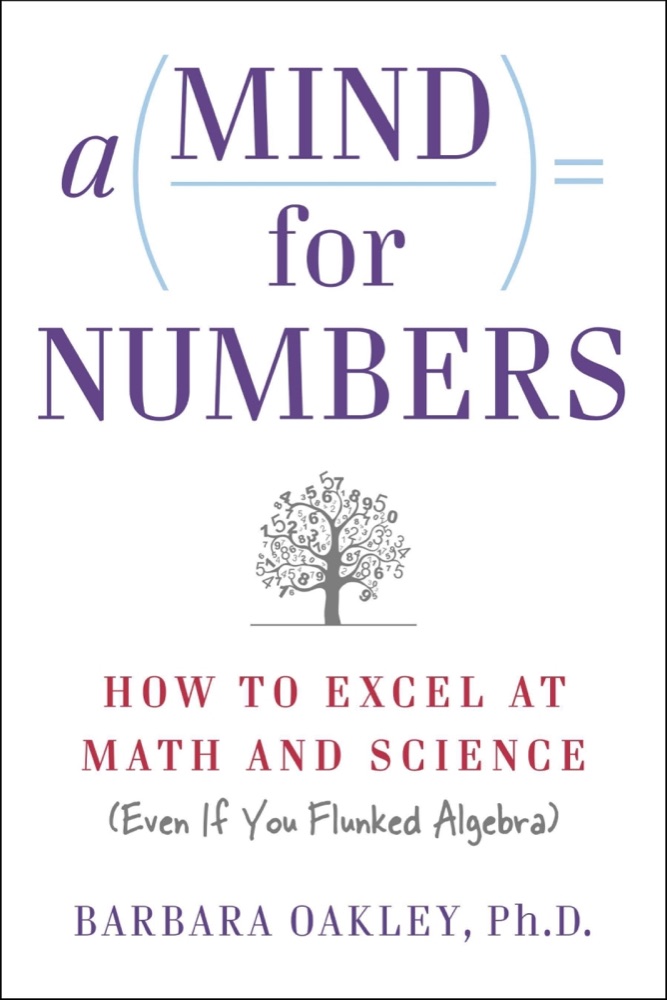
 A Mind for Numbers: How to Excel at Math and Science
Quotes from the Book
Pulling the key idea from your own mind, instead of just reading or rereading it on the page, is the critical idea behind active recall.
1
Don’t be afraid to go back to a beginner’s level, even if you are older than other students.
Coming up with a creative metaphor is one of the best ways to learn a new concept or share an important idea.
It seems that your attentional octopus can be more easily distracted by loud music, and by music with words in it. The words fill one of your octopus’s arms, making it less efficient. But quieter music with no words can sometimes be helpful, depending on what you are studying.
We learn best when we use several different senses—hearing, seeing, and, perhaps especially, being able to feel with our hands. At deep levels in your brain, you see and hear. You see and smell. You hear and touch. When your brain creates its impressions of the world, you want as many senses involved as possible.
Interleaving: Interleaving means practicing different aspects of what you are trying to learn so you understand the differences between the techniques. Chapter 4 in your algebra textbook may introduce you to one set of problem-solving techniques, while chapter 5 introduces you to a different set of problem-solving techniques. Interleaving means alternating between chapter 4– and chapter
This idea of focusing on the harder stuff is called deliberate practice.2 Deliberate practice is how you become an expert more quickly in whatever you are studying.
Exercise isn’t just good for every organ in your body. It’s good for your brain, too. It improves understanding, decision-making, and focusing. It assists with remembering and switching between tasks. It can also help people recover from mental illness. Some psychiatrists say that exercise is stronger than any medicine.
If you spend some time learning a particular item each day for several days, it allows you to get several periods of sleep. This gives more time for new synaptic links to grow and helps the new learning to really take hold.
Today’s scientific research confirms what Santiago discovered. We can all “think” ourselves smarter. Learning makes us smarter. And learning how to learn is one of the best things you can do to get the ball rolling and make learning more successful
Diffuse mode is when we’re not focusing on anything in particular. You can enter diffuse mode by just letting go and not concentrating on anything. Going for a walk helps. Or looking out a window from a bus. Or taking a shower. Or falling asleep. (Many famous people have had great insights when the events of the day were sloshing around during sleep.
Neuroscientists have discovered that your brain works in two different ways. We’ll call these two ways of working the focused mode and the diffuse mode.* Both modes are important in helping you to learn.
It’s easy to believe that you should only concentrate on subjects that come easily for you. But my story reveals that you can do well in subjects you don’t even like. The truth is, it’s okay to follow your passions. But I also found that broadening my passions opened many wonderful opportunities. Learning new subjects I didn’t think I could do turned out to be an adventure!
I headed back to university to study engineering. I started at the lowest possible level of math—algebra for people who had failed it in high school.
Watch on YouTube
About Barbara Oakley
We have collected 43 quotes from 2 books by Barbara Oakley on BookQuoters.
More about the author →More by Barbara Oakley
A Mind for Numbers: How to Excel at Math and Science
About the book
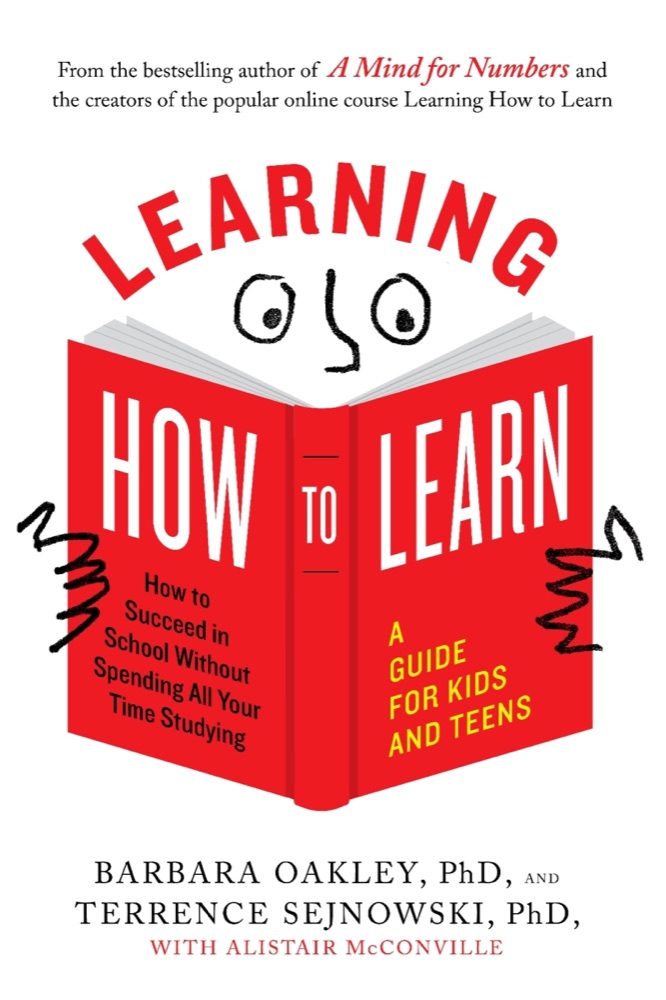
"A surprisingly simple way for students to master any subject--based on one of the world's most popular online courses and the bestselling book A Mind for Numbers and its wildly popular online companion course "Learning How to Learn" have empowered more than two million learners of all ages from around the world to master subjects that they once struggled with. Fans often wish they'd discovered these learning strategies earlier and ask how they can help their kids master these skills as well. Now in this new book for kids and teens, the authors reveal how to make the most of time spent studying. We all have the tools to learn what might not seem to come naturally to us at first--the secret is to understand how the brain works so we can unlock its power. This book * Why sometimes letting your mind wander is an important part of the learning process * How to avoid "rut think" in order to t
Book details
- First published
- 2018
- Author
- Barbara Oakley
- Genre
- Nonfiction
- Goodreads rating
- 4.38 (3k ratings)
Keep reading
 Make It Stick: The Science of Successful Learning
A Mind for Numbers: How to Excel at Math and Science
Make It Stick: The Science of Successful Learning
A Mind for Numbers: How to Excel at Math and Science
 How We Learn: Why Brains Learn Better Than Any Machine . . . for Now
 Peak: Secrets from the New Science of Expertise
 Mastermind: How to Think Like Sherlock Holmes
 How to Take Smart Notes
 Smarter Faster Better: The Secrets of Being Productive in Life and Business
 Rewire Your Brain: Think Your Way to a Better Life
 The Brain That Changes Itself: Stories of Personal Triumph from the Frontiers of Brain Science
 Successful Aging: A Neuroscientist Explores the Power and Potential of Our Lives
 Mastery
 The Element: How Finding Your Passion Changes Everything
 Hyperfocus: How to Be More Productive in a World of Distraction
 Stolen Focus: Why You Can't Pay Attention— and How to Think Deeply Again
 The Inner Game of Tennis: The Classic Guide to the Mental Side of Peak Performance
 Fluent Forever: How to Learn Any Language Fast and Never Forget It
 Limitless: Upgrade Your Brain, Learn Anything Faster, and Unlock Your Exceptional Life
 The Daily Laws: 366 Meditations
 Deep Work: Rules for Focused Success in a Distracted World
 Range: Why Generalists Triumph in a Specialized World
 How to ADHD: An Insider's Guide to Working with Your Brain
 The New Drawing on the Right Side of the Brain
 Beginners: The Joy and Transformative Power of Lifelong Learning
 The Organized Mind: Thinking Straight in the Age of Information Overload
 Moonwalking with Einstein: The Art and Science of Remembering Everything
 A Whack on the Side of the Head: How You Can Be More Creative
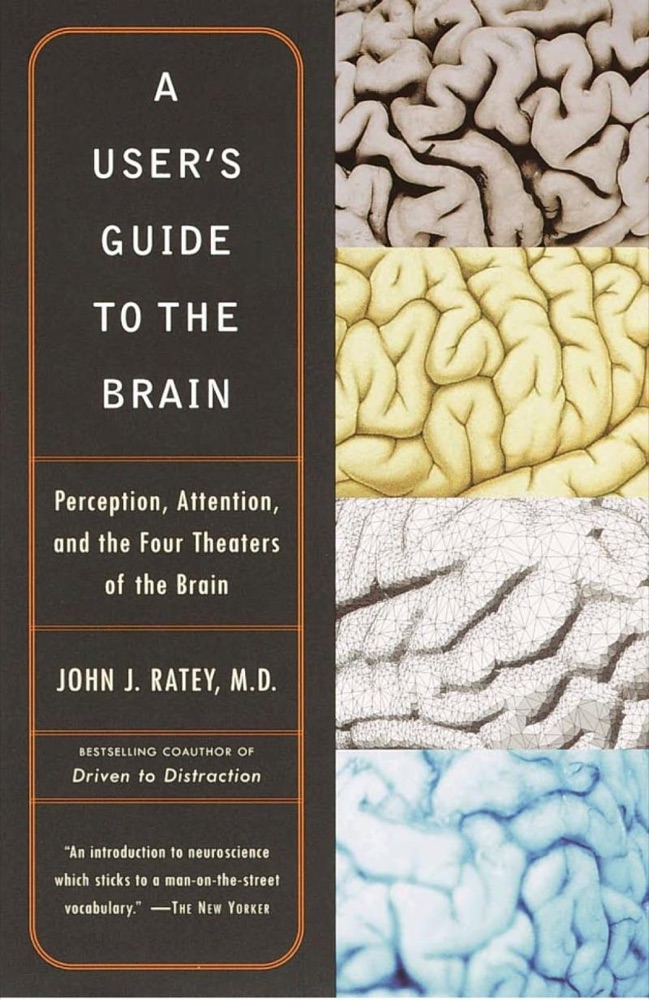 A User's Guide to the Brain: Perception, Attention, and the Four Theaters of the Brain
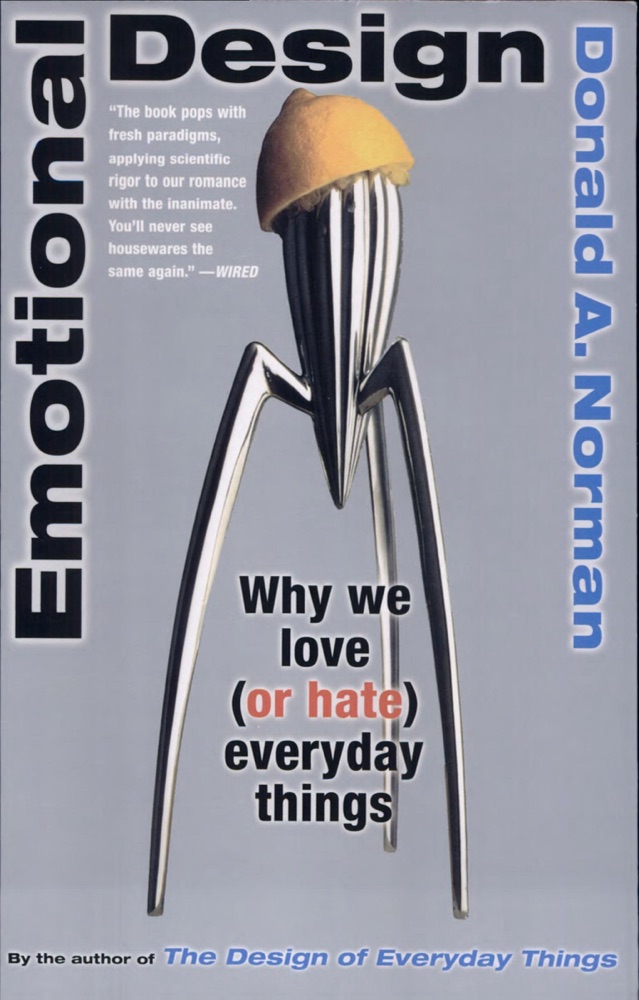 Emotional Design: Why We Love (or Hate) Everyday Things
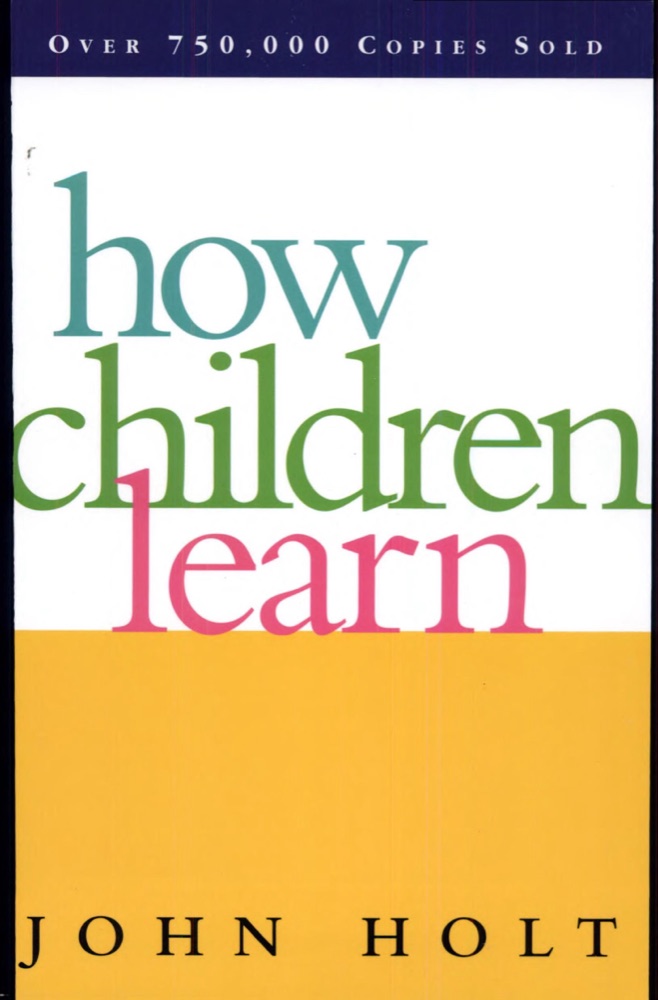 How Children Learn
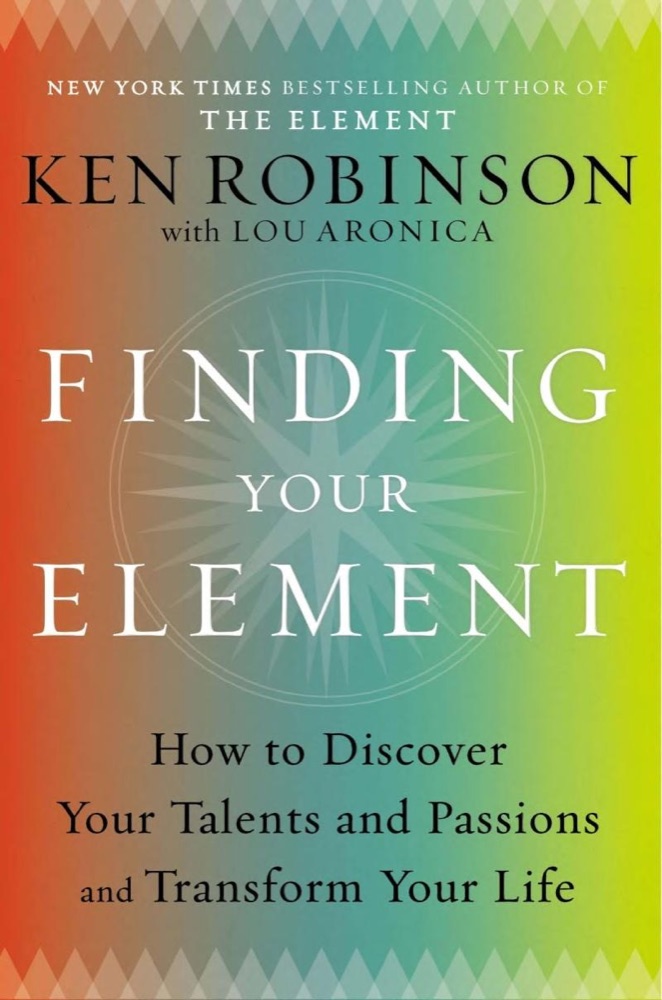 Finding Your Element: How to Discover Your Talents and Passions and Transform Your Life
 The 4-Hour Chef: The Simple Path to Cooking Like a Pro, Learning Anything, and Living the Good Life
 Tribe Of Mentors: Transformative Wisdom From Icons and Innovators to Help You Navigate Life's Challenges
 Imagine: How Creativity Works
 The Creative Habit: Learn It and Use It for Life
 Think Again: The Power of Knowing What You Don't Know
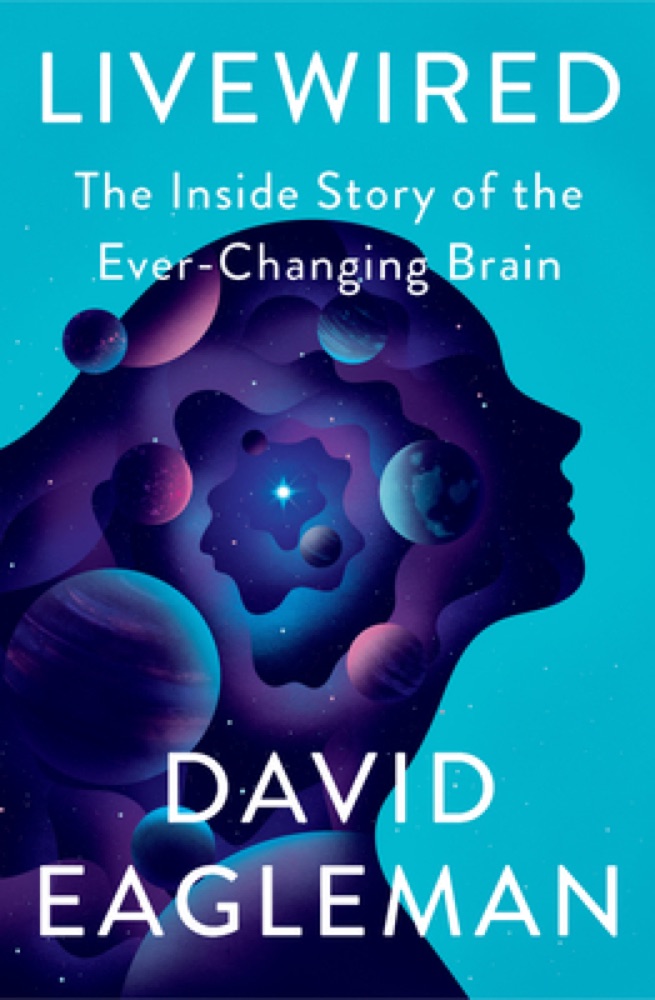 Livewired: The Inside Story of the Ever-Changing Brain
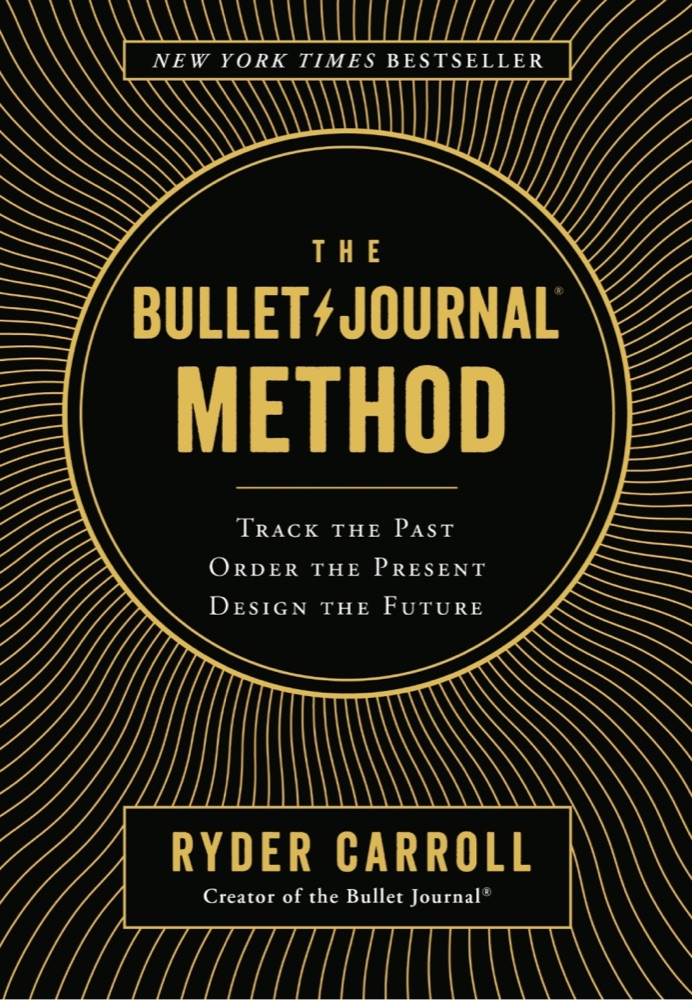 The Bullet Journal Method: Track Your Past, Order Your Present, Plan Your Future
 The Future of the Mind: The Scientific Quest to Understand, Enhance, and Empower the Mind
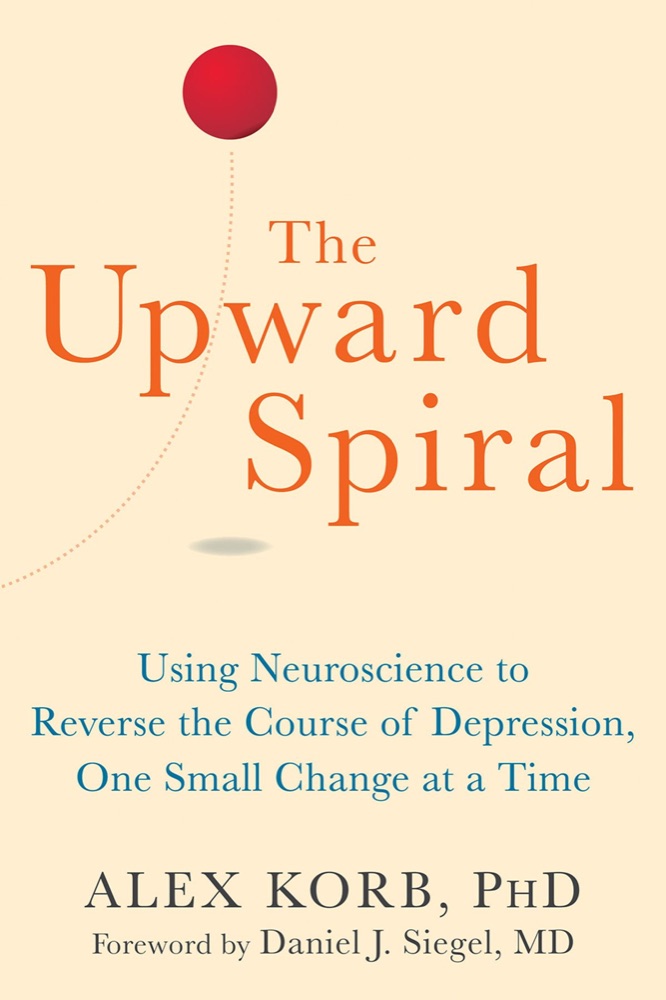 The Upward Spiral: Using Neuroscience to Reverse the Course of Depression, One Small Change at a Time
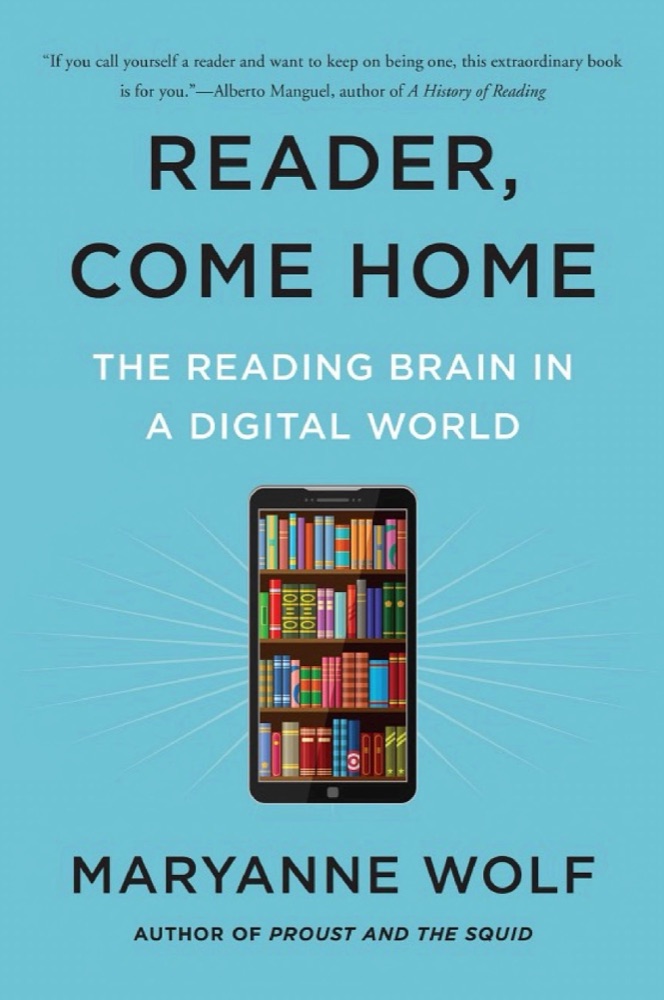 Reader, Come Home: The Reading Brain in a Digital World
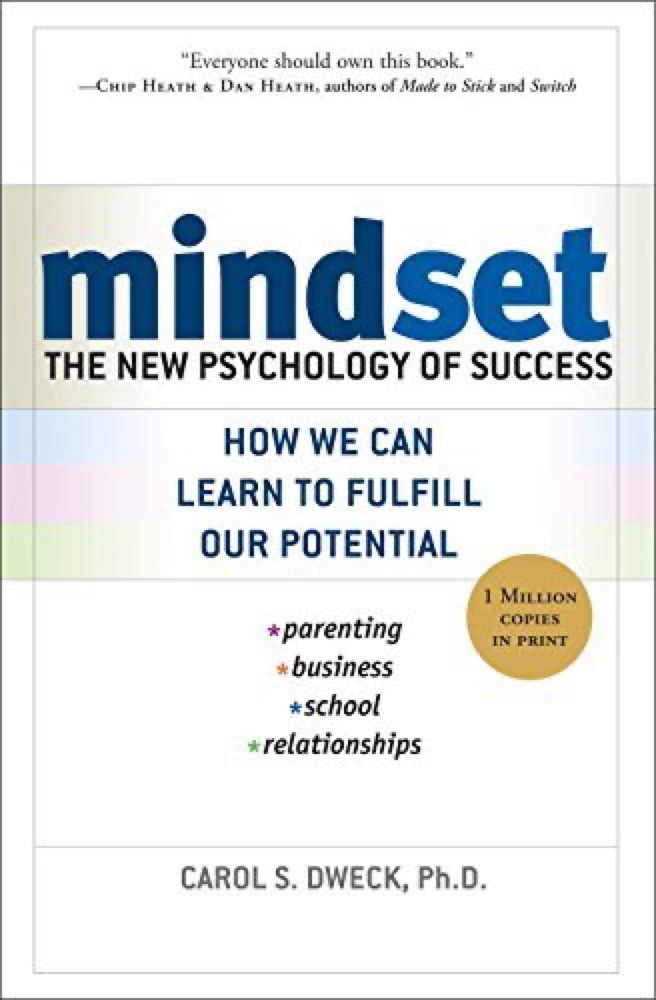 Mindset: The New Psychology of Success
 The Art of Thinking Clearly
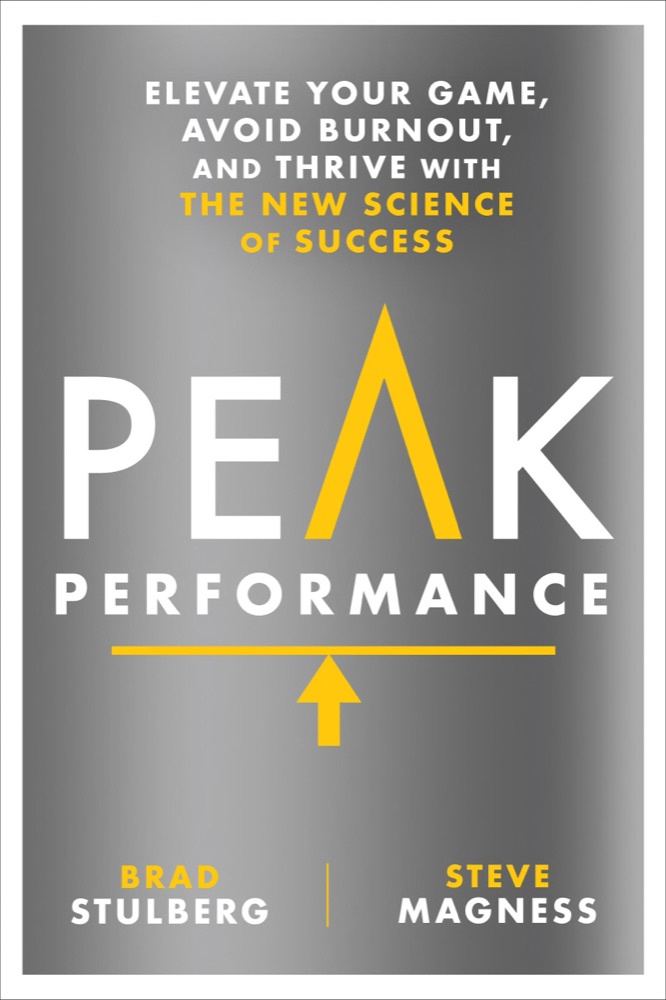 Peak Performance: Elevate Your Game, Avoid Burnout, and Thrive with the New Science of Success
 The Core
 My Stroke of Insight: A Brain Scientist's Personal Journey
 Delivered from Distraction: Getting the Most out of Life with Attention Deficit Disorder
 Evolve Your Brain: The Science of Changing Your Mind
 Principles: Life and Work
 How to Stay Sane
 Getting Things Done: The Art of Stress-Free Productivity
 A Thousand Brains: A New Theory of Intelligence
 Creativity: Flow and the Psychology of Discovery and Invention
 Remember: The Science of Memory and the Art of Forgetting
 Meditation for Fidgety Skeptics: A 10% Happier How-To Book
 The Art of Creative Thinking
 The Power of Concentration
 The Art of Impossible: A Peak Performance Primer
 The Productivity Project: Accomplishing More by Managing Your Time, Attention, and Energy