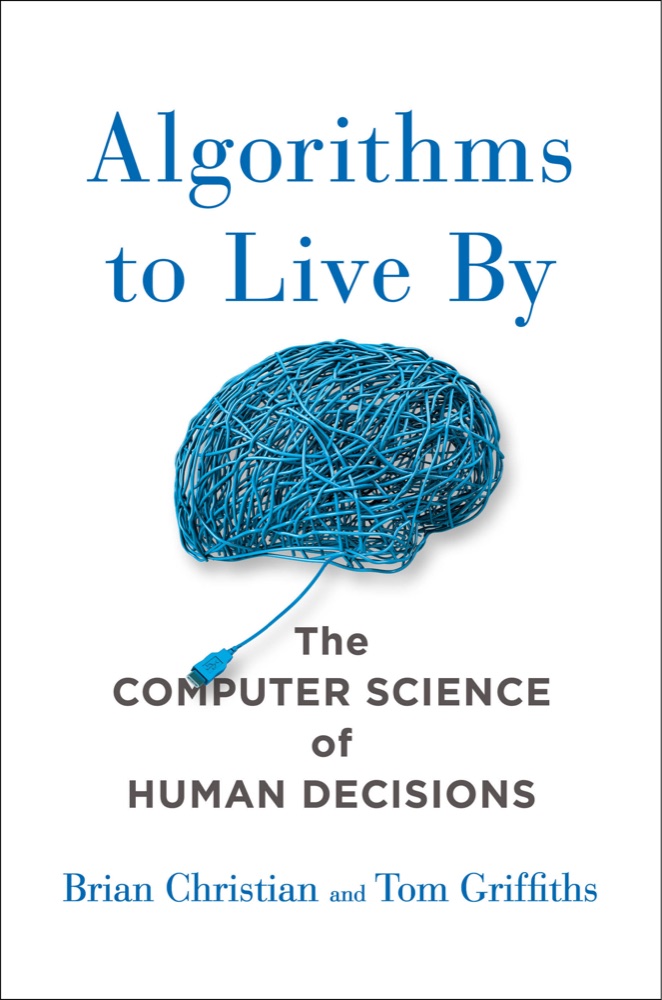

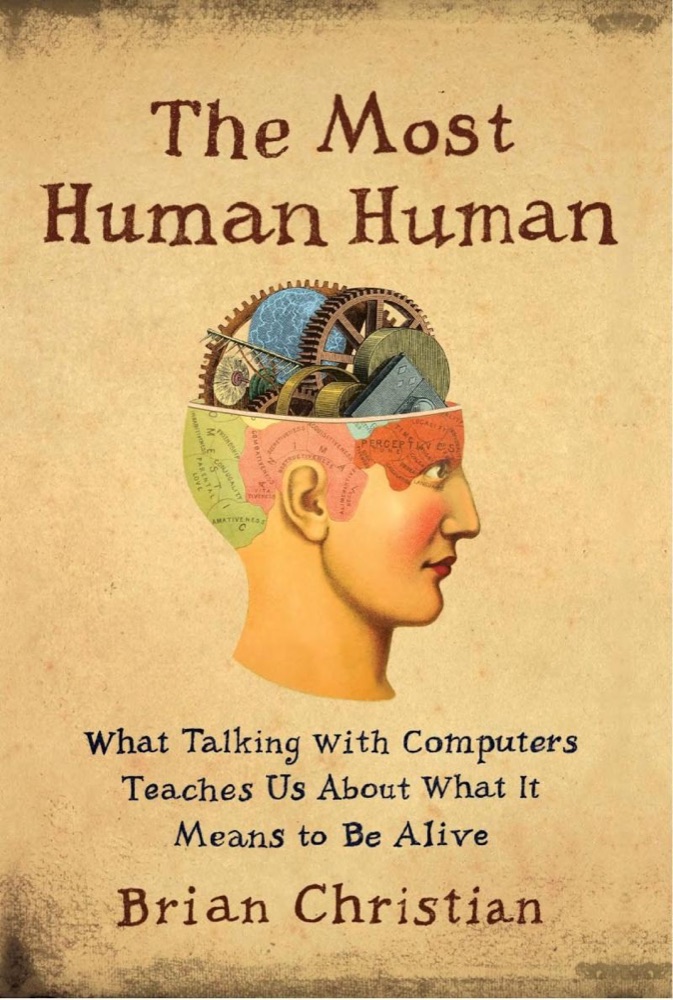
 The Most Human Human: What Talking with Computers Teaches Us About What It Means to Be Alive
Quotes from the Book
Seemingly innocuous language like 'Oh, I'm flexible' or 'What do you want to do tonight?' has a dark computational underbelly that should make you think twice. It has the veneer of kindness about it, but it does two deeply alarming things. First, it passes the cognitive buck: 'Here's a problem, you handle it.' Second, by not stating your preferences, it invites the others to simulate or imagine them. And as we have seen, the simulation of the minds of others is one of the biggest computational challenges a mind (or machine) can ever face.
57
Don’t always consider all your options. Don’t necessarily go for the outcome that seems best every time. Make a mess on occasion. Travel light. Let things wait. Trust your instincts and don’t think too long. Relax. Toss a coin. Forgive, but don’t forget. To thine own self be true.
51
Even the best strategy sometimes yields bad results—which is why computer scientists take care to distinguish between “process” and “outcome.” If you followed the best possible process, then you’ve done all you can, and you shouldn’t blame yourself if things didn’t go your way.
32
Our judgments betray our expectations, and our expectations betray our experience. What we project about the future reveals a lot—about the world we live in, and about our own past.
25
some of the biggest challenges faced by computers and human minds alike: how to manage finite space, finite time, limited attention, unknown unknowns, incomplete information, and an unforeseeable future; how to do so with grace and confidence; and how to do so in a community with others who are all simultaneously trying to do the same.
24
If you want to be a good intuitive Bayesian—if you want to naturally make good predictions, without having to think about what kind of prediction rule is appropriate—you need to protect your priors. Counterintuitively, that might mean turning off the news.
23
If changing strategies doesn’t help, you can try to change the game. And if that’s not possible, you can at least exercise some control about which games you choose to play. The road to hell is paved with intractable recursions, bad equilibria, and information cascades. Seek out games where honesty is the dominant strategy. Then just be yourself.
17
Sorting something that you will never search is a complete waste; searching something you never sorted is merely inefficient.
11
To try and fail is at least to learn; to fail to try is to suffer the inestimable loss of what might have been.
10
The greater the uncertainty, the bigger the gap between what you can measure and what matters, the more you should watch out for overfitting - that is, the more you should prefer simplicity
9
No choice recurs. We may get similar choices again, but never that exact one. Hesitation—inaction—is just as irrevocable as action. What the motorist, locked on the one-way road, is to space, we are to the fourth dimension: we truly pass this way but once.
9
It’s fairly intuitive that never exploring is no way to live. But it’s also worth mentioning that never exploiting can be every bit as bad. In the computer science definition, exploitation actually comes to characterize many of what we consider to be life’s best moments. A family gathering together on the holidays is exploitation. So is a bookworm settling into a reading chair with a hot cup of coffee and a beloved favorite, or a band playing their greatest hits to a crowd of adoring fans, or a couple that has stood the test of time dancing to “their song.
8
When Charles Darwin was trying to decide whether he should propose to his cousin Emma Wedgwood, he got out a pencil and paper and weighed every possible consequence. In favor of marriage he listed children, companionship, and the 'charms of music and female chit-chat.' Against marriage he listed the 'terrible loss of time,' lack of freedom to go where he wished, the burden of visiting relatives, the expense and anxiety provoked by children, the concern that 'perhaps my wife won't like London,' and having less money to spend on books. Weighing one column against the other produced a narrow margin of victory, and at the bottom Darwin scrawled, 'Marry—Marry—Marry Q.E.D.' Quod erat demonstrandum, the mathematical sign-off that Darwin himself restated in English: 'It being proved necessary to Marry.
8
The road to hell is paved with intractable recursions, bad equilibria, and information cascades.
7
They don’t need a therapist; they need an algorithm.
6
In the long run, optimism is the best prevention for regret.
6
We say “brain fart” when we should really say “cache miss.
6
Bayes’s Rule tells us that when it comes to making predictions based on limited evidence, few things are as important as having good priors—that is, a sense of the distribution from which we expect that evidence to have come. Good predictions thus begin with having good instincts about when we’re dealing with a normal distribution and when with a power-law distribution. As it turns out, Bayes’s Rule offers us a simple but dramatically different predictive rule of thumb for each. …
6
Look-Then-Leap Rule: You set a predetermined amount of time for “looking”—that is, exploring your options, gathering data—in which you categorically don’t choose anyone, no matter how impressive. After that point, you enter the “leap” phase, prepared to instantly commit to anyone who outshines the best applicant you saw in the look phase. We
6
As Carl Sagan put it, “Science is a way of thinking much more than it is a body of knowledge.
5
tackling real-world tasks requires being comfortable with chance, trading off time with accuracy, and using approximations. As
5
The old adage tells us that “the grass is always greener on the other side of the fence,” but the math tells us why: the unknown has a chance of being better, even if we actually expect it to be no different, or if it’s just as likely to be worse.
4
We can hope to be fortunate—but we should strive to be wise.
4
Learning self-control is important, but it’s equally important to grow up in an environment where adults are consistently present and trustworthy.
4
When we talk about decision-making, we usually focus just on the immediate payoff of a single decision—and if you treat every decision as if it were your last, then indeed only exploitation makes sense. But over a lifetime, you’re going to make a lot of decisions. And it’s actually rational to emphasize exploration—the new rather than the best, the exciting rather than the safe, the random rather than the considered—for many of those choices, particularly earlier in life.
4
Sometimes mess is more than just the easy choice - it's the optimal choice.
3
Consider how many times you’ve seen either a crashed plane or a crashed car. It’s entirely possible you’ve seen roughly as many of each—yet many of those cars were on the road next to you, whereas the planes were probably on another continent, transmitted to you via the Internet or television. In the United States, for instance, the total number of people who have lost their lives in commercial plane crashes since the year 2000 would not be enough to fill Carnegie Hall even half full. In contrast, the number of people in the United States killed in car accidents over that same time is greater than the entire population of Wyoming. Simply
3
Everything starts to break down, however, when a species gains language. What we talk about isn’t what we experience—we speak chiefly of interesting things, and those tend to be things that are uncommon.
3
Communication is one of those delightful things that work only in practice; in theory it’s impossible.
2
Hesitation—inaction—is just as irrevocable as action.
2
Watch on YouTube
About Brian Christian
We have collected 58 quotes from 2 books by Brian Christian on BookQuoters.
More about the author →More by Brian Christian
The Most Human Human: What Talking with Computers Teaches Us About What It Means to Be Alive
About the book
A fascinating exploration of how insights from computer algorithms can be applied to our everyday lives, helping to solve common decision-making problems and illuminate the workings of the human mind
All our lives are constrained by limited space and time, limits that give rise to a particular set of problems. What should we do, or leave undone, in a day or a lifetime? How much messiness should we accept? What balance of new activities and familiar favorites is the most fulfilling? These may seem like uniquely human quandaries, but they are not: computers, too, face the same constraints, so computer scientists have been grappling with their version of such issues for decades. And the solutions they've found have much to teach us.
In a dazzlingly interdisciplinary work, acclaimed author Brian Christian and cognitive scientist Tom Griffiths show how the algorithms used by computers c
Book details
- First published
- 2016
- Author
- Brian Christian
- Genre
- Nonfiction
- Goodreads rating
- 4.12 (36k ratings)
Keep reading
 The Art of Thinking Clearly
 The Black Swan: The Impact of the Highly Improbable
 Antifragile: Things That Gain from Disorder
 Fooled by Randomness: The Hidden Role of Chance in Life and in the Markets
 Think Like a Freak
 Black Box Thinking: Why Some People Never Learn from Their Mistakes - But Some Do
 Adapt: Why Success Always Starts with Failure
 Predictably Irrational: The Hidden Forces That Shape Our Decisions
 The Drunkard's Walk: How Randomness Rules Our Lives
 Rationality: From AI to Zombies
 Superforecasting: The Art and Science of Prediction
 Alchemy: The Surprising Power of Ideas That Don't Make Sense
 Think Like a Rocket Scientist: Simple Strategies You Can Use to Make Giant Leaps in Work and Life
 The Undoing Project: A Friendship That Changed Our Minds
 Barking Up the Wrong Tree: The Surprising Science Behind Why Everything You Know About Success Is (Mostly) Wrong
 Same as Ever: A Guide to What Never Changes
 A Whack on the Side of the Head: How You Can Be More Creative
 Thinking, Fast and Slow
 Math with Bad Drawings
 Getting Things Done: The Art of Stress-Free Productivity
 How to Fail at Almost Everything and Still Win Big: Kind of the Story of My Life
 Principles: Life and Work
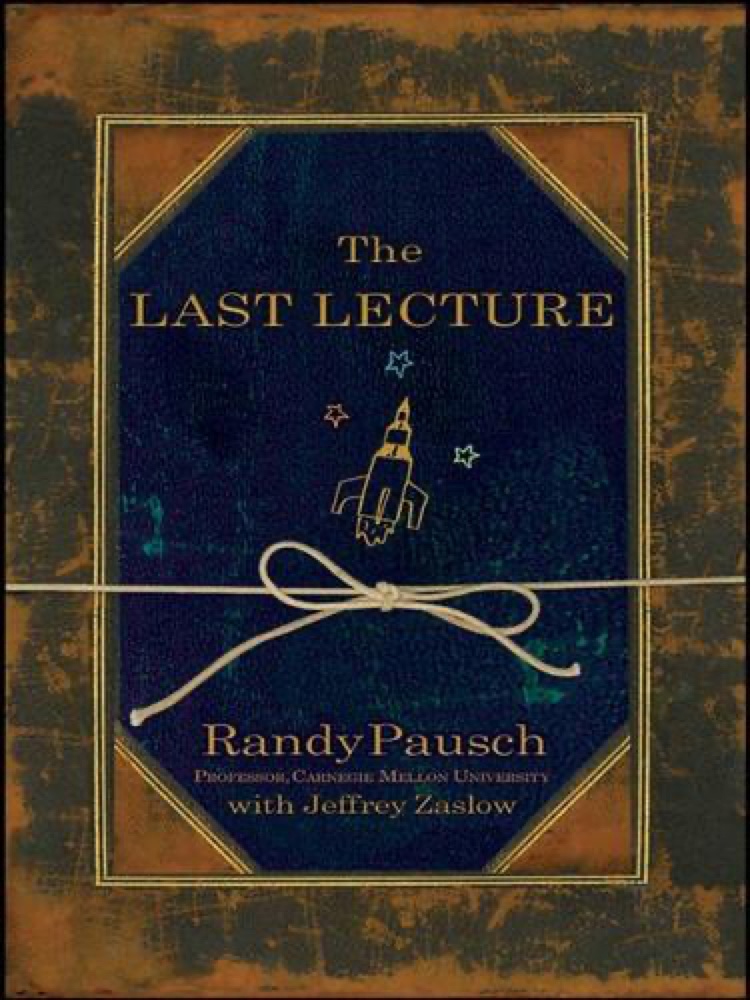 The Last Lecture
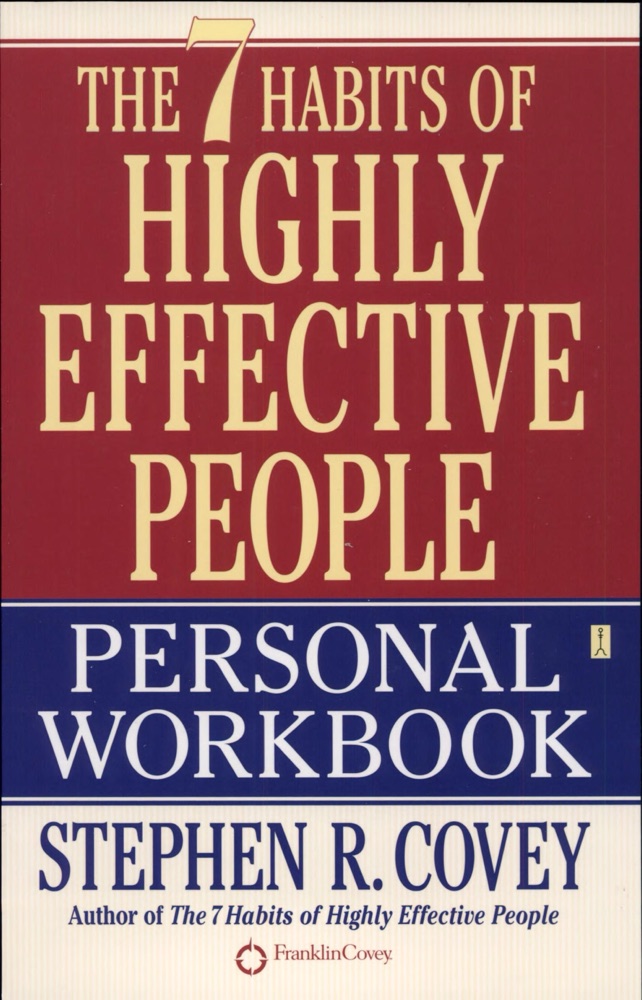 The 7 Habits of Highly Effective People: Personal Workbook
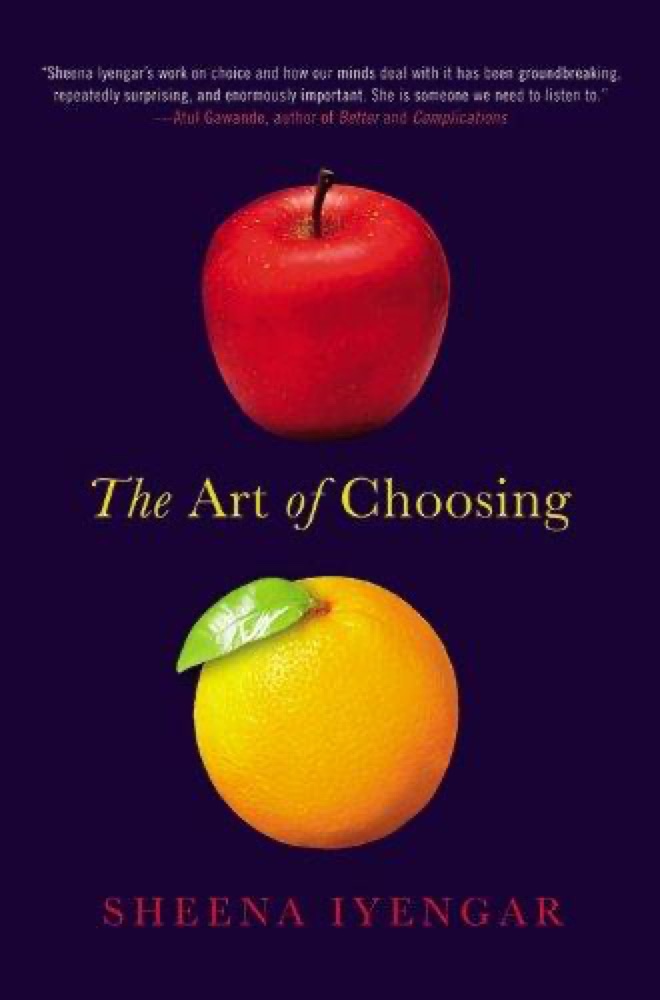 The Art of Choosing
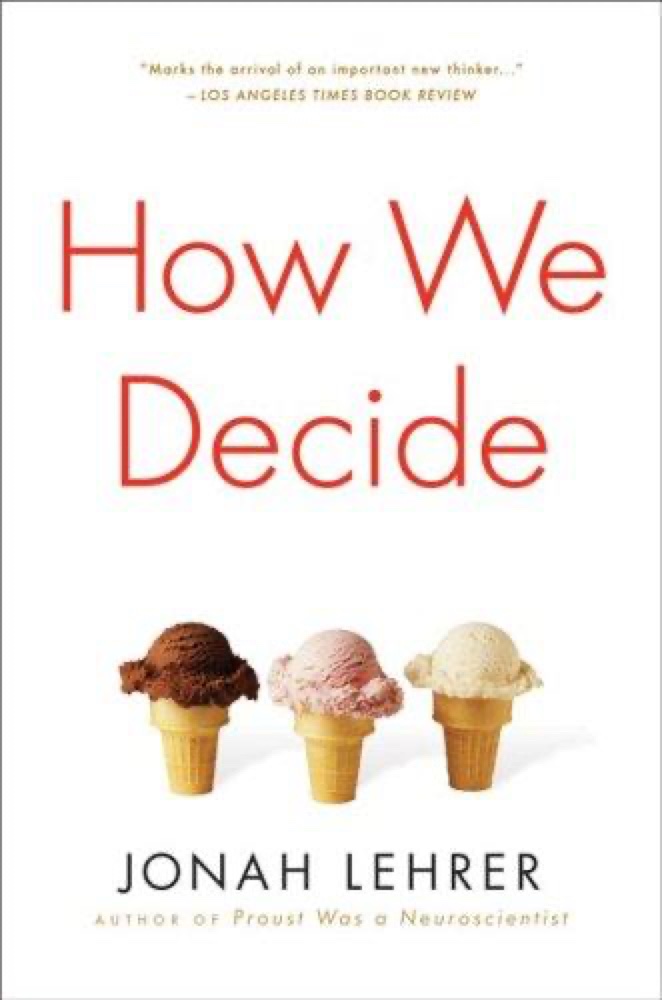 How We Decide
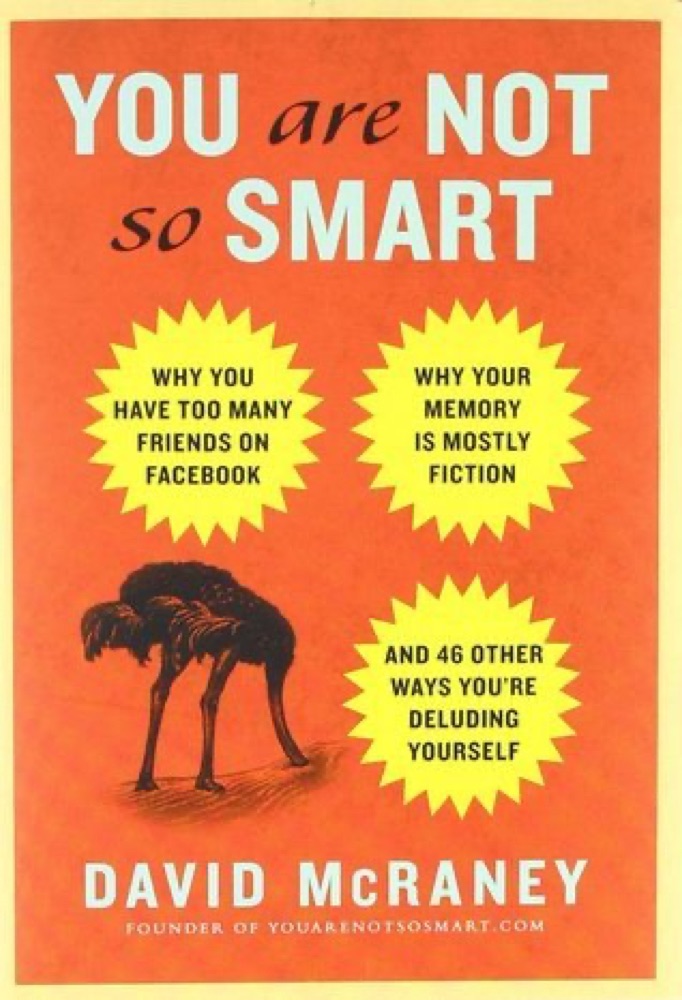 You Are Not So Smart
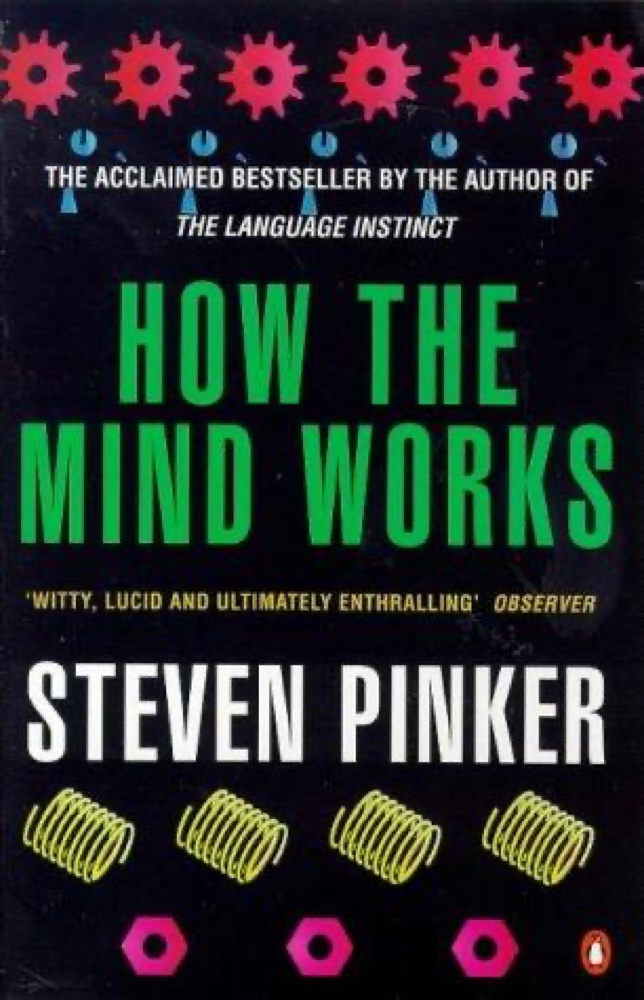 How the Mind Works
The Most Human Human: What Talking with Computers Teaches Us About What It Means to Be Alive
How the Mind Works
The Most Human Human: What Talking with Computers Teaches Us About What It Means to Be Alive
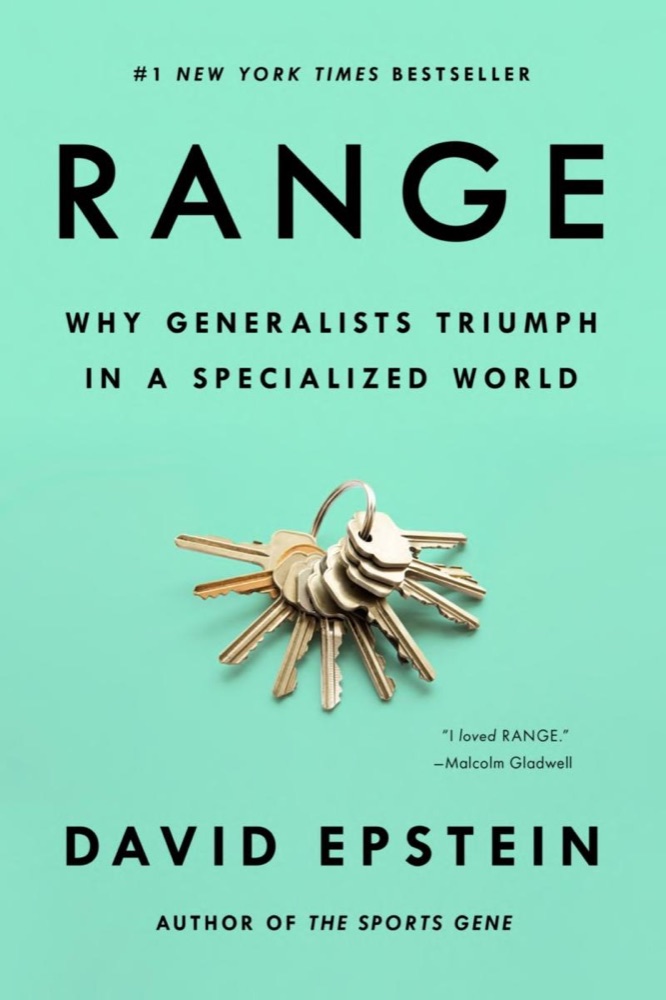 Range: Why Generalists Triumph in a Specialized World
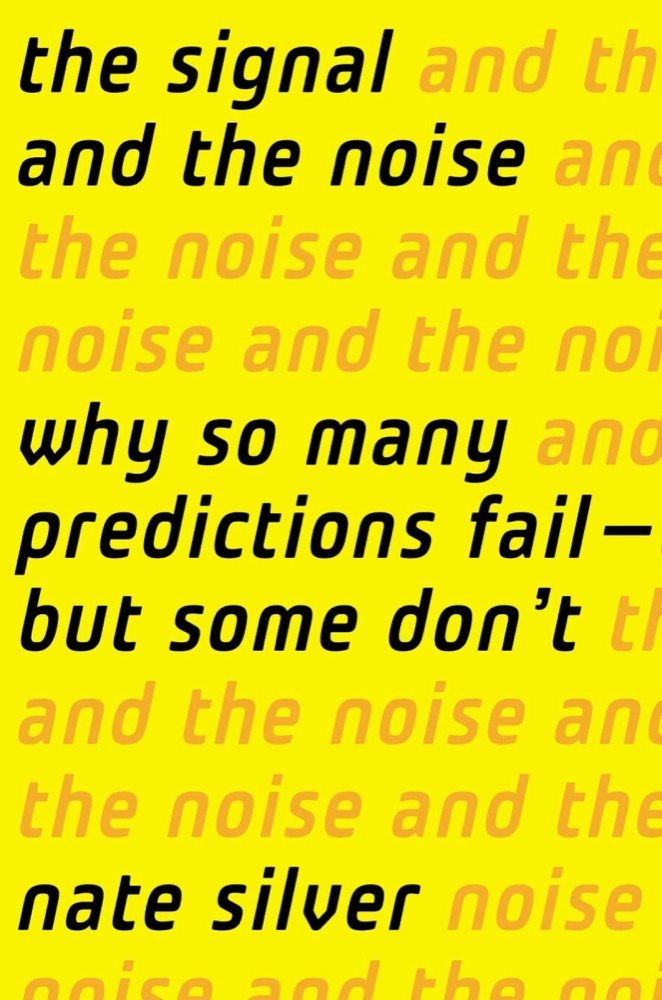 The Signal and the Noise: Why So Many Predictions Fail—But Some Don't
 Essentialism: The Disciplined Pursuit of Less
 Creativity, Inc.: Overcoming the Unseen Forces That Stand in the Way of True Inspiration
 Right Kind of Wrong: The Science of Failing Well
 Zen and the Art of Motorcycle Maintenance
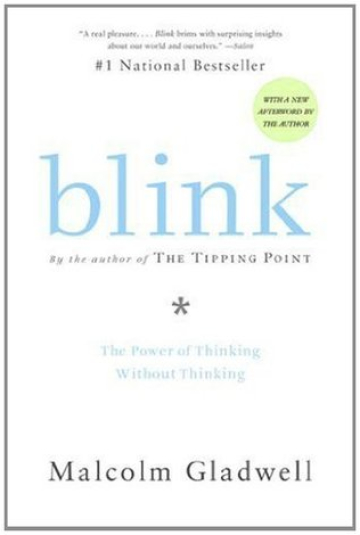 Blink: The Power of Thinking Without Thinking
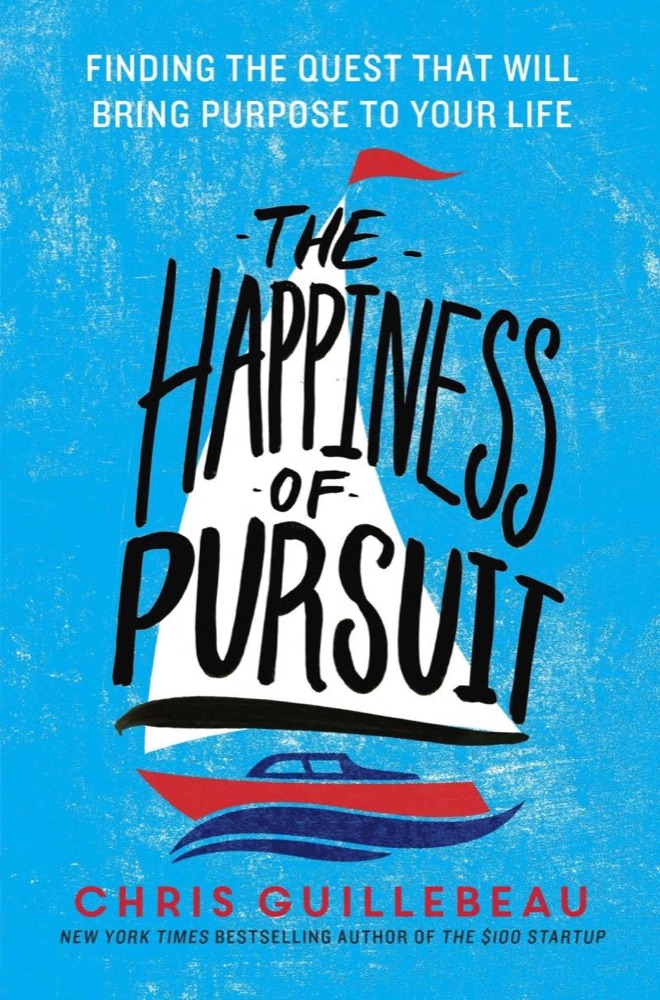 The Happiness of Pursuit: Finding the Quest That Will Bring Purpose to Your Life
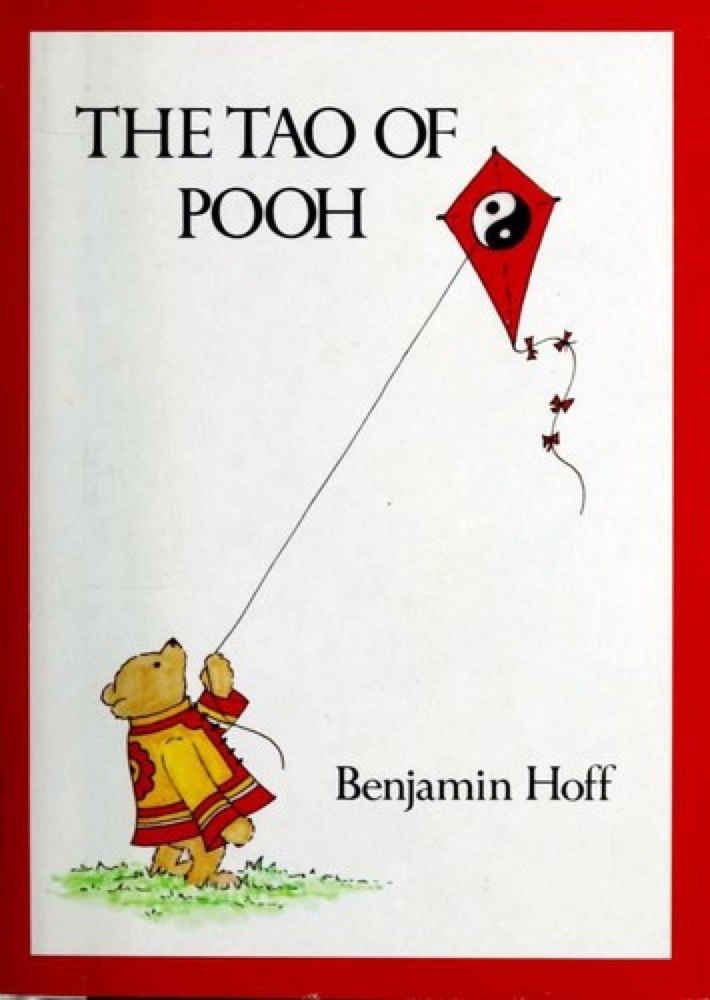 The Tao of Pooh
 Hackers & Painters: Big Ideas from the Computer Age
 Limitless: Upgrade Your Brain, Learn Anything Faster, and Unlock Your Exceptional Life
 Stumbling on Happiness
 The Obstacle Is the Way: The Timeless Art of Turning Trials into Triumph
 Do Epic Shit
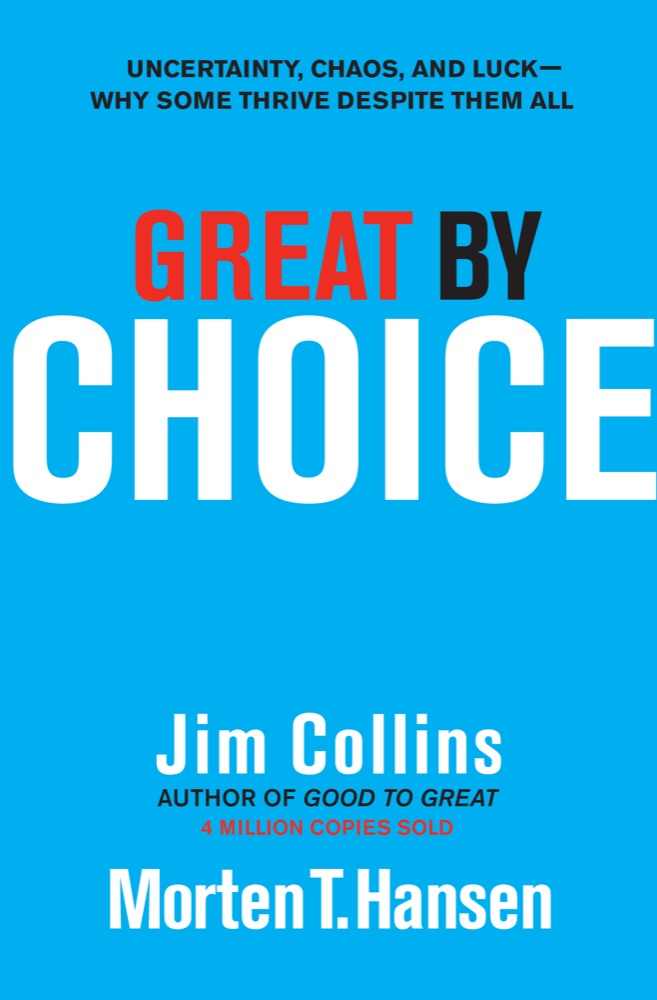 Great by Choice: Uncertainty, Chaos, and Luck—Why Some Thrive Despite Them All
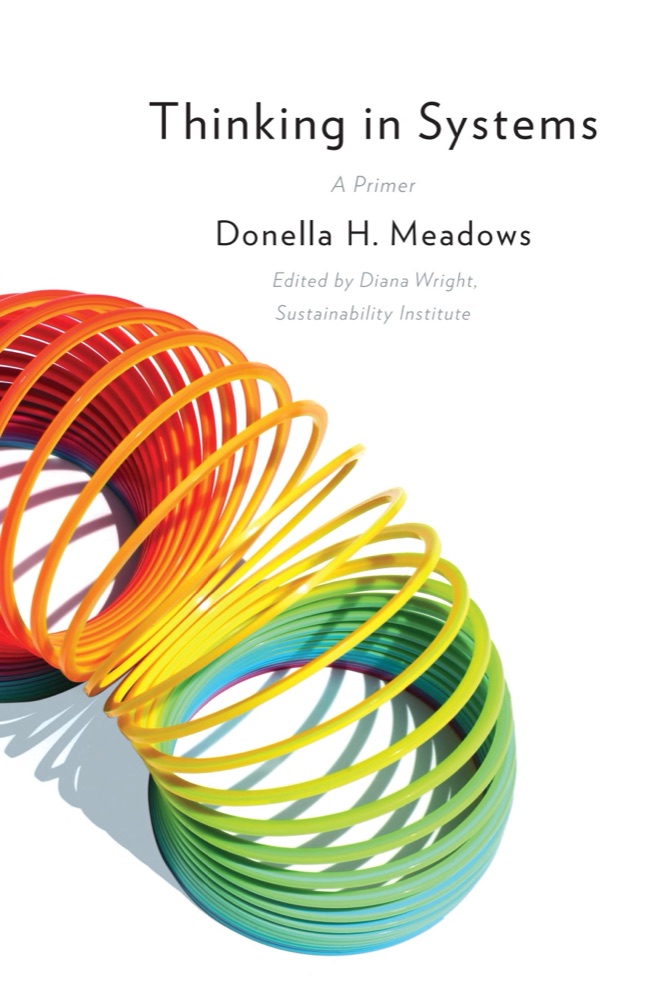 Thinking In Systems: A Primer
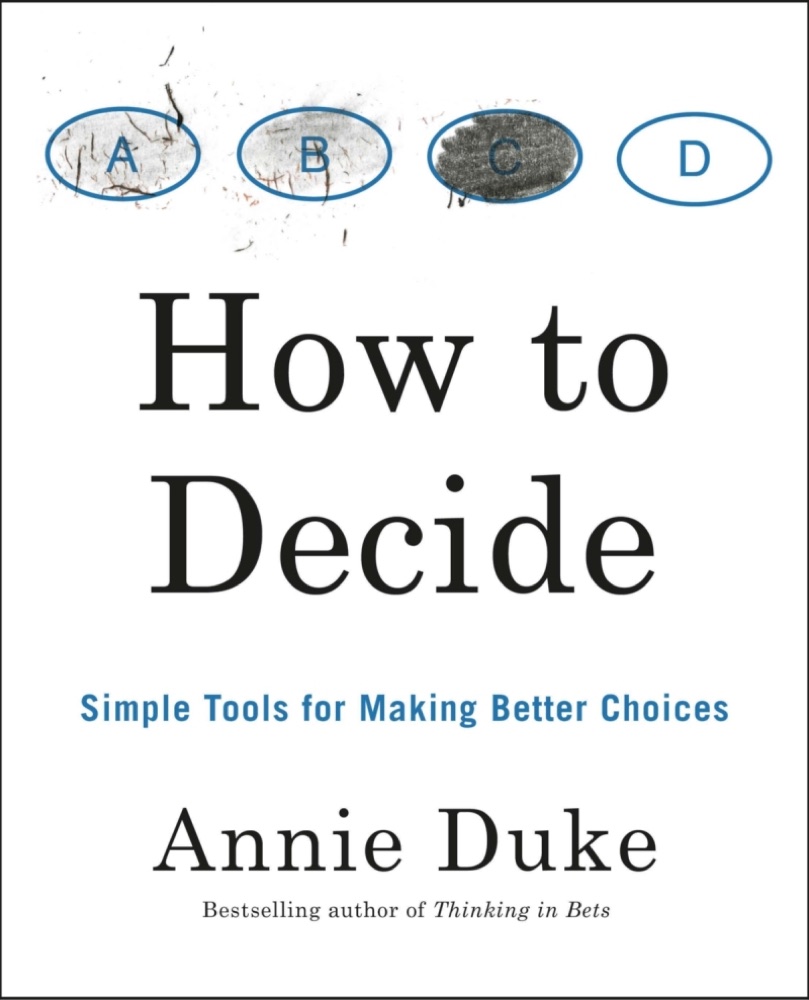 How to Decide: Simple Tools for Making Better Choices
 God's Debris: A Thought Experiment
 Smarter Faster Better: The Secrets of Being Productive in Life and Business
 Be Your Future Self Now: The Science of Intentional Transformation
 The Art of Impossible: A Peak Performance Primer
 Being Wrong: Adventures in the Margin of Error
 My Ishmael
 The Bullet Journal Method: Track Your Past, Order Your Present, Plan Your Future
 Tribe Of Mentors: Transformative Wisdom From Icons and Innovators to Help You Navigate Life's Challenges
 Made to Stick: Why Some Ideas Survive and Others Die
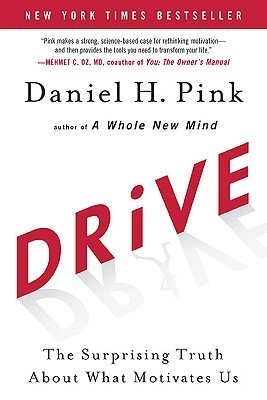 Drive: The Surprising Truth About What Motivates Us
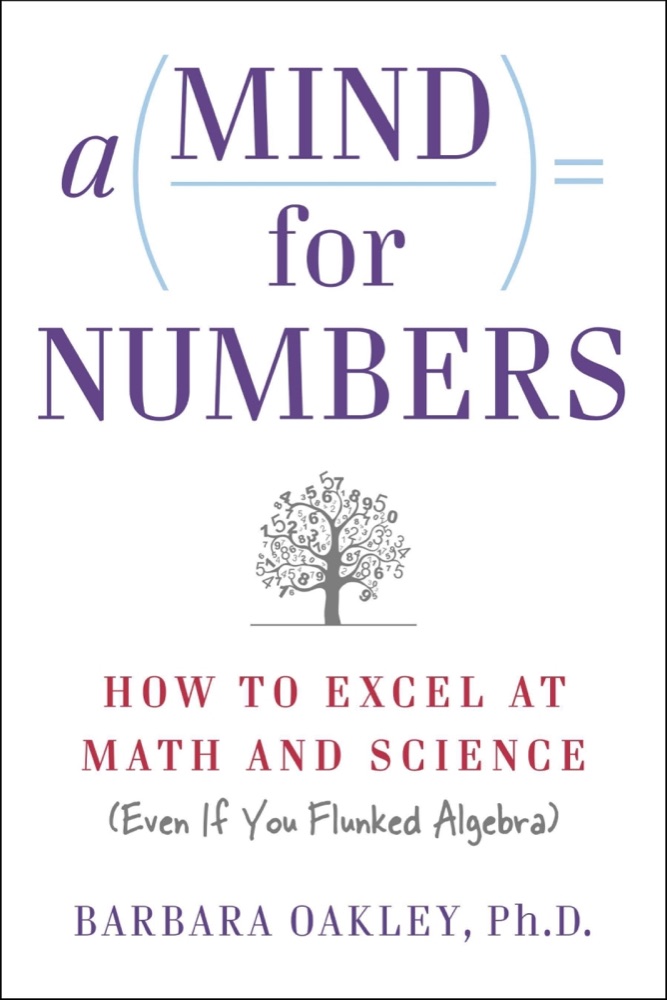 A Mind for Numbers: How to Excel at Math and Science
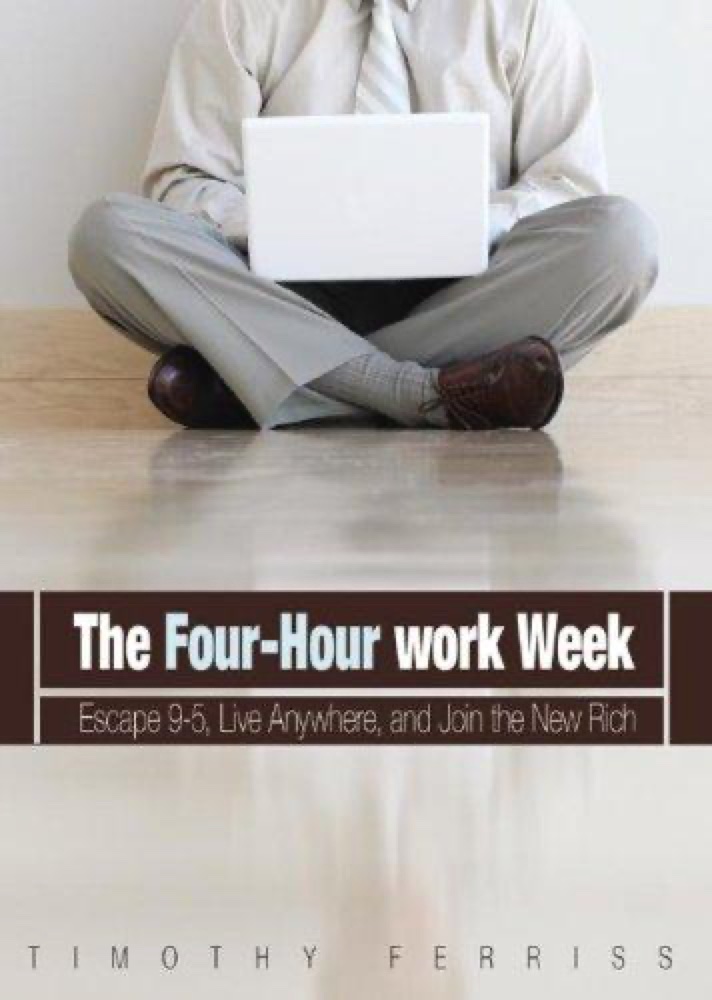 The 4-Hour Workweek