

![The Book You Wish Your Parents Had Read [and Your Children Will Be Glad That You Did]](/i/book/g/63/the-book-you-wish-your-parents-had-read-and-your-children-will-be-glad-that-you-did.jpg) The Book You Wish Your Parents Had Read [and Your Children Will Be Glad That You Did]
The Book You Wish Your Parents Had Read [and Your Children Will Be Glad That You Did]
Quotes from the Book
Hold your beliefs lightly.’ Certainty is not necessarily a friend of sanity, although it is often mistaken for it.
32
It may help to remember when you receive a complaint that it is only nominally about you; it is really information about the person making the complaint.
12
If I do not keep on testing my limits, my comfort-zone shrinks back. Challenges that had seemed comfortable one year took courage to achieve the next. I do not want to get into that position again, so onwards and outwards.
5
As we get older it is our short term memory that fades rather than our long term memory. Perhaps we have evolved like this so that we are able to tell the younger generation about the stories and experiences that have formed us which may be important to subsequent generations if they are to thrive. I worry though, about what might happen to our minds if most of the stories we hear are about greed, war, and atrocity
5
Extremes appear not to be the best way forward for sanity. I say make a mark, put a foot onto the path, see (and feel and think) how it lands; and then you can make a good guess about where to put the next foot.
4
A novel, or a book on philosophy, is going to use both sides of the brain: not only will you have feelings about what you read, but your mind will also get more of a work-out because you will make connections between what you are learning and what you already recognize.
4
The practice of self-observation mirrors the way in which a mother observes and attunes to her baby. Self-observation is a method of re-parenting ourselves. ... What am I feeling now? What am I thinking now? What am I doing at this moment? How am I breathing? What do I want for myself in this new moment?
4
You may find that you have been telling yourself that practicing optimism is a risk, as though, somehow, a positive attitude will invite disaster and so if you practice optimism it may increase your feelings of vulnerability. The trick is to increase your tolerance for vulnerable feelings, rather than avoid them altogether. […] Optimism does not mean continual happiness, glazed eyes and a fixed grin. When I talk about the desirability of optimism I do not mean that we should delude ourselves about reality. But practicing optimism does mean focusing more on the positive fall-out of an event than on the negative. … I am not advocating the kind of optimism that means you blow all your savings on a horse running at a hundred to one; I am talking about being optimistic enough to sow some seeds in the hope that some of them will germinate and grow into flowers.
3
Change happens, if it needs to, when we become aware of what we are, not when we try to become what we are not.
2
...re-writing the narratives that define us, making new meanings and imagining different endings. ... As our earliest caregivers transcribed our sensations, feelings and actions into words for us, our narratives took shape. We used these narratives to integrate our experience into coherent meanings.
1
...many of our ideas, feelings and actions come from the right brain, while the left brain makes up reasons for those ideas, feelings and actions retrospectively.
1
I remember saying to some of my fellow students, 'Does anyone want a coffee?' They all shook their heads and asked me to rephrase my question to reflect my real feelings. So I had to feel and think and then I came up with, 'I want coffee and I want you to come with me.' Having tried it, I found I really liked this process of turning a ritualized question into a statement, and I still try to do this when I remember.
A feeling cannot be ‘right’ or ‘wrong’. It is how we act out our feelings that is moral or immoral.
[it may be necessary] to oversteer in the opposite direction for a while, in order to find your true trajectory.
Examining our assumptions and checking them out with our partner ensures that we have a relationship with the person instead of a fantasy of them, or avoid falling into the sort of "I—I" relationship I spoke of earlier.
Watch on YouTube
About Philippa Perry
We have collected 45 quotes from 2 books by Philippa Perry on BookQuoters.
More about the author →More by Philippa Perry
The Book You Wish Your Parents Had Read [and Your Children Will Be Glad That You Did]
About the book
Everyone accepts the importance of physical health; isn't it just as important to aim for the mental equivalent? Philippa Perry has come to the rescue with How to Stay Sane -- a maintenance manual for the mind.
Years of working as a psychotherapist showed Philippa Perry what approaches produced positive change in her clients and how best to maintain good mental health. In How to Stay Sane, she has taken these principles and applied them to self-help. Using ideas from neuroscience and sound psychological theory, she shows us how to better understand ourselves. Her idea is that if we know how our minds form and develop, we are less at the mercy of unknown unconscious processes. In this way, we can learn to be the master of our feelings and not their slave.
This is a smart, pithy, readable book that everyone with even a passing interest in their psychological health will find useful.
Book details
- First published
- 2012
- Author
- Philippa Perry
- Genre
- Nonfiction
- Goodreads rating
- 3.79 (4k ratings)
Keep reading
 Why Has Nobody Told Me This Before?
 The 7 Habits of Highly Effective People: Personal Workbook
 Notes on a Nervous Planet
 The Light We Carry: Overcoming in Uncertain Times
 The Laws of Human Nature
 Maybe You Should Talk to Someone: A Therapist, Her Therapist, and Our Lives Revealed
 Atlas of the Heart: Mapping Meaningful Connection and the Language of Human Experience
 Psycho-Cybernetics
 Your Erroneous Zones: Step-By-Step Advice for Escaping the Trap of Negative Thinking and Taking Control of Your Life
 Bonds That Make Us Free: Healing Our Relationship, Coming to Ourselves
 I Miss You When I Blink: Essays
 The Buddha Walks into a Bar . . .: A Guide to Life for a New Generation
 Zen and the Art of Motorcycle Maintenance
 101 Essays That Will Change The Way You Think
 The Perfectionist's Guide to Losing Control: A Path to Peace and Power
 Buddha's Brain: The Practical Neuroscience of Happiness, Love, and Wisdom
![[Don't] Call Me Crazy](/i/book/g/b2/dont-call-me-crazy.jpg) [Don't] Call Me Crazy
[Don't] Call Me Crazy
 Into the Magic Shop: A Neurosurgeon's Quest to Discover the Mysteries of the Brain and the Secrets of the Heart
 The Things You Can See Only When You Slow Down: How to Be Calm in a Busy World
 If You Have to Cry, Go Outside: And Other Things Your Mother Never Told You
 Unfuck Your Brain: Using Science to Get Over Anxiety, Depression, Anger, Freak-Outs, and Triggers
 On Becoming a Person: A Therapist's View of Psychotherapy
 The Mountain Is You: Transforming Self-Sabotage Into Self-Mastery
 Psych: The Story of the Human Mind
 My Stroke of Insight: A Brain Scientist's Personal Journey
 Us: Getting Past You and Me to Build a More Loving Relationship
 The Stories We Tell: Every Piece of Your Story Matters
 Burnout: The Secret to Unlocking the Stress Cycle
 Mindsight: The New Science of Personal Transformation
 The Bullet Journal Method: Track Your Past, Order Your Present, Plan Your Future
 The Art of Thinking Clearly
 The Antidote: Happiness for People Who Can't Stand Positive Thinking
 No Self, No Problem: How Neuropsychology Is Catching Up to Buddhism
 On Connection
 The Happiness Hypothesis: Finding Modern Truth in Ancient Wisdom
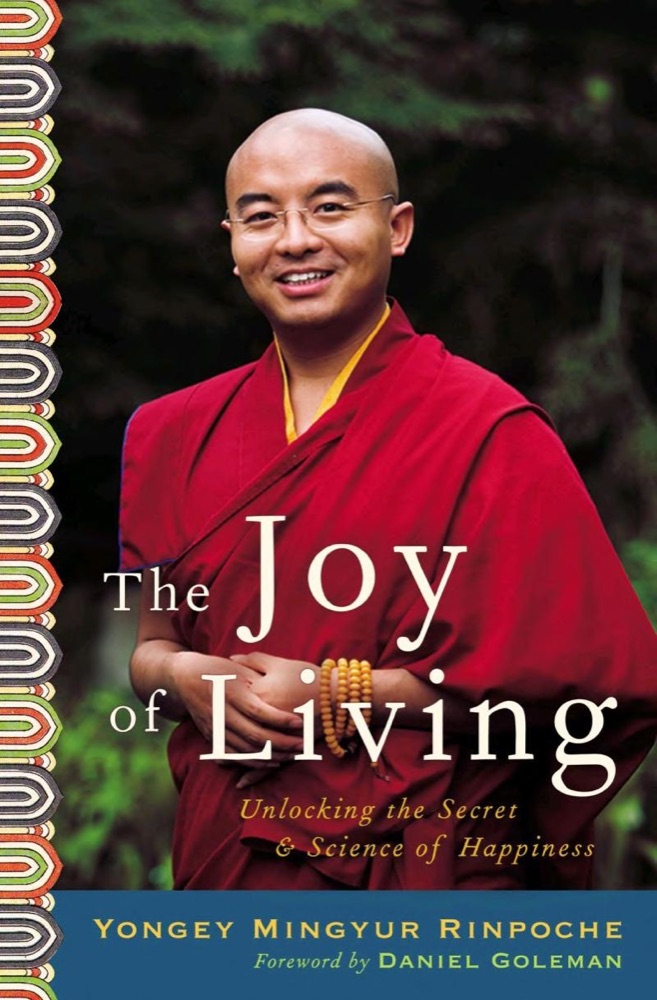 The Joy of Living: Unlocking the Secret and Science of Happiness
 The Examined Life: How We Lose and Find Ourselves
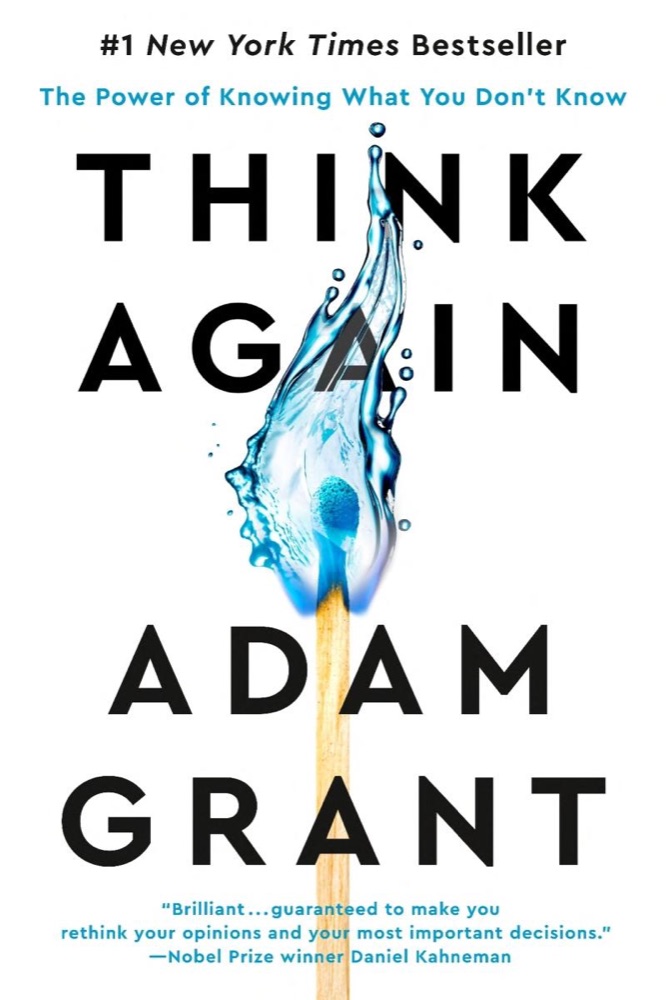 Think Again: The Power of Knowing What You Don't Know
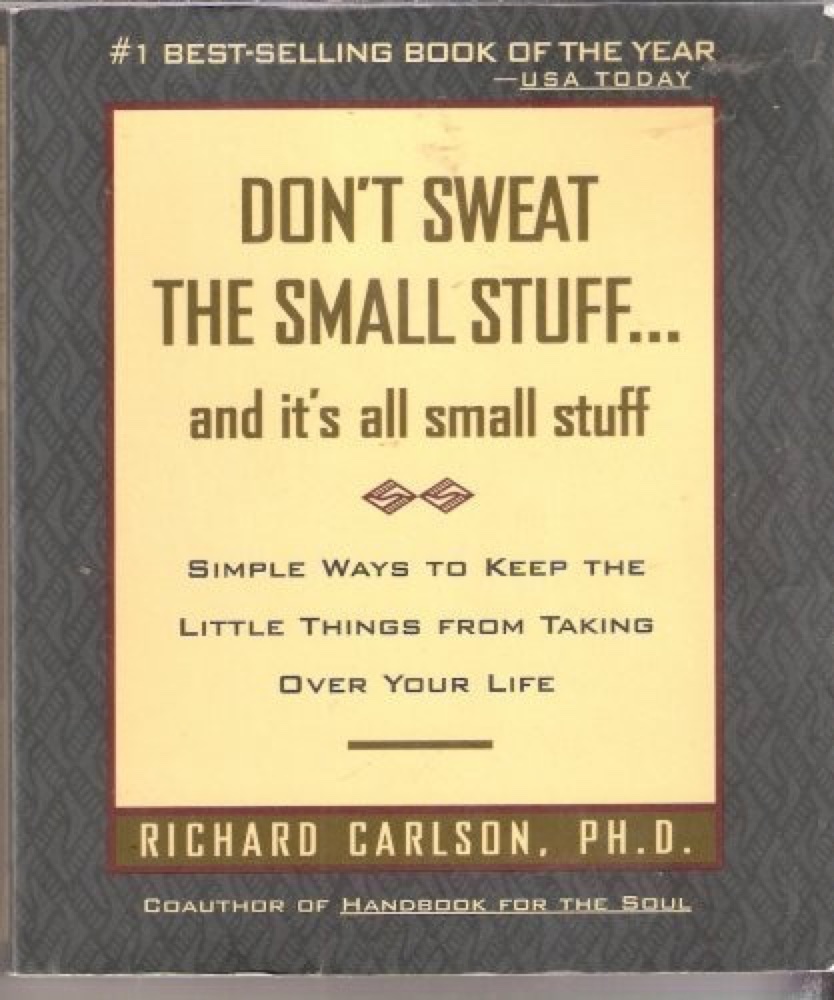 Don't Sweat the Small Stuff ... and it's all small stuff: Simple Ways to Keep the Little Things from Taking Over Your Life
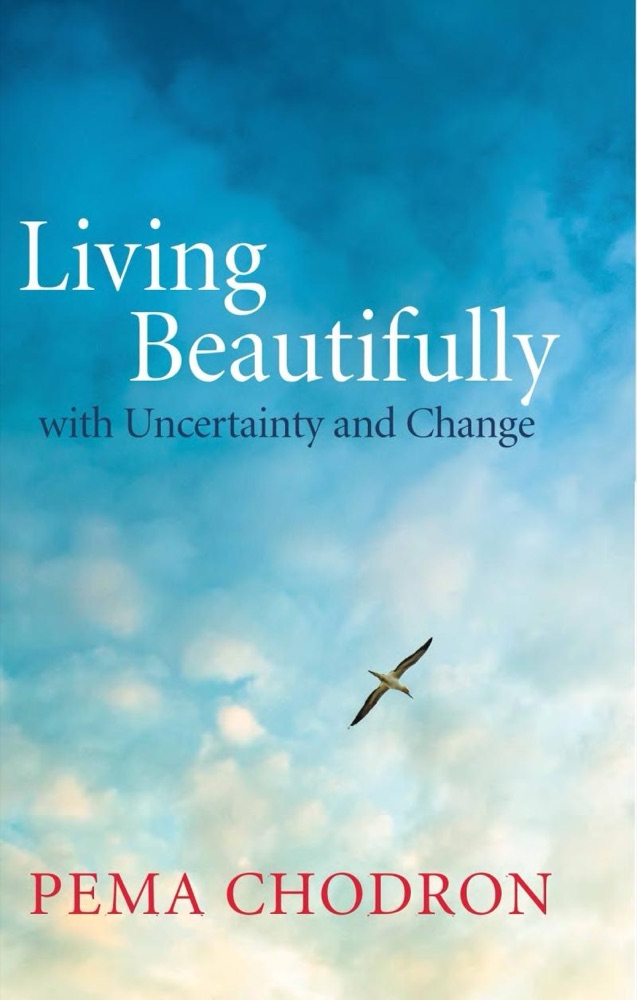 Living Beautifully with Uncertainty and Change
 The Vortex: Where the Law of Attraction Assembles All Cooperative Relationships
 Loving What Is: Four Questions That Can Change Your Life
 Notes to Myself
 Evolve Your Brain: The Science of Changing Your Mind
 Becoming Supernatural: How Common People are Doing the Uncommon
 The Art of Communicating
 The Fourth Way
 Greenlights
 How We Decide
 First, We Make the Beast Beautiful: A New Story About Anxiety
 The Comfort Book
 Everyday Zen: Love & Work
 Karamo: My Story of Embracing Purpose, Healing, and Hope
 When Things Fall Apart: Heart Advice for Difficult Times
 Life Will Be the Death of Me: . . . and you too!
 The Four Agreements: A Practical Guide to Personal Freedom