
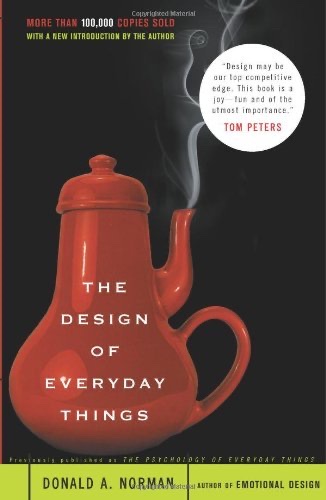
 The Design of Everyday Things
Quotes from the Book
It doesn’t matter how many times I have to click, as long as each click is a mindless, unambiguous choice.
20
If there's one thing you learn by working on a lot of different Web sites, it's that almost any design idea--no matter how appallingly bad--can be made usable in the right circumstances, with enough effort.
15
Get rid of half the words on each page, then get rid of half of what’s left.
14
Your objective should always be to eliminate instructions entirely by making everything self-explanatory, or as close to it as possible. When instructions are absolutely necessary, cut them back to a bare minimum.
14
Your primary role should be to share what you know, not to tell people how things should be done.
12
If you want a great site, you’ve got to test. After you’ve worked on a site for even a few weeks, you can’t see it freshly anymore. You know too much. The only way to find out if it really works is to test it.
11
Designers love subtle cues, because subtlety is one of the traits of sophisticated design. But Web users are generally in such a hurry that they routinely miss subtle cues.
10
And not just the right thing; it’s profoundly the right thing to do, because the one argument for accessibility that doesn’t get made nearly often enough is how extraordinarily better it makes some people’s lives. How many opportunities do we have to dramatically improve people’s lives just by doing our job a little better?
8
Keep it simple, so you'll keep doing it.
7
The main thing you need to know about instructions is that no one is going to read them—at least not until after repeated attempts at “muddling through” have failed.
7
As a rule, conventions only become conventions if they work.
6
In reality, though, most of the time we don’t choose the best option—we choose the first reasonable option, a strategy known as satisficing.
6
usability is about people and how they understand and use things, not about technology.
5
If something requires a large investment of time—or looks like it will—it’s less likely to be used.
5
The problem is there are no simple “right” answers for most Web design questions (at least not for the important ones). What works is good, integrated design that fills a need—carefully thought out, well executed, and tested.
5
How many opportunities do we have to dramatically improve people’s lives just by doing our job a little better?
4
If you can’t make something self-evident, you at least need to make it self-explanatory.
4
The fact that the people who built the site didn’t care enough to make things obvious—and easy—can erode our confidence in the site and the organization behind it.
4
Or as Jakob Nielsen so aptly put it: The human brain’s capacity doesn’t change from one year to the next, so the insights from studying human behavior have a very long shelf life. What was difficult for users twenty years ago continues to be difficult today. I
3
Faced with the prospect of following a convention, there’s a great temptation for designers to try reinventing the wheel instead, largely because they feel (not incorrectly) that they’ve been hired to do something new and different, not the same old thing. Not to mention the fact that praise from peers, awards, and high-profile job offers are rarely based on criteria like “best use of conventions.” Occasionally, time spent reinventing the wheel results in a revolutionary new rolling device. But usually it just amounts to time spent reinventing the wheel.
3
The more you watch users carefully and listen to them articulate their intentions, motivations, and thought processes, the more you realize that their individual reactions to Web pages are based on so many variables that attempts to describe users in terms of one-dimensional likes and dislikes are futile and counter-productive. Good design, on the other hand, takes this complexity into account.
3
Sometimes time spent reinventing the wheel results in a revolutionary new rolling device. But sometimes it just amounts to time spent reinventing the wheel.
3
The reality is that in the business world almost everyone is just a very small cog in a huge collection of cogs.2 2 Sorry. Try not to take it personally. Do good work. Enjoy your home life. Be happy.
2
The name of the page will match the words I clicked to get there. In
2
In the last few years, making things more usable has become almost everybody’s responsibility. Visual designers and developers now often find themselves doing things like interaction design (deciding what happens next when the user clicks, taps, or swipes) and information architecture (figuring out how everything should be organized). I
2
every question mark adds to our cognitive workload, distracting our attention from the task at hand.
1
Watch on YouTube
About Steve Krug
We have collected 26 quotes from 1 book by Steve Krug on BookQuoters.
More about the author →About the book
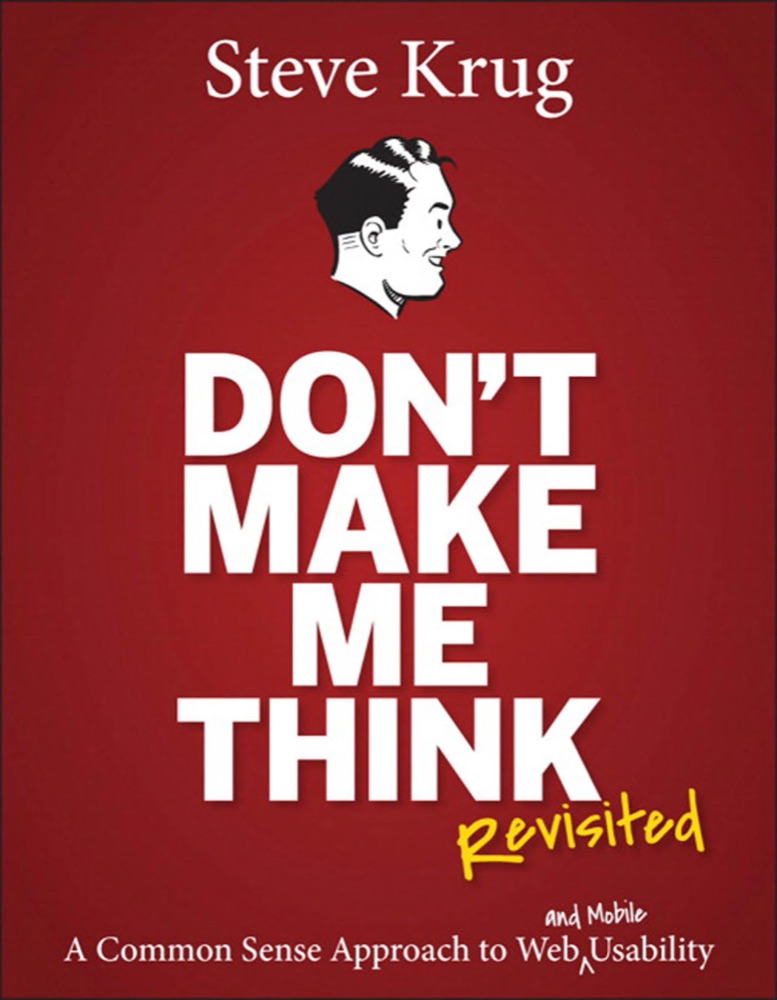
Since Don’t Make Me Think was first published in 2000, over 400,000 Web designers and developers have relied on Steve Krug’s guide to help them understand the principles of intuitive navigation and information design.
In this 3rd edition, Steve returns with fresh perspective to reexamine the principles that made Don’t Make Me Think a classic-–with updated examples and a new chapter on mobile usability. And it’s still short, profusely illustrated…and best of all–fun to read.
If you’ve read it before, you’ll rediscover what made Don’t Make Me Think so essential to Web designers and developers around the world. If you’ve never read it, you’ll see why so many people have said it should be required reading for anyone working on Web sites.
Book details
- First published
- 2000
- Author
- Steve Krug
- Genre
- Nonfiction
- Goodreads rating
- 4.24 (31k ratings)
Keep reading
The Design of Everyday Things
 Rework
 The Pragmatic Programmer: From Journeyman to Master
 Made to Stick: Why Some Ideas Survive and Others Die
 Hackers & Painters: Big Ideas from the Computer Age
 Getting Real: The Smarter, Faster, Easier Way to Build a Web Application
 Getting Things Done: The Art of Stress-Free Productivity
 Algorithms to Live By: The Computer Science of Human Decisions
 Managing Humans: Biting and Humorous Tales of a Software Engineering Manager
 The Art of Thinking Clearly
 Creativity, Inc.: Overcoming the Unseen Forces That Stand in the Way of True Inspiration
 Think Like a Freak
 Making Ideas Happen: Overcoming the Obstacles Between Vision and Reality
 Software Engineering at Google: Lessons Learned from Programming Over Time
 The PARA Method: Simplify, Organize, and Master Your Digital Life
 Hooked: How to Build Habit-Forming Products
 The Last Lecture
 Lean Analytics: Use Data to Build a Better Startup Faster
 Founders at Work: Stories of Startups' Early Days
 The Accidental Creative: How to Be Brilliant at a Moment's Notice
 Amp It Up: Leading for Hypergrowth by Raising Expectations, Increasing Urgency, and Elevating Intensity
 A Whack on the Side of the Head: How You Can Be More Creative
 Emotional Design: Why We Love (or Hate) Everyday Things
 Peopleware: Productive Projects and Teams
 How to Take Smart Notes
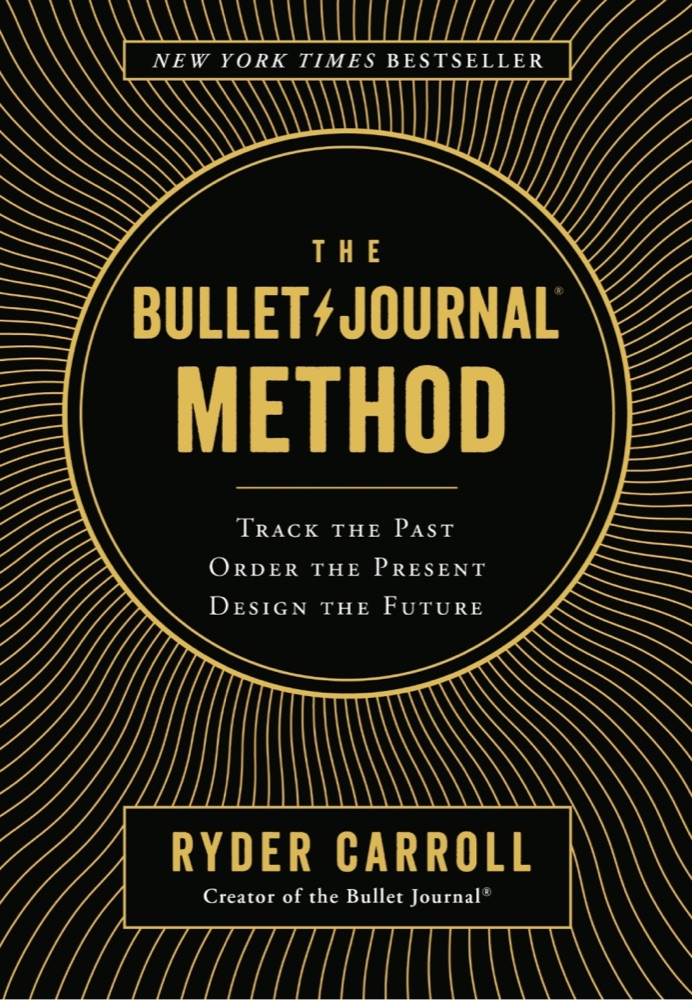 The Bullet Journal Method: Track Your Past, Order Your Present, Plan Your Future
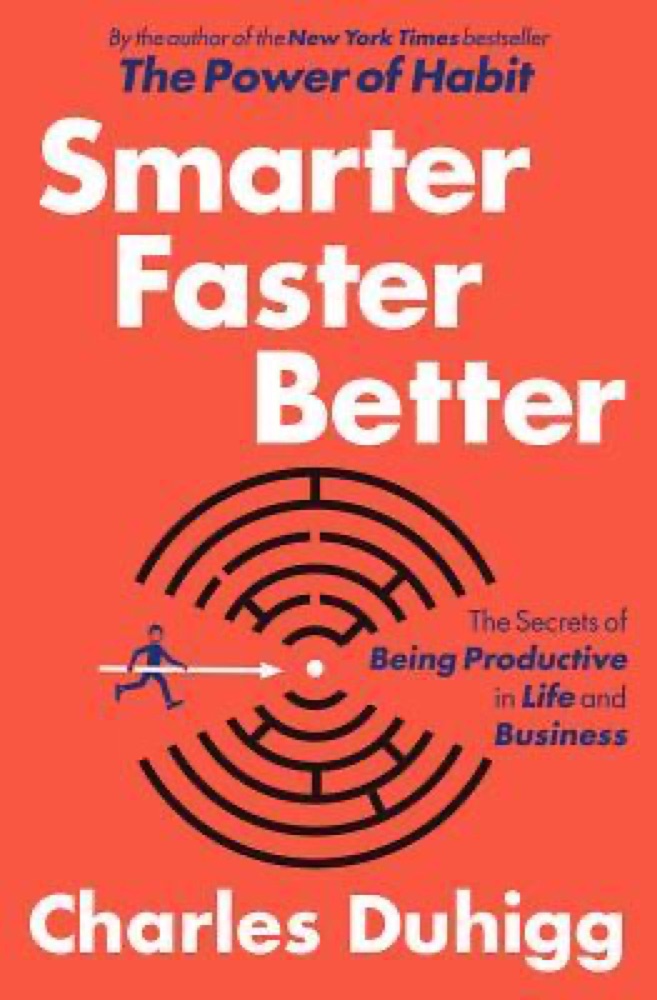 Smarter Faster Better: The Secrets of Being Productive in Life and Business
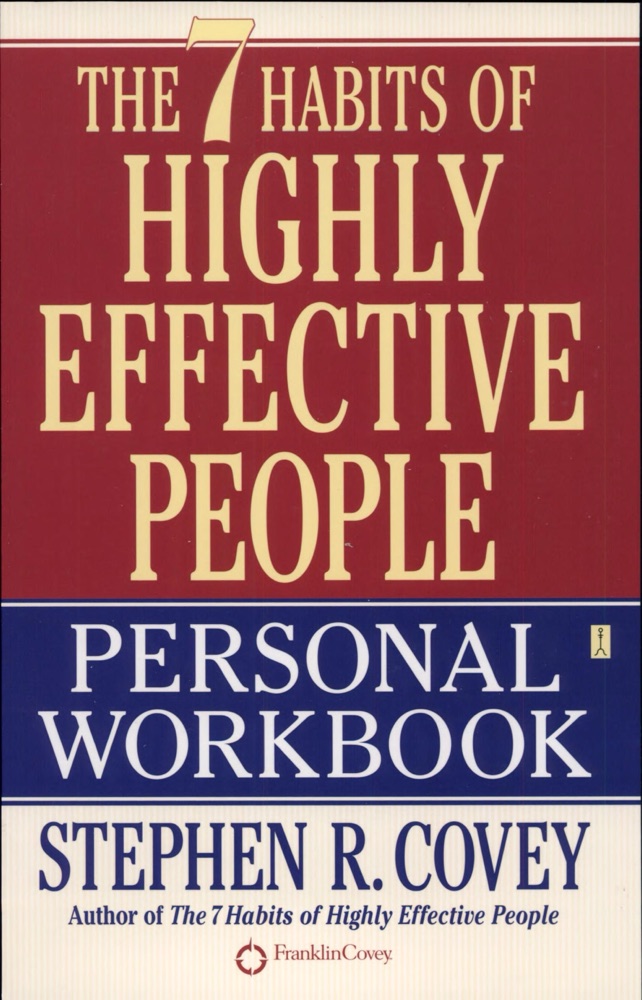 The 7 Habits of Highly Effective People: Personal Workbook
 Things a Little Bird Told Me: Confessions of the Creative Mind
 Range: Why Generalists Triumph in a Specialized World
 Essentialism: The Disciplined Pursuit of Less
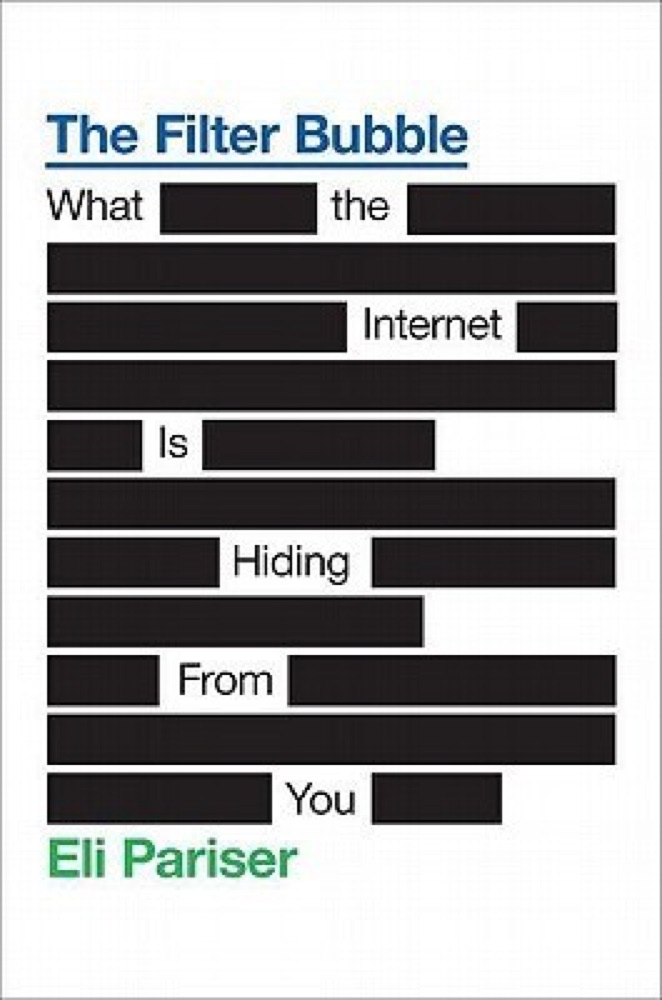 The Filter Bubble: What the Internet is Hiding From You
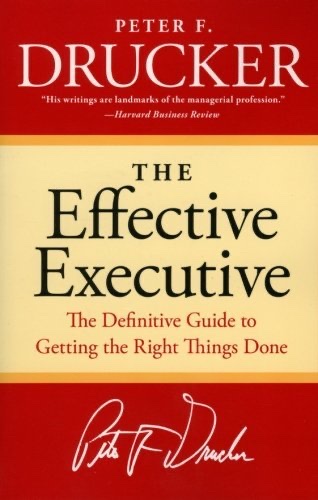 The Effective Executive: The Definitive Guide to Getting the Right Things Done
 You Are Not a Gadget
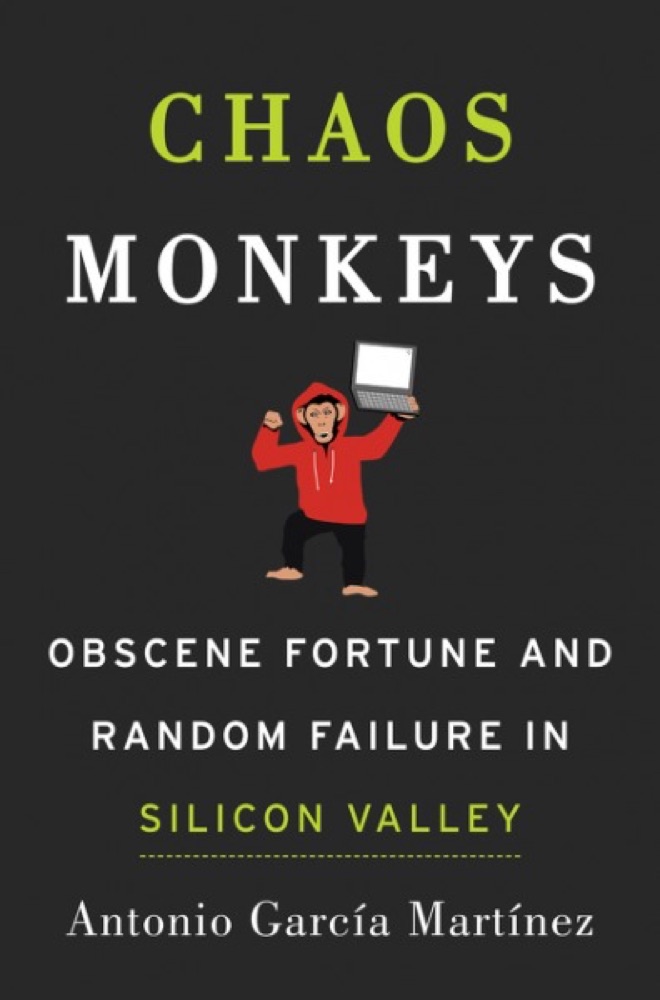 Chaos Monkeys: Obscene Fortune and Random Failure in Silicon Valley
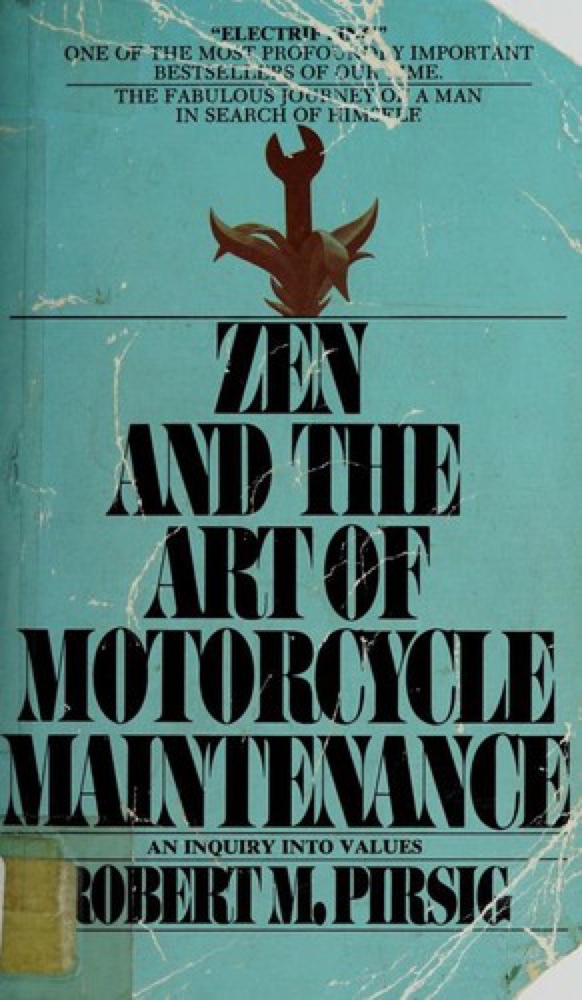 Zen and the Art of Motorcycle Maintenance
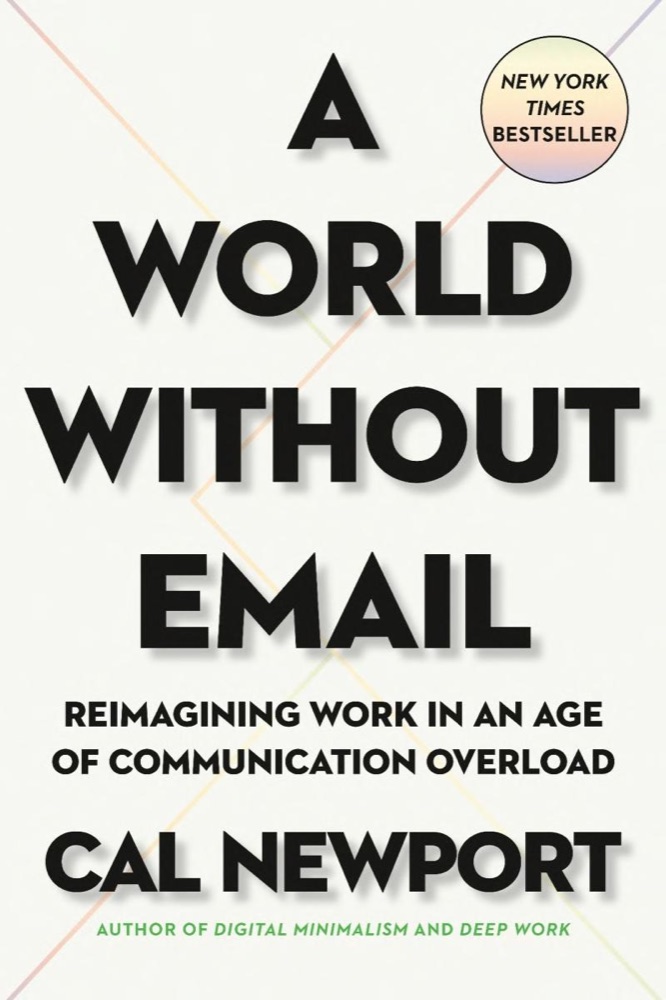 A World Without Email: Reimagining Work in an Age of Communication Overload
 Antifragile: Things That Gain from Disorder
 Black Box Thinking: Why Some People Never Learn from Their Mistakes - But Some Do
 Math with Bad Drawings
 Invent and Wander: The Collected Writings of Jeff Bezos
 Show Your Work!: 10 Ways to Share Your Creativity and Get Discovered
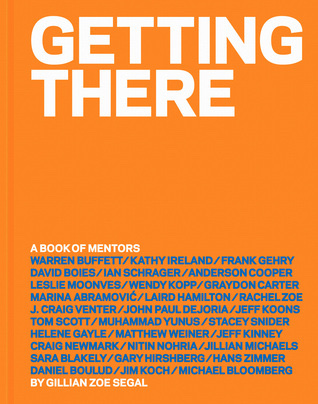 Getting There: A Book of Mentors
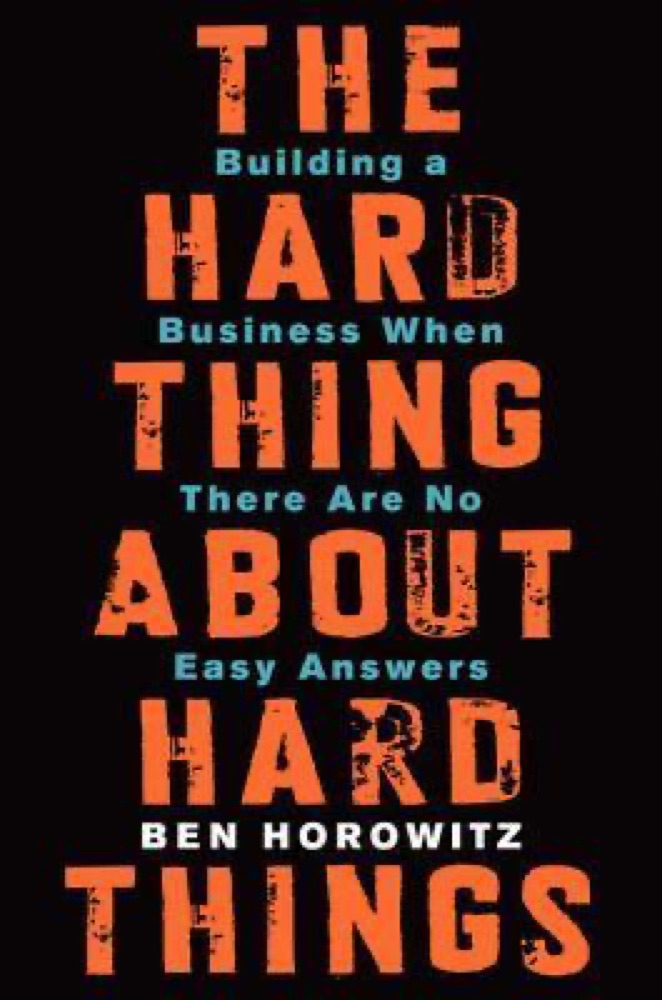 The Hard Thing About Hard Things: Building a Business When There Are No Easy Answers―Straight Talk on the Challenges of Entrepreneurship
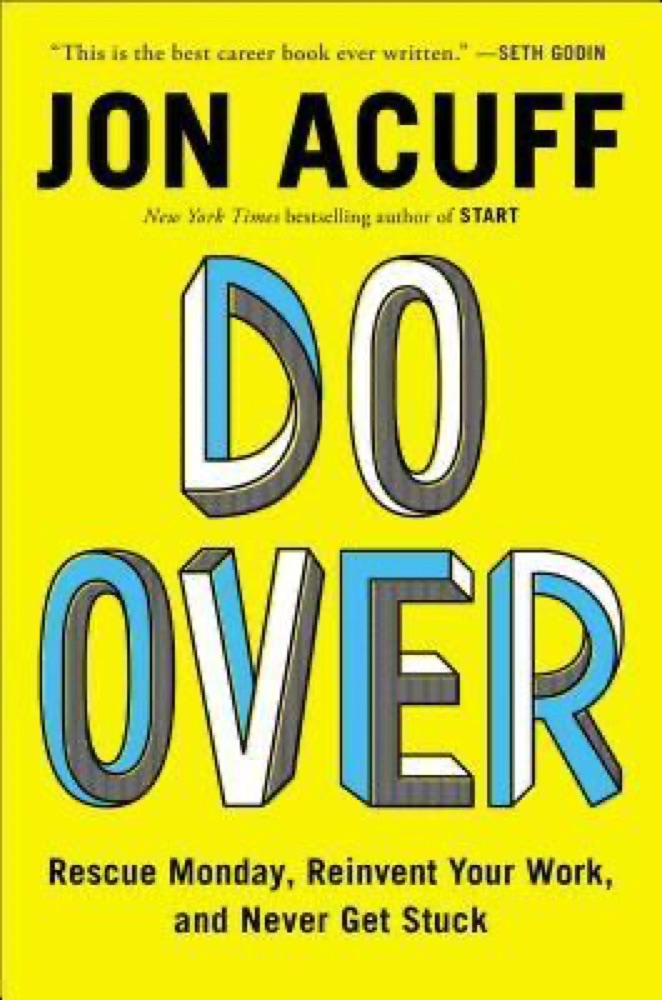 Do Over: Rescue Monday, Reinvent Your Work, and Never Get Stuck
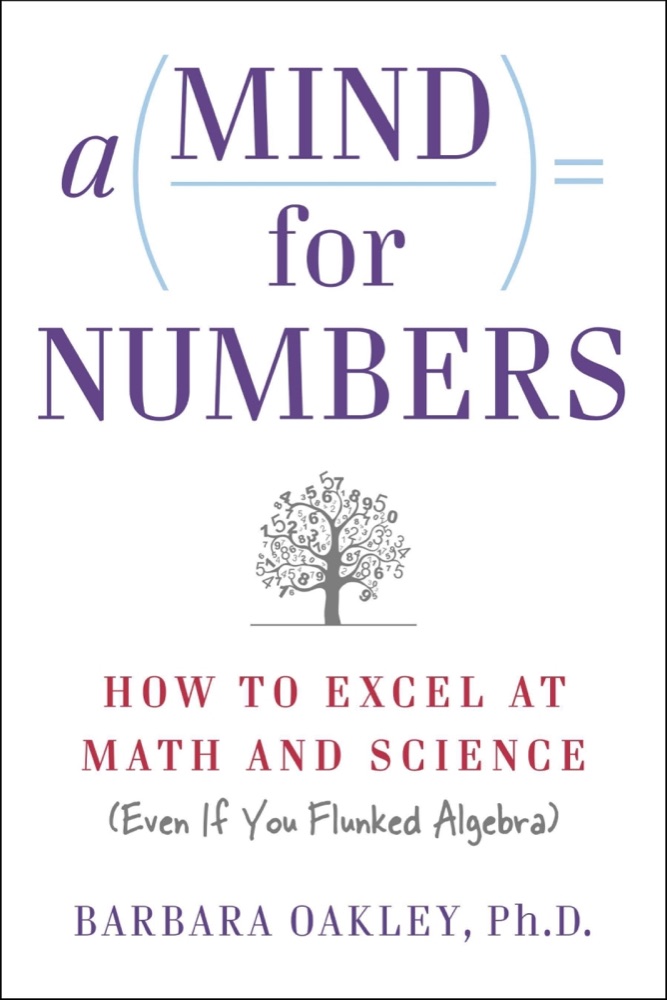 A Mind for Numbers: How to Excel at Math and Science
 The 4-Hour Workweek
 Predictably Irrational: The Hidden Forces That Shape Our Decisions
 The Art of the Start: The Time-Tested, Battle-Hardened Guide for Anyone Starting Anything
 Measure What Matters
 Influencer: The Power to Change Anything
 Slow Productivity: The Lost Art of Accomplishment Without Burnout
 Originals: How Non-Conformists Move the World
 Drive: The Surprising Truth About What Motivates Us
 Hit Refresh: The Quest to Rediscover Microsoft's Soul and Imagine a Better Future for Everyone
 Stolen Focus: Why You Can't Pay Attention— and How to Think Deeply Again
 How to Fail at Almost Everything and Still Win Big: Kind of the Story of My Life
 The Black Swan: The Impact of the Highly Improbable
 The $100 Startup: Reinvent the Way You Make a Living, Do What You Love, and Create a New Future
 The Tipping Point: How Little Things Can Make a Big Difference