
 Getting Things Done: The Art of Stress-Free Productivity
Quotes from the Book
There was a time when I insisted on reading every book I picked up from beginning to end, without exception. I slogged through countless boring, irrelevant books before eventually realizing that this attitude is completely counterproductive. You don’t get a prize for starting a book or finishing one. Books are not trophies to collect or evidence you’ve learned anything.
3
Anything you might need to reference or remember in order to effectively play these roles is worth noting down.
1
Look at the original list above again. None of the items on it will end or change—that’s the definition of an area of responsibility, that it continues indefinitely. Now imagine the psychological effect of waking up week after week, month after month, and even year after year to the exact same list of never-ending responsibilities. No matter how hard you work, the endless horizon never seems to get any closer.
1
A high-quality piece of communication meets the following criteria: Is it interesting and attention-grabbing? (Does it make people want to read it?) Is it precise and clear? (Can people easily understand what it’s trying to say?) Is it empathetic? (Is it written to be understood from the reader’s point of view?) Does it help people solve a problem? (Is it clearly useful and effective?) Does it inspire people to take action? (Does it make it easy for others to apply it?)
Here’s what I want you to do: select all the existing files, documents, folders, notes, etc. in your Documents folder (which may number in the hundreds or even thousands or more) and move them all at once into a new folder called “Archive [Today’s date].
Getting Organized for the Life You Want to Lead Using PARA is not just about creating a bunch of folders to put things in. It is about identifying the structure of your work and life—what you are committed to, what you want to change, and where you want to go. It is about organizing information in such a way that it supports and calls into being the future life you want to lead. So much of what we call “organizing” is essentially procrastination in disguise. We tell ourselves we’re “getting ready” or “doing research,” pretending like that means progress.
The key here is to realize that there is a big difference between things you are directly responsible for and things you are merely interested
Distinguishing Projects and Areas To put it simply: projects end, while areas continue indefinitely.
An area is not so much a prize to win as a dance to enjoy. This is the realm of daily habits, meaningful rituals, and timeless values that transcend any particular project.
For parenting, it may be that you spend quality time with your kids every evening and make sure they are always loved and protected.
Instead of a goal, an area of responsibility has a standard you’re trying to maintain.
There is tremendous power in changing your organizational system to fit your evolving needs and goals, instead of trying to force your needs and goals to fit your system.
So much of what we call “organizing” is essentially procrastination in disguise. We tell ourselves we’re “getting ready” or “doing research,” pretending like that means progress.
Event projects: Quarterly staff retreat Annual stakeholder conference Workshop on research methods End-of-year hiring fair
demoralized. What does our motivation depend on? Mostly, on making consistent progress. We can endure quite a bit of stress and frustration in the short term if we know it’s leading somewhere.
to Your Long-Term Goals
OBSTACLE #2: You Can’t Connect Your Current Efforts
every six months to filling fifty full-time positions this quarter.
OBSTACLE #1: You Can’t Truly Know the Extent of Your Commitments
Most people tend to spread out all the relevant material they need to make progress in a dozen different places, which means they have to spend half an hour to locate them before they can even get started.
To-do list app (projects and areas only, since these are the two categories that have tasks associated with them)
One of the most challenging (yet also rewarding) aspects of knowledge work is that it requires our creativity. And creativity can’t really be sustained without a sense of motivation. You can’t keep doing your best thinking and contributing your best ideas if you’re burned out and demoralized. What does our motivation depend on? Mostly, on making consistent progress. We can endure quite a bit of stress and frustration in the short term if we know it’s leading somewhere.
Watch on YouTube
About Tiago Forte
We have collected 22 quotes from 1 book by Tiago Forte on BookQuoters.
More about the author →About the book
This accessible guide expands upon the “well-written, cogent, and useful” (David Allen, author of Getting Things Done) bestselling Building a Second Brain with actionable advice on how to improve your digital life in just a few minutes.Living a modern life requires juggling a ton of information. But we were never taught how to manage this information effectively so that we can find what we need when we need it. In The PARA Method, Tiago Forte outlines a simple and intuitive four-step system that will help us sort all the information flooding our brains into four major categories—Projects, Areas, Resources, and Archives—allowing us to manage our commitments while achieving our goals and dreams. -Projects are specific, short-term efforts that you are actively working on with a certain goal in mind, such as completing a website or renovating your bathroom. -Areas are the larger, ongoing are
Book details
- First published
- 2023
- Author
- Tiago Forte
- Genre
- Nonfiction
- Goodreads rating
- 4.07 (3k ratings)
Keep reading
Getting Things Done: The Art of Stress-Free Productivity
 The Accidental Creative: How to Be Brilliant at a Moment's Notice
 Ready for Anything: 52 Productivity Principles for Getting Things Done
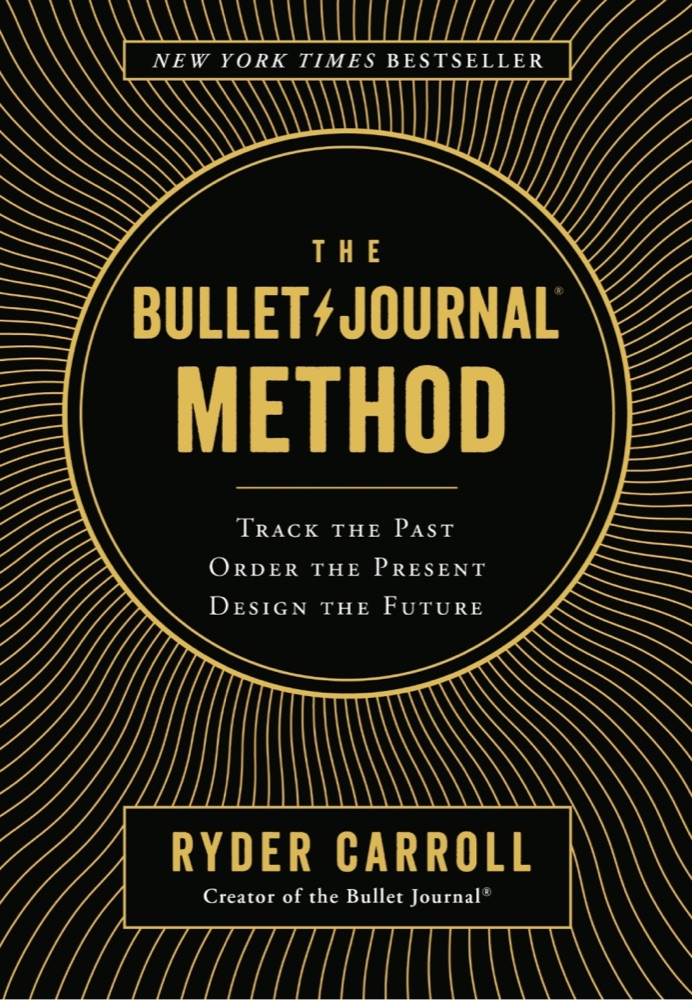 The Bullet Journal Method: Track Your Past, Order Your Present, Plan Your Future
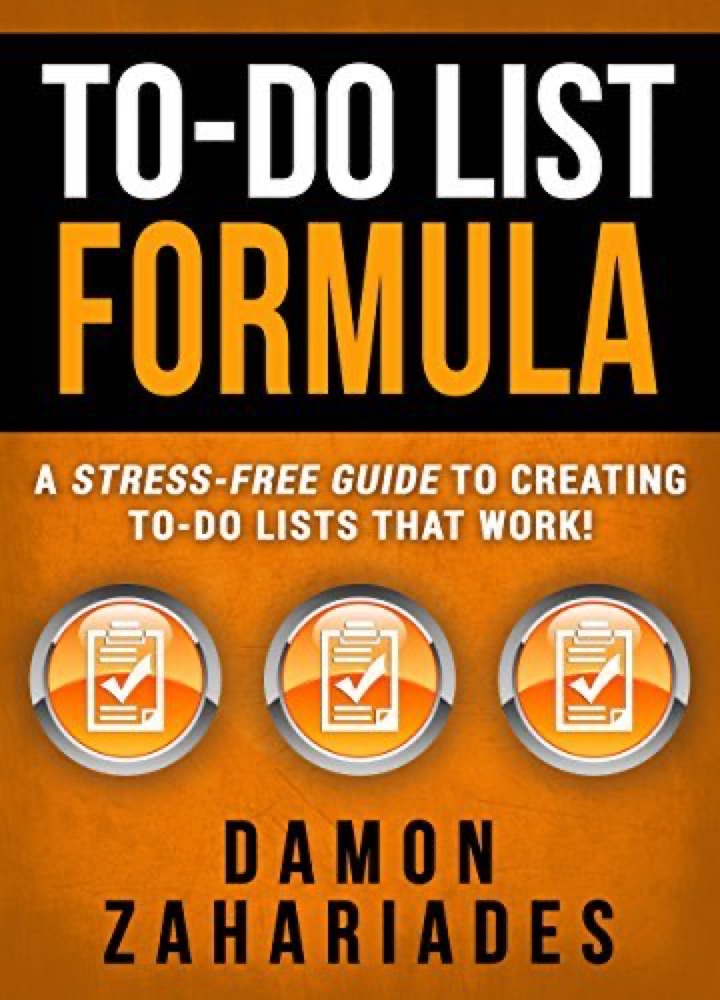 To-Do List Formula: A Stress-Free Guide To Creating To-Do Lists That Work!
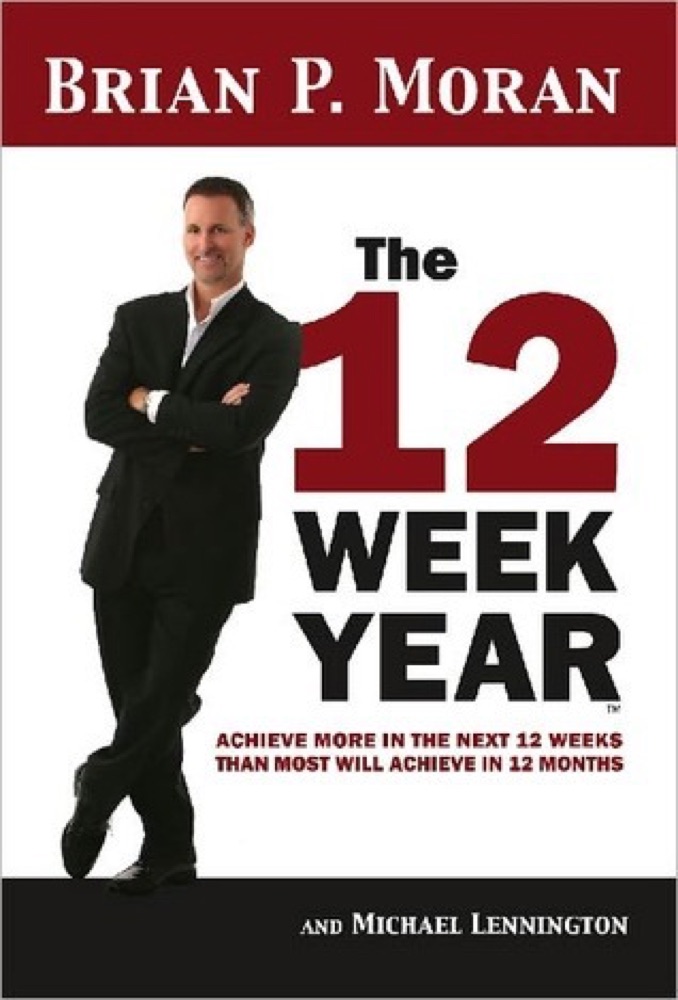 The 12 Week Year
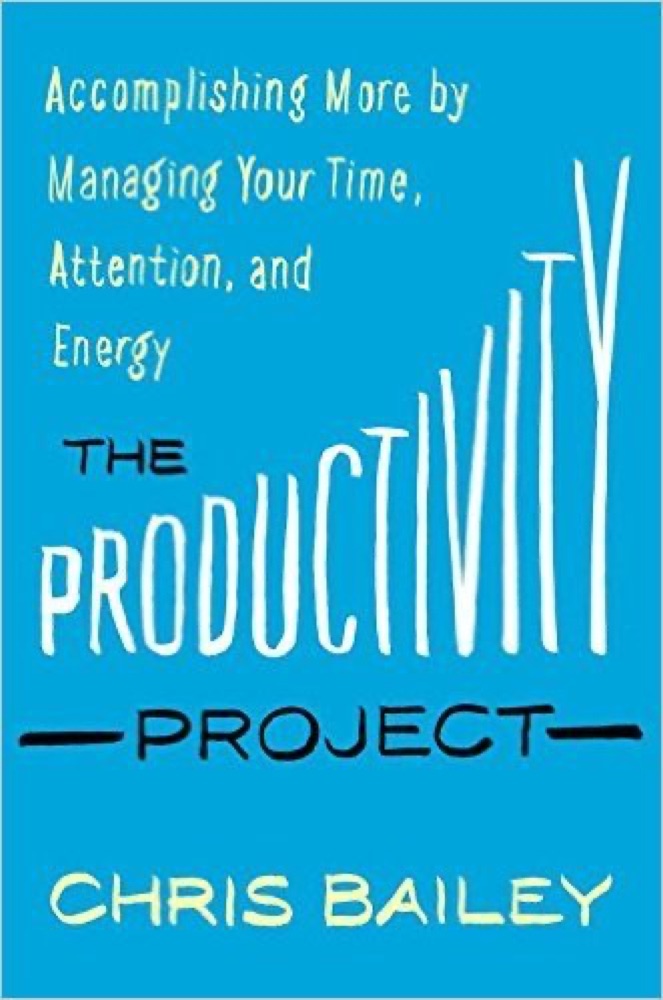 The Productivity Project: Accomplishing More by Managing Your Time, Attention, and Energy
 How Will You Measure Your Life?
 Getting There: A Book of Mentors
 Smarter Faster Better: The Secrets of Being Productive in Life and Business
 Making Ideas Happen: Overcoming the Obstacles Between Vision and Reality
 The Happiness of Pursuit: Finding the Quest That Will Bring Purpose to Your Life
 First Things First
 Slow Productivity: The Lost Art of Accomplishment Without Burnout
 Eat That Frog! 21 Great Ways to Stop Procrastinating and Get More Done in Less Time
 EntreLeadership: 20 Years of Practical Business Wisdom from the Trenches
 A Mind for Numbers: How to Excel at Math and Science
 The 7 Habits of Highly Effective People: Personal Workbook
 Make Time: How to Focus on What Matters Every Day
 How to ADHD: An Insider's Guide to Working with Your Brain
 Be Your Future Self Now: The Science of Intentional Transformation
 Rework
 Measure What Matters
 What Color Is Your Parachute? A Practical Manual for Job-Hunters and Career-Changers
 The 4-Hour Workweek
 The Pragmatic Programmer: From Journeyman to Master
 Drive: The Surprising Truth About What Motivates Us
 Principles: Life and Work
 Essentialism: The Disciplined Pursuit of Less
 How to Take Smart Notes
 High Performance Habits: How Extraordinary People Become That Way
 7 Strategies for Wealth & Happiness: Power Ideas from America's Foremost Business Philosopher
 Don't Make Me Think, Revisited: A Common Sense Approach to Web Usability
 The Compound Effect: Jumpstart Your Income, Your Life, Your Success
 Managing Humans: Biting and Humorous Tales of a Software Engineering Manager
 The Startup of You: Adapt to the Future, Invest in Yourself, and Transform Your Career
 Delivering Happiness: A Path to Profits, Passion, and Purpose
 Atomic Habits: An Easy & Proven Way to Build Good Habits & Break Bad Ones
 Free to Focus: A Total Productivity System to Achieve More by Doing Less
 Peopleware: Productive Projects and Teams
 Deep Work: Rules for Focused Success in a Distracted World
 Limitless: Upgrade Your Brain, Learn Anything Faster, and Unlock Your Exceptional Life
 The Power of Focus
 The Effective Executive: The Definitive Guide to Getting the Right Things Done
 The Practice: Shipping Creative Work
 The Success Principles: How to Get from Where You Are to Where You Want to Be
 The Lazy Genius Way: Embrace What Matters, Ditch What Doesn't, and Get Stuff Done
 The Last Lecture
 No Excuses!: The Power of Self-Discipline
 Grit: The Power of Passion and Perseverance
 Creativity, Inc.: Overcoming the Unseen Forces That Stand in the Way of True Inspiration
 Be Useful: Seven Tools for Life
 Great by Choice: Uncertainty, Chaos, and Luck—Why Some Thrive Despite Them All
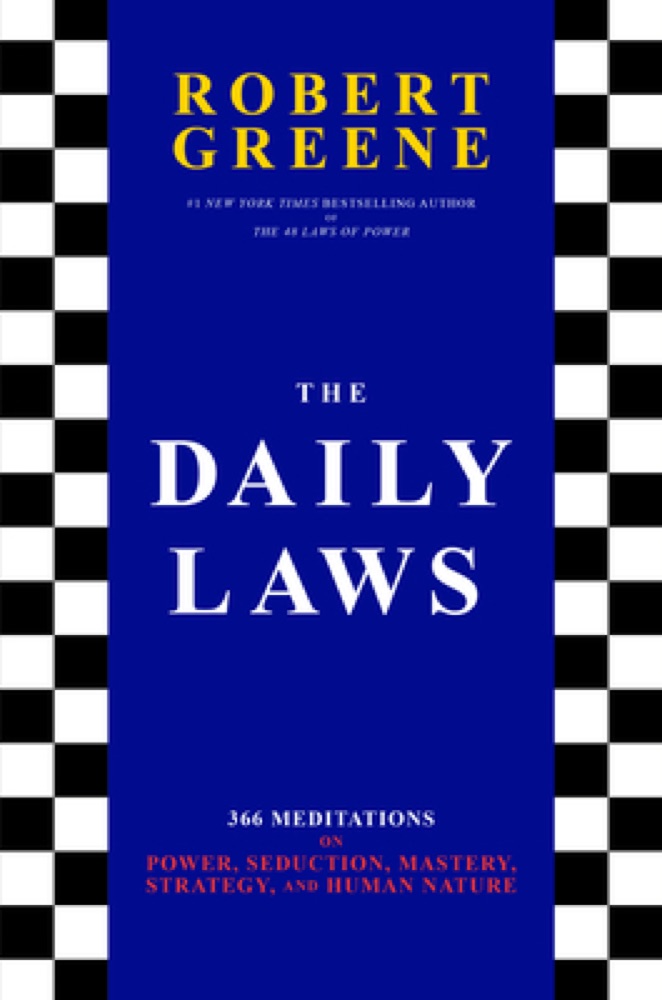 The Daily Laws: 366 Meditations
 Early Retirement Extreme: A Philosophical and Practical Guide to Financial Independence
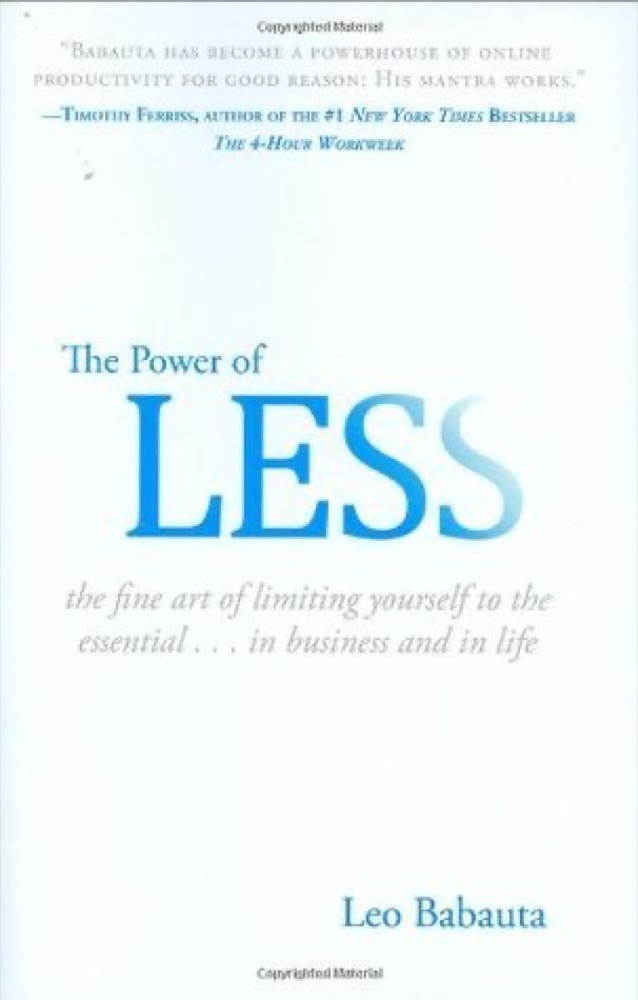 The Power Of Less: The Fine Art of Limiting Yourself to the Essential
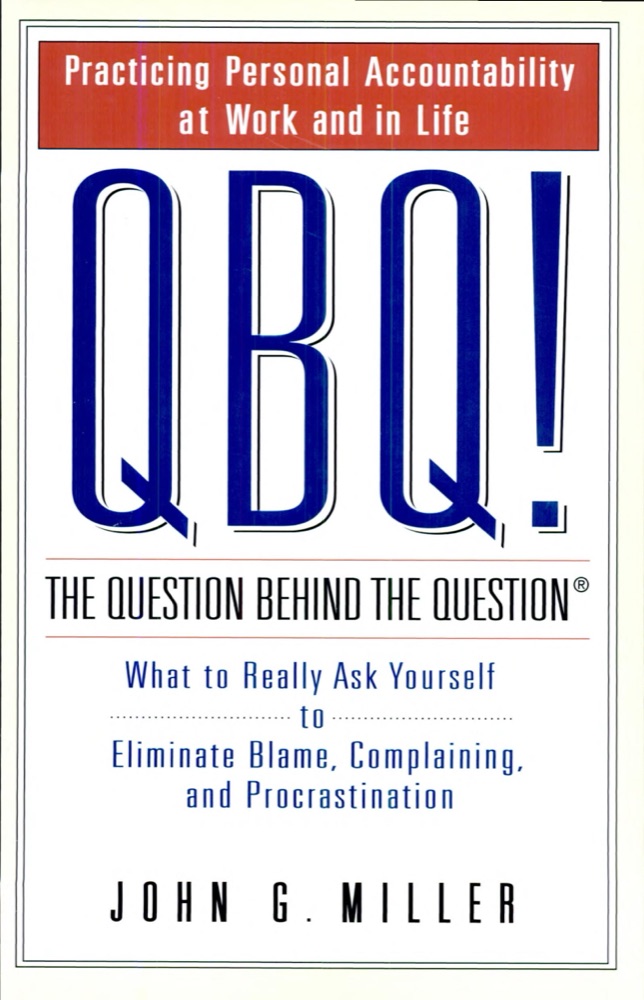 QBQ! The Question Behind the Question: Practicing Personal Accountability in Work and in Life
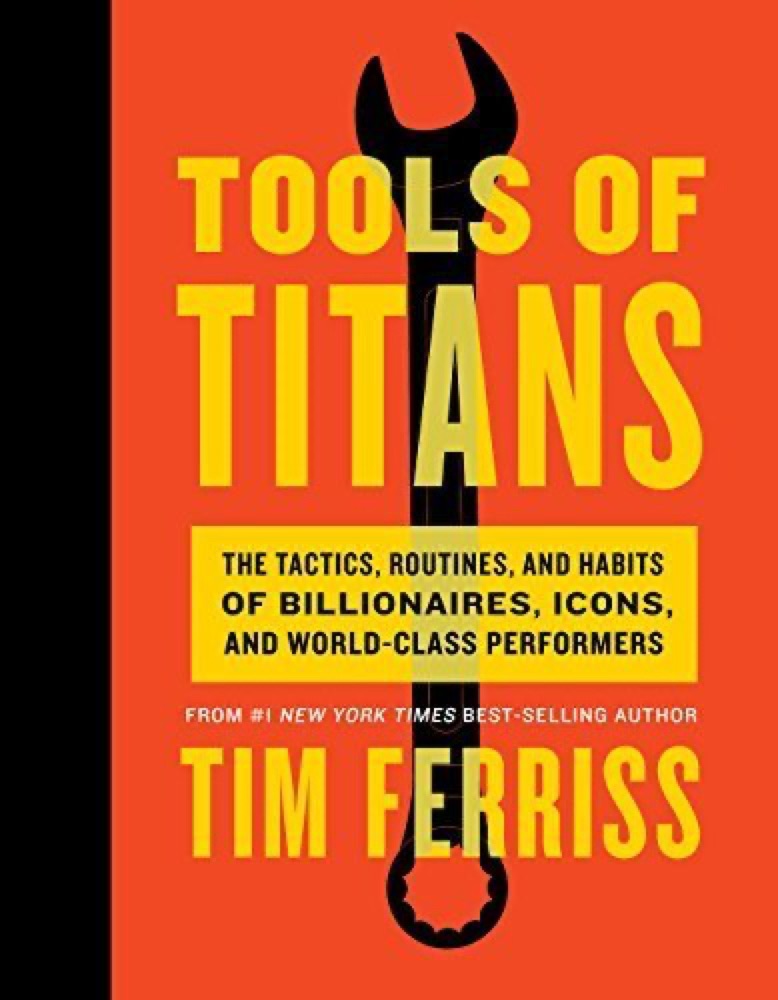 Tools of Titans: The Tactics, Routines, and Habits of Billionaires, Icons, and World-Class Performers
 Show Your Work!: 10 Ways to Share Your Creativity and Get Discovered
 Do Over: Rescue Monday, Reinvent Your Work, and Never Get Stuck