
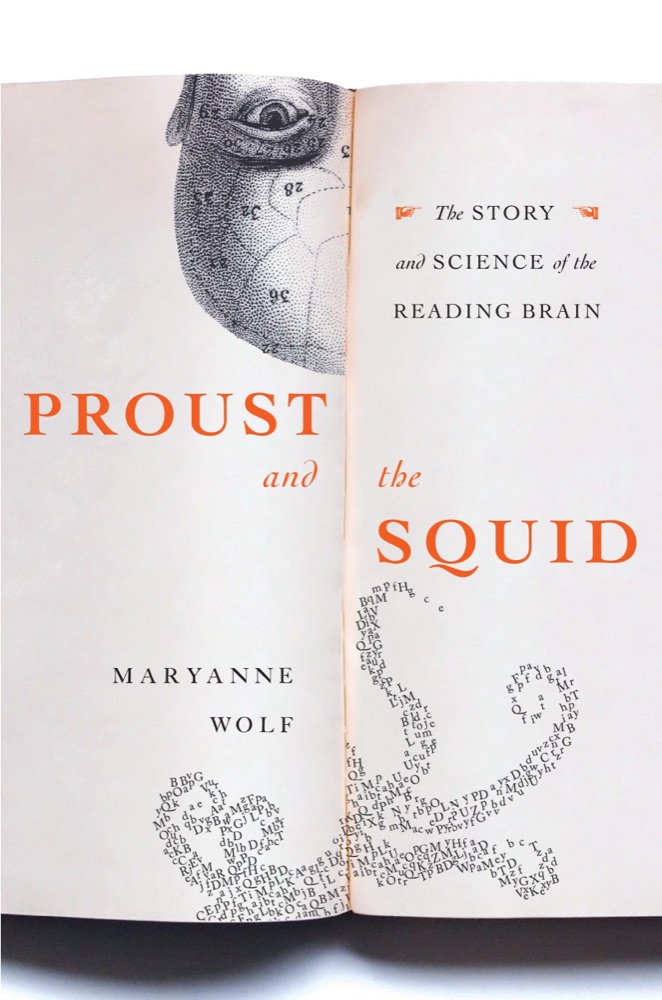
 Proust and the Squid: The Story and Science of the Reading Brain
Quotes from the Book
In childhood, he declared, the word-rich get richer and the word-poor get poorer, a phenomenon he called the “Matthew Effect”41 after a passage in the New Testament. There is also a Matthew-Emerson Effect for background knowledge: those who have read widely and well will have many resources to apply to what they read; those who do not will have less to bring, which, in turn, gives them less basis for inference, deduction, and analogical thought and makes them ripe for falling prey to unadjudicated information, whether fake news or complete fabrications. Our young will not know what they do not know. Others, too. Without sufficient background
5
I still bought many books, but more and more I read in them, rather than being whisked away by them. At some time impossible to pinpoint, I had begun to read more to be informed than to be immersed, much less to be transported.
4
There is a very simple, very beautiful Native American story I have always remembered. In this story a grandfather is telling his young grandson about life. He tells the little boy that in every person there are two wolves, who live in one's breast and who are always at war with each other. The first wolf is very aggressive and full of violence and hate toward the world. The second wolf is peaceful and full of light and love. The little boy anxiously asks his grandfather which wolf wins. The grandfather replies, "The one you feed.
4
It is still a matter of amazement to me that what we know before we read any sentence prepares us to recognize even the visual shapes of the individual words faster and to understand their meanings more rapidly and more precisely in any new context.
3
Deep reading is always about *connection*: connecting what we know to what we read, what we read to what we feel, what we feel to what we think, and how we think to how we live out our lives in a connected world.
3
Before two years of age, human interaction and physical interaction with books and print are the best entry into the world of oral and written language and internalized knowledge, the building blocks of the later reading circuit.
3
We have become so inundated with information that the average person in the United States now reads daily the same number of words as is found in many a novel. Unfortunately, this form of reading is rarely continuous, sustained, or concentrated; rather, the average 34 gigabytes consumed by most of us represent one spasmodic burst of activity after another.
2
Do you, my reader, read with less attention and perhaps even less memory for what you have read? Do you notice when reading on a screen that you are increasingly reading for key words and skimming over the rest? Has this habit or style of screen reading bled over to your reading of hard copy? Do you find yourself reading the same passage over and over to understand its meaning? Do you suspect when you write that your ability to express the crux of your thoughts is subtly slipping or diminished? Have you become so inured to quick précis of information that you no longer feel the need or possess the time for your own analyses of this information? Do you find yourself gradually avoiding denser, more complex analyses, even those that are readily available? Very important, are you less able to find the same enveloping pleasure you once derived from your former reading self? Have you, in fact, begun to suspect that you no longer have the cerebral patience to plow through a long and demanding article or book? What if, one day, you pause and wonder if you yourself are truly changing and, worst of all, do not have the time to do a thing about it?
2
…the act of reading is a special place in which human beings are freed from themselves to pass over to others and, in so doing, learn what it means to be another person with aspirations, doubts, and emotions that they might otherwise never have known.
1
Wisdom, I conclude, is not contemplation alone, 28 not action alone, but contemplation in action.—John Dunne
1
When language and thought atrophy, when complexity wanes and everything becomes more and more the same, we run great risks in society politic-- whether from extremists in a religion or a political organization or, less obviously, from advertisers.
1
The most important contribution of the invention of written language to the species is a democratic foundation for critical, inferential reasoning and reflective capacities. This is the basis of a collective conscience. If we in the twenty-first century are to preserve a vital collective conscience, we must ensure that all members of our society are able to read and think both deeply and well. We will fail as a society if we do not educate our children and reeducate all of our citizenry to the responsibility of each citizen to process information vigilantly, critically, and wisely across media. And we will fail as a society as surely as societies of the twentieth century if we do not recognize and acknowledge the capacity for reflective reasoning in those who disagree with us.
1
The Bureaus of Prisons in states across America know this well; many of them project the number of prison beds they will need in the future based on third- or fourth-grade reading statistics.
1
Just as I worry that in their overreliance on external sources of information, our young will not know what they do not know, I worry equally that we, their guides, do not realize the insidious narrowing of our own thinking, the imperceptible shortening of our attention to complex issues, the unsuspected diminishing of our ability to write, read, or think past 140 characters.
1
the powerful nature of what entering the lives of others can mean for our own lives. Drama makes more visible what each of us does when we pass over in our deepest, most immersive forms of reading. We welcome the Other as a guest within ourselves, and sometimes we become Other. For a moment in time we leave ourselves; and when we return, sometimes expanded and strengthened, we are changed both intellectually and emotionally.
1
Put in more sobering terms, only one-third of twenty-first-century American children now read with sufficient understanding and speed at the exact age when their future learning depends on it. The fourth grade represents a Maginot Line between learning to read and learning to use reading to think and learn. More disturbing altogether, close to half
1
The psychologist Howard Gardner used the MIT scholar Seymour Papert’s famous description of the child’s “grasshopper mind”6 to describe the spasmodic way our digital young now typically “hop from point to point, distracted from the original task.
1
In “Internet of Stings,” Jennifer Howard began one of the more disconcerting essays about some of these issues that came up in interviews with one of the purveyors of false news: As one master of the fake-news genre told the Washington Post55: “Honestly, people are definitely dumber. They just keep passing stuff around. Nobody fact-checks anything anymore.” Separating truth from fiction takes time, information literacy, and an open mind, all of which seem in short supply in a distracted, polarized culture. We love to share instantly—and that makes us easy to manipulate. There are many tough issues here for students, teachers, parents, and the members of our republic. How our citizens think, decide, and vote depends on their collective ability to navigate the complex realities of a digital milieu with intellects not just capable of, but accustomed to higher-level understanding and analysis. It is no longer only a matter of which medium is better for what; it is a question of how the optimal mode of thought in our children and our young adults and ourselves can be fostered in this moment of history. These are hardly new thoughts either for
1
The first is that students have become increasingly less patient with the time it takes to understand the syntactically demanding sentence structures in denser texts and increasingly averse to the effort needed to go deeper into their analysis. The second is that student writing is deteriorating. I have, to be sure, heard this criticism of undergraduates as long as I have been teaching. The question is nevertheless important for every age to confront. In our epoch, we must ask whether current students’ diminishing familiarity with conceptually demanding prose and the daily truncating of their writing on social media is affecting their writing in more negative ways than in the past.
1
The central issue is not their intelligence, nor, more than likely, even their lack of familiarity with different styles of writing. Rather, it may come back to a lack of cognitive patience with demanding critical analytic thinking and a concomitant failure to acquire the cognitive persistence, what the psychologist Angela Duckworth famously called “grit,”54 nurtured by the very genres being avoided. Just as earlier I described how a lack of background knowledge and critical analytical skills can render any reader susceptible to unadjudicated or even false information, the insufficient formation and lack of use of these complex intellectual skills can render our young people less able to read and write well and therefore less prepared for their own futures.
1
There are many things that would be lost if we slowly lose the cognitive patience to immerse ourselves in the worlds created by books and the lives and feelings of the “friends” who inhabit them.
1
That is what I want our young nascent readers to become: expert, flexible code switchers -- between print and digital mediums now and later between and among the multiple future communication mediums....I conceptualize the initial development of learning to think in each medium as largely separated into distinct domains in the first school years, until a point in time when the particular characteristics of the two mediums are each well developed and internalized. That is an essential point. I want the child to have parallel levels of fluency, if you will, in each medium, just as if he or she were similarly fluent in speaking Spanish and English. In this way the uniqueness of the cognitive processes honed by each medium would be there from the start.
1
...before most of us possess an inkling that babies could be listening to us, infants are making astonishing connections between listening to human voices and developing their language system. Think how much more can happen in those regions when parents slowly, deliberately read to their children, *just to them*, with mutually focused attention. This disarmingly simple act makes huge contributions: it provides not only the most palpable associations with reading, but also a time when parent and child are together in a timeless interaction that involves shared attention; learning about words, sentences, and concepts; and even learning what a book is. One of the most salient influences on young children's attention involves the shared gaze that occurs and develops while parents read to them. With little conscious effort children learn to focus their visual attention on what their parent or caretaker is looking at without losing an ounce of their own curiosity and exploratory behaviors. As the philosopher Charles Taylor notes, "The crucial condition for human language learning is *joint* attention," which he and others who are involved in studying the ontogenesis of language consider one of the most important features of human evolution.
1
Deep reading is always about connection: connecting what we know to what we read, what we read to what we feel, what we feel to what we think, and how we think to how we live out our lives in a connected world.
Children are a sign. They are a sign of hope, a sign of life, but also a “diagnostic” sign, a marker indicating the health of families, society, and the entire world. Wherever children are accepted, loved, cared for and protected, the family is healthy, society is more healthy and the world is more human. - Pope Francis
Aristotle wrote that the good society has three lives: the life of knowledge and productivity; the life of entertainment and the Greeks’ special relationship to leisure; and finally, the life of contemplation. So, too, the good reader.
Reading is an act of contemplation…an act of resistance in a landscape of distraction…it returns us to a reckoning with time. - David Ulin
the novelty bias that pulls our attention immediately toward anything new: “Humans will work just as hard to obtain8 a novel experience as we will to get a meal or a mate. . . . In multitasking, we unknowingly enter an addiction loop as the brain’s novelty centers become rewarded for processing shiny new stimuli, to the detriment of our prefrontal cortex, which wants to stay on task and gain the rewards of sustained effort and attention. We need to train ourselves to go for the long reward, and forgo the short one.
The nature of moral judgments depends on our capacity for paying attention—a capacity that, inevitably, has its limits, but whose limits can be stretched.
Are we as a society beginning to lose the quality of attention necessary to give time to the essential human faculties that make up and sustain deep reading? If the answer is yes, what can we do?
Watch on YouTube
About Maryanne Wolf
We have collected 52 quotes from 2 books by Maryanne Wolf on BookQuoters.
More about the author →More by Maryanne Wolf
Proust and the Squid: The Story and Science of the Reading Brain
About the book
The author of the acclaimed Proust and the Squid follows up with a lively, ambitious, and deeply informative book that considers the future of the reading brain and our capacity for critical thinking, empathy, and reflection as we become increasingly dependent on digital technologies.
A decade ago, Maryanne Wolf’s Proust and the Squid revealed what we know about how the brain learns to read and how reading changes the way we think and feel. Since then, the ways we process written language have changed dramatically with many concerned about both their own changes and that of children. New research on the reading brain chronicles these changes in the brains of children and adults as they learn to read while immersed in a digitally dominated medium.
Drawing deeply on this research, this book comprises a series of letters Wolf writes to us—her beloved readers—to describe her concerns and h
Book details
- First published
- 2018
- Author
- Maryanne Wolf
- Genre
- Nonfiction
- Goodreads rating
- 3.89 (5k ratings)
The buzz
- The Washington PostReview in The Washington Postprofessional review (via Book Marks)
- SlateReview in Slateprofessional review (via Book Marks)
- Kirkus ReviewsReview in Kirkus Reviewsprofessional review (via Book Marks)
- Publishers WeeklyReview in Publishers Weeklyprofessional review (via Book Marks)
- SfgateReview in Sfgateprofessional review (via Book Marks)
- BookverdictReview in Bookverdictprofessional review (via Book Marks)
Keep reading
Proust and the Squid: The Story and Science of the Reading Brain
 The Enchanted Hour: The Miraculous Power of Reading Aloud in the Age of Distraction – A Neuroscience Guide for Parents on Brain Development and Family Bonds
 How to Read a Book: The Classic Guide to Intelligent Reading
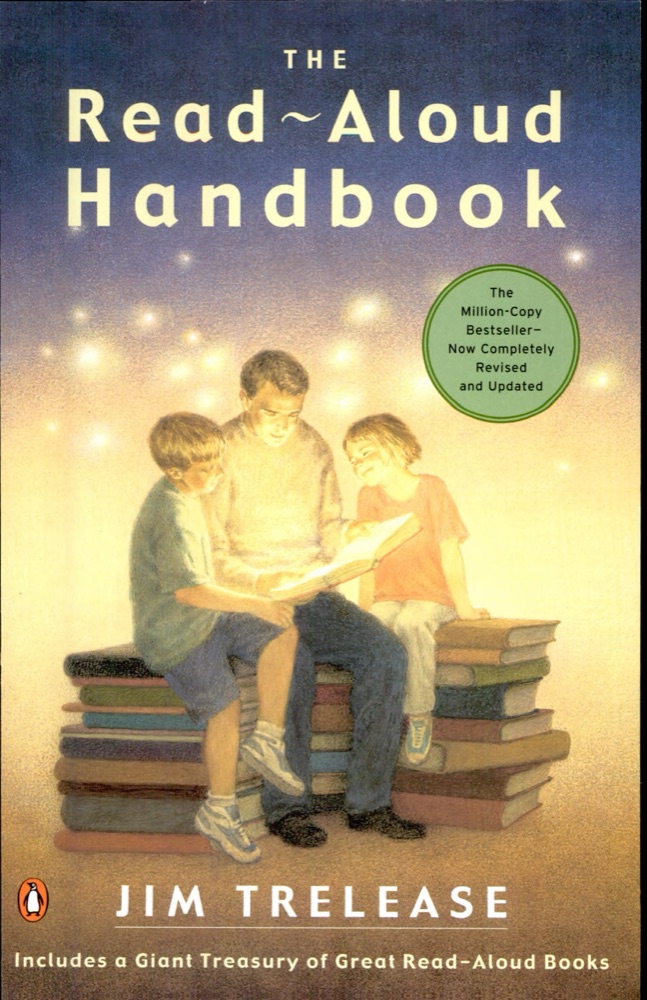 The Read-Aloud Handbook
 What We See When We Read
 Books for Living
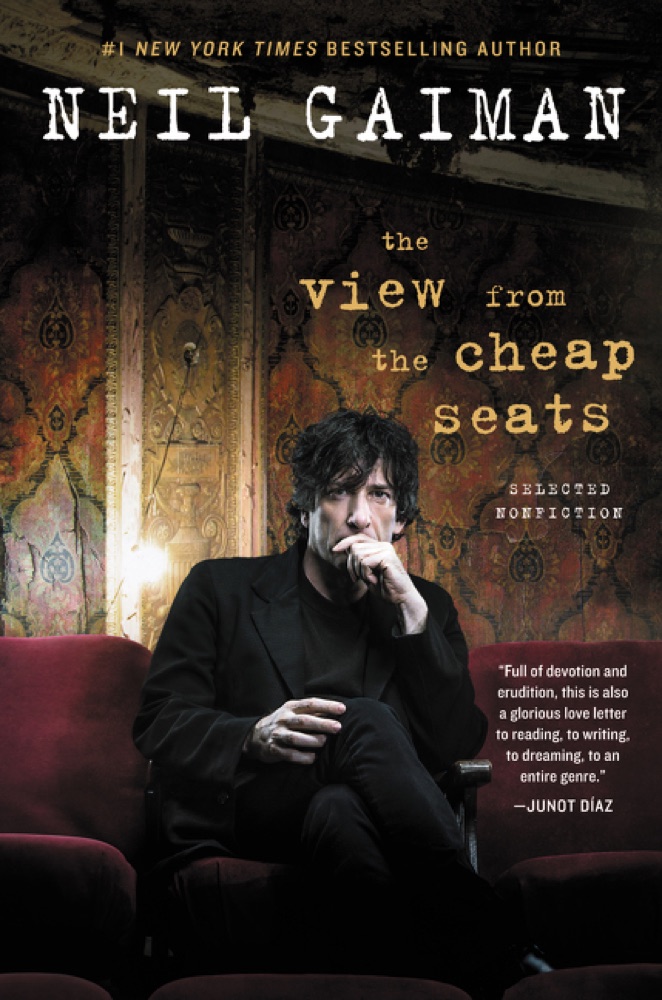 The View from the Cheap Seats: Selected Nonfiction
 The Year of Reading Dangerously
 Education of a Wandering Man: A Memoir
 The Book Whisperer: Awakening the Inner Reader in Every Child
 Honey for a Child's Heart
 The Wave in the Mind: Talks and Essays on the Writer, the Reader and the Imagination
 Stolen Focus: Why You Can't Pay Attention— and How to Think Deeply Again
 Why We Read: On Bookworms, Libraries, and Just One More Page Before Lights Out
 On Reading Well: Finding the Good Life through Great Books
 Reading Like a Writer: A Guide for People Who Love Books and for Those Who Want to Write Them
 How to Read Now
 The Medium is the Massage
 An Experiment in Criticism
 How Reading Changed My Life
 The Social Animal: The Hidden Sources of Love, Character, and Achievement
 The Vanishing American Adult: Our Coming-of-Age Crisis—and How to Rebuild a Culture of Self-Reliance
 Psych: The Story of the Human Mind
 The Master and His Emissary: The Divided Brain and the Making of the Western World
 Lectures on Literature
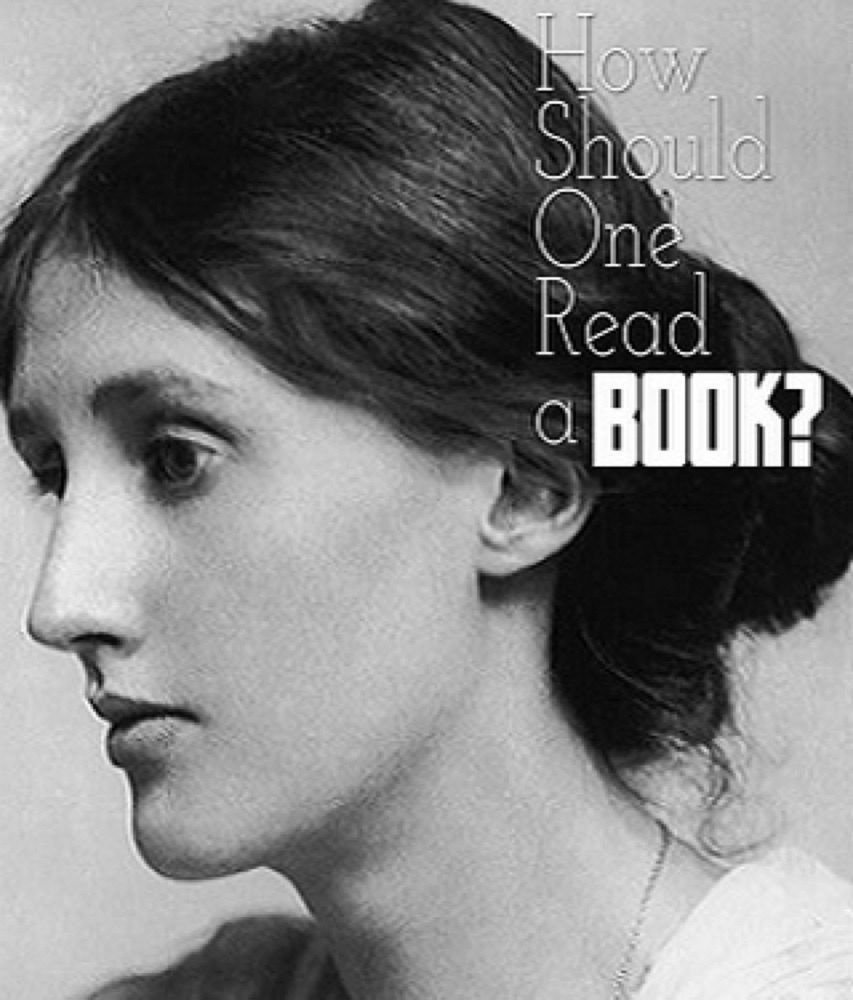 How Should One Read a Book?
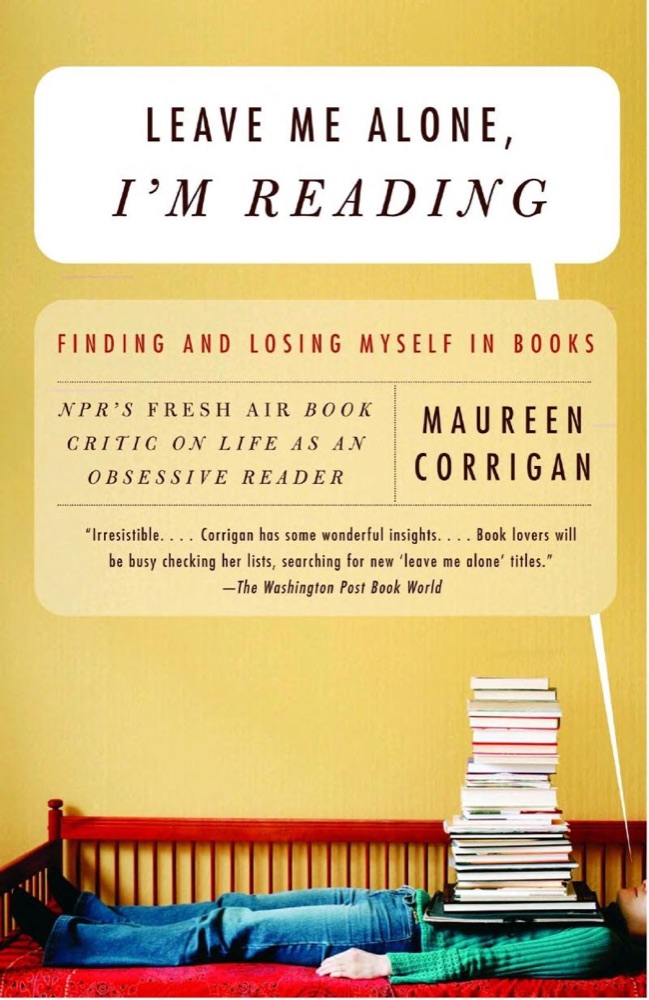 Leave Me Alone, I'm Reading: Finding and Losing Myself in Books
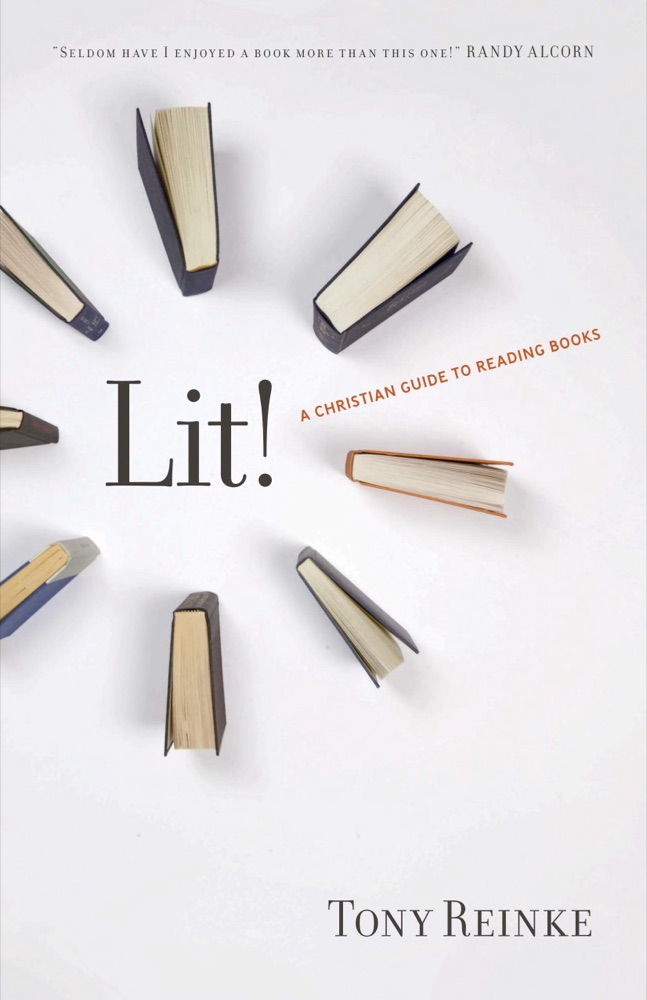 Lit!: A Christian Guide to Reading Books
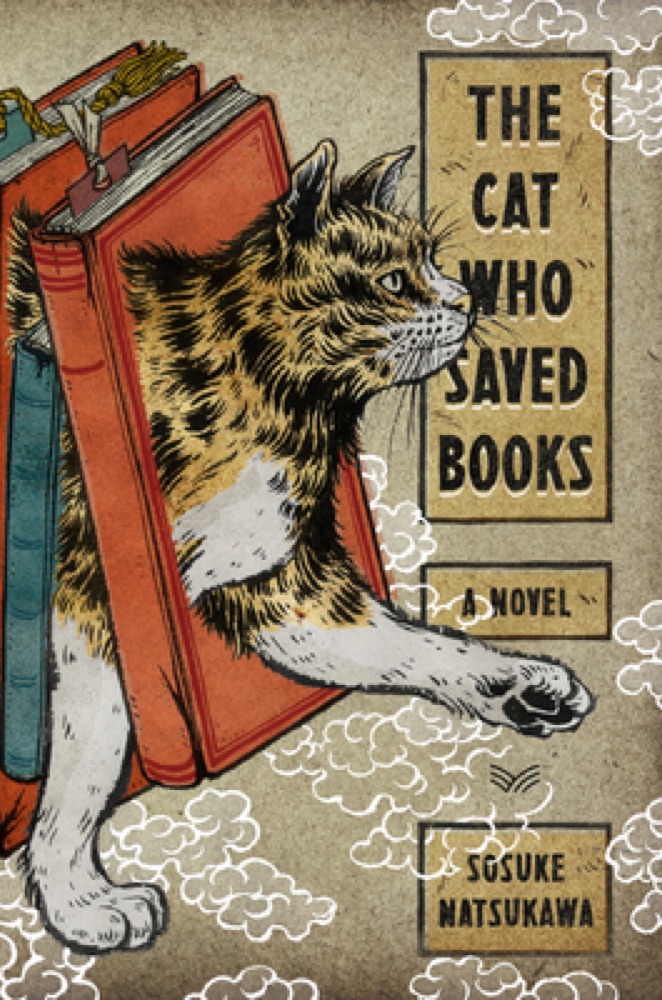 The Cat Who Saved Books
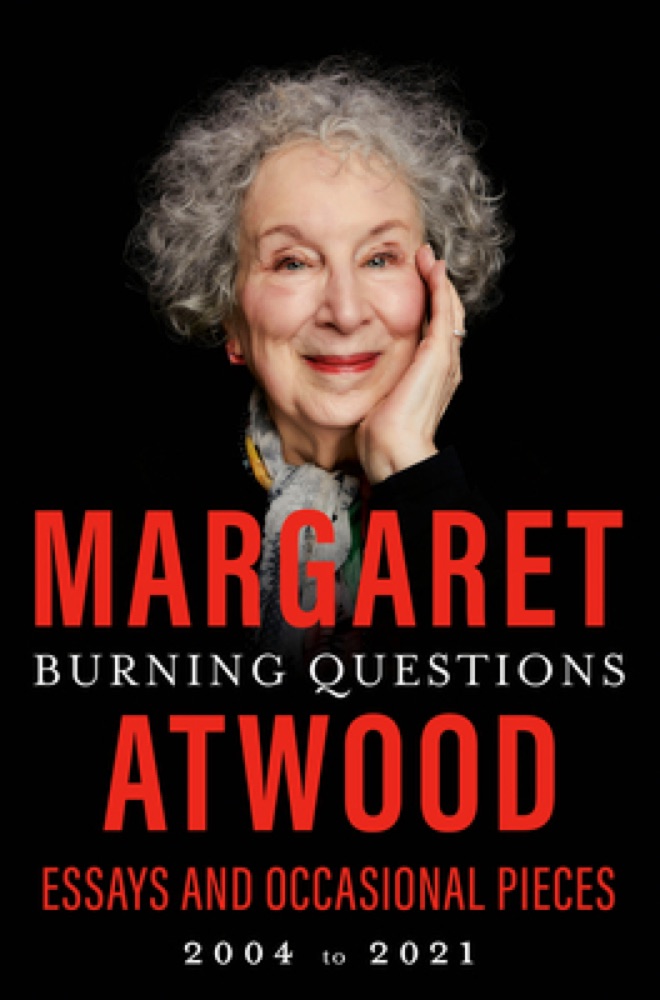 Burning Questions: Essays and Occasional Pieces, 2004 to 2021
 The Sense of Style: The Thinking Person's Guide to Writing in the 21st Century
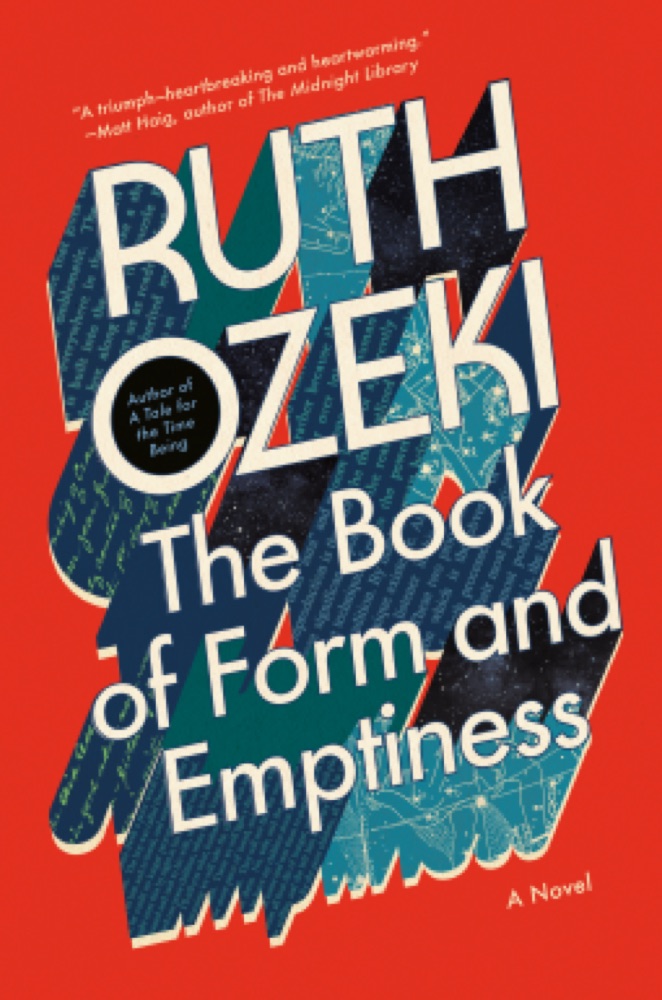 The Book of Form and Emptiness
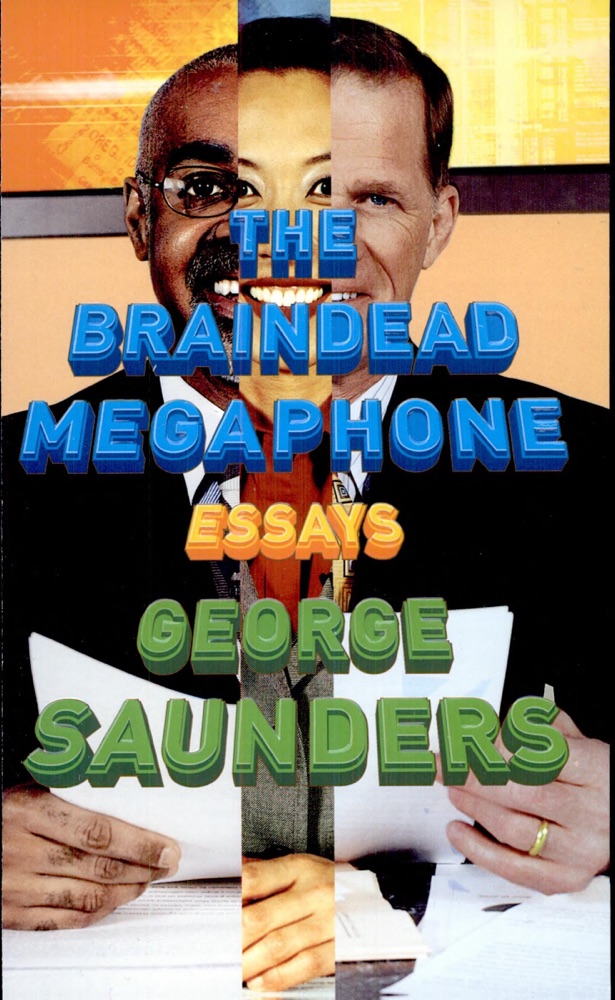 The Braindead Megaphone
 The Organized Mind: Thinking Straight in the Age of Information Overload
 Understanding Media: The Extensions of Man
 The Word Exchange
 How to Read Literature Like a Professor
 Checkout 19
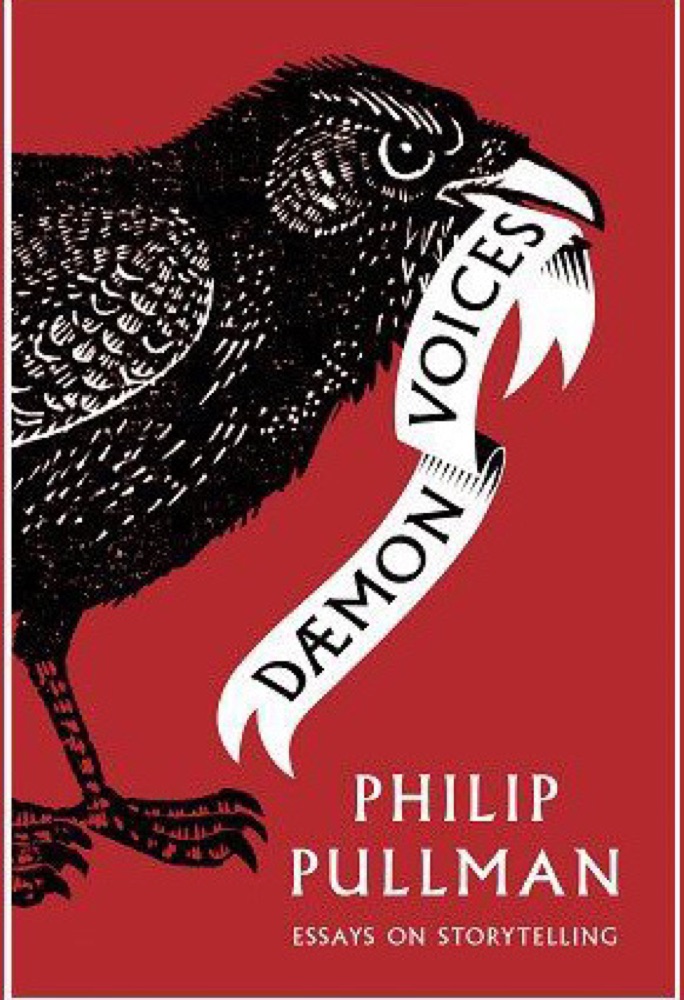 Dæmon Voices
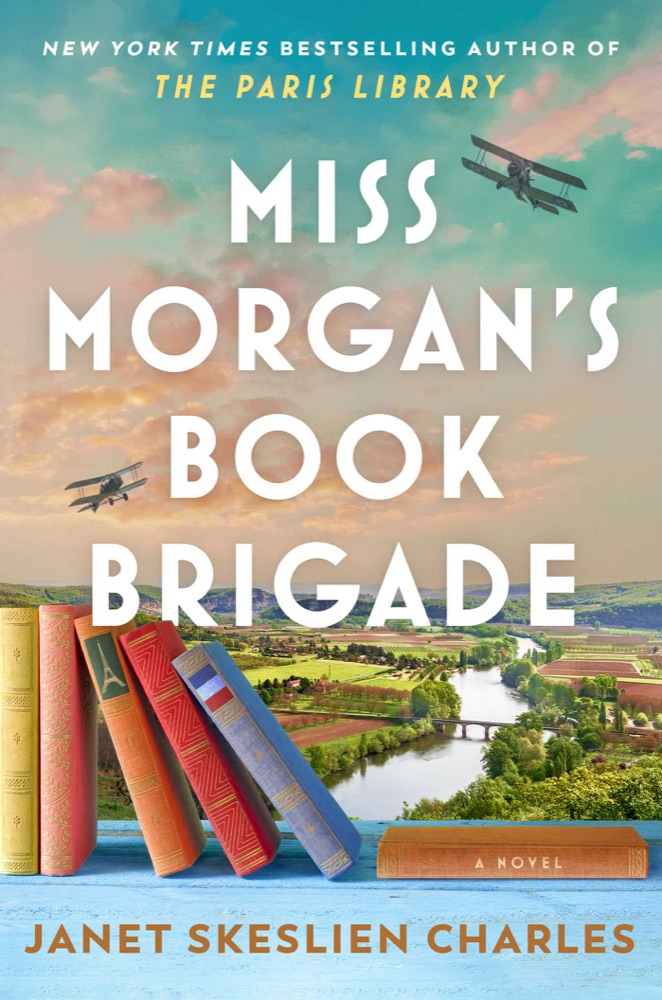 Miss Morgan's Book Brigade
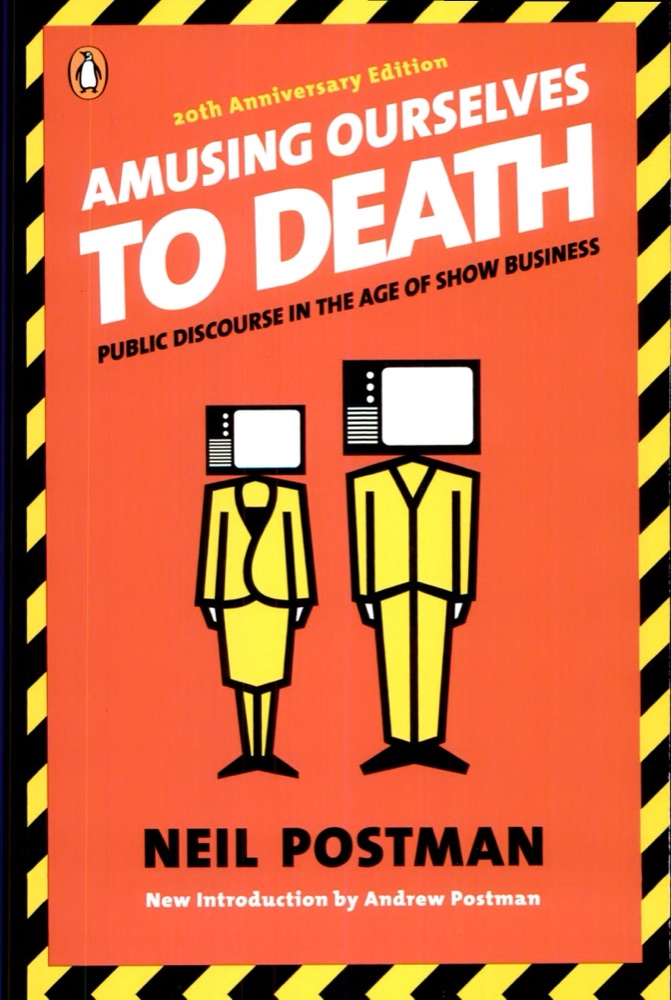 Amusing Ourselves to Death: Public Discourse in the Age of Show Business
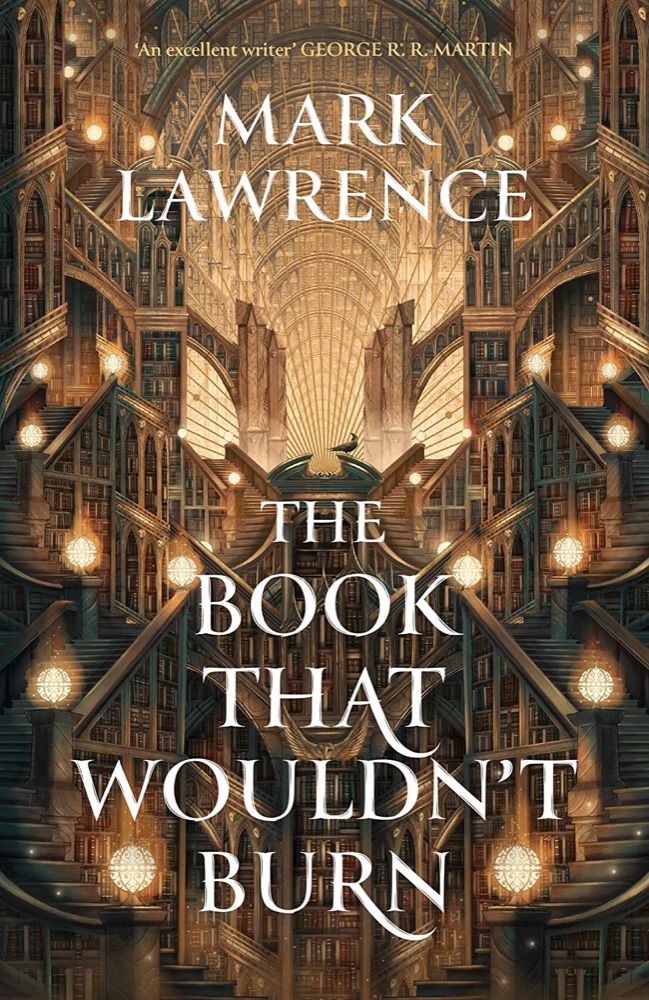 The Book That Wouldn’t Burn
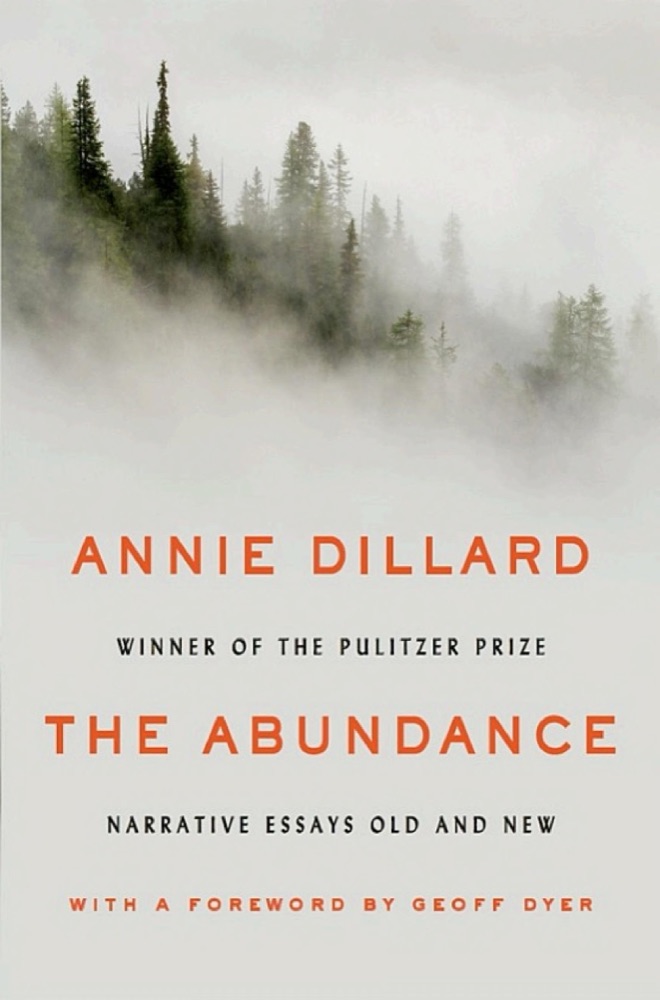 The Abundance
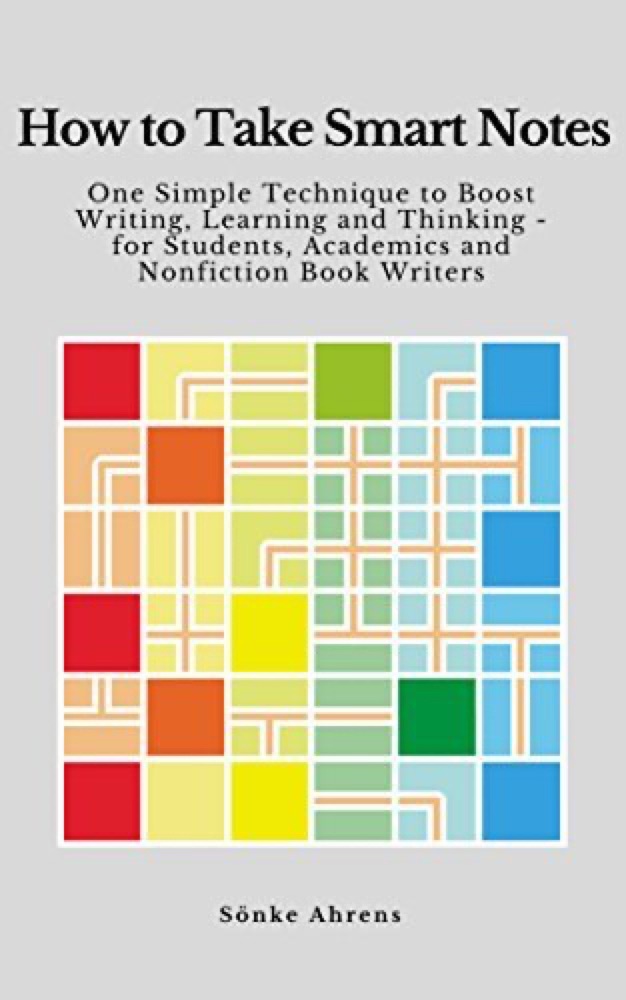 How to Take Smart Notes
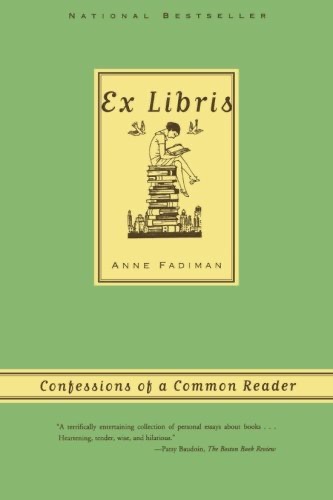 Ex Libris: Confessions of a Common Reader
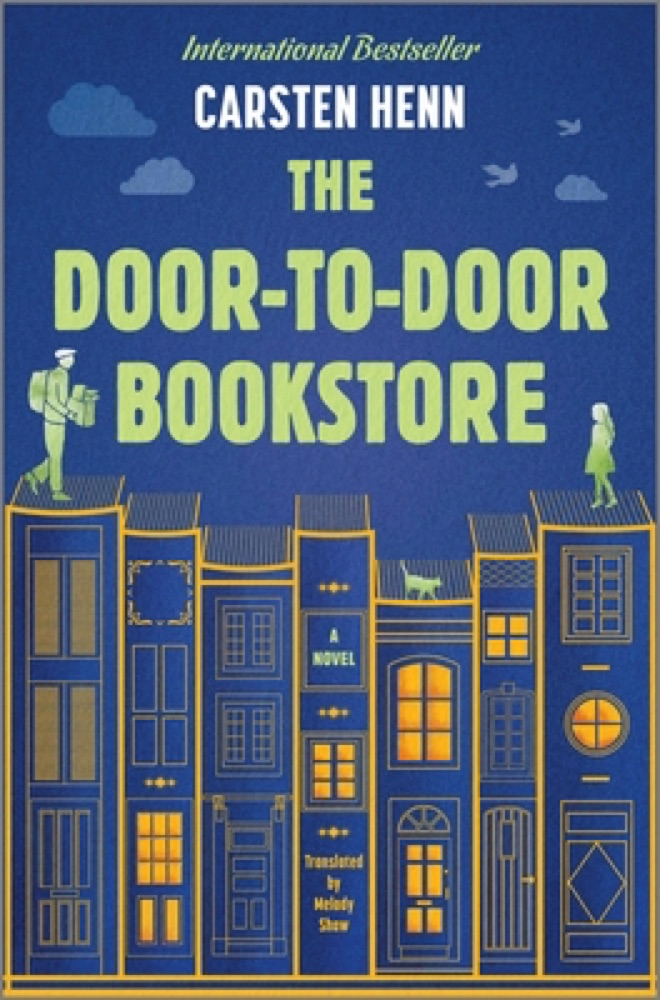 The Door-to-Door Bookstore
 How We Learn: Why Brains Learn Better Than Any Machine . . . for Now
 How to Be Alone
 The Writing Life
 How to Read Literature
 Madness, Rack, and Honey: Collected Lectures
 Judging a Book by Its Lover: A Field Guide to the Hearts and Minds of Readers Everywhere
 The Attention Merchants: The Epic Scramble to Get Inside Our Heads
 The Element: How Finding Your Passion Changes Everything
 Moonwalking with Einstein: The Art and Science of Remembering Everything
 The Language of the Night: Essays on Writing, Science Fiction, and Fantasy
 The Information: A History, a Theory, a Flood
 Reality Hunger: A Manifesto
 Poison for Breakfast
 The Lost Tools of Learning