 Learning How to Learn: How to Succeed in School Without Spending All Your Time Studying; A Guide for Kids and Teens
Quotes from the Book
Trying to solve a problem before being taught the solution leads to better learning, even when errors are made in the attempt.
33
Practice that’s spaced out, interleaved with other learning, and varied produces better mastery, longer retention, and more versatility. But these benefits come at a price: when practice is spaced, interleaved, and varied, it requires more effort. You feel the increased effort, but not the benefits the effort produces. Learning feels slower from this kind of practice, and you don’t get the rapid improvements and affirmations you’re accustomed to seeing from massed practice.
27
It’s not just what you know, but how you practice what you know that determines how well the learning serves you later.
16
Many teachers believe that if they can make learning easier and faster, the learning will be better. Much research turns this belief on its head: when learning is harder, it’s stronger and lasts longer. It’s widely believed by teachers, trainers, and coaches that the most effective way to master a new skill is to give it dogged, single-minded focus, practicing over and over until you’ve got it down. Our faith in this runs deep, because most of us see fast gains during the learning phase of massed practice. What’s apparent from the research is that gains achieved during massed practice are transitory and melt away quickly.
15
Rereading has three strikes against it. It is time consuming. It doesn’t result in durable memory. And it often involves a kind of unwitting self-deception, as growing familiarity with the text comes to feel like mastery of the content. The hours immersed in rereading can seem like due diligence, but the amount of study time is no measure of mastery.
14
Learning is deeper and more durable when it’s effortful. Learning that’s easy is like writing in sand, here today and gone tomorrow.
12
Retrieval practice—recalling facts or concepts or events from memory—is a more effective learning strategy than review by rereading. Flashcards are a simple example. Retrieval strengthens the memory and interrupts forgetting. A single, simple quiz after reading a text or hearing a lecture produces better learning and remembering than rereading the text or reviewing lecture notes.
12
One of the most striking research findings is the power of active retrieval—testing—to strengthen memory, and that the more effortful the retrieval, the stronger the benefit.
10
Third, learning is an acquired skill, and the most effective strategies are often counterintuitive.
9
The act of retrieving learning from memory has two profound benefits. One, it tells you what you know and don’t know, and therefore where to focus further study to improve the areas where you’re weak. Two, recalling what you have learned causes your brain to reconsolidate the memory, which strengthens its connections to what you already know and makes it easier for you to recall in the future.
8
It’s not the failure that’s desirable, it’s the dauntless effort despite the risks, the discovery of what works and what doesn’t that sometimes only failure can reveal.
7
One of the best habits a learner can instill in herself is regular self-quizzing to recalibrate her understanding of what she does and does not know.
7
Notwithstanding the pitfalls of standardized testing, what we really ought to ask is how to do better at building knowledge and creativity, for without knowledge you don’t have the foundation for the higher-level skills of analysis, synthesis, and creative problem solving. As the psychologist Robert Sternberg and two colleagues put it, “one cannot apply what one knows in a practical manner if one does not know anything to apply.
6
People who learn to extract the key ideas from new material and organize them into a mental model and connect that model to prior knowledge show an advantage in learning complex mastery. A mental model is a mental representation of some external reality.
6
The process of learning something often starts out feeling disorganized and unwieldy; the most important aspects are not always salient. Consolidation helps organize and solidify learning
6
The more you can explain about the way your new learning relates to your prior knowledge, the stronger your grasp of the new learning will be, and the more connections you create that will help you remember it later.
5
Durable, robust learning requires that we do two things. First, as we recode and consolidate new material from short-term memory into long-term memory, we must anchor it there securely. Second, we must associate the material with a diverse set of cues that will make us adept at recalling the knowledge later. Having effective retrieval cues is an aspect of learning that often goes overlooked. The task is more than committing knowledge to memory. Being able to retrieve it when we need it is just as important.
5
Pitting the learning of basic knowledge against the development of creative thinking is a false choice. Both need to be cultivated. The stronger one’s knowledge about the subject at hand, the more nuanced one’s creativity can be in addressing a new problem. Just as knowledge amounts to little without the exercise of ingenuity and imagination, creativity absent a sturdy foundation of knowledge builds a shaky house.
5
Learning is stronger when it matters, when the abstract is made concrete and personal.
5
How ably you can explain a text is an excellent cue for judging comprehension, because you must recall the salient points from memory, put them into your own words, and explain why they are significant—how they relate to the larger subject.
4
In testing, being required to supply an answer rather than select from multiple choice options often provides stronger learning benefits. Having to write a short essay makes them stronger still. Overcoming these mild difficulties is a form of active learning, where students engage in higher-order thinking tasks rather than passively receiving knowledge conferred by others.
4
When you space out practice at a task and get a little rusty between sessions, or you interleave the practice of two or more subjects, retrieval is harder and feels less productive, but the effort produces longer lasting learning and enables more versatile application of it in later settings.
4
We are poor judges of when we are learning well and when we’re not. When the going is harder and slower and it doesn’t feel productive, we are drawn to strategies that feel more fruitful, unaware that the gains from these strategies are often temporary.
3
Knowledge is more durable if it’s deeply entrenched, meaning that you have firmly and thoroughly comprehended a concept, it has practical importance or keen emotional weight in your life, and it is connected with other knowledge that you hold in memory.
3
It’s thought that this heightened sensitivity to similarities and differences during interleaved practice leads to the encoding of more complex and nuanced representations of the study material—a better understanding of how specimens or types of problems are distinctive and why they call for a different interpretation or solution.
3
Spaced and interleaved exposure characterizes most of humans’ normal experience.
3
In another surprise, when letters are omitted from words in a text, requiring the reader to supply them, reading is slowed, and retention improves.
3
Making mistakes and correcting them builds the bridges to advanced learning.
3
Memorization comes from repeated recall, not repeated exposure.
2
We gravitate to the narratives that best explain our emotions. In this way, narrative and memory become one. The memories we organize meaningfully become those that are better remembered. Narrative provides not only meaning but also a mental framework for imbuing future experiences and information with meaning, in effect shaping new memories to fit our established constructs of the world and ourselves.
2
Watch on YouTube
About Peter C. Brown
About the book
To most of us, learning something “the hard way” implies wasted time and effort. Good teaching, we believe, should be creatively tailored to the different learning styles of students and should use strategies that make learning easier. Make It Stick turns fashionable ideas like these on their head. Drawing on recent discoveries in cognitive psychology and other disciplines, the authors offer concrete techniques for becoming more productive learners.
Memory plays a central role in our ability to carry out complex cognitive tasks, such as applying knowledge to problems never before encountered and drawing inferences from facts already known. New insights into how memory is encoded, consolidated, and later retrieved have led to a better understanding of how we learn. Grappling with the impediments that make learning challenging leads both to more complex mastery and better retention of w
Book details
- First published
- 2014
- Author
- Peter C. Brown
- Genre
- Nonfiction
- Goodreads rating
- 4.15 (23k ratings)
Keep reading
Learning How to Learn: How to Succeed in School Without Spending All Your Time Studying; A Guide for Kids and Teens
 A Mind for Numbers: How to Excel at Math and Science
 Peak: Secrets from the New Science of Expertise
 How We Learn: Why Brains Learn Better Than Any Machine . . . for Now
 Moonwalking with Einstein: The Art and Science of Remembering Everything
 How to Take Smart Notes
 Range: Why Generalists Triumph in a Specialized World
 Smarter Faster Better: The Secrets of Being Productive in Life and Business
 Mastermind: How to Think Like Sherlock Holmes
 Smart Thinking: Three Essential Keys to Solve Problems, Innovate, and Get Things Done
 The Core
 Mastery
 Limitless: Upgrade Your Brain, Learn Anything Faster, and Unlock Your Exceptional Life
 The Brain That Changes Itself: Stories of Personal Triumph from the Frontiers of Brain Science
 Black Box Thinking: Why Some People Never Learn from Their Mistakes - But Some Do
 Made to Stick: Why Some Ideas Survive and Others Die
 Deep Work: Rules for Focused Success in a Distracted World
 The Element: How Finding Your Passion Changes Everything
 Fluent Forever: How to Learn Any Language Fast and Never Forget It
 The Read-Aloud Handbook
 Hyperfocus: How to Be More Productive in a World of Distraction
 The Inner Game of Tennis: The Classic Guide to the Mental Side of Peak Performance
 Mindset: The New Psychology of Success
 Imagine: How Creativity Works
 The Organized Mind: Thinking Straight in the Age of Information Overload
 Peak Performance: Elevate Your Game, Avoid Burnout, and Thrive with the New Science of Success
 Beginners: The Joy and Transformative Power of Lifelong Learning
 Thinking, Fast and Slow
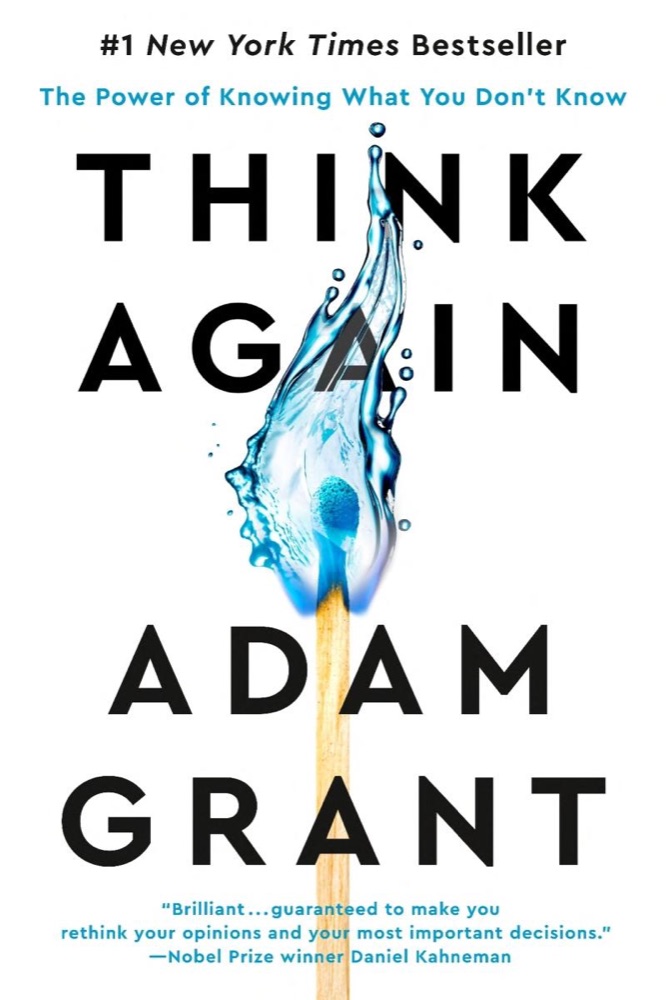 Think Again: The Power of Knowing What You Don't Know
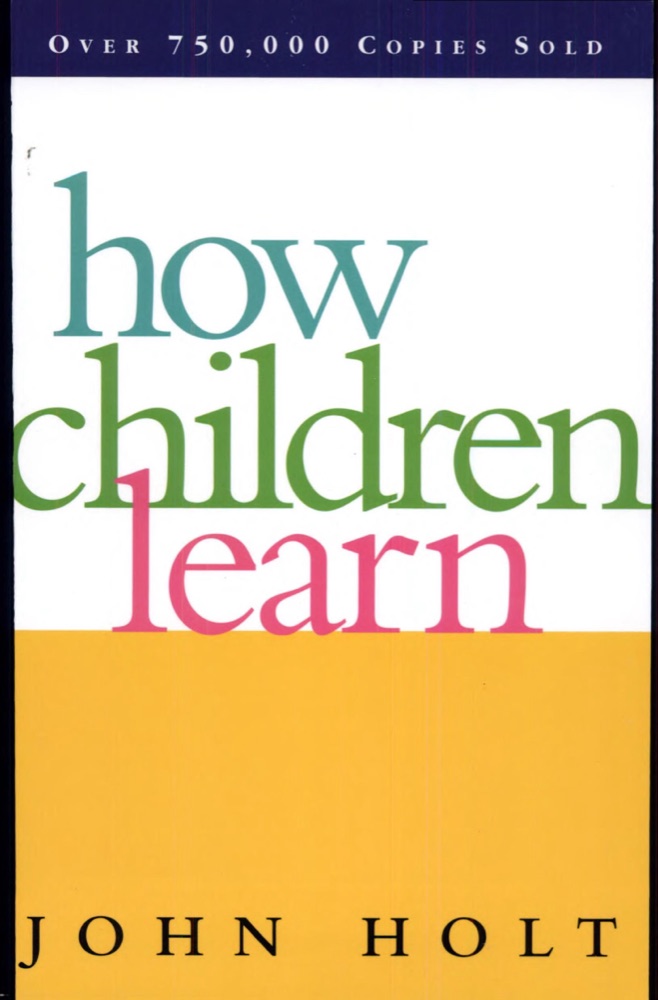 How Children Learn
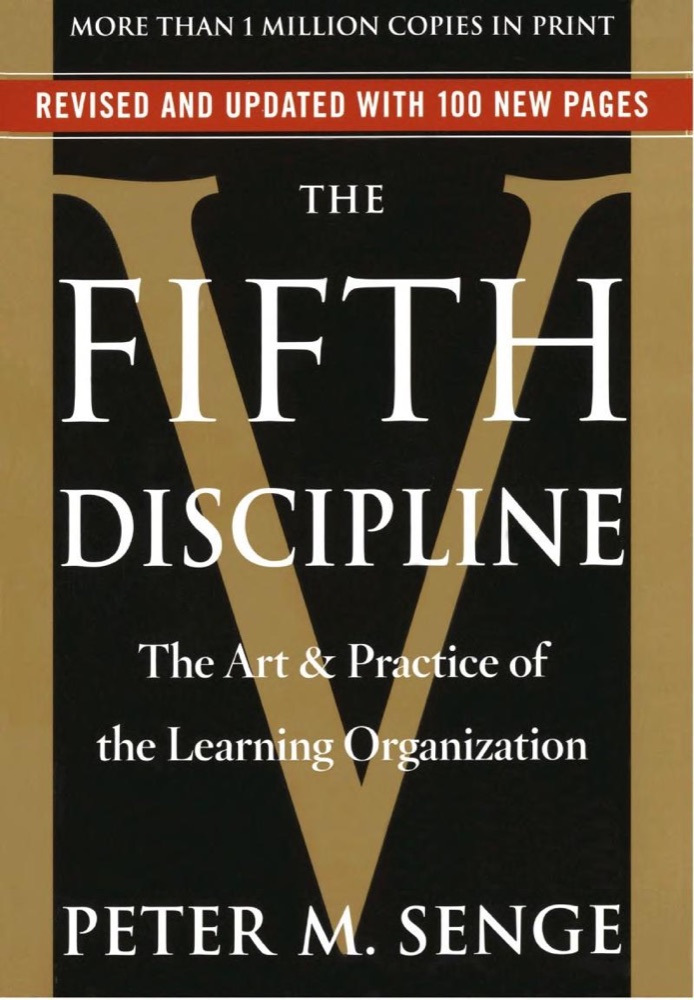 The Fifth Discipline: The Art & Practice of The Learning Organization
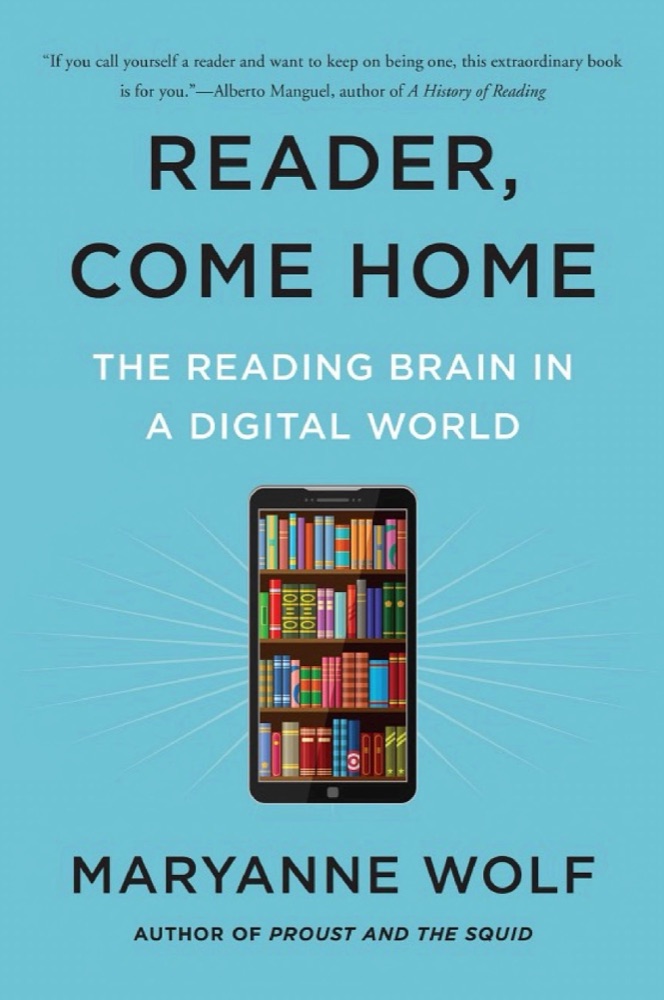 Reader, Come Home: The Reading Brain in a Digital World
 Remember: The Science of Memory and the Art of Forgetting
 Talent is Overrated: What Really Separates World-Class Performers from Everybody Else
 How to ADHD: An Insider's Guide to Working with Your Brain
 How to Read a Book: The Classic Guide to Intelligent Reading
 The Social Animal: The Hidden Sources of Love, Character, and Achievement
 Blink: The Power of Thinking Without Thinking
 Emotional Design: Why We Love (or Hate) Everyday Things
 The New Drawing on the Right Side of the Brain
 Creative Schools: The Grassroots Revolution That's Transforming Education
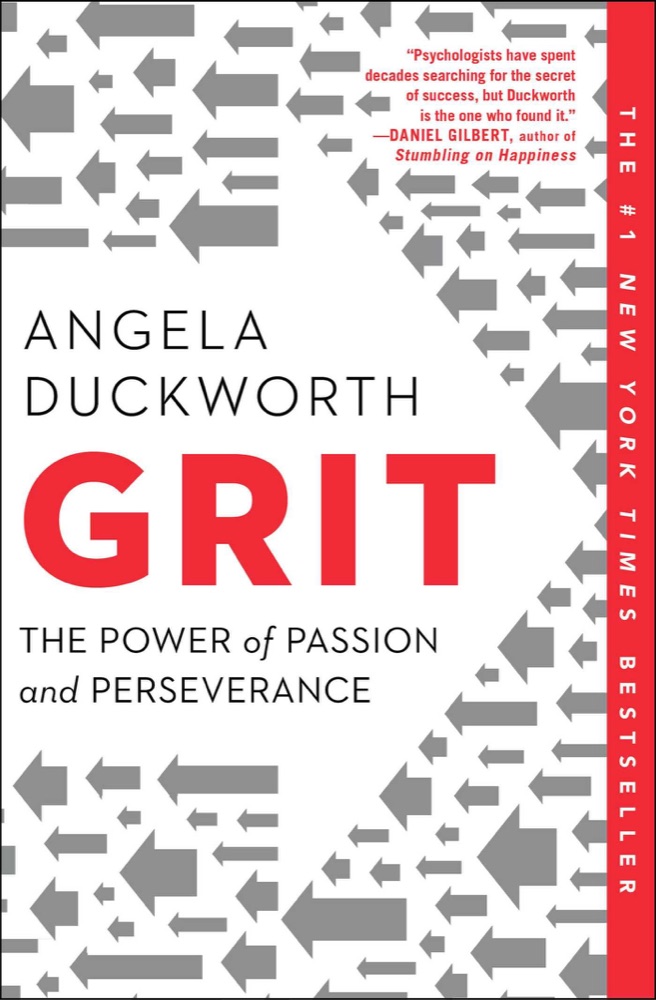 Grit: The Power of Passion and Perseverance
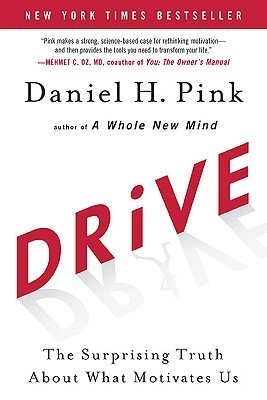 Drive: The Surprising Truth About What Motivates Us
 Experience and Education
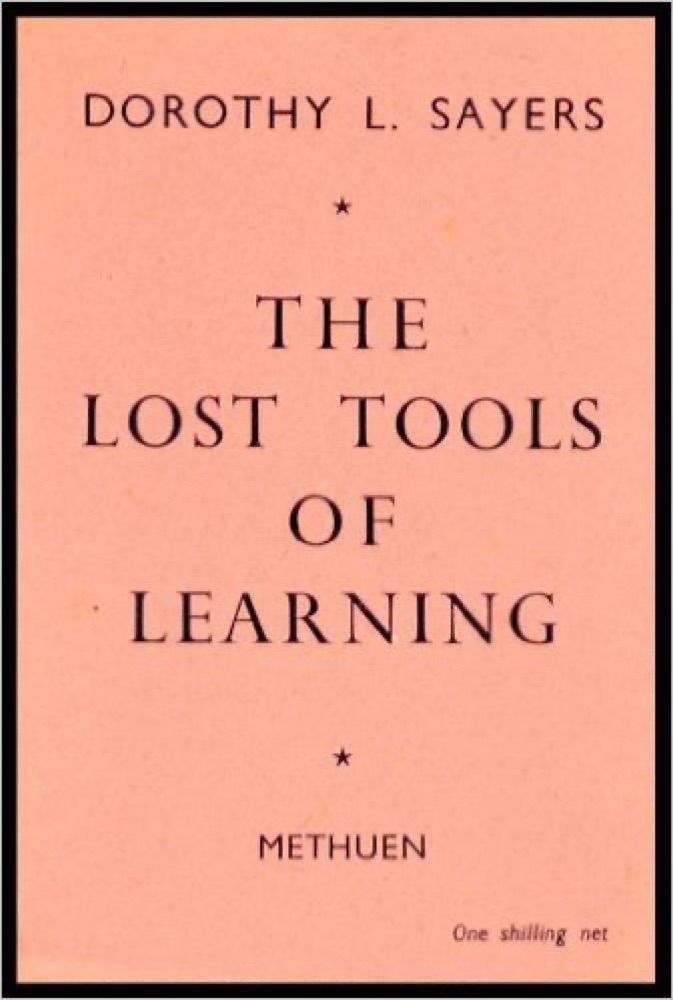 The Lost Tools of Learning
 A Technique for Producing Ideas
 Curious: The Desire to Know and Why Your Future Depends On It
 Antifragile: Things That Gain from Disorder
 Right Kind of Wrong: The Science of Failing Well
 Proust and the Squid: The Story and Science of the Reading Brain
 The Future of the Mind: The Scientific Quest to Understand, Enhance, and Empower the Mind
 The Bullet Journal Method: Track Your Past, Order Your Present, Plan Your Future
 Successful Aging: A Neuroscientist Explores the Power and Potential of Our Lives
 Flow: The Psychology of Optimal Experience
 Smartcuts: How Hackers, Innovators, and Icons Accelerate Success
 Algorithms to Live By: The Computer Science of Human Decisions
 The Art of Creative Thinking
 The Sense of Style: The Thinking Person's Guide to Writing in the 21st Century