

 Ikigai: The Japanese Secret to a Long and Happy Life
Quotes from the Book
Who needs me?” is a question of character which suffers a radical challenge in modern capitalism. The system radiates indifference. It does so in terms of the outcomes of human striving, as in winner-take-all markets, where there is little connection between risk and reward. It radiates indifference in the organization of absence and trust, where there is no reason to be needed. And it does so through reengineering of institutions in which people are treated as disposable. Such practices obviously and brutally diminish the sense of mattering as a person, of being necessary to others. It could be said that capitalism was always thus. But not in the same way. The indifference of the old class-bound capitalism was starkly material; the indifference which radiates out of flexible capitalism is more personal because the system itself is less starkly etched, less legible in form.
5
Time was minutely calculated everywhere in the vast plant so that top managers knew precisely what everyone was supposed to be doing at a given moment. Bell was struck, for instance, by how General Motors “divides the hour into ten six-minute periods…the worker is paid by the numbers of tenths of an hour he works.”27 This minute engineering of work time was connected to very long measures of time in the corporation as well. Seniority pay was finely tuned to the total number of hours a man or woman had worked for General Motors; a laborer could minutely calculate benefits of vacation time and sick leave. The micrometrics of time governed the lower echelons of white-collar offices as well as manual labor on the assembly line, in terms of promotion and benefits.
2
At the end of the fifteenth century, the poet Thomas Hoccleve declared in The Regiment of Princes, “Allas, wher ys this worldes stabylnesse?”—a lament that appears equally in Homer or in Jeremiah in the Old Testament. Through most of human history, people have accepted the fact that their lives will shift suddenly due to wars, famines, or other disasters, and that they will have to improvise in order to survive. Our parents and grandparents were filled with anxiety in 1940, having endured the wreckage of the Great Depression and facing the looming prospect of a world war.
2
The top managers are defensive about these departures; they point to how safe, attractive, and up-to-date the workplace is. Rodney Everts is less defensive but equally perplexed. “When somebody tells me there’s no future here, I ask what they want. They don’t know; they tell me you shouldn’t be stuck in one place.” Fortunately, the job market in Boston for low-wage workers is strong at the moment, but there is something puzzling about the sheer impulse to get out.
1
Institutional changes, instead of following the path of a guided arrow, head in different and often conflicting directions: a profitable operating unit is suddenly sold, for example, yet a few years later the parent company tries to get back into the business in which it knew how to make money before it sought to reinvent itself. Such twists have prompted the sociologists Scott Lash and John Urry to speak more largely of flexibility as “the end of organized capitalism.
1
Rico'nun 'hurda' tanımına uyduğunu söylemek güç olsa da, o kendisinin teknik bilgi açısından 'gerileme dönemine' girmek üzere olduğunu düşünüyor. Bu noktada, toplumun gençliğe yaptığı vurguyla, kendisinin yaşlanma konusundaki fikirleri birleşiyor. Toplumsal önyargı, kişinin içindeki güçten düşme korkusunu körüklüyor.
1
İyi bir işin nitelikleriyle iyi bir karakterin nitelikleri artık örtüşmüyordu.
1
Ama, insanları birbirleri için kaygılanmaz hale getiren rejimin, meşruiyetini uzun süre koruyamayacağından eminim.
İnsan kendi değerini işi aracılığıyla ispatlamaya çalışıyordu.
Psikolog Amos Tversky'nin belirttiği gibi insanların duygusal olarak odaklandıkları şey kaybetmektir. ... "İnsanlar olumludan çok olumsuz uyaranlara karşı duyarlıdır... Sizi mutlu edecek birkaç şey varken, kendinizi kötü hissettirecek sayısız etken bulunur.
Gates kişinin kendisini belirli bir işe hapsetmek yerine, bir olasılıklar network'ünde konumlandırmasını savunuyor. Kendisinin acımasız bir rekabetçi olduğu herkesçe bilinen bir gerçek; milyarlarca dolarlık servetinin ancak küçücük bir kısmını hayır işleri ya da kamu yararına ayırıyor. Ancak Gates'in yaptıklarını yok etmeye istekli oluşu, onun anın gereklerine göre esneme eğiliminde olduğunu gösteriyor. Verme yeteneği olmasa da, vazgeçme yeteneği olan bir insan.
... yaptığı işin tekrara dayalı doğası onu pasifleştirmiştir. Bu nedenlerden dolayı, endüstriyel rutin, insan karakterinin bütün derinliğini yok etme tehlikesini barındırır.
Ancak bugünkü belirsizliğin garip yönü, bunun hiçbir korkunç tarihi felaket olmadan var olmasıdır; belirsizlik güçlü kapitalizmin gündelik işleyişine sinmiştir. İstikrarsızlık normal durumdur.
Karakterimizi ilgilendiren, 'bana kim ihtiyaç duyuyor?' sorusu, modern kapitalizmde yoğun saldırı altında. Sistem insanlara kayıtsızlık aşılıyor. Bunu, örneğin 'kazanan-hepsini-alır' piyasalarında, risk ve ödül arasındaki ilişkiyi koparıp, insanın çabasını nafile hale getirerek yapıyor. Organizasyonlarda karşılıklı ihtiyacı ortadan kaldırarak da güvensizlik aşılıyor. Ayrıca, kurumları yeniden tasarlayıp, bütün çalışanları her an vazgeçilebilecek bir duruma getirerek bunu yapıyor. Bu uygulamalar, insanın önemli ve başkalarına yararlı olduğu duygusunu apaçık ve vahşi bir biçimde baltalıyor.
... sürekli riske maruz kalmak, karakter duygunuzu iyice aşındırır. Ortalamaya doğru regresyon eğilimini yenebilecek hiçbir anlatı yoktur; insan her defasında 'baştan başlar'.
Kurumlarda işleyen veya bireyin yaşadığı zaman, eskinin demir kafesinden kurtulmuş olsa da, yukarıdan aşağıya işleyen yeni bir denetime ve gözetime tabidir. Esnekliğin zamanı yeni bir iktidarın zamanıdır. Esneklik düzensizlik yaratır, ancak sınırlamalardan kurtulmamızı sağlamaz.
...değişime açık olmayı ve koşullara ayak uydurabilmeyi özgür eylem için gerekli karakter özellikleri olarak görüyoruz; insan değişme yeteneği olduğu için özgürdür diye düşünüyoruz. Ancak günümüzde yeni ekonomi politik, özgürlüğe duyulan kişisel arzuya ihanet ediyor. Bürokratik rutine karşı isyan ve esneklik arayışı, bizi özgürleştirecek koşulları yaratmak yerine yeni iktidar ve kontrol yapıları üretti.
Özellikle yeni bir şirket satışa çıktığında, karşılıklı bağlılık korkunç zarar görür. Firma kurulduğunda, herkesten fazla mesai ve sıkı çalışma talep edilmiştir; ancak firma halka açıldığında -yani hisseler ilk kez halka arz edildiğinde- kurucular şirketi yüklü bir para karşılığı satar ve alt kademe çalışanları ortada bırakır.
Watch on YouTube
About Richard Sennett
We have collected 18 quotes from 1 book by Richard Sennett on BookQuoters.
More about the author →About the book
In The Corrosion of Character, Richard Sennett, "among the country's most distinguished thinkers . . . has concentrated into 176 pages a profoundly affecting argument" (Business Week) that draws on interviews with dismissed IBM executives, bakers, a bartender turned advertising executive, and many others to call into question the terms of our new economy. In his 1972 classic, The Hidden Injuries of Class (written with Jonathan Cobb), Sennett interviewed a man he called Enrico, a hardworking janitor whose life was structured by a union pay schedule and given meaning by his sacrifices for the future. In this new book-a #1 bestseller in Germany-Sennett explores the contemporary scene characterized by Enrico's son, Rico, whose life is more materially successful, yet whose work lacks long-term commitments or loyalties. Distinguished by Sennett's "combination of broad historical and literary l
Book details
- First published
- 1996
- Author
- Richard Sennett
- Genre
- Nonfiction
- Goodreads rating
- 3.94 (2k ratings)
Keep reading
Ikigai: The Japanese Secret to a Long and Happy Life
 The Day Lasts More Than a Hundred Years
 What is Man?
 Madonna in a Fur Coat
 The Scent of Time: A Philosophical Essay on the Art of Lingering
 Honor
Honor
 Ezilenler
 The 25th Hour
 Ferdydurke
 Poor Folk
 Death and the Gardener
 The Age of Absurdity: Why Modern Life makes it Hard to be Happy
 Human Landscapes from My Country: An Epic Novel in Verse
 Confessions of an Economic Hit Man
 Mutant Message Down Under
 And Then
 Travels with Herodotus
 A Room of One's Own / Three Guineas
 Extinction
 Heretics of Dune
 The Summer of Katya
 Malina
 Heaven and Hell
 Buddenbrooks: The Decline of a Family
 J'accuse!
 Wittgenstein's Nephew
 Chess Story
 The Garden of The Prophet
 The Dervish House
 Doctor Glas
 The Double
 To Live
 Anne Frank's Tales from the Secret Annex: A Collection of Her Short Stories, Fables, and Lesser-Known Writings
 What Is to Be Done?
 The Last Day of a Condemned Man
 Dear Theo
 Auto-da-Fé
 The Reprieve
 Thinking the Twentieth Century
 Tonio Kröger
 A Thousand Plateaus: Capitalism and Schizophrenia
 Trilobite: Eyewitness to Evolution
 Rooftops of Tehran
 Max Havelaar, or the Coffee Auctions of the Dutch Trading Company
 Gargantua
 The Charterhouse of Parma
 Still Alive: A Holocaust Girlhood Remembered
 Brave New World / Brave New World Revisited
 Artemisia
 Let Us Believe in the Beginning of the Cold Season
 The Kindly Ones
 Contempt
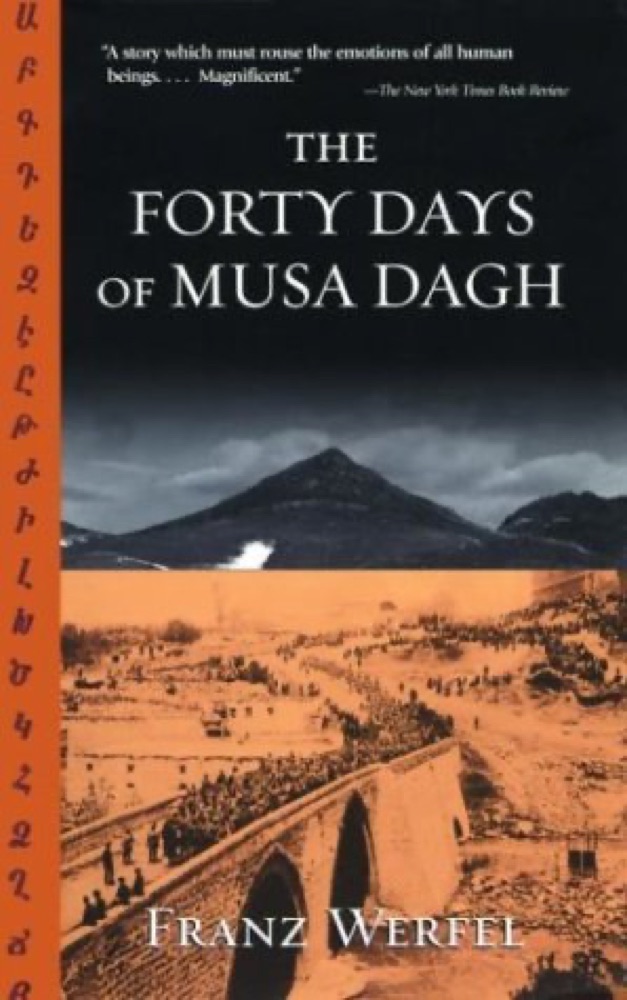 The Forty Days of Musa Dagh
 Diary of a Bad Year
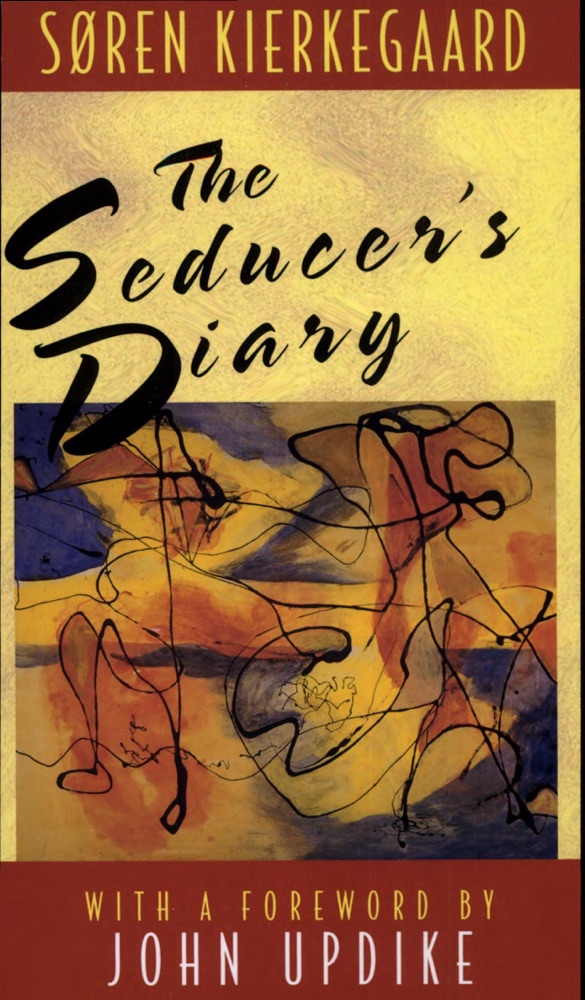 The Seducer’s Diary
 Platform
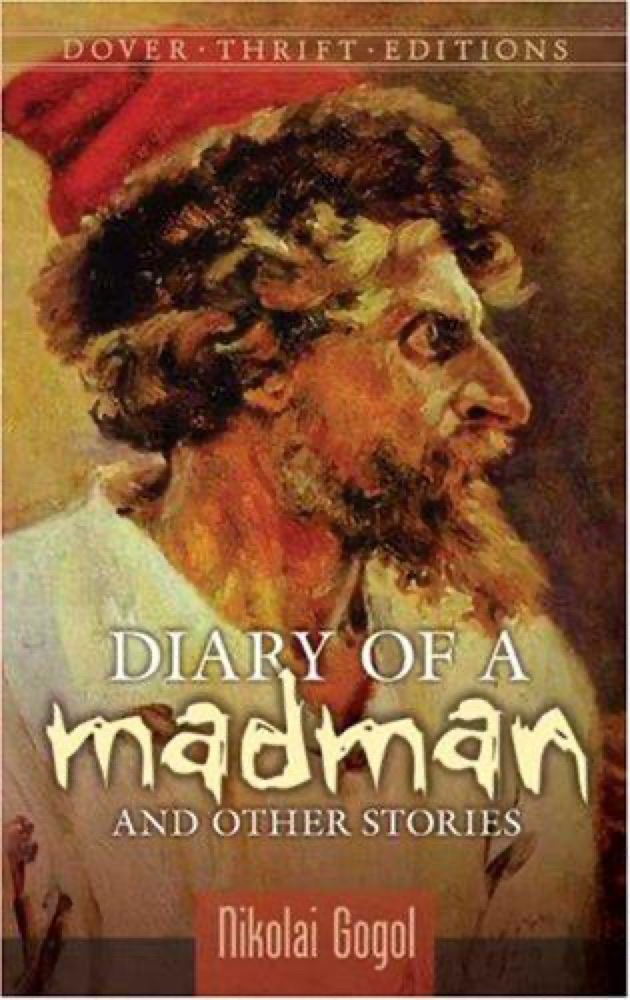 Diary of a Madman and Other Stories
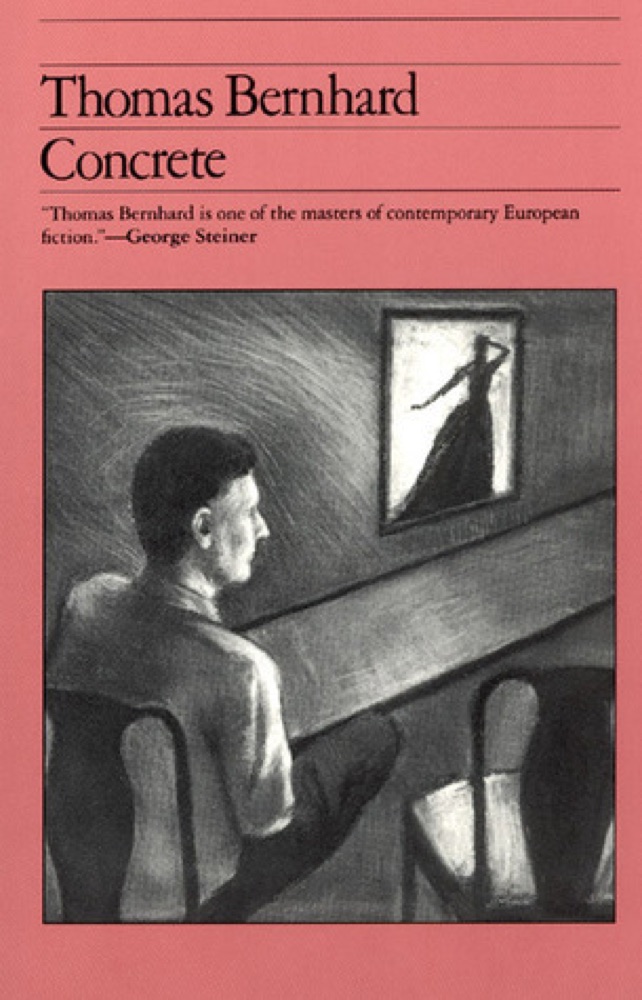 Concrete