
 Roughing It
Quotes from the Book
The fact that man knows right from wrong proves his intellectual superiority to the other creatures; but the fact that he can do wrong proves his moral inferiority to any creatures that cannot.
333
It is just like man's vanity and impertinence to call an animal dumb because it is dumb to his dull perceptions.
32
I am not one of those who in expressing opinions confine themselves to facts.
31
There is no such thing as material covetousness. All covetousness is spiritual. ...Any so-called material thing that you want is merely a symbol: you want it not for itself, but because it will content your spirit for the moment.
19
Our consciences take NO notice of pain inflicted upon others until it reaches a point where it gives pain to US. In ALL cases without exception we are absolutely indifferent to another person's pain until his sufferings make us uncomfortable.
7
Do right for your own sake, and be happy in knowing that your neighbor will certainly share in the benefits resulting.
4
An oyster has hardly any more reasoning power than a scientist has; and so it it is reasonably certain that this one jumped to the conclusion that the nineteen million years was a preparation for him; but that would be just like an oyster, which is the most conceited animal there is, except man. And anyway, this one could not know, at that early date, that he was only an incident in a scheme, and that there was some more in the scheme yet.
4
As a rule it will listen to neither a dull speaker nor a bright one. It refuses all persuasion. The dull speaker wearies it and sends it far away in idle dreams; the bright speaker throws out stimulating ideas which it goes chasing after and is at once unconscious of him and his talk. You cannot keep your mind from wandering, if it wants to; it is master, not you. **About the mind
3
Senle bense dikiş makinesiyiz. Elimizden ne geliyorsa onu yapıp çaba göstermeliyiz. Düşüncesizler, bize goblen kumaş üretmediğimiz için sitem ettiklerinde onları hiç umursamamalıyız.
2
Bilinç, insanın iyiliğine karşı kayıtsızdır: kendi arzularını doyurmak haricinde hiçbir şeyle ilgilenmez. İnsanın iyiliğine yönelik şeyleri tercih etmesi için eğitilebilir, ama onları yalnızca kendisini diğer şeylere kıyasla daha memnun edeceği için tercih edecektir.
2
İnsan bir bukalemundur; doğasının yasası gereği, bulunduğu yerin rengini alır. Çevresindeki etkiler onun tercihlerini, kaçındığı şeyleri, politikasını, beğenilerini, ahlakını, dinini yaratır.
2
Şimdiye kadar hiç kimse, sözün alışıldık anlamıyla, asla kendisini feda etmiş değildir - yani, yalnızca başkası için özveride bulunmuş değildir. İnsanlar başkaları için gündelik feragatlarda bulunurlar, fakat bu öncelikle kendi iyilikleri içindir. Eylem, öncelikle kendi içlerini ferahlatmak zorundadır. Bundan yararlanan kişiler ikinci sırada gelir.
2
İnsan; her zaman, ona en büyük zihinsel rahatlığı getirecek olan şeyi yapacaktır - zira bu onun yaşamının yegane yasasıdır. Ağlaşan ailesini geride bırakır; onların rahatını bozduğunu için üzgündür, fakat onların rahatlığını korumak için kendi rahatını feda edecek kadar değil.
2
Sevdiğinin aniden ve beklenmedik şekilde ölümünden önceki son yirmi dört saati... Bir kitaba sığar mı ki? İki kitaba sığar mı? Sanmıyorum. Bir sel gibi aklıma doluşuyorlar. Bunlar aslında her gün, her zaman olup biten sıradan şeyler, aynı zamanda da önemsiz ve kolayca unutulabilir şeyler... Fakat ya şimdi? Şimdi, ne kadar da farklı. Ne kadar değerli, ne kadar önemli şeyler. Şimdi artık hepsi unutulmaz, hepsi hazin, hepsi kutsal, hepsi nasıl da itibarlı.
1
Vicdanımız başkalarına verilen acının hiç farkına varmaz, ta ki bize de acı verdiği bir noktaya ulaşana dek. İstisnasız her olayda bir başkasının acısına tamamen ilgisizizdir, ta ki onun çektiği acı bizi rahatsız edene dek.
1
Watch on YouTube
About Mark Twain
We have collected 450 quotes from 20 books by Mark Twain on BookQuoters.
More about the author →More by Mark Twain
All books by Mark Twain →


About the book
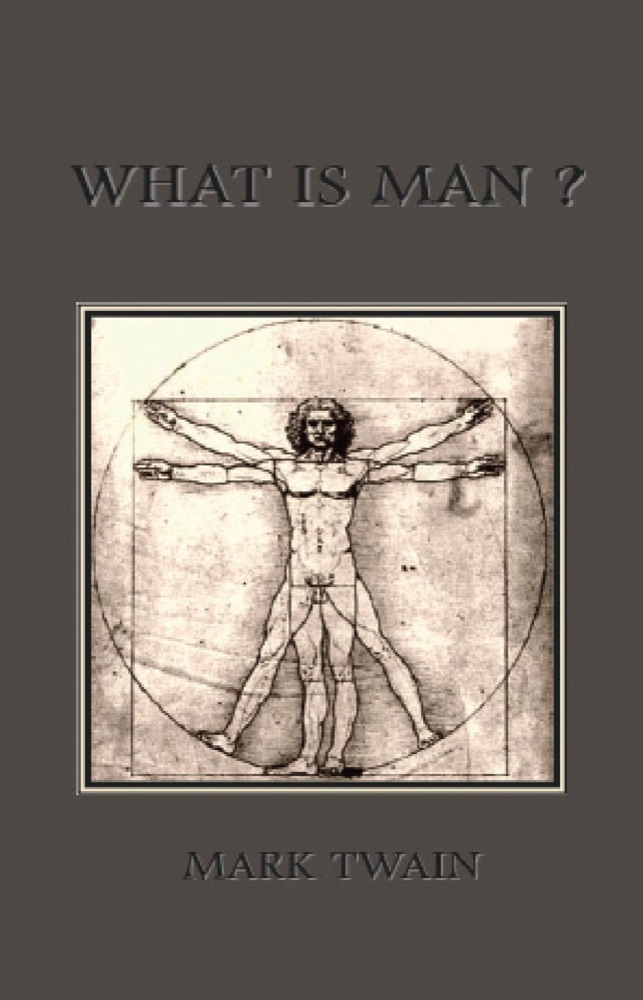
This was Twain's most serious, philosophical and above all, private book. He kept it locked in his desk, considered it to be his Bible, and spoke of it as such to friends when he read them passages. He had written it, rewritten it, was finally satisfied with it, but still chose not to release it until after his death. The book appears in the form of a dialogue between an old man and a young man who discuss who and what mankind really is. The arguments presented can change the reader's entire outlook on life because it provides a completely new and different way of looking at who we are and the way we live. Anyone who thinks Twain was not a brilliant philosopher should read this book. We all like to see ourselves as completely free and autonomous individuals, yet this book puts forth the ideas that 1) We are nothing more than machines and originate nothing - not even a single thought; 2)
Book details
- First published
- 1906
- Author
- Mark Twain
- Genre
- Philosophy
- Goodreads rating
- 4.04 (4k ratings)
Keep reading
 Honor
Honor
 Ferdydurke
 Ezilenler
 Auto-da-Fé
 Anne Frank's Tales from the Secret Annex: A Collection of Her Short Stories, Fables, and Lesser-Known Writings
 Poor Folk
 Malina
 Mutant Message Down Under
 The Corrosion of Character: The Personal Consequences of Work in the New Capitalism
 The Age of Absurdity: Why Modern Life makes it Hard to be Happy
 The Garden of The Prophet
 Heretics of Dune
 Travels with Herodotus
 Doctor Glas
 Chess Story
 And Then
 Soul Mountain
 Concrete
 The Scent of Time: A Philosophical Essay on the Art of Lingering
 Rooftops of Tehran
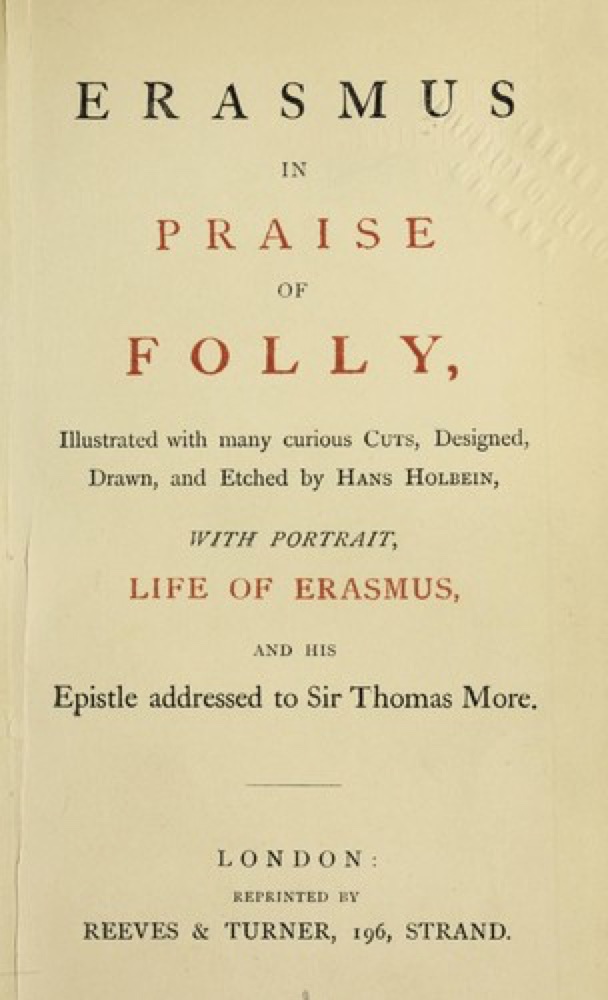 Praise of Folly
 FUTU.RE
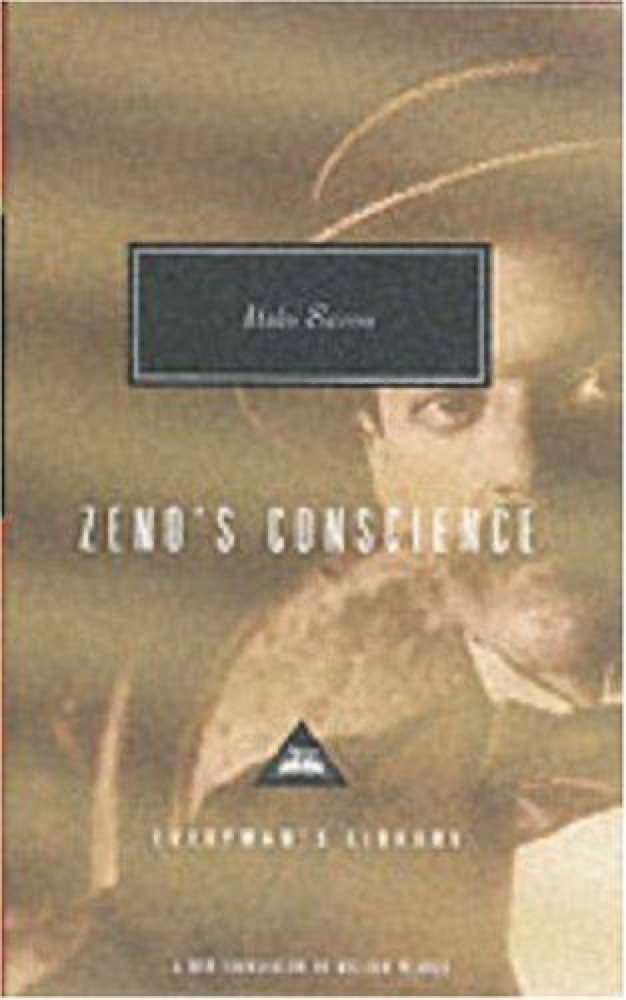 Zeno's Conscience
 A Moth to a Flame
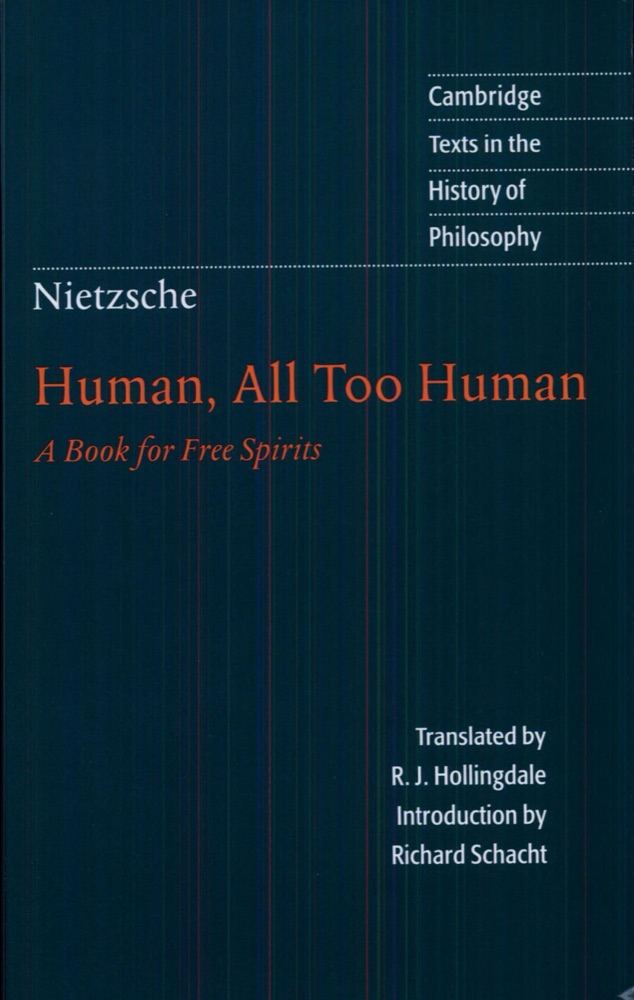 Human, All Too Human
 Contempt
 Platform
 The Story of San Michele
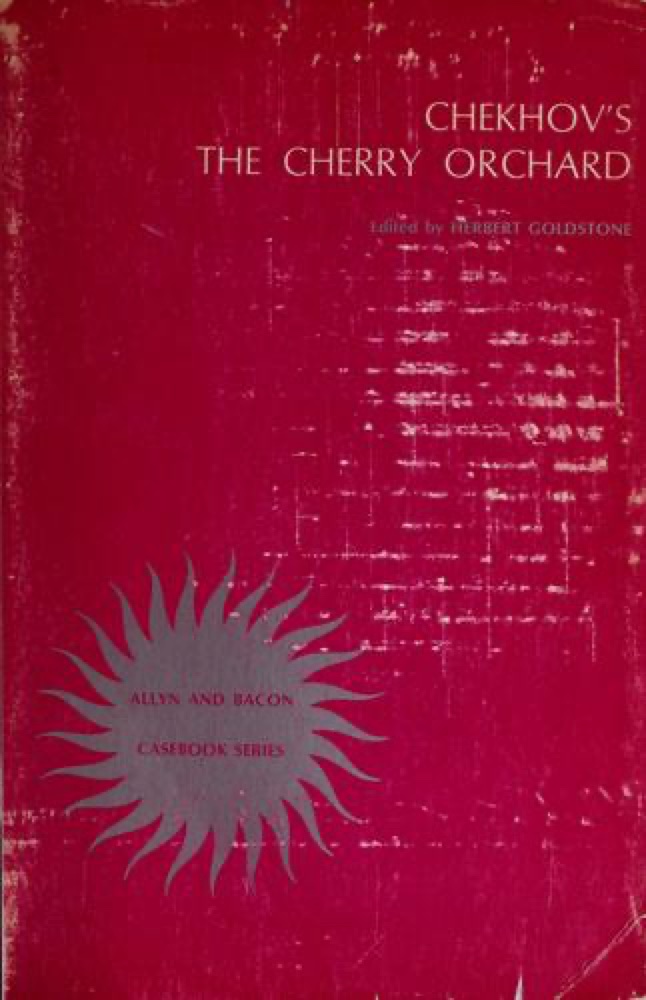 The Cherry Orchard
 The Robe
 The Story of My Experiments With Truth
 The Prague Cemetery
 The Adolescent
 Resurrection
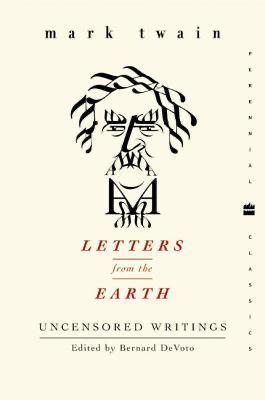 Letters from the Earth: Uncensored Writings
 Awareness: Conversations with the Masters
 Blood of Elves
 Memories, Dreams, Reflections
 G.
G.
 Phaedrus
 The Summer of Katya
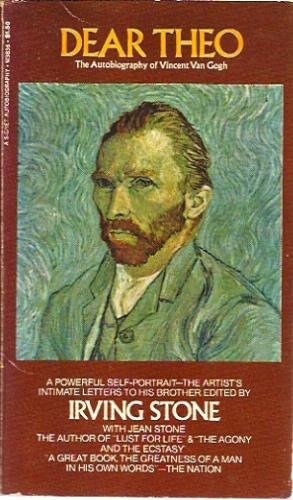 Dear Theo
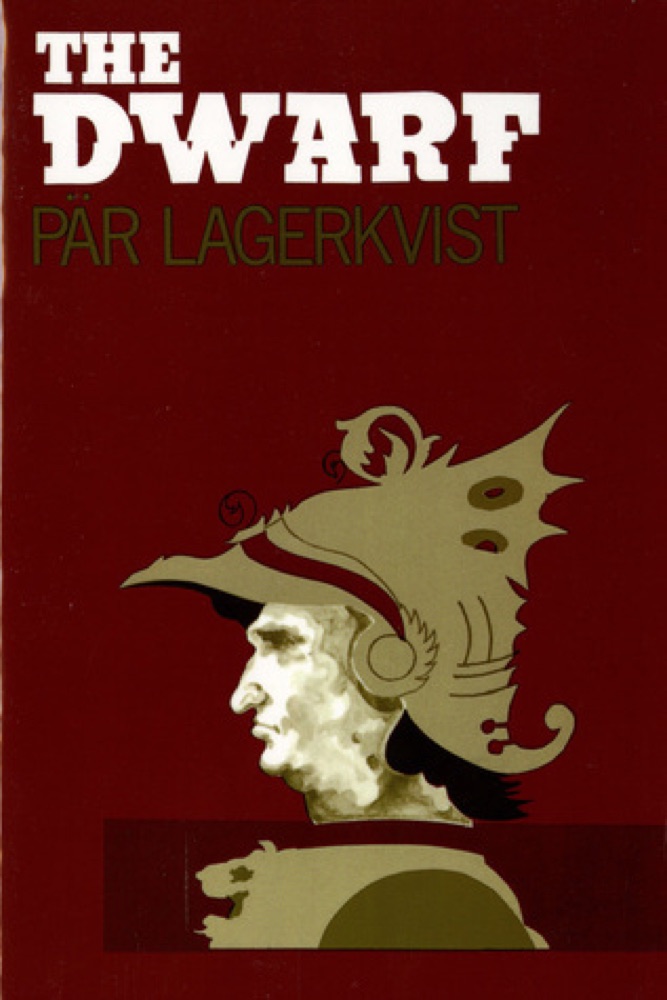 The Dwarf
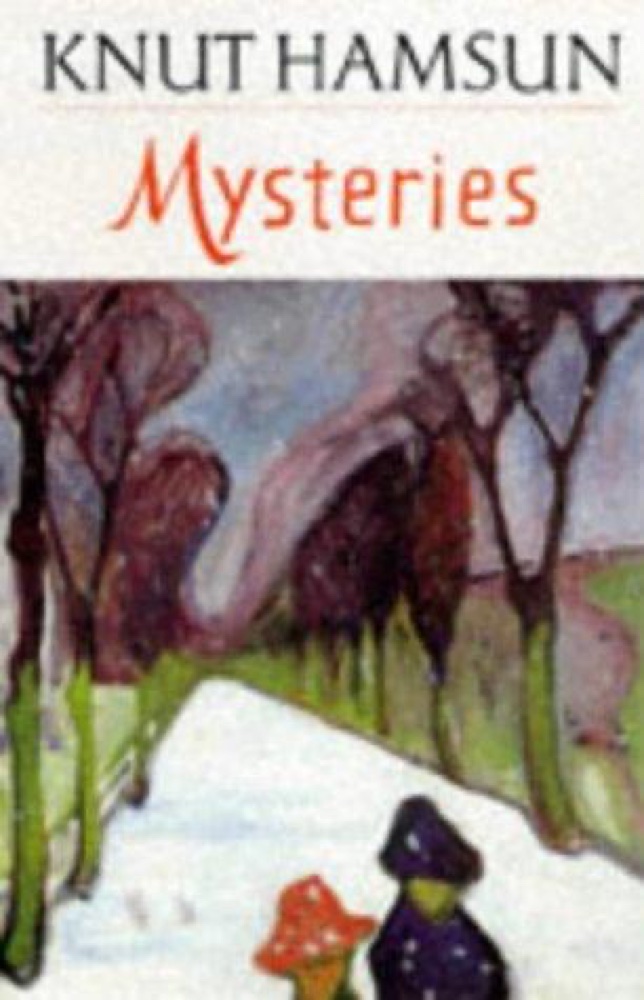 Mysteries
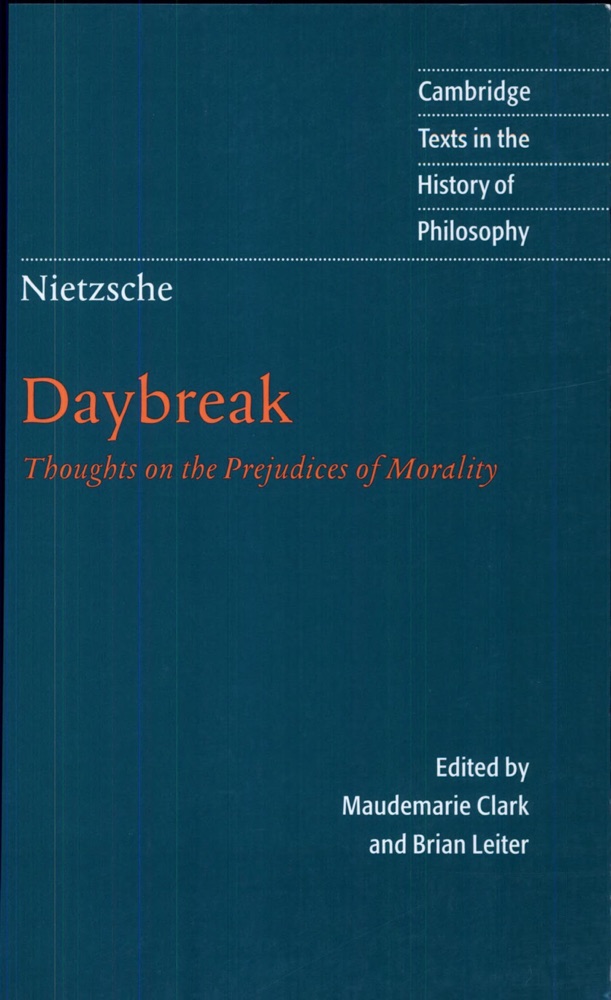 Daybreak: Thoughts on the Prejudices of Morality
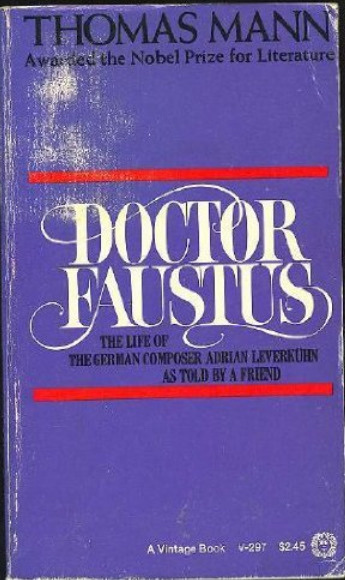 Doctor Faustus
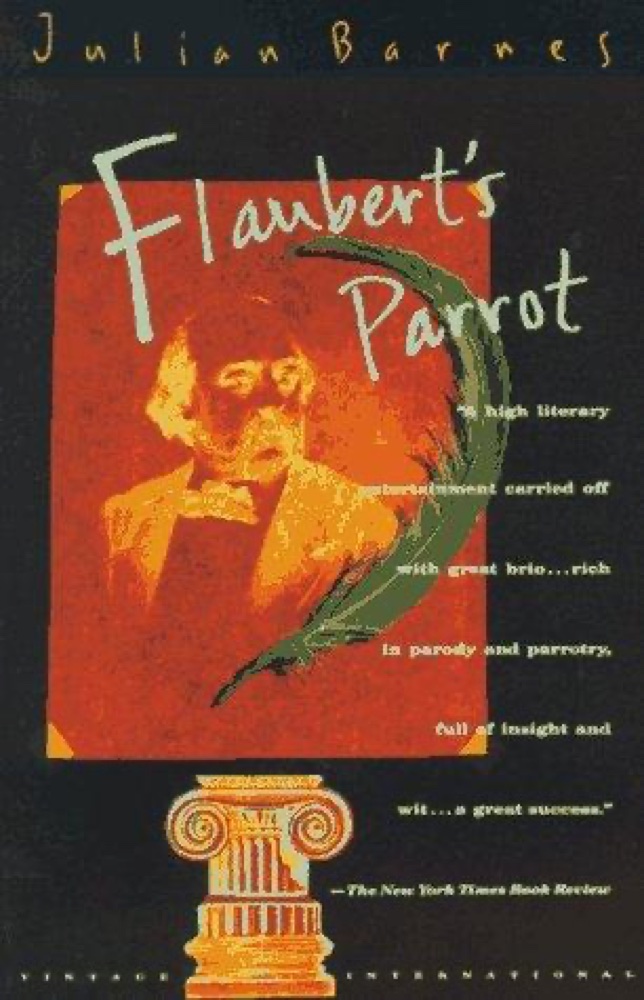 Flaubert's Parrot
 The Ego and Its Own
 The Discovery of Heaven
 Letter to a Child Never Born
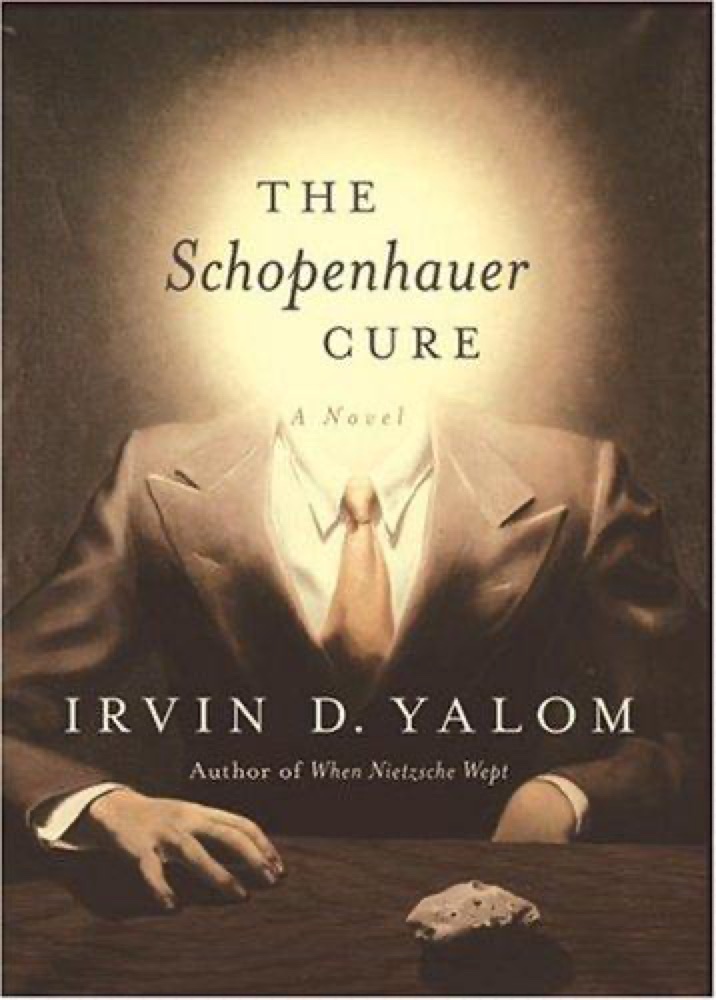 The Schopenhauer Cure
 What Do You Care What Other People Think?
 The Kreutzer Sonata
 Man's Search for Ultimate Meaning
 Alif the Unseen
 Ikigai: The Japanese Secret to a Long and Happy Life
 Shibumi
 Oblomov