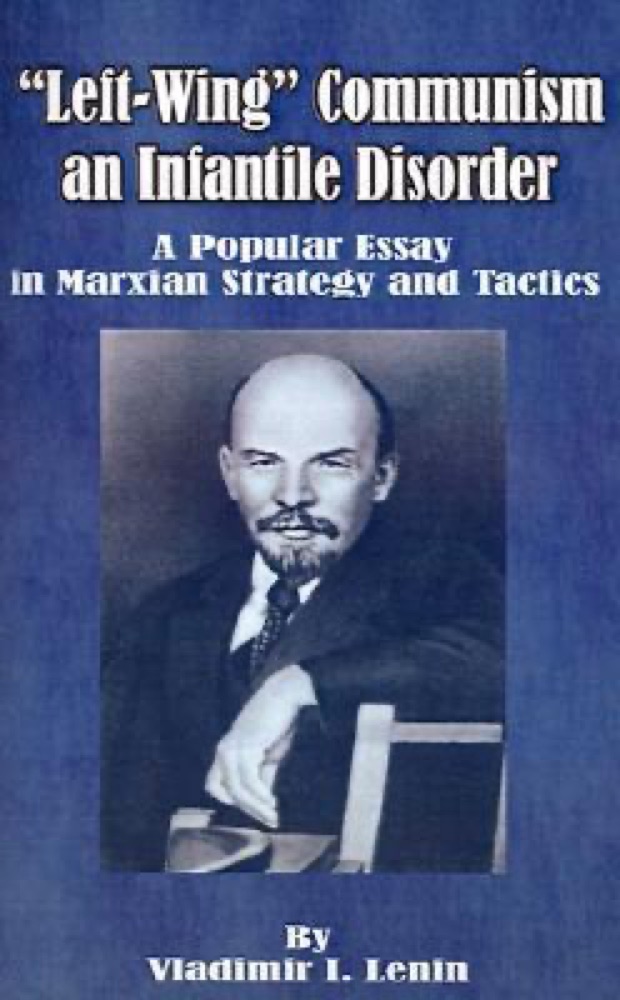
 Left-Wing Communism, an Infantile Disorder: A Popular Essay in Marxian Strategy and Tactics
Quotes from the Book
Without revolutionary theory, there can be no revolutionary movement.
221
We are marching in a compact group along a precipitous and difficult path, firmly holding each other by the hand. We are surrounded on all sides by enemies, and we have to advance almost constantly under their fire. We have combined, by a freely adopted decision, for the purpose of fighting the enemy, and not of retreating into the neighbouring marsh, the inhabitants of which, from the very outset, have reproached us with having separated ourselves into an exclusive group and with having chosen the path of struggle instead of the path of conciliation. And now some among us begin to cry out: Let us go into the marsh! And when we begin to shame them, they retort: What backward people you are! Are you not ashamed to deny us the liberty to invite you to take a better road! Oh, yes, gentlemen! You are free not only to invite us, but to go yourselves wherever you will, even into the marsh. In fact, we think that the marsh is your proper place, and we are prepared to render you every assistance to get there. Only let go of our hands, don't clutch at us and don't besmirch the grand word freedom, for we too are "free" to go where we please, free to fight not only against the marsh, but also against those who are turning towards the marsh!
34
He who does not deliberately close his eyes cannot fail to see that the new “critical” trend in socialism is nothing more nor less than a new variety of opportunism. And if we judge people, not by the glittering uniforms they don or by the highsounding appellations they give themselves, but by their actions and by what they actually advocate, it will be clear that “freedom of criticism” means’ freedom for an opportunist trend in Social-Democracy, freedom to convert Social-Democracy into a democratic party of reform, freedom to introduce bourgeois ideas and bourgeois elements into socialism.
1
Ya burjuva ideolojisi ya da sosyalist ideoloji. Bunun ortası yok (çünkü insanlık "üçüncü" bir ideoloji yaratmış değildir; ayrıca genel olarak sınıfsal çelişkilerle parçalanmış bir toplumda, hiçbir zaman sınıflar dışı veya sınıflar üstü bir ideoloji olamaz). Bu nedenle, sosyalist ideolojinin her türlü küçümsenmesi, ondan her türlü uzaklaşma, burjuva ideolojisinin güçlendirilmesi anlamına gelir.
1
The spontaneous upsurge of the masses in Russia proceeded (and continues) with such rapidity that the young Social Democrats proved unprepared to meet these gigantic tasks. This unpreparedness is our common misfortune, the misfortune of all Russian Social-Democrats. The upsurge of the masses proceeded and spread with uninterrupted continuity; it not only continued in the places where it began, but spread to new localities and to new strata of the population (under the influence of the working class movement, there was a renewed ferment among the student youth, among the intellectuals generally, and even among the peasantry). Revolutionaries, however, lagged behind this upsurge, both in their “theories” and in their activity; they failed to establish a constant and continuous organisation capable of leading the whole movement.
In adopting a hostile attitude towards the activities of the Social-Democrats of the late nineties, Iskra ignores the absence at that time of conditions for any work other than the struggle for petty demands,” declare the Economists in their “Letter to Russian Social-Democratic Organs” (Iskra No. 12). The facts given above show that the assertion about “absence of conditions” is diametrically opposed to the truth. Not only at the end, but even in the mid-nineties, all the conditions existed for other work, besides the struggle for petty demands — all the conditions except adequate training of leaders. Instead of frankly admitting that we, the ideologists, the leaders, lacked sufficient training — the Economists seek to shift the blame entirely upon the “absence of conditions”, upon the effect of material environment that determines the road from which no ideologist will be able to divert the movement. What is this but slavish cringing before spontaneity, what but the infatuation of the “ideologists” with their own shortcomings?
Social-Democracy leads the struggle of the working class not only for better terms for the sale of labour power, but also for the abolition of the social system which compels the propertyless to sell themselves to the rich
Rusya'da, hem 1870'li, hem de 1860'lı yıllarda (hatta 19. yüzyılın ilk yarısında) da grevler oldu ve bunlar makinelerin vb. "kendiliğinden" tahrip edilmesi vb. eşliğinde yaşanan grevlerdi. Bu "isyanlarla" karşılaştırıldığında, 1890'lı yıllardaki grevleri "bilinçli" grevler olarak tanımlamak bile mümkün; bu dönemde işçi hareketinin ileri doğru attığı adım böylesine önemlidir. Bu bize, "kendiliğinden unsurun", aslında, bilinçliliğin nüve halinden başka bir şey olmadığını gösterir. İlkel ayaklanmalar da kendilerini belli bir bilinç uyanışıyla ifade etmişlerdi: İşçiler, kendilerini ezen düzenin değişmezliğine çağlar boyu sürüp gelen inançlarını yitirmişler ve ortak bir karşı koyuşun gerekliliğini, anlamaya demeyeceğim ama hissetmeye başlamışlar, efendileri karşısındaki kölece boyun eğişe kesin bir son vermişlerdi. Fakat bu yine de mücadele olmaktan çok, çaresizliğin ve öç alma duygusunun bir dışa vurumuydu. 1890'ların grevleri, çok daha fazla bilinç belirtileri gösteriyordu: Belli talepler öne sürülüyor, eylem için hangi anın uygun olduğu önceden hesaplanıyor, başka yerlerde gerçekleşen belirli olaylar ve örnekler değerlendiriliyor vb. Eğer isyanlar ezilen insanların sadece başkaldırısı idiyse, sistematik grevler de sınıf mücadelesinin ilk nüvelerini ifade ediyordu,
About Vladimir Lenin
We have collected 50 quotes from 3 books by Vladimir Lenin on BookQuoters.
More about the author →More by Vladimir Lenin
Left-Wing Communism, an Infantile Disorder: A Popular Essay in Marxian Strategy and Tactics
 Imperialism: The Highest Stage of Capitalism
About the book
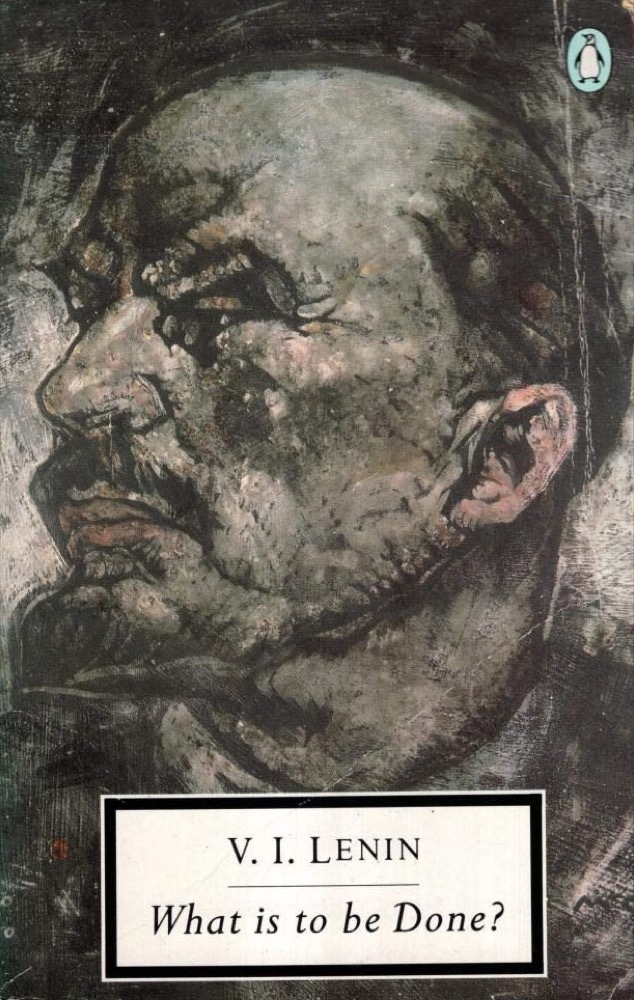
In What Is to Be Done?, Lenin in 1901 argues that the working class will not spontaneously become political simply by fighting economic battles with employers over wages, working hours and the like. To convert the working class to Marxism, Lenin insists that Marxists should form a political party, or "vanguard", of dedicated revolutionaries to spread Marxist political ideas among the workers.
Lenin said that the article represented "a skeleton plan to be developed in greater detail in a pamphlet now in preparation for print".
Book details
- First published
- 1902
- Author
- Vladimir Lenin
- Genre
- Nonfiction
- Goodreads rating
- 4.12 (6k ratings) →
Keep reading
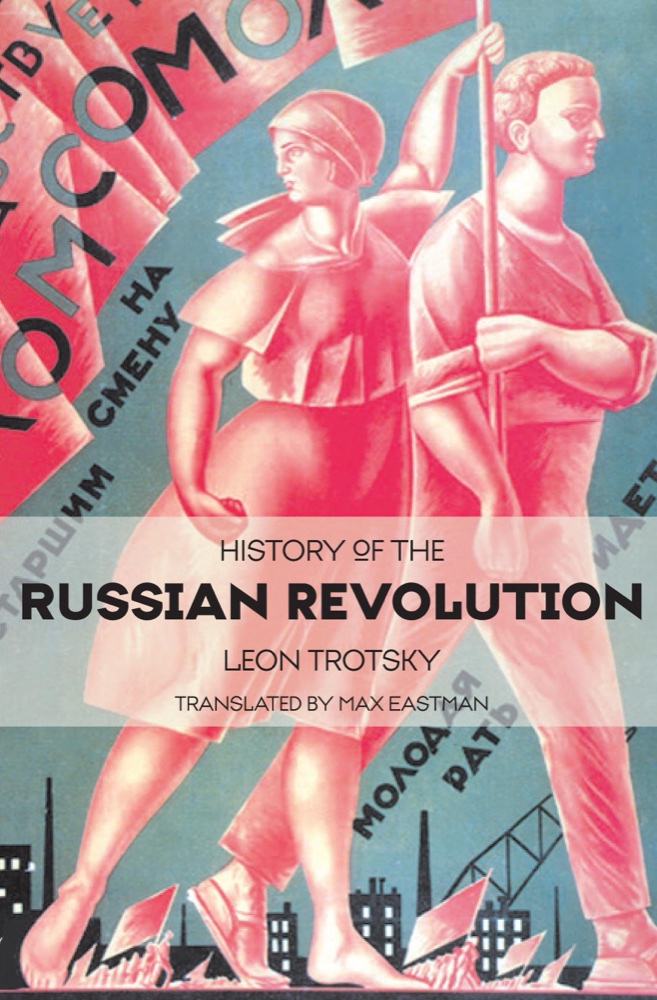 History of the Russian Revolution
Left-Wing Communism, an Infantile Disorder: A Popular Essay in Marxian Strategy and Tactics
History of the Russian Revolution
Left-Wing Communism, an Infantile Disorder: A Popular Essay in Marxian Strategy and Tactics
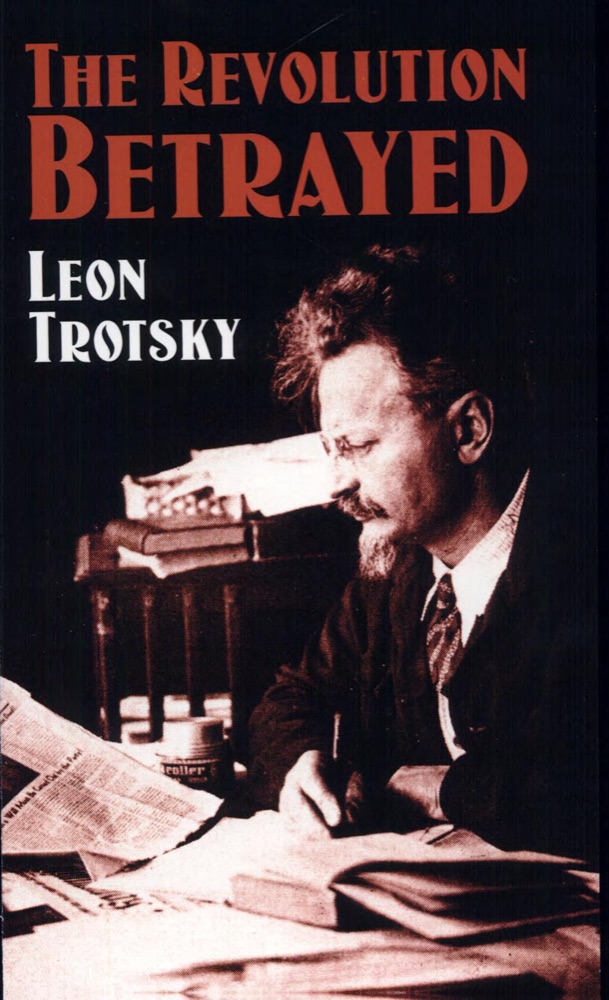 The Revolution Betrayed
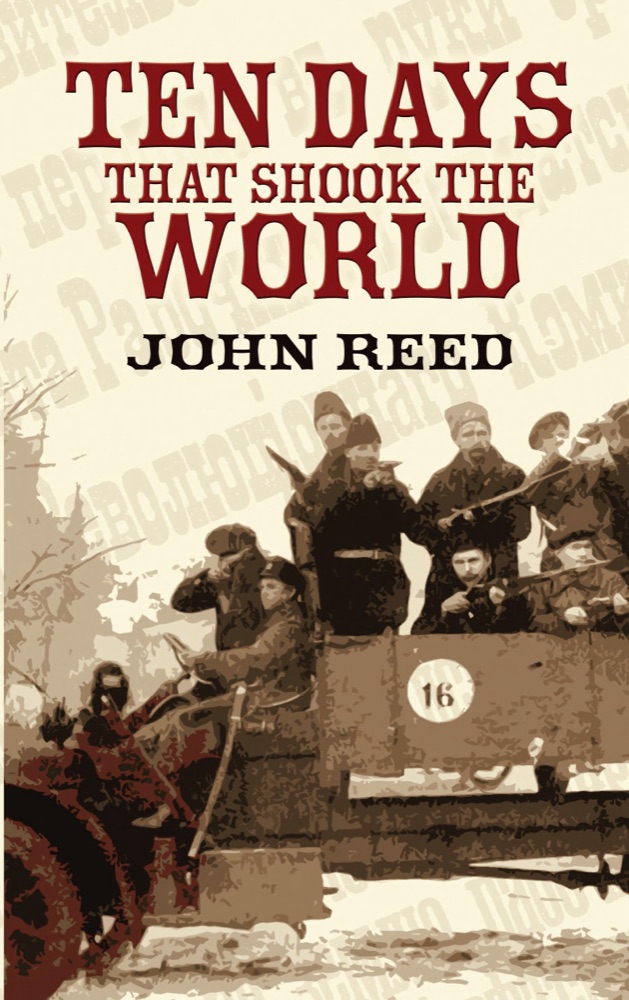 Ten Days that Shook the World
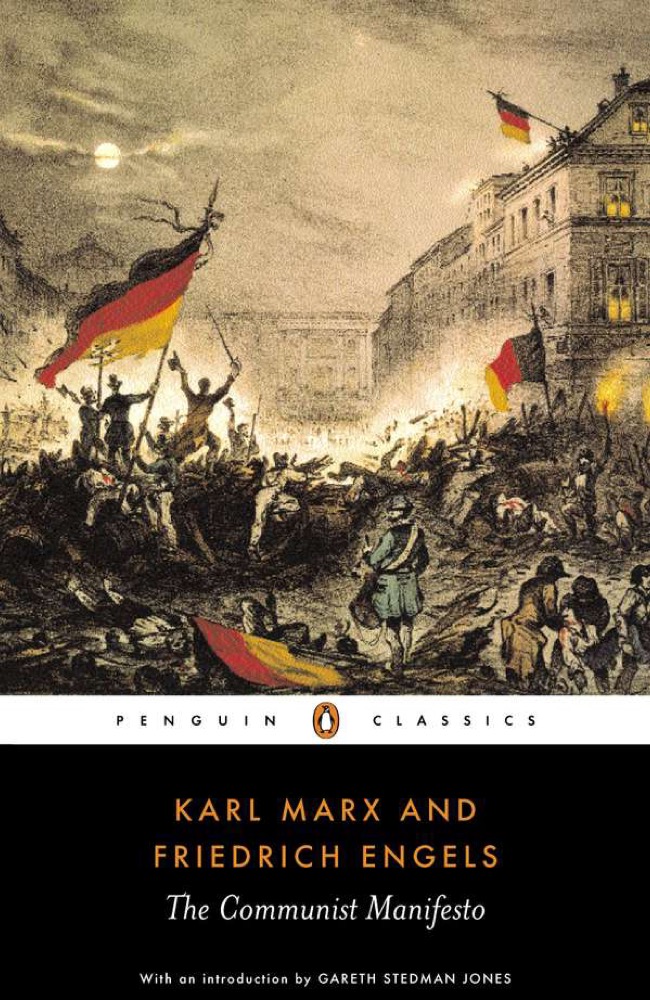 The Communist Manifesto
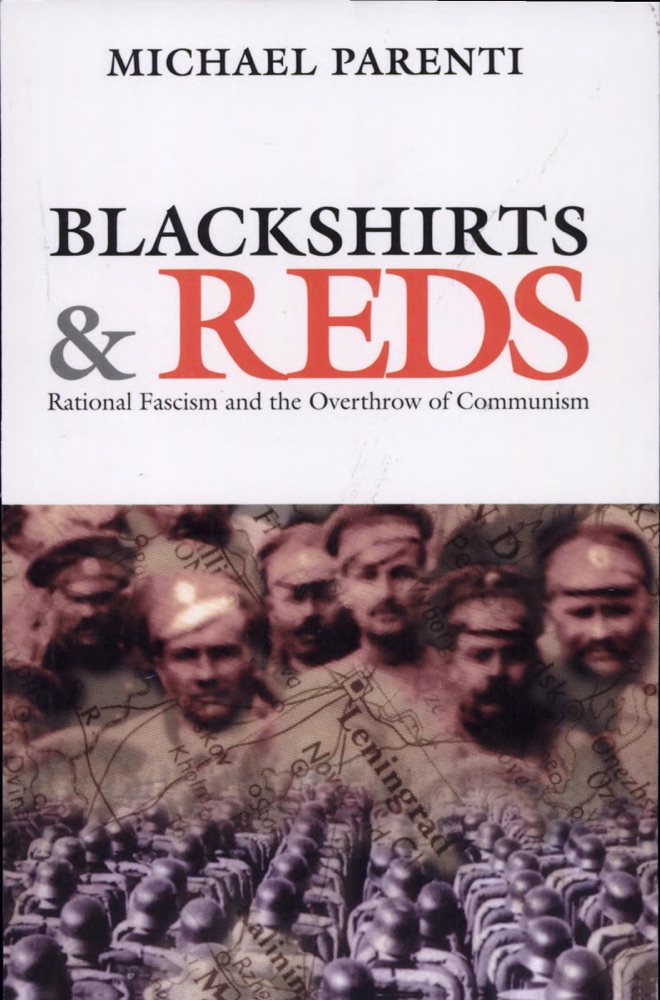 Blackshirts and Reds: Rational Fascism and the Overthrow of Communism
 Socialism: Utopian and Scientific
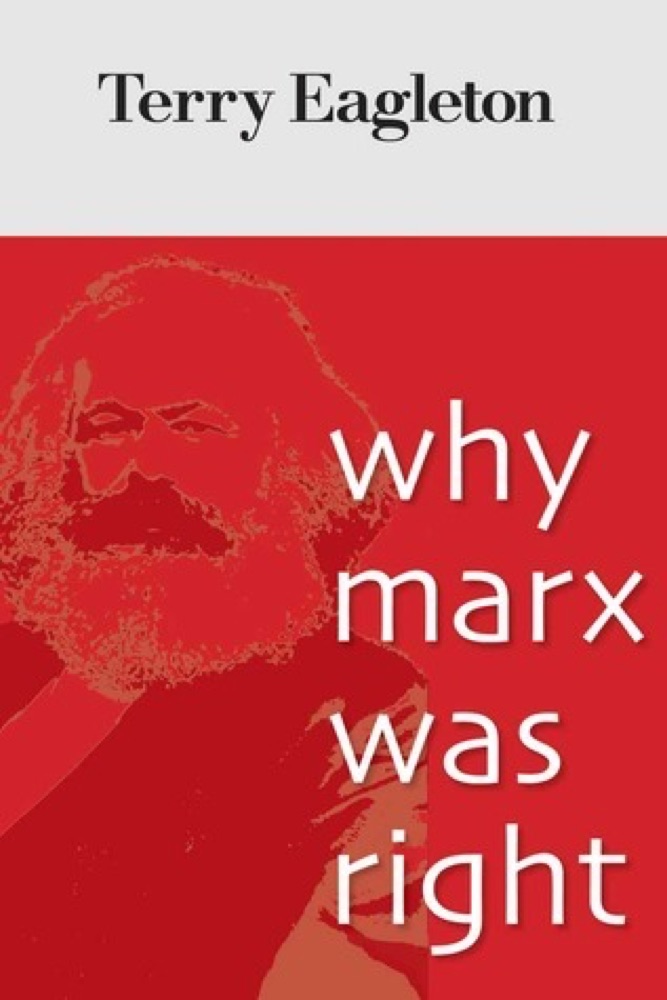 Why Marx Was Right
 Quotations from Chairman Mao Tsetung
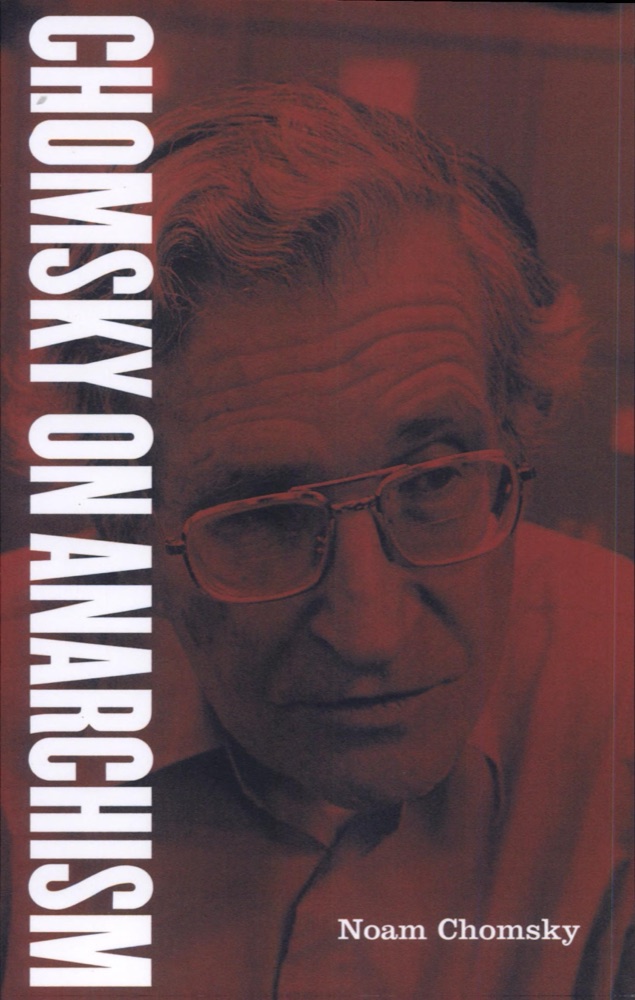 Chomsky On Anarchism
 Socialism: An Economic and Sociological Analysis
 Capitalism, Socialism and Democracy
 Modern Times: The World from the Twenties to the Nineties
 The Road to Serfdom
 The Right to Be Lazy
 Liberalism: The Classical Tradition
 Defying Hitler
 The Coming Insurrection
 The Eighteenth Brumaire of Louis Bonaparte
 Imperium
 Selections from the Prison Notebooks
 The Age of Revolution, 1789–1848
 First As Tragedy, Then As Farce
 Ill Fares the Land
 Socialism Is Dead! Long Live Socialism!: The Marx Code—Socialism with a Human Face: A New World Order
 The Reactionary Mind: Conservatism from Edmund Burke to Sarah Palin
 What's Left?
 The Iron Heel
 The Revolt of the Masses
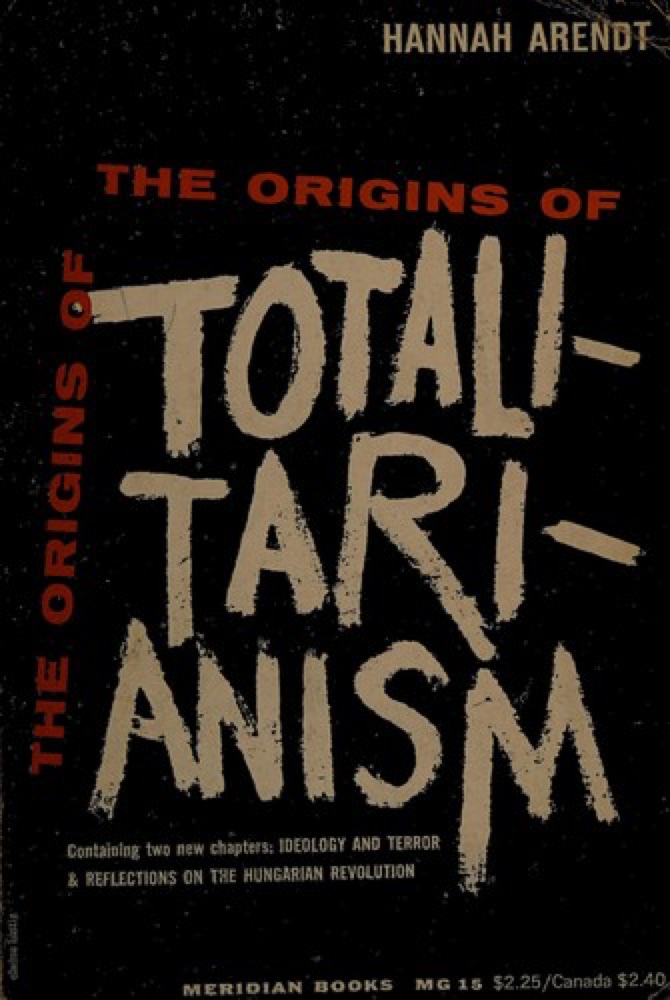 The Origins of Totalitarianism
 Capitalism: The Unknown Ideal
 Pedagogy of the Oppressed
 The Open Society and Its Enemies - Volume One: The Spell of Plato
 The Old Regime and the French Revolution
 Rules for Radicals: A Pragmatic Primer for Realistic Radicals
 Occupy
 Free: A Child and a Country at the End of History
 The Constitution of Liberty
 Marx: A Very Short Introduction
 Reflections on the Revolution in France
 Conspirators' Hierarchy: The Story of the Committee of 300
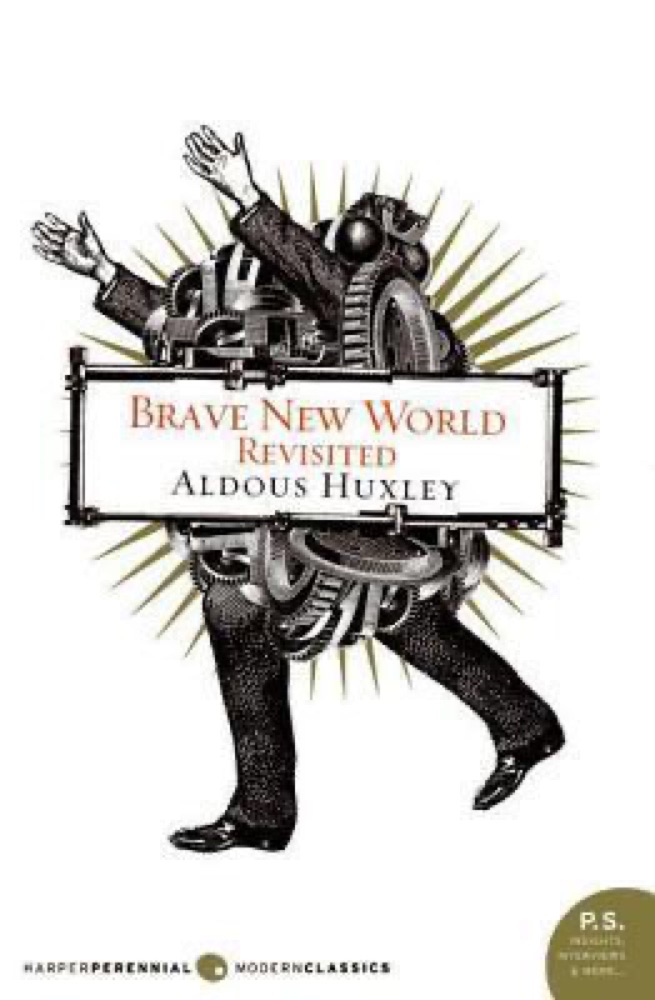 Brave New World Revisited
 Twilight of Democracy: The Seductive Lure of Authoritarianism
 The Machiavellians: Defenders of Freedom
 Patriot: A Memoir
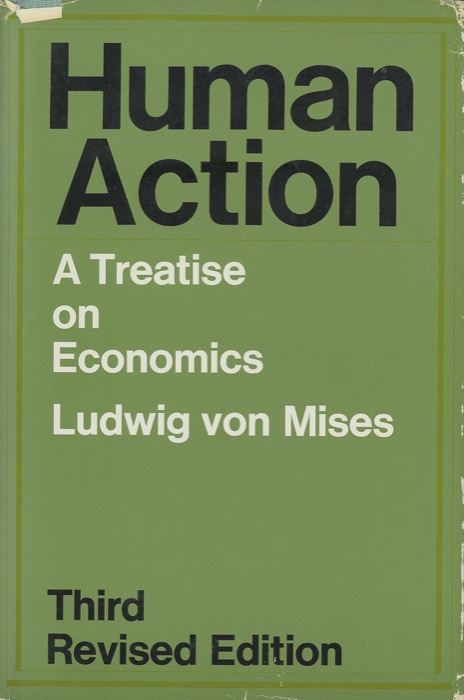 Human Action: A Treatise on Economics
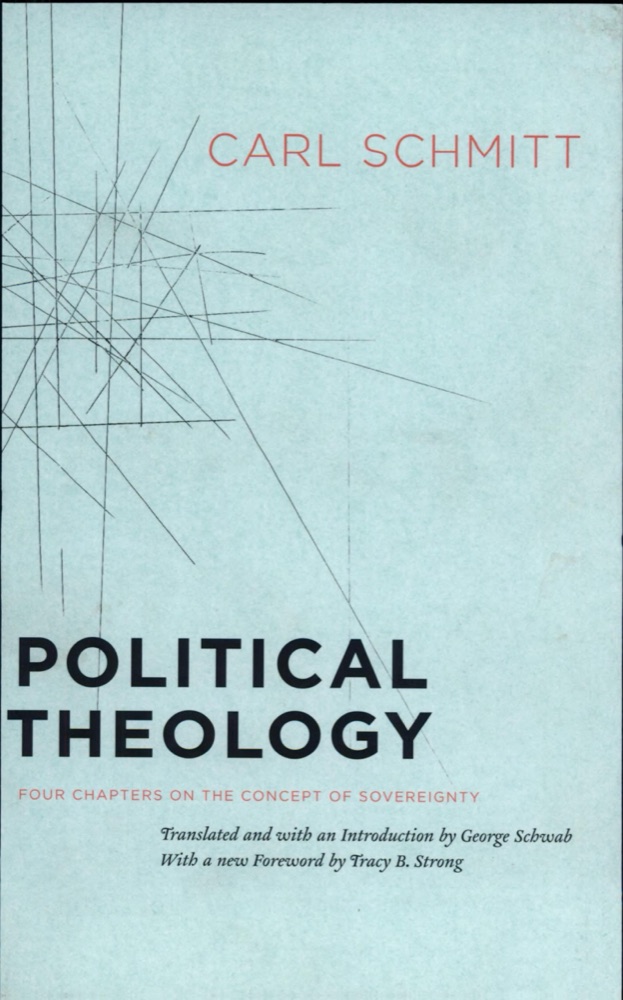 Political Theology: Four Chapters on the Concept of Sovereignty
 Power Systems: Conversations on Global Democratic Uprisings and the New Challenges to U.S. Empire
 Capital
 The Great Transformation: The Political and Economic Origins of Our Time
 Where Do We Go from Here: Chaos or Community?
 Liberal Fascism: The Secret History of the American Left from Mussolini to the Politics of Meaning
 Witness
 Anti-Oedipus: Capitalism and Schizophrenia
 Why We Can't Wait
 On Tyranny: Twenty Lessons from the Twentieth Century
 One-Dimensional Man: Studies in the Ideology of Advanced Industrial Society
 Darkness at Noon
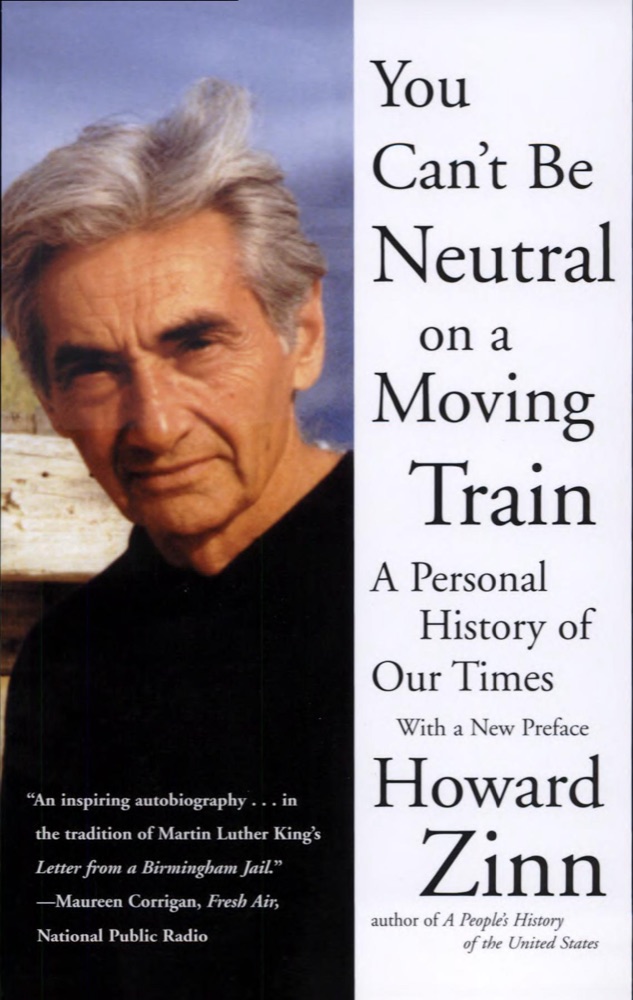 You Can't Be Neutral on a Moving Train: A Personal History of Our Times
 The Wretched of the Earth