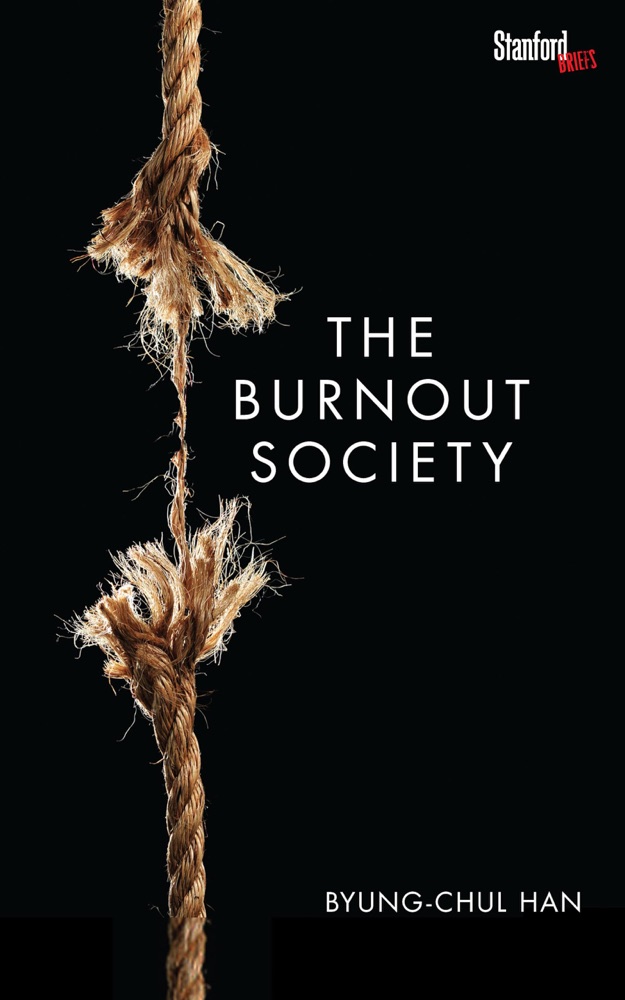
 The Burnout Society
Quotes from the Book
Todos vosotros que amáis el trabajo salvaje y lo rápido, nuevo, extraño —os soportáis mal a vosotros mismos, vuestra diligencia es huida y voluntad de olvidarse a sí mismo. Si creyeseis más en la vida, os lanzaríais menos al instante. ¡Pero no tenéis en vosotros bastante contenido para la espera —y ni siquiera para la pereza! FRIEDRICH NIETZSCHE
5
One feels free in relationships of love and friendship. It is not the absence of ties, but ties themselves which set us free. Freedom is a word which pertains to relations par excellence. Without hold there is no freedom
4
Not the least cause for today’s temporal crisis is the absolute value attached to the vita activa. This leads to an imperative to work, which degrades the human being into an animal laborans. The hyperkinesia of everyday life deprives human existence of all contemplative elements and of any capacity for lingering. It leads to a loss of world and time. So-called strategies of deceleration do not overcome this temporal crisis; they even cover up the actual problem. What is necessary is a revitalization of the vita contemplativa. The temporal crisis will only be overcome once the vita activa, in the midst of its crisis, again incorporates the vita contemplativa.
3
the reason for the feeling that time passes much more quickly than it used to. Due to the temporal dispersal, no experience of duration is possible. Nothing comports time.1 Life is no longer embedded in any ordering structures or coordinates that would found duration. Even things with which we identify are fleeting and ephemeral. Thus, we become radically transient ourselves. The atomization of life goes hand in hand with an atomization of identity. All we have is our self, our little ego. We are subject to a radical loss of space and time, even of world, of being-with. Poverty of world is a phenomenon of dyschronicity. It reduces the human being to a tiny body that is kept healthy at all costs. Otherwise, what would we have? The health of one’s fragile body is a substitute for world and God. Nothing outlasts death. Thus, dying is particularly difficult today. And we age, without becoming old.
2
Truth also consists of relationships between events. Truth occurs when things communicate with each other on the basis of a similarity or some other form of closeness between them, when they turn towards each other and enter into relationships with each other, even befriend each other: truth [la vérité] will be attained by him [the author] only when he takes two different objects, states the connection between them … and encloses them in the necessary links of a wellwrought style; truth – and life too – can be attained by us only when, by comparing a quality common to two sensations, we succeed in extracting their common essence and in reuniting them to each other, liberated from the contingencies of time, within a metaphor[, thus linking them to each other through the ineffable efficacy of the combination of words].22 Only relationships based on similarity, friendship or affinity make things true. Truth is opposed to the accident of pure contiguity. Truth means commitment, relationship and closeness. Only through intense relationships do things become real in the first place:
2
As soon as one looks deeper into being one recognizes that all things are interconnected, that even the least of them communicates with a whole world. But the age of haste does not have the time to heighten perception. Only in the depth of being does a space open in which all things lie close to one another and communicate with one another. It is just this friendliness of being which gives the world its scent.
1
Although hesitation is not a positive act in itself, it is constitutive of the act. What distinguishes acting from labouring is not a surplus of activity, but the capacity to pause. Whoever does not know how to hesitate is a labourer.
1
If the goal is the sole point of orientation, then the spatial interval to be crossed before reaching it is simply an obstacle to be overcome as quickly as possible. Pure orientation towards the goal deprives the in-between space of all meaning, emptying it to become a corridor without any value of its own. Acceleration is the attempt to make the temporal interval that is needed for bridging the spatial interval disappear altogether. The rich meaning of the path disappears. Acceleration leads to a semantic impoverishment of the world. Space and time no longer mean very much.
1
Un placer delicioso me invadió, me aisló, sin noción de lo que lo causaba. Y él me convirtió las vicisitudes de la vida en indiferentes, sus desastres en inofensivos y su brevedad en ilusoria, todo del mismo modo que opera el amor, llenándose de una esencia preciosa; pero, mejor dicho, esa esencia no es que estuviera en mí, es que era yo mismo. Dejé de sentirme mediocre, contingente y mortal.
1
El tiempo transcurre a plena luz del día con tanto sigilo como el ladrón en la noche. Clavar la mirada en el tiempo, gritar hasta que el miedo lo petrifique: ¿redención o catástrofe?
1
El presente se reduce a picos de actualidad. Ya no dura.
1
The age of haste, its cinematographic succession of point-like presences, has no access to beauty or to truth. Only in lingering contemplation, even an ascetic restraint, do things unveil their beauty, their fragrant essence. It consists of temporal sedimentations emitting a phosphorescent glow.
1
La pobreza del mundo es una aparición discrónica. Hace que la gente se encierre en su pequeño cuerpo, que intenta mantener sano por todos los medios, porque, de lo contrario, uno se queda sin nada. La salud de su frágil cuerpo sustituye al mundo y a Dios. Nada perdura más allá de la muerte. Hoy en día, morir resulta especialmente difícil. La gente envejece sin hacerse mayor.
1
Hayatı daha doyurucu hale getiren şey olayların toplam miktarı değil, sürem deneyimidir. Bir olayın diğerinin hemen ardından geldiği yerde, kalıcı hiçbir şey meydana gelmez. Tamamlanma ve anlam nicelikten yola çıkarak açıklanamaz.” s.
İnternet uzamı süreklilik ve geçiş aşamalarından değil, süreksiz olaylar veya olgulardan oluşur. Böylece bu uzamda bir ilerleme veya bir gelişme olmaz. Tarih dışı bir uzamdır burası. İnternet uzamının zamanı süreksiz ve noktalı bir Şimdi Zamandır. Bir linkten diğerine, bir şimdiden diğerine hareket edilir. Şimdinin bir süremi yoktur. Hiçbir şey bir Şimdi noktasında uzun süre bulunmayı teşvik etmez. Sayısız olasılık ve alternatif nedeniyle belirli bir yerde bulunma zorlaması veya gerekliliği yoktur. Uzatılmış bulunma sadece can sıkıntısına yol açacaktır.” s.
Şimdinin kısalması onun içini boşaltmaz ya da onu cılızlaştırmaz. Şimdinin paradoksu, daha çok, her şeyin aynı anda şimdiyi oluşturması, her şeyin, şimdinim bir parçası olma fırsatına sahip olması, hatta bunun zorunlu olmasıdır. Şimdi kısalıyor ve süremini kaybediyor. Zaman çerçevesi giderek daha da küçülüyor. Aynı zamanda, her şey şimdiye doğru itiliyor. Bu da derin düşünerek bulunmayı imkansız kılan bir imge, olay ve bilgi izdihamına yol açıyor. Böylece insan dünyada sürekli zapping yapıyor.” s.
Hannah Arendt emekçiler toplumunun telos’unun insanları emeğin prangalarından özgürleştirmek olduğunu savunurken yanılıyordu. Aksine, yaşamın gereksinimlerinden bağımsızlaşmış çalışmanın kendi içinde bir amaca dönüştüğü ve kendini bir mutlak olarak öne sürdüğü bir toplumdur. Çalışma öyle bir mutlaklaştırılır ki, çalışma saatleri dışında geriye kalan tek zaman “öldürülecek” zaman olur. Çalışmanın mutlaklaştırılması öteki yaşam formlarını ve tasarılarını bastırır." s.
Verimlilikteki artış giderek daha çok serbest zaman üretir elbette. Ama bu serbest zaman ne daha yüce eylemler için ne de boş zaman olarak kullanılır. Aksine, ya çalışma sonrası dinlenmeye ya da eğlenmeye ayrılır. Animal laborans sadece molalara aşinadır, derin düşünceli bir dinlenme bilmez. Köle-efendi diyalektiği ancak emek alemini de aştığında, emeğin ötekisini dikkate aldığında bir özgürlük diyalektiğine dönüşebilir.” s.
Vita contemplativa’yı vita activa’nın bütün biçimlerinin salt emeğe tesviye edilmesinden sorumlu tutar. Modern yaşamın telaş ve huzursuzluğunun derin düşünme yetisinin kaybıyla ne kadar bağlantılı olduğunu gözden kaçırır. Vita activa’nın mutlaklaşması Arendt’in şikayetçi olduğu “deneyim kaybı”na da katkıda bulunur. Katıksız eylem deneyimi cılızlaştırır. Hep aynı olanı devam ettirir. Durup ara verme becerisi olmayan kişinin tamamen başka olan herhangi bir şeye erişimi olamaz. Deneyim dönüştürür. Aynının tekrarını kesintiye uğratır. Daha etkin olmak, insanı deneyimlere açık kılmaz. Bunun için özgül bir edilgenlik türüne gerek vardır.
Watch on YouTube
About Byung-Chul Han
We have collected 69 quotes from 3 books by Byung-Chul Han on BookQuoters.
More about the author →More by Byung-Chul Han
The Burnout Society
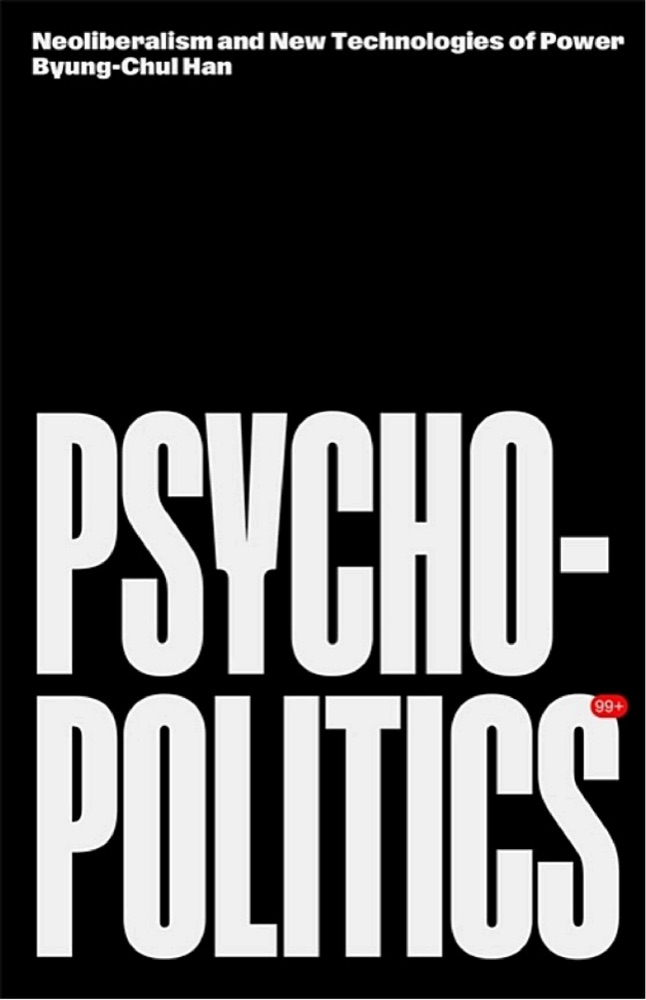 Psychopolitics: Neoliberalism and New Technologies of Power
About the book
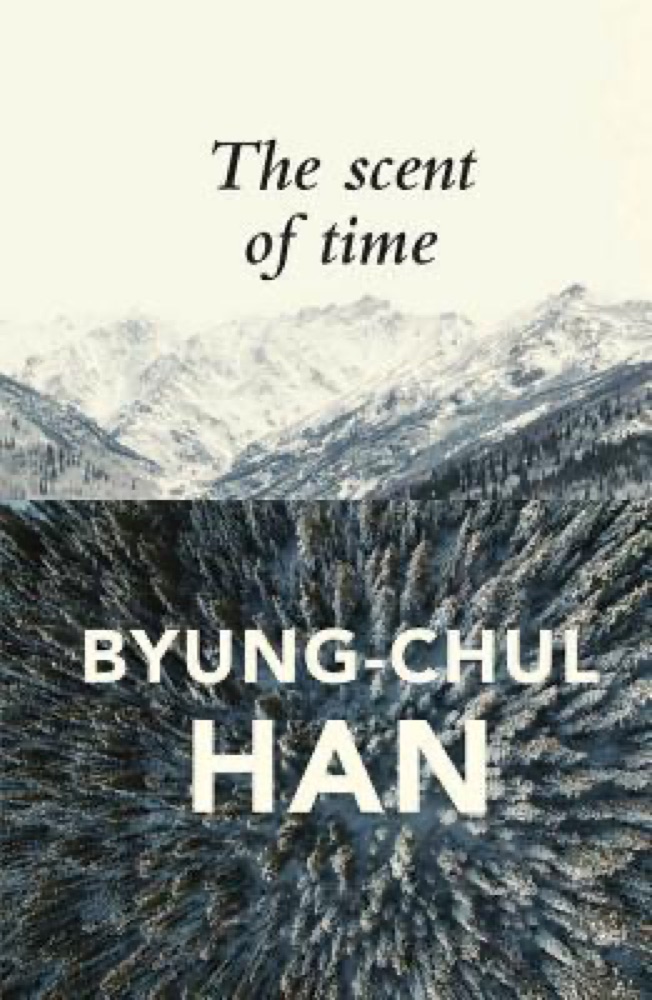
In his philosophical reflections on the art of lingering, acclaimed cultural theorist Byung-Chul Han argues that the value we attach today to the vita activa is producing a crisis in our sense of time. Our attachment to the vita activa creates an imperative to work which degrades the human being into a labouring animal, an animal laborans. At the same time, the hyperactivity which characterizes our daily routines robs human beings of the capacity to linger and the faculty of contemplation. It therefore becomes impossible to experience time as fulfilling.
Drawing on a range of thinkers including Heidegger, Nietzsche and Arendt, Han argues that we can overcome this temporal crisis only by revitalizing the vita contemplativa and relearning the art of lingering. For what distinguishes humans from other animals is the capacity for reflection and contemplation, and when life regains this capa
Book details
- First published
- 2009
- Author
- Byung-Chul Han
- Genre
- Philosophy
- Goodreads rating
- 4.11 (2k ratings)
Keep reading
 The Age of Absurdity: Why Modern Life makes it Hard to be Happy
 Doctor Glas
 Follow Your Heart
 The Labyrinth of Solitude and Other Writings
 The Little Virtues
 Mutant Message Down Under
 Paris Spleen
 Travels with Herodotus
 Dear Theo
 Buddenbrooks: The Decline of a Family
 Socrates In Love
 Brave New World / Brave New World Revisited
 Upside Down: A Primer for the Looking-Glass World
 The Temptation to Exist
 Memories, Dreams, Reflections
 Suicide: A Study in Sociology
 Death and the Gardener
 Tragic Sense of Life
 Soul Mountain
 A Heart So White
 Like Water for Chocolate
 Phaedo
 Diary of a Bad Year
 The Genius and the Goddess: a Novel
 Conversations with God: An Uncommon Dialogue, Book 1
 Hello, Habits: A Minimalist's Guide to a Better Life
 Kingdom of the Golden Dragon
 So Much for That
 The Seat of the Soul
 What is Man?
 A Thousand Plateaus: Capitalism and Schizophrenia
 The Ingredients of Love
 Testaments Betrayed: An Essay in Nine Parts
 Slowness
 Brodie's Report
 Heretics of Dune
 Contempt
 Ficciones
 Platform
 A General Theory of Oblivion
 How to Be a Stoic: Using Ancient Philosophy to Live a Modern Life
 Twilight of the Idols/The Anti-Christ
 The Corrosion of Character: The Personal Consequences of Work in the New Capitalism
 Heaven and Hell
 Tonio Kröger
 FUTU.RE
 The Seducer’s Diary
 Returning to Reims
 God and the State
 If Only It Were True
 Brodeck
 Zeno's Conscience
 Primeval and Other Times
 Necessary Losses: The Loves, Illusions, Dependencies, and Impossible Expectations That All of Us Have to Give Up in Order to Grow
 Psychology and Religion
 Amrita
 Emma in the Night
 Nadja
Nadja
 Identity