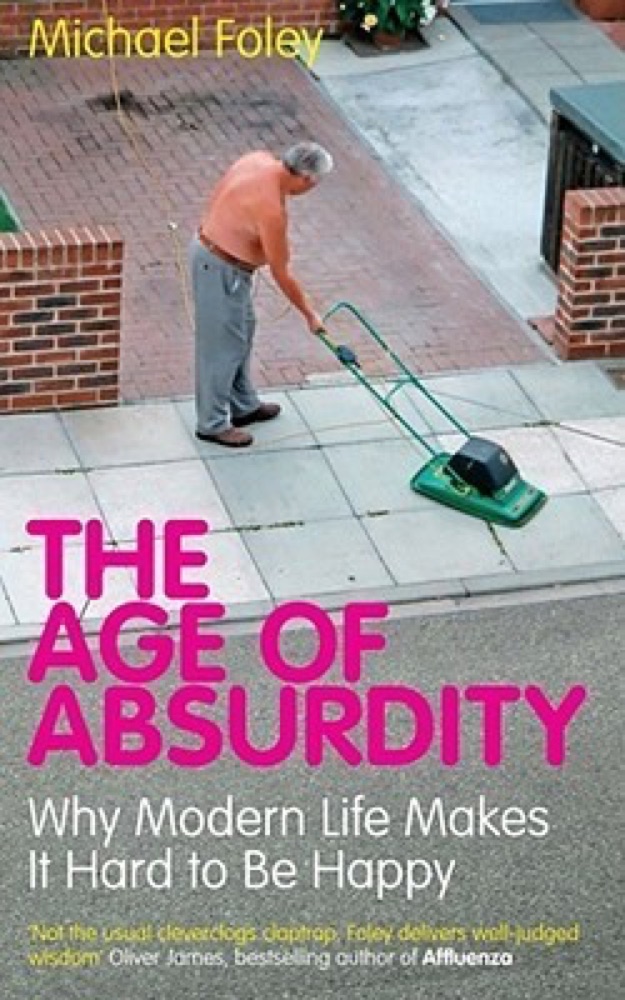
 Untimely Meditations
Quotes from the Book
The talent for self-justification is surely the finest flower of human evolution, the greatest achievement of the human brain. When it comes to justifying actions, every human being acquires the intelligence of an Einstein, the imagination of a Shakespeare, and the subtlety of a Jesuit.
32
Being constantly the hub of a network of potential interruptions provides the excitement and importance of crisis management. As well as the false sense of efficiency in multitasking, there is the false sense of urgency in multi-interrupt processing.
12
To learn to die is to learn to live. Death is the giver of life.
9
It is not possible to be original by trying to be original - those who attempt this in the arts will be merely avant-garde. Originality is the product of an impulse to intense and overwhelming that it bursts the conventions and produces something new - again more by accident than design.
7
It may well be that an analysis of figures would reveal a law - the duration of a marriage is inversely proportional to the cost of the wedding. Or, to put it another way, any union celebrated with personalized toasting flutes is doomed.
7
The 1970s was the decade of liberation, of anger at injustice and demands for recognition and rights. But over time, the demand for specific rights degraded into a generalized sense of entitlement, the demand for specific recognition into a generalized demand for attention and the anger at specific injustice into a generalized feeling of grievance and resentment. The result is a culture of entitlement, attention-seeking and complaint.
6
Reverence for potential is a form of greed that believes there is always something better just ahead. But the spell of potential enchants the future at the expense of disenchanting the present. Whatever is actually happening today is already so yesterday, and the only true excitement is the Next Big Thing - the next lover, job, project, holiday, destination or meal. As a consequence, the most attractive solution to problems is flight. If there are difficulties in a relationship or at work, the temptation is to move on. This, in turn, rules out the satisfactions of confronting and surmounting problems and destroys the crucial ability to make use of tribulations, to turn to advantage whatever happens.
4
And a sensible work strategy might be: surrender to the task but not to the taskmaster, become absorbed in the work itself but never absorb the work ethos.
4
94 per cent of us think we do above-average work.
3
Imagine someone sitting alone in a room without television, radio, computer or phone and with the door closed and the blinds down. This person must be a dangerous lunatic or a prisoner sentenced to solitary confinement. If a free agent, then a panty-sniffing loser shunned by society, or a psycho planning to return to college with an automatic weapon and a backpack full of ammo.
3
And, like Buddha, Spinoza is often dismissed as a mere seeker of tranquillity – but what he valued most was joy, which he defined as a sense of empowerment created by the understanding mind. But, again as in the teachings of Buddha, understanding is not a passive, final state, but a process requiring ceaseless effort. In another insight prefiguring neurobiology, which defines living organisms as systems for optimizing life conditions, Spinoza suggested that our very nature is to strive. His Latin word for human nature, conatus, means ‘striving’ or ‘endeavour’: ‘The striving by which each thing attempts to persevere in its being is nothing other than the actual essence of the thing.’ And the striving has to be difficult to be valuable: ‘If salvation were readily available and could be attained without great effort, how could it be neglected by almost everyone? All that is excellent is as difficult to attain as it is rare.
2
Marxists interpreted everything in terms of class; Freudians in terms of childhood; and feminists in terms of gender.
2
Stupidity, selfishness and good health are the three prerequisites of happiness, though if stupidity is lacking the others are useless.
2
To survive is to strive. The problem is the tendency to strive for the wrong things, especially to emulate those who have found worldly success. The human creature is a search engine of great power and sophistication, but with little idea of how to choose search parameters or evaluate results. So, when misguided striving fails to provide satisfaction, there is a tendency to believe that the alternative must be a rejection of all striving, that the answer is to lie on a Caribbean beach lathered in coconut oil.
1
As Seneca put it: ‘The greatest hindrance to living is expectancy, which depends upon tomorrow and wastes today.
1
Şair R. M. Rilke modern çağın gittikçe daha az çaba talep edeceğini anlamıştı: “İnsanlar her soruna kolay çözüm, hem de kolayın en kolayını arıyorlar. Ama zor olana tutunmamız gerektiği gayet açık; her canlı yaratık zora sımsıkı tutunur.
1
Psikolog Daniel Nettle eskinin birçok düşünürünü tekrarlayarak mücadelenin kendisinin anlam olduğu teorisini ortaya atmıştır: “İnsan zihnindeki mutluluk programının amacı insani mutluluğu artırmaya yönelik değildir; çabalamaya devam etmemize yöneliktir.” İnsan, mücadele etmek üzere tasarlanmıştır. Buda, Spinoza ve Schopenhauer dahil birçok düşünür bunda hemfikirdir. Schopenhauer görüşünü tipik netliğiyle vurgular: “Bir şey için uğraştığımız zamanlar dışında varoluşumuzdan haz duymayız.
1
So a contemporary wedding is like the Olympic Games, a spectacle of detailed research and preparation but lasts only a short time. Even if it all goes according to plan, a wedding is over in a day, much of it spent being ordered around by photographers, and when the audience is gone and the costumes returned to their boxes (never again to be taken out), an ordinary man and woman look to each other and think: 'Is this all it is?
1
Hannah Arendt has argued that revolutions occur when contempt for bad governance becomes so widespread and corrosive that the system simply collapses -- a theory demonstrated by the fall of communism. So it may be useful to spread and intensify contempt for the boss by slyly fomenting sedition in the photocopying room.
Only Robinson Crusoe got it all done by Friday!
Çocuklar gibi kendinizi eğlendirmek ya da hırslılar gibi yaşama dair talimat bulma amacıyla okumayın. Hayır, yaşamak için okuyun.” - Flaubert
İnsanlar artık soyma zahmetine katlanamadıkları için portakal satışlarındaki düşüş cidden şok edici ve üzücü. Bu haberi okuduktan sonra daha sık portakal almaya ve portakalları daha zevkle yemeye başladım. Artık portakalı son derece yavaş, özenle, şehvetle ve hepsinden öte, zayiatsız savaşlar, vergisiz sosyal hizmetler, yaptırımsız haklar, çabasız şöhret, ilişkisiz seks, koşmak için giyilmeyen koşu ayakkabıları, çalışma gerektirmeyen ödev ve çekirdeksiz üzüm talep eden çağa yanıt babında, meydan okurcasına soyuyorum.
En son kimden “Kabahat bende” lafını duyduk? Sartre’ın “İnsan, doğası ve seçimlerinden tümüyle sorumludur” demesinin üzerinden yüzlerce yıl geçmiş sanki. Bugün tam tersi geçerli. İnsanlar ne doğalarından ne de seçimlerinden sorumlular.
About Michael Foley
About the book
The good news is that the great thinkers from history have proposed the same strategies for happiness and fulfilment. The bad news is that these turn out to be the very things most discouraged by contemporary culture. This knotty dilemma is the subject of The Age of Absurdity - a wry and accessible investigation into how the desirable states of wellbeing and satisfaction are constantly undermined by modern life. Michael Foley examines the elusive condition of happiness common to philosophy, spiritual teachings and contemporary psychology, then shows how these are becoming increasingly difficult to apply in a world of high expectations. The common challenges of earning a living, maintaining a relationship and ageing are becoming battlegrounds of existential angst and self-loathing in a culture that demands conspicuous consumption, high-octane partnerships and perpetual youth. In conclusio
Book details
- First published
- 2010
- Author
- Michael Foley
- Genre
- Nonfiction
- Goodreads rating
- 3.80 (3k ratings)
Keep reading
Untimely Meditations
 The Consolations of Philosophy
 In Praise of Idleness and Other Essays
 What's Wrong with the World
 The Schopenhauer Cure
 Daybreak: Thoughts on the Prejudices of Morality
 Correction
 The Happiness Hypothesis: Finding Modern Truth in Ancient Wisdom
 The Will to Power
 The Socrates Express: In Search of Life Lessons from Dead Philosophers
 Maps of Meaning: The Architecture of Belief
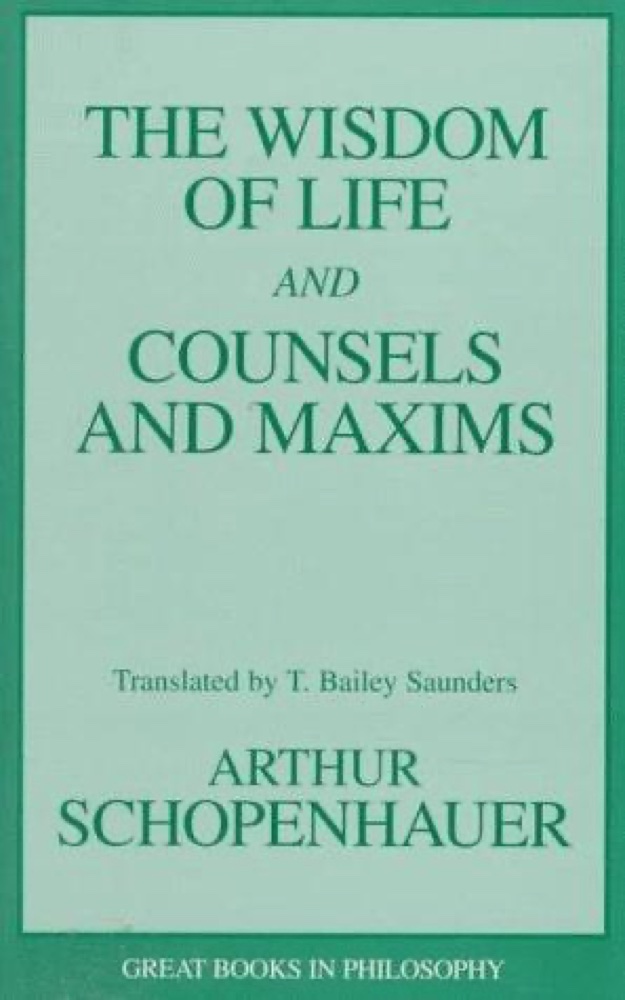 The Wisdom of Life
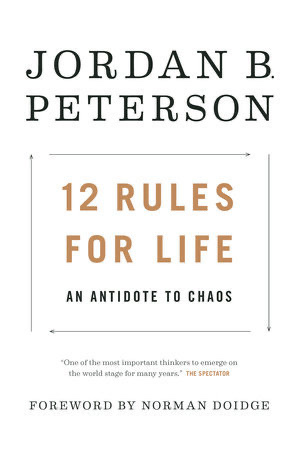 12 Rules for Life: An Antidote to Chaos
 The World as Will and Representation, Vol 1
 Eyeless in Gaza
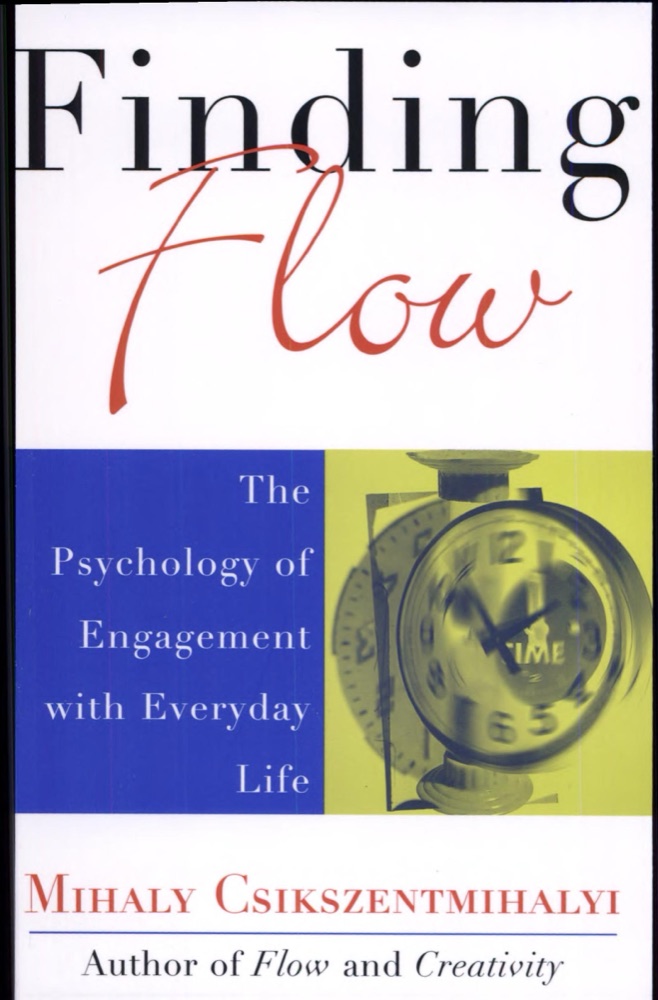 Finding Flow: The Psychology of Engagement with Everyday Life
 The Spinoza Problem
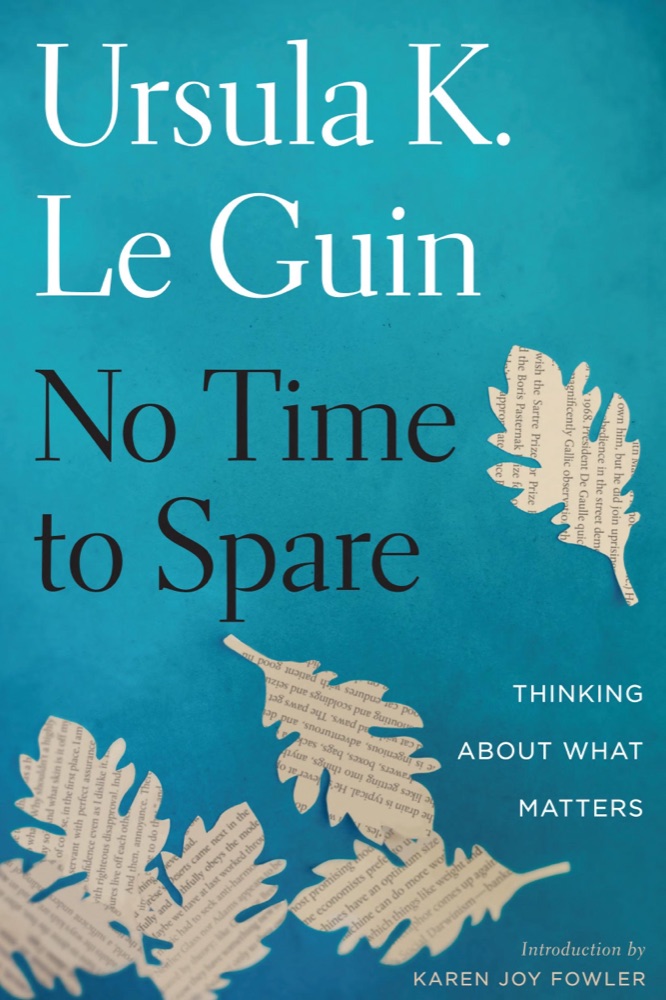 No Time To Spare: Thinking About What Matters
 Walden Two
 How to Be Perfect: The Correct Answer to Every Moral Question
 Creativity: Flow and the Psychology of Discovery and Invention
 The Wisdom of Insecurity: A Message for an Age of Anxiety
 Toward a Psychology of Being
 The Social Animal: The Hidden Sources of Love, Character, and Achievement
 Heretics
 Point Counter Point
 From Dawn to Decadence: 500 Years of Western Cultural Life, 1500 to the Present
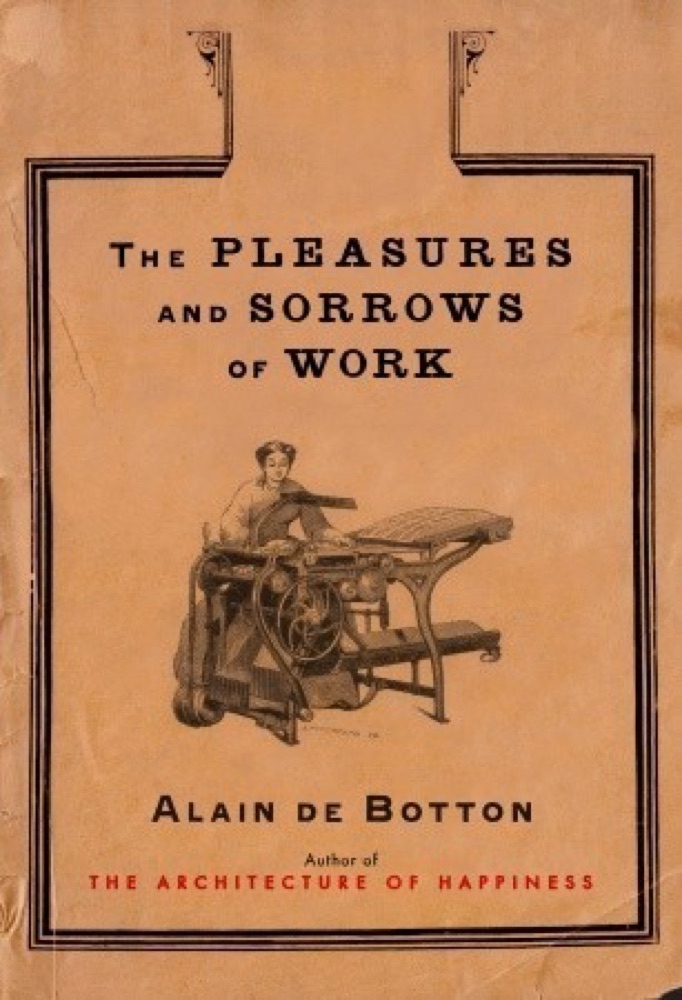 The Pleasures and Sorrows of Work
 On the Suffering of the World
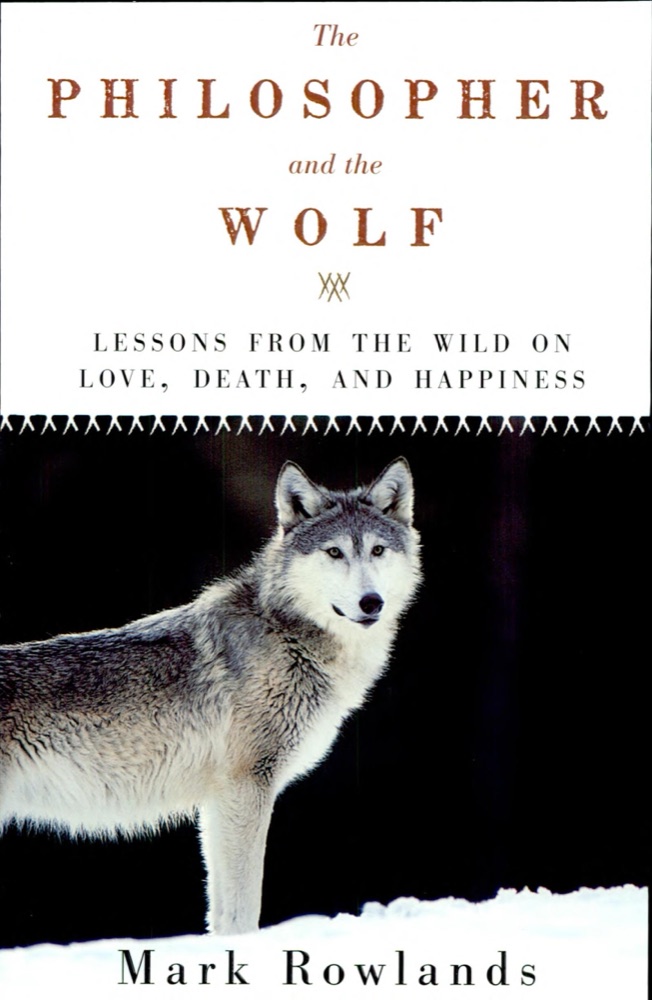 The Philosopher and the Wolf
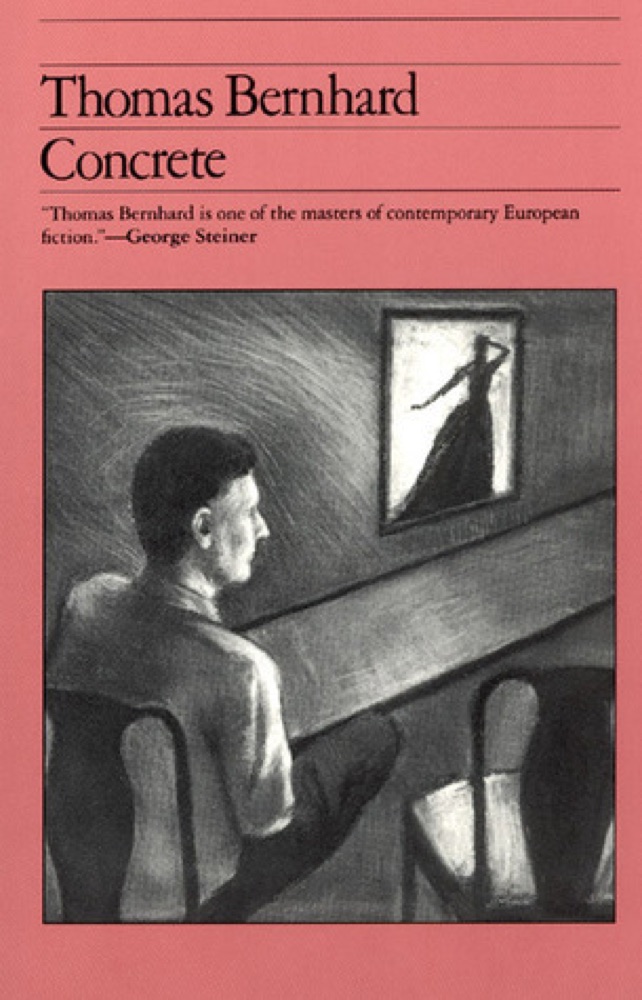 Concrete
 How to Live: A Life of Montaigne in One Question and Twenty Attempts at an Answer
 The Ethics of Ambiguity
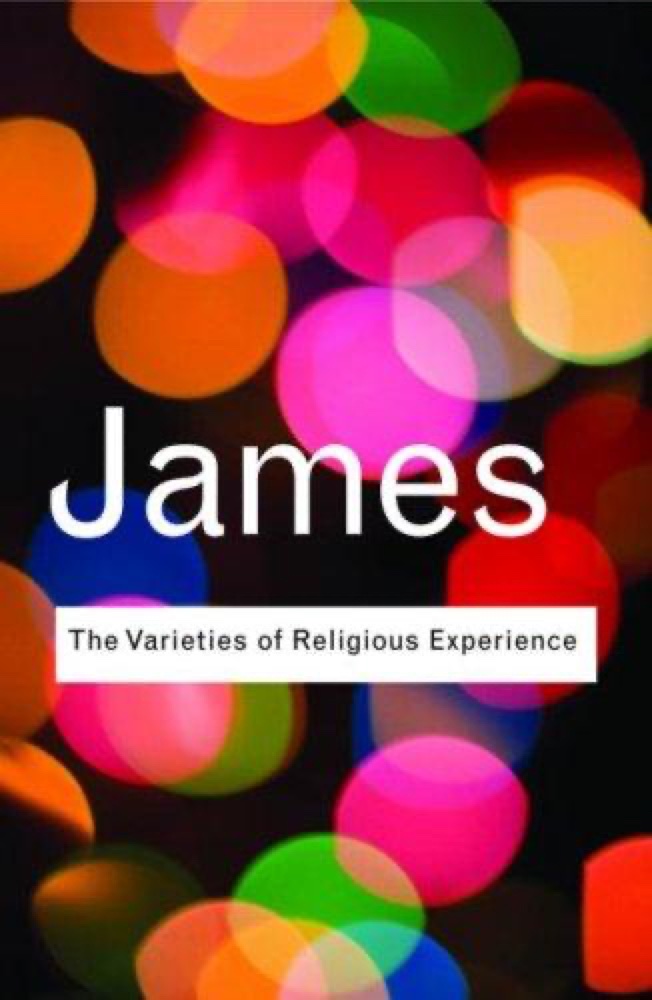 The Varieties of Religious Experience
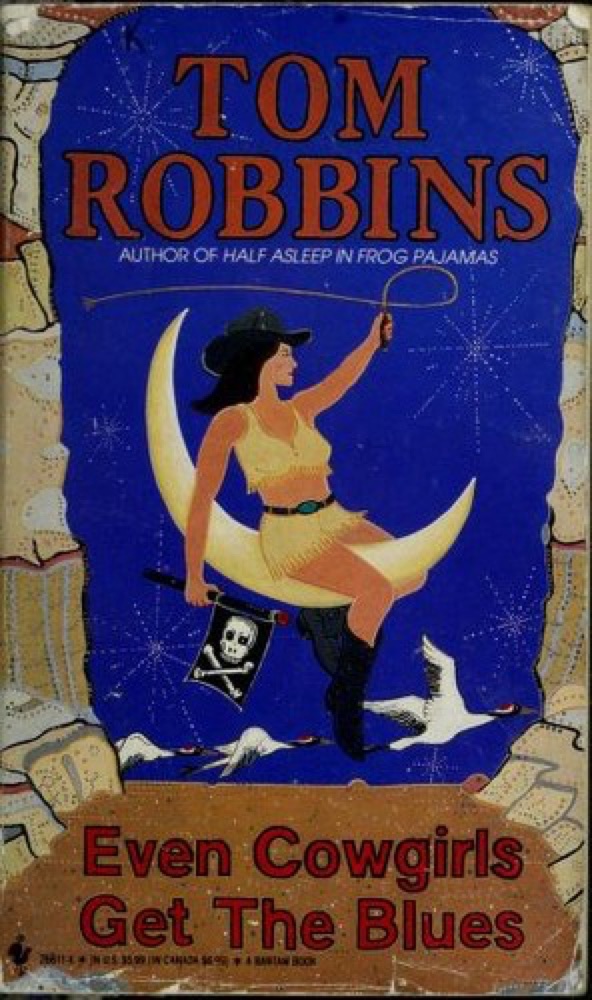 Even Cowgirls Get the Blues
 After Virtue
 Flaubert's Parrot
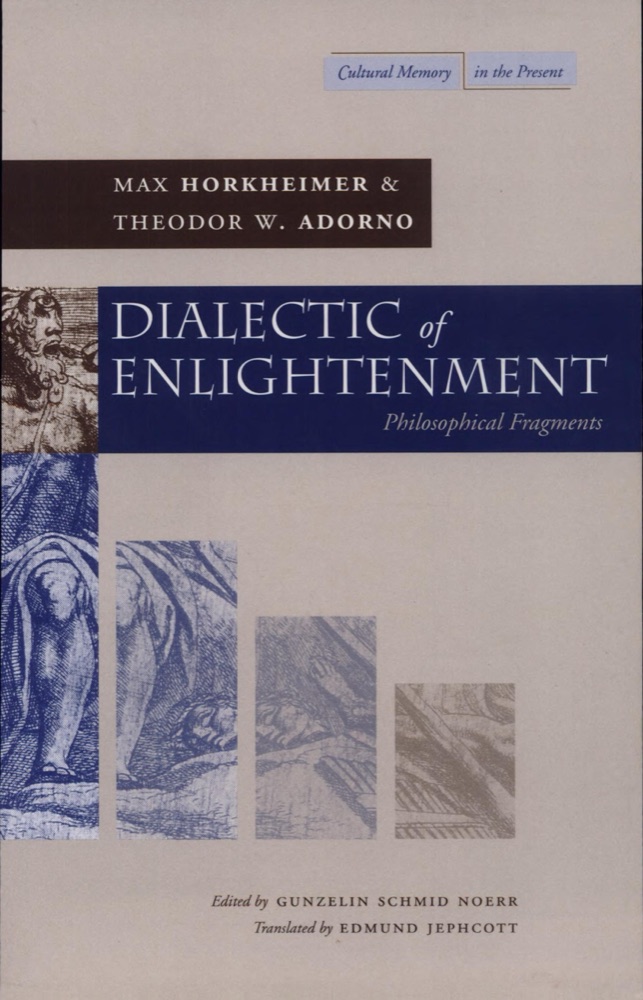 Dialectic of Enlightenment: Philosophical Fragments
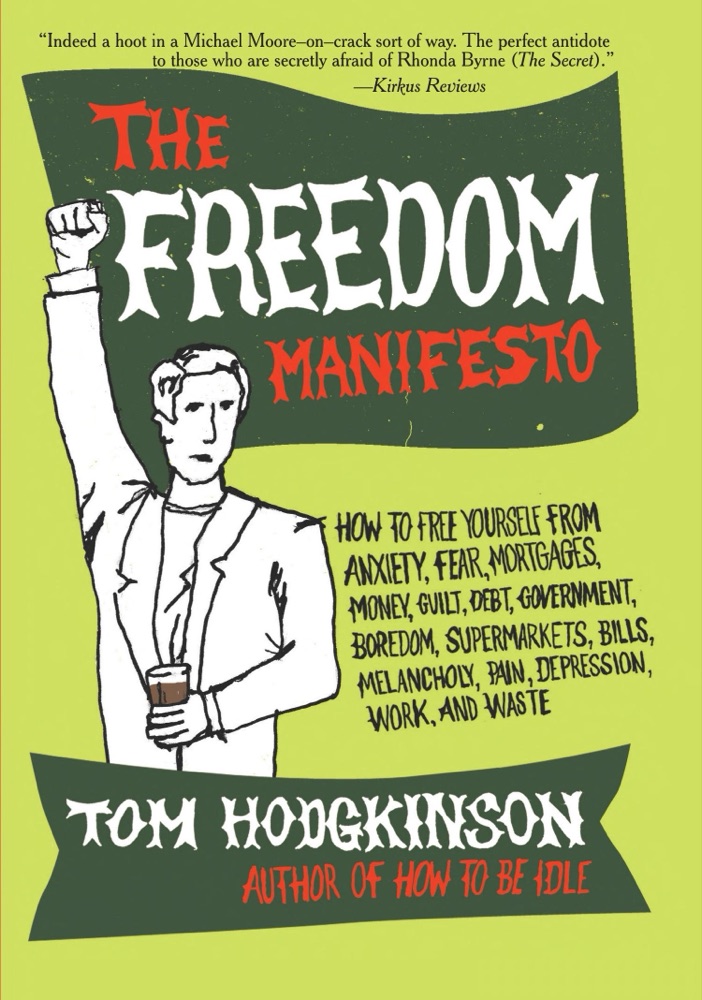 The Freedom Manifesto
 Asymmetry
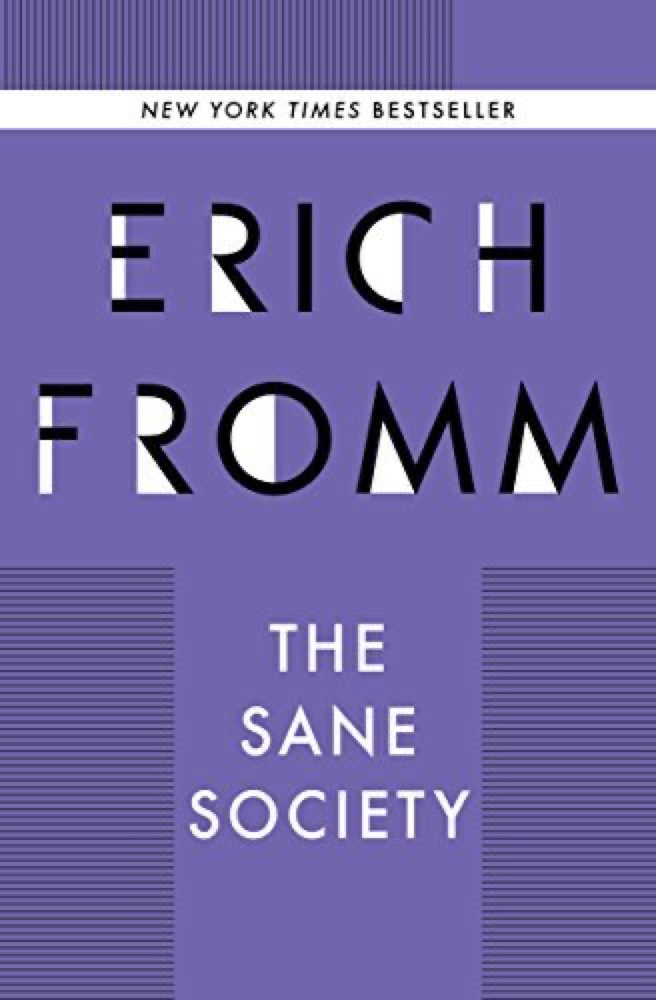 The Sane Society
 The Soul of Man Under Socialism
 The Ides of March
 Brave New World / Brave New World Revisited
 Homo Deus: A History of Tomorrow
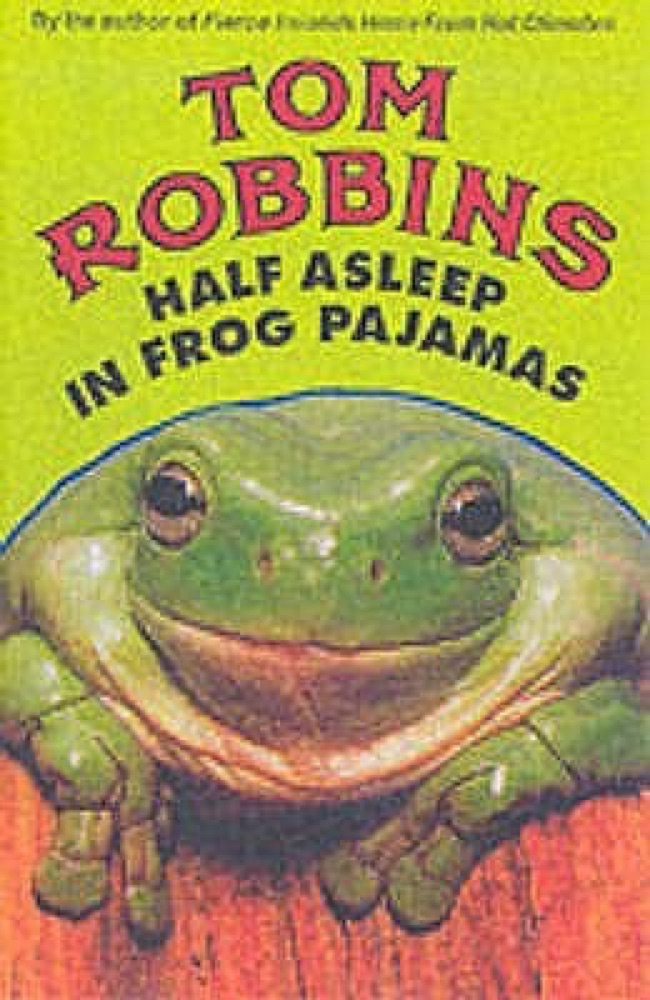 Half Asleep in Frog Pajamas
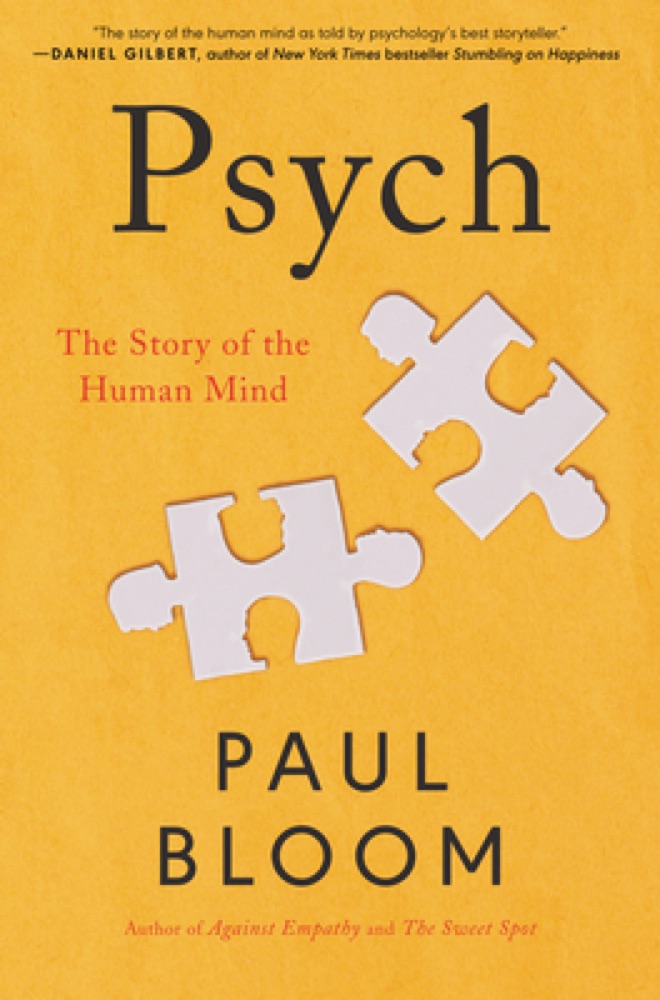 Psych: The Story of the Human Mind
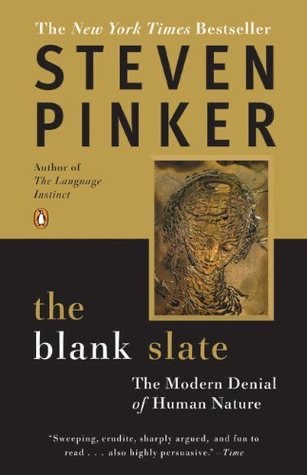 The Blank Slate: The Modern Denial of Human Nature
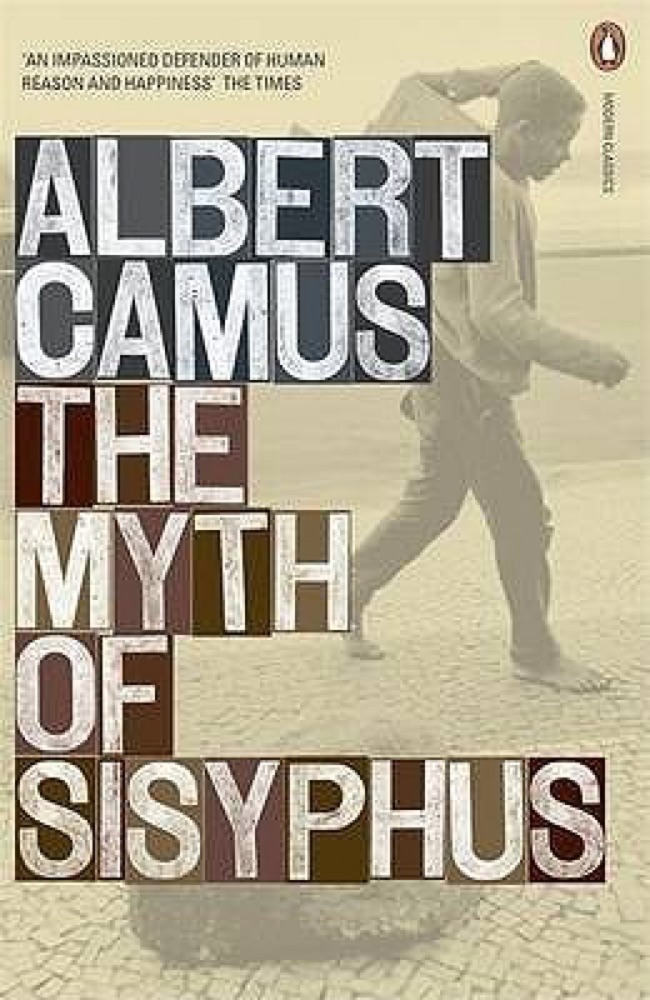 The Myth of Sisyphus
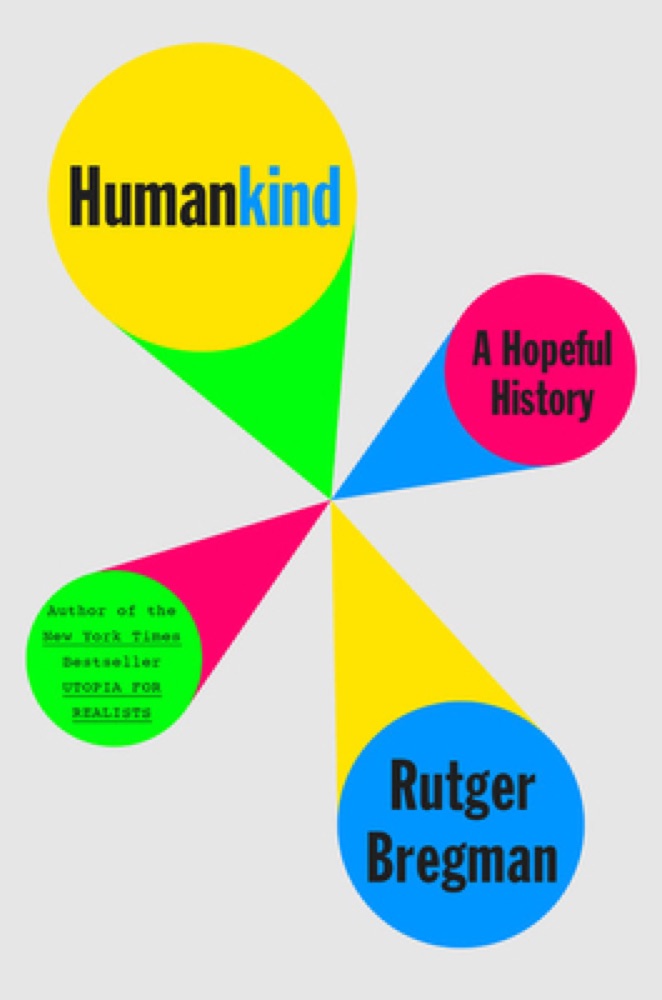 Humankind: A Hopeful History
 The Second Mountain
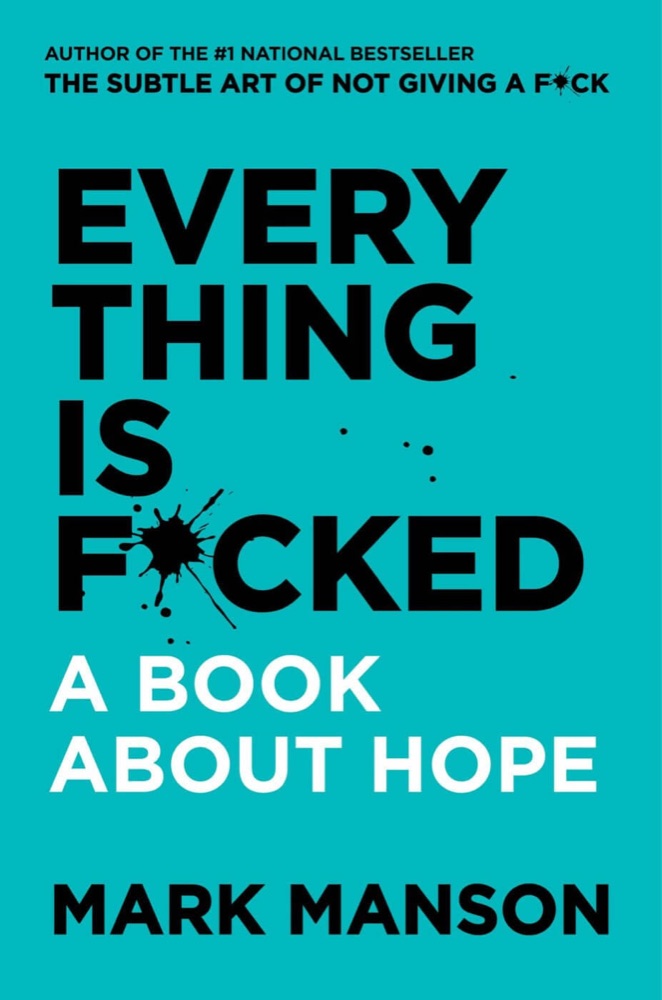 Everything Is F*cked: A Book About Hope
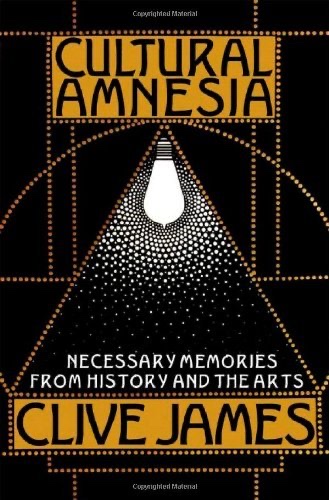 Cultural Amnesia: Necessary Memories from History and the Arts
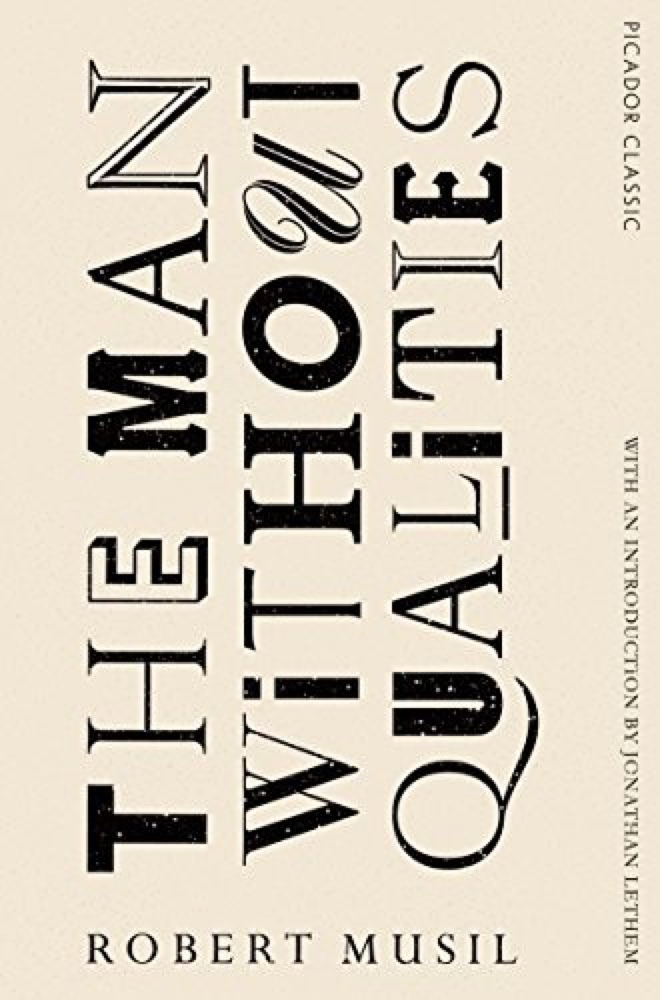 The Man Without Qualities
 The Scent of Time: A Philosophical Essay on the Art of Lingering
 Emile or On Education
 Man and His Symbols
 Travels with Epicurus: A Journey to a Greek Island in Search of a Fulfilled Life
 The Closing of the American Mind
 Antifragile: Things That Gain from Disorder