 The Prague Cemetery
Quotes from the Book
what is fiction in particular is truth in general.
8
One must live with all, e'en if life be hell: Crime makes shame, not monetary stricture
2
Aș da mult să știu, cititorule, cît timp pot lăsa o eroină să plutească în aer, pînă să-mi lași dumneata cartea din mînă, obosit de descrierea unui castel și să nu mai aștepți ca persoana să ajungă la sol. Dacă, în povestirea mea aș avea nevoie de o asemenea săritură în aer, din precauție aș alege … etajul întîi ca punct de pornire al săriturii și un castel despre care să nu fie prea multe de spus.
1
Since I have the obligation to take care of the needs of my family, I have decided to use a talent which, I believe, has been given to me. I am a poet… Phew! You know, reader, what I and all sensible people think about that.
1
Ik verzoek nu de lezer de volgende hoofdstukken door te byten, dan beloof ik naderhand weer iets van meer soliede aard, van my, Batavus Droogstoppel, makelaar in koffi: Last & Co., Lauriergracht, No. 37.
1
It’s like speaking of the dead: you always hear about their good qualities, which no one ever noticed before, and that’s because the dead don’t get in anybody’s way anymore. All men are rivals, to some extent. We all like to feel ourselves above everybody else in every respect.
This form of hereditary privilege started as a favour, soon became a custom, and finally a necessity; but it never became law.
The whole of Java is immediately subject to the Netherlands. There is no question of tribute, or levy, or alliance. The Javanese is a Dutch subject. The King of the Netherlands is his king. The descendants of his former princes and lords are Dutch officials. They are appointed, transferred, promoted, dismissed by the Governor-General, who rules in the name of the King. The criminal is convicted and sentences under a law made in The Hague. The taxes the Javanese pays flow into the Exchequer of the Netherlands.
Custom, which has the force of law in the Dutch East Indies more than it has anywhere else, dictates that an officer charged with government of a division shall be given a festive reception.
Money will no doubt be obtainable; and money will buy bricks and mortar. The artist who makes the plans, and the mason who lays the stones, can be paid. But no money will buy the lost yet admirable sentiment that saw a building a poem, a poem in granite that spoke loudly to the people, a poem in marble that stood there as an immovable eternal prayer...
And the worst thing about such shows on the stage is that the public gets so accustomed to all these untruths that they admire them and applaud them.
Nothing but lies! And that's how education goes on.
Ik ben makelaar in koffi, en woon op de Lauriergracht No 37. Het is myn gewoonte niet, romans te schryven, of zulke dingen.
The penalty for him who, in a fit of madness, had believed that there was Justice in the land...
Ik ben makelaar in koffie" ("I am an estate agent in coffee").
Fanatismul, care a socotit că trebuie să așeze turnuri pe clădirile înălțate în cinstea cutărui sau cutărui sfînt, n-a durat destul de mult pentru ca să le desăvîrșească, iar fleșa, care trebuie să le arate credincioșilor direcția către cer, este instalată, de obicei, cu vreo cîteva caturi mai jos, pe baza masivă, amintind de omul fără pulpe, de la bîlci. Numai turnulețele și fleșele micuțe ale bisericuțelor de la țară au fost terminate. Zău, nu e de loc măgulitor pentru civilizația occidentală că ideea de a realiza o operă măreață prea arareori s-a putut menține destul de mult, pentru a vedea terminată opera. … credința din inimile oamenilor … i-a dat arhitectului posibilitatea să înceapă și să-și continue lucrarea … să servească drept reprezentare vizibilă a simțămîntului religios invizibil… să compare această fierbere cu orientarea care a făcut să se nască, după trecerea cîtorva secole, clipa opririi lucrării… Dar firul rupt va putea fi oare înnodat la loc? Va fi regăsit oare în zilele noastre factorul care a creat atunci forța prelatului și a arhitectului? Cred că nu. Bani se mai găsesc – și pe bani se poate cumoăra piatră și var. Cu bani poate fi plătit artistul care întocmește un proiect și zidarul care așază blocurile de piatră. Dar nu se poate cumoăra cu bani predispoziția stranie și totuși vrednică de respect, care îi făcea pe oameni să vadă într-un proiect de construcție un poem… Un poem de granit, care grăia cu glas tare poporului, un poem de marmură, care se înălța ca o rugăciune încremenită, infinită, veșnică.
Sînt și alții care-și închipuie că afirmația că au experiență și-o pot întemeia pe unele fluctuații ale soartei, dar fără nici o dovadă că acele fluctuații au avut vreun efect asupra vieții lor interioare. După părerea mea, a asista la evenimente importante sau chiar a le trăi, nu are influență, decît mică, sau de loc, asupra unui anumit fel de temperamente, lipsite de capacitatea de a recepționa impresii și de a le prelucra. Cine se îndoiește de acest lucru să se întrebe dacă poate fi recunoscută experiența tuturor locuitorilor Franței, care în 1815 aveau patruzeci sau cincizeci de ani. Și totuși, toți aceștia nu numai că au văzut reprezentată marea dramă începută la 1789, dar au și luat parte ei înșiși la ea, jucînd cîte un rol mai mult sau mai puțin important.
Half goed is niet goed, half waar is niet waar, halfheid leidt tot niets.
Watch on YouTube
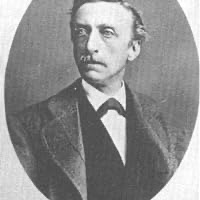
About Multatuli
We have collected 18 quotes from 1 book by Multatuli on BookQuoters.
More about the author →About the book
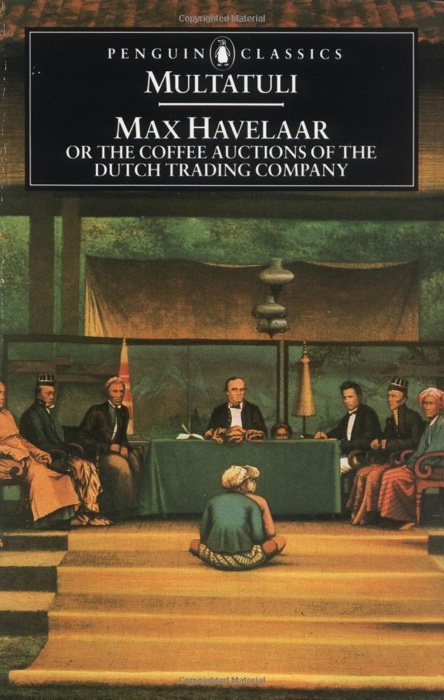
Max Havelaar - a Dutch civil servant in Java - burns with an insatiable desire to end the ill treatment and oppression inflicted on the native peoples by the colonial administration. Max is an inspirational figure, but he is also a flawed idealist whose vow to protect the Javanese from cruelty ends in his own downfall. In Max Havelaar, Multatuli (the pseudonym for Eduard Douwes Dekker) vividly recreated his own experiences in Java and tellingly depicts the hypocrisy of those who gained from the corrupt coffee trade. Sending shockwaves through the Dutch nation when it was published in 1860, this damning exposé of the terrible conditions in the colonies led to welfare reforms in Java and continues to inspire the fairtrade movement today.
Roy Edwards's vibrant translation conveys the satirical and innovative style of Multatuli's autobiographical polemic. In his introduction, R. P. Meijer
Keep reading
The Prague Cemetery
 The Mask of Dimitrios
 Buddenbrooks: The Decline of a Family
 Complete Works of Oscar Wilde
 Under Western Eyes
 Ferdydurke
 The History of Tom Jones, a Foundling
 The Robe
 Praise of Folly
 Anne Frank's Tales from the Secret Annex: A Collection of Her Short Stories, Fables, and Lesser-Known Writings
 Auto-da-Fé
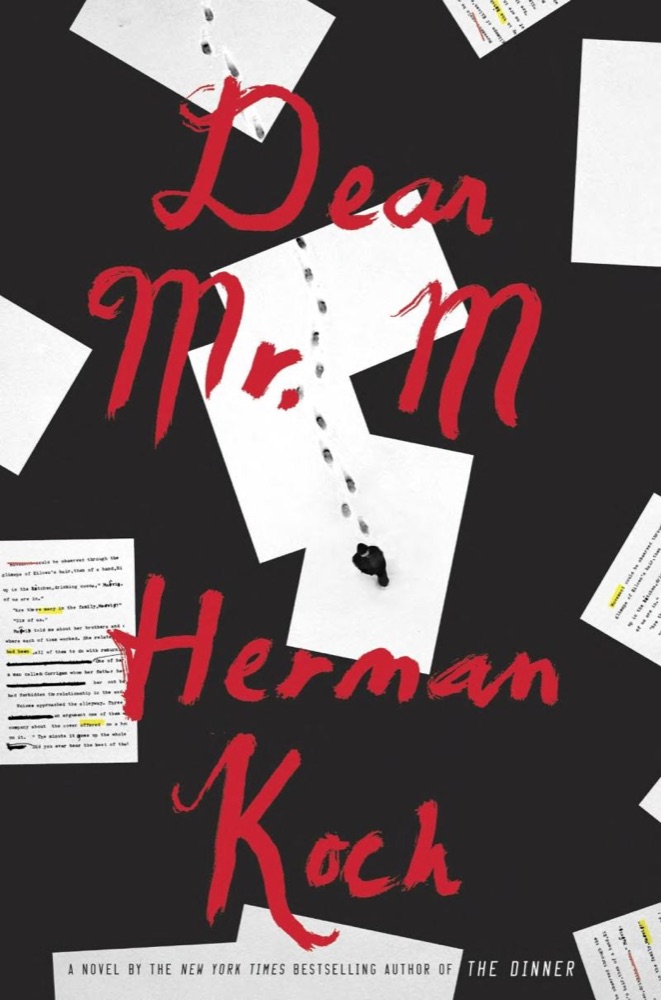 Dear Mr. M
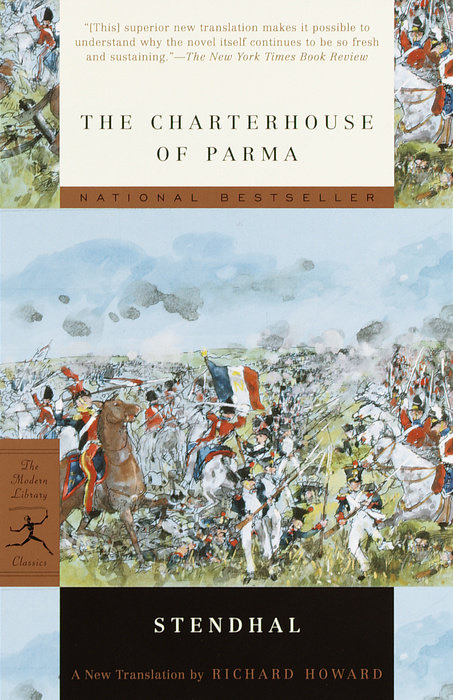 The Charterhouse of Parma
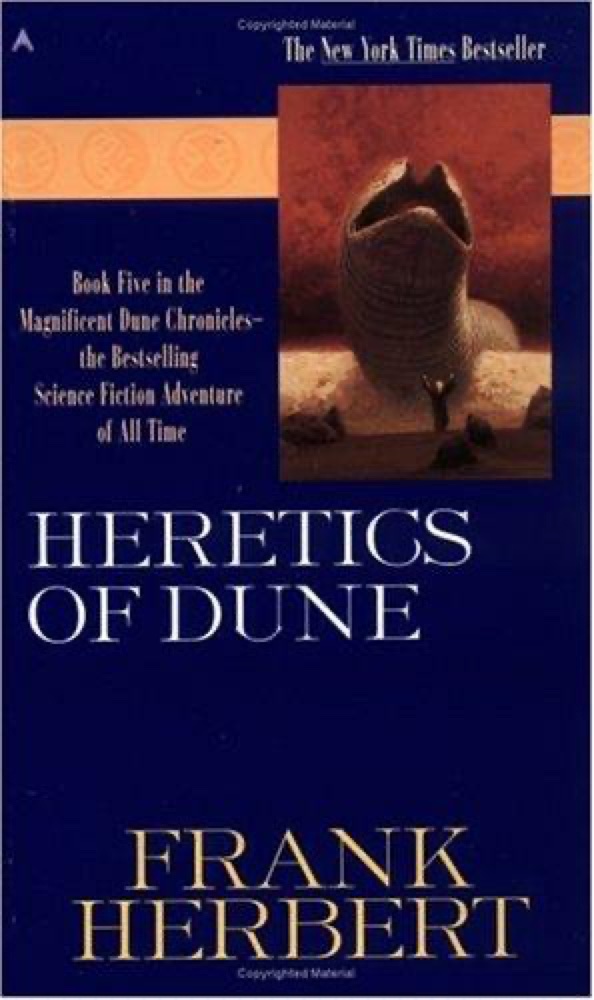 Heretics of Dune
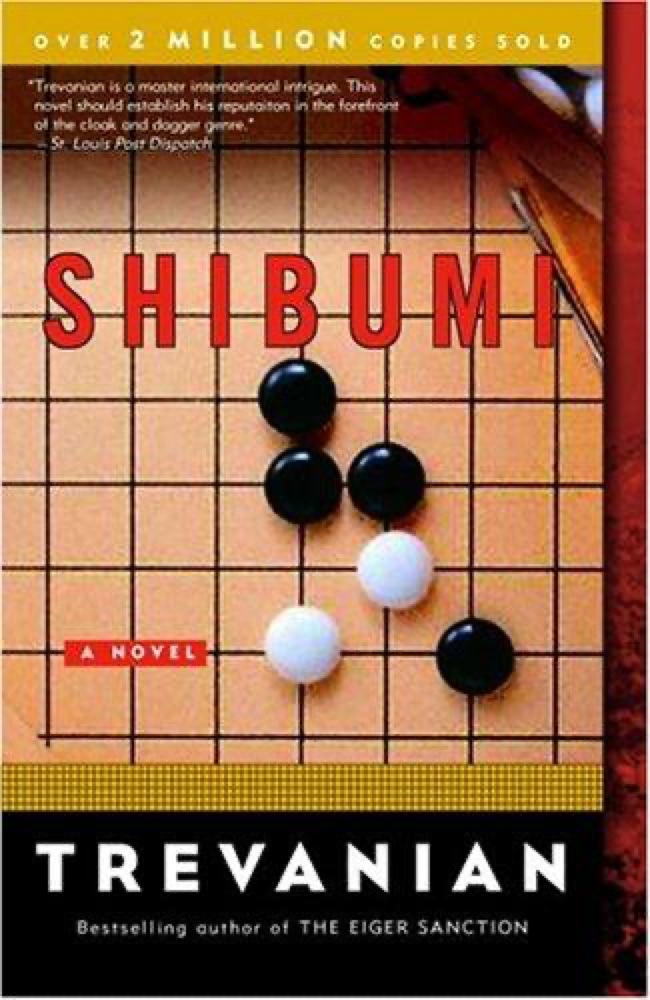 Shibumi
 The Man in the Iron Mask
 The Mystery of Edwin Drood
 The Professor
 The Volcano Lover: A Romance
 Hercule Poirot: The Complete Short Stories
 Doctor Faustus
 The Dogs of Riga
 Testaments Betrayed: An Essay in Nine Parts
 The Man Who Laughs
 The Enchantress of Florence
 The Double
 Resurrection
 The Kindly Ones
 The Complete Works
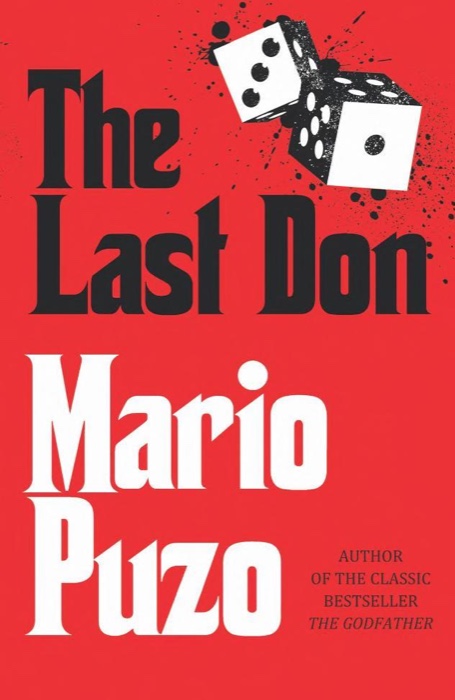 The Last Don
 A Moth to a Flame
 Travels With My Aunt
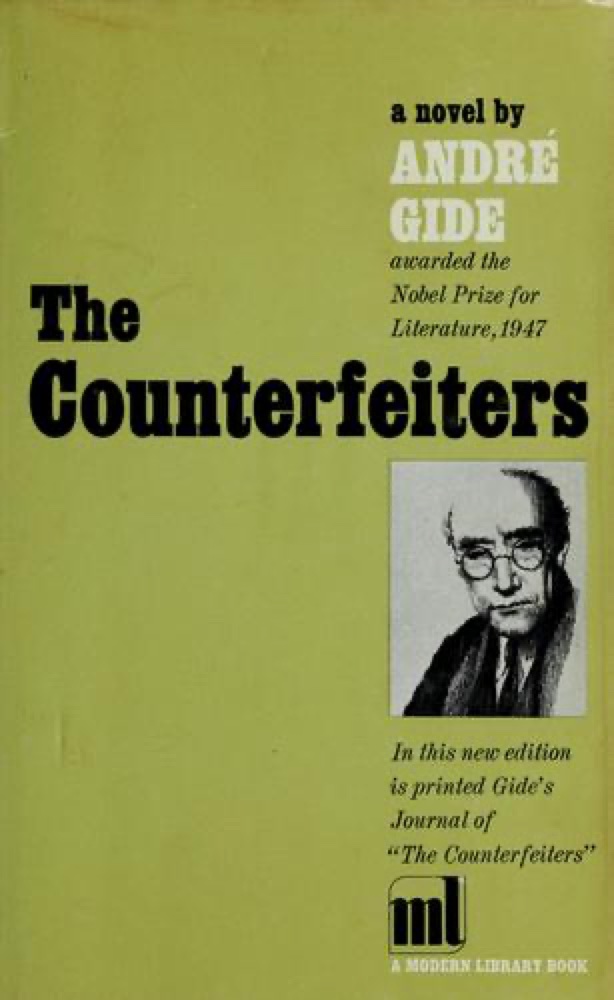 The Counterfeiters
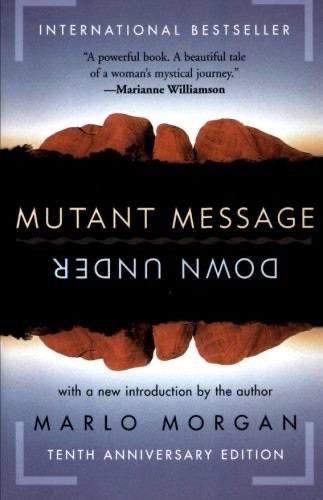 Mutant Message Down Under
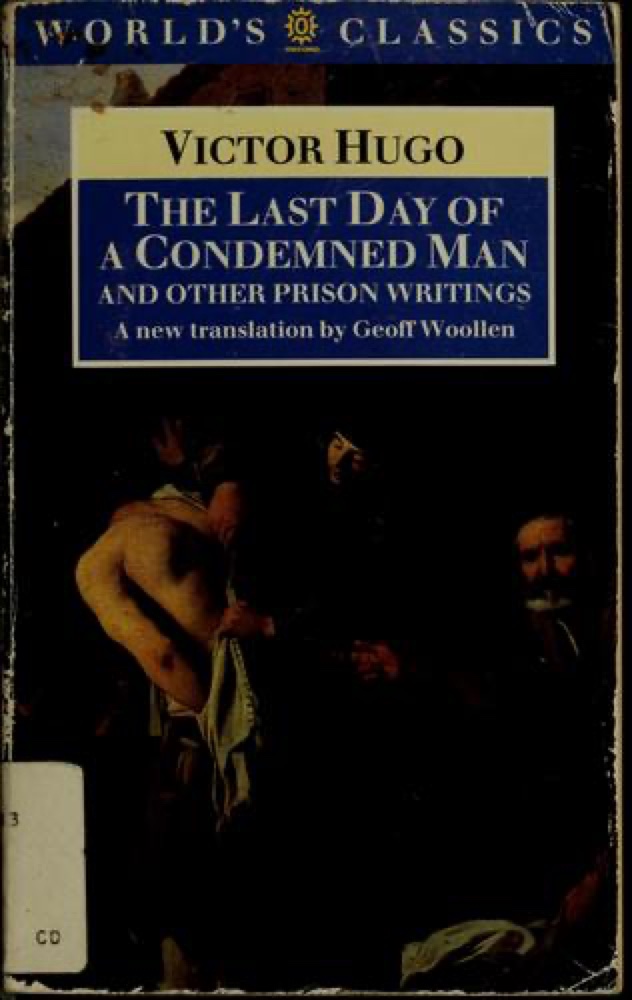 The Last Day of a Condemned Man
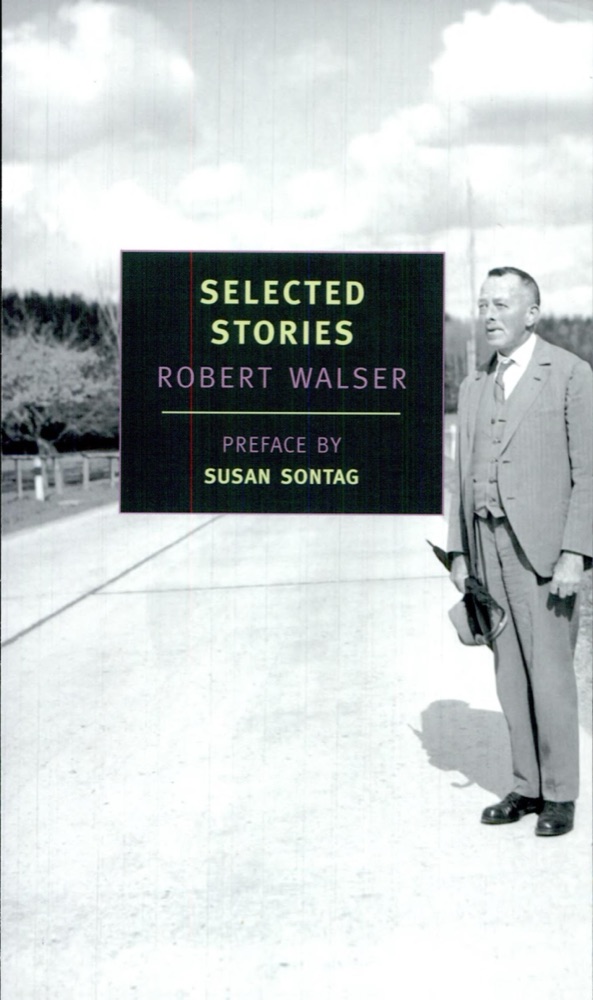 Selected Stories
 The House of the Dead
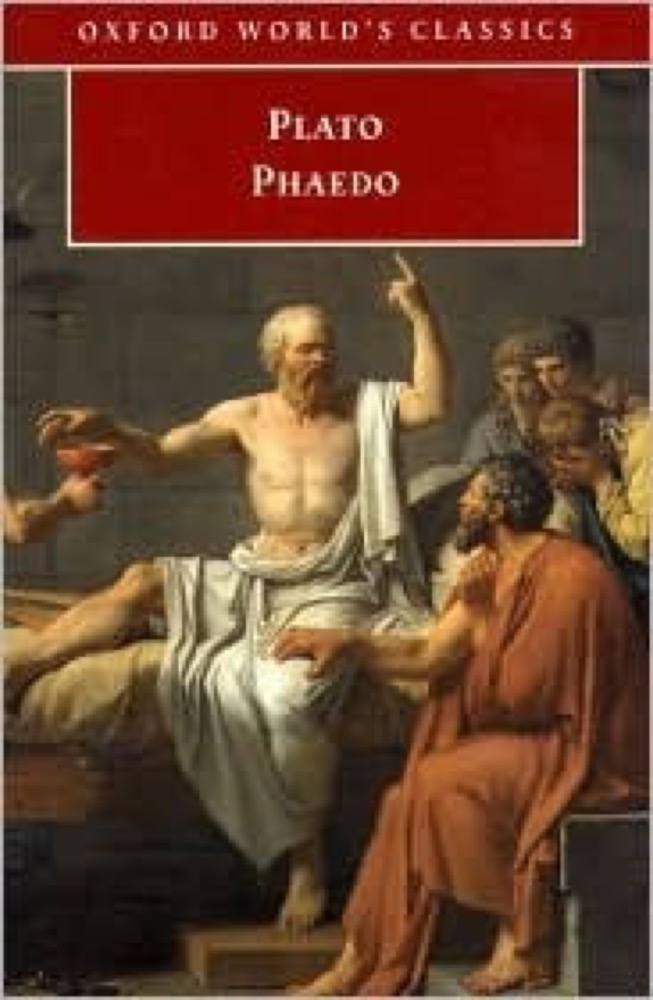 Phaedo
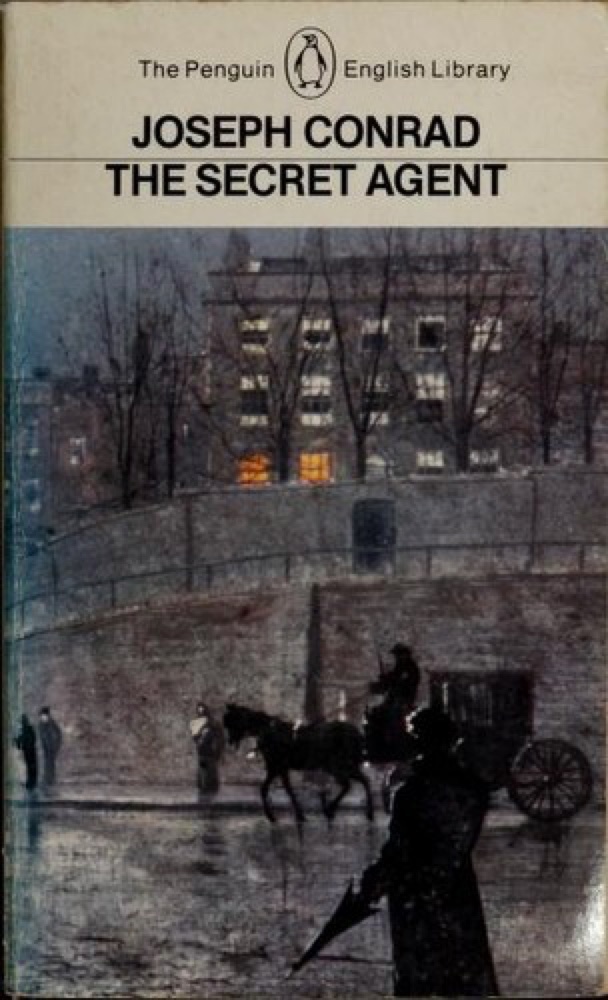 The Secret Agent
 In Lucia's Eyes
 Elective Affinities
 Travels with Herodotus
 Shame
Shame
 The Way We Live Now
 Gulliver's Travels
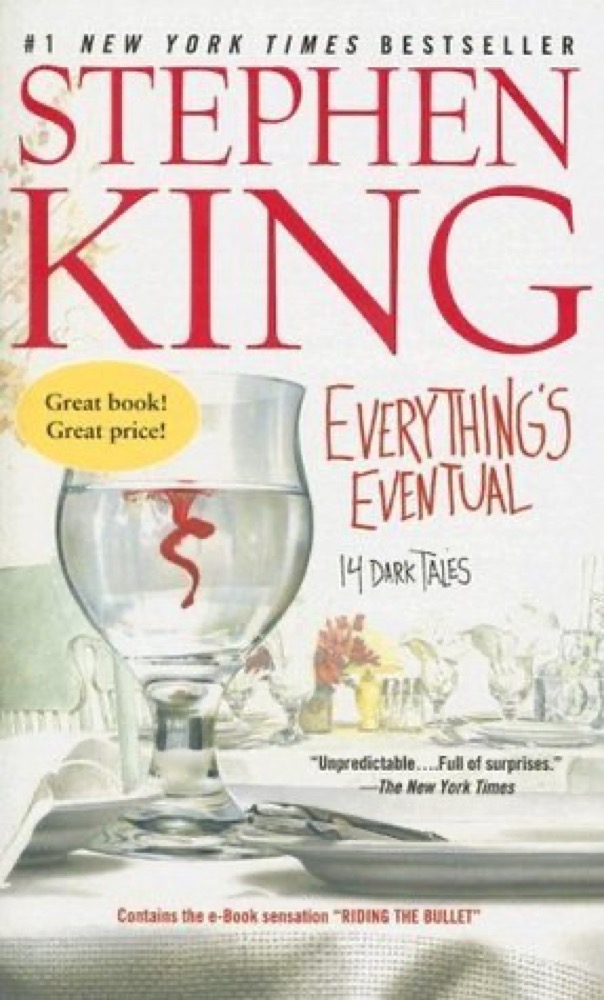 Everything's Eventual
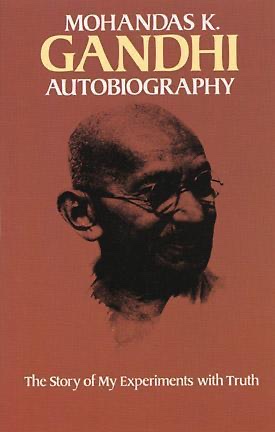 The Story of My Experiments With Truth
 The Discovery of Heaven
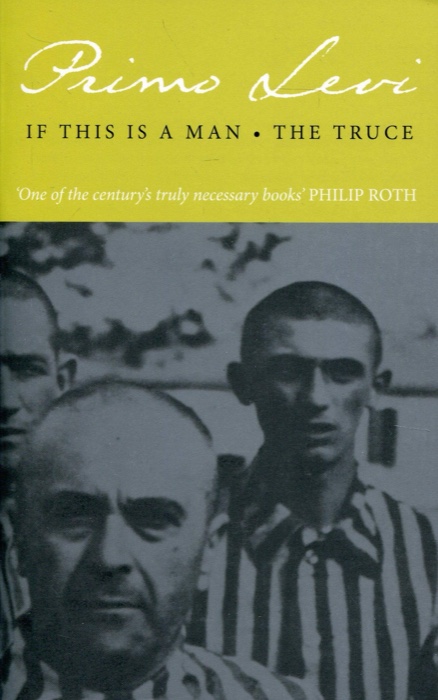 If This Is a Man / The Truce
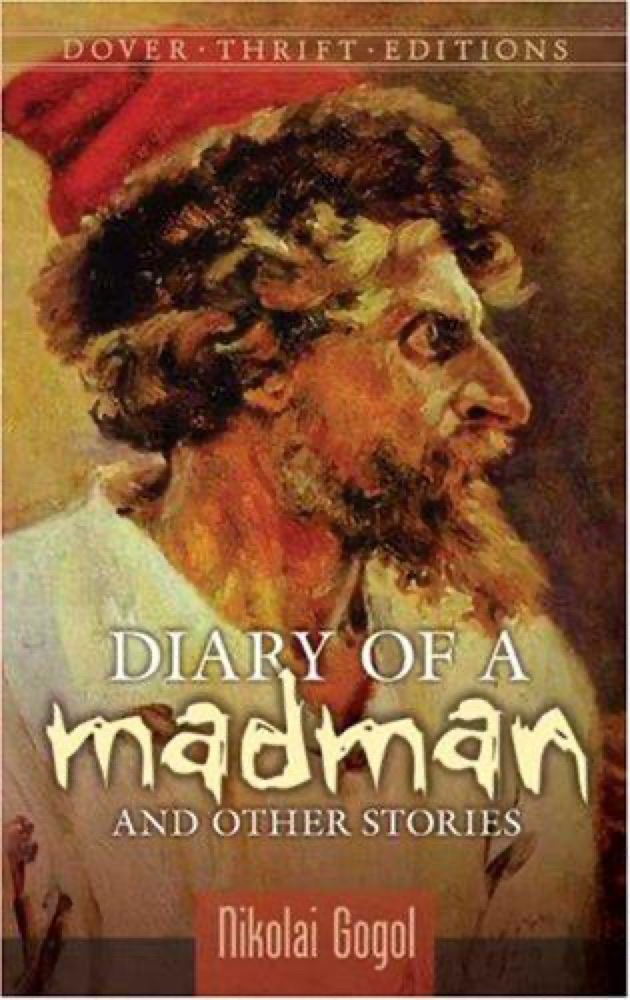 Diary of a Madman and Other Stories
 The Dwarf
 Major Barbara
 Honor
Honor
 The Devil's Star
 Following the Equator: A Journey Around the World
 Doctor Glas
 A Thousand Plateaus: Capitalism and Schizophrenia
 The Gadfly