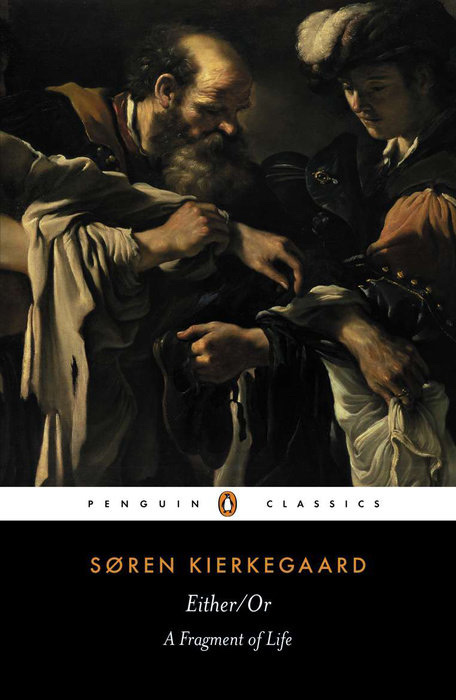
 Either/Or: A Fragment of Life
Quotes from the Book
I once knew of a girl whose story forms the substance of the diary. Whether he has seduced others I do not know... we learn of his desire for something altogether arbitrary. With the help of his mental gifts he knew how to tempt a girl to draw her to him without caring to possess her in any stricter sense. I can imagine him able to bring a girl to the point where he was sure she would sacrifice all then he would leave without a word let a lone a declaration a promise. The unhappy girl would retain the consciousness of it with double bitterness because there was not the slightest thing she could appeal to. She could only be constantly tossed about in a terrible witches' dance at one moment reproaching herself forgiving him at another reproaching him and then since the relationship would only have been actual in a figurative sense she would constantly have to contend with the doubt that the whole thing might only have been an imagination.
50
You, who are so observant, will no doubt concede the generalization that people divide into two large classes, those who live mainly in hope and those who live mainly in recollection.
30
Seducing a girl is no art, but it needs a stroke of good fortune to find one worth seducing.
22
She was a riddle, who mysteriously possessed her own solution, a secret, and what are all diplomats' secrets compared with this, an enigma, and what in all the world is so beautiful as the word that solves it?
12
Love has many mysteries, and this first infatuation is also a mystery, even if a minor one - most people who rush into it get engaged or indulge in other foolish pranks, and then it's all over with the twinkling of an eye and they don't know what they have conquered or what they have lost.
9
- a bad conscience is indeed able to make life interesting.
8
¡Maldito azar! ¡Tú, mi único amigo íntimo, único ser al que creía digno de confianza, de mi alianza y de mi enemistad, siempre inestable y siempre igual a ti mismo, siempre incomprensible, eterno enigma!
3
Con toda seguridad, quien induce al error a los demás, debe caer también en este mismo error. Cuando algún viajero extraviado pregunta por el camino a seguir, es muy reprobable indicarle un rumbo falso y luego dejarle marchar solo, pero carece de importancia si se compara con el daño que se hace a quien se impulsa a perder por las rutas de su alma. Al viajero extraviado le queda, por lo menos, el consuelo del paisaje, que le rodea, casi siempre variado, y la esperanza de que a cada recodo encuentre el buen camino; pero quien se desorienta en su Yo íntimo, queda recluido en un espacio muy angosto y en seguida vuelve a encontrarse en el punto del que partió y va recorriendo sin solución de continuidad un laberinto del que comprende que no podrá salir.
3
Alţii sunt virtuoşi ziua şi păcătuiesc noaptea;eu ziua sunt pură prefecătorie,iar noaptea sunt numai dorinţe.
3
Pe peretele opus se află o oglindă; ea nu se sinchiseşte de această oglindă, în schimb oglinda se sinchiseşte de ea. Cu câtă fidelitate îi redă imaginea! E ca un sclav umil care-şi dovedeşte ataşamentul prin fidelitate, un sclav pentru care ea prezintă cea mai mare importanţă, dar care n-are pentru ea nici o importanţă, un sclav care îndrăzneşte să-i înţeleagă dorinţele, dar nu şi curajul de a face dragoste cu ea. Şi această nefericită oglindă care are acum imaginea ei, dar n-o are şi pe ea, care nu-i poate păstra chipul în ascunzătorile ei tainice, smulgând-o vederii lumii întregi, căci nu ştie altceva decât s-o arate altora cum mi-o arată mie acum! Ce supliciu pentru un bărbat dacă ar fi în locul oglinzii! Şi cu toate astea, nu sunt oare destui bărbaţi care au întru totul trăsăturile oglinzii? Care nu posedă nimic decât în momentul în care arată altora, care nu sesizează decât aparenţa lucrurilor, iar nu substanţa lor? Care pierd totul în momentul în care ceea ce posedă are dorinţa de a se arăta, exact ca această oglindă care i-ar pierde imaginea îndată ce ea ar dori să-i deschidă inima? Dacă un bărbat nu e capabil să păstreze în memorie imaginea frumuseţii nici măcar în clipa prezenţei acesteia, el ar trebui, în acest caz, să dorească să fie totdeauna departe de ea, niciodată prea aproape; de aproape, el nu vede ce strânge în braţe, îndepărtându-se, vede din nou... Dar în momentul în care el nu poate vedea obiectul pentru că e aproape de el, în momentul în care buzele lor se unesc într-un sărut, ceea ce strânge în braţe ar putea fi totuşi vizibil pentru ochii sufletului său...
3
Y ahora, un poco de paciencia, sin apremios: me la han destinado y algún día me pertenecerá.
3
El compromiso es, desde luego, el más ridículo de todos los estados y situaciones ridículas. El matrimonio, por lo menos, tiene un sentido, aunque traiga aparejadas muchas molestias. Pero el compromiso es un invento que se debe únicamente al hombre y no honra, desde luego, a su inventor.
2
She awakens first at the touch of love; before that time she is a dream, yet in her dream life we can distinguish two stages: in the first, love dreams about her; in the second, she dreams about love.
2
Din ce motiv o fată are temeri în prezenţa bărbatului?Din motivul care se numeşte intelect.Pentru că intelectul este negaţia însăşi a întregii existenţe feminine.Frumuseţea masculină,natura suprinzătoare a bărbatului etc,sunt mijloace bune pentru a face cuceriri,dar numai cu ele nu vei avea niciodată victoria totală.De ce?Pentru că te războieşti cu plinătatea forţelor unei fete tinere şi în acest domeniu ea este întodeauna cea mai tare.Acele mijloace pot s-o facă să roşească pe o fată,s-o facă să-şi plece ochii,dar niciodată să-i provoace acea angoasă indescriptibilă şi insidioasă care îi face frumuseţea atât de interesantă.
2
A trăit întâmplări destul de triste,în general lucruri care-ţi taie cheful de pălăvrăgeală ordinară.Tatăl şi mama ei n-au fost fericiţi împreună.Ceea ce pe o fată oarecare o atrage,pe ea o lasă indiferentă.S-ar părea chiar să nu ştie care e rolul adevărat al unei fete.Poate că uneori îşi doreşte să nu fie fată,ci băiat.
2
Căsătoriţi-vă şi o să regretaţi;nu vă căsătoriţi,şi o să regretaţi;că faceţi una sau alta,le veţi regreta în aceeaşi măsură.Râdeţi de nebuniile acestei lumi,şi veţi regreta;plângeţi-le,şi veţi regreta;că veţi râde sau veţi plânge,veţi regreta în aceeaşi măsură.
2
Aşk için her şey imgedir; ama imge de hakikattir.
2
Bir genç kızı ne korkutur? Tin. Neden? Çünkü tin onun tüm dişi varlığının yadsınmasına yol açar. Erkeksi güzel bakışlar, çekici bir kişilik vs. iyi özelliklerdir ve bunlarla fetihler yapılabilir; ama asla kesin bir zafer kazanılamaz. Neden? Çünkü o zaman kızla, kızın kendi alanında savaş edilmiştir ve orda kız daima daha güçlüdür. Bu yöntemlerle bir kızın yüzü kızartılabilir, mahcup duruma düşürülebilir; ama güzelliğini ilginç hale getiren o anlatılması olanaksız, büyüleyici endişe uyandırılamaz.
2
No es ningún arte seducir a una muchacha, sino una gran suerte encontrar alguna que valga la pena
1
Watch on YouTube
About Søren Kierkegaard
We have collected 136 quotes from 6 books by Søren Kierkegaard on BookQuoters.
More about the author →More by Søren Kierkegaard
Either/Or: A Fragment of Life
 Fear and Trembling
 The Sickness Unto Death: A Christian Psychological Exposition for Upbuilding and Awakening
 The Essential Kierkegaard
About the book
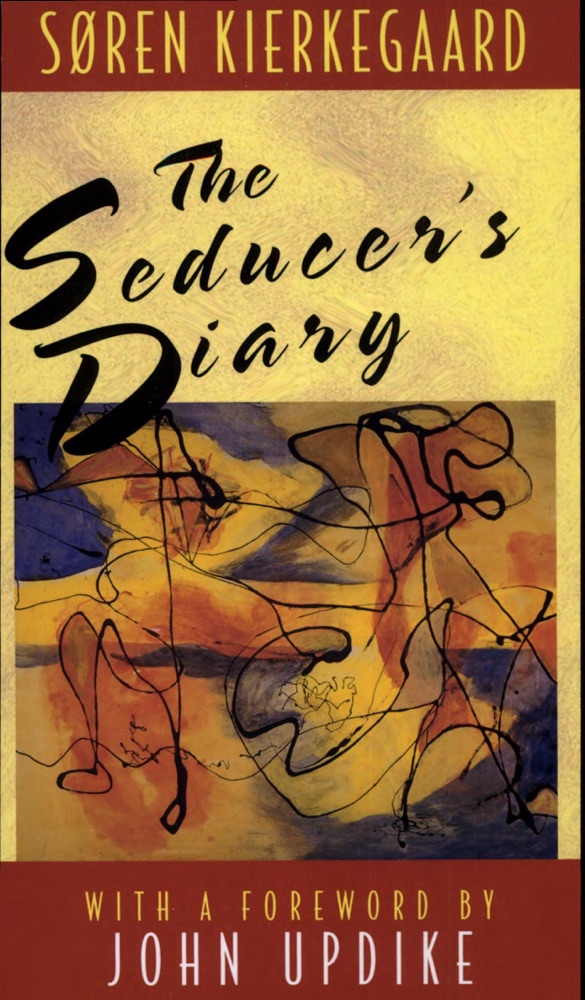
The Seducer's Diary records Johannes's discovery of a girl with the Shakespearean name Cordelia, whom he sets out to control. Intricately, meticulously, cunningly, the seduction proceeds. No detail is too small to escape Johannes.
"She sits on the sofa by the tea table and I sit on a chair at her side. This position has an intimate quality and at the same time a detaching dignity."
Less erotic than an intellectual depiction of seduction, Diary of a Seducer shows the casuist Kierkegaard in what he characterized as the aesthetic mode.
Book details
- First published
- 1843
- Author
- Søren Kierkegaard
- Genre
- Philosophy
- Goodreads rating
- 3.56 (8k ratings)
Keep reading
 Doctor Glas
 The Genius and the Goddess: a Novel
 Platform
 Dear Theo
 The Art of Love
 Paris Spleen
 The Charioteer
 The Yellow Eyes of Crocodiles
 The House of the Spirits
 Lost Illusions
 Socrates In Love
 The Kreutzer Sonata
 Dancing Girls and Other Stories
 Tonio Kröger
 Dom Casmurro
 Like Water for Chocolate
 How I Became Stupid
 Nadja
Nadja
 Strange Pilgrims
 The Little Virtues
 Hopscotch
 So Much for That
 The Mystery of Edwin Drood
 Aunt Julia and the Scriptwriter
 Beauty and Sadness
 Ferdydurke
 Phaedo
 Ficciones
 Fanny Hill, or Memoirs of a Woman of Pleasure
 Travels with Herodotus
 The Narrow Road Between Desires
 A Heart So White
 Follow Your Heart
 A Winter's Promise
 The Invention of Morel
 Key of Knowledge
 Honor
Honor
 Emma in the Night
 Captives of the Night
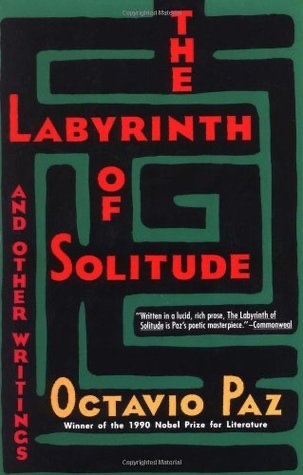 The Labyrinth of Solitude and Other Writings
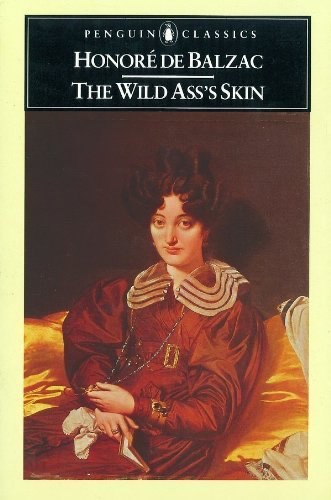 The Wild Ass's Skin
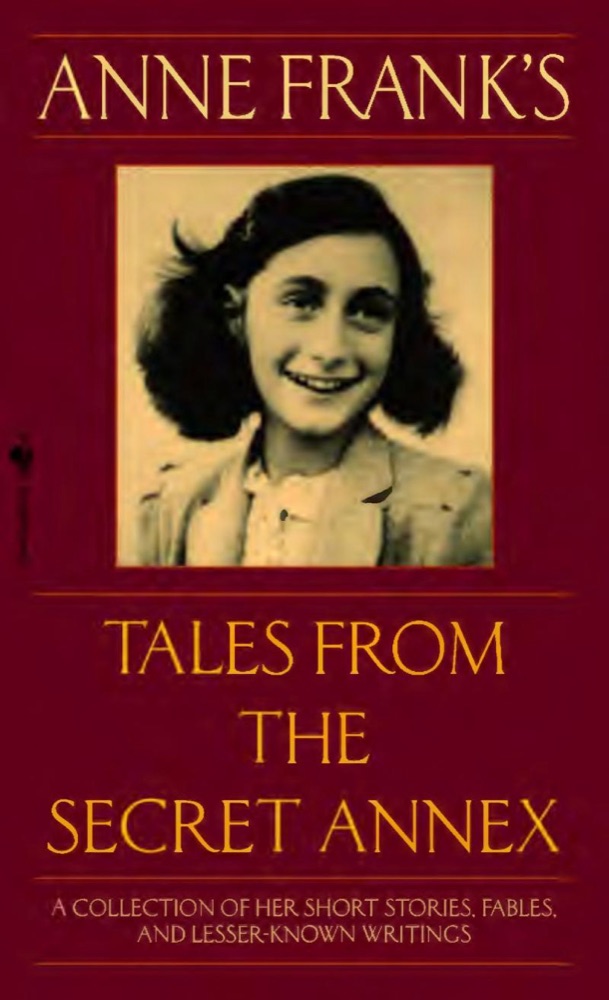 Anne Frank's Tales from the Secret Annex: A Collection of Her Short Stories, Fables, and Lesser-Known Writings
 My Last Sigh
 Margherita Dolce Vita
 The Ingredients of Love
 The Professor
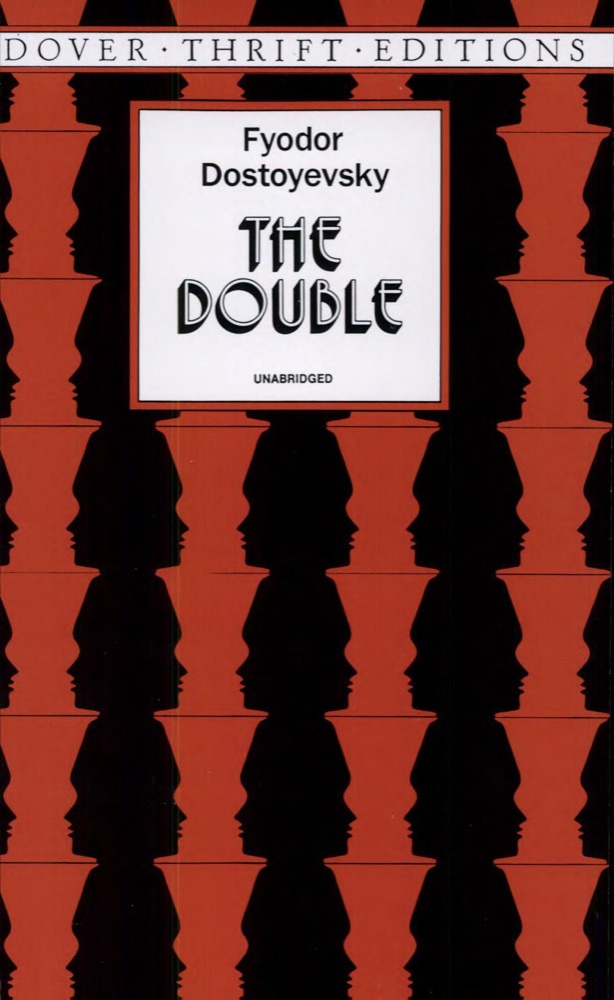 The Double
 As You Wish
 The Blue Hour
 Mademoiselle de Maupin
 Buddenbrooks: The Decline of a Family
 Brodeck
 The Charterhouse of Parma
 A Season in Hell
 The Analyst
 Bed of Roses
 Praise of Folly
 Stories
 I'll Be There