 Thérèse Raquin
Quotes from the Book
I have but one passion: to enlighten those who have been kept in the dark, in the name of humanity which has suffered so much and is entitled to happiness. My fiery protest is simply the cry of my very soul.
96
It is a crime to poison the minds of the meek and the humble, to stoke the passions of reactionism and intolerance, by appealing to that odious anti-Semitism that, unchecked, will destroy the freedom-loving France of the Rights of Man. It is a crime to exploit patriotism in the service of hatred, and it is, finally, a crime to ensconce the sword as the modern god, whereas all science is toiling to achieve the coming era of truth and justice.
18
Onlar göze aldıklarına göre, ben de göze alacağım. Gerçeği söyleyeceğim, çünkü kendisine kurala uygun olarak başvurulan adaletin bunu eksiksiz olarak yapmaması durumunda, söyleyeceğime söz verdim. Benim görevim konuşmak, suç ortağı olmak istemiyorum. Yoksa gecelerim orada, işkencelerin en korkuncu içinde, işlemediği bir suçun cezasını çekmekte olan suçsuzun hayaletiyle dolup taşacak.
10
Suçladığım kişilere gelince: Hiçbirini tanımıyorum. Onları hiç görmedim. Kendilerine karşı ne hıncım var, ne kinim. Onlar benim için topluma kötülük eden kişilerden, kafalardan başka birşey değildir. Benim burada yaptığım şey gerçeğin ve adaletin ortaya çıkmasını hızlandırmak için devrimci bir araca başvurmaktan başka birşey değildir.
9
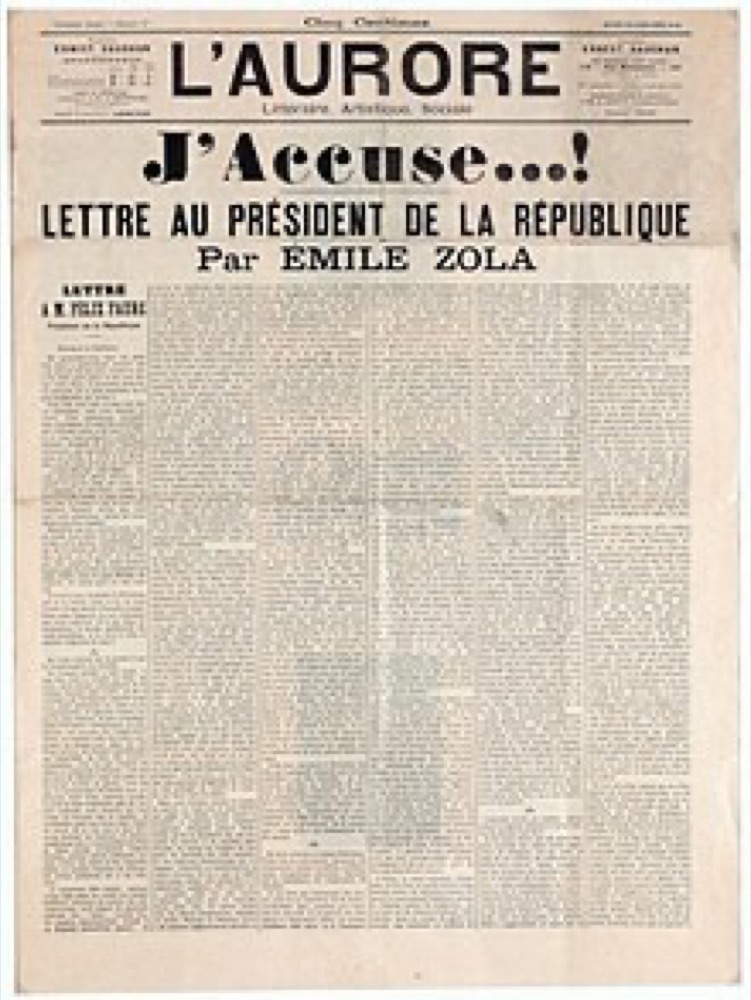
In January 1898 Zola took an important part in the defense of Captain Alfred Dreyfus, a French Jew unjustly accused of selling military secrets to Germany.
7
On May 5, 1896, he wrote in his diary; “I have no longer anything to say; everything is alike in its horrible cruelty.
7
Understand this! A year ago General Billot and Generals de Boisdeffre and Gonse knew that Dreyfus was innocent, and they have kept this frightful thing to themselves. And these men sleep and have wives and children whom they love!
7
Gerçeği gömmeniz boşuna, toprağın altında yol alıyor; bir gün, her yandan fışkıracak, öç bitkileri olarak açılacaktır.
5
Lastly, I accuse the first court-martial of having violated the law by condemning an accused person on one document kept secret, and I accuse the second court-martial of having, in obedience to orders, covered this illegality by committing in its turn the judicial crime of knowingly acquitting a guilty person.
4
It is a crime to mislead public opinion, to utilize for a deadly task this opinion which has been perverted until it becomes delirious.
4
Gerçek su yüzüne çıkıyor ve hiçbir şey onu durduramayacak. Olay ancak bugün başlıyor, çünkü konumlar ancak bugün açık olarak ortaya çıktı: bir yanda, ışığın parlamasını istemeyen suçlular; öbür yanda ışığın parlaması için canlarını verecek doğrucular. Gerçek toprağın altına kapatıldığı zaman, orada öyle bir toplanır öyle bir patlama gücü kazanır ki, patladığı gün her şeyi kendisiyle birlikte havaya uçurur.
4
Bir tek tutkum var; Bunca acılar çeken ve mutluluğa hakkı olan insanlık adına duyduğum aydınlık tutkusu. Coşkulu protestom, yüreğimden kopan çığlıktan başka bir şey değildir. Beni ağır ceza mahkemesi önüne çıkarmayı göze alsınlar ve herkesin önünde soruşturma açılsın! Bekliyorum.
4
En sonra, birinci savaş konseyini, bir sanığa gizli kalan bir belgeye dayanarak hüküm giydirdiği için hukuku çiğnemekle suçluyorum. İkinci savaş konseyini de üstten gelen emre uyarak, bir suçluyu, suçunu bile bile temize çıkarıp ağır adli suç işlemekle, böylece birinci konseyin yasaya aykırı davranışını örtbas etmekle suçluyorum.
4
I accuse the three experts in handwriting, Sieurs Belhomme. Varinard and Couard, of having made lying and fraudulent reports, unless a medical inquiry should prove them to be suffering from diseased sight and judgment.
3
I have but one passion—that of light. This I ask for in the name of humanity, which has suffered so much, and which has a claim to happiness. My passionate protest is but the cry of my soul. Let anyone who dares bring me before an Assize Court, and let the inquiry be held in broad daylight. I am waiting.
2
On the summit of a desolate rock on Devil’s Island, far from the few palm trees on the shore, a small hut of four cubic yards was built for Dreyfus; night and day an inspector stood guard at the door, with strict orders not to address a word to him. In the daytime the prisoner was permitted to exercise until sunset in a small rectangular space of about two hundred yards, near his hut.
1
A French tribunal, after having allowed the reporter publicly to accuse a witness of every kind of error, decided to hear the case with closed doors when this witness was introduced to defend himself. I declare that this is one crime the more, and that this crime will rouse the universal conscience. Decidedly military tribunals have a peculiar idea of justice.
1
The preconceived opinion which they brought to the Bench was evidently this: “Dreyfus has been condemned for the crime of treason by a Court-Martial; he is therefore guilty, and we, the Court-Martial, cannot declare him innocent; for we know that to proclaim the guilt of Esterhazy would be to proclaim the innocence of Dreyfus.
1
Zola'nın italyan kökeni bile bir aşağılama nedeni olur. Bir gazeteci "Yarı-İtalyan, çeyrek Yunan, çeyrek Fransız, üç-dört kez kırma, hiç de güzel bir insanlık örneği değil!" diye yazar.
1
Watch on YouTube
About Émile Zola
We have collected 90 quotes from 7 books by Émile Zola on BookQuoters.
More about the author →

About the book
In January 1898 Émile Zola took an important part in the defense of Captain Alfred Dreyfus, a French Jew unjustly accused of selling military secrets to Germany. On the front page of a Paris newspaper, the novelist published a terrific denunciation of French government officials, entitled “J’accuse…!” (“I Accuse…!”) It was written as an open letter to Félix Faure, President of the French Republic, and accused the government of anti-Semitism in the Dreyfus Affair. The brave letter had much to do with freeing Dreyfus in 1899.This Kindle edition, equivalent in length to a physical book of approximately 20 pages, includes the complete text, in English, of Zola’s open letter to the French President.Includes supplemental About Alfred DreyfusAbout Émile ZolaAbout the Émile Zola (1840-1902) was a French novelist and critic. Other works include “Nana,” “Germinal,” and “La Terre.”
Book details
- First published
- 1898
- Author
- Émile Zola
- Genre
- Nonfiction
- Goodreads rating
- 4.07 (3k ratings)
Keep reading
 The Last Day of a Condemned Man
 The Kindly Ones
 What is Man?
 The Prague Cemetery
 Honor
Honor
 Ferdydurke
 Poor Folk
 Ezilenler
 Max Havelaar, or the Coffee Auctions of the Dutch Trading Company
 Exodus
 The Double
 Brodeck
 A Season in Hell
 Papillon
 The Reprieve
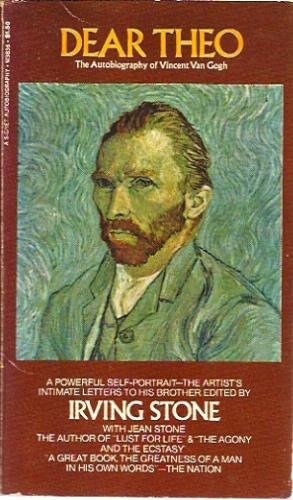 Dear Theo
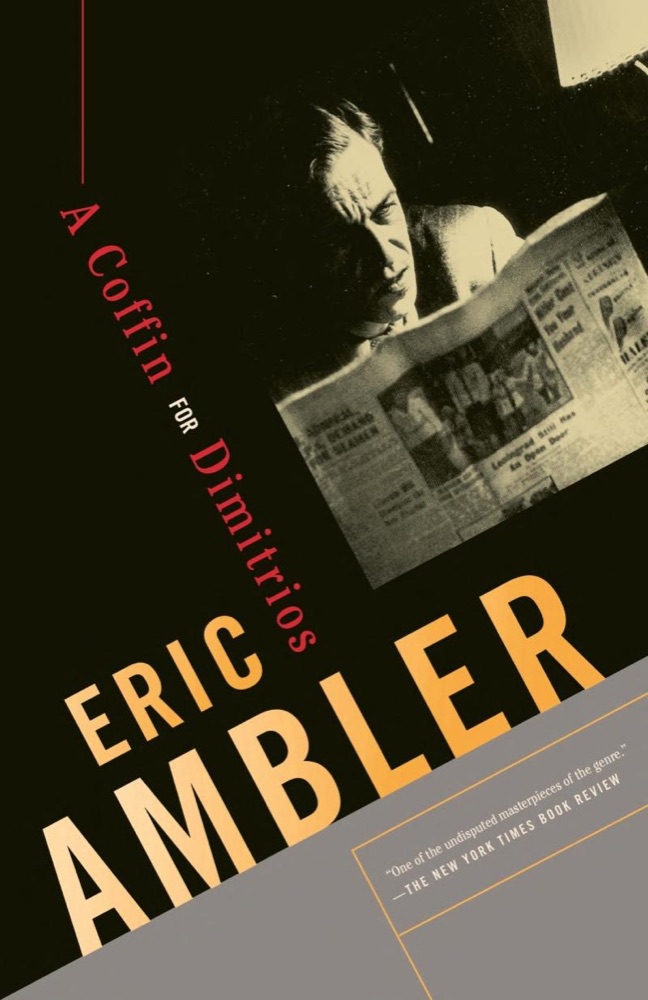 The Mask of Dimitrios
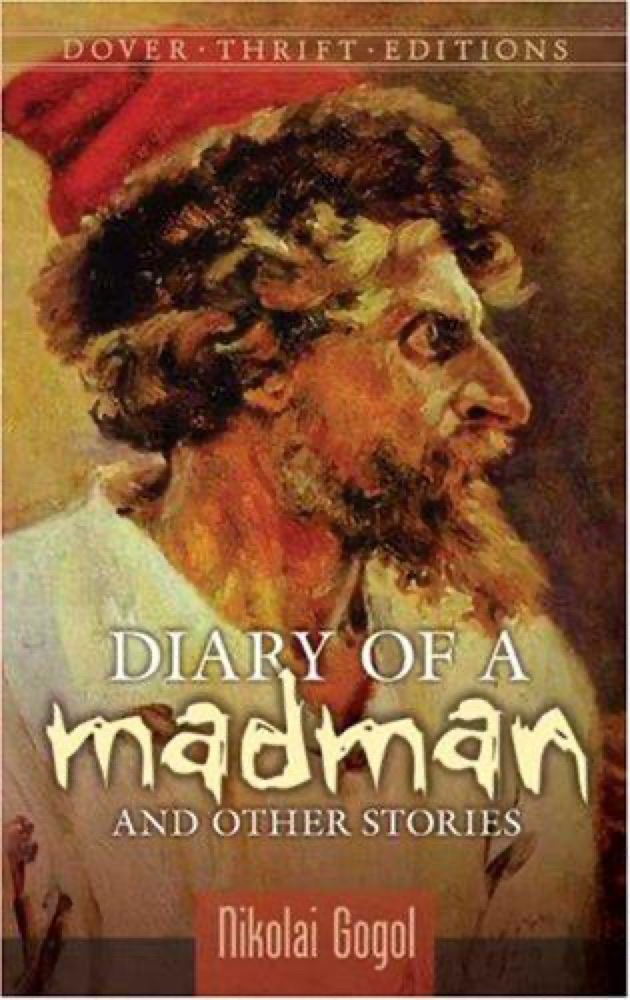 Diary of a Madman and Other Stories
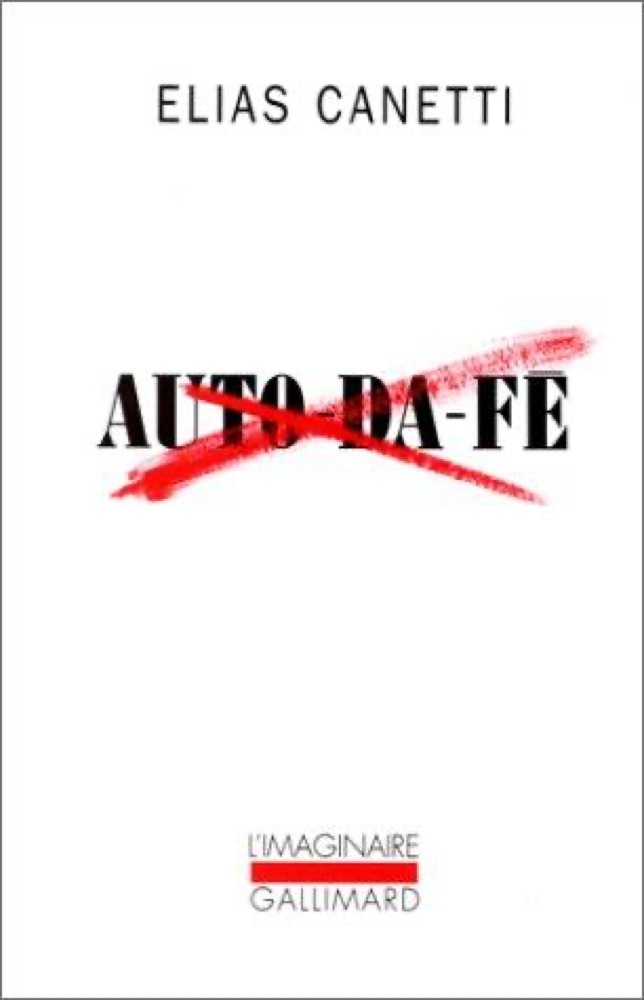 Auto-da-Fé
 The Mystery of Edwin Drood
 The 25th Hour
 The Corrosion of Character: The Personal Consequences of Work in the New Capitalism
 And Then
 Still Alive: A Holocaust Girlhood Remembered
 Doctor Glas
 Epitaph for a Spy
 Travels with Herodotus
 Wittgenstein's Nephew
 Anne Frank's Tales from the Secret Annex: A Collection of Her Short Stories, Fables, and Lesser-Known Writings
 Paris Spleen
 Heretics of Dune
 The Persecution and Assassination of Jean-Paul Marat as Performed by the Inmates of the Asylum of Charenton Under the Direction of the Marquis de Sade
 The Gods Themselves
 The Man in the Iron Mask
 If This Is a Man / The Truce
 Eichmann in Jerusalem: A Report on the Banality of Evil
 Dora Bruder
 The Yacoubian Building
 The Black Wolf
 The Dervish House
 Blood of Elves
 The Charterhouse of Parma
 Resurrection
 The Golem
 The Little Drummer Girl
 The Forty Days of Musa Dagh
 The Summer of Katya
 FUTU.RE
 Mutant Message Down Under
 Darkness at Noon
 People of the Book
 The People's Act of Love
 Berlin Diary: The Journal of a Foreign Correspondent 1934-1941
 How I Became Stupid
 The Midnight Palace
 The Captive Mind
 The Day Lasts More Than a Hundred Years
 Under Western Eyes
 Promise of Blood