 The Log from the Sea of Cortez
Quotes from the Book
Without death there is little innovation. Extinction - death of a species - is part and parcel of evolutionary change. In the absence of this kind of extinction new developments would not prosper. In our own history, periods when ideas have been perpetuated by dogma, preventing the replacement of old by new ideas, have also been times of stultifying stagnation. The Dark Ages in western society were the most static, least innovative of times. So the fact that trilobites were replaced by batches of successive species through their long history was a testimony to their evolutionary vigour.
7
Trilobites survived for a total of three hundred million years, almost the whole duration of the Palaeozoic era: who are we johnny-come-latelies to label them as either ‘primitive’ or ‘unsuccessful’? Men have so far survived half a per cent as long. There
4
Quite soon my office was a jumble of broken bits of rocks, and needles, and old monographs, all coated in fine, limy dust. I still work in an identical office today. Tidy people's eyes go all peculiar when they come into it. I have a special small padded seat for them to collapse into.
3
There is no final truth in palaeontology. Every new observer brings something of his or her own: a new technique, a new intelligence, even new mistakes. The past mutates. The scientist is on a perpetual journey into a past that can never be fully known, and there is no end to the quest for knowledge.
3
When I meet some of my commuting acquaintances on the 6.21 home to Henley-on-Thames they occasionally enquire what I have done that day. I have been known to reply: ‘I moved Africa 600 kilometres to the south.’ They usually turn quickly to the soccer page. One
2
There might be symphonies of perfume, Mozarts of musk. Novelists might construct nasal narratives, versifiers sonnets of scent. Sculpture would entail subtleties of shape that only fingers trained through hundreds of millions of years of tactile evolution could discriminate.
2
It is not necessary to be large to be a perfectly good arthropod (or mollusc, come to that).
2
Little bits of Norwegian came to me by a kind of aural osmosis. The most surprising linguistic fact I learned was the impoverishment of that language in swear words. In fact, there is only one- 'farn'- which merely means something like 'devil take it!', but is considered very rude by a well brought-up Viking. It has to pass muster for most of the everyday tragedies that beset an expedition. If a finger is hammered, you jump up and down and cry 'farn'; if you drop an outstanding fossil irretrievably into the sea, you splutter for a while and then mutter 'farn' under your breath. If all your provisions were carried away by a hurricane and death were guaranteed, all the poor Norwegian could do would be to stand on the shingle and cry 'farn' into the wind. Somehow this does not seem adequate for the occasion.
2
In the Spirit Building there are thousands upon thousands of jars containing fish or snake, octopus or lobster, pickled to the life. ... As you slide the doors back upon this pallid parade of containers and bottles your voice automatically loses decibels. You reflect: mortality, this is your sad face; you defy decay only as a ghastly pickle.
1
our visuallydominated world sight is almost synonymous with understanding. We acknowledge light dawning by saying: ‘I see!’ The metaphor of vision suffuses our attempts to convey comprehension: we bring issues into focus, we clarify our views, we sight our objectives, we look into things. We accept the evidence of our own eyes. The conjurer turns the veracity of sight head over heels: now you see it—now you don’t. We find his tricks disturbing because we are so wedded to the truth of sight.
1
Bilimin güzelliği, sadece onun matematiksel teorilerinin soyut saflığından kaynaklanmaz. Sentez de en az analiz kadar önemli olabilir. Temel denklemi araştırmanın çekiciliği, ondan bu karmaşık ve dağınık dünyamızda bile her çıkarımı yapabileceğiniz bir son doğruyu sunmasını umduğunuzdandır.
Ölümün olmadığı yerde çok az yenilik vardır. Soyun tükenmesi, evrimsel değişimin bir parçasıdır. Kendi tarihimizde de fikirlerin dogma tarafından kalıcılaştırıldığı, eskilerinin yerini yeni fikirlerin almasının önlendiği zamanlar, çıkmaza giren bir durgunlaşmanın olduğu zamanlardır. Batı toplumunun Karanlık Çağı da, en değişmez, en az yenilikçi olduğu zamanlar olmuştur. Bu sebeple uzun tarihleri boyu (150 milyon yıldan fazla) trilobitlerin devamı olan diğer türlerle yer değiştirmesi, onların evrimsel başarılarına işaret eder.
Çoğu bilim insanı için keşfetmenin hazzı, ulaşılması amaçlanan şeyin büyüklüğü kadar önemli. Bilimsel çabanın eşsiz özelliği, onun sıradan neferlerinin zafere katkı sağlamasından geliyor.
Göz yerindeki reseptör hücreler fosil olarak kalmaz; ancak varolmaları, mekanik ışık demeti yığınlarının görüntüye dönüştürülmesi için kesinlikle gerekliydi. Işığın kendisi bir anlayış yaratamaz. Bilgi, sinirler tarafından toplanmalı ve beyin tarafından işlenmelidir. Her mercek tarafından seçilen özel görüş alanı sebebiyle, Trilobitin antik dünyası ona mozaik bir hâlde, üst üste binmiş küçük resimler topluluğu olarak mercekten merceğe incelikle değişen bir şekilde görülmüş olmalı.
Kayalar aşınarak tortullara dönüşür: Tortullar zamanla kayalaşır; kayalar tektonikler tarafından dönüştürülmüş ve yükselmiş Arz'ın hareketi hasebiyle deniz seviyesinin üstüne çıkar, ki böylece tabiat güçlerinin saldırılarıyla yeniden karşı karşıya kalır. İşte Dünya'nın ihtişamlı döngüsü budur.
Look into a crystal of Iceland spar and you can see the secret of the trilobite’s vision. For trilobites used clear calcite crystals to make lenses in their eyes; in this they were unique.
I recall the words of Charles Darwin in his Autobiography. ‘I rejoice that I have avoided controversies, and this I owe to Charles Lyell,* who…strongly advised me never to get entangled in a controversy, as it rarely did any good and caused a miserable loss of time and temper.
Watch on YouTube
About Richard Fortey
We have collected 17 quotes from 1 book by Richard Fortey on BookQuoters.
More about the author →About the book
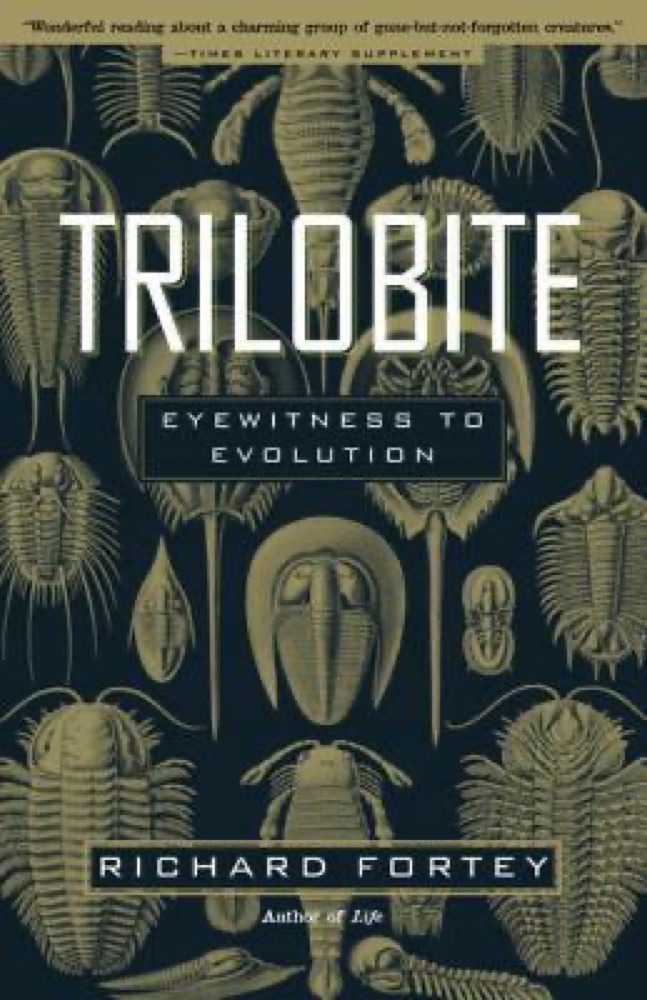
With Trilobite , Richard Fortey, paleontologist and author of the acclaimed Life, offers a marvelously written, smart and compelling, accessible and witty scientific narrative of the most ubiquitous of fossil creatures.
Trilobites were shelled animals that lived in the oceans over five hundred million years ago. As bewilderingly diverse then as the beetle is today, they survived in the arctic or the tropics, were spiky or smooth, were large as lobsters or small as fleas. And because they flourished for three hundred million years, they can be used to glimpse a less evolved world of ancient continents and vanished oceans. Erudite and entertaining, this book is a uniquely exuberant homage to a fabulously singular species.
Book details
- First published
- 2000
- Author
- Richard Fortey
- Genre
- Nonfiction
- Goodreads rating
- 4.11 (2k ratings)
Keep reading
The Log from the Sea of Cortez
 Vanishing Treasures: A Bestiary of Extraordinary Endangered Creatures
 Last Chance to See
 Genome
 The Last Continent
 Annals of the Former World
 The Futurological Congress: From the Memoirs of Ijon Tichy
 What is Man?
 Gathering Moss: A Natural and Cultural History of Mosses
 Maelstrom
 The Lost World
 The Blind Watchmaker: Why the Evidence of Evolution Reveals a Universe Without Design
 Billions & Billions: Thoughts on Life and Death at the Brink of the Millennium
 Magicians of the Gods: The Forgotten Wisdom of Earth's Lost Civilization
 The Hangman's Replacement: Sprout of Disruption
 A Short History of Nearly Everything
 Heretics of Dune
 The Last Days of the Dinosaurs: An Asteroid, Extinction, and the Beginning of Our World
 Memoirs of a Polar Bear
 The Salmon of Doubt
 Underland: A Deep Time Journey
 The Fifth Science
 Your Inner Fish: A Journey Into the 3.5-Billion-Year History of the Human Body
 The Ancestor's Tale: A Pilgrimage to the Dawn of Evolution
 Fuzz: When Nature Breaks the Law
 The Chrysalids
 2312
2312
 The Lives of a Cell: Notes of a Biology Watcher
 Roadside Picnic
 Shadows of Forgotten Ancestors
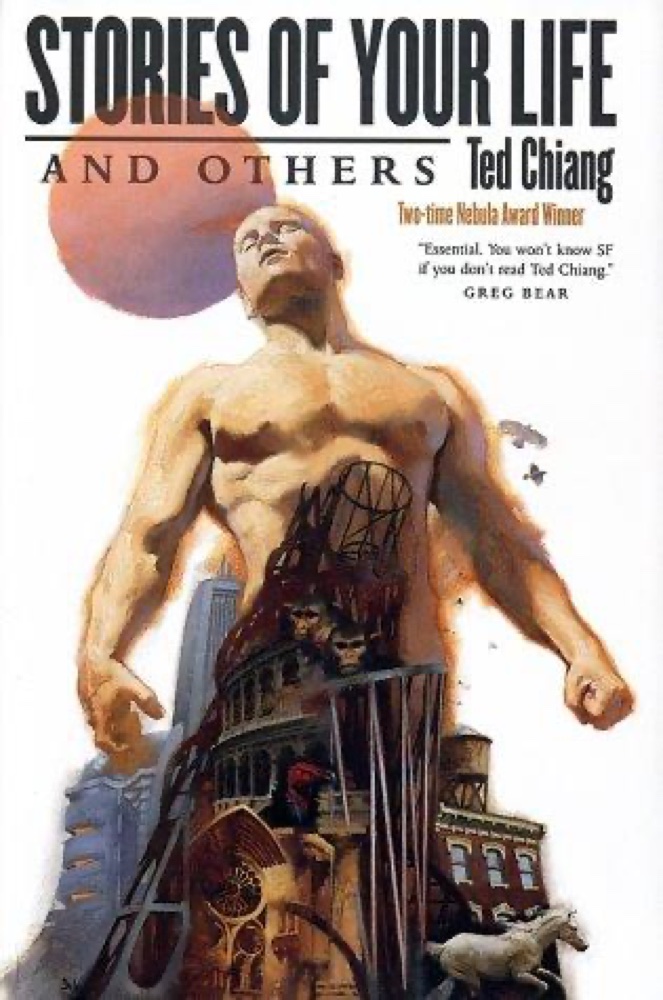 Stories of Your Life and Others
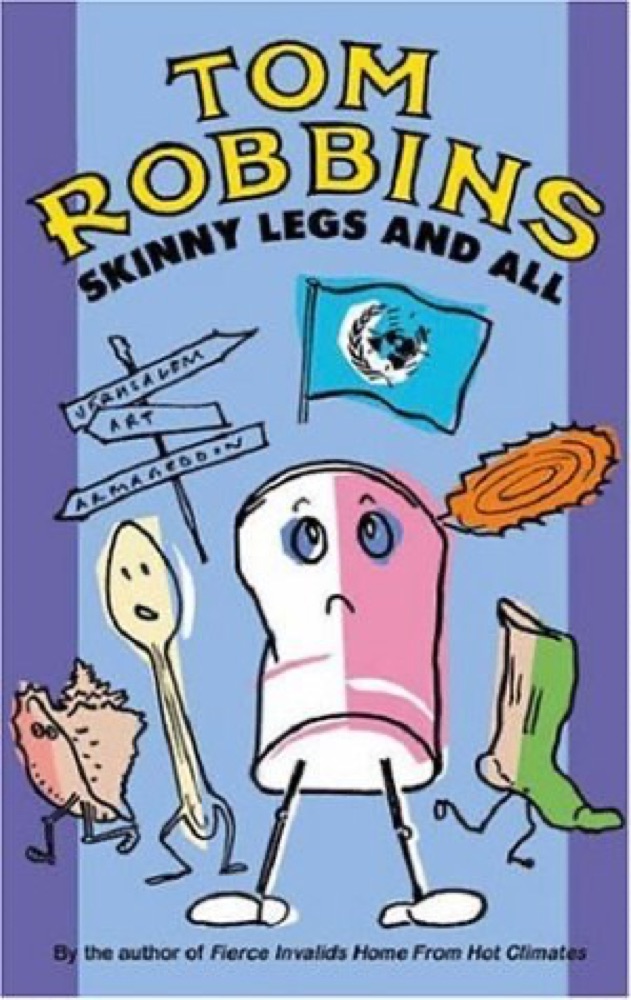 Skinny Legs and All
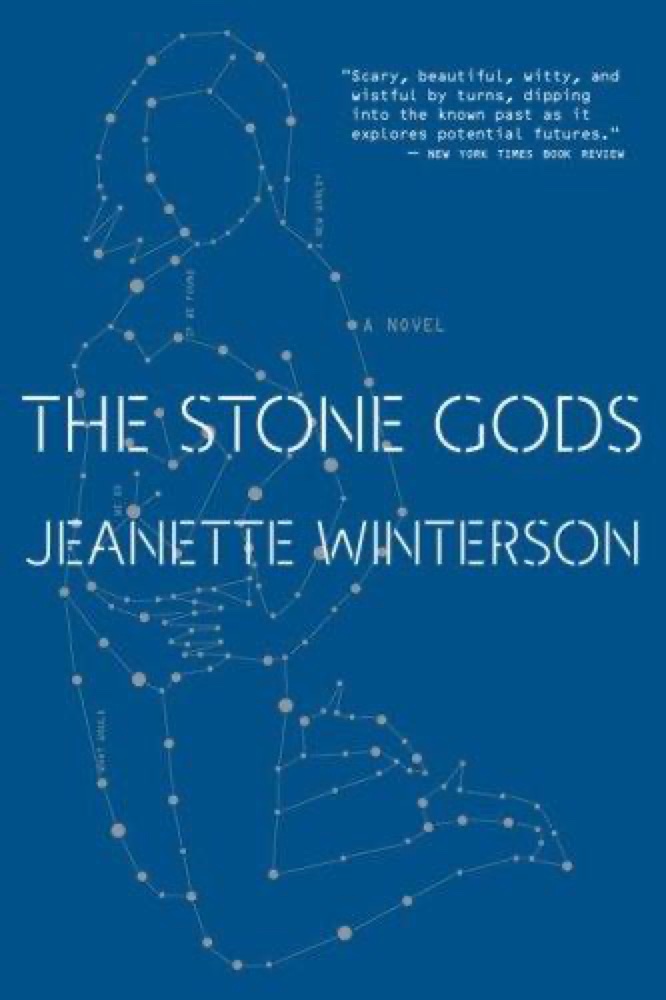 The Stone Gods
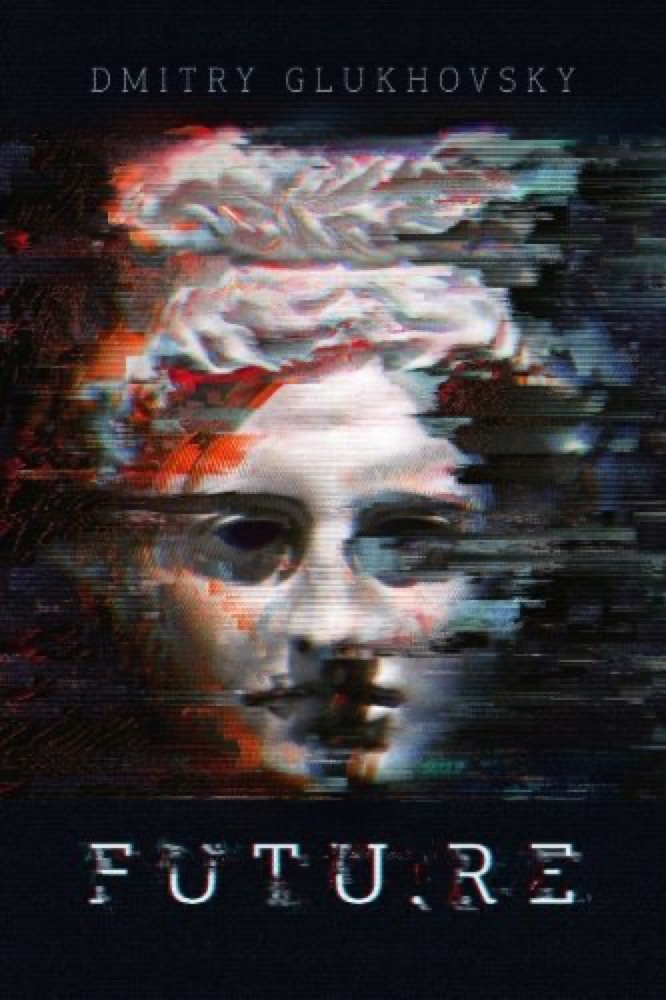 FUTU.RE
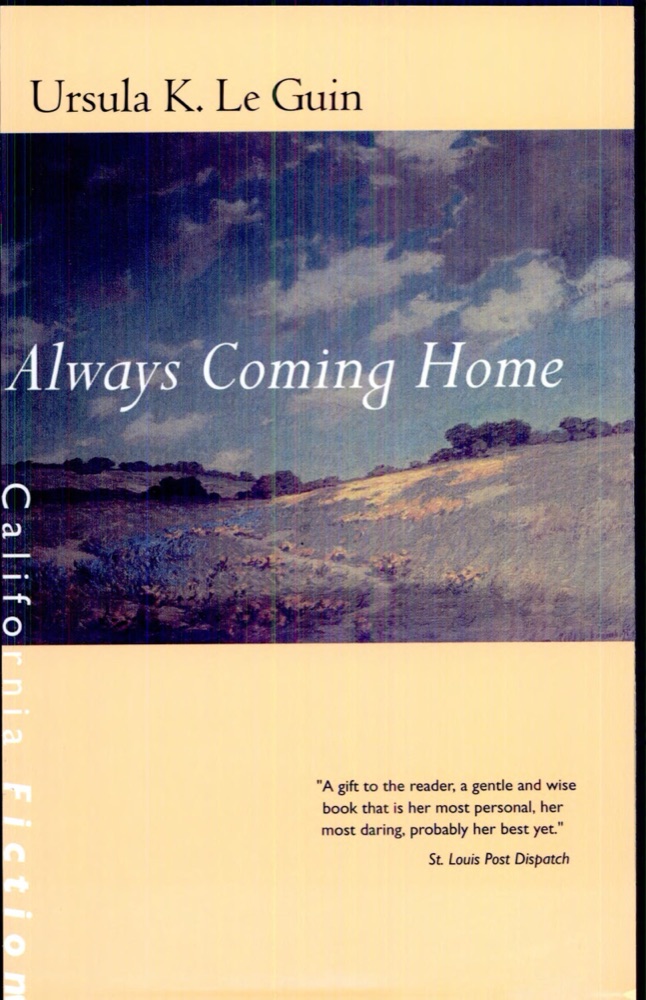 Always Coming Home
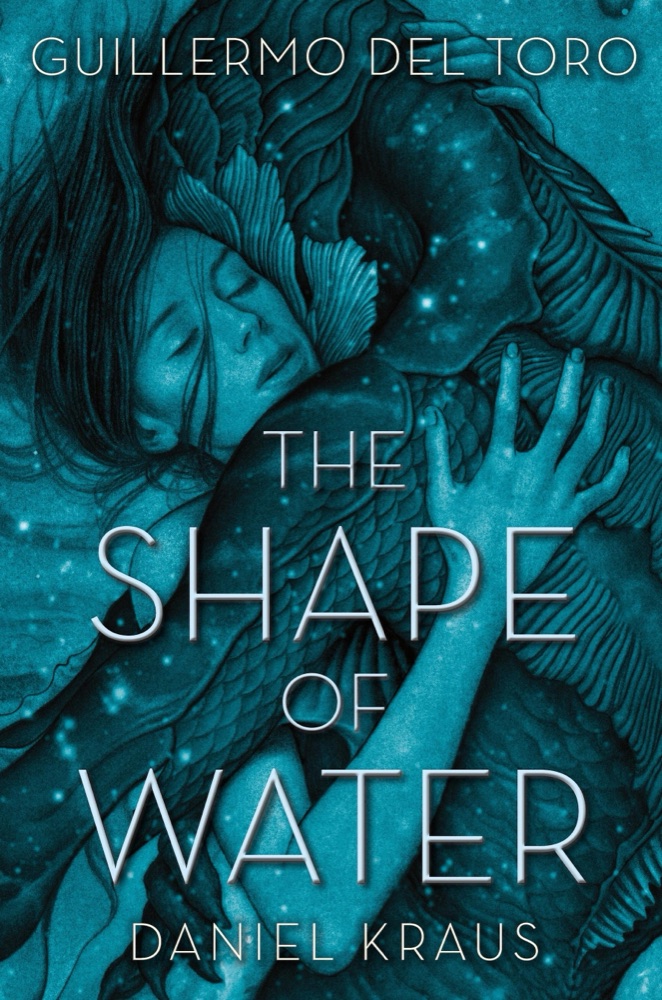 The Shape of Water
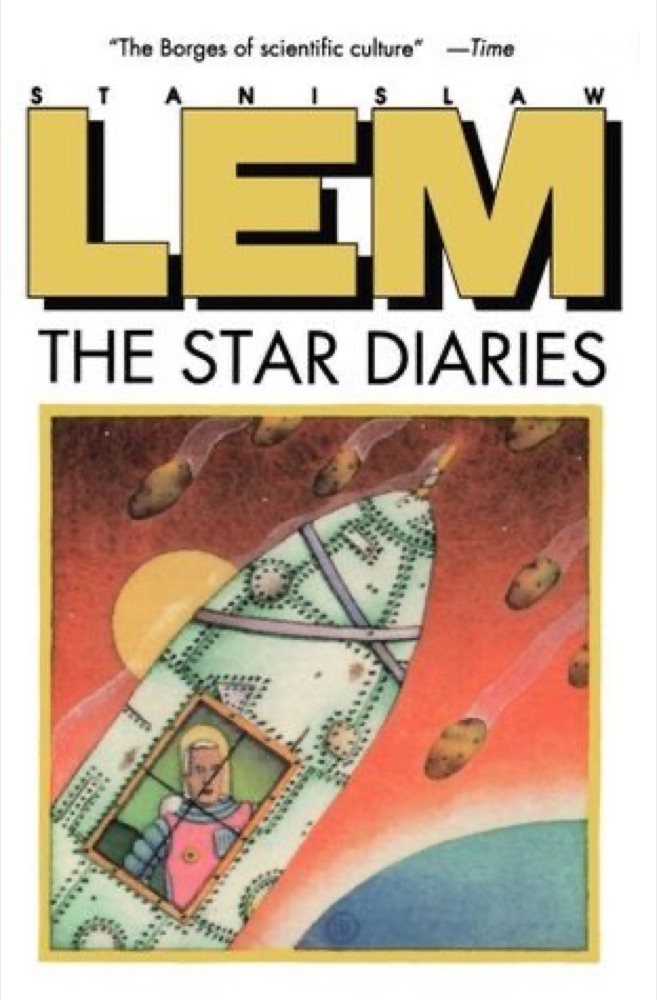 The Star Diaries
 A History of the World in 100 Objects
 The Periodic Table
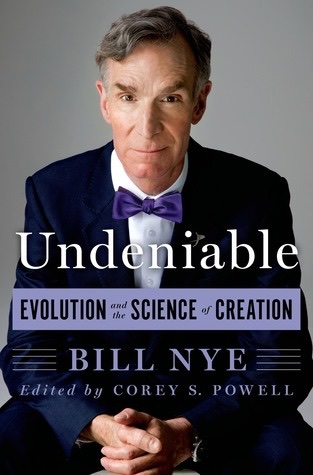 Undeniable: Evolution and the Science of Creation
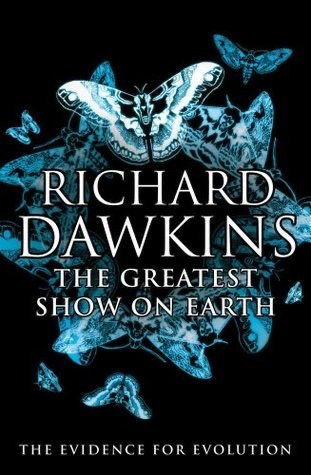 The Greatest Show on Earth: The Evidence for Evolution
 The Western Lands
 Travels with Herodotus
 Malina
 The Ascent of Man
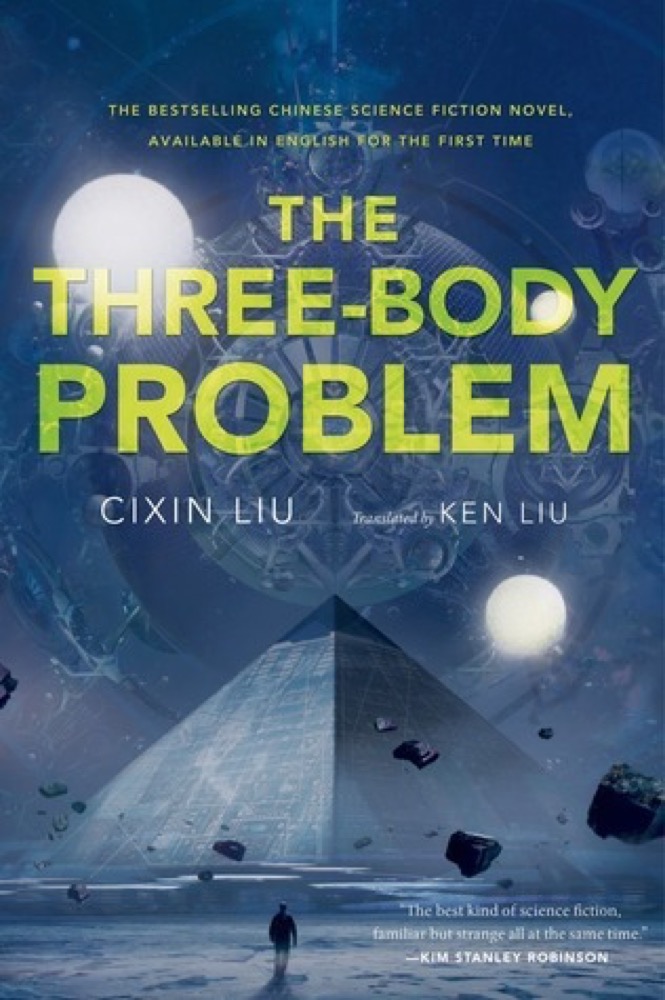 The Three-Body Problem
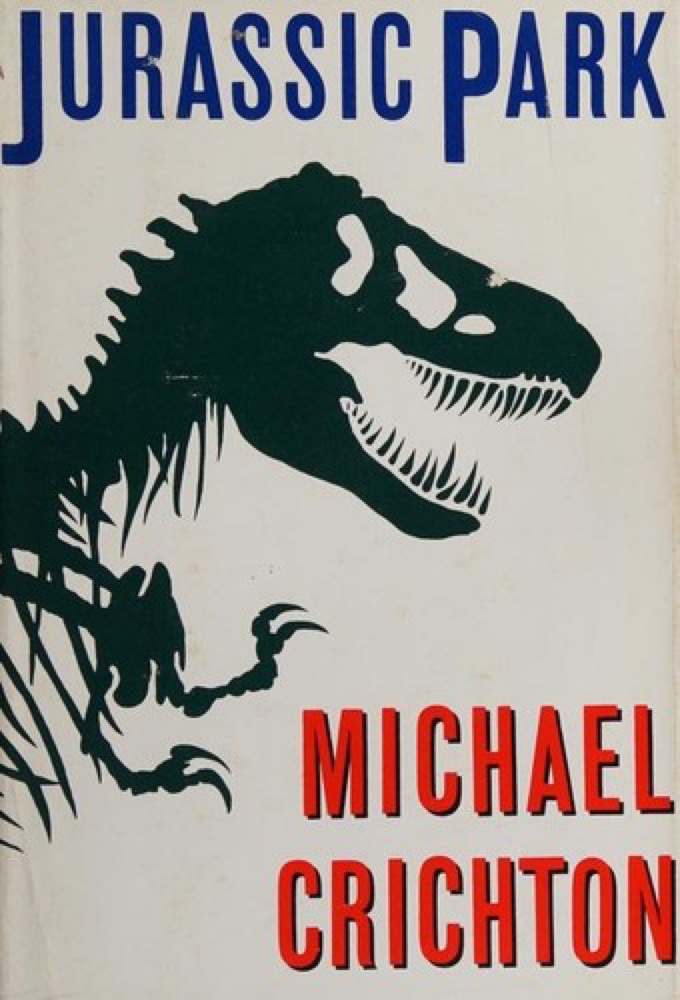 Jurassic Park
 Pyramids
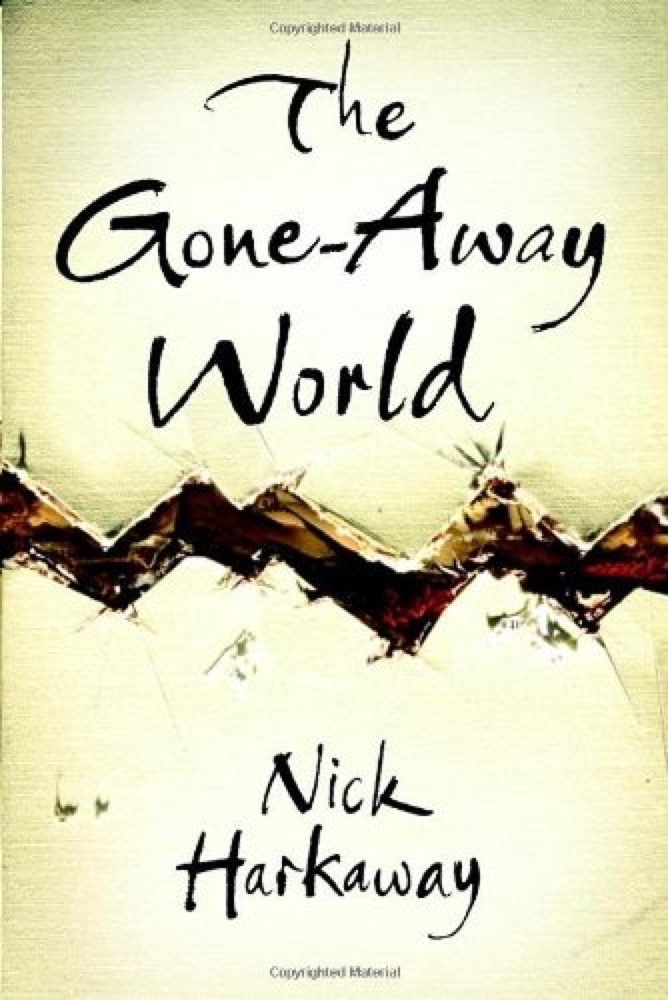 The Gone-Away World
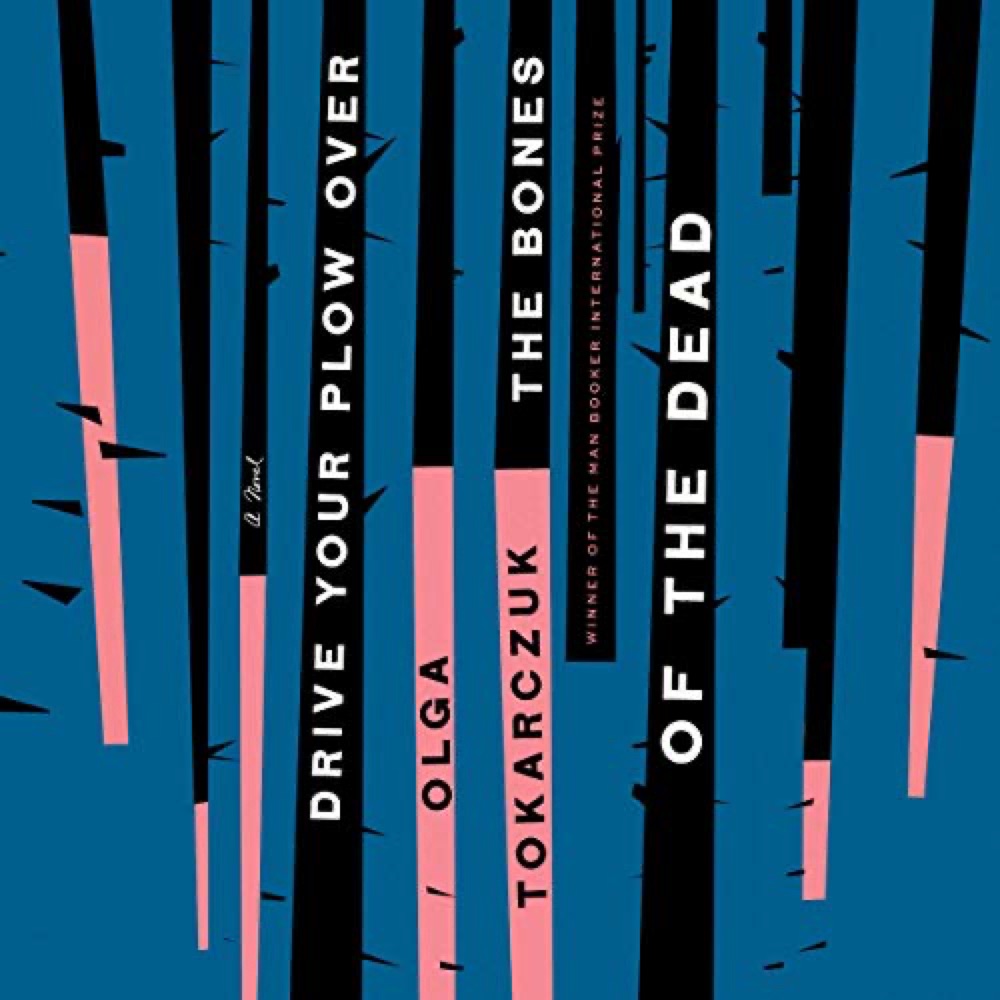 Drive Your Plow Over the Bones of the Dead
 Mutant Message Down Under
 Speaking from Among the Bones
 Stuff Matters: Exploring the Marvelous Materials That Shape Our Man-Made World
 The Historian's Craft: Reflections on the Nature and Uses of History and the Techniques and Methods of Those Who Write It.
 The Book of General Ignorance
 Moving Pictures
 Turtle Diary
 Babel-17
 Burning Questions: Essays and Occasional Pieces, 2004 to 2021
 The Mountain in the Sea