

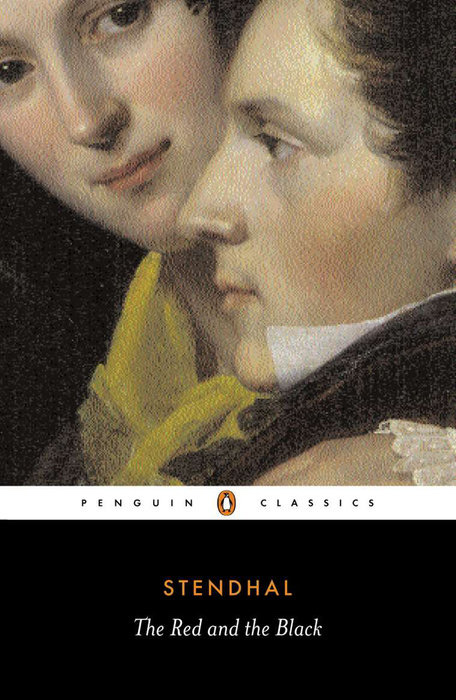
 The Red and the Black
Quotes from the Book
The lover thinks oftener of reaching his mistress than the husband thinks of guarding his wife; the prisoner thinks more often of escape than the jailer thinks of locking the doors. Therefore, in spite of every obstacle, the lover and the prisoner are certain to succeed.
On the other hand in America, in the Republic, one has to spend the whole weary day paying serious court to the shopkeepers in the street, and must become as stupid as they are; and there, one has no Opera.
Aşık sevgilisine ulaşmayı, kocasının karısını düşündüğünden daha sık düşünür; tutsak kaçıp kurtulmayı, gardiyan kapısını kapatmayı düşündüğünden daha sık düşünür, demek ki, engeller ne olursa olsun aşık ve tutsak başarılı olmalıdır.
This beautiful thought, of 'dying close by that which one loves', expressed in a hundred different ways, was followed by a sonnet in which it was found that the soul, separated, after atrocious torments, from the frail body in which it dwelt for twenty-three years, and impelled by that instinct for happiness natural to all that has once existed, would not reascend to heaven to mingle with angelic choirs as soon as it was set free, and in the event of the awful judgment according it forgiveness for its sins, but, happier after death than it had been in life, it would go a few steps from the prison where it had lamented for so long, to be reunited with all that it had loved in the world. And thus, the sonnet's last line went. I shall have found my paradise on earth.
Durerea pe care un om o poartă în suflet de pe urma unei iubiri nefericite, face ca orice lucru ce l-ar sili să-și adune gândurile și să-și cheltuiască energia, să i se pară o corvoadă îngrozitoare.
The presence of danger inspires a sensible man with genius, raising him, so to speak, above himself. In the case of the man of imagination, it inspires him with romances, which may indeed be bold, but which are frequently absurd.
C'est par une folie d'imagination que Napoléon s'est rendu au prudent John Bull, au lieu de chercher à gagner l'Amérique. John Bull, dans son comptoir, a bien ri de sa lettre où il cite Thémistocle. De tous temps les vils Sancho Pança l'emporteront à la longue sur les sublimes don Quichotte. Si
There's one convenience about absolute power, that it sanctifies everything in the eyes of the people.
Watch on YouTube
About Stendhal
We have collected 38 quotes from 3 books by Stendhal on BookQuoters.
More about the author →More by Stendhal
The Red and the Black
 Love
Love
Book details
- Author
- Stendhal
- Genre
- Classics
- Goodreads rating
- 3.79 (20k ratings) →
Keep reading
 Praise of Folly
 The Professor
 Under Western Eyes
 The Enchantress of Florence
 The Man Who Laughs
 Phaedo
 Oblomov
 Mademoiselle de Maupin
 Doctor Glas
 The History of Tom Jones, a Foundling
 Auto-da-Fé
 Doctor Faustus
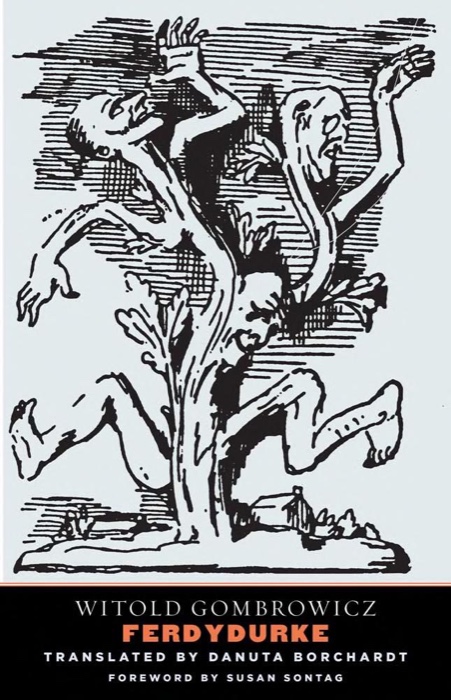 Ferdydurke
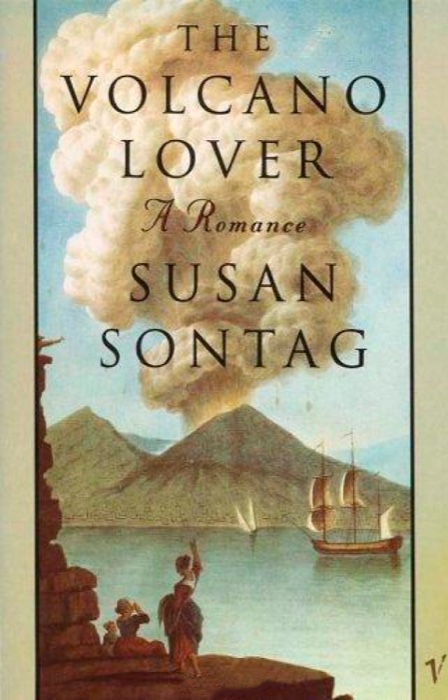 The Volcano Lover: A Romance
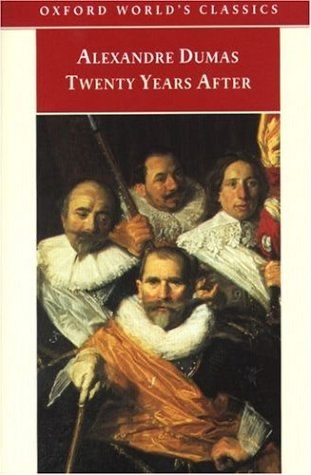 Twenty Years After
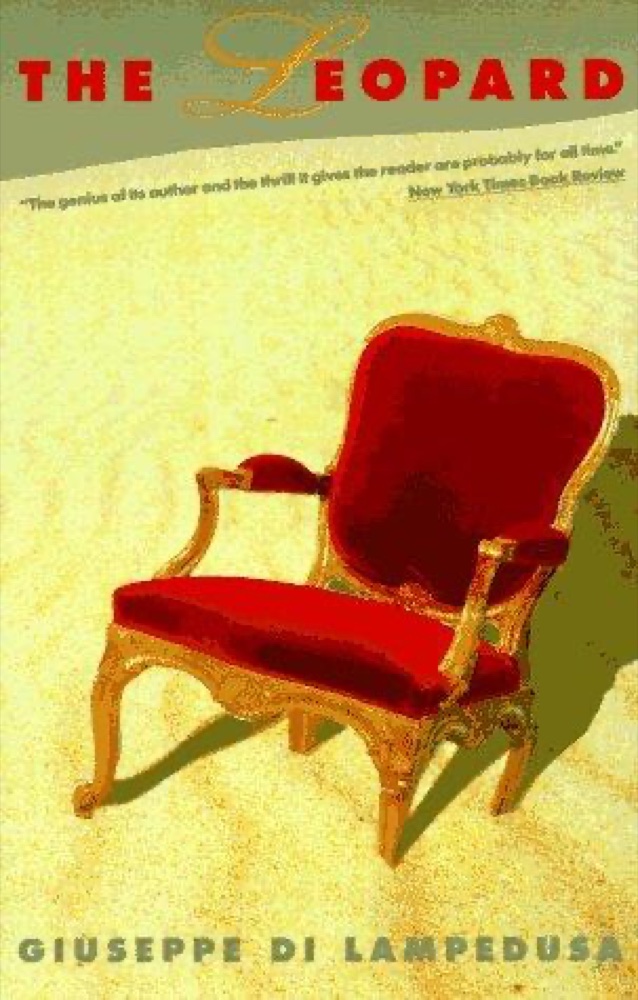 The Leopard
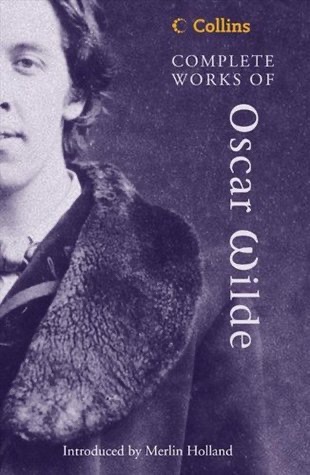 Complete Works of Oscar Wilde
 Resurrection
 The Arabian Nights
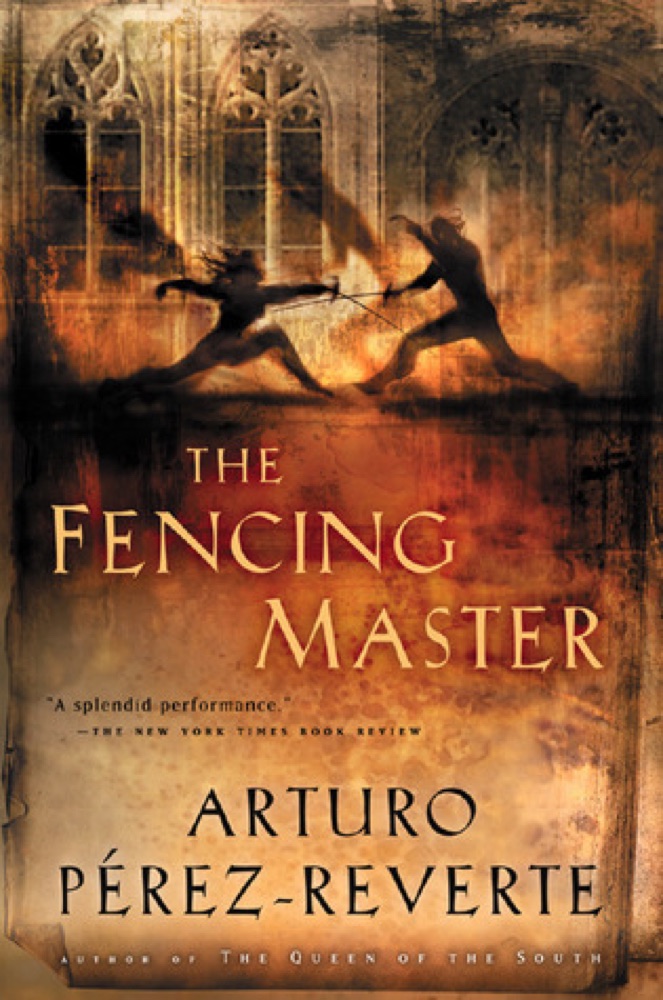 The Fencing Master
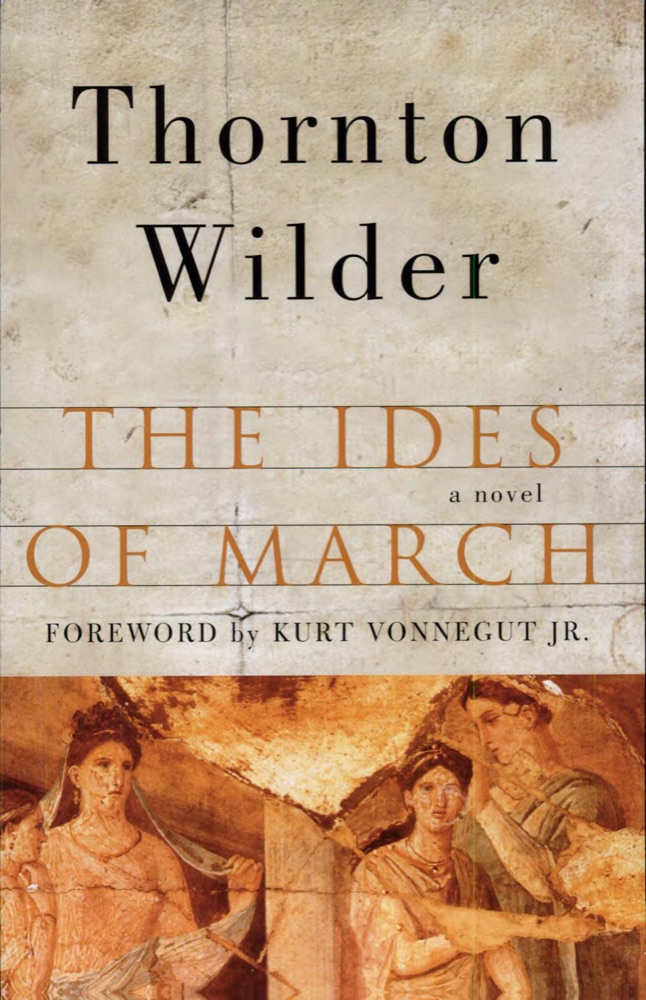 The Ides of March
 The Prague Cemetery
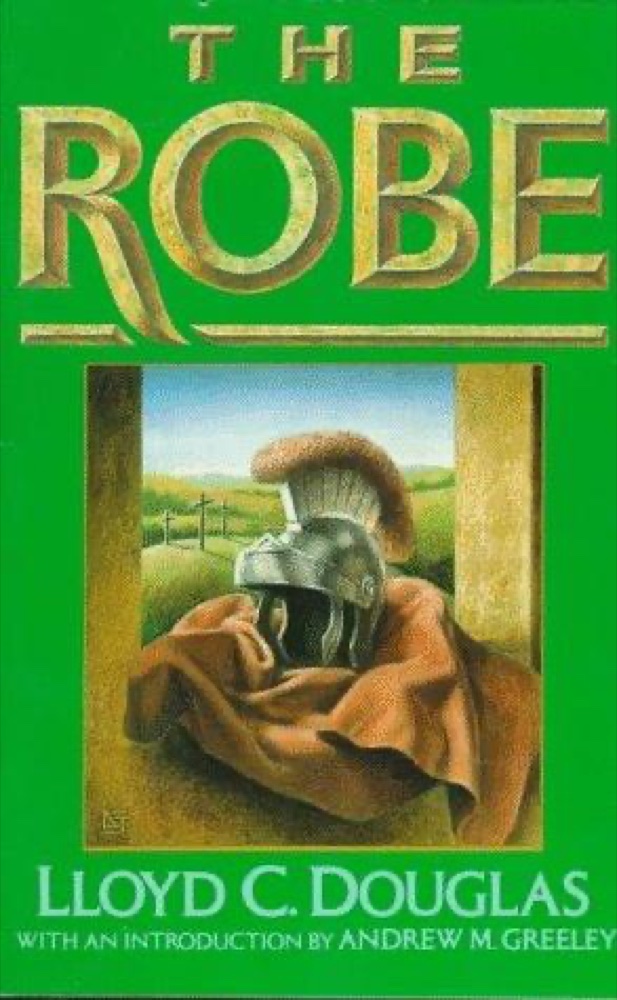 The Robe
 The Complete Works
 The Castle of Crossed Destinies
 Persian Letters
 Travels with Herodotus
 The Kreutzer Sonata
 Dear Theo
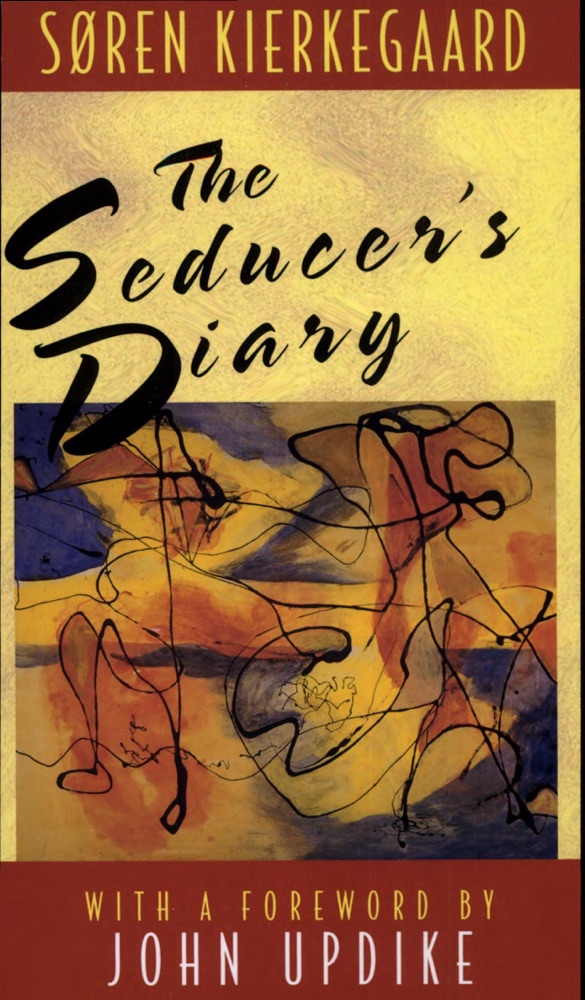 The Seducer’s Diary
 Black Lamb and Grey Falcon
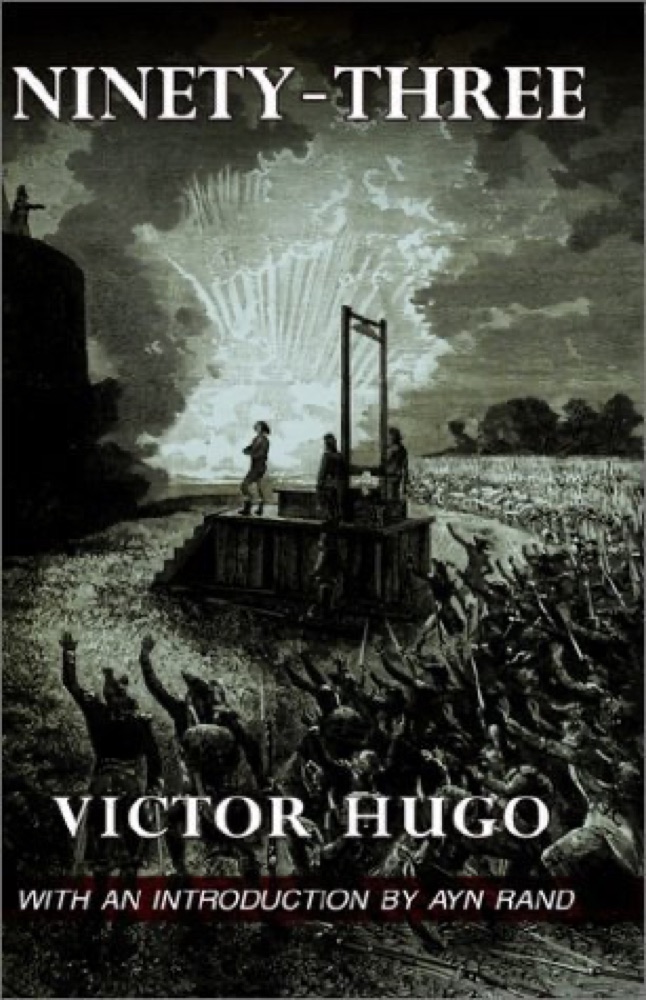 Ninety-Three
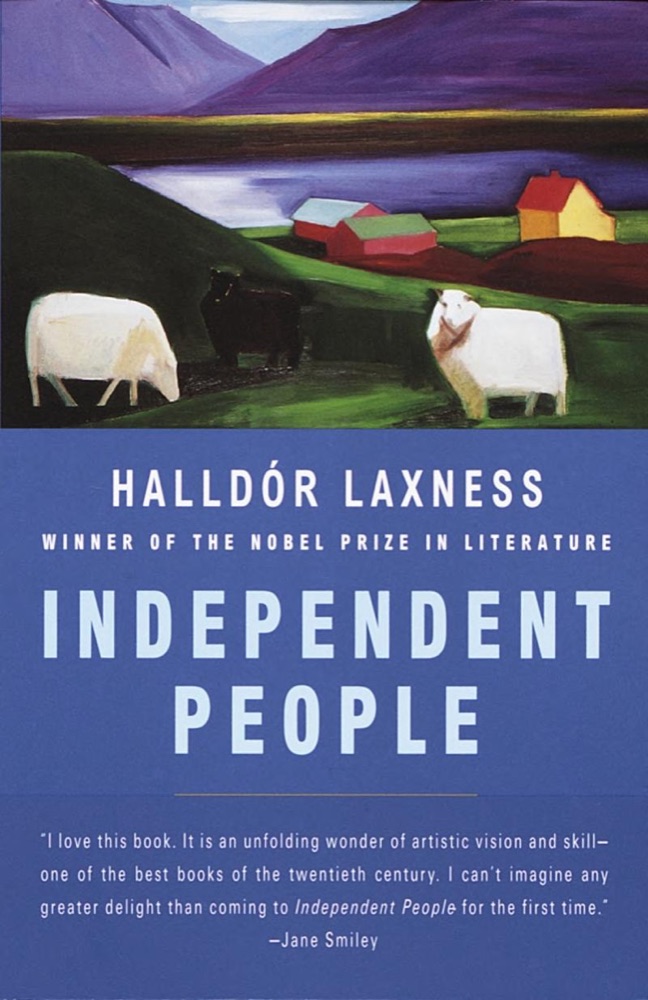 Independent People
 Paris Spleen
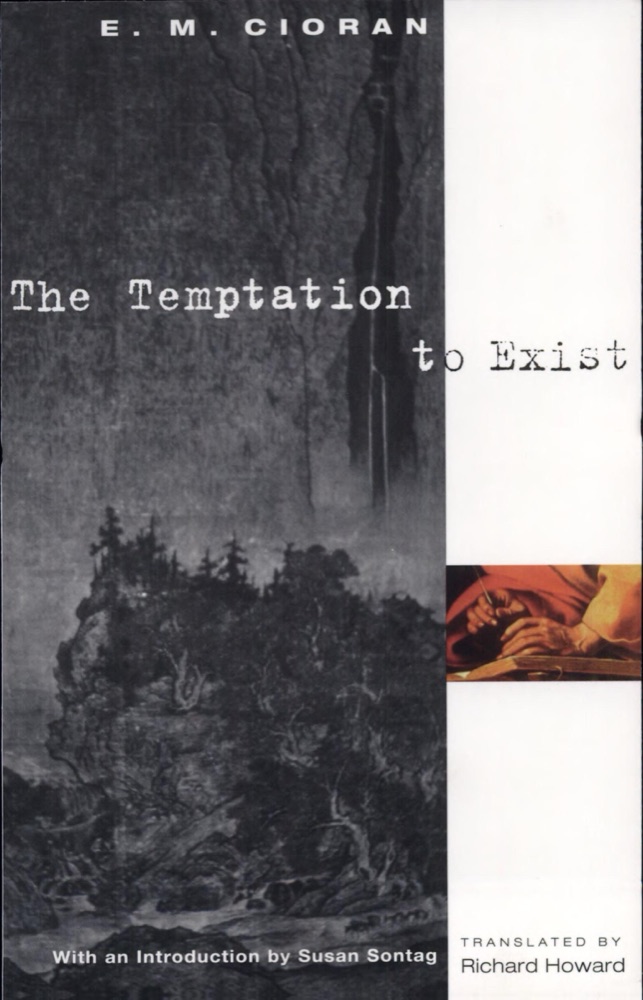 The Temptation to Exist
 The Decameron
 The Man in the Iron Mask
 The Republic
 Gargantua and Pantagruel
 A Place of Greater Safety
 The Memoirs of Cleopatra
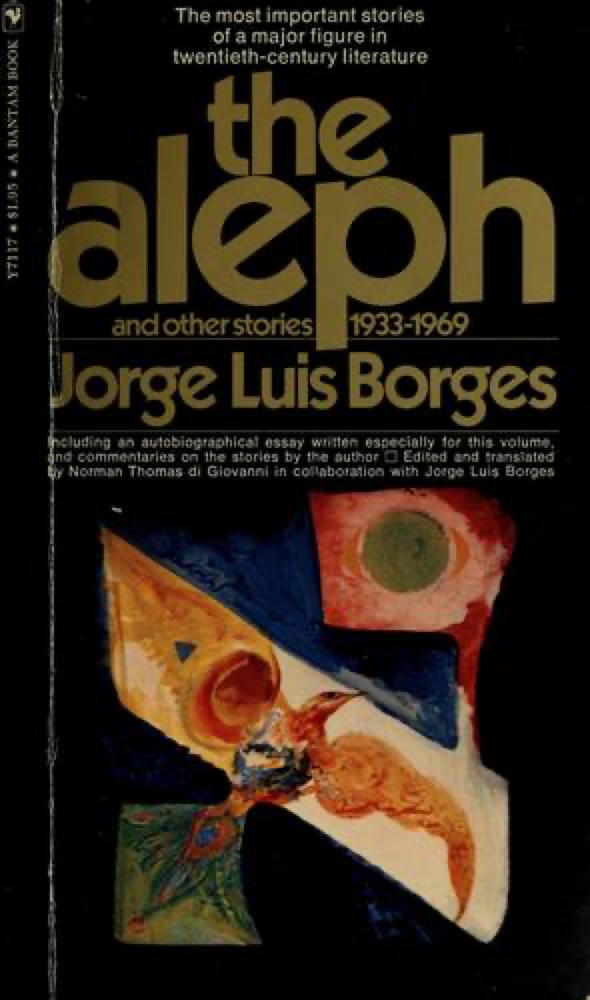 The Aleph and Other Stories
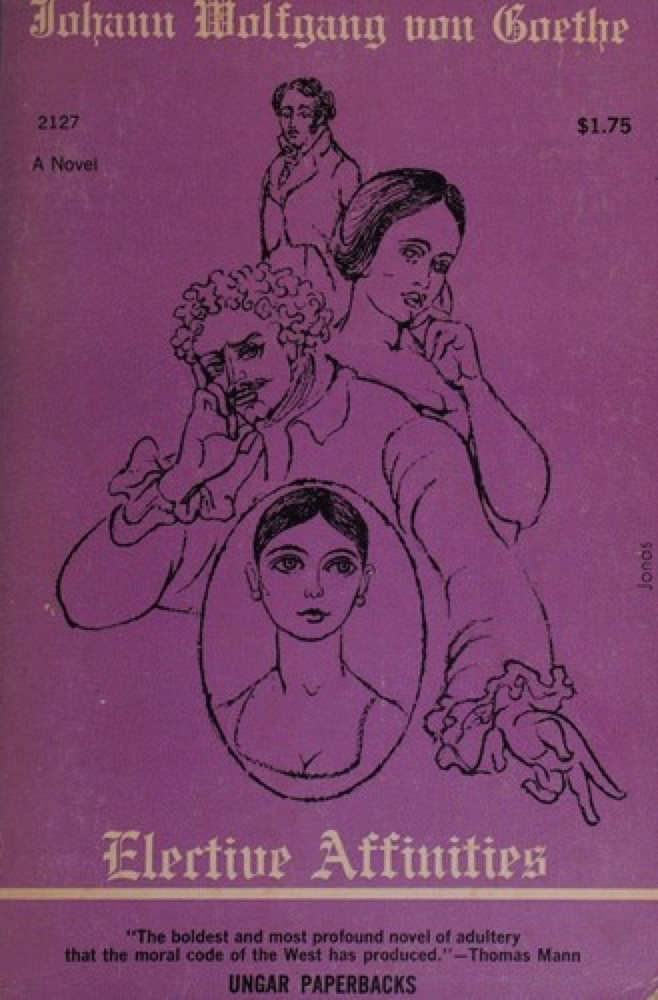 Elective Affinities
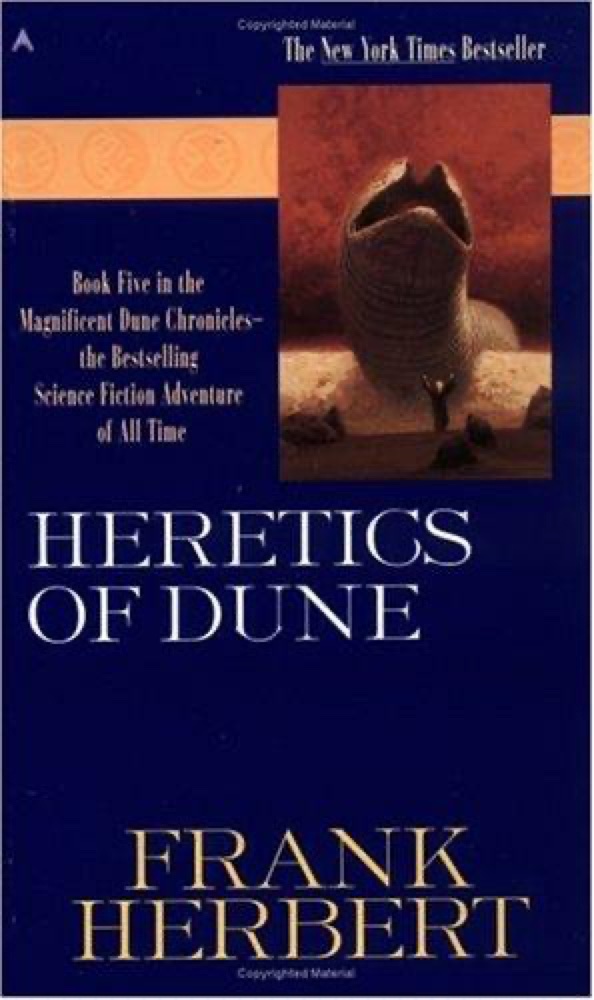 Heretics of Dune
 Honor
Honor
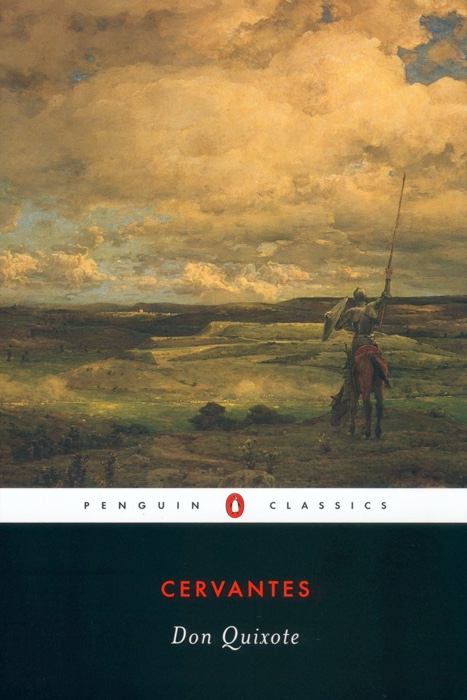 Don Quixote
 The Complete Works of Charles Dickens
 Armadale
 Tell Them of Battles, Kings, and Elephants
 Nostromo
 Penguin Island
 The House of the Dead
 The Mystery of Edwin Drood
 Platform
 The Dwarf
 The Swerve: How the World Became Modern
 Purgatorio
 The Napoleon of Notting Hill
 Max Havelaar, or the Coffee Auctions of the Dutch Trading Company
 Nicholas Nickleby