

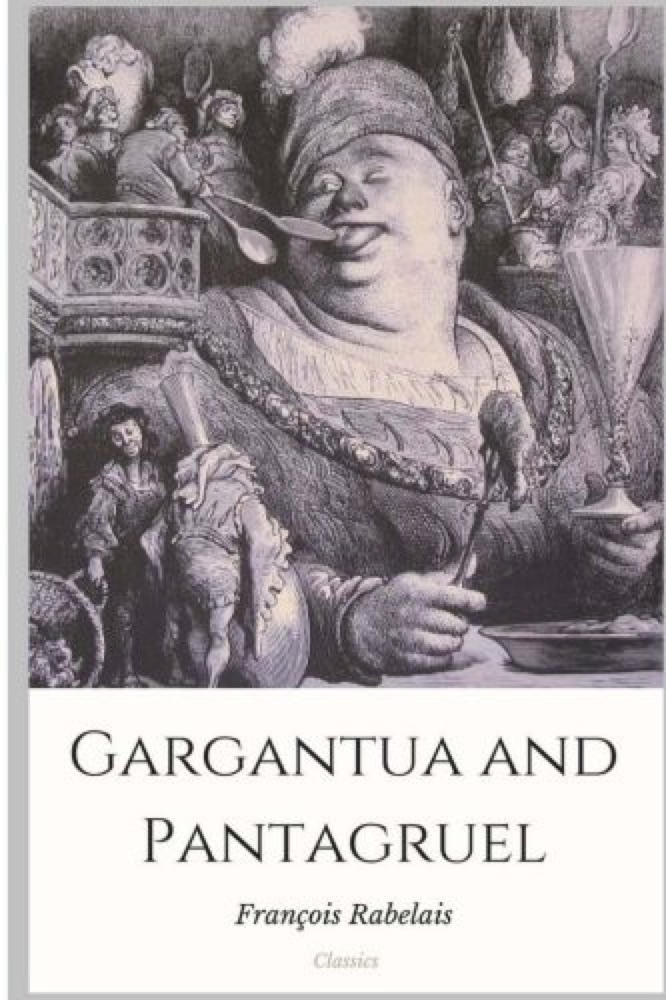
 Gargantua and Pantagruel
Quotes from the Book
Ben kendimi duaların buyruğuna sokmam hiçbir zaman. Dualar insan için yapılmıştır, insan dualar için değil." syf:186
Gymnastes, Gargantua’ya düşmanın ardına düşmenin gerekli olup olmadığını sordu. Gargantua şöyle karşılık verdi ona: “Hiç gerekli değil, çünkü gerçek askerlik sanatı gereğince düşmanı umutsuzluğa düşürmemeliyiz; bıçak kemiğe dayandı mı, düşman yıpranıp tükenmekte olan gücünü ve yüreğini yeniden toparlayıverir. Hiçbir kurtuluş umudu kalmaması, bitmiş tükenmiş insanları diriltip kurtaracak olan ilaçların en iyisidir. Nice zaferler, yenenlerin elinden kaçıp yenilenlerin eline geçmiştir, çünkü yenenler hak ettikleri kadarıyla yetinmeyip her şeyi çiğneyip yok etmeye, düşmanlarını haber götürecek tek kişi bırakmamacasına öldürmeye kalkmışlardır! Düşmanlarınıza kapıları, yolları açın her zaman; hatta gümüşten bir köprü kurun onlara geçip gitmeleri için.
Knowledge without conscience is but the ruin of the soul.
Watch on YouTube
About François Rabelais
We have collected 14 quotes from 2 books by François Rabelais on BookQuoters.
More about the author →More by François Rabelais
Gargantua and Pantagruel
Book details
- Author
- François Rabelais
- Genre
- Classics
- Goodreads rating
- 3.65 (16k ratings) →
Keep reading
 Ferdydurke
 What is Man?
 Madonna in a Fur Coat
 The Day Lasts More Than a Hundred Years
 Poor Folk
 The Corrosion of Character: The Personal Consequences of Work in the New Capitalism
 Honor
Honor
 Human Landscapes from My Country: An Epic Novel in Verse
 Wittgenstein's Nephew
 Death and the Gardener
 Ikigai: The Japanese Secret to a Long and Happy Life
 A Room of One's Own / Three Guineas
 Ezilenler
 The Last Day of a Condemned Man
 The 25th Hour
 The Garden of The Prophet
 Extinction
 Artemisia
 The Golem
 Doctor Glas
 Chess Story
 Heaven and Hell
 J'accuse!
 The Double
 The Reprieve
 Paris Spleen
 The Scent of Time: A Philosophical Essay on the Art of Lingering
 Let Us Believe in the Beginning of the Cold Season
 Auto-da-Fé
 A Season in Hell
 Travels with Herodotus
 And Then
 The Forty Days of Musa Dagh
 Malina
 How I Became Stupid
 The Dervish House
 Tonio Kröger
 Praise of Folly
 The Tartar Steppe
 The Charterhouse of Parma
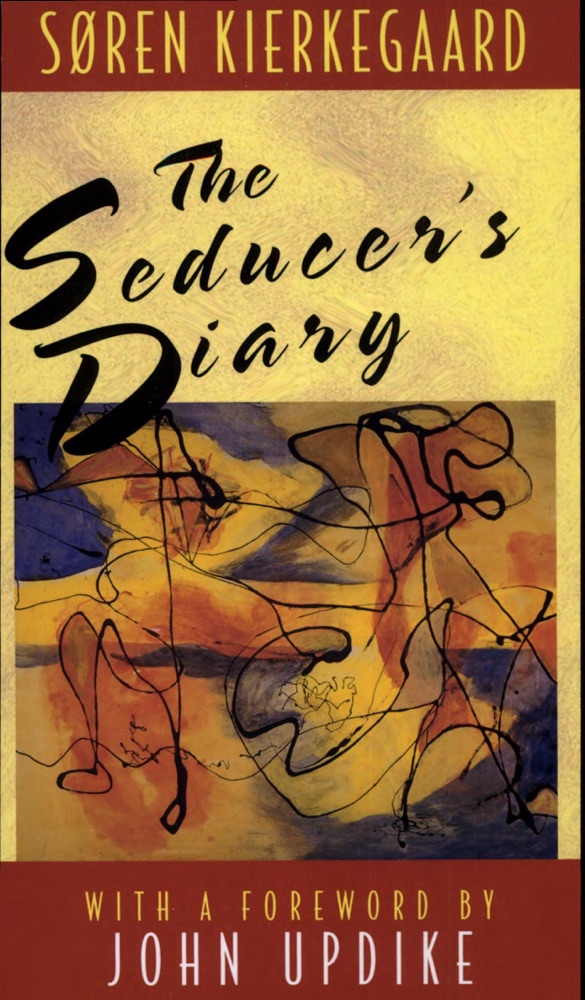 The Seducer’s Diary
 Dear Theo
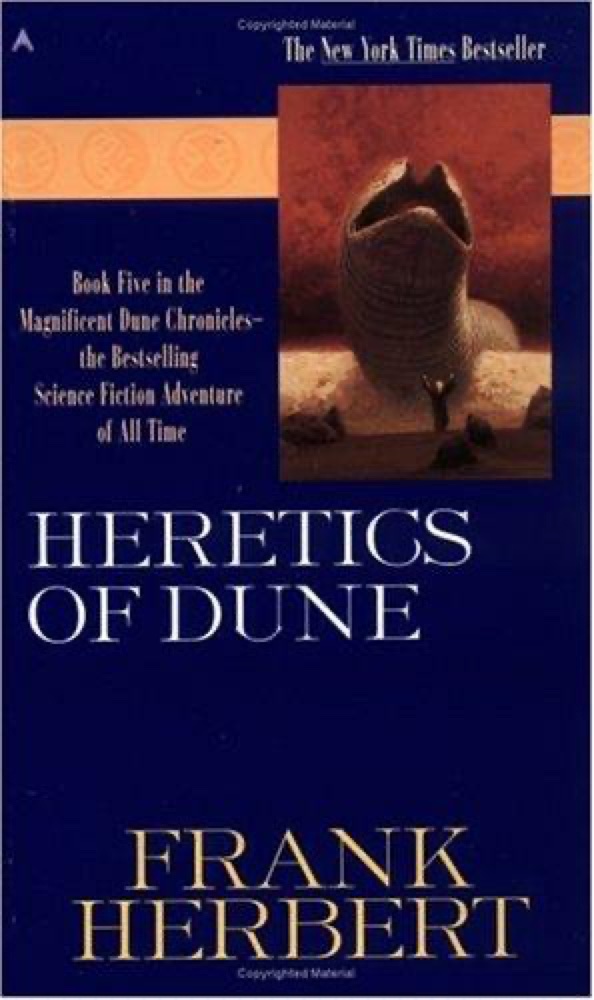 Heretics of Dune
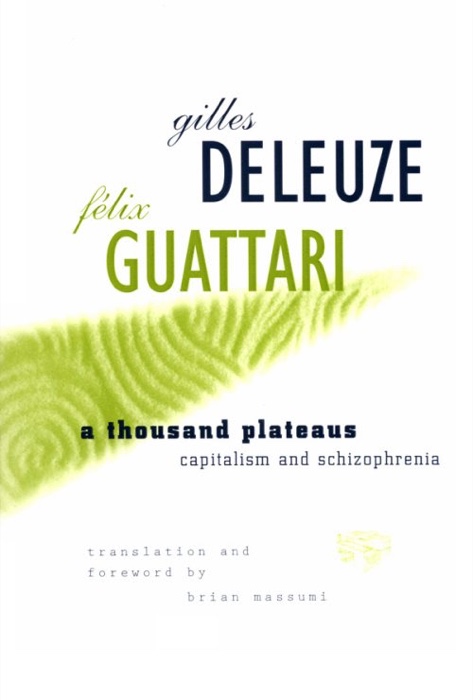 A Thousand Plateaus: Capitalism and Schizophrenia
Gargantua and Pantagruel
A Thousand Plateaus: Capitalism and Schizophrenia
Gargantua and Pantagruel
 Brodeck
 Doctor Faustus
 Presumed Guilty
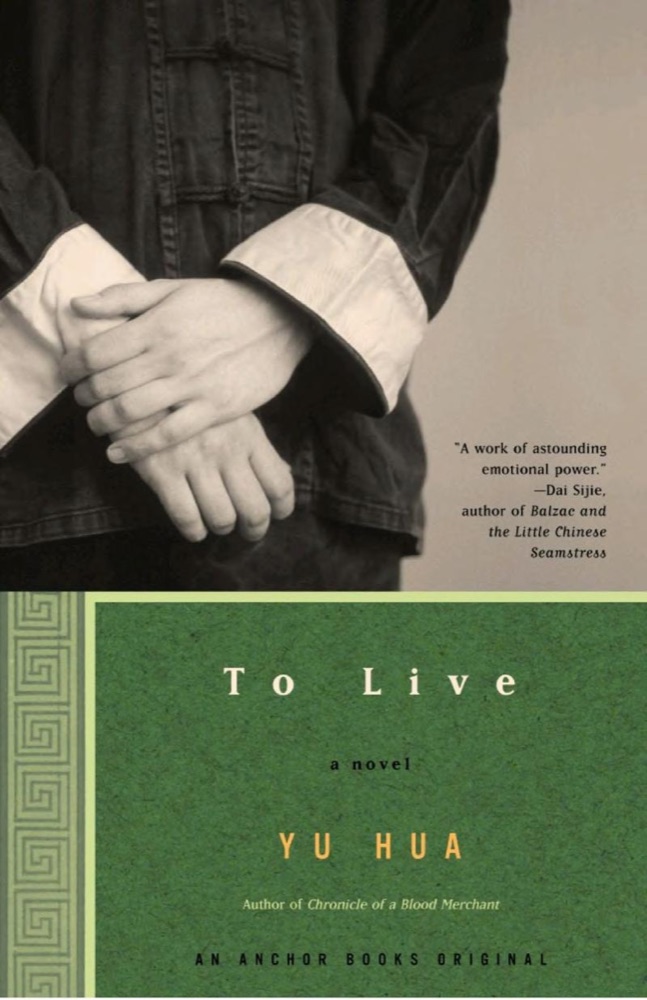 To Live
 The Genius and the Goddess: a Novel
 Diary of a Madman and Other Stories
 The Story of San Michele
 The Wall
 Mutant Message Down Under
 The Man Who Laughs
 Paladin of Souls
 The Abortion
 Old Masters: A Comedy