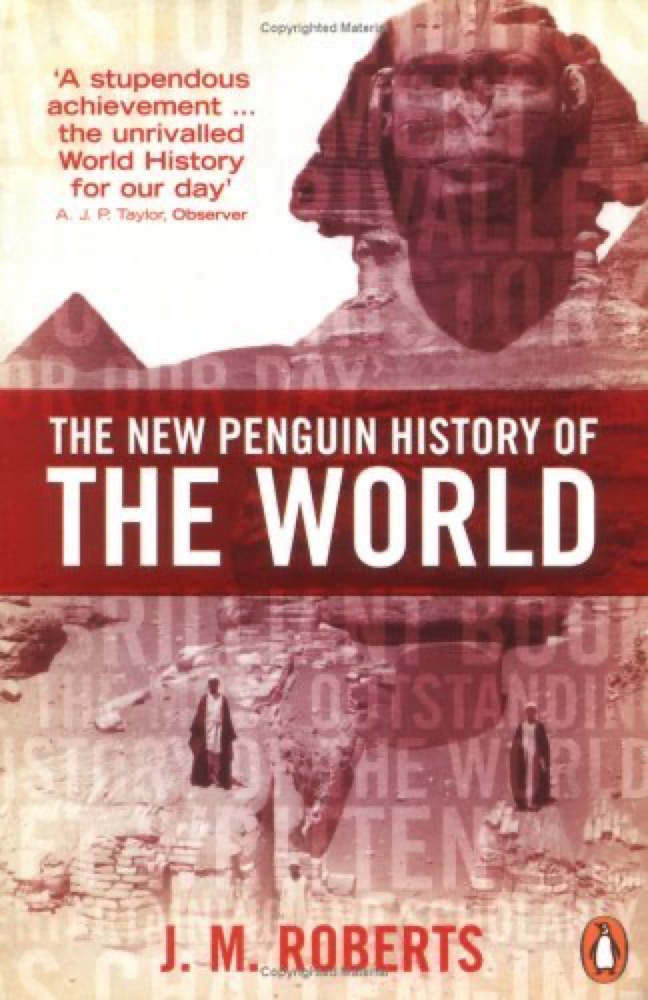
 The New Penguin History of The World
Quotes from the Book
Thus what the word Renaissance really means is new birth to liberty—the spirit of mankind recovering consciousness and the power of self-determination, recognizing the beauty of the outer world and of the body through art, liberating the reason in science and the conscience in religion, restoring culture to the intelligence, and establishing the principle of political freedom.
6
Between the two lay a multitude of political units—republics and despots—in part of long standing, in part of recent origin, whose existence was founded simply on their power to maintain it.
1
El auténtico descubridor. No obstante, no es el hombre que, tiene la suerte de tropezarse con alguna cosa, sino el hombre que encuentra lo que iba buscando.
most honourable alliance which he could form was with intellectual merit, without regard to its origin. The liberality of the northern princes of the thirteenth century was confined to the knights, to the nobility which served and sang. It was otherwise with the Italian despot. With his thirst for fame and his passion for monumental works, it was talent, not birth, which he needed. In the company of the poet and the scholar he felt himself in a new position, almost, indeed, in possession of a new legitimacy.
a multitude destitute of will and of the means of resistance, but profitable in the utmost degree to the exchequer.
Watch on YouTube
About Jacob Burckhardt
We have collected 5 quotes from 1 book by Jacob Burckhardt on BookQuoters.
More about the author →About the book
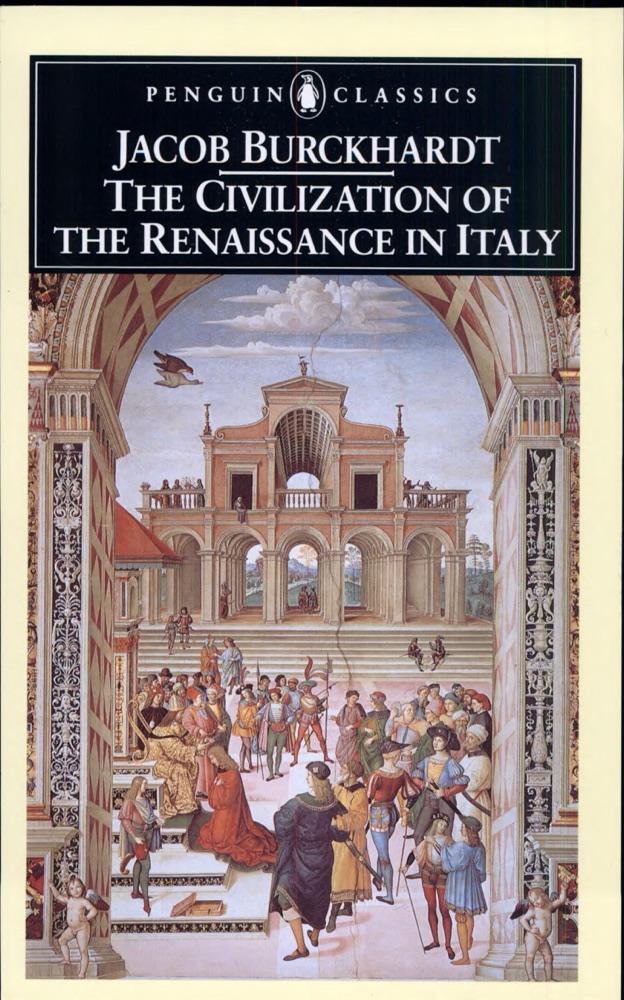
For nineteenth-century Swiss historian Jacob Burckhardt, the Italian Renaissance was nothing less than the beginning of the modern world - a world in which flourishing individualism and the competition for fame radically transformed science, the arts, and politics. In this landmark work he depicts the Italian city-states of Florence, Venice and Rome as providing the seeds of a new form of society, and traces the rise of the creative individual, from Dante to Michelangelo. A fascinating description of an era of cultural transition, this nineteenth-century masterpiece was to become the most influential interpretation of the Italian Renaissance, and anticipated ideas such as Nietzsche's concept of the 'Ubermensch' in its portrayal of an age of genius.
Book details
- First published
- 1860
- Author
- Jacob Burckhardt
- Genre
- History
- Goodreads rating
- 3.93 (3k ratings)
Keep reading
The New Penguin History of The World
 The Machiavellians: Defenders of Freedom
 The Old Regime and the French Revolution
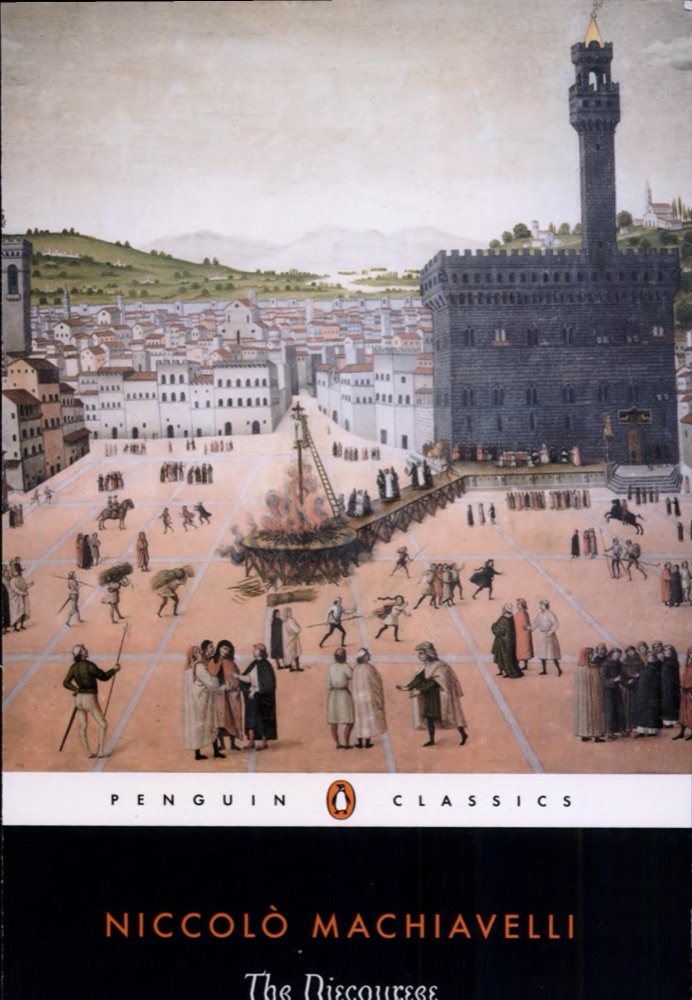 The Discourses
 The Revolt of the Masses
 The Age of Revolution, 1789–1848
 From Dawn to Decadence: 500 Years of Western Cultural Life, 1500 to the Present
 The History of the Decline and Fall of the Roman Empire Volume I
 A Distant Mirror: The Calamitous 14th Century
 Caesar and Christ
 Discourse on the Origin of Inequality
 A History of the World in 100 Objects
 The Historian's Craft: Reflections on the Nature and Uses of History and the Techniques and Methods of Those Who Write It.
 The Spirit of the Laws
 The Charterhouse of Parma
 Selections from the Prison Notebooks
 On the Genealogy of Morals
 Reflections on the Revolution in France
 The Decline and Fall of the Roman Empire
 Nostromo
 The Eighteenth Brumaire of Louis Bonaparte
 The Lessons of History
 The Medici: Godfathers of the Renaissance
 How the Irish Saved Civilization
 The Enchantress of Florence
 Europe: A History
 The Histories
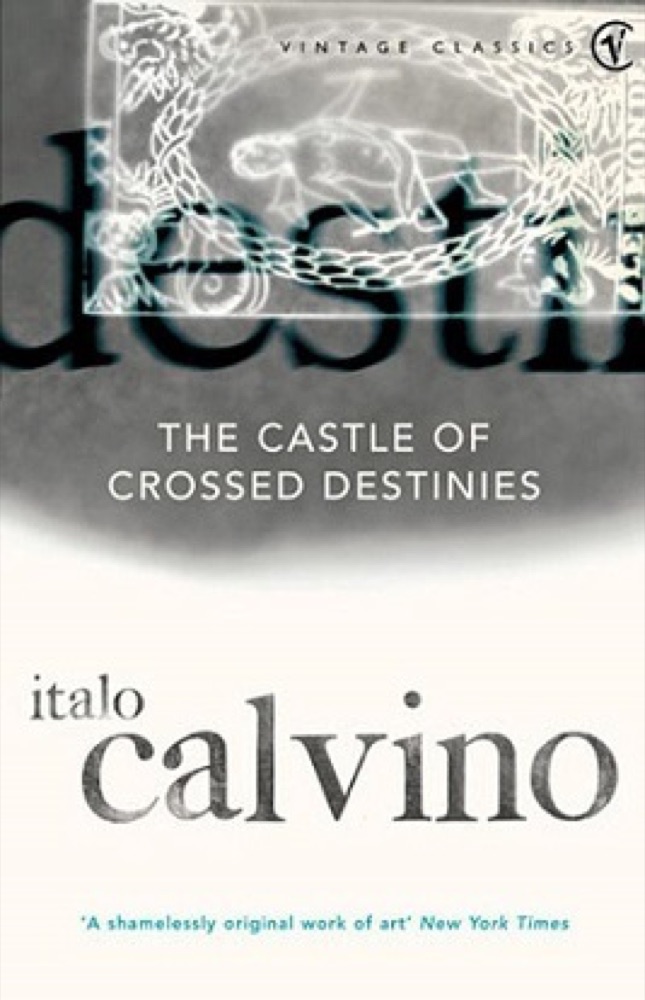 The Castle of Crossed Destinies
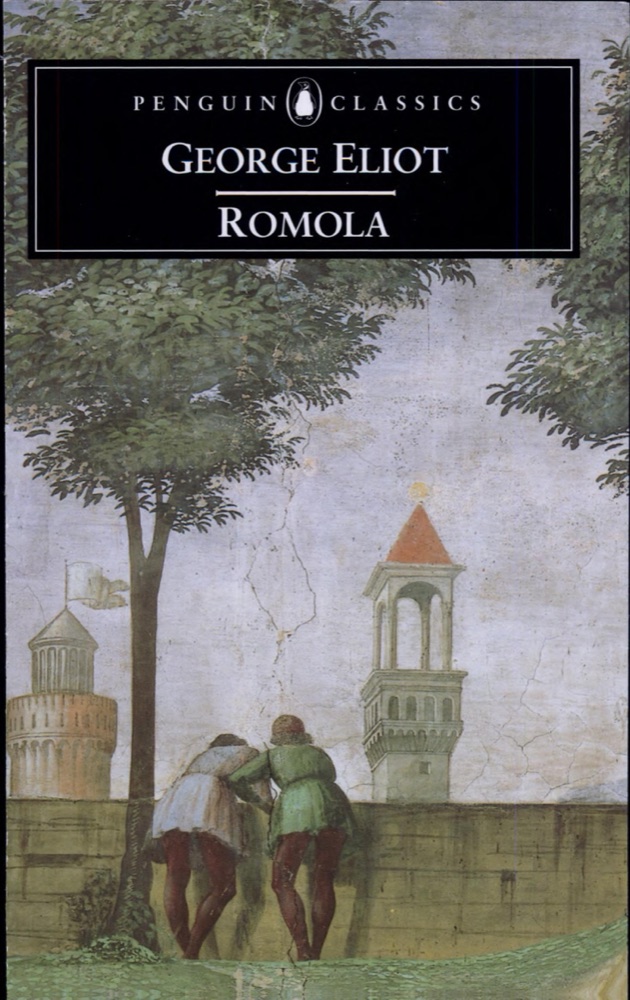 Romola
 The Republic
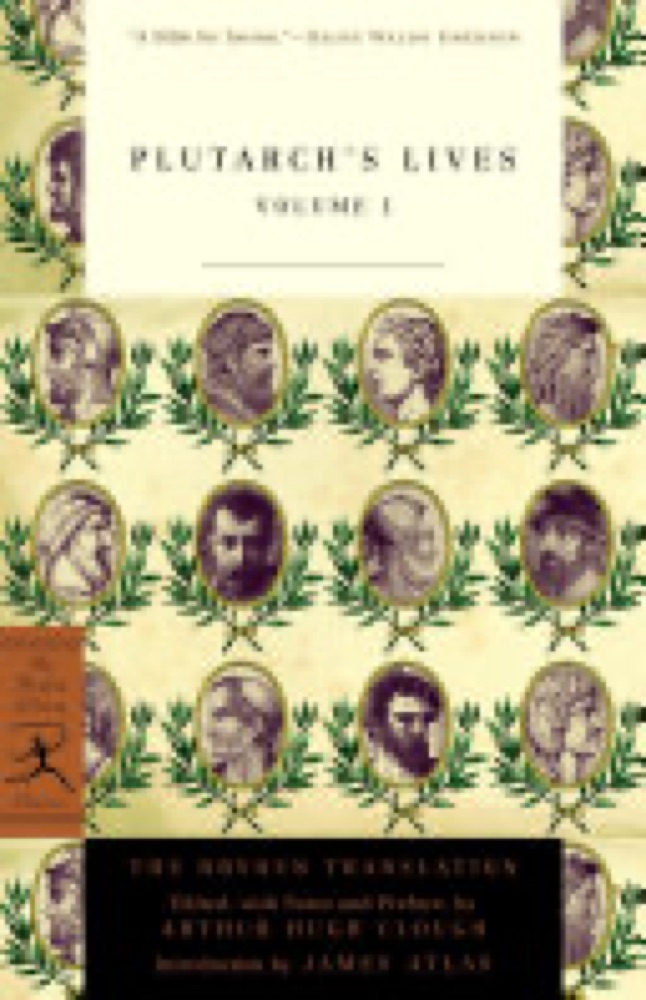 Plutarch's Lives
 Last and First Men
 God and the State
 Politics
 The Will to Power
 The War of the Poor
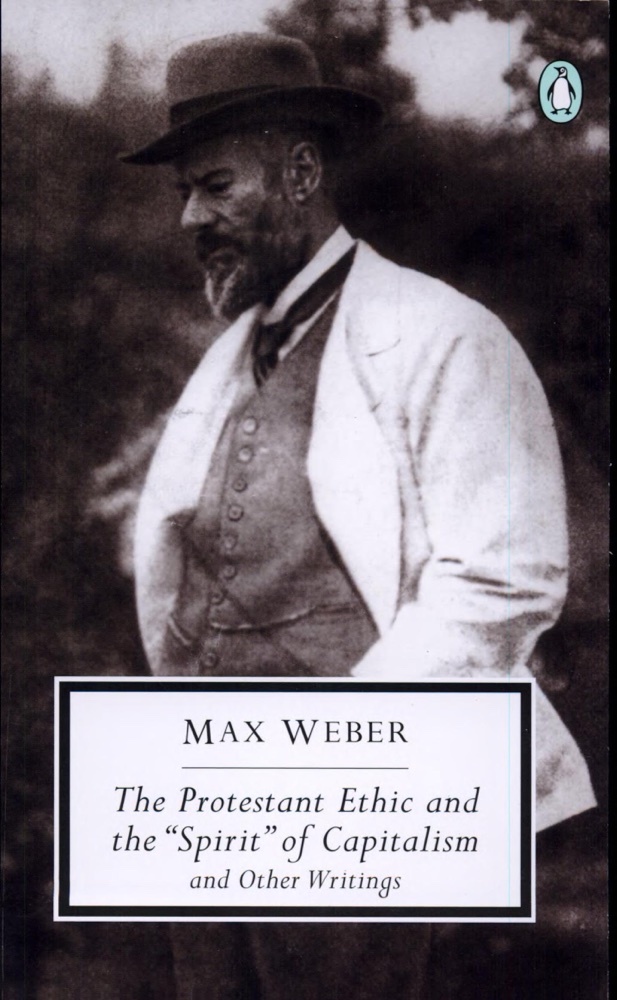 The Protestant Ethic and the Spirit of Capitalism
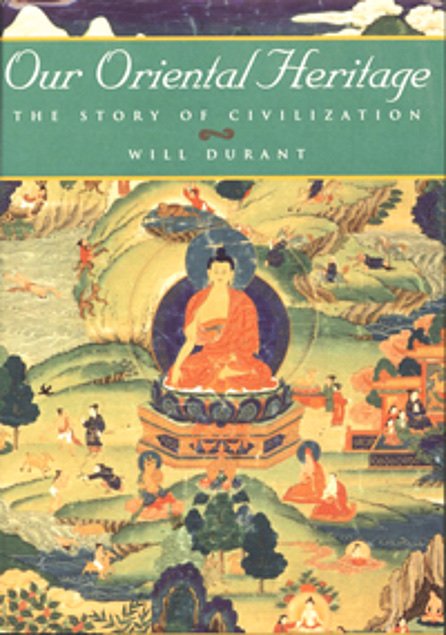 Our Oriental Heritage
 The Muqaddimah: An Introduction to History
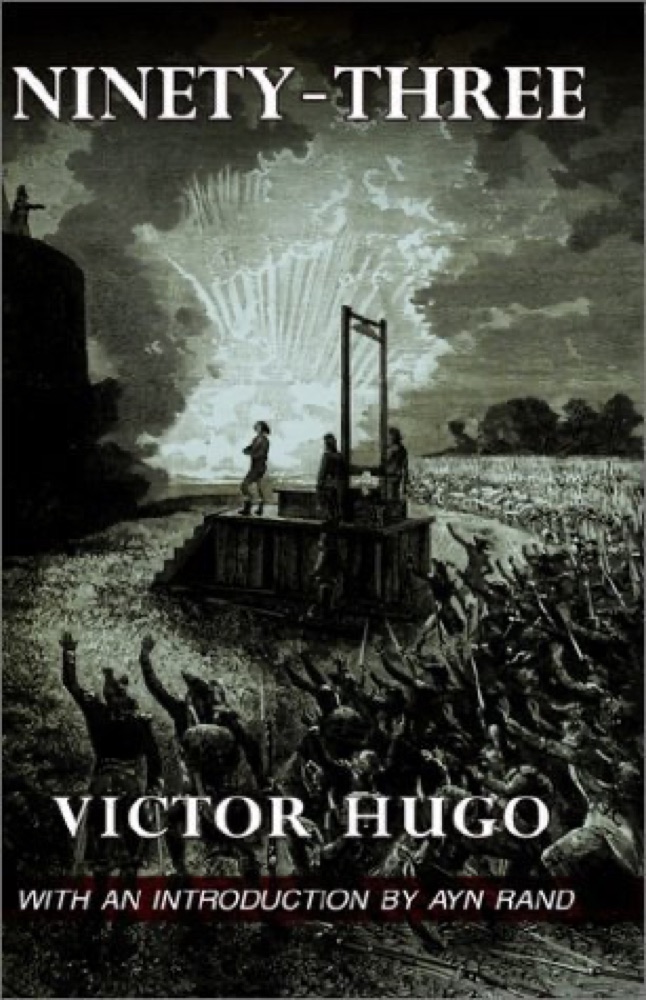 Ninety-Three
 The Discovery of India
 The Vocation Lectures: Science as a Vocation/Politics as a Vocation
 Political Theology: Four Chapters on the Concept of Sovereignty
 The Discarded Image: An Introduction to Medieval and Renaissance Literature
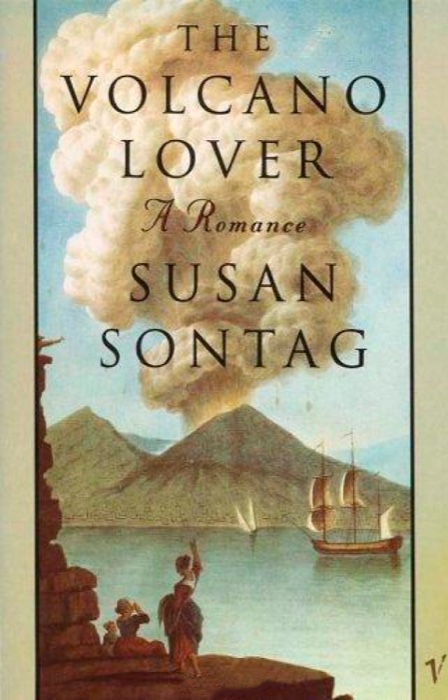 The Volcano Lover: A Romance
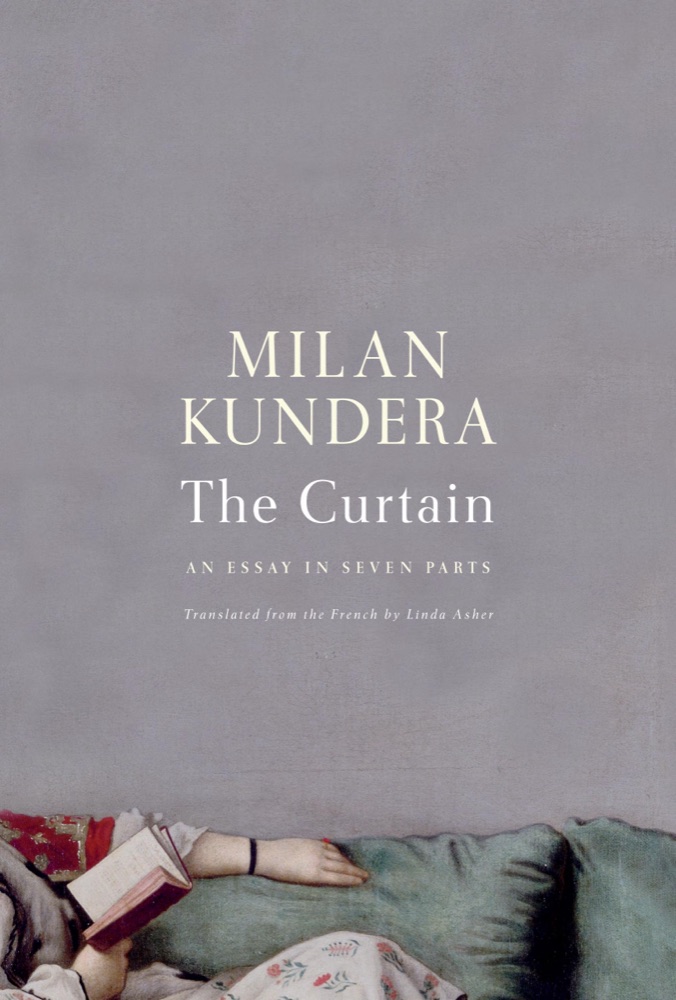 The Curtain: An Essay in Seven Parts
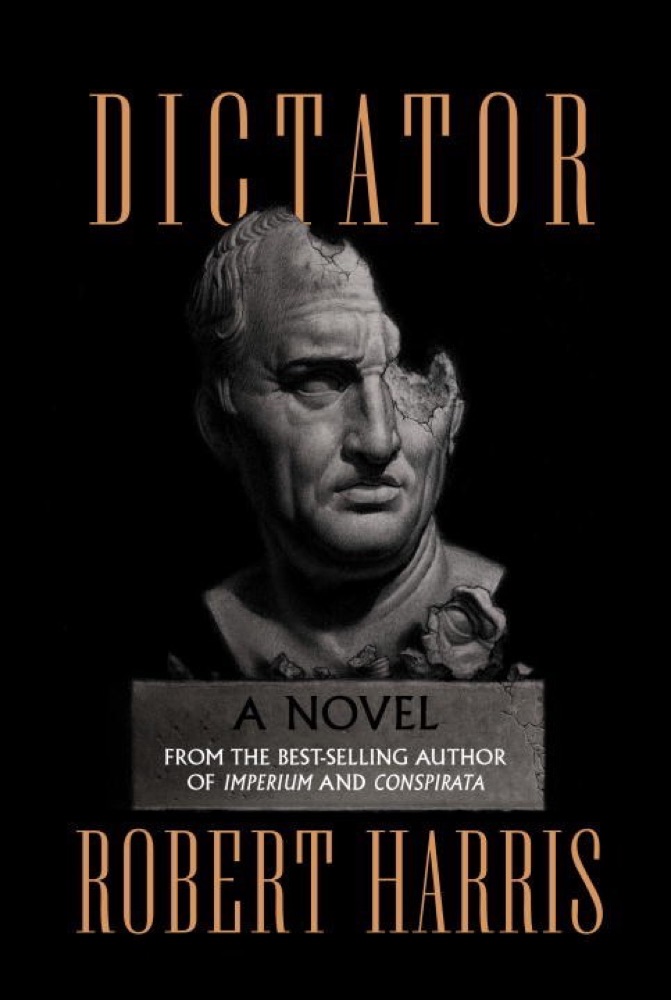 Dictator
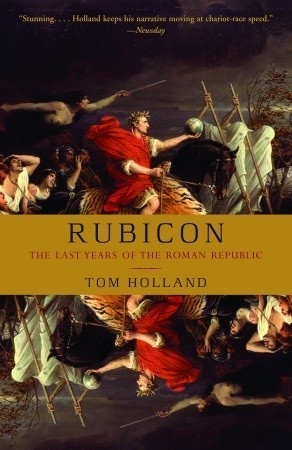 Rubicon: The Last Years of the Roman Republic
 The Politics of Obedience: The Discourse of Voluntary Servitude
 Dialectic of Enlightenment: Philosophical Fragments
 Doctor Faustus
 The Accursed Share: An Essay on General Economy, Volume I: Consumption
 Philosophical Dictionary
 Basic Writings of Nietzsche
 Civilization: The West and the Rest
 Phaedo
 The Swerve: How the World Became Modern
 The Proud Tower: A Portrait of the World Before the War, 1890-1914
 Imperium: A Novel of Ancient Rome
 Victory City