
 The Old Regime and the French Revolution
Quotes from the Book
As a means of alleviating poverty, Christian charity was worse than useless, as could be seen in the Papal states, which abounded in it. But it was popular not only among the traditionalist rich, who cherished it as a safeguard against the evil of equal rights... but also among the traditionalist poor, who were profoundly convinced that they had a right to crumbs from the rich man's table.
11
If a single misleading sentence is to sum up the relations of artist and society in this era, we might say that the French Revolution inspired him by its example, the Industrial Revolution by its horror, and the bourgeois society, which emerged from both, transformed his very existence and modes of creation.
5
On the whole, however, it was accepted that money not only talked, but governed. All the industrialist had to get to be accepted among the governors of society was enough money.
4
In times of revolution nothing is more powerful than the fall of symbols.
3
In brief, the main shape of French and all subsequent bourgeois-revolutionary politics were by now clearly visible. This dramatic dialectical dance was to dominate the future generations. Time and again we shall see moderate middle class reformers mobilizing the masses against die-hard resistance or counter-revolution. We shall see the masses pushing beyond the moderates’ aims to their own social revolutions, and the moderates in turn splitting into a conservative group henceforth making common cause with the reactionaries, and a left wing group determined to pursue the rest of the as yet unachieved moderate aims with the help of the masses, even at the risk of losing control over them.
2
Even the austere philosopher Immanuel Kant of Koenigsberg, it is said, whose habits were so regular that the citizens of that town set their watches by him, postponed the hour of his afternoon stroll when he received the news, thus convincing Koenigsberg that a world-shaking event had indeed happened.
2
This return to militant, literal, old-fashioned religion had three aspects. For the masses it was, in the main, a method of coping with the increasingly bleak and inhuman oppressive society of middle-class liberalism: in Marx's phrase (but he was not the only one to use such words) it was the "heart of a heartless world, as it is the spirit of spiritless conditions...the opium of the people". More than this: it attempted to create social and sometimes educational and political institutions in an environment which provided none, and among politically undeveloped people it gave primitive expression to their discontents and aspirations. It's literalism, emotionalism, and superstition protested both against the entire society in which rational calculation dominated and against the upper classes who deformed religion in their own image. For the middle classes rising out of such masses, religion could be a powerful moral prop, a justification of their social existence against the united contempt and hatred of traditional society, and an engine of their expansion. It liberated them from the fetters of that society, if they were sectarians. It gave their profits a moral title great than that of mere rational self-interest; it legitimized their harshness toward the oppressed; it united with trade to bring civilization to the heathen and sales to the business.
2
No doubt the British saw themselves fighting for liberty against tyranny; but in 1815 most Englishmen were probably poorer and worse off than they had been in 1800, while most Frenchmen were almost certainly better off; nor had any except the still negligible wage-labourers lost the substantial economic benefits of the Revolution
1
What distinguishes the various members of the ideological family descended from humanism and the Enlightenment, liberal, socialist, communist, or anarchist, is not the gentle anarchy which is the utopia of all of them, but the methods of achieving it.
1
Our problem is not to trace the emergence of a world market, of a sufficiently active class of private entrepreneurs, or even (in England) of a state dedicated to the proposition that the maximization of private profit was the foundation of government policy...By the 1780s we can take the existence of all these for granted...
1
In June 1793 sixty of the eighty departments of France were in revolt against Paris; the armies of the German princes were invading France from the north and east; the British attacked from the south and west; the country was helpless and bankrupt. Fourteen months later all France was under firm control, the invaders had been expelled, the French armies in turn occupied Belgium and were about to enter on twenty years of almost unbroken and effortless military triumph.
1
The cotton industry was thus launched, like a glider, by the pull of the colonial trade to which it was attached; a trade which promised not only great, but rapid and above all unpredictable expansion, which encouraged the entrepreneur to adopt the revolutionary techniques required to meet it. Between 1750 and 1769 the export of British cottons increased more than ten times over.
1
And the world had its first secular myth. Older readers or those in old-fashioned countries will know the Napoleonic myth as it existed throughout the century when no middleclass cabinet was complete without his bust, and pamphleteering wits could argue, even for a joke, that he was not a man but a sun-god.
La guerra se declaró en 1792. La derrota, que el pueblo atribuirìa, no sin razón, a sabotaje real y a traición, trajo la radicalización. En agosto y septiembre fue derribada la monaquía, establecida la república una e indivisible y proclamada una nueva era en la historia humana con la institución del año I del calendario revolucionario y por la acciónde las masas sanscuolottes de París. La edad férrea y heroica de la Revolución francesa empezó con la matasnza de los presos políticos, las elecciones para la Convención Nacional - probablemente la asamblea más extraordinaria en la historia del parlamentarismo- y el llamamiento para oponer una resistencia total a los invasores. El rey fue encarcelado, y la invasión extranjera detenido por un dramático duelo de la artillería en Valmy.
Annexation, peace-treaties, and the Congresses in which the French systematically attempted to reorganize the German political map (in 1797–8 and 1803) reduced the 234 territories of the Holy Roman Empire—not counting free imperial knights and the like—to forty;
The characteristic modern state, which had been evolving for several centuries, is a territorially coherent and unbroken area with sharply defined frontiers, governed by a single sovereign authority and according to a single fundamental system of administration and law.
France as a state, with its interests and aspirations confronted (or was in alliance with) other states of the same kind, but on the other hand France as the Revolution appealed to the peoples of the world to overthrow tyranny and embrace liberty, and the forces of conservatism and reaction opposed her. No doubt after the first apocalyptic years of revolutionary war the difference between these two strands of conflict diminished
In the countryside the systematic requisitioning of food (which the urban Sansculottes had been the first to advocate) alienated the peasantry.
Moreover, the very needs of the war obliged any government to centralize and discipline, at the expense of the free, local, direct democracy of club and section, the casual voluntarist militia, the free argumentative elections on which the Sansculottes thrived. The process which, during the Spanish Civil War of 1936–9, strengthened Communists at the expense of Anarchists, strengthened Jacobins of Saint-Just’s stamp at the expense of Sansculottes of Hébert’s.
Economically the perspectives of the Constituent Assembly were entirely liberal: its policy for the peasantry was the enclosure of common lands and the encouragement of rural entrepreneurs, for the working-class, the banning of trade unions, for the small crafts, the abolition of guilds and corporations.
Though the web of history cannot be unravelled into separate threads without destroying it, a certain amount of subdivision of the subject is, for practical purposes, essential.
We need not trouble about the Dutch and Scandinavians who, though belonging broadly to the non-absolutist zone, lived a relatively tranquil life outside the dramatic events of the rest of Europe.
E tanto a Grã-Bretanha quando o mundo sabiam que a revolução lançada nestas ilhas não só pelos comerciantes e empresários como através deles, cuja única lei era comprar no mercado mais barato e vender sem restrição no mais caro estava transformando o mundo. Nada poderia detê-la. Os deuses e os reis do passado eram impotentes diante dos homens de negócios e das máquinas a vapor do presente.
The periodic famines, the burden of labour which made men old at forty and women at thirty, were acts of God; they only became acts for which men were held responsible in times of abnormal hardship or revolution.
Watch on YouTube
About Eric J. Hobsbawm
We have collected 24 quotes from 1 book by Eric J. Hobsbawm on BookQuoters.
More about the author →About the book
This magisterial volume follows the death of ancient traditions, the triumph of new classes, and the emergence of new technologies, sciences, and ideologies, with vast intellectual daring and aphoristic elegance. Part of Eric Hobsbawm's epic four-volume history of the modern world, along with The Age of Capitalism , The Age of Empire , and The Age of Extremes .
Book details
- First published
- 1962
- Author
- Eric J. Hobsbawm
- Genre
- History
- Goodreads rating
- 4.22 (9k ratings)
Keep reading
The Old Regime and the French Revolution
 The Eighteenth Brumaire of Louis Bonaparte
 The Black Jacobins: Toussaint L'Ouverture and the San Domingo Revolution
 Modern Times: The World from the Twenties to the Nineties
 History of the Russian Revolution
 A Distant Mirror: The Calamitous 14th Century
 The Radicalism of the American Revolution
 The Lessons of History
 The First Salute : View of the American Revolution
 The Machiavellians: Defenders of Freedom
 Reflections on the Revolution in France
 Socialism: Utopian and Scientific
 The Great Transformation: The Political and Economic Origins of Our Time
 Europe: A History
 Ill Fares the Land
 Flashpoints: The Emerging Crisis in Europe
 From Dawn to Decadence: 500 Years of Western Cultural Life, 1500 to the Present
 Political Order and Political Decay: From the Industrial Revolution to the Globalization of Democracy
 Postwar: A History of Europe Since 1945
 On Revolution
 The New Penguin History of The World
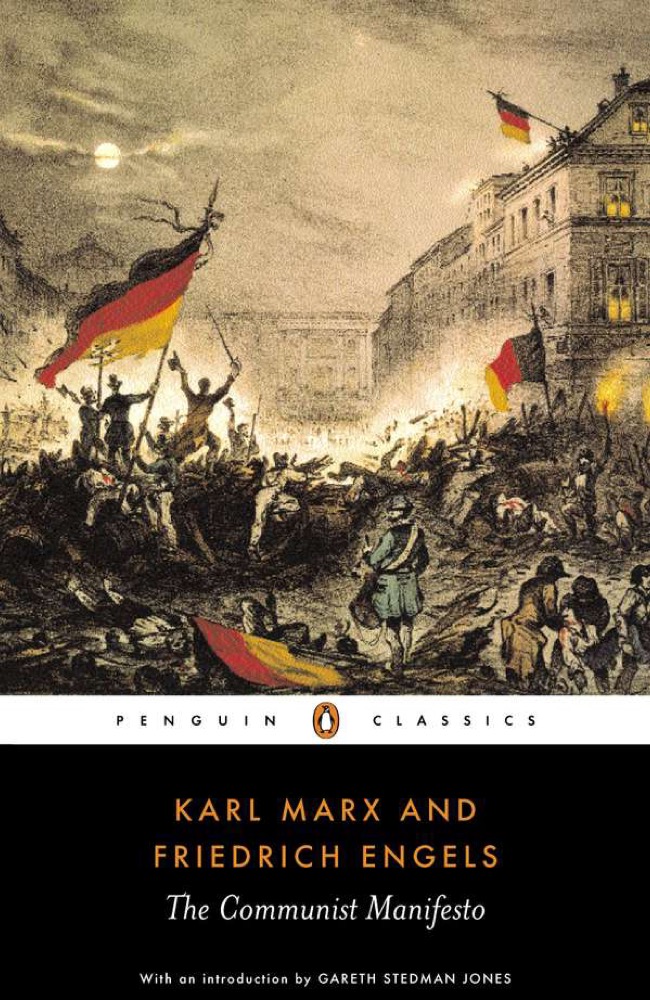 The Communist Manifesto
 Political Theology: Four Chapters on the Concept of Sovereignty
 The Road to Serfdom
 The Origins of Totalitarianism
 The Proud Tower: A Portrait of the World Before the War, 1890-1914
 Civilization: The West and the Rest
 The Evolution of Everything: How New Ideas Emerge
 Why Marx Was Right
 Caesar and Christ
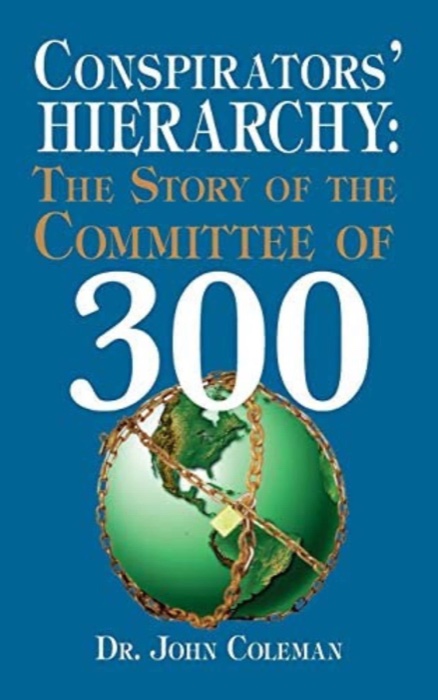 Conspirators' Hierarchy: The Story of the Committee of 300
 The Spirit of the Laws
 Defying Hitler
 The Strange Death of Europe: Immigration, Identity, Islam
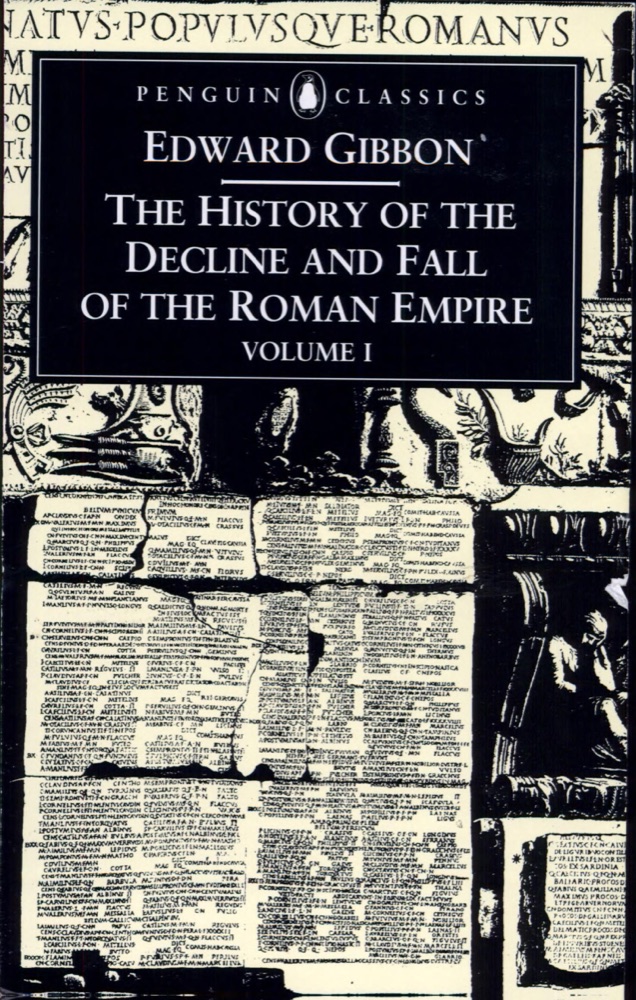 The History of the Decline and Fall of the Roman Empire Volume I
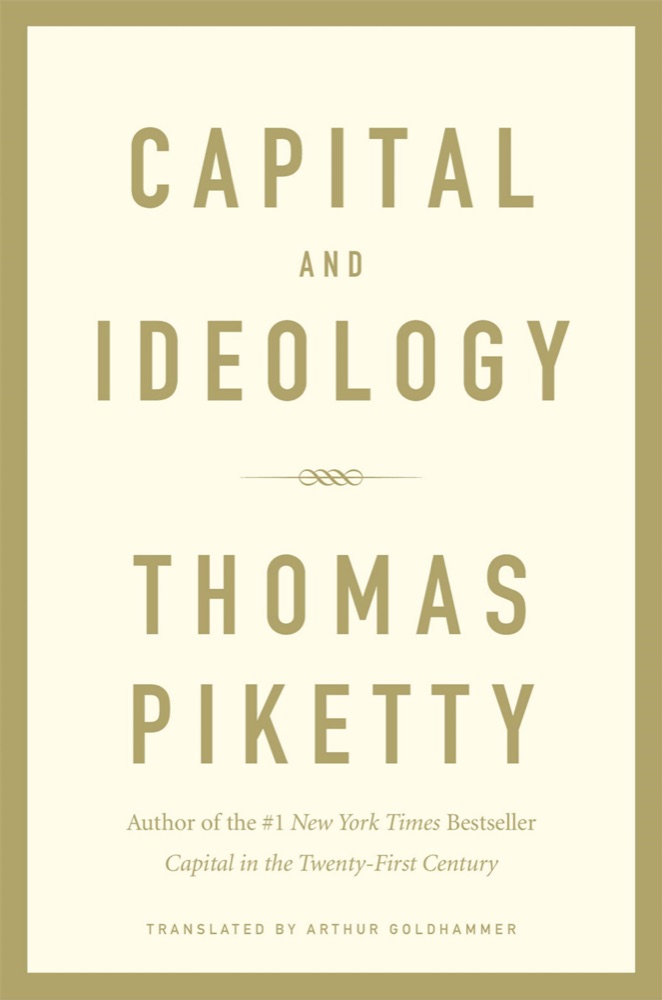 Capital and Ideology
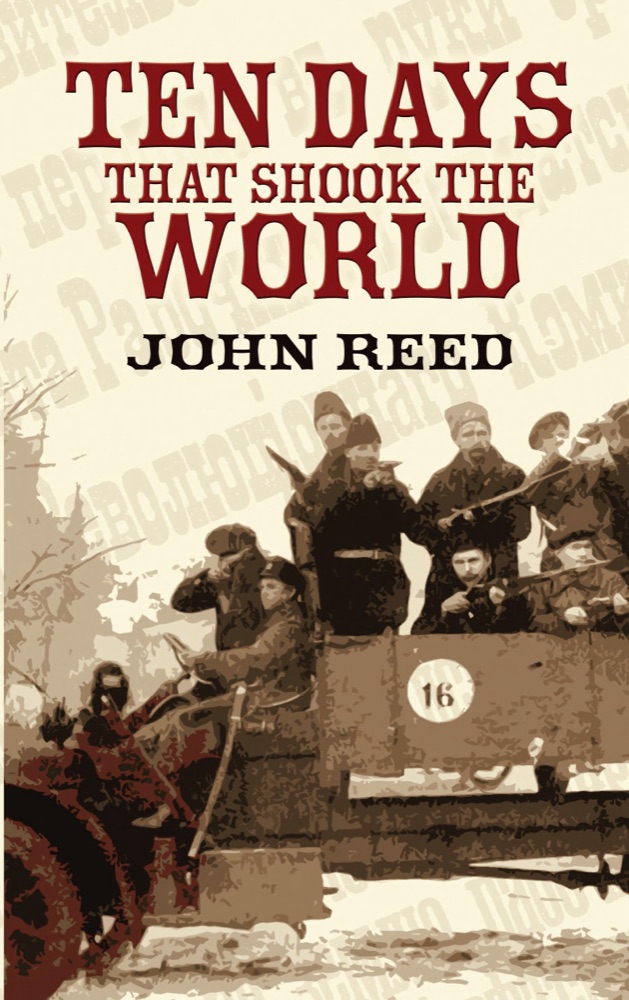 Ten Days that Shook the World
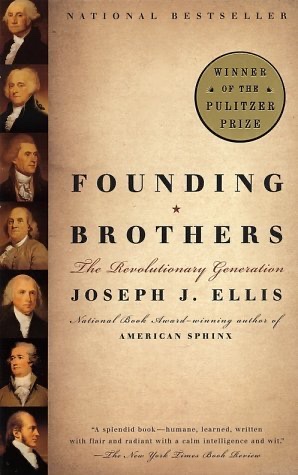 Founding Brothers: The Revolutionary Generation
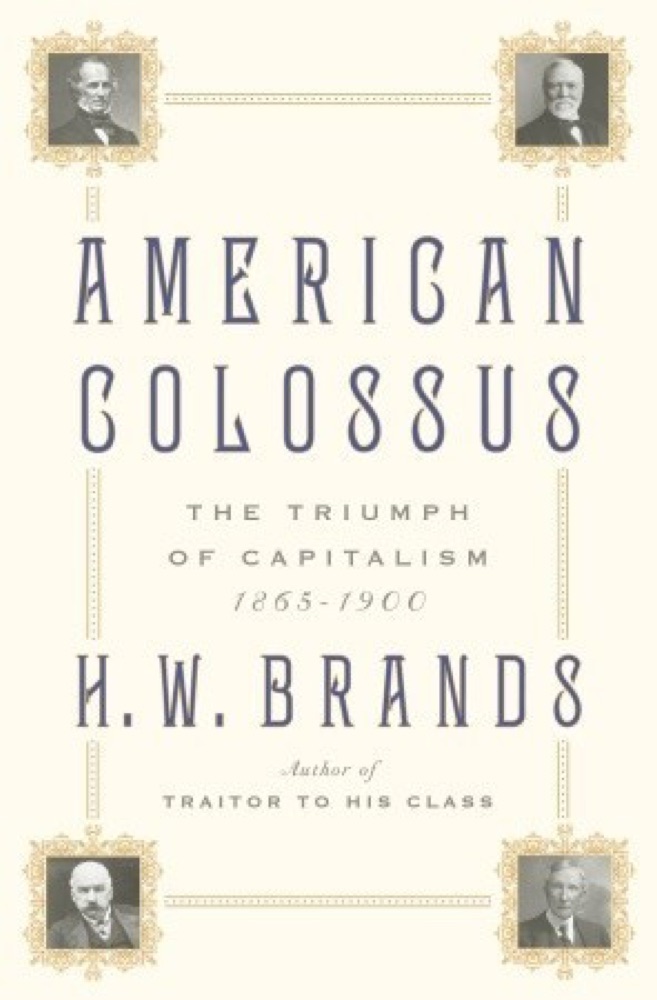 American Colossus: The Triumph of Capitalism, 1865-1900
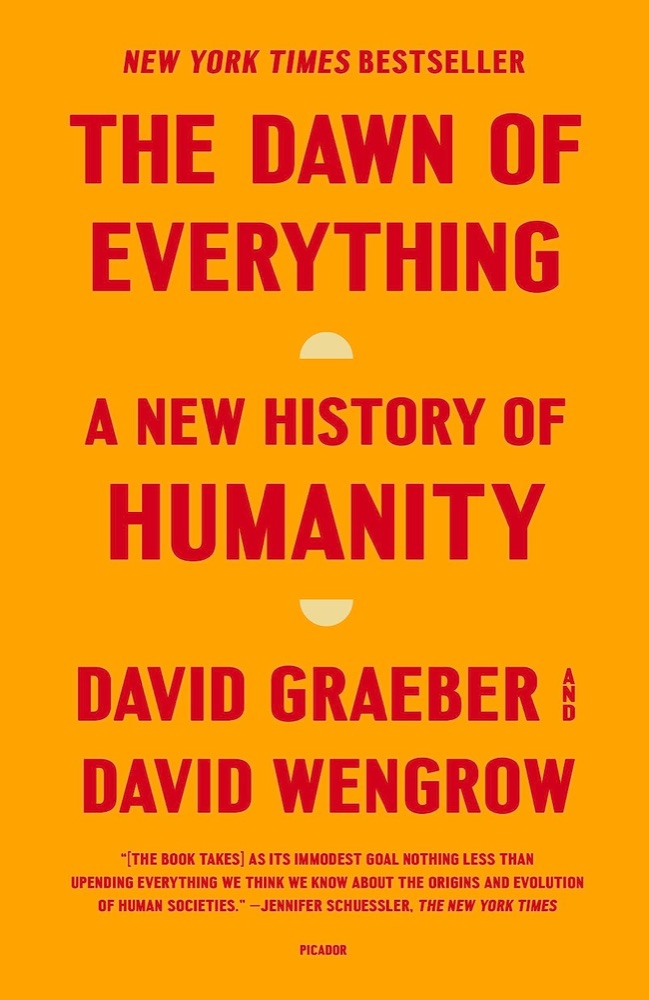 The Dawn of Everything: A New History of Humanity
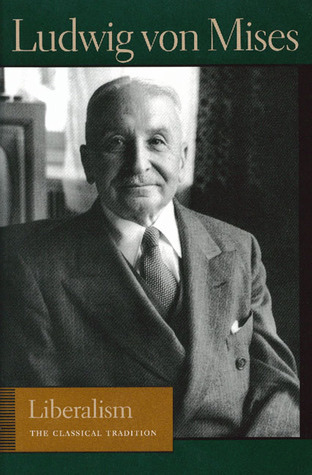 Liberalism: The Classical Tradition
 Dark Continent: Europe's Twentieth Century
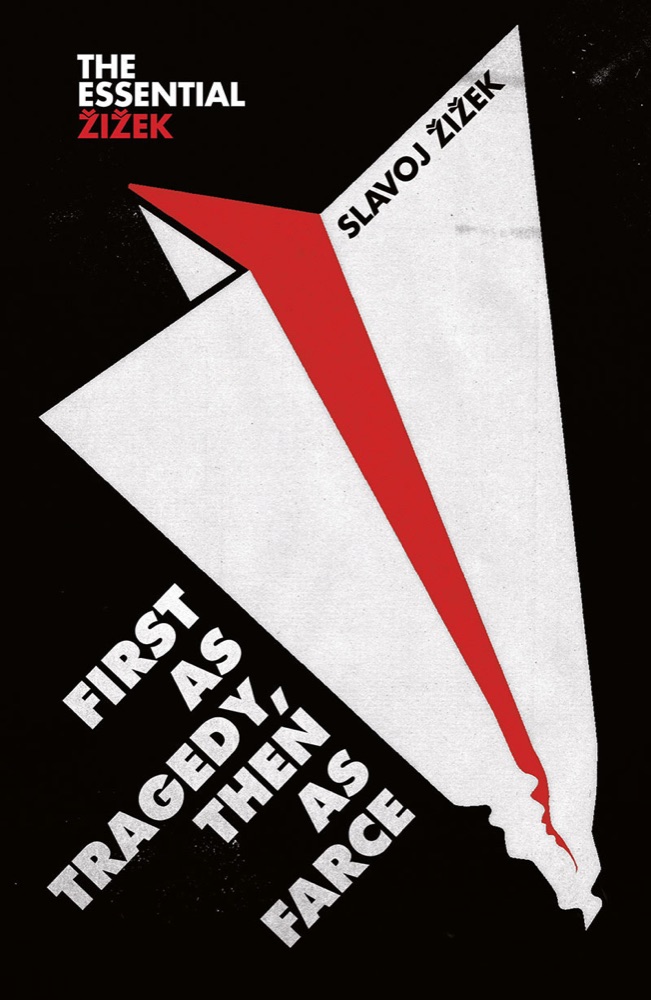 First As Tragedy, Then As Farce
 The Protestant Ethic and the Spirit of Capitalism
 The Reactionary Mind: Conservatism from Edmund Burke to Sarah Palin
 The End of History and the Last Man
 Imperialism: The Highest Stage of Capitalism
 The Wretched of the Earth
 Capitalism: The Unknown Ideal
 Revolutionary Russia, 1891 - 1991: A History
 These Truths: A History of the United States
 The Discourses
 A People's History of the United States
 The Accursed Share: An Essay on General Economy, Volume I: Consumption
 The Revolt of the Masses
 A History of the World in 100 Objects
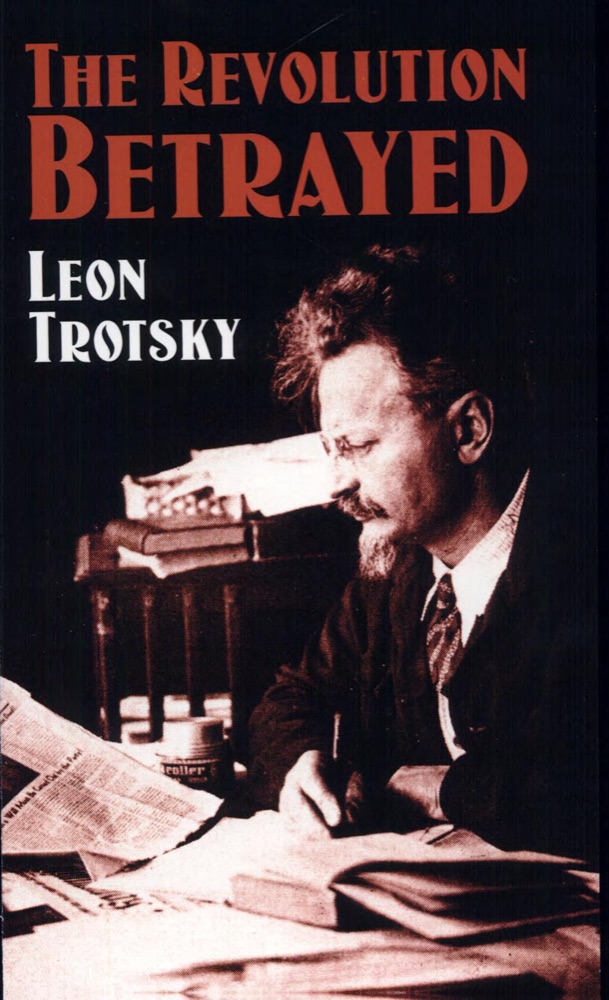 The Revolution Betrayed
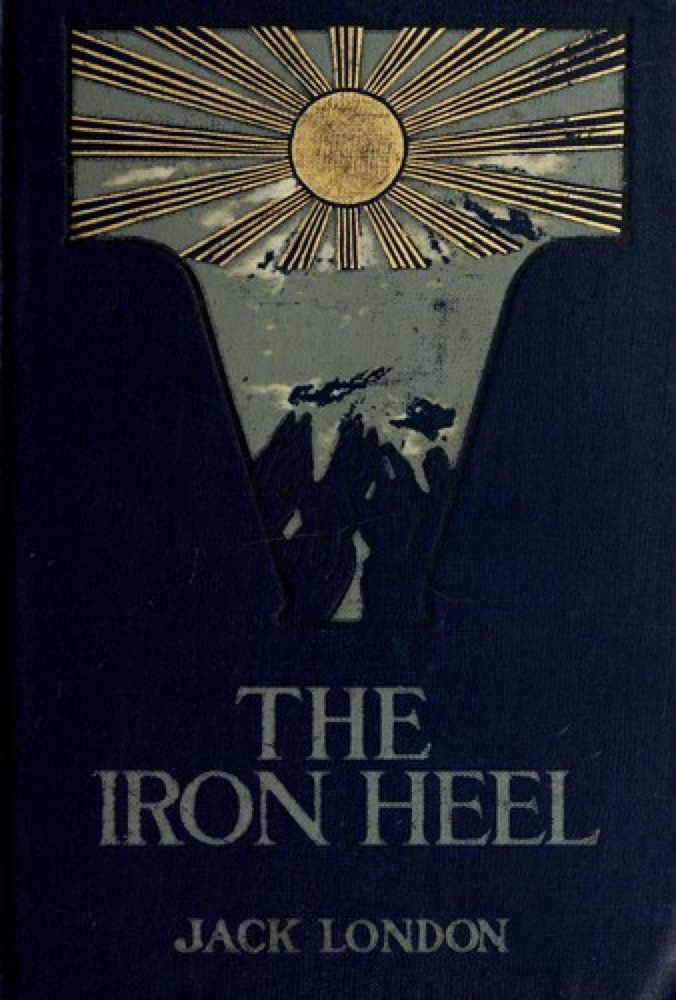 The Iron Heel
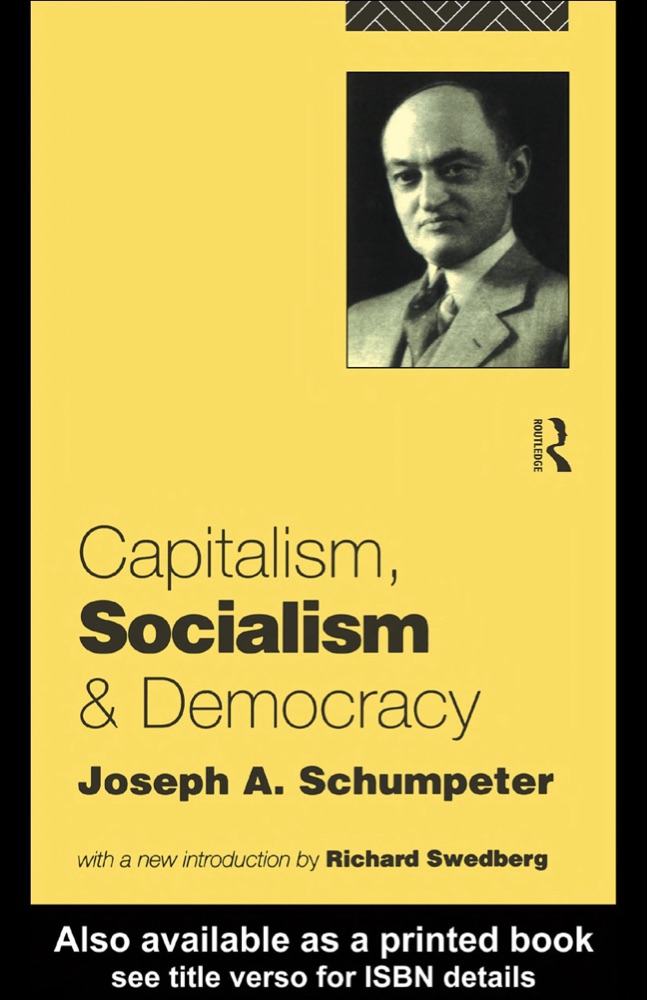 Capitalism, Socialism and Democracy
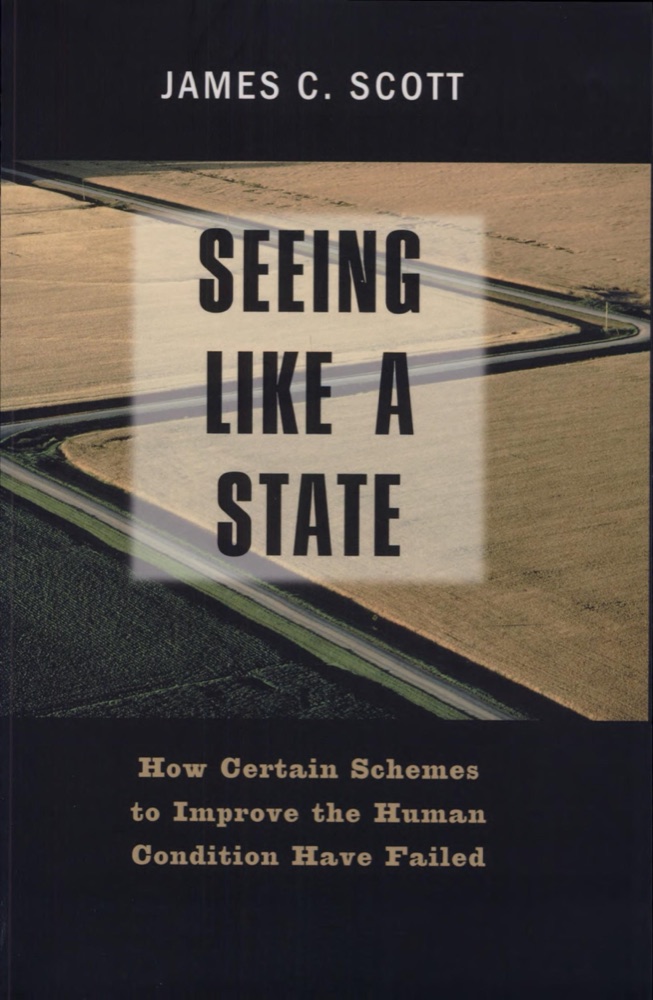 Seeing Like a State: How Certain Schemes to Improve the Human Condition Have Failed