
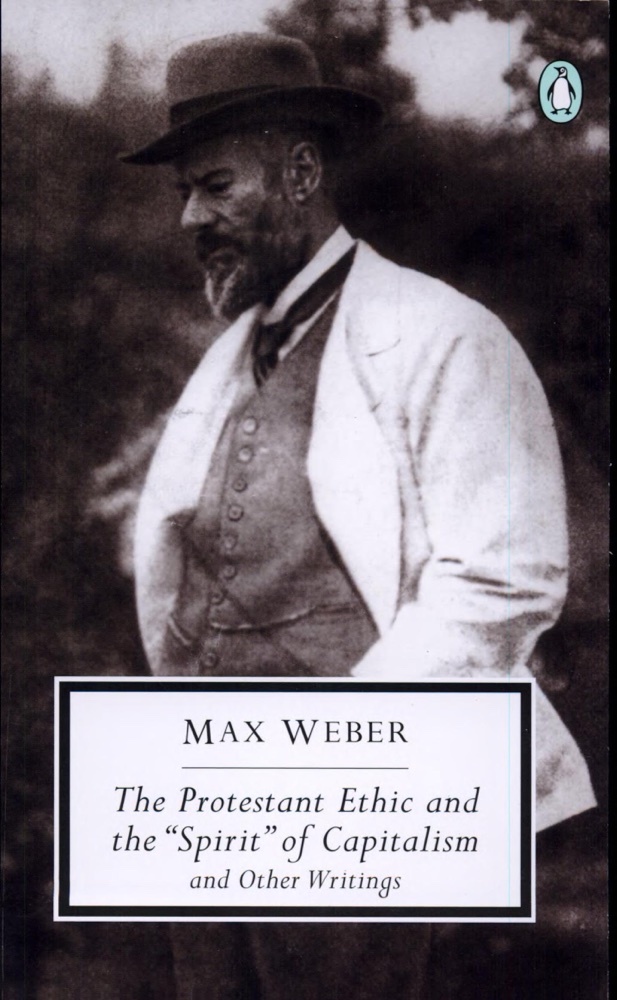
 The Protestant Ethic and the Spirit of Capitalism
Quotes from the Book
... A state is a human community that (successfully) claims the monopoly of the legitimate use of physical force within a given territory.
11
Naïve optimists have celebrated science – that is to say: the techniques of mastering life that are based on science – as the road to happiness; but I think I may be allowed to ignore this [idea] completely, in view of Nietzsche's devastating criticism of those “ultimate men” who have “invented happiness”. Who believes it, apart from a few overgrown children occupying academic or editorial chairs?
1
Consequently, if one’s luck is bad, one is liable to be increasingly consumed by feelings of resentment toward the agent or agents that one holds responsible for one’s victimhood, and this twisting of one’s soul in bitterness is a form of damage that the acknowledgment of the real conditions of academic life could have helped one to avoid or, at the very least, mitigate.
1
Bear in mind that the value of a human being does not depend on whether he has leadership qualities.
The numerous gods of yore, divested of their magic and hence assuming the shape of impersonal forces, arise from their graves, strive for power over our lives, and resume their eternal struggle among themselves.
Pessoalmente, jamais admiti que, ao longo de uma discussão, se procurasse garantir vantagem exibindo a certidão de nascimento. (...) Não importa a idade, mas sim a soberana competência do olhar, que sabe ver as realidades da vida, e a força da alma que é capaz de suportá-las e de elevar-se à altura delas
De ningún modo es cierto que la inspiración juegue un papel más importante en la ciencia que en la solución de los problemas prácticos a los que debe enfrentarse un empresario moderno, a pesar de que los científicos ensoberbecidos no lo crean así; del mismo modo que no se puede creer que la idea tiene menos importancia en la ciencia que en las artes, siendo pueril la idea de que un matemático puede arribar a resultados científicos válidos utilizando únicamente una regla de cálculo o cualquier otro aditamento para el mismo fin.
Watch on YouTube
About Max Weber
We have collected 37 quotes from 2 books by Max Weber on BookQuoters.
More about the author →More by Max Weber
The Protestant Ethic and the Spirit of Capitalism
About the book
Originally published separately, Weber's Science as a Vocation and Politics as a Vocation stand as the classic formulations of his positions on two related subjects that go to the heart of his thought: the nature and status of science and its claims to authority; and the nature and status of political claims and the ultimate justification for such claims. Together in this volume, these newly translated lectures offer an ideal point of entry into Weber's central project: understanding how, as Weber put it, "in the West alone there have appeared cultural manifestations [that seem to] go in the direction of universal significance and validity.
Book details
- First published
- 1919
- Author
- Max Weber
- Genre
- Philosophy
- Goodreads rating
- 3.88 (2k ratings)
Keep reading
 Power vs. Force
 The Will to Power
 How to Be a Stoic: Using Ancient Philosophy to Live a Modern Life
 God and the State
 Daybreak: Thoughts on the Prejudices of Morality
 The Revolt of the Masses
 Brave New World / Brave New World Revisited
 From Dawn to Decadence: 500 Years of Western Cultural Life, 1500 to the Present
 The Crisis of the Modern World
 After Virtue
 On the Genealogy of Morals
 The Laws of Plato
 Selections from the Prison Notebooks
 Walden Two
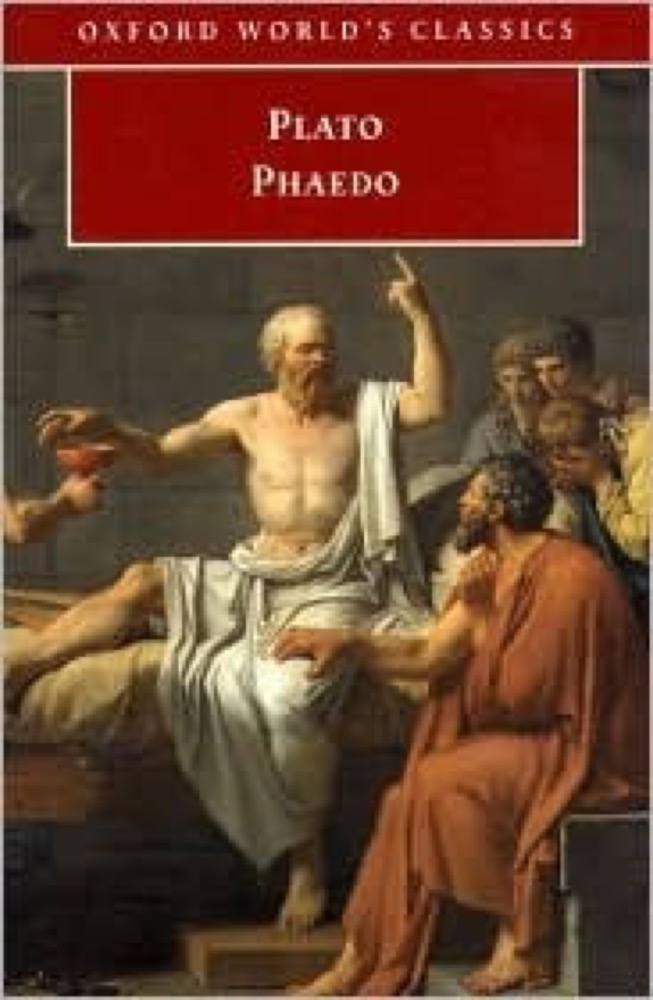 Phaedo
 The Muqaddimah: An Introduction to History
 The Republic
 Civil Disobedience and Other Essays
 Galileo
 The Human Condition
 What I Believe
 Elements of the Philosophy of Right
 The Age of Absurdity: Why Modern Life makes it Hard to be Happy
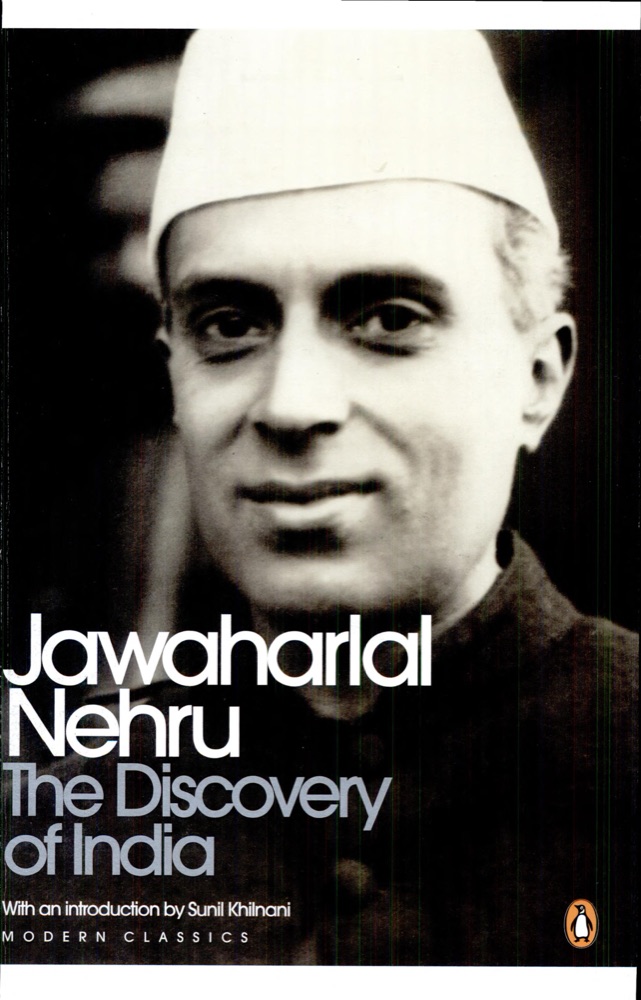 The Discovery of India
 The Historian's Craft: Reflections on the Nature and Uses of History and the Techniques and Methods of Those Who Write It.
 The Machiavellians: Defenders of Freedom
 Reflections on the Revolution in France
 Discourse on the Origin of Inequality
 The Ego and Its Own
 Truth and Method
 Rules for Radicals: A Pragmatic Primer for Realistic Radicals
 The Philosopher and the Wolf
 God Emperor of Dune
 Suicide: A Study in Sociology
 Persian Letters
 Pebble in the Sky
 The Man Without Qualities
 The Man Who Counted: A Collection of Mathematical Adventures
 Anarchy, State, and Utopia
 Heretics
 Tragic Sense of Life
 Whose Story Is This? Old Conflicts, New Chapters
 On Liberty
 The Perennial Philosophy
 Lila: An Inquiry Into Morals
 Ficciones
 The Varieties of Religious Experience
 The Story of Philosophy: The Lives and Opinions of the World's Greatest Philosophers
 The Schopenhauer Cure
 The Sane Society
 The Enneads
 Leadership : Six Studies in World Strategy
 The Ethics of Ambiguity
 The Abolition of Man
 Psychology and Religion
 In Praise of Idleness and Other Essays
 A Short History of Decay
 Escape from Freedom
 The Spinoza Problem