 Les Misérables
Quotes from the Book
An intelligent hell would be better than a stupid paradise.
578
Whatever causes night in our souls may leave stars. Cimourdain was full of virtues and truth, but they shine out of a dark background.
86
Nature is pitiless; she never withdraws her flowers, her music, her fragrance and her sunlight, from before human cruelty or suffering. She overwhelms man by the contrast between divine beauty and social hideousness. She spares him nothing of her loveliness, neither wing or butterfly, nor song of bird; in the midst of murder, vengeance, barbarism, he must feel himself watched by holy things; he cannot escape the immense reproach of universal nature and the implacable serenity of the sky. The deformity of human laws is forced to exhibit itself naked amidst the dazzling rays of eternal beauty. Man breaks and destroys; man lays waste; man kills; but the summer remains summer; the lily remains the lily; and the star remains the star. ... As though it said to man, 'Behold my work. and yours.
57
Curiosity is one of the forms of feminine bravery.
30
History has its truth, and so has legend. Legendary truth is of another nature than historical truth. Legendary truth is invention whose result is reality. Furthermore, history and legend have the same goal; to depict eternal man beneath momentary man.
24
In short, between men and women you want..." "Equality." "Equality! You can't mean it. Man and woman are two different creatures." "I said equality. I didn't say identity.
19
I was confided to your loyalty and accepted by your treason; you offer my death to those to whom you had promised my life. Do you know who it is you are destroying here? It is yourself.
17
There is a sacred horror about everything grand. It is easy to admire mediocrity and hills; but whatever is too lofty, a genius as well as a mountain, an assembly as well as a masterpiece, seen too near, is appalling. Every summit seems an exaggeration. Climbing wearies. The steepnesses take away one's breath; we slip on the slopes, we are hurt by the sharp points which are its beauty; the foaming torrents betray the precipices, clouds hide the mountain tops; mounting is full of terror, as well as a fall. Hence, there is more dismay than admiration. People have a strange feeling of aversion to anything grand. They see abysses, they do not see sublimity; they see the monster, they do not see the prodigy.
13
We are in the hands of those gods, those monsters, those giants: our thoughts.
11
The victory of humanity over man. Humanity had conquered the inhuman. And by what means? In what way? How had it overcome the giant of anger and hatred? What arms had it used? What engine of war? The cradle.
10
It is difficult to frighten those who are easily astonished; ignorance causes fearlessness. Children have so little claim on hell, that if they should see it they would admire it.
10
So a voice in the mountain is enough to let loose an avalanche. A word too much may be followed by a caving in. If the word had not been spoken, it would not have happened.
10
He was not his father, and this was not his work; but he was the master, and this was his masterpiece.
10
Ninety-three" was the war of Europe against France, and of France against Paris. And what was the Revolution? It was the victory of France over Europe, and of Paris over France. Hence the immensity of that terrible moment?, '93, greater than all the rest of the century
10
He had the confidence of a man who had never been wounded.
8
To know how to distinguish the agitation arising from covetousness, from the agitation arising from principles, to fight the one and aid the other, in this lies the genius and the power of great revolutionary leaders.
7
Death does not concern me. He who takes his first step uses perhaps his last shoes. (Halmalo)
7
On the one side blind force, on the other a soul.
7
He was not to perceive that of two men engaged in an action so hideous, he who permits the thing is worse than the man who does the work, because he is the coward!
6
A wretched woman is more unfortunate than a wretched man, because she is an instrument of pleasure.
6
Wide horizons lead the soul to broad ideas; circumscribed horizons engender narrow ideas; this sometimes condemns great hearts to become small minded. Broad ideas hated by narrow ideas,—this is the very struggle of progress.
6
To blame or praise men on account of the result, is almost like praising or blaming figures on account of the sum total. Whatever is to happen, happens; whatever is to blow, blows. The eternal serenity does not suffer from these north winds. Above Revolutions, Truth and Justice reign, as the starry heavens above the tempest.
6
After the dazzling orgies in form and color of the eighteenth century, art was put on a diet, and allowed nothing but the straight line. This sort of progress ended in ugliness. Art reduced to a skeleton, was the result. This was the advantage of this kind of wisdom and abstinence; the style was so sober that it became lean.
6
Catastrophes have a somber way of arranging things.
5
The unforeseen, that strange, haughty power which plays with man, had seized Gauvain and held him fast.
4
Watch on YouTube
About Victor Hugo
We have collected 138 quotes from 6 books by Victor Hugo on BookQuoters.
More about the author →More by Victor Hugo
All books by Victor Hugo →
About the book
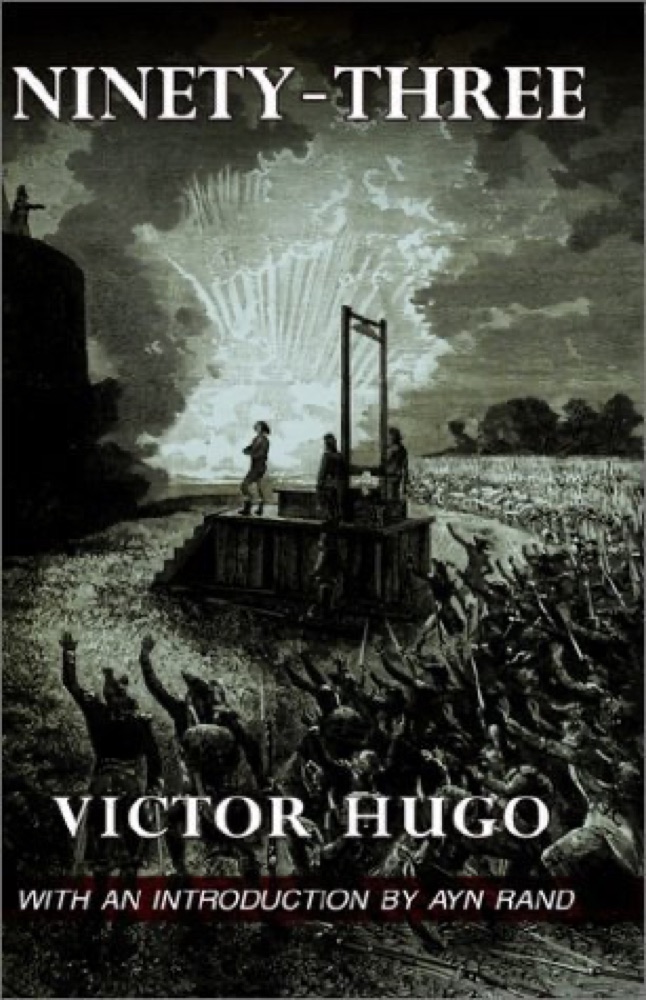
Ninety-three, the last of Victor Hugo's novels, is regarded by many including such diverse critics as Robert Louis Stevenson and André Maurois as his greatest work.
1793, Year Two of the Republic, saw the establishment of the National Convention, the execution of Louis XVI, the Terror, and the monarchist revolt in the Vendée, brutally suppressed by the Republic. Hugo's epic follows three protagonists through this tumultuous year: the noble royalist de Lantenac; Gauvain, who embodies a benevolent and romantic vision of the Republic; and Cimourdain, whose principles are altogether more robespierrean.The conflict of values culminates in a dramatic climax on the scaffold.
Book details
- First published
- 1874
- Author
- Victor Hugo
- Genre
- Classics
- Goodreads rating
- 4.08 (7k ratings)
Keep reading
 Forge of Darkness
 The Enchantress of Florence
 Empire of Silence
 The Will to Power
 Fall of Light
 Toll the Hounds
 Maldoror and the Complete Works
 Too Like the Lightning
 Sword & Citadel
 Arm of the Sphinx
 Black Lamb and Grey Falcon
 Man and Superman
 She
She
 The Warrior Prophet
 Victory
 The Darkness That Comes Before
 Mythology
 Shadow & Claw
 Heretics
 Allan Quatermain
 Shōgun
 The Left Hand of Darkness
 That Hideous Strength
 Queen of Fire
 The Fall of Babel
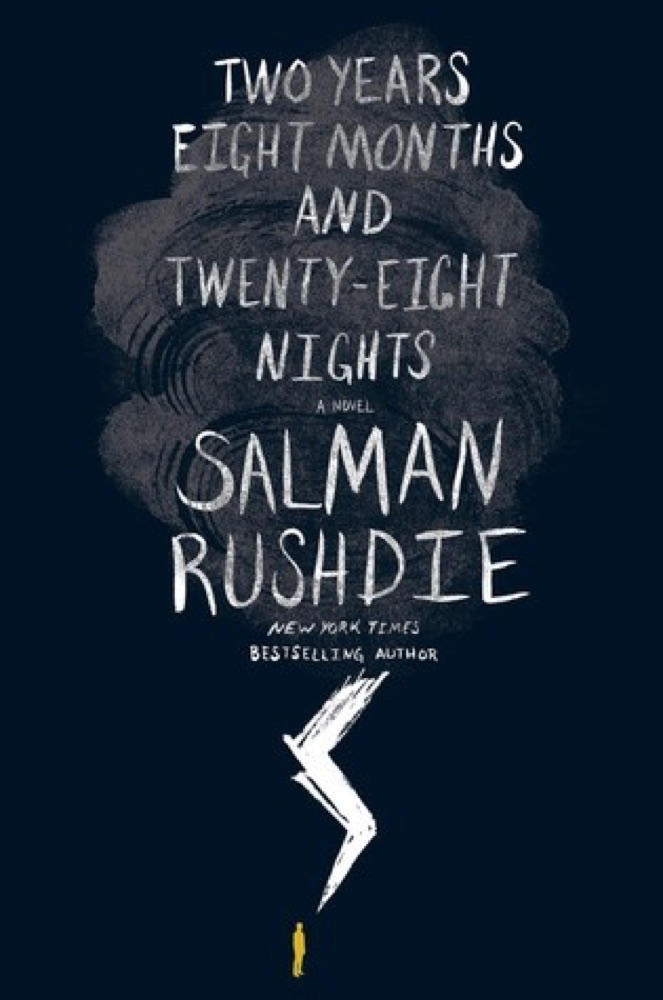 Two Years Eight Months and Twenty-Eight Nights
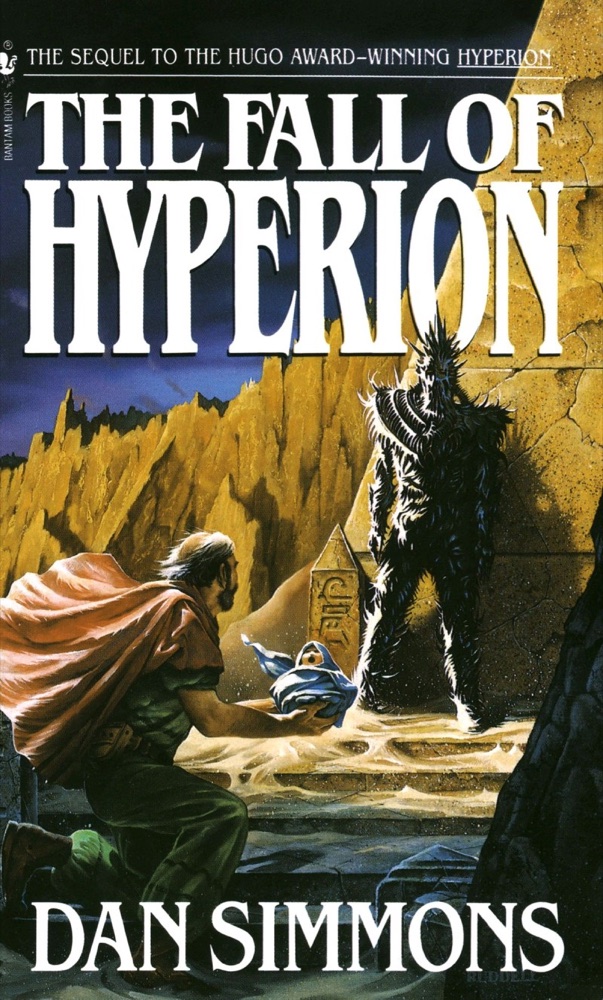 The Fall of Hyperion
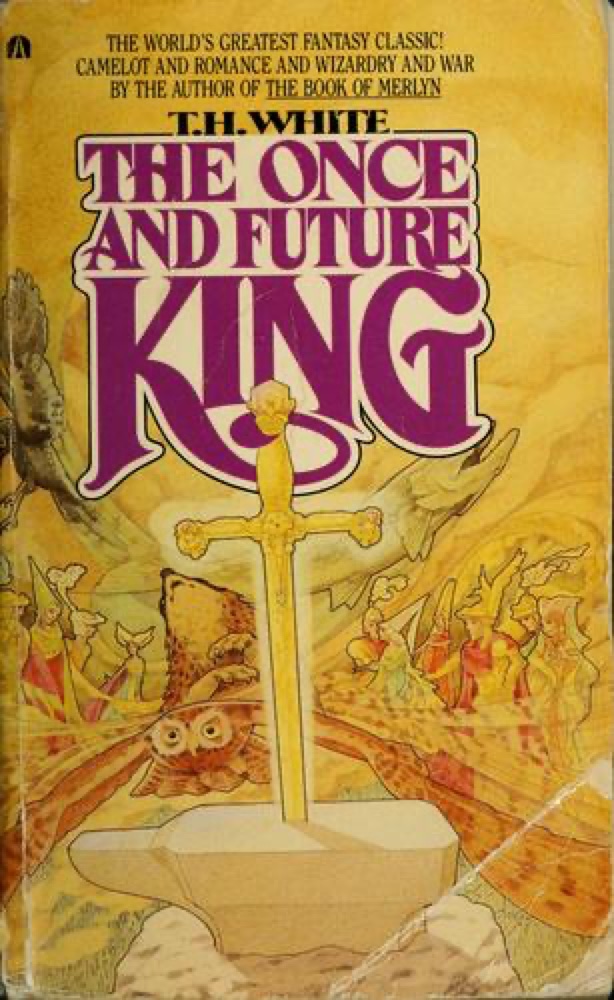 The Once and Future King
 Last First Snow
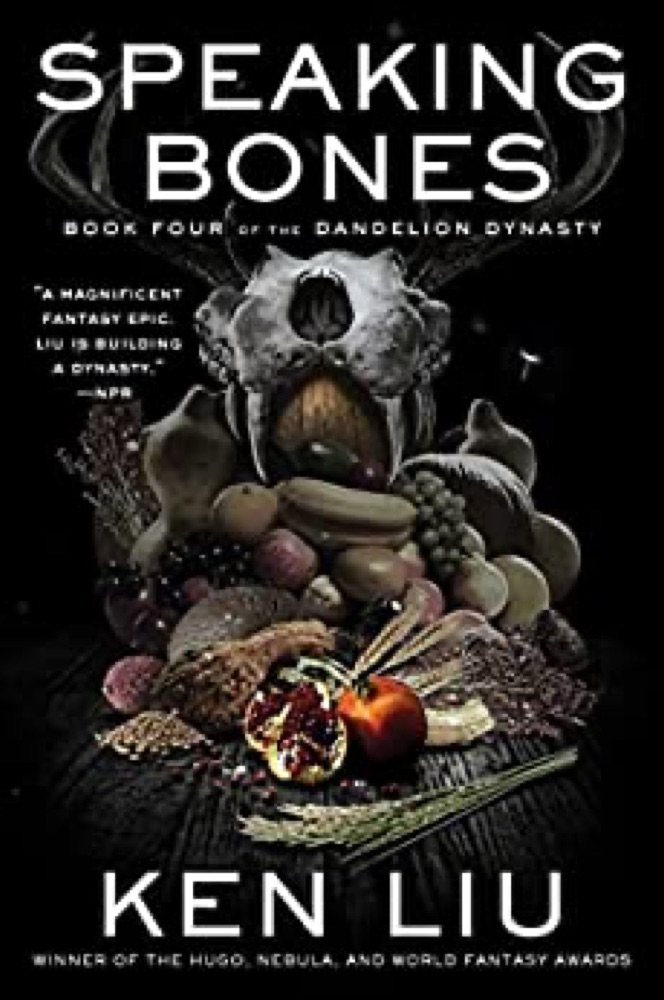 Speaking Bones
 Quicksilver
 Basic Writings of Nietzsche
 The Last Mortal Bond
 The Napoleon of Notting Hill
 The Grace of Kings
 The Man Who Was Thursday
 The Ides of March
 The Claw of the Conciliator
 Selected Poems
 Resistance, Rebellion and Death: Essays
 Don Quixote
 Blood Meridian: Or the Evening Redness in the West
 Under Western Eyes
 Dark Age
 Complete Works of Oscar Wilde
 The Fall
 The Damnation Game
 The Man in the High Castle
 The Volcano Lover: A Romance
 Agamemnon
 Daniel Deronda
 The White Luck Warrior
 Winter's Tale
 March
March
 The Greek Way
 Blood Meridian, or the Evening Redness in the West
 Human, All Too Human
 The Essays of Ralph Waldo Emerson
 A Great Reckoning
 The Magic Mountain