 Persian Letters
Quotes from the Book
There is no greater tyranny than that which is perpetrated under the shield of the law and in the name of justice. (Cambridge University Press (September 29, 1989)
224
Democratic and aristocratic states are not in their own nature free. Political liberty is to be found only in moderate governments; and even in these it is not always found. It is there only when there is no abuse of power. But constant experience shows us that every man invested with power is apt to abuse it, and to carry his authority as far as it will go.
32
...when the laws have ceased to be executed, as this can only come from the corruption of the republic, the state is already lost.
32
It is not the young people that degenerate; they are not spoiled till those of maturer age are already sunk into corruption.
20
The political liberty, of the subject, (separation of powers), is a tranquility of mind arising from the opinion each person has of [their] safety. In order to have this liberty. It is requisite the government be so constituted as one [person] need not to be afraid of another." Baron de Montesquieu, Spirit of laws 1748
12
When the savages of Louisiana are desirous of fruit, they cut the tree to the root and gather the fruit. This is an emblem of despotic government.
5
[245] "In large and populous cities," says the author of the Fable of the Bees, i, p. 133, "they wear clothes above their rank, and, consequently, have the pleasure of being esteemed by a vast majority, not as what they are, but what they appear to be.
4
[92] Plato, in his fourth book of Laws, says that the præfectures of music and gymnic exercises are the most important employments in the city; and, in his Republic, iii, Damon will tell you, says he, what sounds are capable of corrupting the mind with base sentiments, or of inspiring the contrary virtues.
4
It is possible that the law, which is clear sighted in one sense, and blind in another, might, in some cases, be too severe. But as we have already observed, the national judges are no more than the mouth that pronounces the words of the law, mere passive beings, incapable of moderating either its force or rigor. That part, therefore, of the legislative body, which we have just now observed to be a necessary tribunal on another occasion, also is a necessary tribunal in this; it belongs to its supreme authority to moderate the law in favor of the law itself, by mitigating the sentence.
3
The political men of Greece who lived under popular government recognized no other force to sustain it than virtue. Those of today speak to us only of manufacturing, commerce, finance, wealth, and even luxury.
3
Virtue in a republic is a most simple thing: it is a love of the republic; it is a sensation, and not a consequence of acquired knowledge: a sensation that may be felt by the meanest as well as by the highest person in the state. When the common people adopt good maxims, they adhere to them more steadily than those whom we call gentlemen. It is very rarely that corruption commences with the former: nay, they frequently derive from their imperfect light a stronger attachment to the established laws and customs. The love of our country is conducive to a purity of morals, and the latter is again conducive to the former. The less we are able to satisfy our private passions, the more we abandon ourselves to those of a general nature. How comes it that monks are so fond of their order? It is owing to the very cause that renders the order insupportable. Their rule debars them from all those things by which the ordinary passions are fed; there remains therefore only this passion for the very rule that torments them. The more austere it is, that is, the more it curbs their inclinations, the more force it givfes to the only passion left them.
3
a conqueror, I say, can change the course of everything, and muffled tyranny is the first thing which is liable to violence.
3
The good sense and happiness of individuals largely consists in their having middling talents and fortunes. If a republic whose laws have formed many middling people is composed of sober people, it will be governed soberly; if it is composed of happy people, it will be very happy.
2
Honor makes all the parts of the body politic move; its very action binds them, and each person works for the common good, believing he works for his individual interests. Speaking philosophically, it is true that the honor that guides all the parts of the state is a false honor, but this false honor is as useful to the public as the true one would be to the individual who could have it. And is it not impressive that one can oblige men to do all the difficult actions which require force, with no reward other than the renown of these actions?
2
Commerce is a cure for the most destructive prejudices; for it is almost a general rule, that wherever we find agreeable manners, there commerce flourishes; and that wherever there is commerce, there we meet with agreeable manners.
2
In every government there are three sorts of power: the legislative; the executive in respect to things dependent on the law of nations; and the executive in regard to matters that depend on the civil law. By virtue of the first, the prince or magistrate enacts temporary or perpetual laws, and amends or abrogates those that have been already enacted. By the second, he makes peace or war, sends or receives embassies, establishes the public security, and provides against invasions. By the third, he punishes criminals, or determines the disputes that arise between individuals. The latter we shall call the judiciary power, and the other, simply, the executive power of the state. When the legislative and executive powers are united in the same person, or in the same body of magistrates, there can be no liberty; because apprehensions may arise, lest the same monarch or senate should enact tyrannical laws, to execute them in a tyrannical manner. Again, there is no liberty if the judiciary power be not separated from the legislative and executive. Were it joined with the legislative, the life and liberty of the subject would be exposed to arbitrary control; for the judge would be then the legislator. Were it joined to the executive power, the judge might behave with violence and oppression. There would be an end of every thing, were the same man, or the same body, whether of the nobles or of the people, to exercise those three powers, that of enacting laws, that of executing the public resolutions, and of trying the causes of individuals. The executive power ought to be in the hands of a monarch, because this branch of government, having need of dispatch, is better administered by one than by many: on the other hand, whatever depends on the legislative power, is oftentimes better regulated by many than by a single person. But, if there were no monarch, and the executive power should be committed to a certain number of persons, selected from the legislative body, there would be an end of liberty, by reason the two powers would be united; as the same persons would sometimes possess, and would be always able to possess, a share in both.
2
Watch on YouTube
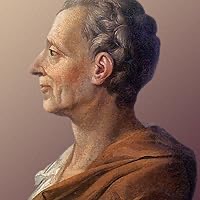
About Montesquieu
We have collected 43 quotes from 2 books by Montesquieu on BookQuoters.
More about the author →More by Montesquieu
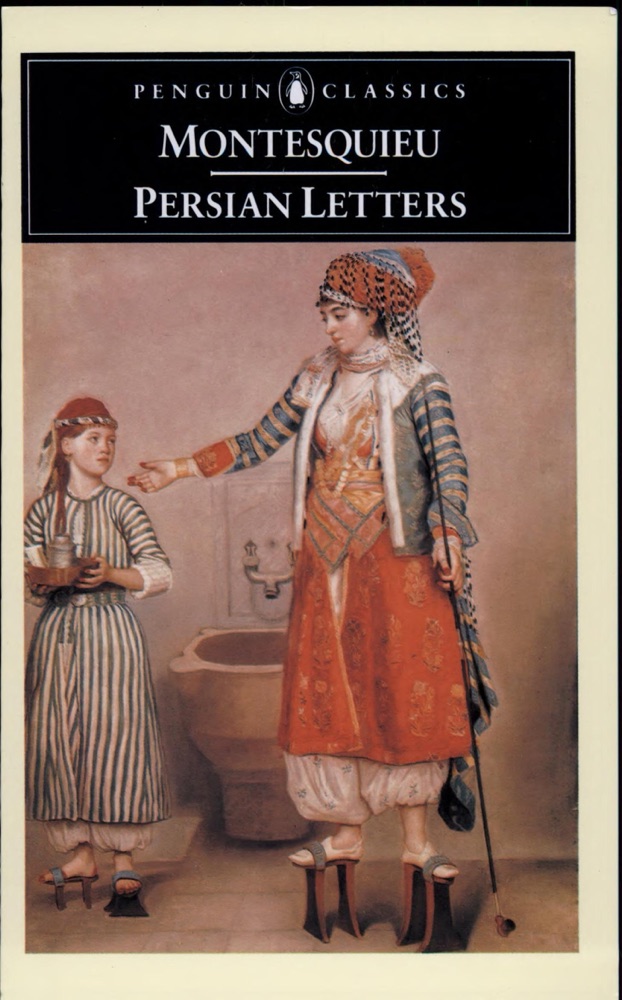
Persian Letters
About the book
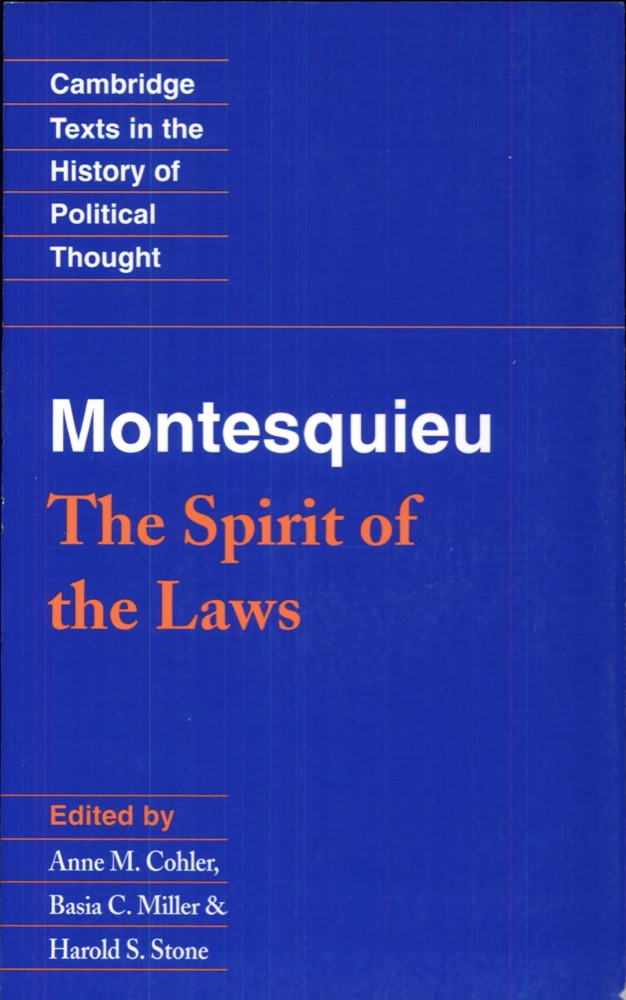
The Spirit of the Laws is, without question, one of the central texts in the history of 18th-century thought, yet there has been no complete scholarly English language edition since 1750.
This lucid translation renders Montesquieu's problematic text newly accessible to a fresh generation of students, helping them to understand why Montesquieu was such an important figure in the early Enlightenment and why The Spirit of the Laws was such an influence on those who framed the American Constitution.
Fully annotated, this edition focuses on Montesquieu's use of sources and his text as a whole, rather than on those opening passages toward which critical energies have traditionally been devoted. A select bibliography and chronology are also provided.
Book details
- First published
- 1748
- Author
- Montesquieu
- Genre
- Philosophy
- Goodreads rating
- 3.98 (5k ratings)
Keep reading
 Reflections on the Revolution in France
 The Discourses
 The Federalist Papers
 The Machiavellians: Defenders of Freedom
 On the Republic / On the Laws
 The Old Regime and the French Revolution
 Civil Disobedience
 Democracy in America
 The 5000 Year Leap: A Miracle That Changed the World
 Rights of Man
 Political Theology: Four Chapters on the Concept of Sovereignty
 Politics
 The Law
 Second Treatise of Government
 Common Sense
 The Constitution of Liberty
 On Liberty
 Civil Disobedience and Other Essays
 Liberalism: The Classical Tradition
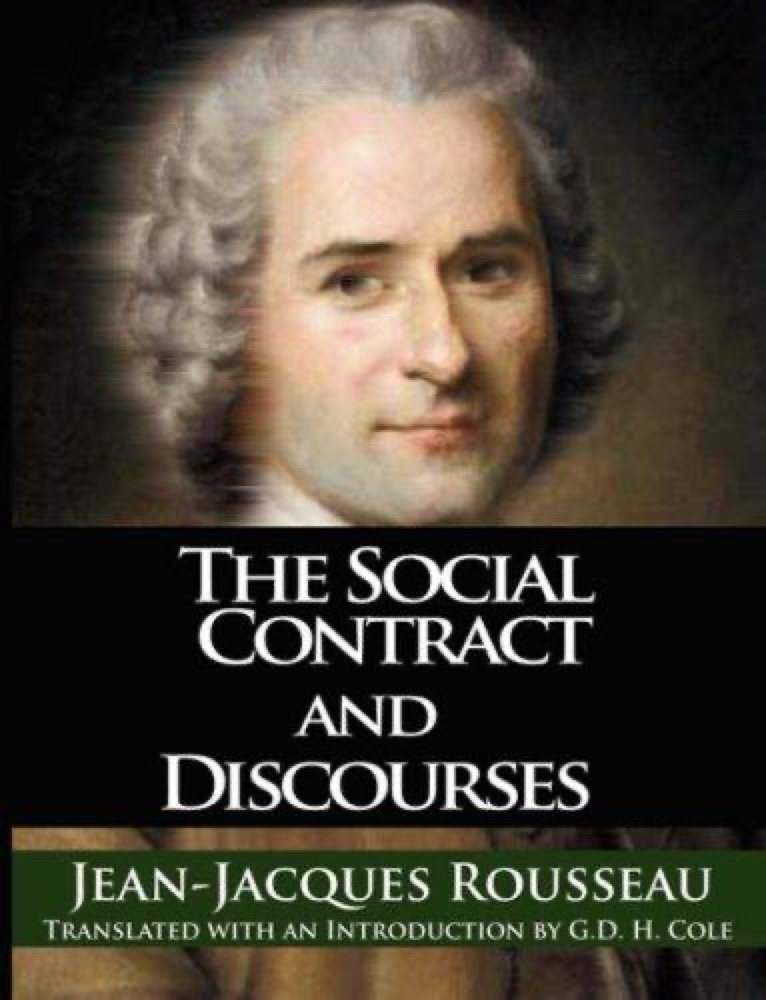 The Social Contract
 A People's History of the United States
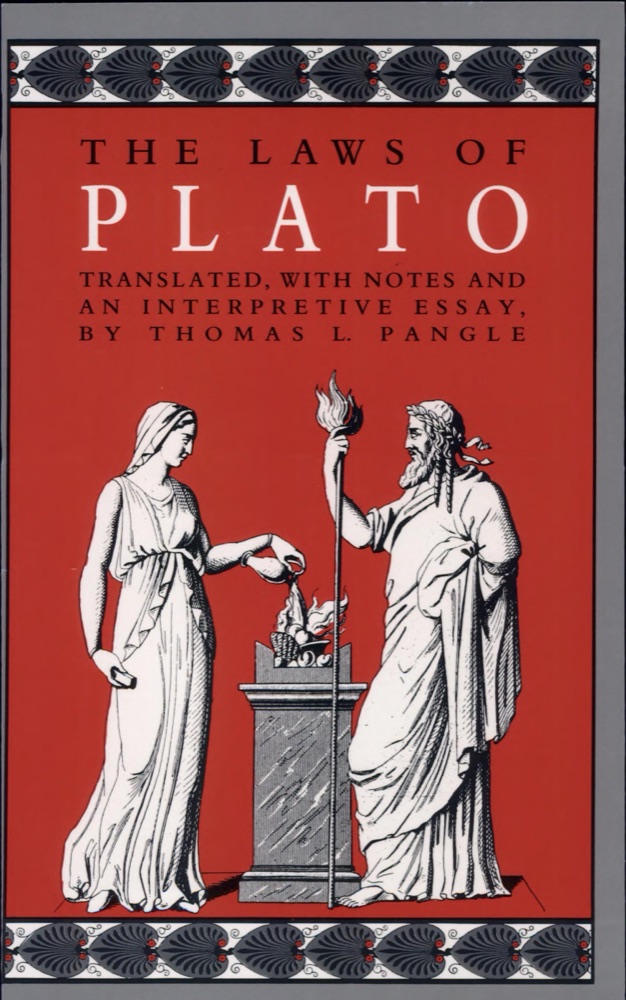 The Laws of Plato
 A Theory of Justice
 Ameritopia: The Unmaking of America
 Anarchy, State, and Utopia
 Elements of the Philosophy of Right
 The Road to Serfdom
 On Duties
 Political Order and Political Decay: From the Industrial Revolution to the Globalization of Democracy
 De la Démocratie en Amérique, tome II
 The Revolution: A Manifesto
 Discourse on the Origin of Inequality
 Capitalism: The Unknown Ideal
 From Dawn to Decadence: 500 Years of Western Cultural Life, 1500 to the Present
 Theological-Political Treatise
 The Open Society and Its Enemies - Volume One: The Spell of Plato
 The Republic
 Rules for Radicals: A Pragmatic Primer for Realistic Radicals
 The History of the Decline and Fall of the Roman Empire Volume I
 On Liberty and Other Essays
 Chomsky On Anarchism
 The Iron Heel
 Dictator
 Gorgias
 The Radicalism of the American Revolution
Persian Letters
The Radicalism of the American Revolution
Persian Letters
 Profiles in Courage
 The Lessons of History
 These Truths: A History of the United States
 Liberty Defined: 50 Essential Issues That Affect Our Freedom
 The Muqaddimah: An Introduction to History
 On Revolution
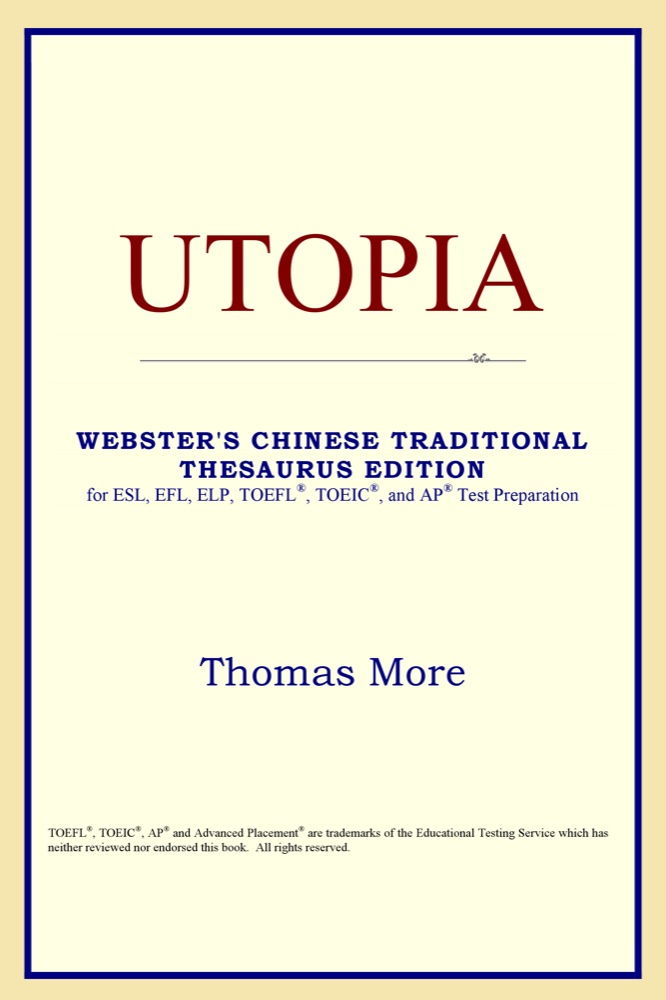 Utopia
 Behold a Pale Horse
 Doing Justice: A Prosecutor's Thoughts on Crime, Punishment, and the Rule of Law
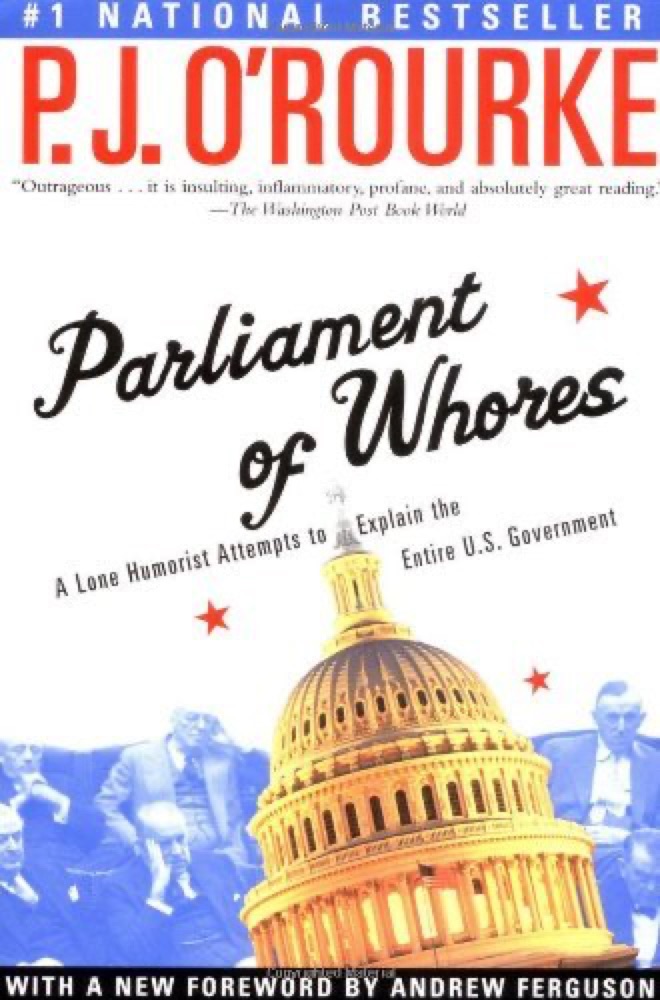 Parliament of Whores: A Lone Humorist Attempts to Explain the Entire U.S. Government
 Freedom
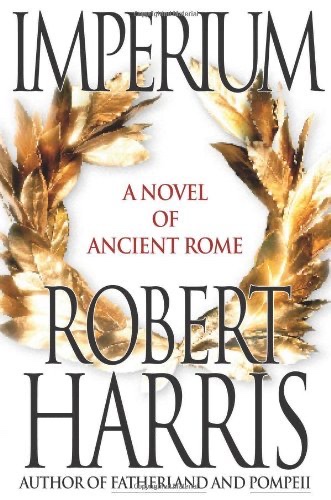 Imperium: A Novel of Ancient Rome
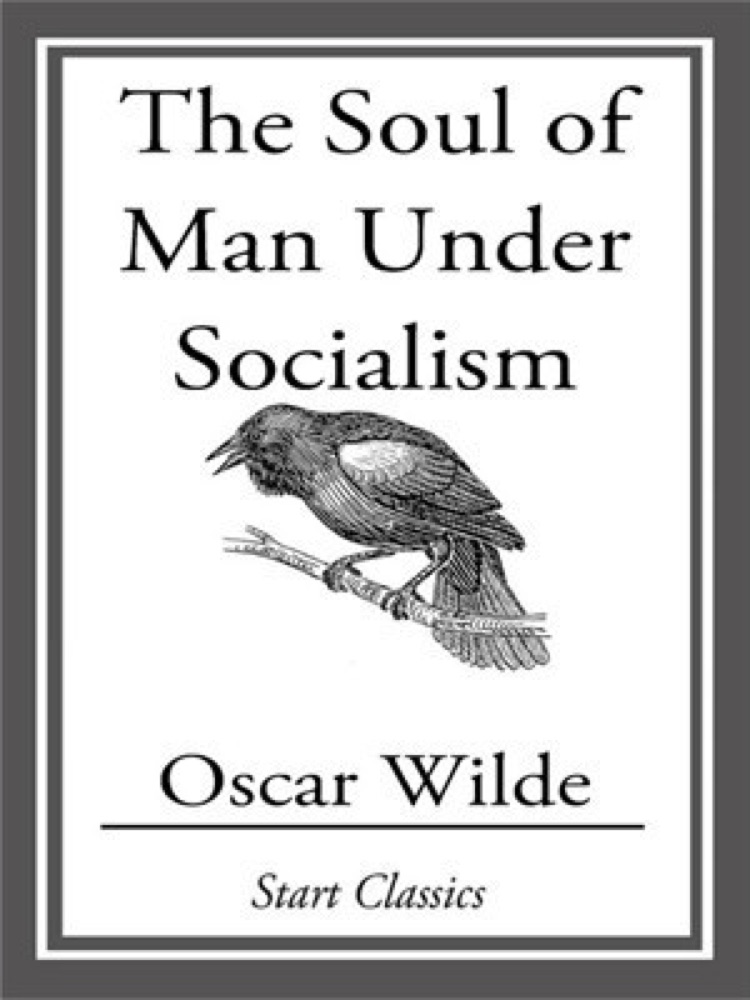 The Soul of Man Under Socialism
 The Ides of March