
 A Distant Mirror: The Calamitous 14th Century
Quotes from the Book
The proud tower built up through the great age of European civilization was an edifice of grandeur and passion, of riches and beauty and dark cellars. Its inhabitants lived, as compared to a later time, with more self-reliance, more confidence, more hope; greater magnificence, extravagance and elegance; more careless ease, more gaiety, more pleasure in each other's company and conversation, more injustice and hypocrisy, more misery and want, more sentiment including false sentiment, less sufferance of mediocrity, more dignity in work, more delight in nature, more zest. The Old World had much that has since been lost, whatever may have been gained. Looking back on it from 1915, Emile Verhaeren, the Belgian Socialist poet, dedicated his pages, "With emotion, to the man I used to be.
18
Mankind's tragedy is that he can draw up blueprints for a better life but he cannot live up to them.
8
Even the respectable have a small anarchist hidden on the inside.
8
Asked what would be his idea of Heaven, one statesman in 1897 said it would be to "receive a flow of telegrams alternating news of a British victory by sea and a British victory by land.
8
Of England's patrician class, the author writes: "It was easy to be agreeable when everything was done to keep them in comfort and ease.
7
The overpowering unimportance of this MAKES ME SPEECHLESS. – Speaker of the House of Representatives Thomas Reed
6
If it was bliss to be alive, to hunt was rapture.
6
I command, or I keep quiet." Napoleon
5
William McKinley was a man made to be managed.
5
If they are afraid of revision in the laboratory, truth will never be released except by accident.
5
In proportion that property is small, the danger of misusing the franchisee is great.
5
Advice to young Samuel Gompers that might apply in many other areas: "Learn from socialism, but don't join it.
4
Henry Adams, like most people, saw society in his own image.
4
He was the most persuasive speaker, less for his words than character behind them. He made every listener feel he had done his best to master every aspect of this question, who has been driven by logic to arrive at certain conclusions, and who is disguising from us no argument on either side.
4
Party animosity was concealed under a veil of studied courtesy.
4
Malignant phenomena do not come out of a golden age.
4
Without a country, you are the basket of humanity.
3
One aristocratic leader's club was known for, "an atmosphere of solemn tranquility, in which reading, dozing, and meditation took precedence over conversation.
3
The English patrician bloomed in his natural climate.
3
He accomplished wonders of diplomacy on the principle, never give way, and never give offense.
2
Talent for oratory can simulate the need for action and even thought.
2
Each one of us is serious individually, but together we become frivolous.
2
The scene is France. The theater is the world.
2
In committee at The Hague, Fisher behaved himself with surprising circumspection; unofficially he remained normal. “The humanizing of war!” he exploded. “You might just as well talk of humanizing Hell!
1
We have been misled by the people of the time themselves who, in looking back across the gulf of the War, see that earlier half of their lives misted over by a lovely sunset haze of peace and security. It did not seem so golden when they were in the midst of it.
1
Lloyd George’s Budget of 1909 was the fuse, deliberately lit, of one of the great quarrels which made the Liberal era, in the words of a participant, “so unprecedentedly cantankerous and uncomfortable.” With Liberal prestige sinking, party leaders were aware that without a popular issue they might not win the next election. People were already beginning to calculate, Gardiner wrote, “when the election would come and by how much the Liberals would lose.” As Chancellor of the Exchequer Lloyd George had to provide £16,000,000 of additional revenue for 1909, one-third toward the eight Dreadnoughts to which the Government had agreed, and two-thirds for implementing the Old Age Pensions Act.
1
Reporters, in the hope of eliciting a witticism, were always asking him for comments on the news of the day. They were not always successful. Asked to comment on a Papal message, he replied, “The overpowering unimportance of this makes me speechless.” Asked what was the greatest problem confronting the American people, he replied, “How to dodge a bicycle.
1
Watch on YouTube
About Barbara W. Tuchman
We have collected 147 quotes from 6 books by Barbara W. Tuchman on BookQuoters.
More about the author →More by Barbara W. Tuchman
A Distant Mirror: The Calamitous 14th Century
 The Guns of August
 The March of Folly: From Troy to Vietnam
 The First Salute : View of the American Revolution
About the book
During the fateful quarter century leading up to World War I, the climax of a century of rapid, unprecedented change, a privileged few enjoyed luxury as the underclass was “heaving in its pain, its power, and its hate.”
In "The Proud Tower", Barbara W. Tuchman brings the era to vivid life: the decline of the Edwardian aristocracy; the Anarchists of Europe and America; Germany and its self-depicted hero, Richard Strauss; Diaghilev’s Russian ballet and Stravinsky’s music; the Dreyfus Affair; the Peace Conferences in The Hague; and the enthusiasm and tragedy of Socialism, epitomized by the assassination of Jean Jaurès on the night the Great War began and an epoch came to a close.
Book details
- First published
- 1965
- Author
- Barbara W. Tuchman
- Genre
- History
- Goodreads rating
- 4.12 (10k ratings)
Keep reading
 Fall of Giants
 American Colossus: The Triumph of Capitalism, 1865-1900
 The Secret Agent
 A Place of Greater Safety
 Call for the Dead
 It Can't Happen Here
 The Last Lion: Winston Spencer Churchill: Alone, 1932-40
 Felix Holt: The Radical
 Stone's Fall
 Ravelstein
 Precipice
 The Honourable Schoolboy
 Destiny of the Republic: A Tale of Madness, Medicine and the Murder of a President
 The Monuments Men: Allied Heroes, Nazi Thieves, and the Greatest Treasure Hunt in History
 Ragtime
 The Jewel in the Crown
 Essays of E.B. White
 The Winds of War
 Executive Orders
 Tigerman
 The Mask of Dimitrios
 Absolute Friends
 The Education of Henry Adams
 Victory
 Burr
Burr
 Hawaii
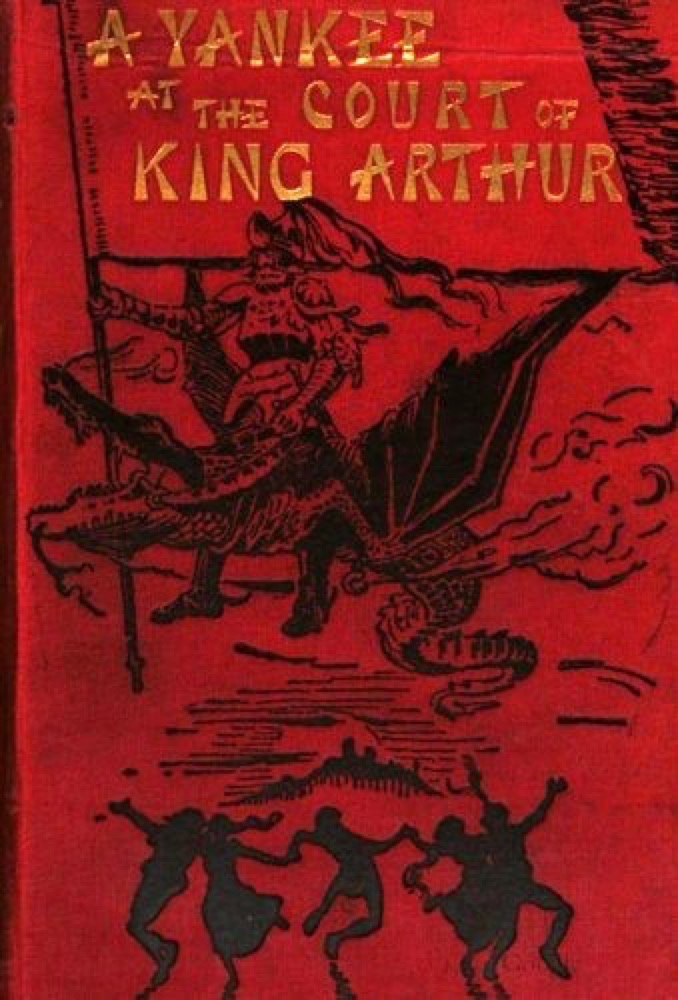 A Connecticut Yankee in King Arthur's Court
 The Accursed
 The Complete Saki
 The Ministry of Fear
 Winter of the World
 The Napoleon of Notting Hill
 Black Lamb and Grey Falcon
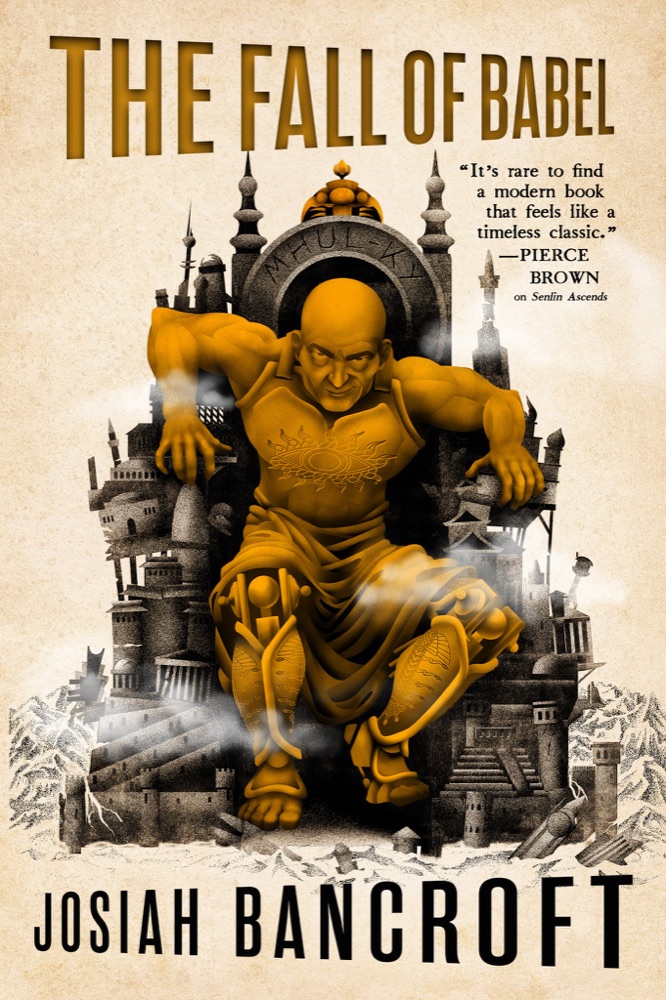 The Fall of Babel
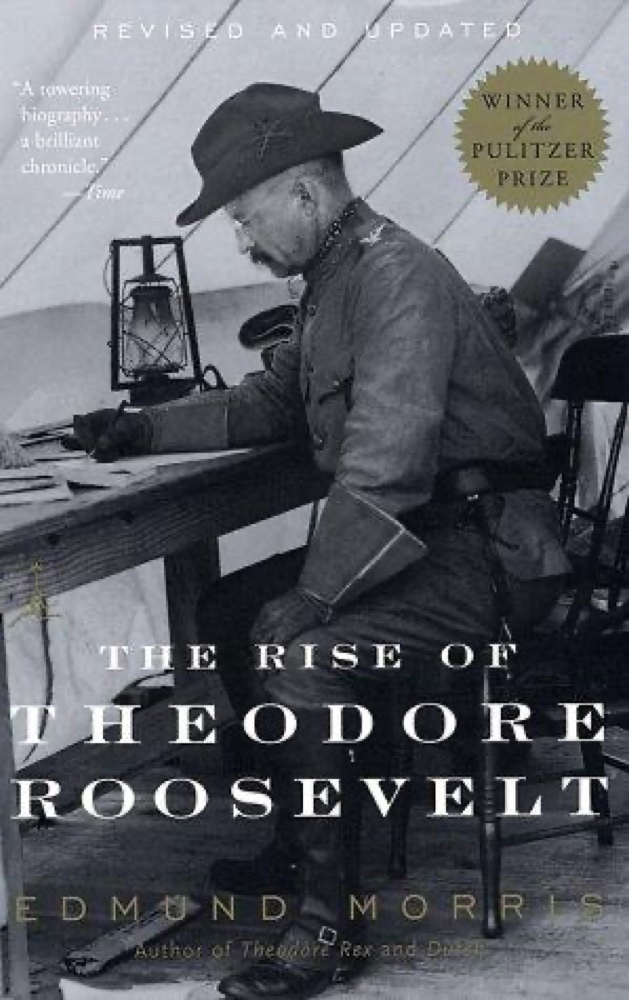 The Rise of Theodore Roosevelt
A Distant Mirror: The Calamitous 14th Century
The Rise of Theodore Roosevelt
A Distant Mirror: The Calamitous 14th Century
 The Bonfire of the Vanities
 Dr. Thorne
 Babbitt
 Utopia
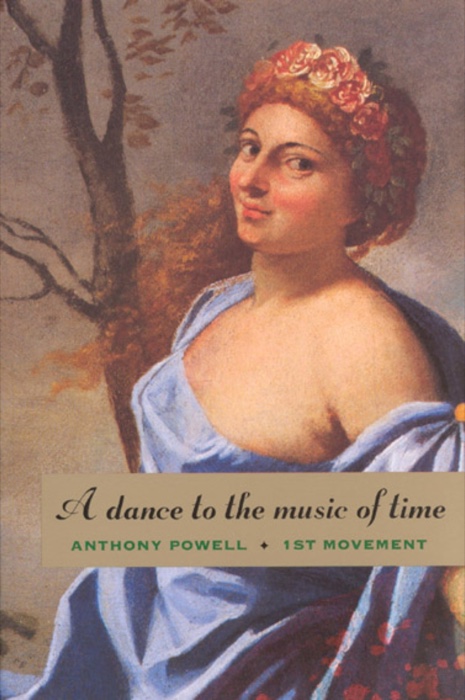 A Dance to the Music of Time: 1st Movement
 The Autobiography of Eleanor Roosevelt
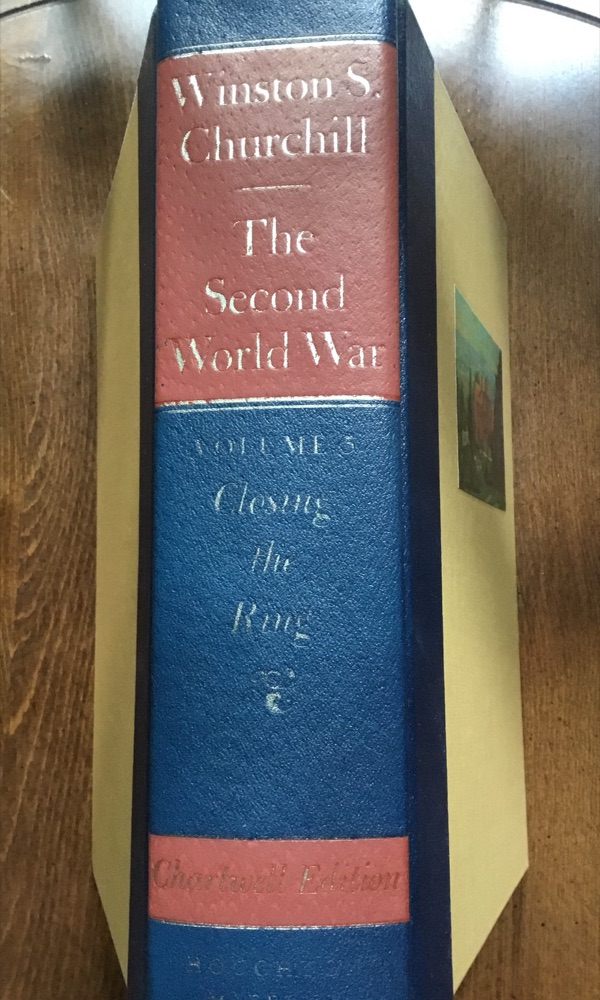 Closing the Ring
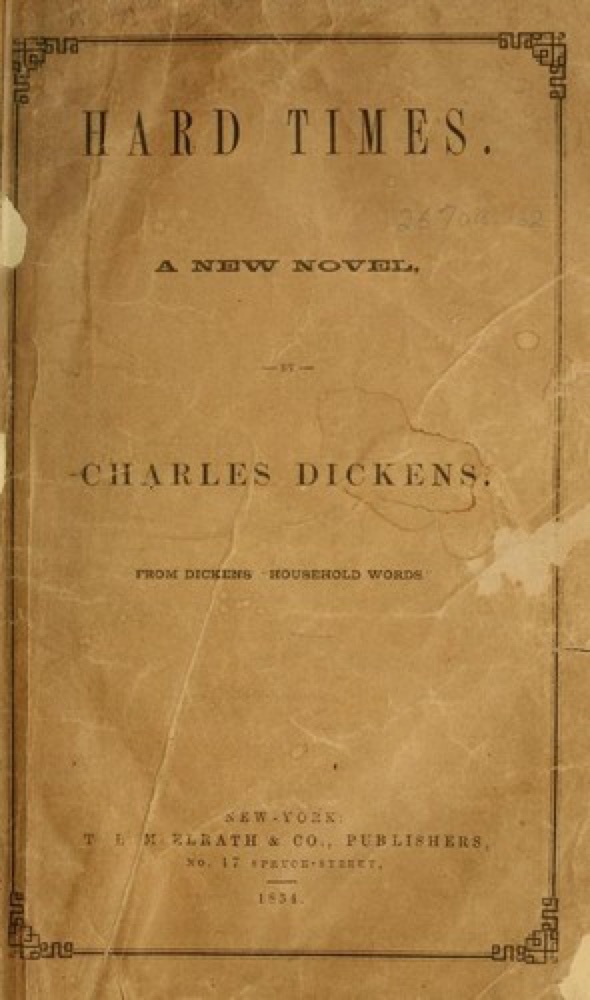 Hard Times
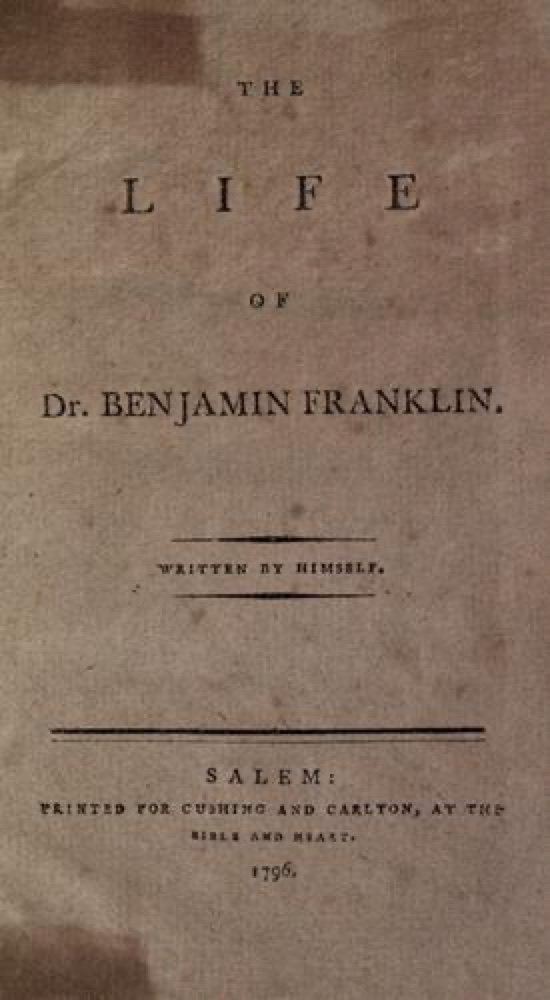 The Autobiography of Benjamin Franklin
 The Path to Power
 The Day of the Scorpion
 Foundation and Empire
 The History of Tom Jones, a Foundling
 History of the Peloponnesian War
 Europe Central
 Zuleika Dobson
 Ninety-Three
The March of Folly: From Troy to Vietnam
Ninety-Three
The March of Folly: From Troy to Vietnam
 Too Like the Lightning
 Reflections on the Revolution in France
 Hercule Poirot: The Complete Short Stories
 The Great Mistake
 The Diamond Age